Kyoto is a place that feels like it has been on every must-visit list for decades. With over 2,000 temples and shrines, it is no wonder so many people flock here every year. You have likely seen the recent social media clips or headlines about overtourism, from the new fines for entering private alleys in Gion to the general strain on the local bus networks. The city is currently in a very public struggle to balance its status as a global icon with the daily reality of the people who actually live here.
But even with the big crowds, we still think it is worth visiting. Yes, even the most famous spots that are notoriously packed with people. These places are world-class for a reason, and seeing them is a rite of passage for any traveller.
That said, having called Japan home for years now, we have also come to realise that Kyoto is more than just the famous postcard views or the big-name shrines. It is also in the small family shops, the quiet backstreets that most people walk right past, and the local connections and experiences that you just cannot find anywhere else.
The best way to handle the scale of the city is to get your bearings first. We suggest checking out our Kyoto Area Guide to see how the different neighbourhoods fit together. Once you have a feel for the layout, this list of 31 things to do in Kyoto will help you find the right mix of famous icons and our own local favourites. Here is the ultimate Kyoto bucket list.
The Essential Landmarks
1. Hike the Orange Gates at Fushimi Inari

Fushimi Inari, with its thousands of bright orange gates winding up the side of a mountain, is easily one of the most iconic sights in the world. Our biggest piece of advice here is to just keep walking. Most travellers stop at the very first set of gates, which makes the entrance feel like a massive bottleneck. If you can handle a few more stairs, the crowds thin out a lot the higher you go. We personally love the quiet feel of the upper trails, where you can actually enjoy the forest and the small altars tucked into the trees.
One thing that often surprises our guests here is that there are stone foxes everywhere. Rather than just being cute statues, these foxes are considered messengers of the gods. Those keys you see in their mouths? They are actually for rice granaries, which is a pretty cool detail once you know to look for it.
2. See the View from Kiyomizu-dera

This temple is famous for its massive wooden stage that hangs out over the hillside. The Japanese even have an expression about “jumping off the stage at Kiyomizu”, which is their version of saying you are taking a massive leap of faith. What is truly impressive about this temple though is that the entire structure was built without using a single nail. Yes, you read that right. It is basically a 1,200-year-old masterpiece of Japanese joinery that still stands today.
We suggest getting here as soon as they open at 6:00 AM. If you wait until mid-morning, you will be shoulder to shoulder with hundreds of other people on the narrow streets leading up to the main gate. Once you have taken in the view, head down to the Otowa Waterfall at the base. There are three separate streams of water, and drinking from one is said to bring you success, love, or health. Just remember that drinking from all three is considered greedy, so choose your favourite wish and stick to it!
3. See the Golden Pavilion (Kinkaku-ji)
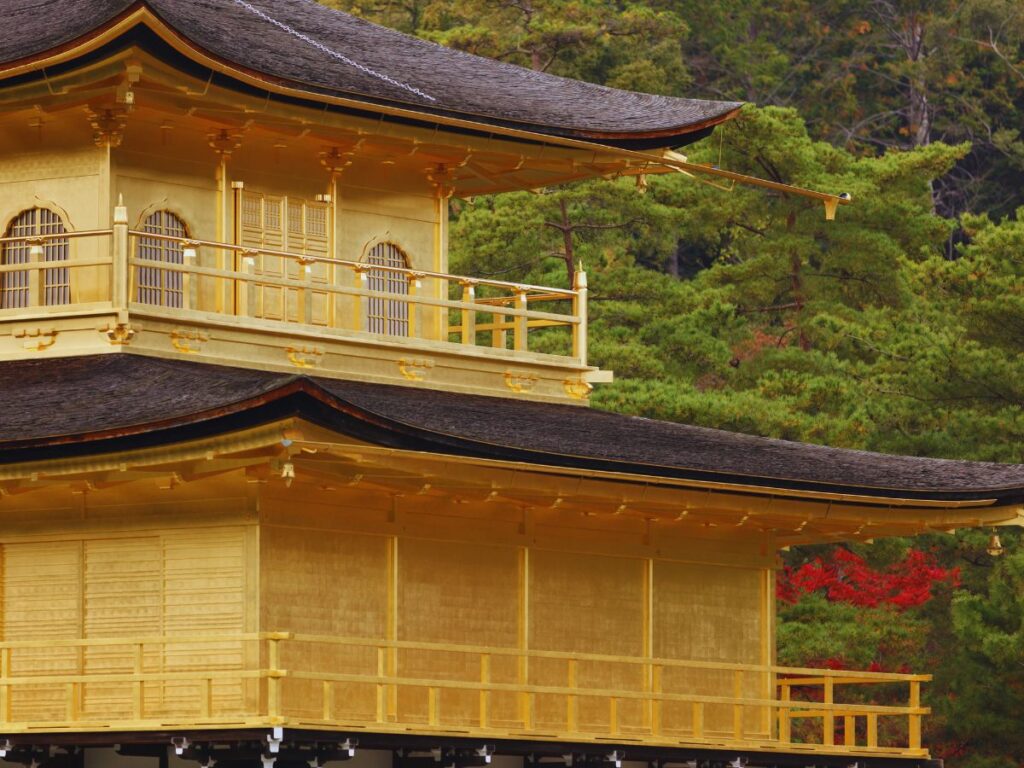
The top two floors of the Golden Pavilion are completely covered in gold leaf (hence the name, duh), and seeing it reflected in the surrounding pond is a highlight of any trip. Did you even go to Kyoto if you didn’t take a photo in front of Kinkaku-ji?
Honestly though, it is a very structured experience because you follow a one-way path with everyone else. Do not expect a quiet or meditative walk here. Even though it is always packed, we still think it is worth the bus ride just to see that gold glow against the water in the afternoon sun. It really is one of the most striking sights in the country, and the photos you get here are fantastic. Try to arrive right when they open at 9:00 AM or just before they close at 5:00 PM to catch the best light.
4. Sit at the Ryoan-ji Rock Garden
If you want to see a traditional Zen rock garden, this is the one you cannot miss. It is a simple rectangle of raked gravel with 15 stones placed in small groups. Okay, I know that does not sound that exciting in theory, but the clever design means you can never see all 15 stones at once from the temple veranda. We like to spend at least twenty minutes just sitting on the wooden steps.
Even with other people around, there is something about the minimalist layout that helps you clear your head. It is a nice break from the more colourful and ornate shrines in other parts of the city. Fun fact: The garden gained huge global recognition after Queen Elizabeth II visited and praised its beauty in 1975.
5. Walk the Arashiyama Bamboo Grove
You cannot talk about Kyoto without mentioning the towering green bamboo stalks of Arashiyama. Walking through here when the wind catches the stalks makes this incredible whistling sound that feels like it is from another world. It is a short walk, but the scale of the plants is massive.
But yeah, let us be real: it is a queue of people unless you get here at sunrise. We always suggest coming as early as possible so you do not feel like you are just part of a parade. And if waking up early is not your thing, we have this alternative itinerary from an expert local guide (you’re welcome, sleepyhead):
6. Explore the “Hidden” Silver Pavilion (Ginkaku-ji)

Despite the name, there is not actually any silver here. It was meant to be the “Silver Pavilion” to match the Golden Pavilion, but the plans changed. Truly, we like this one better because the moss gardens and sand sculptures feel much more grounded and peaceful. It is a bit more understated than Kinkaku-ji, which makes it feel less like a museum and more like a place where you can actually breathe. Make sure you take the path to the viewpoint at the back for a great look over the temple roofs and the city beyond.
Hands-on Kyoto Traditions
7. Wander Ninenzaka and Sannenzaka in a Kimono
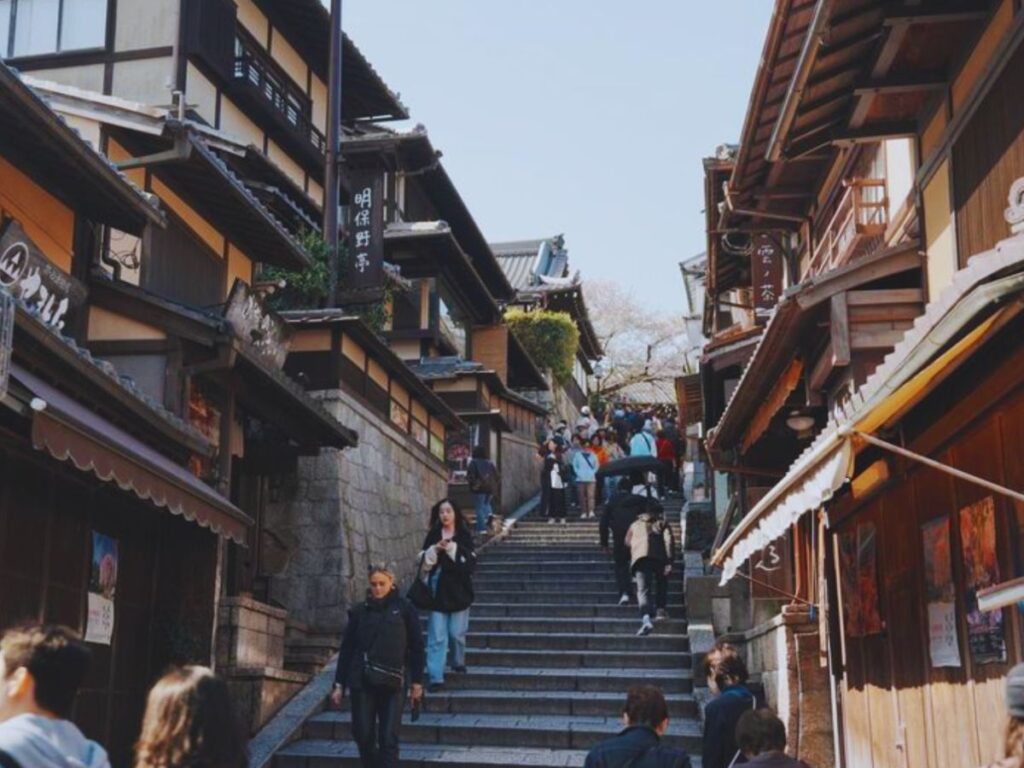
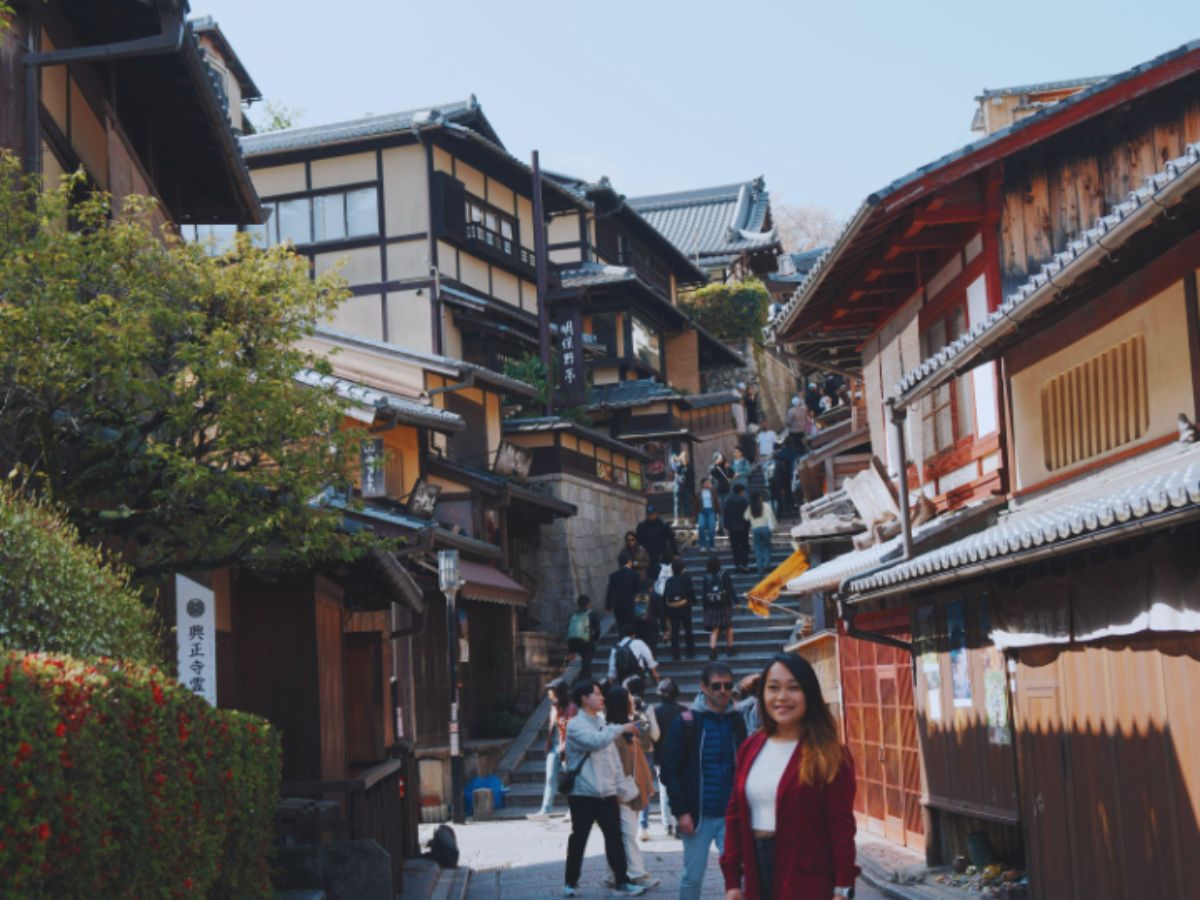
There is nothing like wandering these old streets in a kimono to make you feel like you have stepped back into the Edo period. These two sloping streets are the heart of the old Higashiyama district and are lined with traditional wooden buildings and tea houses. While they are almost always busy, walking through here in traditional dress makes for incredible photos.
Just watch your step! Local legend says if you fall here, you are in for several years of bad luck. It is probably just a story to keep people from tripping on the stones, but it is a great excuse to slow down and enjoy the atmosphere.
8. Play Traditional Games with a Geiko
Did you know that you can actually sit down and play traditional games with a geiko or maiko, an experience known as Ozashiki Asobi? We tried it out, and it was way more fun and interactive than most people realise.
Besides, even if you lose, it still feels like winning because you get to have a drink. It is a rare chance to see their witty side and experience a part of the city’s nightlife that most tourists only see from the outside.
9. Join a Zen Tea Ceremony
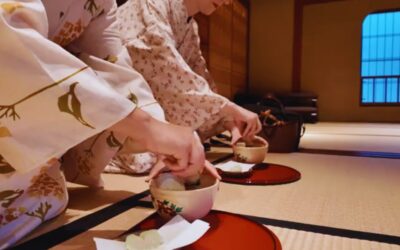
A traditional tea ceremony is the best way to slow down if the city starts to feel like a bit much. It is not just about drinking matcha; it is more about the specific way everything is prepared and every moment is experienced. Since you are already in Kyoto, you are in the perfect place for this. The city is the centre of tea culture in Japan, especially in Uji, where the most famous green tea is grown.
You will usually be invited into a small, simple tea room where you can watch the host prepare the tea before you try it yourself. You also get some local sweets to balance out the bitter taste of the tea. It is a very grounding experience and a nice break from the typical sightseeing path.
Steal our Uji itinerary here:
10. Learn a Traditional Japanese Instrument
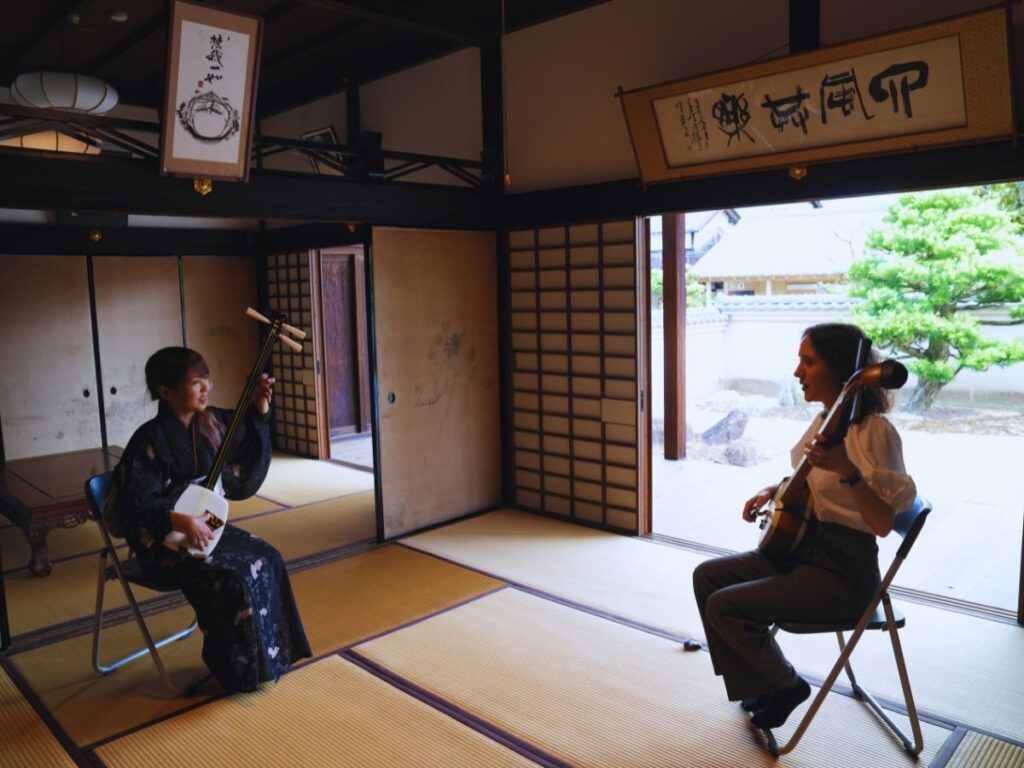
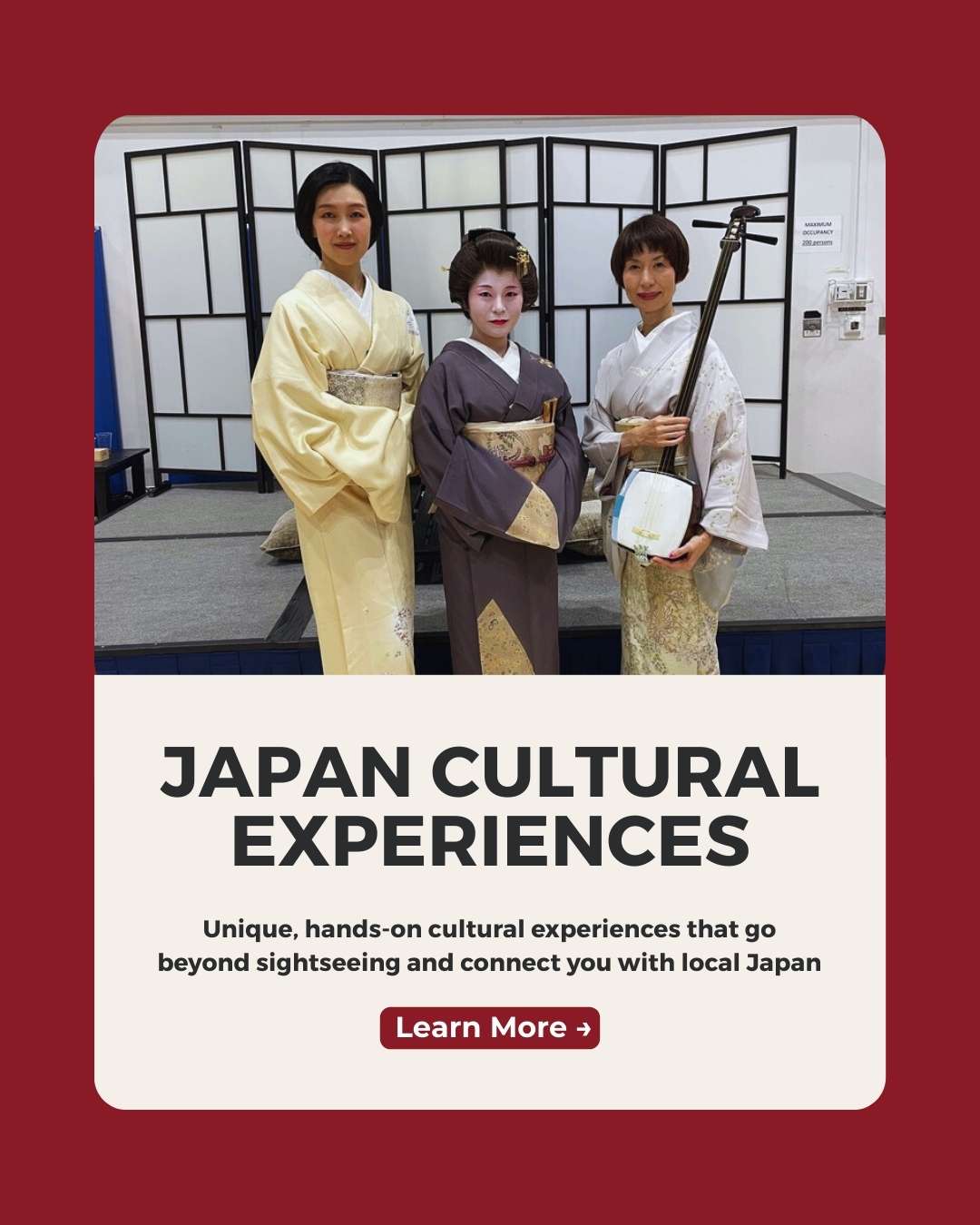
If you are tired of just looking at things behind glass, we think you should try learning a new skill yourself. Taking a beginner lesson on a traditional instrument like the koto or the three-stringed shamisen is a great way to do this. These lessons often take place in historic buildings or temples, which makes the whole experience feel much more authentic.
It is surprisingly tricky to get the right sound at first because there are no frets to guide your fingers, but finally catching that first melody is a total win. It is a much more hands-on way to connect with the local history than just reading a plaque in a museum. You can check out our own shamisen cultural experience to see why we think it is worth the effort.
11. Explore Gion
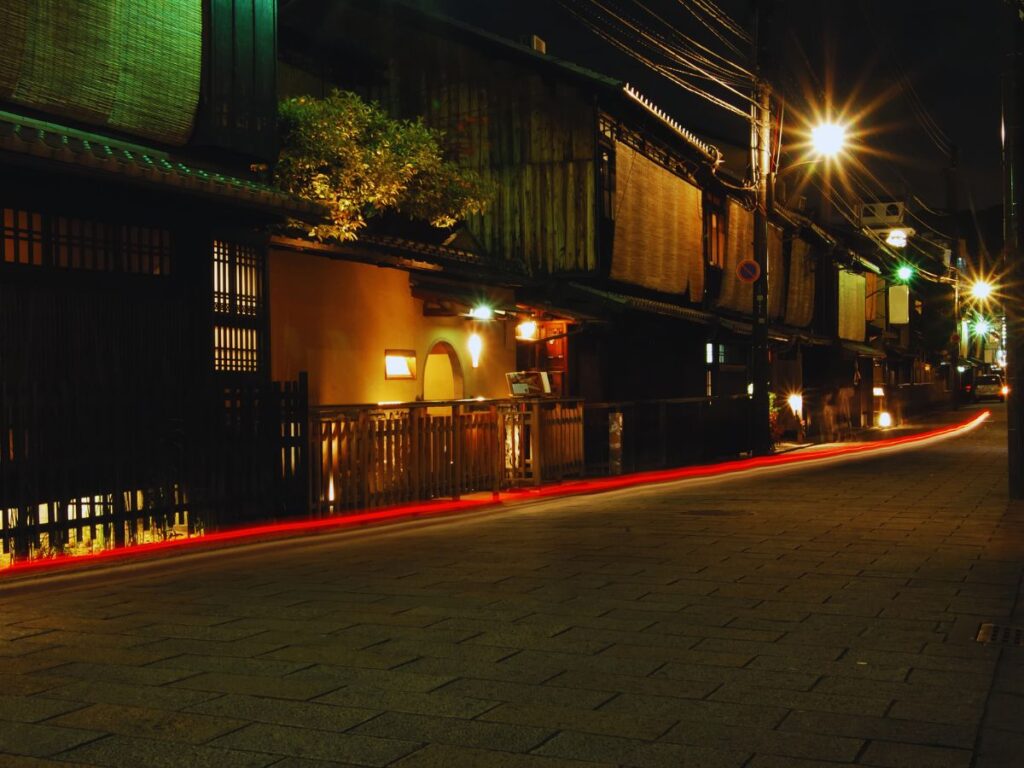
Without a doubt, you have to spend time in Gion if you want to see the side of Kyoto that everyone talks about.
Most people just spend their time here wandering the streets hoping to spot a maiko on her way to an appointment, and we have definitely done the same in the past. However, you need to be really careful because the local rules have become much stricter lately to protect the women working there. We have seen far too many people acting like ‘geisha paparazzi’ in recent years, so please remember to be respectful and never block their path or take photos without asking.
Now, if you want to see the traditional arts properly, we suggest heading to Gion Corner. They put on a show that features seven different types of traditional performing arts, from puppet theatre and court music to a short tea ceremony and a maiko dance. It is designed specifically for visitors, so it is easy to follow and gives you a good overview of the city’s cultural history. It is a solid choice if you are short on time but still want to see the variety of Kyoto’s artistic traditions. Let us know if you need help getting tickets.
Kyoto’s Best Eats & Drinks
12. Eat your way through Nishiki Market

Known as “Kyoto’s Kitchen”, this long, covered market street is where you go to taste the best street food. You can find everything here from soy milk doughnuts to skewered baby octopus with a quail egg inside its head.
We always tell people to arrive with an empty stomach and just follow their nose. The variety of smells and colours is massive, and part of the fun is trying things you cannot even identify. Make sure you look for a stall selling fresh dashimaki tamago. It is a fluffy, dashi-rich rolled omelette that is a local staple, and watching the chefs flip them with giant chopsticks is a total masterclass in skill.
13. Bar Hop in Pontocho Alley
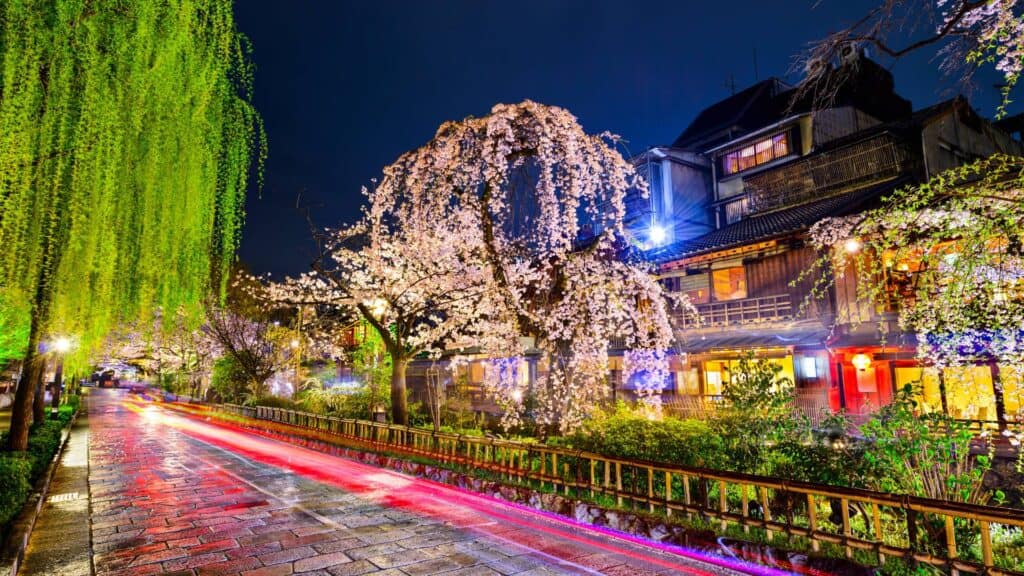
Pontocho is a narrow, stone-paved alley that runs right alongside the Kamogawa River. It is easily one of the most atmospheric streets in the world, especially at night when the traditional lanterns are lit and you can hear the sound of chatter coming from the wooden buildings.
The street is packed with tiny bars and restaurants, and while some are very exclusive, there are plenty of welcoming spots for a drink. We love finding a small, local bar for a craft beer or a highball before heading to dinner.
If you are here in the summer, look for the restaurants that have built outdoor “kamo-gawa yuka” decks over the water. There is nothing like eating outside with the river breeze to cool you down.
14. Experience a Formal Kaiseki Dinner
If you want to see the absolute peak of Japanese cooking, you have to try kaiseki. It is a multi-course meal where every single dish is designed to look like a small work of art. The focus is entirely on what is in season, so the menu changes constantly to reflect the time of year.
We know it can be a bit of an investment, but it is a once-in-a-lifetime experience that shows you the incredible attention to detail that Kyoto is famous for. Think of it as something that is not just a meal but a slow, beautiful performance that usually takes a couple of hours to finish. If you have a special occasion to celebrate while you are in town, this is definitely the way to do it.
15. Go Sake Tasting in Fushimi
Most people only visit Fushimi for the orange torii gates, but we think you are missing out if you do not head over to the brewing district. The area is famous for its soft spring water, which produces some of the most refined sake in Japan. You can walk along the willow-lined canals and visit historic breweries like Gekkeikan to see how the rice is turned into the “drink of the gods”.
The best part is the tasting rooms, where you can try several different varieties for a very reasonable price. It is a much more relaxed way to spend an afternoon than fighting the crowds at the main shrines, and you might just find a new favourite bottle to take home.
Check out our complete guide to sake tasting in Kyoto:
16. Try Traditional Yudofu near Nanzen-ji
Yudofu, or boiled tofu, might sound a bit plain on paper, but in Kyoto, it is a delicacy. The city is famous for its high-quality water, which makes the local tofu incredibly smooth and creamy. Honestly, you just have to try it to know the difference.
The dish is simple: fresh tofu simmered in a light dashi broth with a piece of kombu seaweed. You dip it into a savoury soy-based sauce and enjoy it while it is still piping hot. The area around Nanzen-ji Temple is known for yudofu, and many of the restaurants there are located in historic buildings with stunning garden views. It is the ultimate healthy comfort food, and it feels very grounded and traditional.
17. Eat Obanzai Ryori (Kyoto Home Cooking)

If you want to eat like a local, look for an Obanzai restaurant. This is the traditional home-style cooking of Kyoto, and it is all about balance and using up every part of the ingredient. A typical meal consists of multiple small bowls filled with seasonal vegetables, seafood, and soy products.
Unlike the fancy presentation of Kaiseki, Obanzai feels much more like something a Japanese grandmother would cook for you. It is soul-warming food that is usually very affordable. We love it because you get to try a huge variety of local flavours in one sitting, and it is a great way to discover new vegetables you have never seen before.
18. Taste Everything Matcha, Of Course
Of course, you cannot leave Kyoto without getting your matcha fix. The city is completely obsessed with green tea (rightfully so), and you will find it in everything from high-end ceremonies to street food stalls. We suggest going beyond just a basic cup of tea and trying a matcha parfait, which is usually a massive tower of ice cream, mochi, and jelly. You can also find fresh matcha warabi mochi, which is a soft, jelly-like sweet covered in green tea powder.
If you are a fan of that earthy, slightly bitter flavour, you are going to be in heaven here. It is the perfect afternoon pick-me-up to keep you going through a long day of exploring the city.
Local Escapes & Day Trips
19. Step Back in Time at Miyama Thatched Village
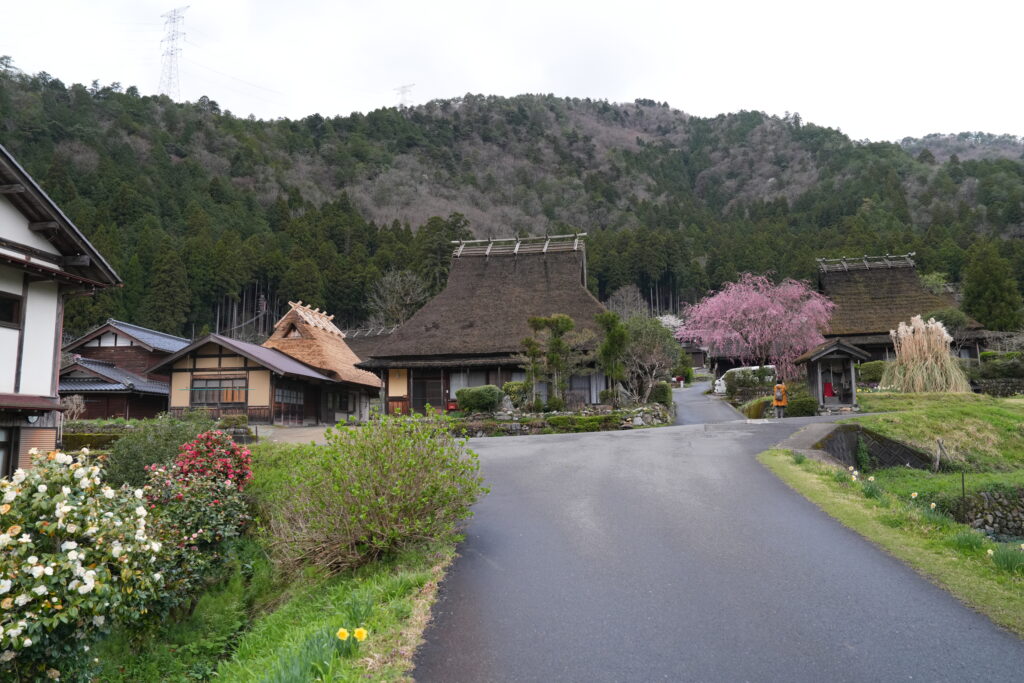
If the city crowds are starting to feel like a bit much, we highly recommend a trip 90 minutes north to Miyama. This remote village, specifically the Kayabuki no Sato area, feels like it has been frozen in time with nearly 40 traditional thatched-roof farmhouses.
What makes it special is that these aren’t just museum displays; people actually still live here and maintain these centuries-old homes. You can stroll through the village at your own pace, visit the local folklore museum, or just enjoy the mountain scenery. It is a peaceful escape into the rural landscape that most travellers never get to see, and the air up there is incredibly fresh.
20. Walk the Philosopher’s Path
This is a stone path that follows a canal lined with hundreds of cherry trees, and it is easily one of the most relaxing walks in the city. It earned its name because one of Japan’s most famous philosophers used to walk here for his daily meditation. The route connects the Silver Pavilion (Ginkaku-ji) with the area around Nanzen-ji, taking about 30 minutes if you walk straight through.
However, we suggest taking much longer than that. The path is full of small cafes, independent craft shops, and tiny shrines that most people overlook. It is the perfect place to just wander without a map and see where you end up, especially in the early morning before it gets busy.
21. Hike from Kurama to Kibune
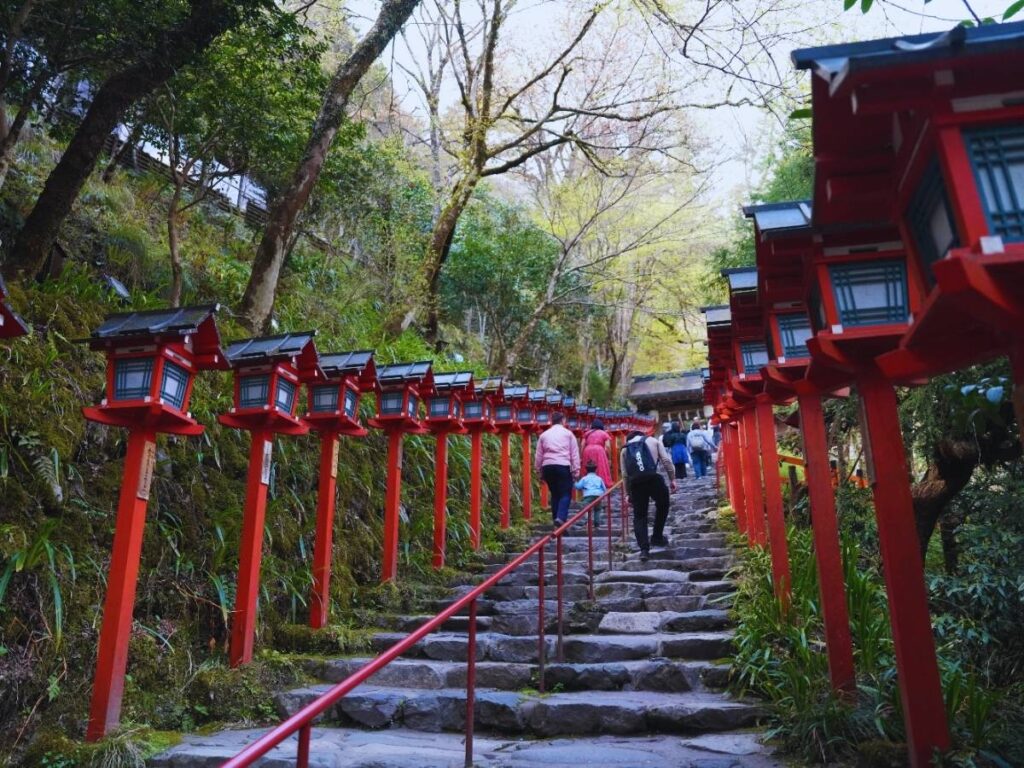
We always recommend the hike from Kurama to Kibune if you want to get away from the crowds, especially in the summer. You start at Kurama dera and walk over the mountain ridge to Kibune. It usually takes us about 90 minutes, and we find it is much better than staying in the city centre when it is hot.
There are a lot of stairs at the start, so we suggest wearing proper shoes because flip flops are a bad idea here. Once you get to Kibune, our favourite thing to do is eat at a restaurant with a platform built over the river. It is the best way to stay cool in the summer, and it is a meal you will actually remember.
22. Cycle Along the Kamogawa River
We think renting a bike and riding along the Kamogawa River is the smartest way to see Kyoto. It is where we go when we want to escape the traffic and the packed buses that everyone else is fighting for.
You can see people having picnics or students practising instruments under the bridges. The paths are flat, so you do not need to be an athlete to enjoy the ride. We find it is the best way to travel between different neighbourhoods while getting a feel for how people actually live here. You might even see a crane fishing in the water if you look closely.
23. Visit the Tea Fields of Uji
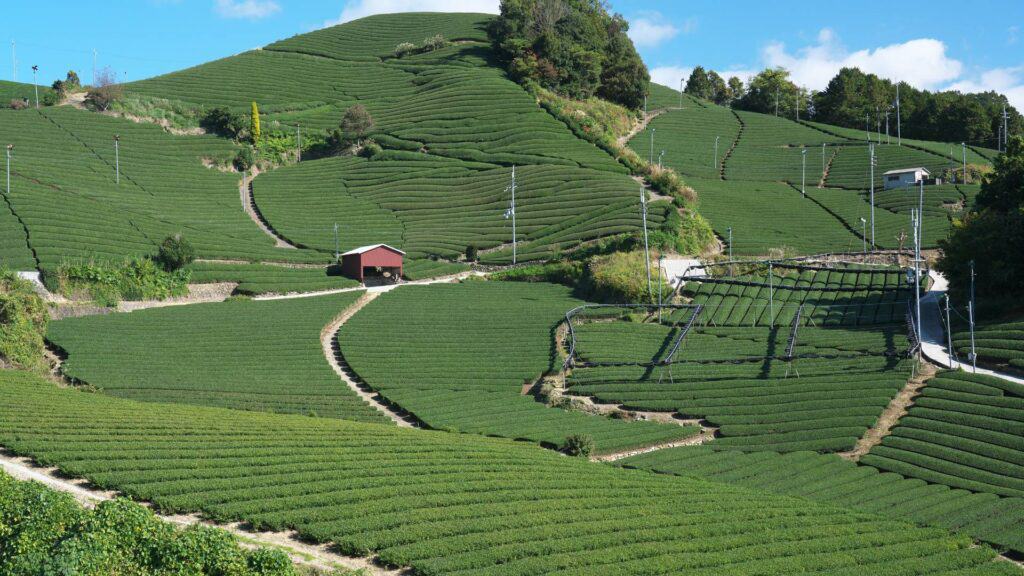
When in Uji, most people just stay on the main shopping street to buy tea, but we suggest walking a bit further out to see the actual hills of tea bushes. It is a much better experience because you see the farmers working, and the air smells incredible because of all the tea being roasted in the local shops.
While there, be sure to also see the Phoenix Hall at Byodo-in Temple, which is the building featured on the back of the 10 yen coin. We think the museum on the temple grounds is one of the best in the city and it is a good place to hide from the sun for a while.
Kyoto’s Best Kept Secrets
24. See the 1,001 Statues at Sanjusangendo
We think Sanjusangendo is the one temple you cannot skip. Yes, even when you feel like you’ve seen too many temples in one trip already. It has the longest wooden building in the country, and inside there are 1,001 (somebody counted, apparently) golden statues of the goddess of mercy. We found that standing in the middle of the hall and looking down the long rows is the only way to truly understand how massive the collection is. Photos are not allowed inside, so you really have to see it for yourself to believe it.
We love the local legend that says you can find a face among the statues that looks like someone you love or someone you have been longing to meet. It takes a lot of patience to look at each one but it is a fun way to spend an hour away from the crowds.
25. Walk the Squeaky Floors of Nijo Castle
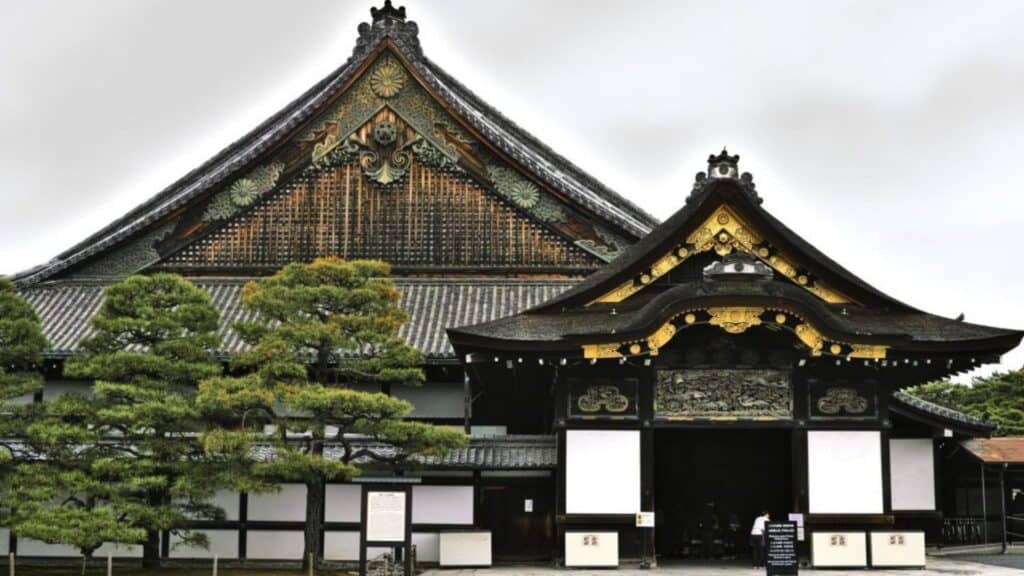
We always tell our friends to visit Nijo Castle just to try out the nightingale floors. These floors were built to squeak like chirping birds when you walk on them so that nobody could sneak up on the Shogun while he was sleeping. We tried walking on them with our sneakiest ninja tiptoes, but of course, it really was hard to walk quietly on them no matter how hard you try. It is a clever bit of old security that still works perfectly today.
The castle itself is full of beautiful paintings and historic rooms, but we usually spend most of our time in the gardens. They are huge, and we think they are some of the best in the city for a slow walk because there is so much space to move around. It gives you a great look at how the military rulers lived while the Emperor was tucked away in his palace.
26. Find the Mossy Heads at Otagi Nenbutsu-ji
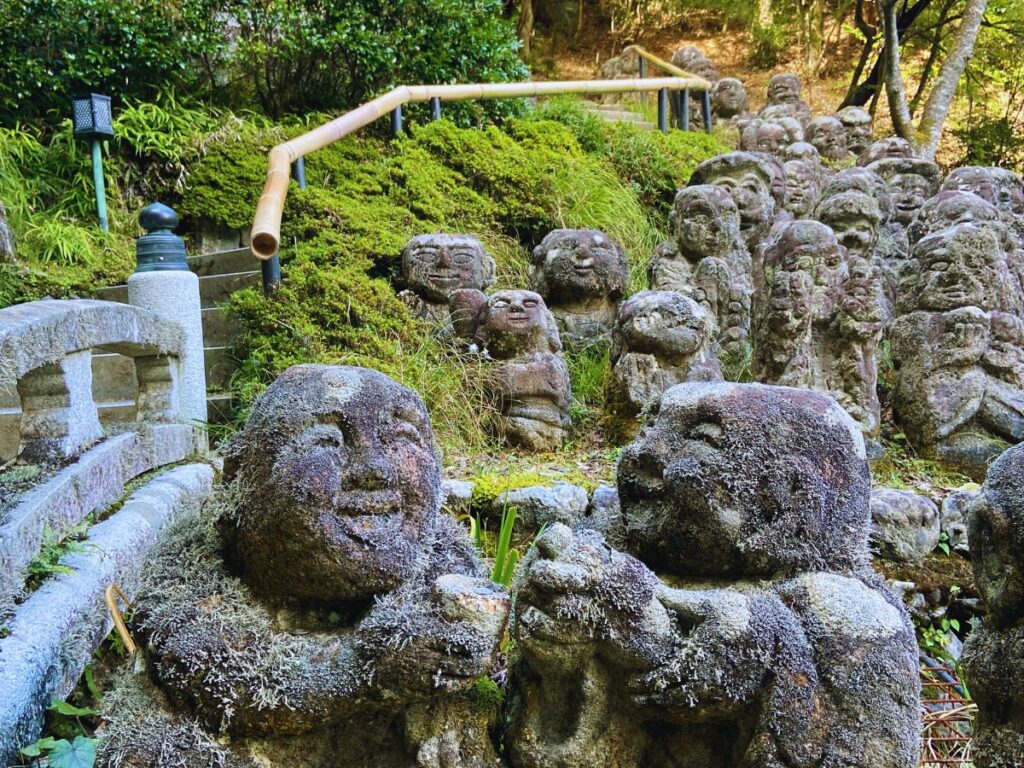
If you want to escape the massive crowds in the Arashiyama bamboo forest, then you should head up the hill to Otagi Nenbutsu-ji. We think this is one of the most interesting spots in the city because of the 1,200 stone statues that cover the hillside. Each one was carved by a different person, and they all have their own ‘personality’.
We like to spend time trying to find the funniest or most interesting ones. It feels much more like a fun community art project than a stiff religious site. Since it is a bit of a walk from the main tourist area, it is usually much quieter, and we find it is a great place to actually hear yourself think.
27. Explore the Kyoto Imperial Palace Park
We often come to the Kyoto Imperial Palace Park when we need a break from the narrow city streets. Most people think you have to book a formal tour to see anything, but the park itself is open to everyone, and it is massive. It is the perfect spot for a picnic or just to sit under the giant trees for a while.
You will see families playing and locals out for a run. It is right in the middle of the city, but it feels like a different world. We think it is especially good during the autumn because the colours on the trees are some of the best you will see anywhere in the city centre.
28. Soak in the Historic Funaoka Onsen
Funaoka Onsen is one of the oldest bathhouses in Kyoto, and it shows, in a good way! I know I’ve said this a lot about so many places in Kyoto, but at the risk of sounding redundant, it feels like stepping back in time. It is not a natural hot spring, but the building is full of incredible wood carvings and traditional tiles that you could look at for hours.
This is a local neighbourhood spot, so it is important to follow the bathhouse rules carefully. We find it is the best way to end a long day of walking because it really helps your legs recover for the next day.
29. Shop for Traditional Crafts in Teramachi
We suggest skipping the generic gift shops and heading to Teramachi instead for your souvenirs. This is a long covered street where you can find shops that have been selling the same traditional crafts for hundreds of years. We love looking for handmade paper and local incense here because the quality is so much better than what you find in the touristy areas. You can even come here on a rainy day because you can walk for blocks without getting wet.
30. Visit the Kyoto Railway Museum
Hear us out: The Kyoto Railway Museum is a brilliant day out, even if you do not think you like trains. It is one of the largest in the world, and the number of different engines they have on display is impressive. You can see everything from old steam locomotives to the fast Shinkansen trains that you probably used to get to Kyoto.
We loved taking a ride on the steam train and watching the engineers work. It is very hands-on, and we found that even as adults, we had a lot of fun with the driving simulators. It is a great choice if you need a break from temples and shrines for an afternoon.
31. Explore the Massive teamLab Biovortex Kyoto
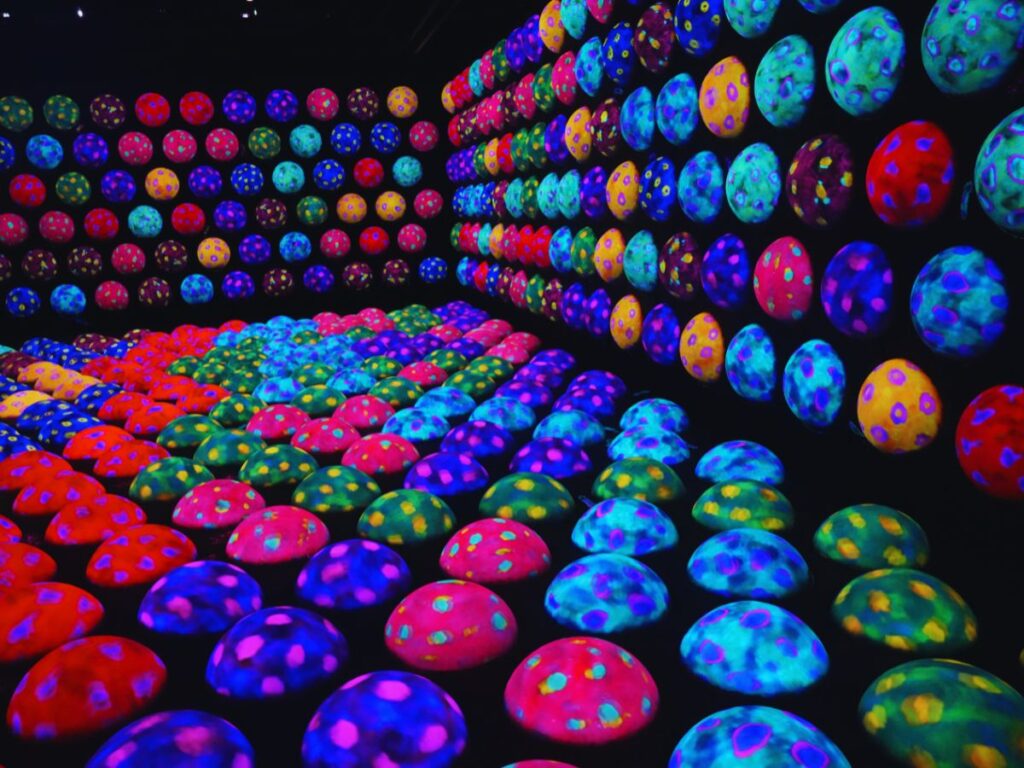
We really love the new teamLab Biovortex Kyoto because it is something completely different for the city. It opened in late 2025, and we were one of the few who got a first look. Unsurprisingly, we were impressed. It is a massive space with 10,000 square metres of interactive art. We found that the exhibits here are more about things you can touch and move through rather than just looking at a screen.
It is a high-energy experience that feels very modern compared to the quiet temples in the rest of Kyoto. We think it is a great spot to visit before you hop on your train at the end of your trip since it is so close to the station.
Kyoto Bucket List FAQs

Is it easy to get around Kyoto by bus?
Kyoto has a good bus network that reaches almost every corner of the city, but if you can, we think the subway is more convenient. Buses often get very busy and the city centre traffic can be slow, so we suggest taking the train to get closer to your destination first. It is the easiest way to avoid the stress of being on a packed bus for too long.
Do I need to carry cash?
You definitely need to carry cash. Most temples and small local shops only take yen and they will not accept cards at the gate. We always keep plenty of coins for entry fees and street food. Use your card for hotel bills but keep cash for the shrines.
What is the best way to avoid the crowds?
Our best tip is to start your day at sunrise. If you get to the famous spots by 7am you will have them almost to yourself. We also find that the smaller temples are often much quieter, but just as beautiful, as the big names everyone visits.
Can I use my Suica or Pasmo card?
You can use them on all the trains and buses in the city. We find it is the easiest way to travel because you do not have to use ticket machines. Just tap your phone or card and you are ready to go.
Is there a dress code for temples?
There is no strict code, but we suggest being respectful by covering your shoulders and knees. You will be taking your shoes off a lot, so wear socks (without holes!). We also think comfortable walking shoes are the most important thing you can pack.