Meta: Travel off the beaten path of Kyoto with an entertaining and educational visit to the Museum of Crafts and Design.
Kyoto has long been the cultural heart of Japan. After a thousand years as the capital of Japan, centuries of tradition continue to shape modern life. Nowhere is this more evident than at the Kyoto Museum of Crafts and Design, a fascinating space dedicated to preserving and celebrating the city’s rich heritage of craftsmanship.
As a boutique travel agency, we at Flip Japan know that traditional crafts can become a window to understanding Japanese culture. So if you’d like to get the best out of your visit to this museum, Kyoto, or other cities in Japan, check out our guided tours with expert local guides!
Kyoto’s Traditional Crafts All in One Place
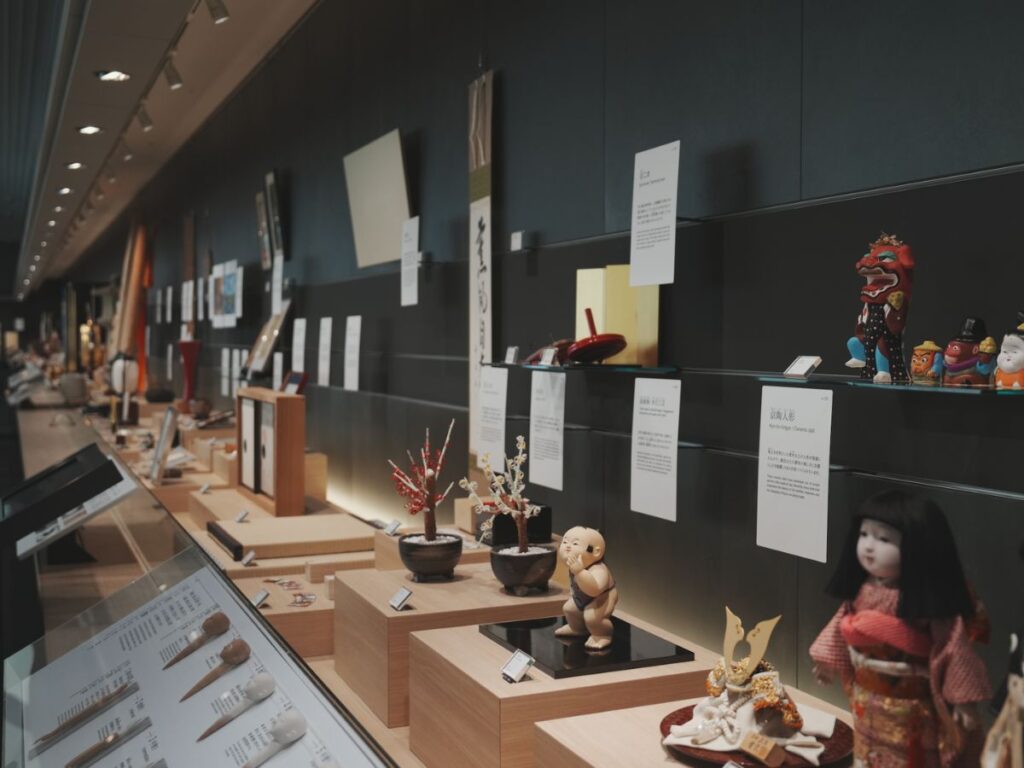
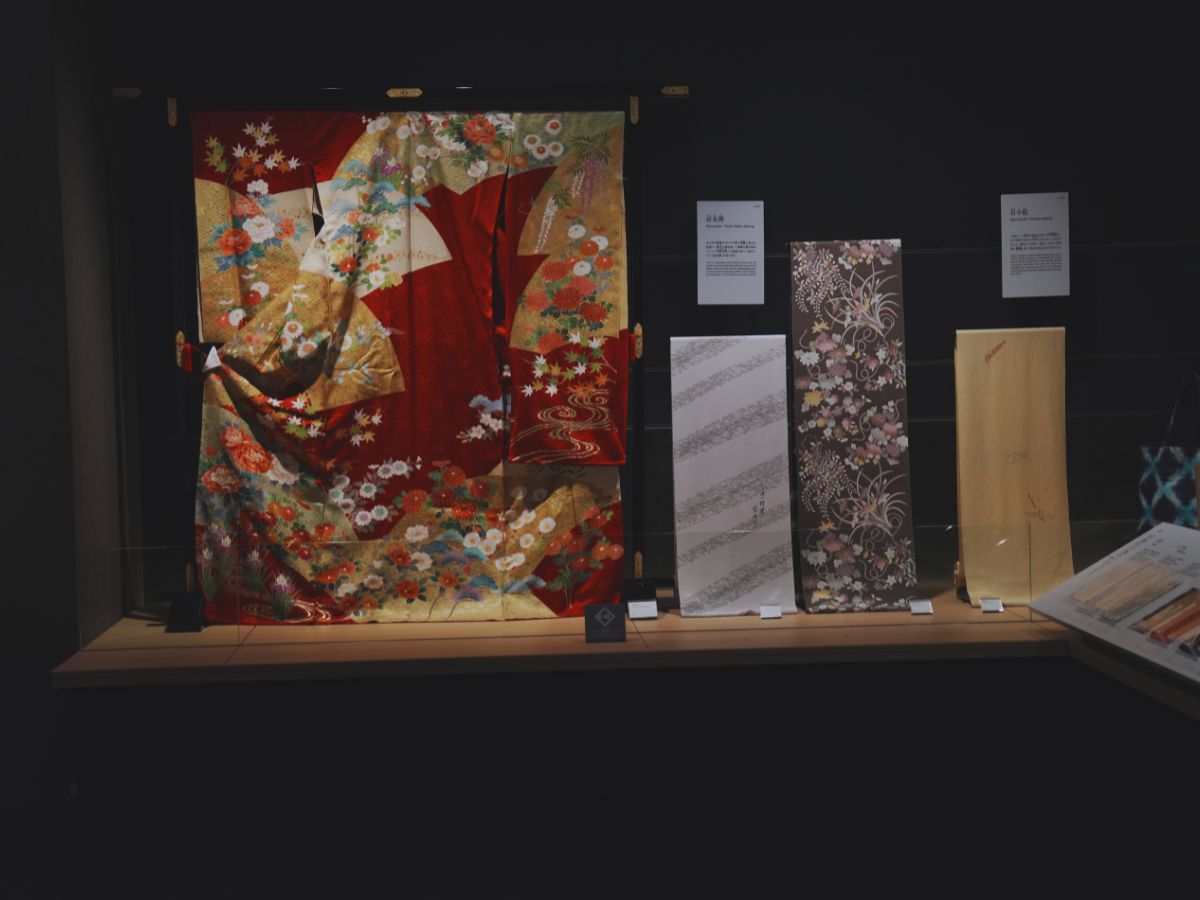
Did you know that there are around 240 traditional Japanese crafts? And did you know that out of those, Kyoto is the birthplace of 74 of them? This museum’s permanent exhibition features 200 works highlighting these crafts, from finely woven Nishijin textiles to delicate Kiyomizu pottery, lacquerware, metalwork, and bamboo crafts.
Each craft is beautifully displayed with explanations in English and Japanese, allowing you to appreciate not only the finished products but also the skill and time invested in them. So, whether it’s a hand-painted kimono or a simple-looking rice bowl, you will be able to see step-by-step how these come to life, and understand the dedication that is necessary to make such high-quality products.
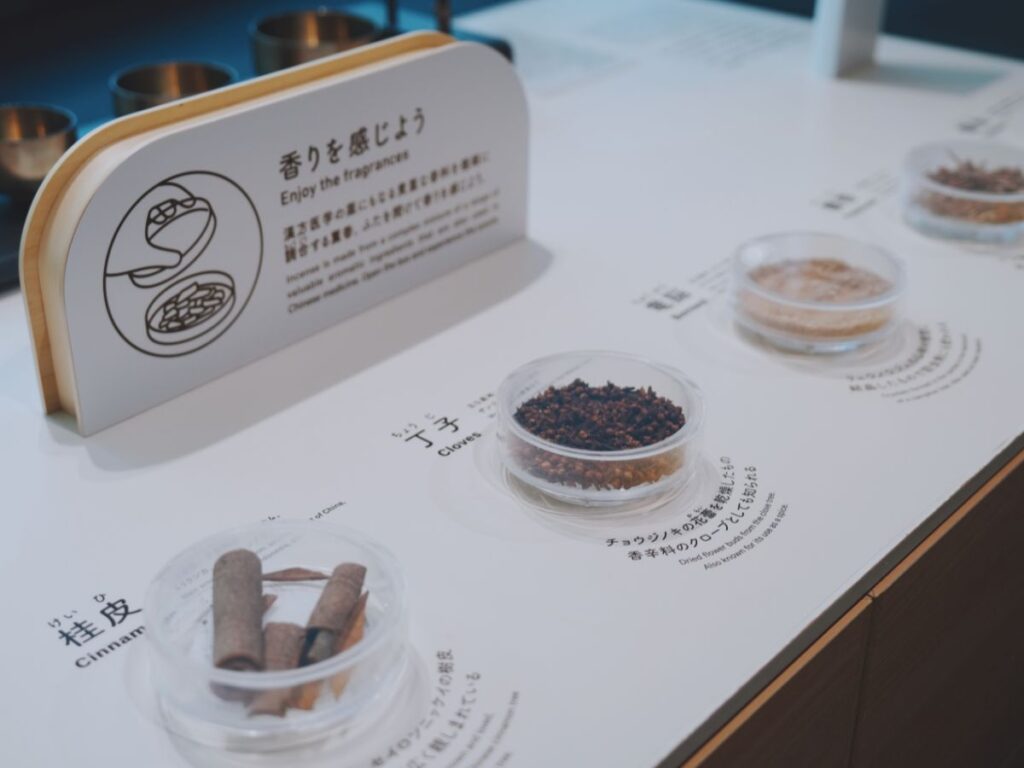
Visiting a museum might sound a bit boring for some people, and we get it. But here, you don’t just look at things from a safe distance. You can also touch, assemble, smell and listen to some of the exhibits, making this a perfect place to visit with younger visitors, and to keep people of all ages engaged in the intricate construction of some of these crafts.
A Rare Opportunity to See Real-time Craft Making
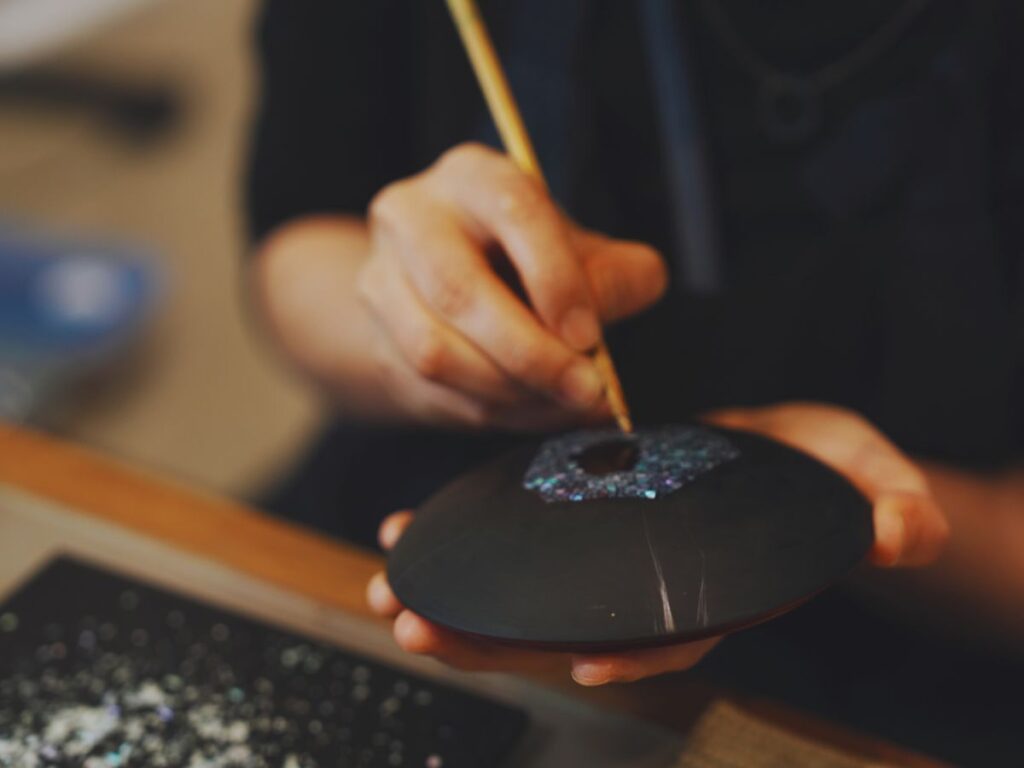
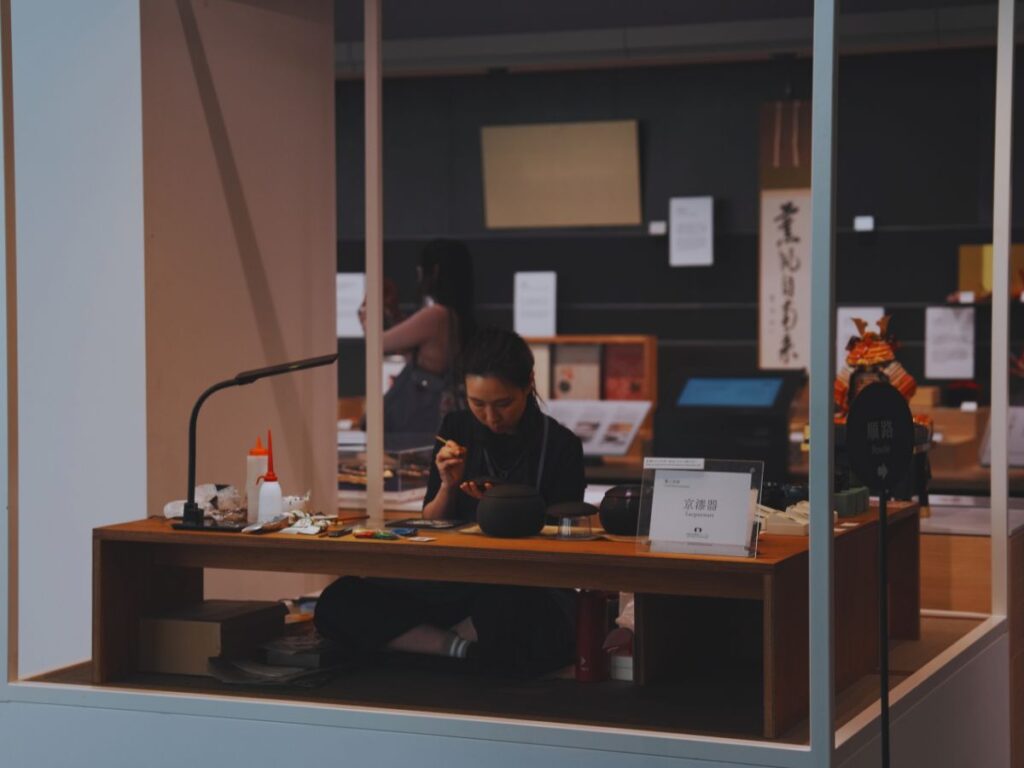
And to make things even more exciting, you can also see an actual craftsman working, turning this museum visit into an actual moment of connection with the craftsmen!
The crafts demonstration schedule can be checked here, and while you watch them work, you can interact with them. You’re able to ask the artisan questions likehow long they have been learning their craft, what they find the most challenging, and even if you can take a picture of their work.
Note that many of their artisans do not speak English, so you can either call in your trustworthy Flip Japan guides to help you communicate better and show you around the museum in more detail, or just use Google Translate.
Seeing a sculptor make a Buddhist altar, a textile artist weaving intricate patterns, or a lacquer craftsman applying layers of polish transforms these crafts from static objects into living traditions.
Temporary Exhibitions to Make Your Visit Unique
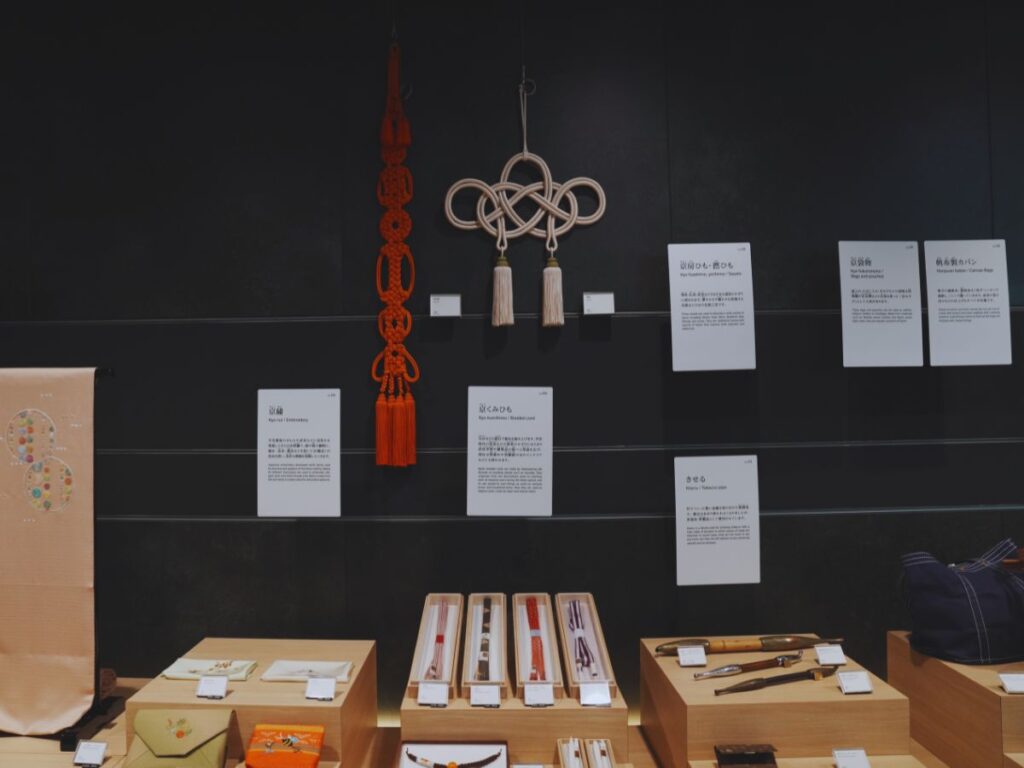
What makes the Kyoto Museum of Crafts and Design especially engaging is its rotation of temporary exhibitions. These showcase modern interpretations of traditional techniques, collaborative works, or highlight particular artisans and regions.
So, after seeing a traditional approach to a kimono at the permanent exhibition, you might see a more modern piece that breathes new fashion and patterns into the craft during your next visit. This rotation of exhibitions is a statement on the ever-changing nature of art and craftsmanship, with innovation and creativity always just around the corner. Temporary exhibits can alternate between being free of charge or requiring paid entry.
Trying the Crafts Yourself Through Experiences
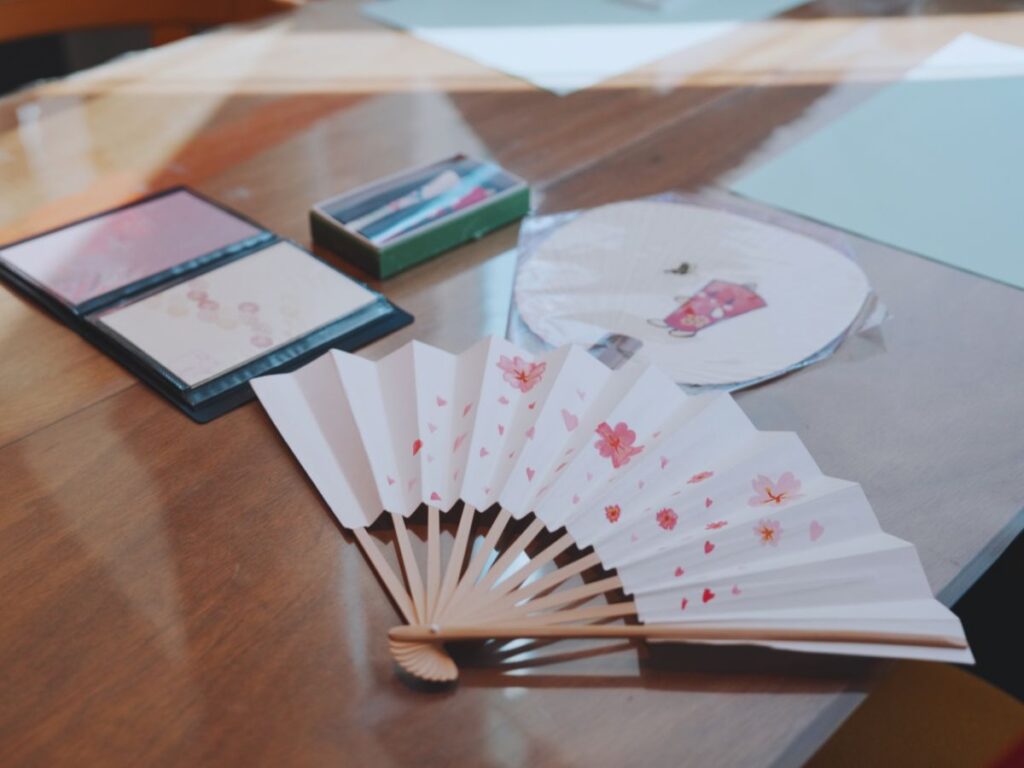
It wouldn’t be a surprise if, after seeing, touching, and witnessing the making of these crafts, you would want to actually try your hand at one of them. Fortunately, the museum also offers experiences where you can get your hands on the intricate processes under the guidance of skilled artisans in one or two hours, and take home a piece of tradition with you. It can be a souvenir for a loved one, or a gift for yourself—proof of the knowledge you just attained.
Options include hand-painted Yuzen dyeing (making handkerchiefs, coasters, or tote bags, sometimes with added gold leaf), Kyoto shibori tie-dye for original cloths, and sukashi paper-cutting uchiwa fans, which are great for decoration or for your next barbecue event.
You can also craft Buddhist prayer bead bracelets, decorate Japanese candles, spin and decorate colourful Kyokoma spinning tops, which are sure to be a fun memory for younger visitors, or make karakami woodblock-printed postcards to decorate your living room.
Each experience includes guidance from artisans, materials, and the history of the craft, offering both cultural learning and a handmade keepsake to take home.

Prices range from ¥2,000 (~$13) for a simple Yuzen-dyed coaster or handkerchief up to around ¥8,800 (~$52) for the more elaborate bead Juzu bracelet, meaning that it can match various budgets.
Unfortunately, these experiences are not available to walk-in customers since they need to prepare the materials and call in the artisans in advance. They can only be booked through a reservation 15 days prior to your visit, and they are also provided in Japanese. So, if you want to book one, the best way is to get in touch with us so we can help you book the experience and provide an interpreter to ensure that you make the most out of your time there.
If you are interested in cultural or craft-related experiences but are not planning on visiting this museum or Kyoto at all, do not worry!
We have access to many amazing experiences with locals all around Japan and can help you book those too, from Japanese food making to tea ceremony and sword practice.
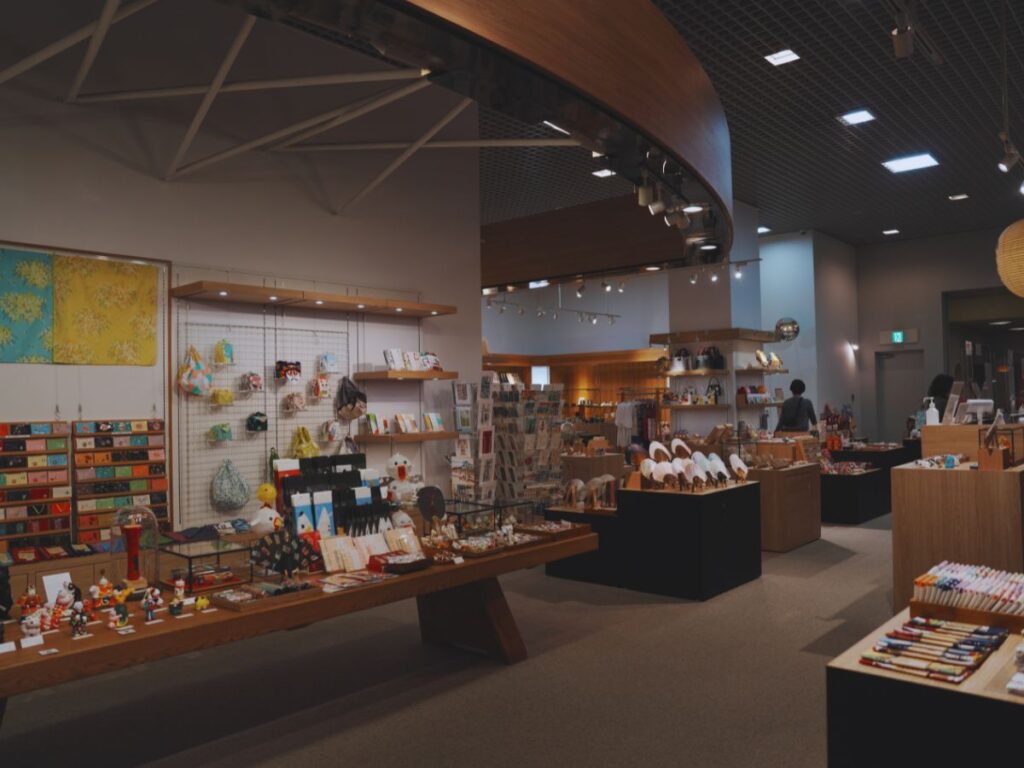
And if you want to take some crafts home with you, but don’t necessarily want to try to make them with your own hands, the museum shop, also available online, has a bit of everything in suitcase-friendly sizes! Your entry ticket includes a discount coupon too, so don’t be shy and give it a look on the way out!
Adding the Museum to Your Itinerary
Located a short walk from Heian Shrine, one of Kyoto’s iconic Shinto shrines with a serene garden, ponds and seasonal flowers, the museum offers visitors a chance to visit an area many people forget when coming to Kyoto. Nearby, Okazaki Park is not only a great place to take a break and enjoy the lively local scenery, but also has many coffee shops nearby.
Whether you’re a first-time visitor to the city or a returning traveller seeking a deeper cultural connection, this museum is an inspiring stop before or after a visit to Heian Shrine. It’s perfect for a rainy day escape and a great alternative to the busy streets of commercial areas in the centre of Kyoto.
Getting to the Kyoto Museum of Arts and Crafts
Opening Hours: 10 AM to 6 PM (Entrance until 17:30)
Opening Days: Friday to Tuesday
Tickets: ¥500 (~4$) for adults, and ¥400(~3$) for elementary to high school students.
How to get there:
By Train:
Approx. 8-minute walk from Higashiyama Station on the Kyoto City Subway Tozai Line
By bus:
-Take the Kyoto City Bus Route 5 or 105 and get off at Okazaki Koen Bijutsukan/Heian Jingu Mae bus stop.
-Take the Kyoto City Bus Route 206 and get off at Higashiyama Nijo/Okazaki Koen Guchi bus stop.
Kyoto Museum Of Crafts and Design FAQs
What else can I do around the museum?
You can visit Heian Shrine, Okazaki Park, shop, and take pictures of the traditional scenery of Jingu Michi Street, or even visit the Kyoto City Zoo.
How long should I stay at the museum?
Depends on whether you want to read every piece of information and have a guide with you or not, but usually from 45 minutes to an hour and a half.
What is the most famous traditional craft of Kyoto?
Kyoto is very famous for its Nishijin Weaving, a type of textile unique to the Nishijin area situated in Kyoto that is used in Kimonos. Kiyomizu pottery is also widely known.
Which crafts are more practical for modern-day use?
Tye-dyeing textile is usually washable, so it can be used in modern-day clothing and textiles, making it very versatile and long-lasting.
Crafts, Culture, and Creativity in Kyoto

A visit to the Kyoto Museum of Crafts and Design is a rewarding way to connect with the city’s cultural heritage, whether you are admiring centuries-old techniques on display, watching skilled artisans at work, or even trying your own hand at a traditional craft.
With its blend of permanent exhibits, changing special showcases, and hands-on experiences, the museum offers something for both casual visitors and those with a deeper interest in Japanese craftsmanship. It is not only a place to learn, but also to experience the living traditions that continue to shape Kyoto today.