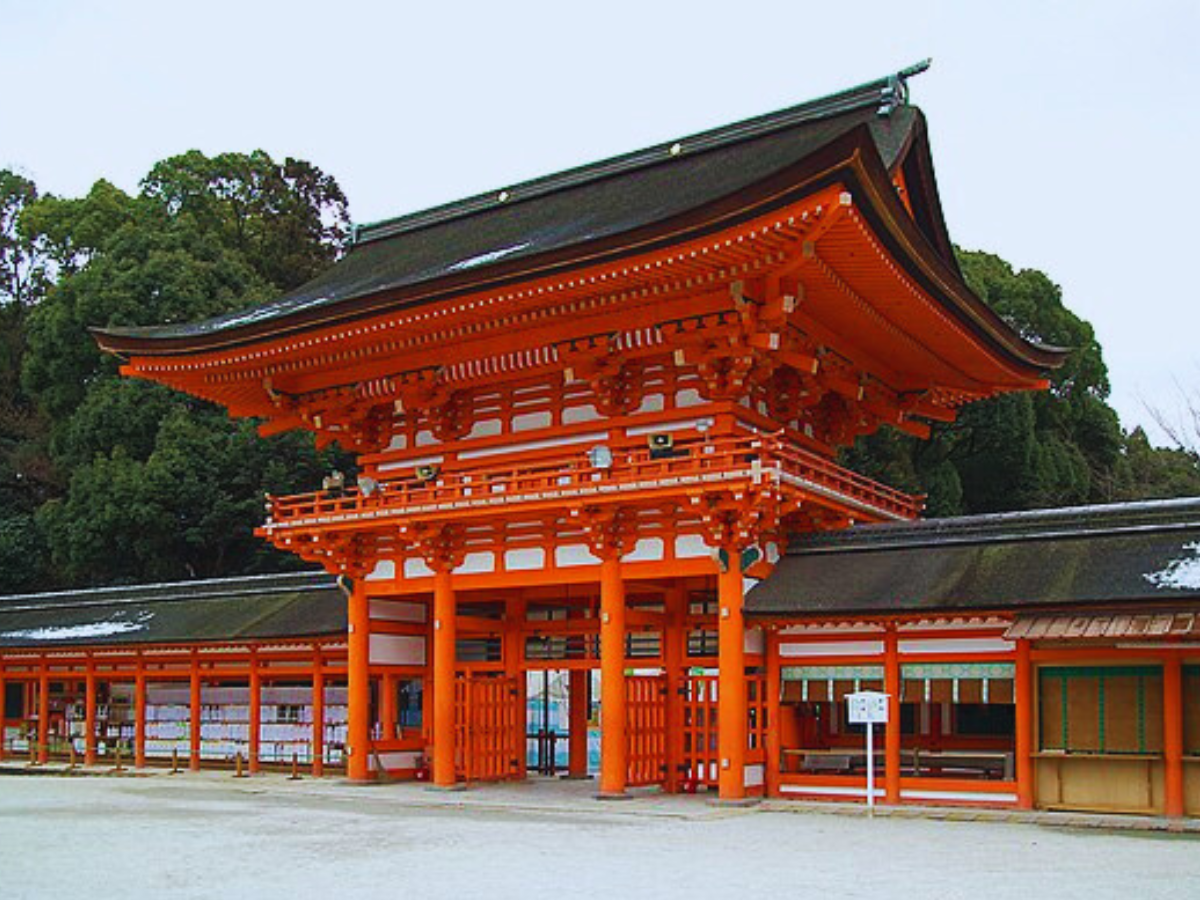
Everyone comes to Kyoto hoping for peaceful temples and a feeling of old Japan. But the reality is often big crowds. That’s why, when people ask me for a special place that’s both beautiful and quiet, I always tell them to visit Shimogamo Shrine.
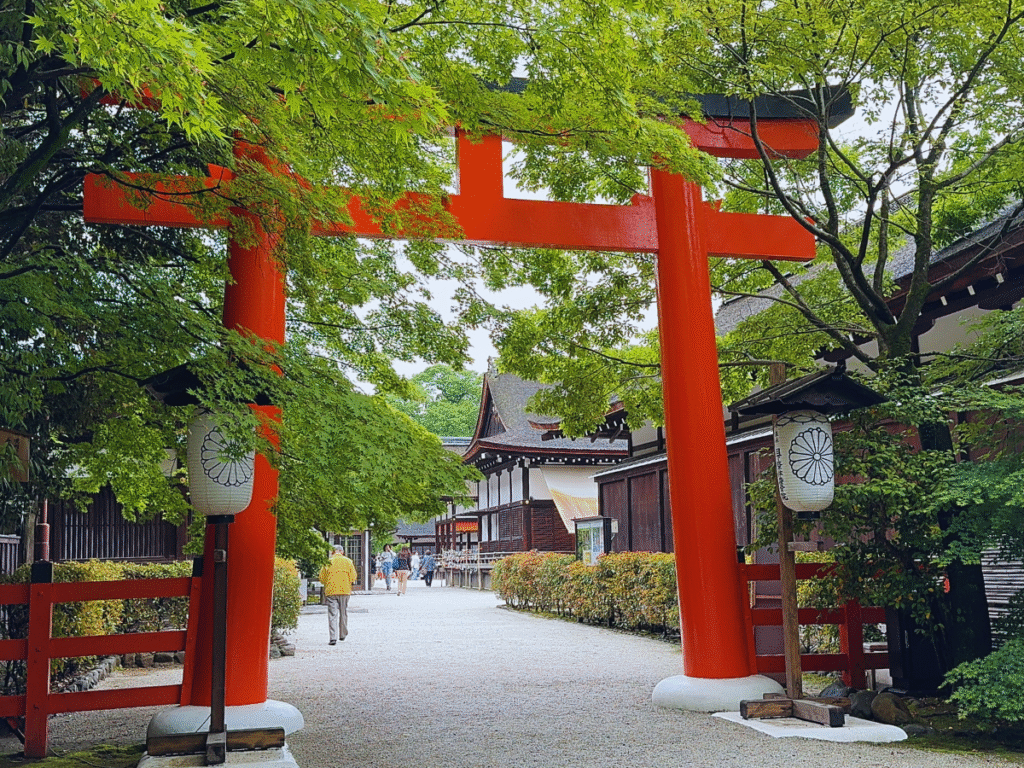
Shimogamo Shrine is one of Japan’s most important Shinto sites, but most tourists don’t know about it. My favourite part is the walk to the shrine through Tadasu no Mori, an ancient forest. The old trees create such a calm feeling before you even get to the main buildings. It’s the kind of place where you can hear the leaves rustle instead of just camera shutters.
If you want to go home with great stories and unique photos, this is the perfect spot. It gives you a real look into the local culture of Kyoto and feels like a genuine discovery.
Explore Kyoto with a True Local Expert

Here at Flip Japan, we love sharing our home with visitors. When you explore Shimogamo Shrine with one of our Kyoto guides, it’s like having a local friend show you around and explain all the history. If you want to experience Kyoto like a total, join our Kyoto tour.
Getting to Shimogamo Shrine (It’s Easier Than You Think!)
A question I get a lot is, “Is it hard to get to Shimogamo Shrine?” The great news is, it’s really easy to visit and simple add to your Kyoto plans.
You’ll find the shrine in the northern part of Kyoto. From Kyoto Station, just hop on city bus number 4 or 205, and you’ll be there in about 30 minutes. If you’re coming from the Gion area, it’s even quicker – just a 5-minute ride on the Keihan train line to Demachiyanagi Station, which is the closest stop. Getting there is often faster than reaching famous spots like the Golden Pavilion.
The shrine is open from 6 AM to 5 PM. I love visiting early in the morning when it’s extra quiet, but it’s also lovely and peaceful after lunch.
Here are a couple of ways I like to fit it into a day. If you’re visiting Fushimi Inari or Kiyomizudera, you can then take the Keihan train line straight to Demachiyanagi for a peaceful afternoon at Shimogamo Shrine. Another great idea is to visit the busy Golden Pavilion in the morning, then take a 25-minute bus ride over to Shimogamo. It’s the perfect way to relax after being in the crowds.
Visiting Shimogamo Shrine after a morning at Fushimi Inari? Check out this guide first:
When is the Best Time to Visit Shimogamo Shrine?
One of the best things about Shimogamo Shrine is that there’s no bad time to visit. It’s beautiful all year round, with each season offering something special.
Spring, of course, is stunning. You’ll find beautiful cherry and plum blossoms right inside the shrine grounds. A great local tip is to also walk along the nearby Kamo River, which is lined with thousands of cherry trees. It’s perfect for hanami (flower viewing).
In the middle of a hot Kyoto summer, the shrine is my favourite escape. The ancient Tadasu no Mori forest provides amazing shade, and you can really feel the temperature drop as soon as you step under the trees. It’s a perfect spot to cool down.
Autumn is gorgeous when the leaves change colour. It does get a little busier with people coming to see the autumn foliage in Kyoto, and you’ll almost certainly see couples in beautiful kimonos taking their wedding photos. It’s very charming.
Don’t overlook winter! The forest is quieter, but if you’re lucky enough to visit when it snows, the shrine looks absolutely magical. A snow-covered Shimogamo Shrine is a sight you won’t forget and one of the most peaceful things to do in Kyoto during the low season.
Still not sure when to plan your visit to Japan? Our guide can help you out:
Tadasu no Mori: Walking Through Shimogamo Shrine’s Sacred Forest
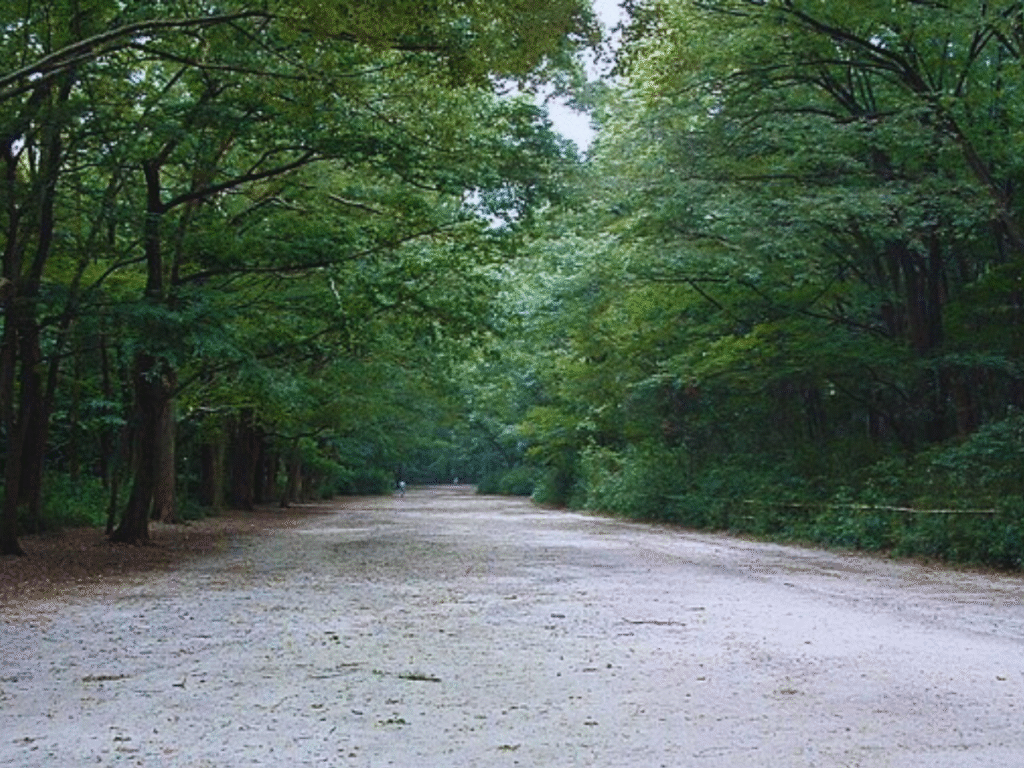
For me, the experience of visiting Shimogamo Shrine begins before you even see the main buildings. It starts with a walk through Tadasu no Mori (糺の森), a beautiful, ancient forest that has been here for centuries. Its name means ‘Forest of Truth’, and as soon as you step inside, you start to understand why.
As you walk along the gravel paths, the tall, old trees form a green roof above you. The sunlight filters through the leaves, and the sounds of the city just fade away. It’s one of the most peaceful places in Kyoto and makes you feel like you’ve found a secret, older part of the city that’s still deeply connected to nature.
There’s also a special local belief about this sacred forest. The story goes that only truth can exist here. This calm, honest feeling stays with you as you walk out of the trees and into the main shrine area, making the whole visit feel even more special.
A Little Shimogamo Shrine History and a Special Water Oracle
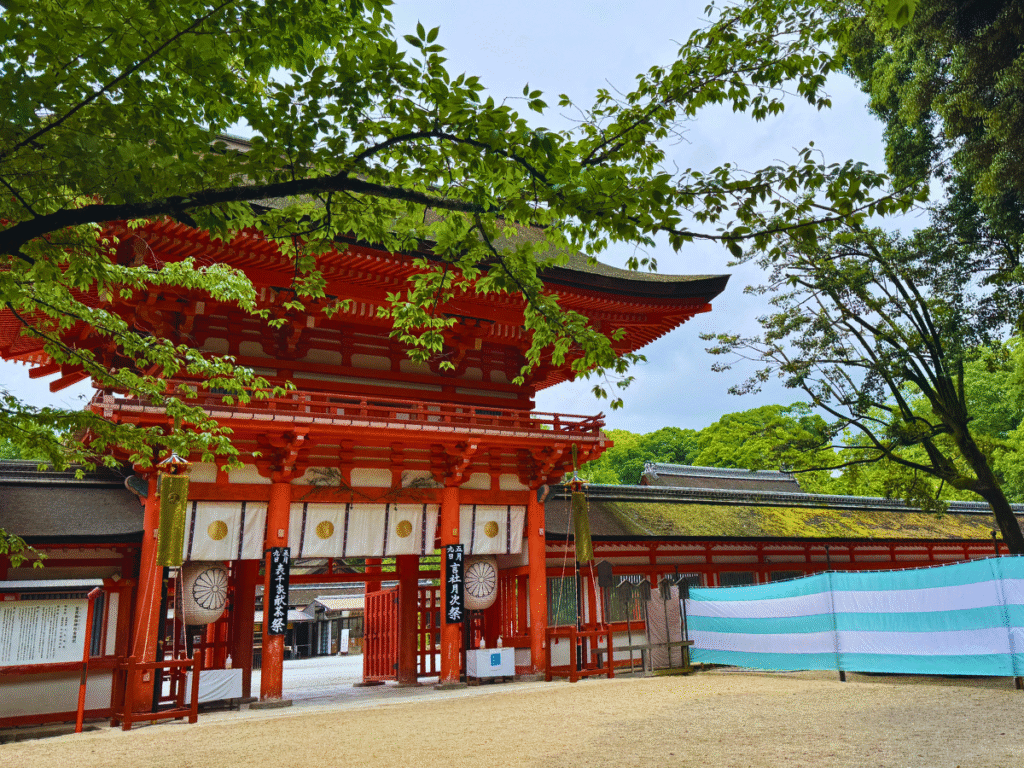
Here’s a bit of local knowledge: the shrine’s official name is actually Kamomioya Shrine. It’s one of the oldest Shinto shrines in Kyoto, and its history is deeply connected to the founding of the city itself.
Its location is really special. It was built where the Kamo River and Takano River meet, a spot that has always been seen as a powerful place for protection and new beginnings. Because of this, water is very important here. There’s a small, clear stream running through the grounds that is believed to be purifying.
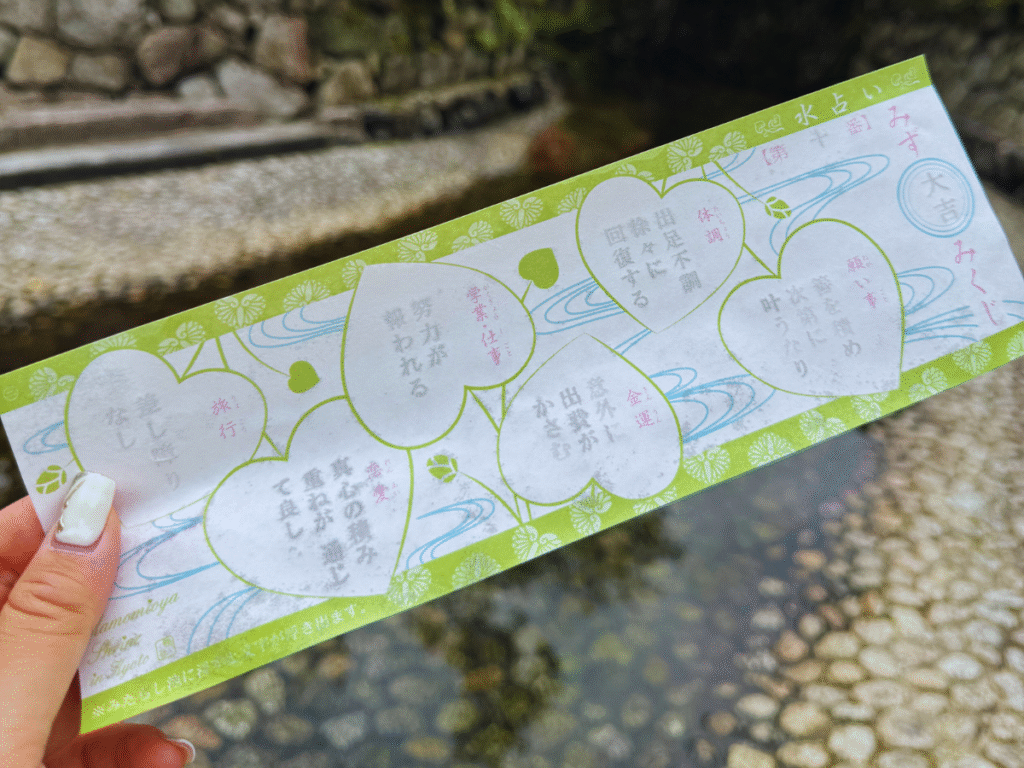
One of the most unique and fun things you can do at Shimogamo Shrine is try the Mizu-ura Mikuji, or Water Oracle. This is a special kind of paper fortune (omikuji) that uses the sacred water to reveal your luck.
First, head to the small shop on the right side of the main hall to buy one of the papers. Don’t be surprised when it looks blank! Take your paper to the stream and gently place it on the water. Like magic, your fortune for things like love, money, and health will appear right before your eyes. It’s a really memorable experience! And don’t worry if you can’t read Japanese – just take the paper back to the shop, and they’ll happily give you an English translation.
Planning Your Own Dream Trip to Japan?

Feeling overwhelmed by the endless options? Let us take the stress out of planning. We design 100% custom itineraries based on your interests, budget, and travel style, helping you discover the Japan you’ve always dreamed of.
→ Find out more about our Personalised Japan Travel Planner
The Aoi Matsuri: Shimogamo Shrine’s Biggest Day
If you’re lucky enough to be in Kyoto on May 15th, you have to see the Aoi Matsuri. It’s one of the three most famous Kyoto festivals, and a huge part of it takes place right here at Shimogamo Shrine. The shrine has been a protector of the city since the time of the old Imperial court, and this festival is a direct link to that ancient history.
The main event is a massive historical parade. Imagine a procession of over 500 people dressed in the elegant clothing of the Heian period (from over 1,200 years ago!) making its way through the sacred forest to the shrine. It’s like watching a historical scroll come to life. It’s an incredible sight that shows just how important this shrine has always been to Kyoto.
Find Your Birth Year Animal at the Zodiac Shrine
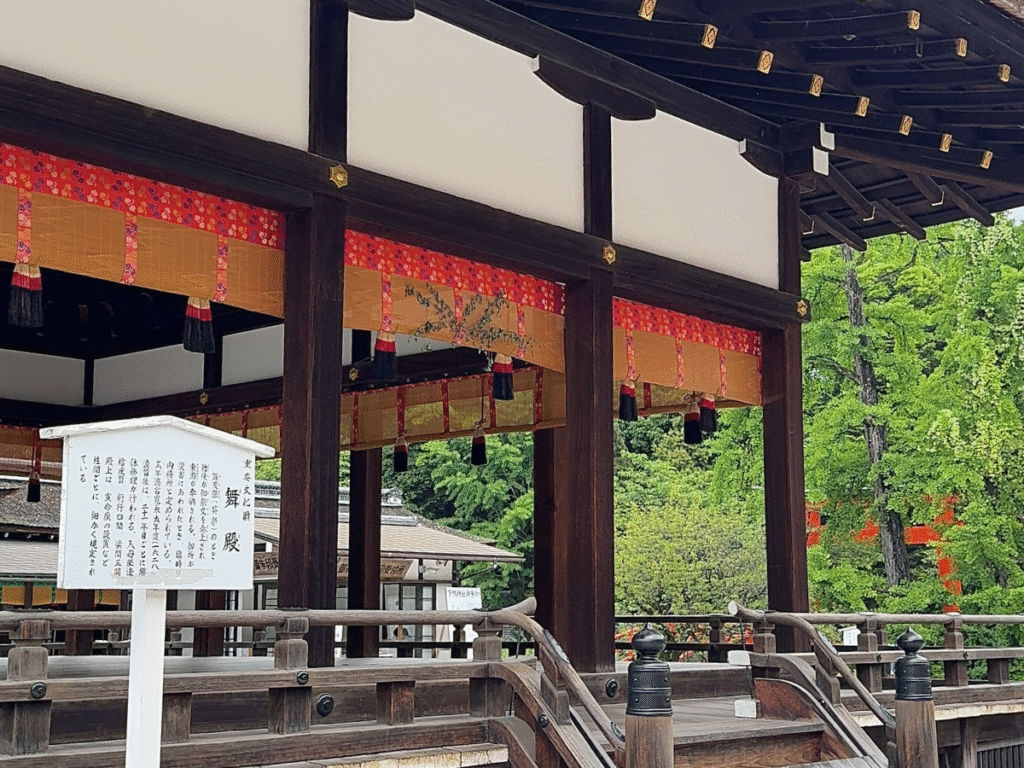
As you explore the main grounds of Shimogamo Shrine, you’ll find a really interesting spot called the Kotosha Shrine. This is a row of small, individual shrines, and each one acts as a guardian for one of the twelve Japanese zodiac animals.
The tradition here is to find the animal of your birth year—whether you’re a Rat, a Pig, or anything in between—and say a prayer to your personal guardian deity. It’s a custom that creates a really personal connection to the shrine, as people have been coming here for centuries asking for protection and good luck.
My favourite thing to see here is a family all together, with a grandmother praying at the Dragon shrine while her grandchild lines up at the Monkey shrine. It’s a fun, simple moment where you see locals and visitors all sharing in the same tradition, and a great chance to feel connected to the local culture.
Go Beyond the Guidebook
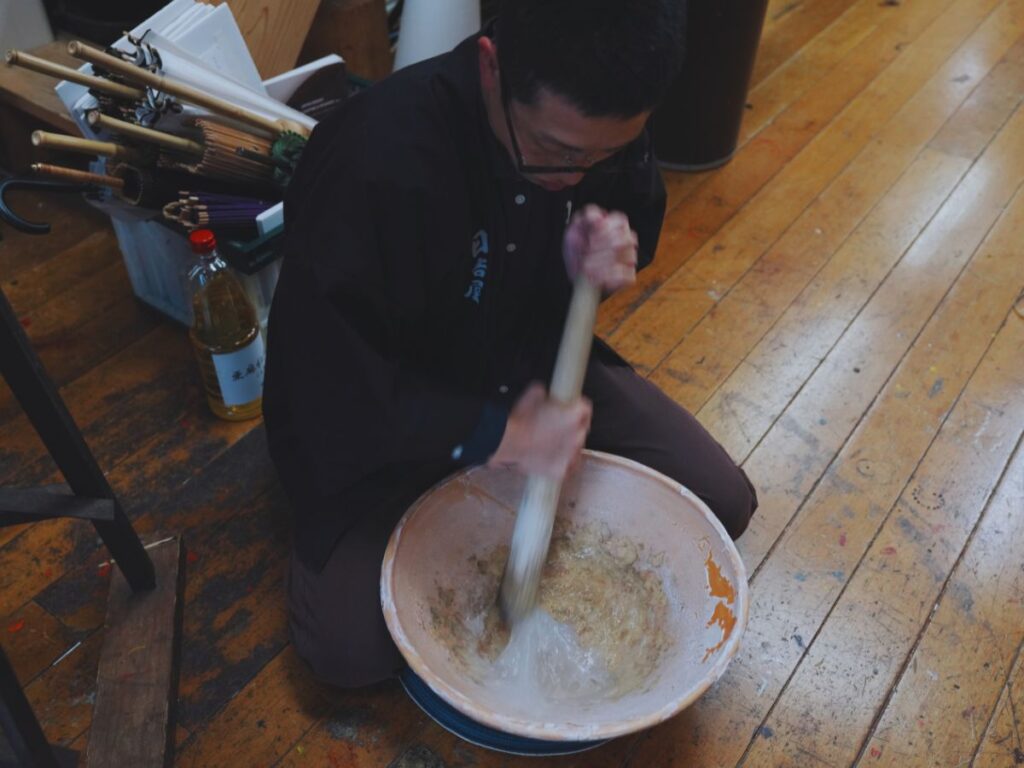
Want to truly connect with Japanese culture? Reading about it is one thing, but experiencing it first-hand is unforgettable. From tea ceremonies to craft workshops, we can help you find and book an authentic cultural experience for your trip.
→ Browse and Book Cultural Experiences in Japan
Aioi no Yashiro: The Matchmaking Shrine of Shimogamo
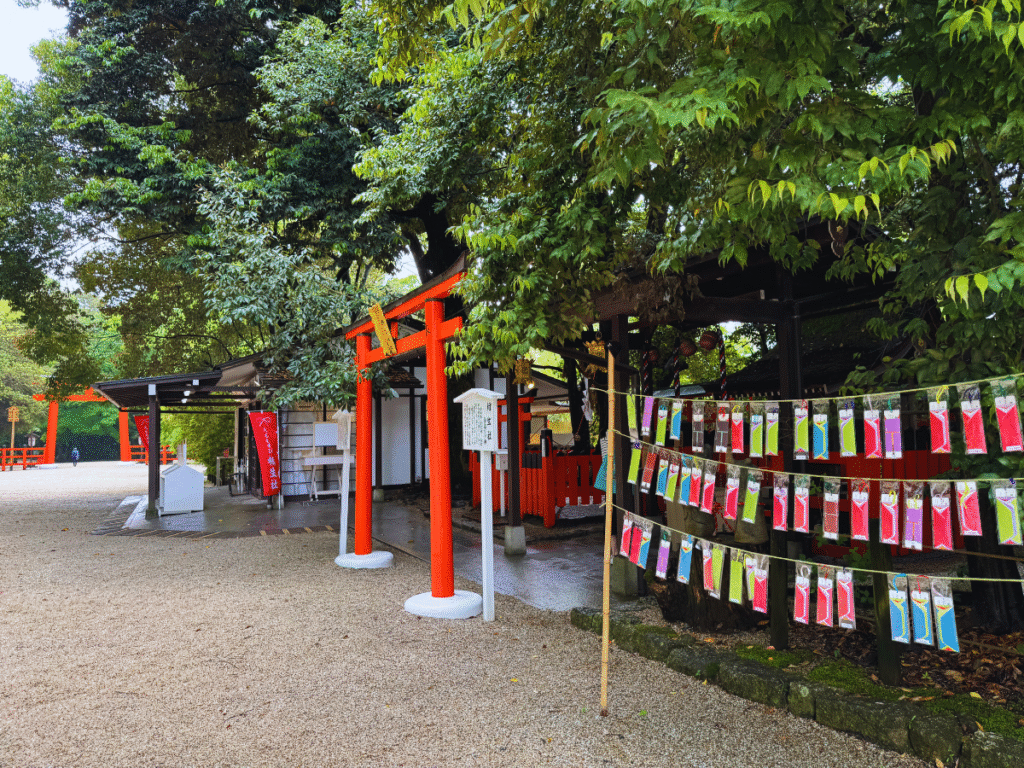
One of the most popular spots within Shimogamo Shrine is a smaller sub-shrine called Aioi no Yashiro. This is known throughout Kyoto as a powerful matchmaking shrine, where people come to pray for luck in finding a partner and for a happy family life.
The reason it’s famous for love luck comes from a beautiful old story. The shrine’s deity, Tamayorihime-no-Mikoto, was by the river when she found a red arrow floating in the water. She took it home, and it transformed into a handsome god! They had a child together, and this story is why the shrine is so deeply connected to love, marriage, and family.
You’ll find Aioi no Yashiro just before you reach the main shrine hall. You’ll often see people of all ages stopping here to make a prayer for their love life. It’s also a great place to buy a special protection charm, called an omamori, to bring you a bit of extra luck in your relationships.
Kawai Shrine: Get Creative at the Shrine of Beauty
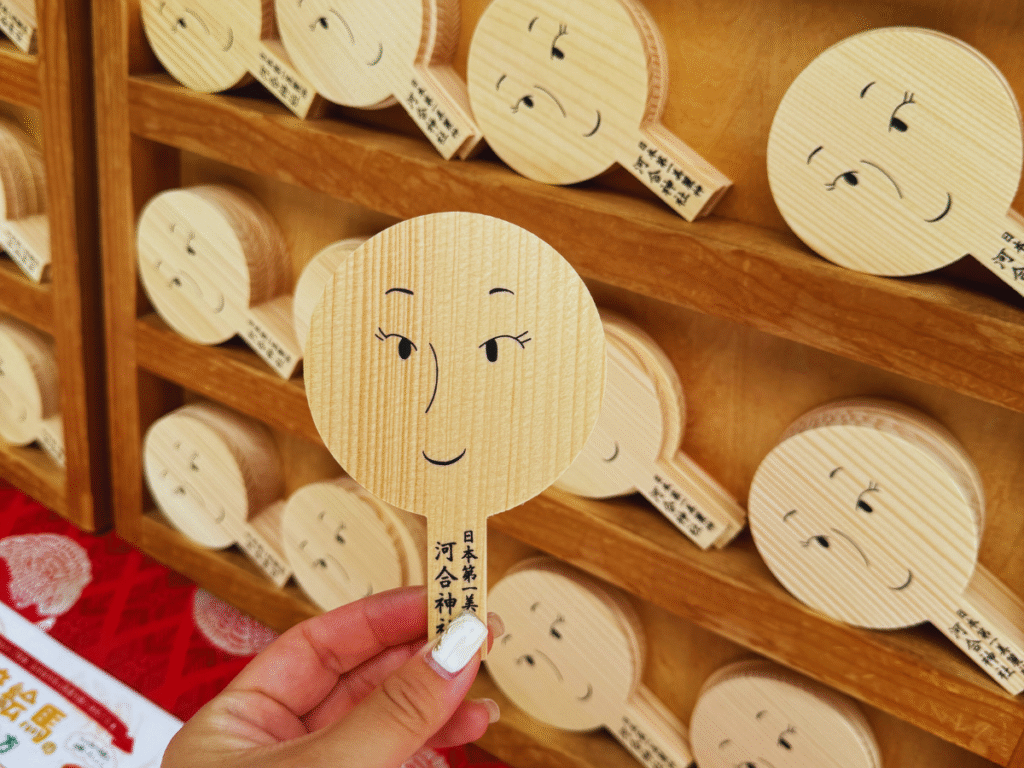
Just inside the entrance of the Tadasu no Mori forest, don’t miss a smaller but very famous sub-shrine called Kawai Shrine. Locals know it as the Shrine of Beauty, dedicated to the goddess Tamayorihime. It’s a special place where people come to pray for both inner and outer beauty.
What makes this shrine so unique is its special prayer plaque, the Kagami Ema (Mirror Ema). Instead of just writing a wish, you get a wooden plaque shaped like a traditional hand-mirror. The fun part is that you get to decorate it by drawing a face – either your own, or the face you wish to have. There’s even a little ‘powder room’ set up where you can use your own makeup to paint the face on the ema.
After you’re done, you hang your ema with hundreds of others. It’s amazing to see the wall of wishes, with so many different faces and styles. It’s a beautiful reminder that the prayers here aren’t just for looking good on the outside, but also for having a kind heart and a graceful spirit.
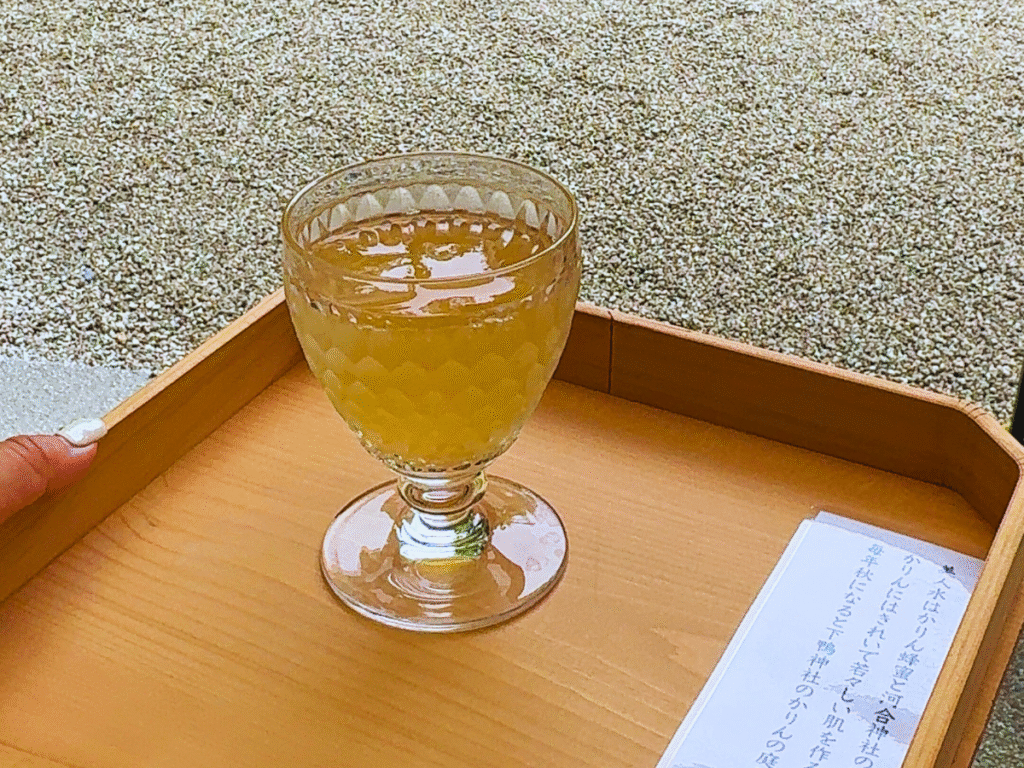
Before you leave, make sure to try the shrine’s special ‘Beauty Water’ (karin cha). It’s a refreshing tea made from Chinese quince, which is said to be good for your skin. It’s the perfect way to finish your visit to Kyoto’s most unique beauty spot!
An Unexpected Find: The Rugby Shrine of Shimogamo
Here’s something you probably wouldn’t expect to find at an ancient Kyoto shrine: a shrine dedicated to rugby! Tucked away in the Tadasu no Mori forest is the small Sawata Shrine. The reason it’s so special is that this very forest is where the first rugby game in the Kansai region was played, all the way back in 1910. There’s even a stone monument here to mark the spot.
Because of that history, Sawata Shrine has become the unofficial Shrine of Rugby in Japan. Fans and even professional players visit to pray for victory. When you get there, you’ll see they’ve really embraced the theme – the wooden prayer plaques (ema), the bell you ring to pray, and even the donation box are all shaped like rugby balls!
It’s a tiny shrine and easy to miss, located on the left side of the forest path as you walk towards the main hall. But if you’re a fan of Japanese rugby, or even just looking for a unique good luck charm for sports, it’s a fantastic hidden gem to discover during your visit to Shimogamo Shrine.
Overwhelmed with planning?
Take the stress out of your trip with our ready-to-use, 1-day PDF itineraries. Instantly download a plan and start exploring!
→ Browse Our 1-Day Itineraries
Saruya: A Peaceful Tea Break at Shimogamo Shrine
One of my favourite parts of visiting a shrine is finding a quiet spot to enjoy a cup of tea and a traditional sweet. At many of Kyoto’s famous sites, the teahouses can be really crowded and rushed. But here at Shimogamo Shrine, you’ll find a cosy little teahouse called Saruya, where you can actually sit back and relax.
The menu is simple and traditional, focusing on classic Japanese sweets. It’s the perfect place to try sarumochi (a special rice cake named after the teahouse) or other snacks filled with sweet red bean paste. Whatever you order usually comes with a nice cup of tea.
If you’re visiting during Kyoto’s hot summer, you absolutely have to try their shaved ice (kakigori) – it’s the best way to cool down before you continue exploring the shrine grounds.
After Your Visit: Don’t Miss the Kamogawa Delta
Once you’ve finished exploring Shimogamo Shrine, there’s one more spot I always recommend just a short walk away: the Kamogawa Delta. This is the point where the Kamo and Takano rivers meet, and it’s a favourite hangout spot for locals. It’s the perfect place to sit, relax, and just watch the city go by.
The most charming thing about the delta is the river crossing. Instead of a bridge, there are huge stepping stones, and many of them are shaped like turtles! Hopping across the famous turtle stepping stones is a classic Kyoto experience. It’s a fantastic spot for fun photos, and on a hot day, it’s lovely to sit on the riverbank and cool your feet in the water.
Best of all, when you’re ready to move on, Demachiyanagi Station (on the Keihan Line) is right there. From here, it’s incredibly easy to hop on a train to your next destination or head straight back to your hotel. It makes a perfect end to a peaceful and memorable outing in Kyoto.
FAQ’s about Shimogamo Shrine
What is Shimogamo Shrine famous for?
It’s famous for being one of the oldest and most important shrines in Kyoto and a UNESCO World Heritage site. It’s also known for the beautiful, ancient Tadasu no Mori forest on its grounds and for hosting the Aoi Matsuri, one of Kyoto’s three most famous festivals, every May.
Is Shimogamo Shrine worth visiting?
Absolutely. If you’re looking for an authentic cultural experience away from the big crowds, it’s one of the best places to visit. For travellers wanting to get off the beaten path in Kyoto, it’s a perfect choice.
How much time do you need at Shimogamo Shrine?
I’d recommend setting aside at least one to two hours. This gives you enough time to walk through the forest, see the main shrine buildings, and enjoy the peaceful atmosphere without rushing.
Is there an entrance fee for Shimogamo Shrine?
No, the main grounds of Shimogamo Shrine are free to enter. There may be a small fee for special exhibitions or to enter a specific inner hall, but you can explore the entire main area for free.
What is the best time of day to visit Shimogamo Shrine?
To really enjoy the quiet, I suggest going early in the morning, right after it opens at 6 AM. The afternoon, after lunch, is also a lovely and peaceful time to visit this quiet shrine in Kyoto.