When planning a Japan itinerary, travellers often struggle to fit everything in. Very often, people treat Osaka as a quick afterthought between Tokyo and Kyoto. But here is the truth: the city deserves just as much of your time as those two tourist favourites. You see, Osaka is different. The locals here are famously warm and completely obsessed with eating. However, the city is not just one giant restaurant. It offers a mix of impressive history, retro neighbourhoods, chaotic shopping arcades, and modern sights that provide a massive contrast to the rest of your trip.
You could easily spend weeks exploring the outer wards. But let us give you some honest advice. Two days is absolutely enough time to see the best parts of the city, as long as you have the right itinerary. Just remember that if you want to visit Universal Studios Japan, you must dedicate a full, separate day for it outside of this guide.
Before you start mapping out your stops in this Osaka 2-day itinerary, you need to decide where to make your base. Staying in the wrong area means wasting precious time on crowded commuter trains. If you are still trying to figure out which neighbourhood matches your travel style, take a look at our complete Osaka Area Guide. It will help you pick the right spot so you can drop your bags and get straight to exploring.
If you are travelling down from the capital, our guide on how to get from Tokyo to Osaka covers the best train and bus options.
Day 1
Osaka Castle
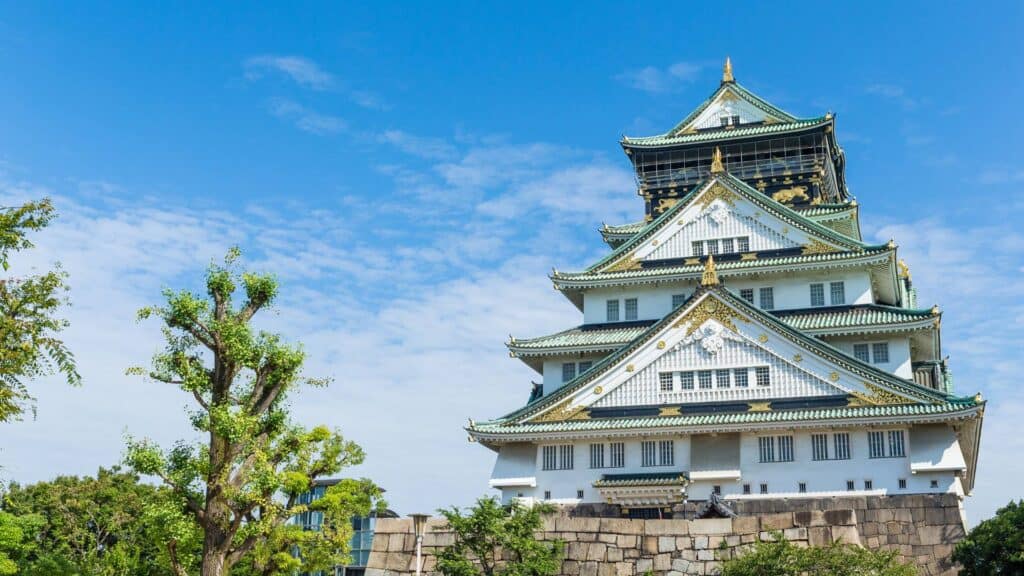
You should start your morning right at Osaka Castle. Take the JR Osaka Loop Line to Osakajokoen Station. From the station exit, it is about a fifteen-minute walk through the park to reach the main castle grounds. The park is completely free and open all day. It is especially pretty in the spring with the sakura in full bloom,
The main tower opens at 9:00 and closes at 17:00, and an adult ticket for the museum inside costs 600 yen. However, we are going to save you some time and money right now. We highly recommend skipping the inside of the tower. You might expect to see ancient wooden floors and traditional architecture inside. In reality, the interior functions as a multi-level museum detailing the history of the fortress and the life of Toyotomi Hideyoshi. The exhibitions include folding screens, samurai armour, and various artefacts from the Sengoku period.
Unless you are a hard-core history buff, we think there are better ways to spend your limited time in the city.It is a poor use of your limited time in the city. Instead, spend your morning walking around the massive original stone walls and the Otemon Gate. These outer areas are genuinely impressive and give you a real sense of the history.
Make sure you look out for the Takoishi (Octopus Stone) near the main gate. It is a massive boulder weighing roughly 130 tons built directly into the wall. Trying to figure out how they moved it centuries ago without modern machines is far more interesting than waiting in line for a crowded museum.
If you want a great elevated photo of the castle without the crowds, walk over to the Miraiza building right next to the main square. It is a shopping complex with a free rooftop terrace. It puts you right at eye level with the castle tower, and you do not have to wait in a single line!
Kuromon Market

When you are ready for lunch, walk back to Osakajokoen Station. Take the JR Osaka Loop Line three stops south to Tsuruhashi Station. Transfer to the underground Sennichimae Line and ride it two stops west to Nippombashi Station. Take Exit 10, and you are standing right at the market entrance.
Most stalls operate between 9:00 and 17:00. This market is heavily targeted at tourists now, so do not be surprised by the high prices for things like seasonal fruit. However, even if you are not planning to buy a 4,000 yen melon, it is a great spot to see the fresh catch of the day.
You will see giant hanging crabs, whole tuna being butchered, and strange local specialities like grilled pufferfish. It is a sensory overload that is worth seeing just for the atmosphere.
It is not just about seafood, either. You will find stalls selling high-quality wagyu beef, local pickles, and even traditional kitchen knives. A popular choice for tuna is Maguroya Kurogin. A high-quality platter there will cost between 2,500 and 4,000 yen. If you want a cheaper hot snack, look for the stalls grilling massive scallops with butter and soy sauce for around 1,000 yen.
The walkways are narrow and crowded, and the market association hates it when tourists drop food everywhere. Stand directly in front of the stall to eat your food. If you need a break, look for the Kuromon Information Centre in the middle of the market. They have a free rest area with tables and chairs where you can sit down to finish your food.
Dotonbori
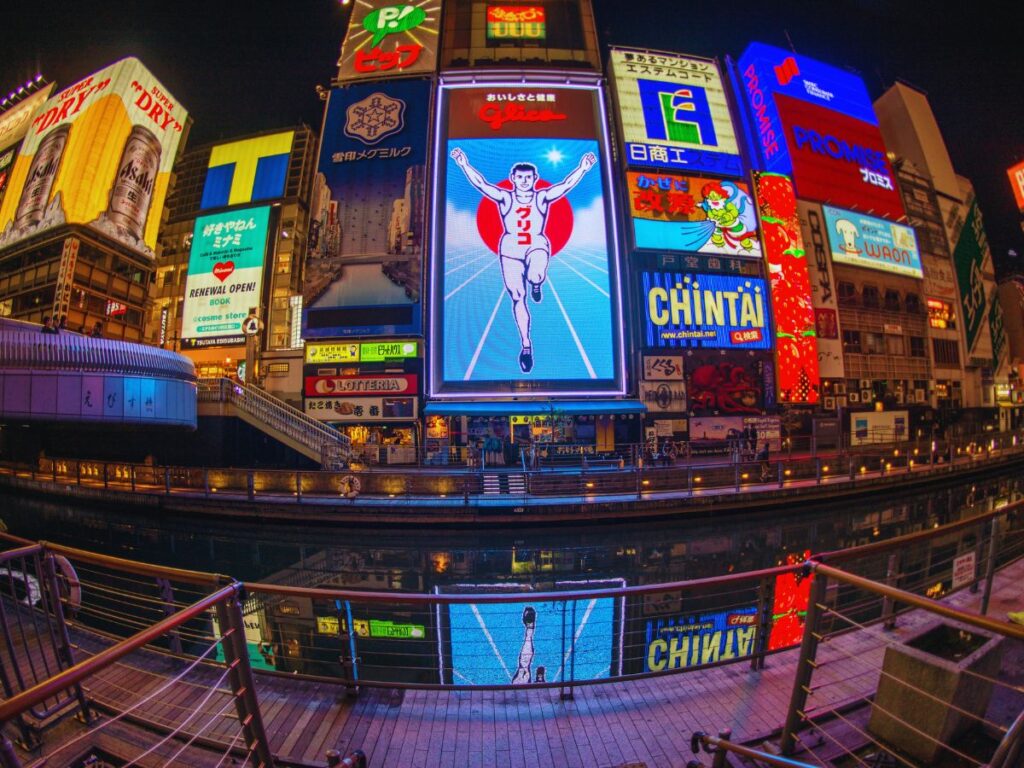
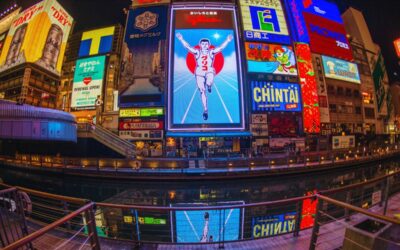
From the market, it is an easy ten-minute walk west, straight down Sennichimae road. That brings you directly to the Dotonbori canal. This is the loud, neon-lit centre of the Minami district that you have probably seen so many times on social media. It is best experienced just as the sun goes down and the signs turn on.
Your very first stop should be the Ebisu Bridge. You need to take a photo with the massive Glico running man billboard. It will be completely packed with people, but it is a classic Osaka rite of passage. For a deeper look at the area, including the best photo spots and hidden bars, take a look at our full Dotonbori guide.
If you are in the mood for shopping, you are in the right place. The massive Shinsaibashi-suji covered arcade starts right at the bridge. For something more alternative, walk ten minutes west to America-mura (Amemura), which is famous for its vintage clothing stores and street art.
Once you have the photo, you are officially in konamon heaven. This is the local word for flour-based dishes, which are the specialty of the city. You have so many choices here that it can feel a bit overwhelming.
For takoyaki, or octopus dumplings, Acchichi Honpo next to the Tazaemonbashi Bridge is the most famous choice. A tray of nine costs 600 yen. If the line there is too long, walk a few minutes to Takoyaki Wanaka. Their takoyaki has a slightly thinner skin and is just as good.
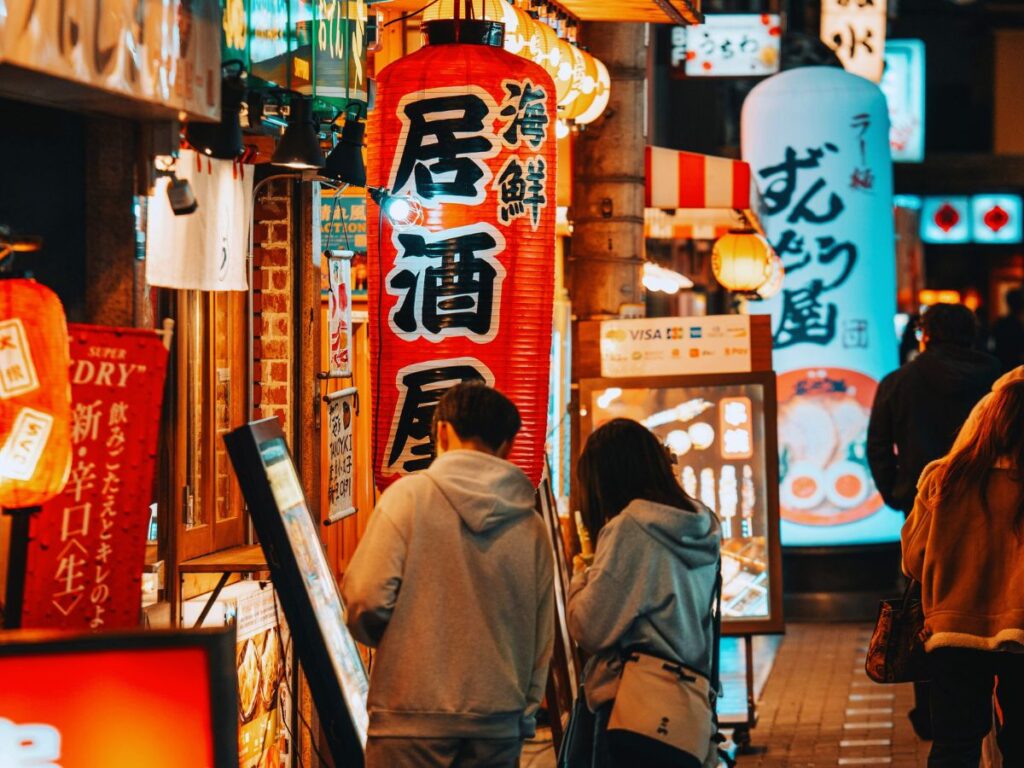
You should also look for a solid okonomiyaki shop. This is a thick, savoury cabbage pancake cooked on an iron griddle. Mizuno is a local favourite but often has a 45-minute wait, with meals costing around 2,500 yen.
If you do not want to wait that long, do not be afraid to just walk into a smaller, basement-level shop either. Most places on this street have been around for decades for a reason.
Now, if you want a break from the flour-based food, try some kushikatsu. These are deep-fried skewers of meat and vegetables. Kushikatsu Daruma is the most recognisable chain with the angry chef mascot outside. A set of skewers usually costs around 1,500 yen.
The best way to eat here is to share everything. Grab a tray of takoyaki to start, then sit down for okonomiyaki or skewers. Take your street food down the stairs to the river walk to eat away from the massive crowds on the main bridge.
If you want to keep going after dinner, our Osaka nightlife guide lists the best bars and clubs in the city. You can also explore the larger Namba and Shinsaibashi area. This district is huge, so you need help navigating the side streets or finding the best shopping, we break it all down in this blog:
Day 2
Shinsekai
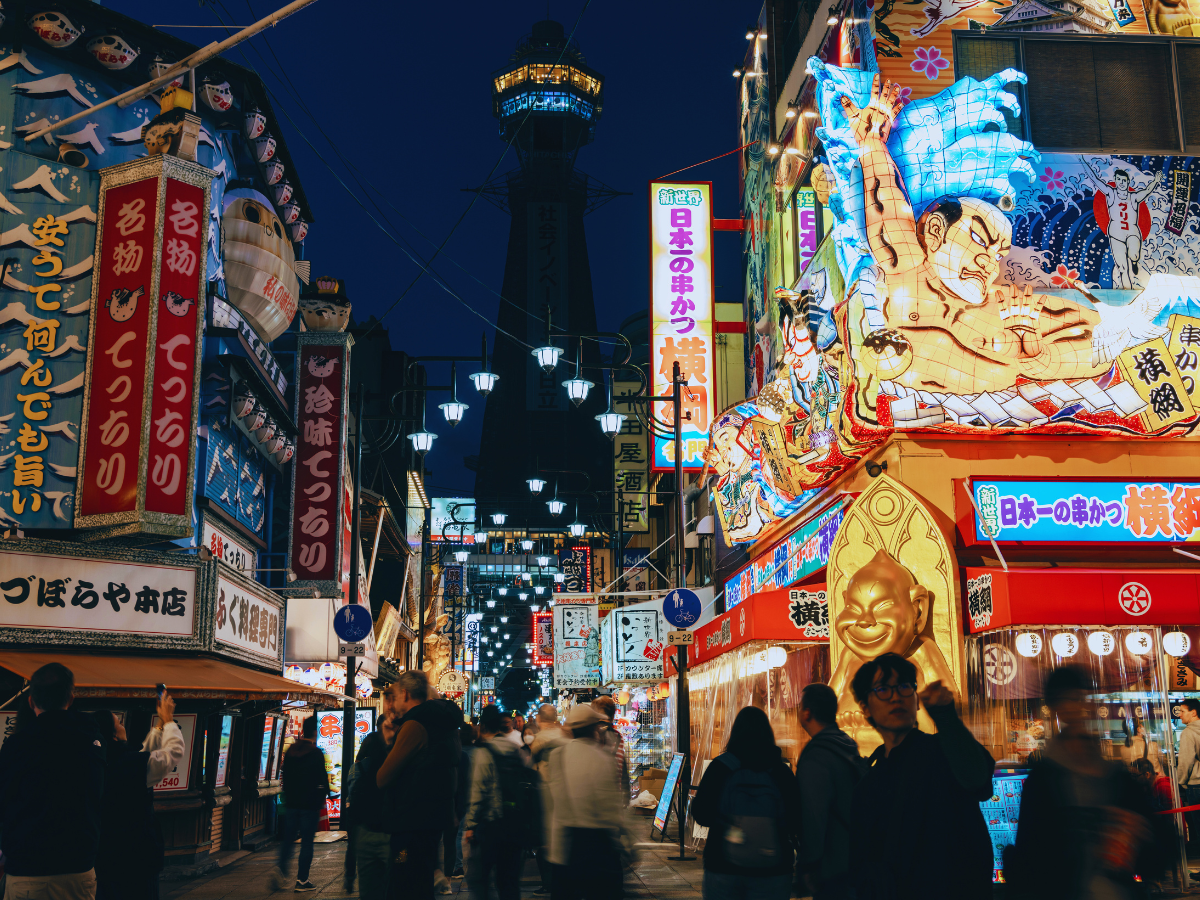
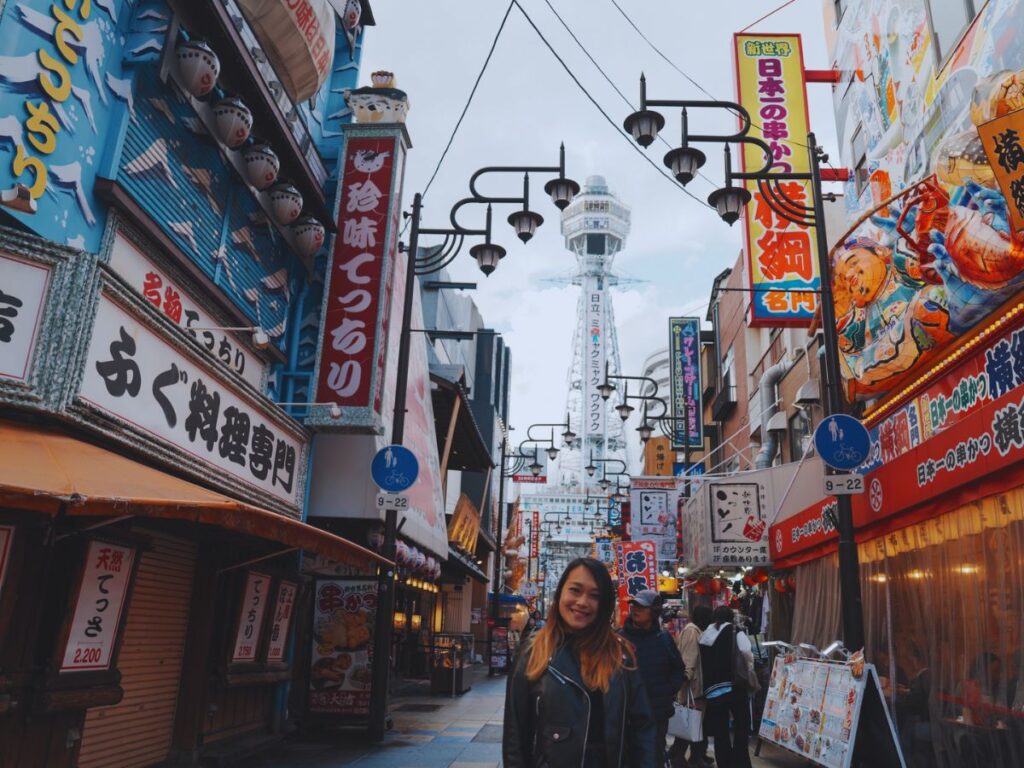
Start your second day by taking the Midosuji Line south to Dobutsuen-mae Station. From the station exit, it is a short five-minute walk to the entrance of Shinsekai. This area was originally built in 1912 to look like a mix of Paris and New York. These days, it feels like a gritty but colourful time capsule from the 1950s.
The main landmark here is the Tsutenkaku Tower. It opens at 10:00, and an adult ticket for the observation deck costs 900 yen. We often suggest that travellers just admire the tower from the street. The view from the top is fine, but the queues are often long. You are usually better off spending that time and money on an early lunch.
However, if you are looking for a bit of a thrill, the tower is not just a static landmark anymore. They recently added the TOWER SLIDER, a massive 60-metre-long slide that spirals down the outside of the building. It costs an extra 1,000 yen on top of your entry fee, and it is a total rush. Our CEO tried it out if you want to see what the drop looks like before you commit:
While the tower dominates the skyline, the real charm is in the surrounding streets. This is one of the best spots in the city for photography. You might have seen older photos of a giant pufferfish sign here, but that was taken down a few years ago. Do not worry though: the crossing still offers a brilliant shot of the tower framed by retro signs.
Here, you will notice a complete obsession with a strange, pointed-headed figure called Billiken. He is the “God of Things as They Ought to Be.” Fun fact: despite looking very Japanese, he was actually created by an American illustrator and somehow became the mascot of Shinsekai. There are dozens of Billiken statues scattered across the district, from tiny wooden ones to massive golden figures outside the shops.
Locals say that rubbing the soles of his feet brings good luck. So, if you look closely, you can see how his feet have been worn down by thousands of hands over the years.
To find more must-go spots or learn about the history of this district, check out our full Shinsekai guide:
Janjan Yokocho
Once you are done with the photos, it is time for lunch. Shinsekai is where kushikatsu originated. You should head into Janjan Yokocho, which is a narrow alleyway at the southern end of the district.
The street is lined with small shops where you sit at a wooden counter and watch the chefs work. Most of these spots open around 10:30 or 11:00, and you can expect to pay about 1,500 yen for a full meal.
You should also order doteyaki. This is beef tendon simmered in miso and ginger. It is an Osaka staple that is rich and salty. It is the standard side dish to order with your skewers.
If the shop has a communal sauce tin, do not double-dip your skewer after taking a bite. Some larger chains use squeeze bottles now, but if you see a tin, use the cabbage leaves to scoop extra sauce onto your plate.
Umeda Sky Building
After lunch, head back to Dobutsuen-mae Station and take the Midosuji Line north to Umeda Station. Be warned that Umeda is a massive, confusing underground maze. Follow the signs for the Sky Building. It is about a fifteen-minute walk from the station exit through a long pedestrian tunnel. For specific directions and an honest review, read our guide to this Osaka landmark:
The Umeda Sky Building is famous for its Kuchu Teien Observatory, which is a bridge connecting two skyscrapers. It is open from 9:30 to 22:30, and tickets cost 1,500 yen. We think this is the best viewpoint in Osaka because you can actually walk outside on the circular rooftop.
It is a bit windy, but the 360-degree view of the Yodo River and the city skyline is unbeatable. It is a great place to see the more modern, polished side of the city. If you find the walk too long, you can also check out the HEP FIVE ferris wheel in the middle of the shopping district for 600 yen, but the Sky Building is definitely the more impressive experience.
Hozenji Yokocho
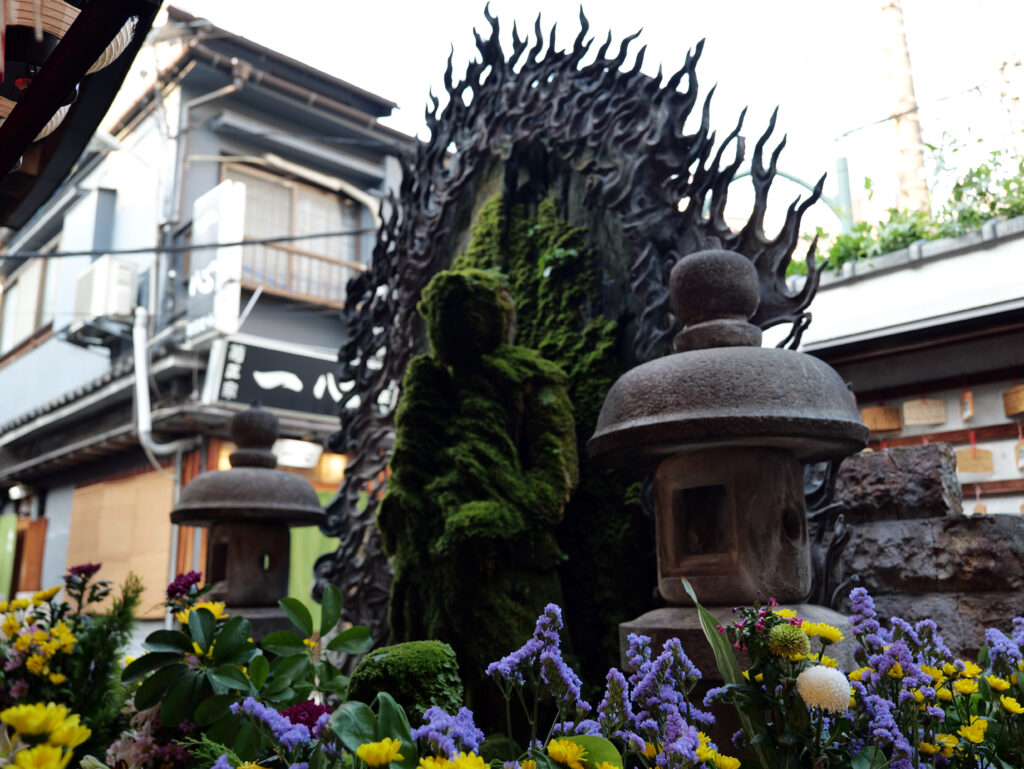
For your final evening in Osaka, take the Midosuji Line back down to Namba Station. Most travellers stick to the bright lights of Dotonbori, but we want to show you something different. Just a few blocks away is a tiny, stone-paved alleyway called Hozenji Yokocho.
It feels like stepping back a hundred years into the Edo period. At the centre of the alley is Hozenji Temple, which is open 24 hours and free to visit. You will see a statue of a Buddha covered in thick green moss. It has grown that way because locals and visitors splash water on it while making a wish.
This alley is not just a quick photo stop either. It is packed with dozens of tiny izakayas, bars, and traditional restaurants. Because the space is so limited, these spots usually only seat six to eight people. You will see wooden sliding doors and noren curtains everywhere. Do not be intimidated by the small entrances. Most of these places are used to foreigners, though they appreciate it if you keep your voice down to match the quiet vibe of the alley.
After your meal, you can stop at a shop called Meotozenzai for dessert. They have been serving sweet red bean soup with mochi since the 1800s. A set of two bowls costs 800 yen. The two bowls represent a husband and wife, and local tradition says that sharing a set brings good luck to a relationship.
We think this is the best way to end a 2-day Osaka trip. You get to see the grit and neon of Shinsekai in the morning and the modern skyline of Umeda in the afternoon, but you finish in a place that feels like the old heart of the city. It is a much better way to have a final drink than fighting through the crowds at the Glico sign.
Now, for those on a tighter schedule, we also have a 1-day Osaka itinerary that hits the absolute essentials. For those with an extra day, our Osaka bucket list has more ideas for things to do.
Osaka 2-Day Itinerary FAQs
Is the JR Pass worth it for two days in Osaka?
Absolutely not. Unless you are arriving on a bullet train from Tokyo and heading straight to another distant city the next day, it is a waste of money. Most of the travel in this itinerary uses the local subway lines. Just use an IC card like Suica, Pasmo, or Icoca. You can tap in and out of every train and bus mentioned in this guide without thinking about it.
What is the best way to get around the city?
The subway and the JR Loop Line are your best friends. Google Maps is incredibly accurate for Osaka transit, but you must pay attention to the exit numbers. Taking the wrong exit at a massive hub like Umeda or Namba Station can easily add twenty minutes to your walk. Always look for the yellow signs on the platform that list the exits before you head up the stairs.
Can I fit in Universal Studios Japan (USJ) with this guide?
No. We have seen people try to squeeze in a few hours at the park before heading to the castle, and it always fails. USJ is a massive, exhausting commitment that requires a full day of its own. If you want to see Super Nintendo World, you need to add a third day to your trip. Do not try to shortcut this.
Do I need to book restaurants in advance?
For the casual spots in this itinerary, no. Most of the best okonomiyaki and takoyaki places do not even take bookings. You just join the queue. If a line looks too long, just walk fifty metres in any direction. You are in the food capital of the country; you will find something else that is just as good within two minutes.