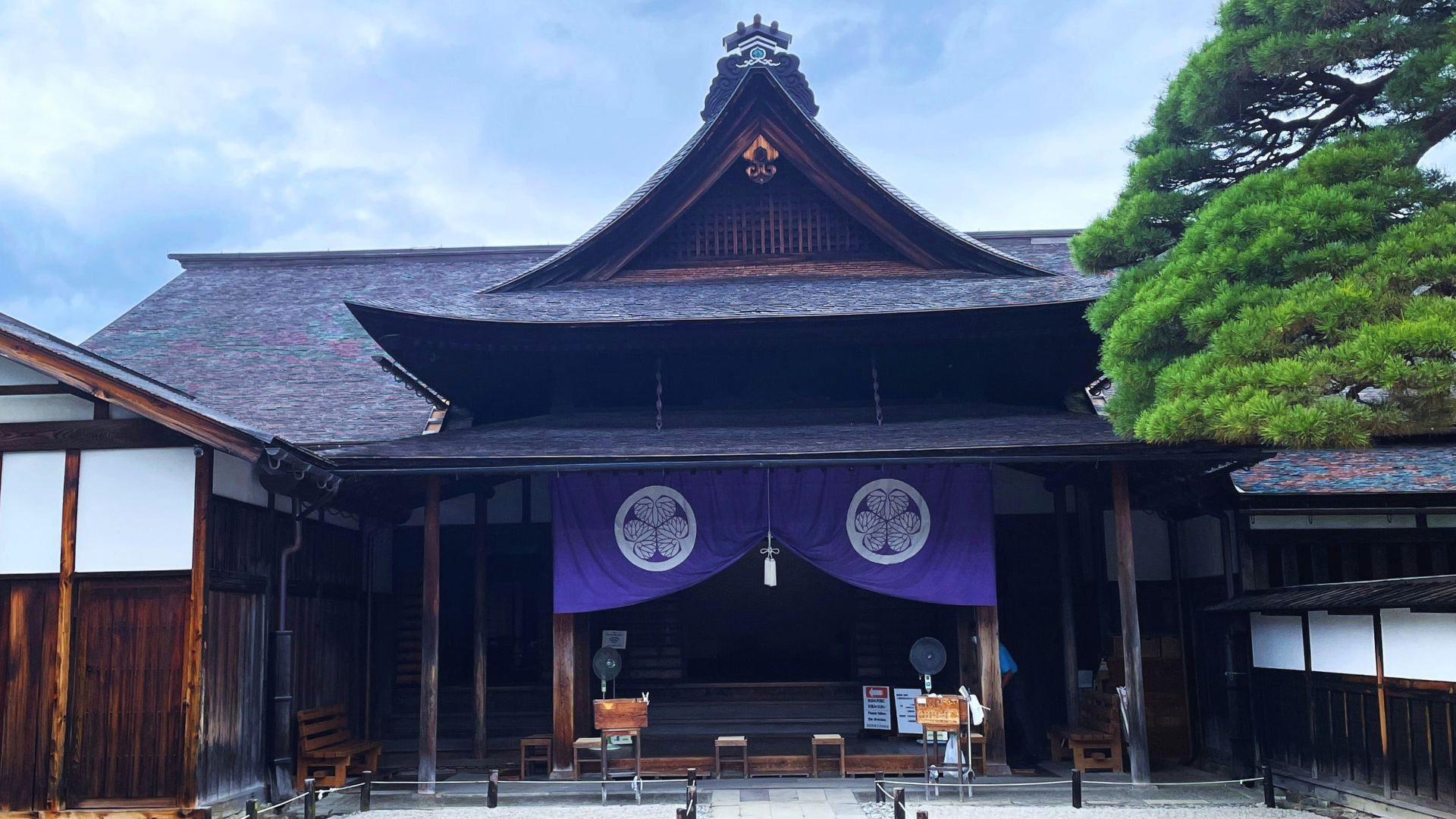
If you’re visiting Takayama’s historic old town, then Takayama Jinya is one of the most important sites to see. The building is the only complete jinya left in Japan, with centuries of history perfectly preserved in this Edo-complex turned into a museum.
The former government office is a lot more significant and beautiful than the name might suggest, offering an entirely unique look into how ruling over Takayama once worked in Japan. In this guide, we’re explaining exactly what Takayama Jinya is, why it matters, and what to expect when you visit.
What is Takayama Jinya
To answer this question, we first have to explain what a Jinya is…and why Takayama Jinya is the last of them in existence. Jinya were administrative offices for local governance during the Edo period, typically less fortified than castles but occasionally equipped with basic defences. Whilst richer or more important lords with larger domains would continue to maintain castles, Jinya were the smaller and more easily run alternative.
These buildings were used as headquarters and residences for shogunate officials or lower-ranking daimyo (powerful feudal lords who ruled over a specific territory). Despite not being castles, some still consider them as samurai castles, particularly those that featured watch towers and defences.
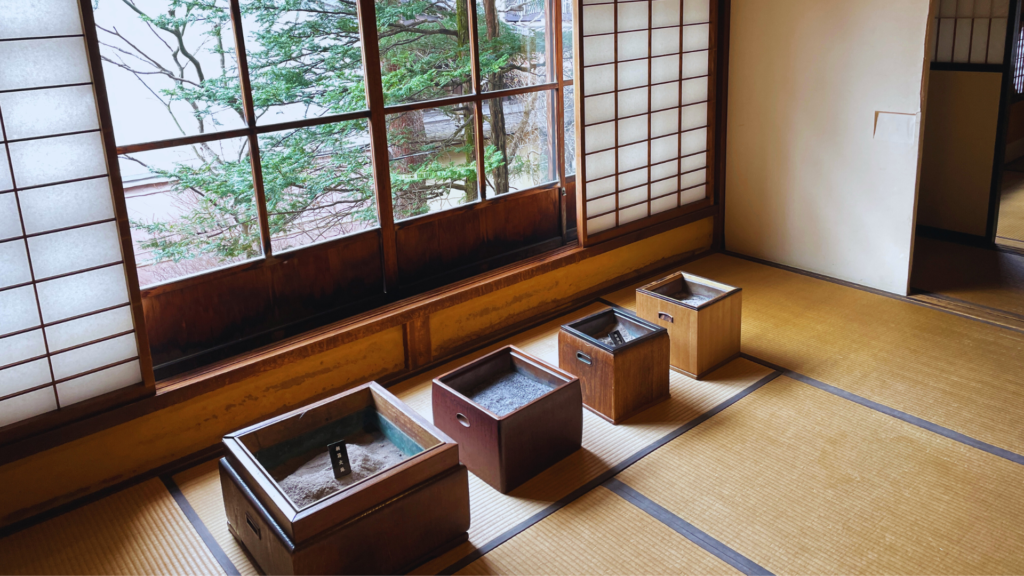
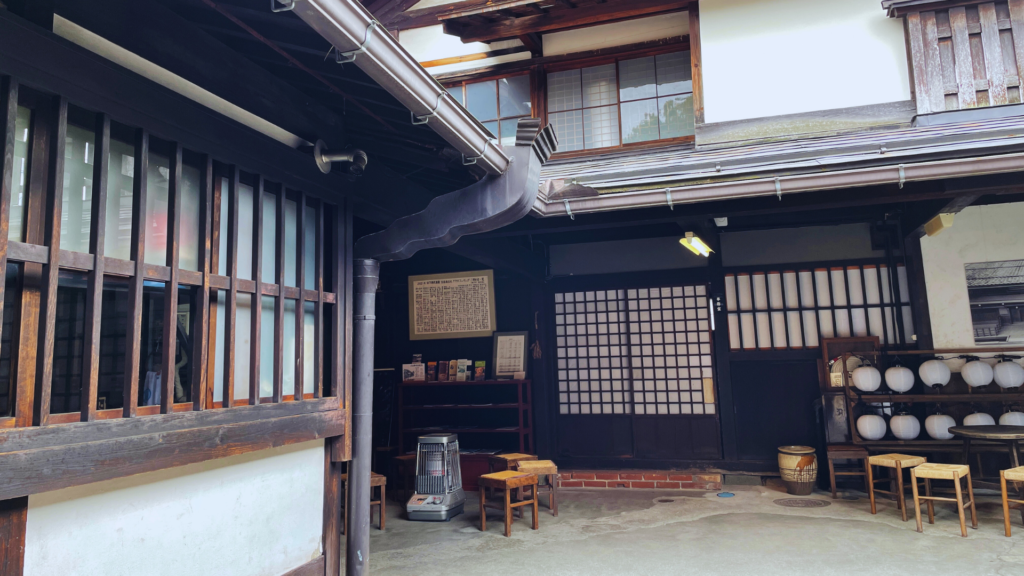
Takayama Jinya is the only complete jinya left in Japan. It was decommissioned as a jinya in 1969 and turned into a museum, which is now open to the public. Today, visitors can explore the space, walking through the preserved tatami rooms, corridors, and courtyards to learn about the daily workings of regional governance in old Japan.
Address: 1 Chome-5 Hachikenmachi, Takayama, Gifu 506-0012
Opening Hours: Daily from 8:45am to 5pm (4:30pm between November and March)
Entry Cost: ¥440 for adults (~$2.80), free for high school students and children
Interested in more Unique Japanese Museums?
The History of Takayama Jinya

Aside from being the last complete jinya in Japan, Takayama Jinya is also unique in its history. This is because it was closely connected to a former castle site, having been established from the lower residence and administrative buildings at the base of Takayama Castle after the castle itself was dismantled.
In the late 1500s, Kanamori Nagachika, a samurai and tea master, pledged his loyalty to Tokugawa Ieyasu and was rewarded by being granted control of Hida Province and becoming the daimyo of Takayama. He built Takayama Castle in 1588, where his family would reside for over a hundred years.
By the end of the 17th century, Takayama was booming economically due to its valuable natural resources, including deposits of silver and gold. As a result, the Tokugawa Shogunate chose to bring the territory under direct rule from Edo (old Tokyo). The Kanamori family was relocated to another domain, Takayama Castle was dismantled, and the remaining lower residence and offices were adapted into what became Takayama Jinya.
From that point, 25 generations of Tokugawa samurai, governors, and magistrates went on to work and reside in the jinya until the end of feudal rule in Japan. In 1929, Takayama Jinya was designated as a National Historic Monument, and it continued to be used as a government base until 1969.
Exploring Takayama Jinya
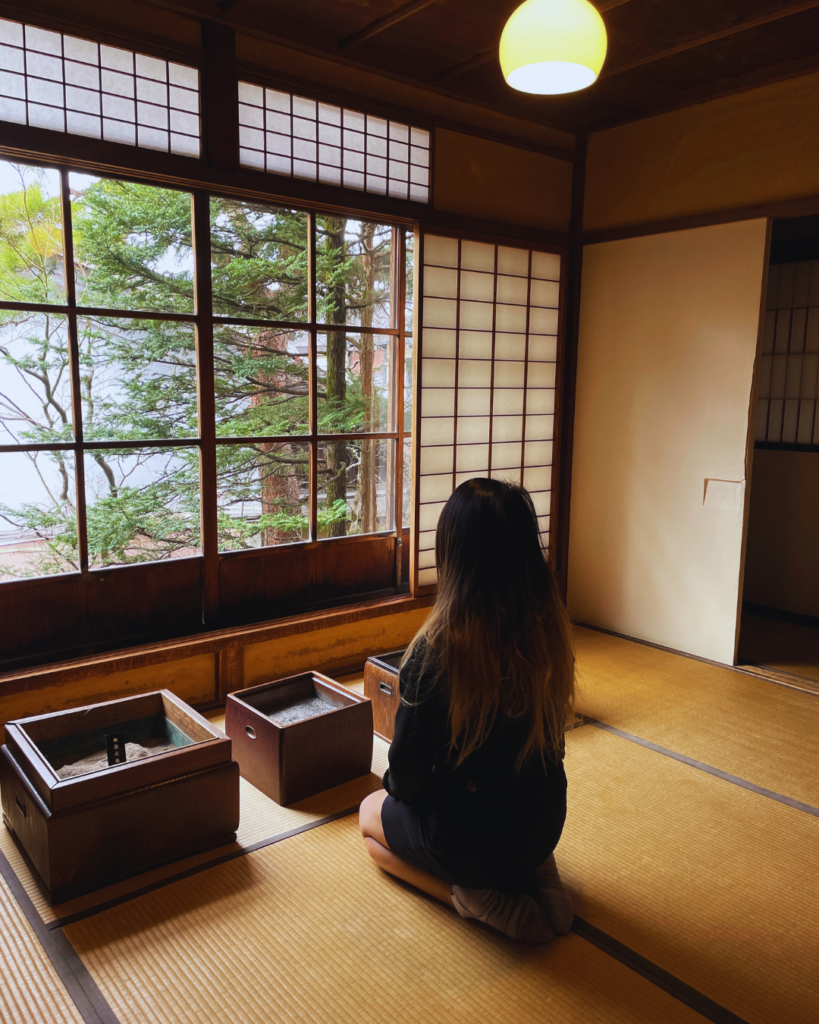
Today, Takayama Jinya is preserved as a museum complex where visitors can walk through the real rooms used for two centuries of governance. Most people spend about an hour there, exploring the architecture, reading about the history, or taking a free 30-40 minute English-language tour. Be aware that you’ll have to remove your shoes before entering Takayama Jinya, and then you need to follow the marked indoor route through the preserved rooms.
The Museum
The main building forms the heart of Takayama Jinya and is where most visitors begin their exploration. The highlight is probably the large tatami space, which connects three tatami rooms using 49 individual tatami mats. The spaces once served as offices, reception spaces, meeting chambers, and administrative work areas for shogunate officials.
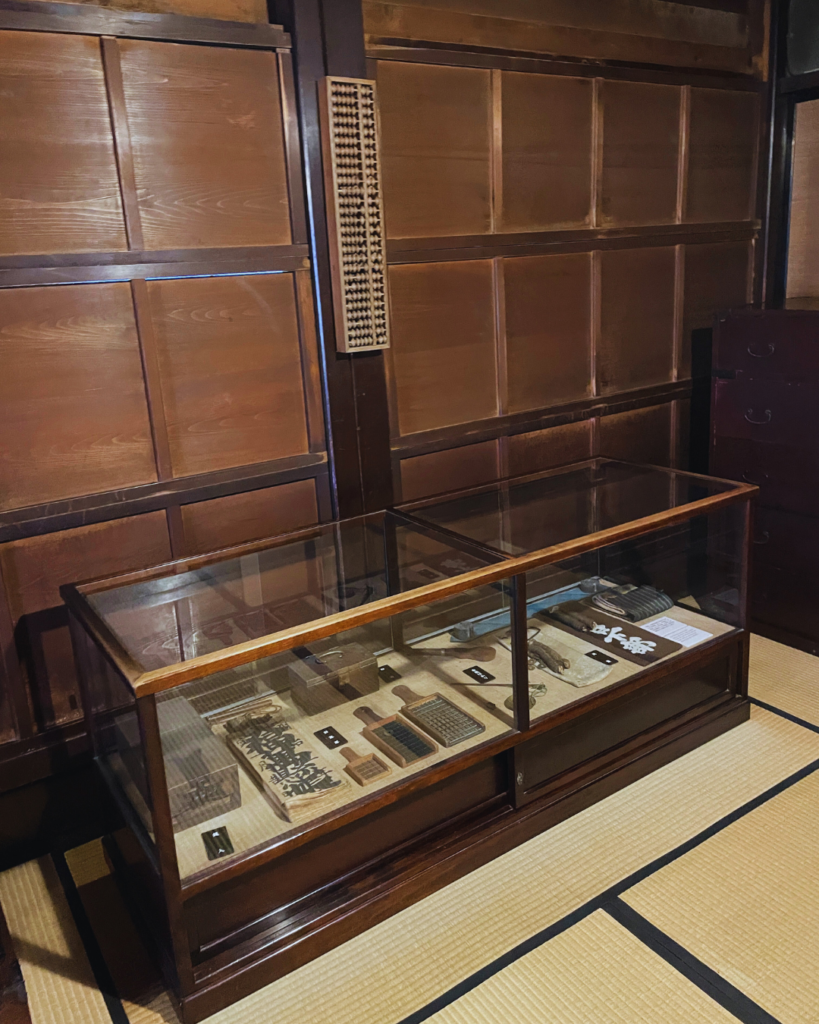
Exhibits throughout the complex display historical documents, maps, tools, and everyday objects connected to local governance. The museum teaches visitors about the governance and judicial system of the time, including how officials managed tax collection (especially rice), oversaw local villages, and handled disputes. You’ll also see plenty of Edo-period architecture and decorative elements that have been perfectly preserved for centuries.
The Oshirasu (Courtrooms)
Takayama Jinya has two separate oshirasu, one with tatami, and another with an open gravel-floor. These courtrooms hosted investigations, hearings, and were where judgments were conducted. The gravel-floored area specifically was used for questioning suspects and announcing official decisions under regional authority.
The Rice Storage Area
Adjacent to the main buildings in Takayama Jinya is a large rice storehouse (known as an onkura) used to hold tax rice collected from surrounding villages. In fact, it is one of the oldest and largest surviving onkura in Japan, having originally been a part of Takayama Castle. This area has also been turned into a museum where you can see objects and documents that once belonged to the officials who lived/worked in the jinya.
The rice storage area has a special thatched roof which is held in place by stone and wooden sticks instead of nails. Japanese cypress wood was chosen for this roof for its high oil content, making it very effective for waterproofing.
Bonus: The Morning Market
Just in front of Takayama Jinya is the Jinya-Mae Morning Market. Here, vendors sell local produce, pickles, flowers, and local specialities. There are usually around 50 stalls, so lots of variety, plus the market operates every day of the week. As it is open from the early hours of the morning, it makes for a perfect stop before or after visiting the Jinya.
Address: 1 Chome-5 Hachikenmachi, Takayama, Gifu 506-0012
Opening Hours: Daily from 6am to 12pm (from 7am during January to March)
Getting to Takayama Jinya
Takayama Jinya is in southeast Takayama, and only a 10-minute walk from Takayama Station and Takayama Nohi Bus Centre. Alternatively, you can ride one stop on the Takumi Bus Tozai Line from the bus centre, which takes about 5 minutes.
How to Get to Takayama
If you’re heading to Takayama specifically for Takayama Jinya, then this is how to get around Japan:
- From Toyama Station: Take the JR Hida Limited Express to Takayama Station (approx. 1.5–2 hours)
- From Nagoya Station: Take the JR Hida Limited Express directly to Takayama Station (approx. 2.5 hours)
- From Tokyo Station: Take the Hokuriku Shinkansen to Toyama Station, then transfer to the JR Hida Limited Express to Takayama Station (approx. 4–4.5 hours total)
Thinking of buying a JR Pass?
Exploring Beyond Takayama Jinya
Just because Takayama is a smaller city in Japan doesn’t mean that there isn’t a whole lot to do there. We suggest spending at least 2 full days in the city, with some of our favourite things to do there being:
- Sanmachi Suji (Old Town): Probably what Takayama is most famous for, this is a beautifully preserved area that’s just across the river from Takayama Jinya. You’ll find traditional merchant houses, sake breweries, and wooden buildings that go back to the Edo period.
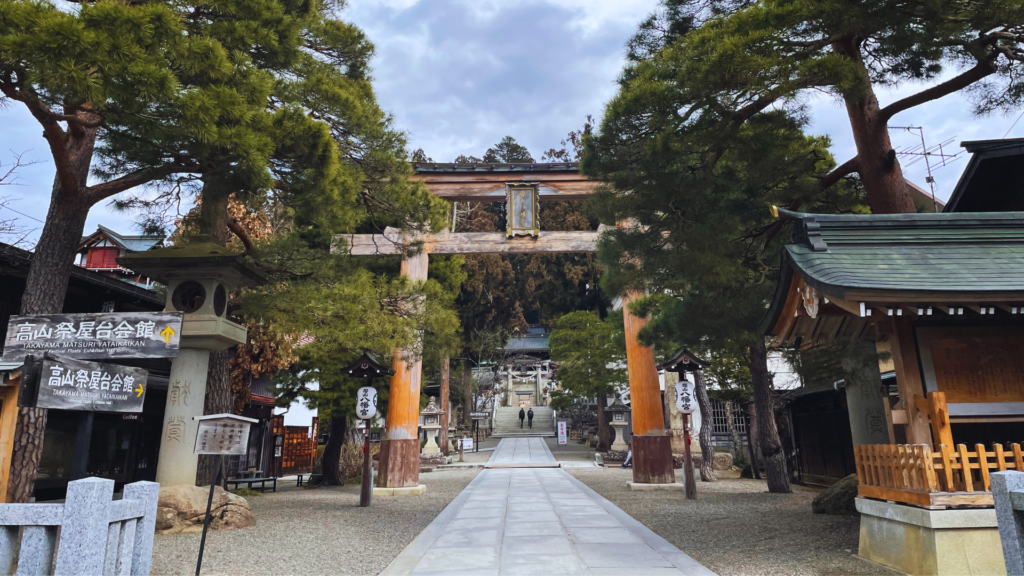
- Sakurayama Hachimangu Shrine: The home of the Autumn Takayama Festival and Festival Floats Exhibition Hall. The shrine has some incredible craftsmanship and an amazing history.
- Hida Kokubunji Temple: A Buddhist temple dating back to the 8th century, where you’ll find a three-story pagoda, ancient Buddhist artefacts, and a huge ginkgo tree that is said to be over 1,200 years old.
- Takayama Showa-kan Museum: A fun museum dedicated to Japan’s Showa era (1926-1989). It has a great collection of preserved buildings, exhibits, and everyday items, which gives visitors a nostalgic look into Japan’s recent past.
Takayama Jinya FAQs
Is Takayama Jinya worth it?
If Japanese feudal history and Edo Period architecture interest you, then yes! This is the only remaining jinya of its kind, and it costs less than ¥500 to enter.
Where is Takayama Jinya?
Takayama Jinya is located in central Takayama City in Gifu Prefecture, within walking distance of the old town and Takayama Station.
What is the best time to visit Takayama Jinya?
We recommend visiting in the morning so that you can also stop by the Jinya-Mae Morning Market, though the site can be visited comfortably throughout the day.
Why is Takayama famous?
Takayama is known for its well-preserved Edo-period streets, traditional festivals, historic architecture, and access to the mountains of the Hida region.
What is the entrance fee for Takayama Jinya?
Entrance to Takayama Jinya is ¥440 for adults (~$2.80), and completely free for high school students and children.
Is Takayama Jinya wheelchair and stroller accessible?
Accessibility is limited because the building dates from the Edo period and includes steps and tatami floors. Wheelchair users can enter with assistance using provided slopes and an indoor wheelchair, though support from accompanying visitors is required.