
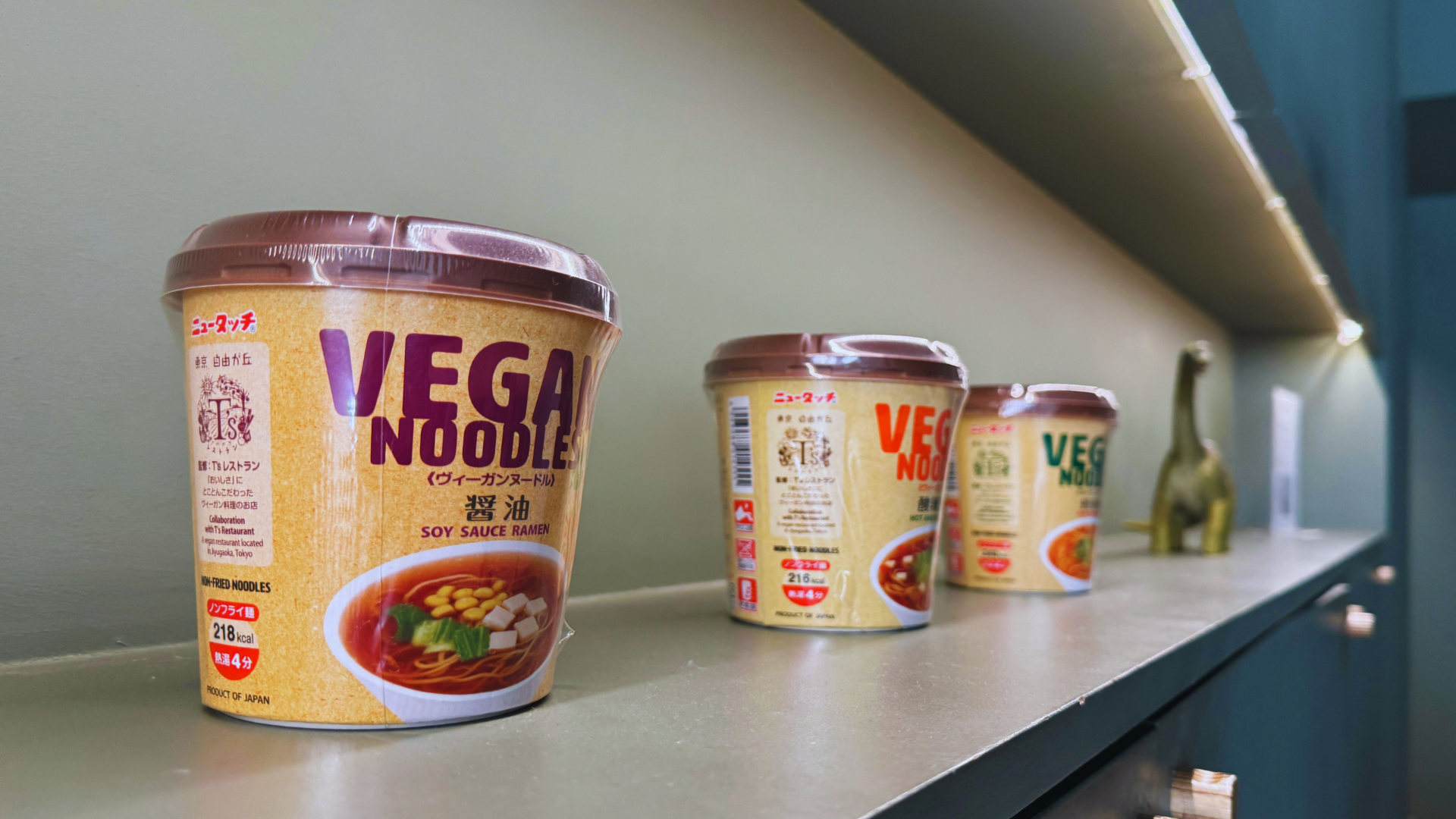
Japan might not be the most vegan-friendly country in the world, but don’t get it twisted! There are absolutely some iconic, delicious, and unique plant-based snacks for you to choose from when you’re here.
It goes without saying that food is a huge part of Japanese culture, and being able to partake in it not only in meals, but also in eating snacks and buying them as souvenirs, is one of the best parts of any trip here! That’s why we’re bringing you this guide to our favourite vegan snacks in Japan! We’re talking sweet treats, savoury bites, and even the vegan hot to-go food that needs to be on your radar!
The Easiest Way to Find Vegan Food in Japan
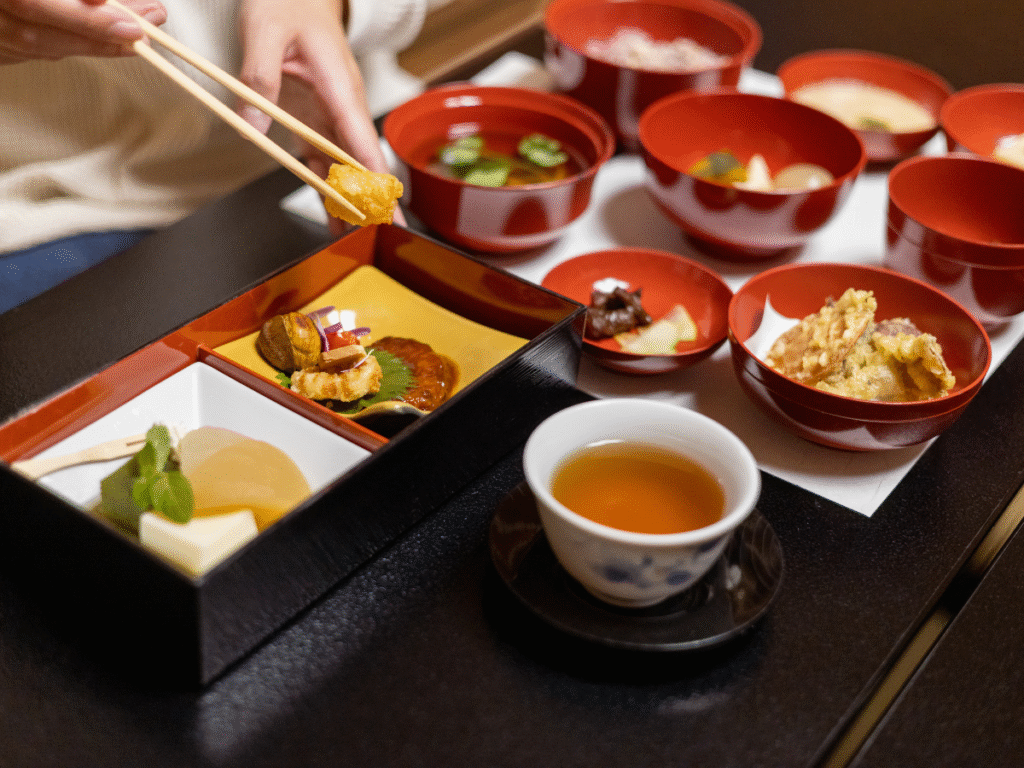
Coming to Japan as a vegan can be intimidating, so why not choose the easy route and check out one of our vegan food tours, or consider joining Flip’s Ultimate Vegan Group Trip? The itinerary has been specially designed for vegans visiting Japan, with temple stays, plant-based cooking classes, and traditionally vegan Buddhist cuisine.
Quick Guide to Vegan Snacks in Japan
There’s good news and bad news when it comes to vegan snacks in Japan. The reality is that finding them is harder than in a lot of places in the West, as veganism just isn’t as common here. It’s rare for snacks to be clearly labelled as plant-based, there are lots of sneaky ingredients that you’ll need to look out for, and there’s not nearly as much variety as we wish there was.
But that doesn’t mean you can’t find some amazing vegan options!
A lot of traditional Japanese sweets (referred to as wagashi) are, and have always been, vegan. Agar agar has been used as a gelling agent for centuries instead of gelatin. And, vegan products are getting more and more popular. You can easily find vegan snack options at conbinis, especially if you look out for Natural Lawsons, where healthy and plant-based snacks aren’t just stocked…they’re celebrated.
If you take nothing else away from this article, then just remember that Natural Lawson is a vegan in Japan’s best friend!

To help you when in the wild, and when checking ingredient lists for animal-derived products, you can use this quick list:
5 Non-Vegan Ingredients to Watch Out For:
- Dashi (出汁/だし): Dashi is one of the trickier ingredients when it comes to vegan food in Japan. It’s a fish stock that’s used in most soups and many seafood products, as well as to add a salty/umami flavour to lots of foods. You’ll need to check for dashi in things like konbu onigiri (seaweed rice balls), inari sushi, and even tofu snacks.
- Dairy Products (乳製品): The unfortunate truth is that Japan loves dairy. You’ll find whipped cream, milk, and butter are used in so many sweet treats and pastries, but it’s the things like chips, corn snacks, and bread that you need to really check for.
- Gelatin (ゼラチン): If you’re reading this article, we’re assuming you already know all about gelatin. Like anywhere in the world, you should watch out for gelatin in gummy sweets, but it can also be put into purin (pudding) and some rice crackers (especially those with shiny coatings).
- Butter Oil (バターオイル): Butter oil is a highly concentrated form of butterfat used for its rich flavour and smooth texture. Unlike visible butter or cream, it’s often added in tiny amounts as a flavour enhancer, which makes it especially tricky to spot.
- Chicken/pork extracts (チキンエキス/ポークエキス): These are common offenders in instant ramen and chips, even seemingly “safe” flavours like salad.
Now, let’s finally dive into the vegan Japanese snacks that you can look out for and bring home as souvenirs:
The Best Sweet Vegan Japanese Snacks
Mochi
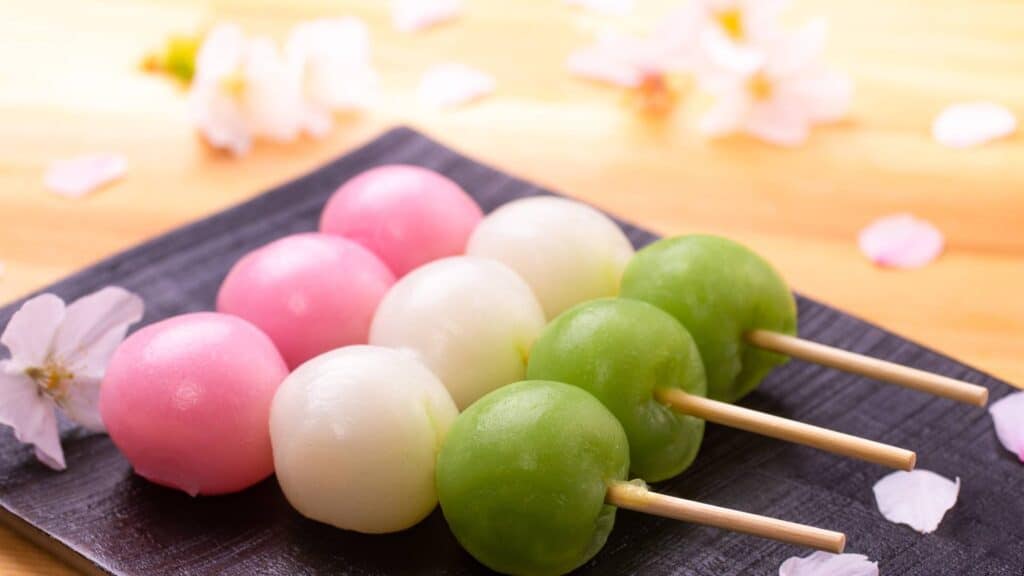
Great news, right? Arguably, the most well-known Japanese sweet snack is traditionally vegan! Mochi comes in all shapes and forms in Japan, like grilled at festival food stalls, or pre-packaged in the conbini. Mochi is made from glutinous rice that’s steamed and pounded into a chewy, sticky dough, meaning no eggs, butter, or milk are required.
You’ll find plain mochi or kinako mochi (coated with roasted soybean flour) as the simplest vegan options. Daifuku mochi, filled with anko (sweet red bean paste), is another classic that’s typically plant-based, although you’ll probably want to double-check, as occasionally butter is used.
Warabi Mochi
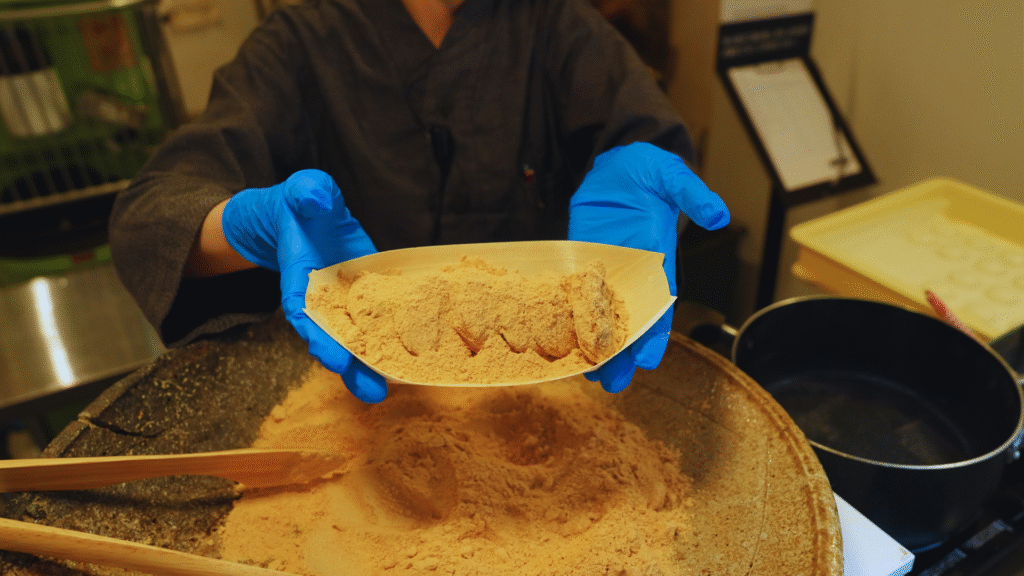
Warabi mochi is similar to the classic variety (super soft and chewy sweet bites), but the ingredients are actually totally different. It’s made from warabiko, or bracken starch in English, giving the mochi a light, jelly texture and slightly sweet taste.
Traditionally, warabi mochi is vegan-friendly, as the only ingredients are starch, water, and sugar, then coated with or drizzled with kuromitsu (brown sugar syrup). You’ll often find it sold in clear cups or styrofoam packaging in conbini and grocery stores, especially in summer, as the cool texture is really refreshing against the sticky Japanese heat.
Sakuma Drops
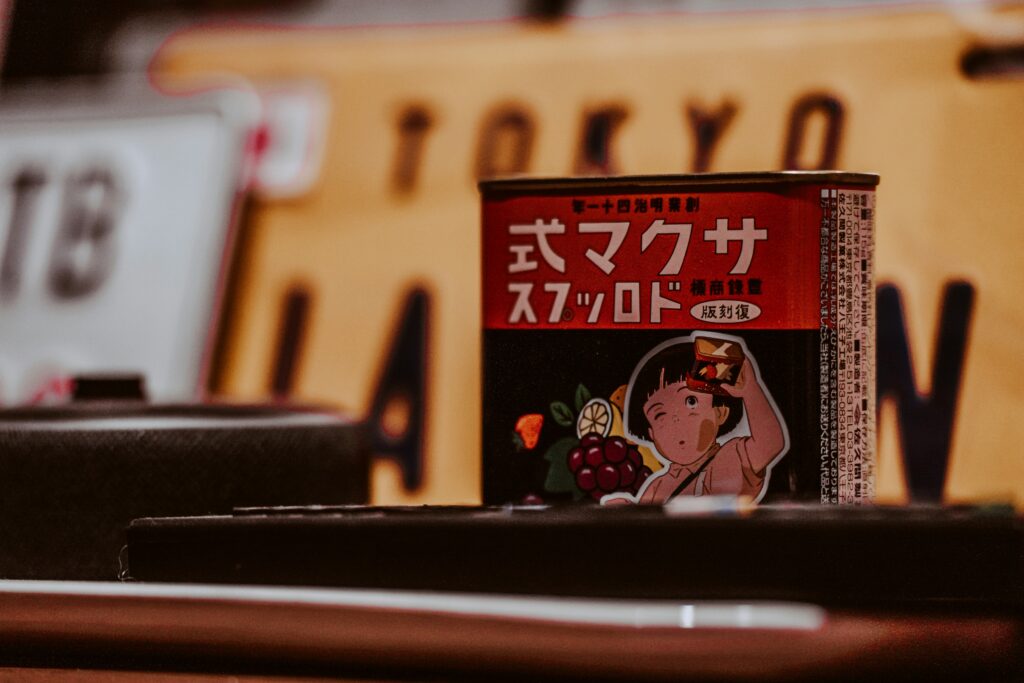
If you’ve seen Grave of the Fireflies, then you’re already familiar with this iconic hard candy that comes in a metal tin. The image of Sakuma drops might bring a tear to your eye, but don’t worry! The fact that they’re vegan is sure to have you smiling again in no time!
These colourful, fruit-flavoured candies have been a Japanese classic for over a century. They’re made from sugar, fruit juice, and natural flavouring, without any gelatin, milk, or animal-derived ingredients. You’ll find them in most supermarkets, souvenir shops, and convenience stores.
Mitsuya Cider Hard Candy

Another iconic Japanese hard candy that’s also vegan! You’ll easily spot the famous Matsuya Cider silver-and-blue bags, and can find them in pretty much every conbini, Donki, and grocery shop in Japan.
Despite the name, they’re not anything to do with Cider, and are actually named after the Mitsuya Cider sports drink…which also has nothing to do with actual cider. These vegan Japanese sweets have a light, fizzy sweetness that mimics the refreshing taste of the drink itself, kind of like sparkling lemonade in candy form.
Gari Gari Kun
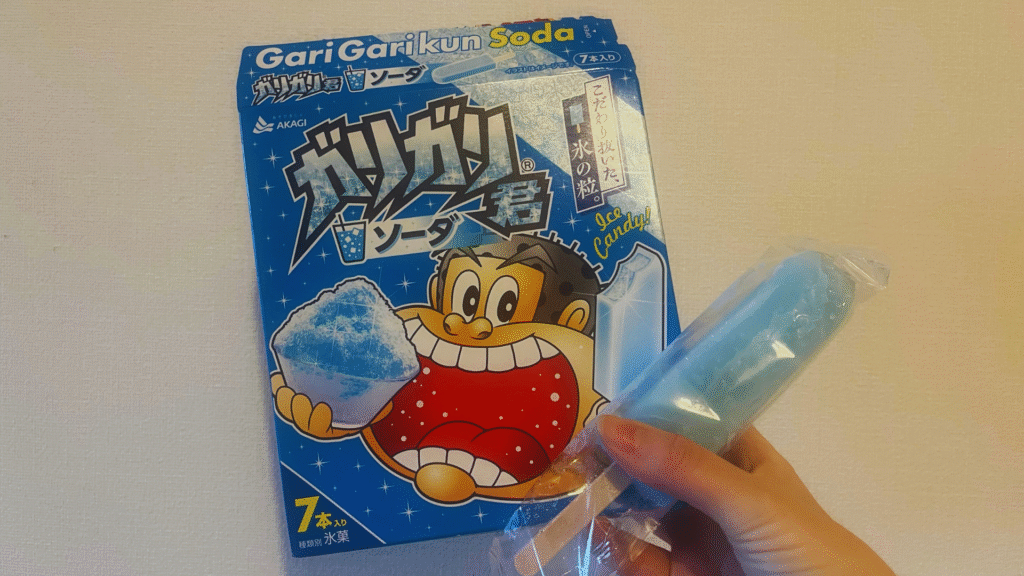
Maybe Japan’s favourite ice lolly/popsicle, “gari gari”, is a Japanese onomatopoeia for the sound of crunching that happens when you bite into the popsicle’s inner icy shards texture. The ice lolly has been a Japanese summer staple since the 80s, with blue soda being the classic flavour.
It’s not too sweet, ultra refreshing, very satisfying, and available in just about every conbini or grocery store freezer section. You do have to beware of limited edition yoghurt flavours that sometimes pop up, but the soda and most of the fruit flavours are vegan.
Plant-Based SoyJoy Bar
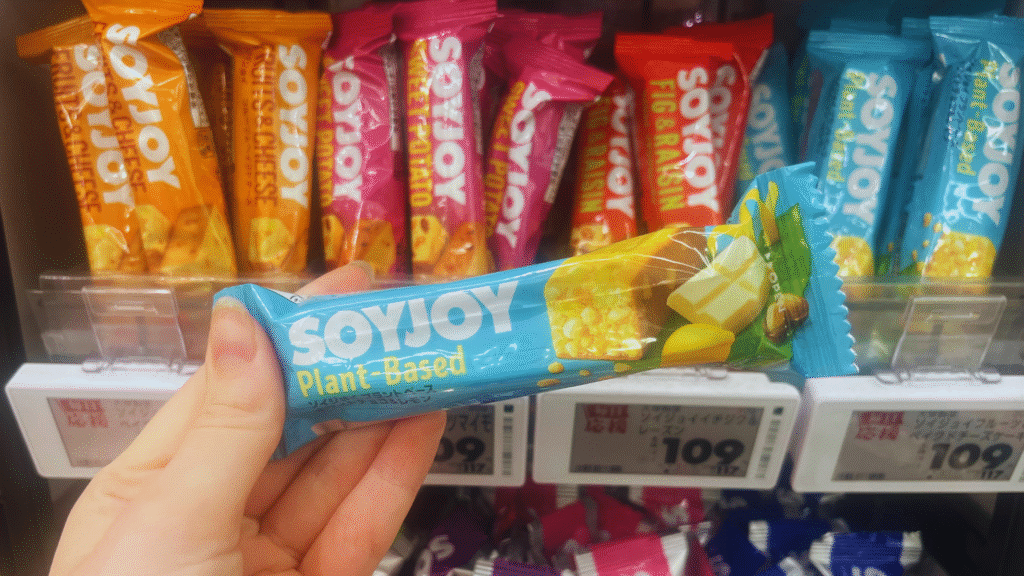
Soyjoys are pretty popular energy bars that you’ll find around Japan, made from soybean flour. Don’t be misled, unlike the West, where you could pretty safely assume a product called “soyjoy” would be vegan, in Japan, soy products (even tofu) aren’t really associated with plant-free diets, and as such, often sneak in non-vegan ingredients.
Luckily, there are clearly labelled vegan soyjoy bars that you can find pretty easily in grocery stores. These are specifically called plant-based on the packaging, giving you a quick, cheap, and easy snack option for staying energised on long days exploring Japan.
Yakiimo

Trust us, there are few snacks as comforting and delicious as the simple yakiimo or grilled sweet potato. You’ll find the special yakiimo heated section by the grocery store doors or conbini counters, where you can pick up a whole, grilled sweet potato.
First things first, Japanese sweet potatoes are not the same as the Western varieties. They’re way sweeter, with this incredible creamy inside texture that makes you feel like you’re eating a dessert instead of a root vegetable. The best part? They’re just sweet potatoes!
Dried Sweet Potato Sticks
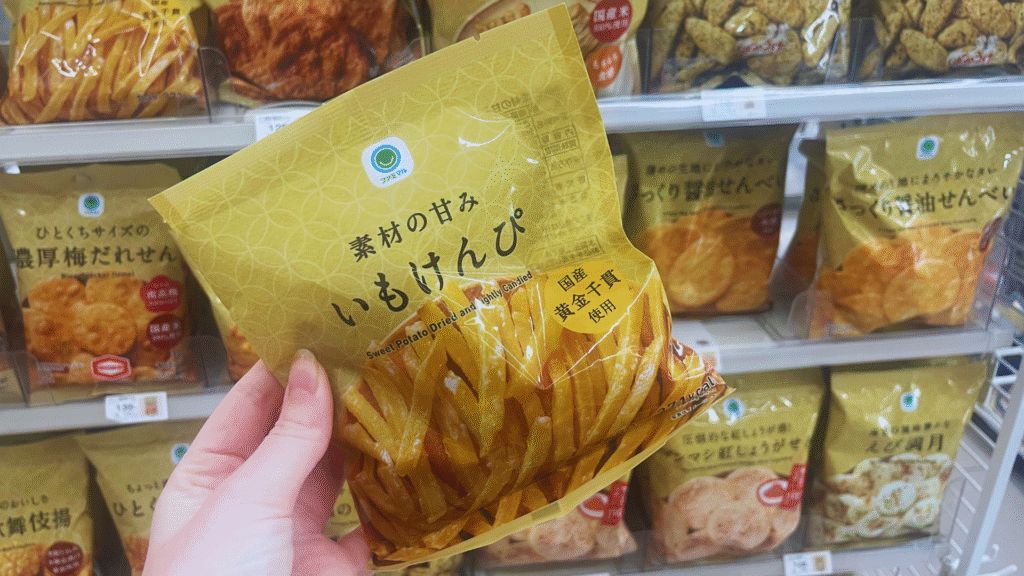
Continuing with the sweet potato love, you’ll find dried sweet potato snacks across the conbini. They’re usually lightly salted, but still sweet, with a tough and satisfying texture. They’re also naturally sugar and gluten-free as an added bonus.
In Japanese, these snacks are called hoshi-imo and are made simply by steaming and drying slices of sweet potato. There are no additives, oils, or animal products needed. The drying process concentrates the natural sugars, giving them a mellow sweetness that feels almost caramel-like when you chew.
The Best Savoury Vegan Japanese Snacks
Plant-Based Instant Ramen
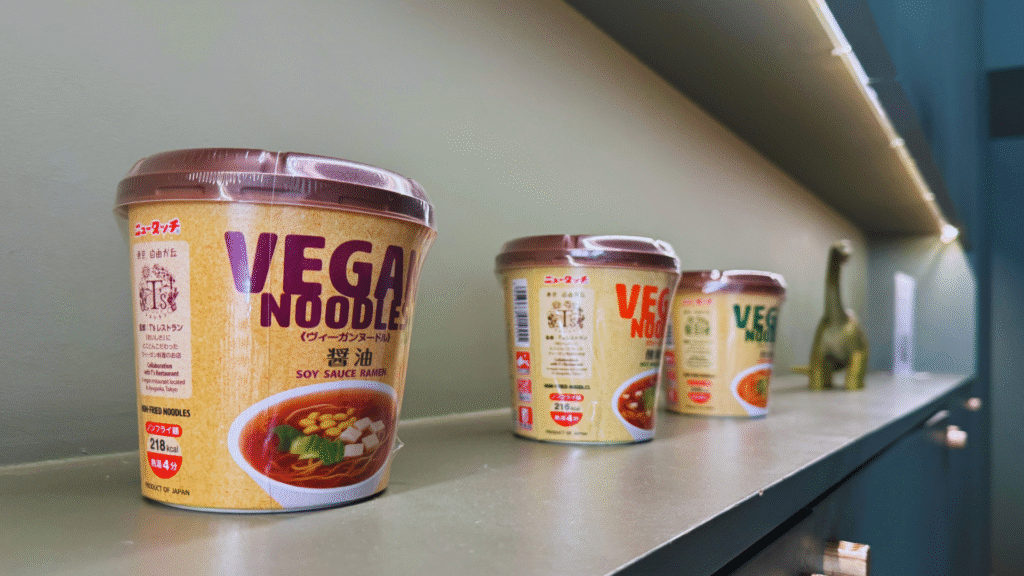
Hopefully, you’ve taken our advice and noted down Natural Lawson as your new favourite convenience store in Japan for vegan goodies. It is also where you can be guaranteed to find a reasonable selection of plant-based ramen that is made in Japan, authentic, and delicious.
This is also huge if you’re really in a pinch, looking for a meal but can’t find anything vegan-friendly. Many conbini have hot water dispensers, which are specifically for making instant ramen to eat there and then. Now, it is considered rude to eat on the street in Japan, so if you’re going to make your ramen at the conbini, it will need to be one with a dining area, or look for a nearby park to sit and eat.
Senbei Rice Crackers
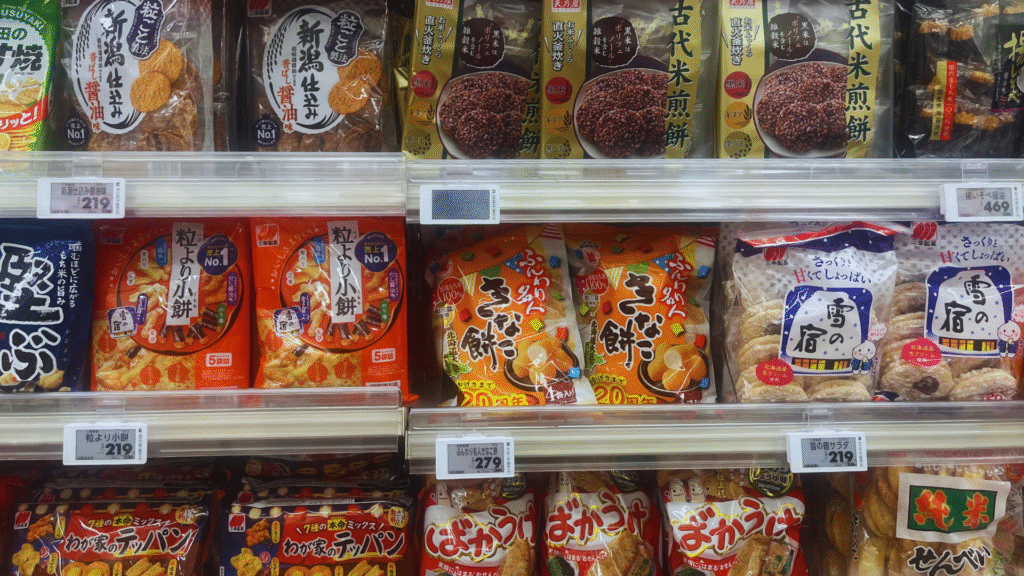
Senbei rice crackers are traditional Japanese rice crackers that come in all shapes, sizes, and flavours. They’re a great option when it comes to vegan snacks in Japan, as they’re culturally unique, accidentally vegan (so authentic), and just plain yummy.
Senbei are made primarily from rice and seasonings, and many varieties are completely free from animal products. Classic flavours like plain, nori (seaweed), or shoyu (soy sauce) are usually safe for vegans, though it’s worth looking over the ingredients list for dashi or gelatin, particularly if they have a shiny-looking glaze.
Kabukiage
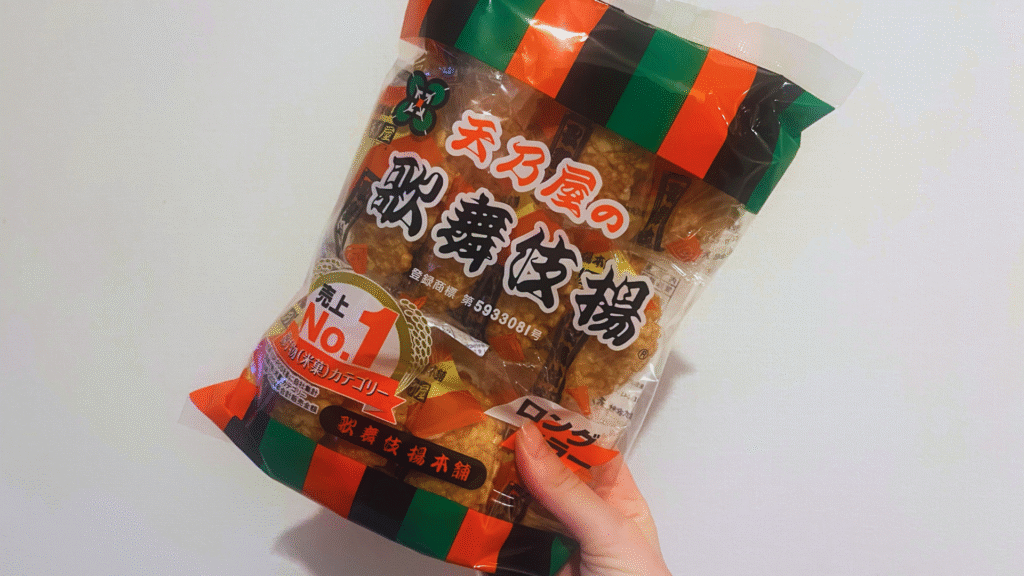
Kabukiage is another type of rice crackers that we are somewhat obsessed with. They come in bite-sized little starburst shapes that are light, airy, and crunchy…some people even call them crispy rice clouds. The flavour is usually a deep umami soy sauce, making them just so satisfying to eat.
The most famous brand of kabukiage is Amanoya, which is easy to spot thanks to the red, green, and black stripes at the top and bottom of the packaging. There are a ton of other options, however, and some may use dashi or prawn extract.
Nori-Flavoured Chips
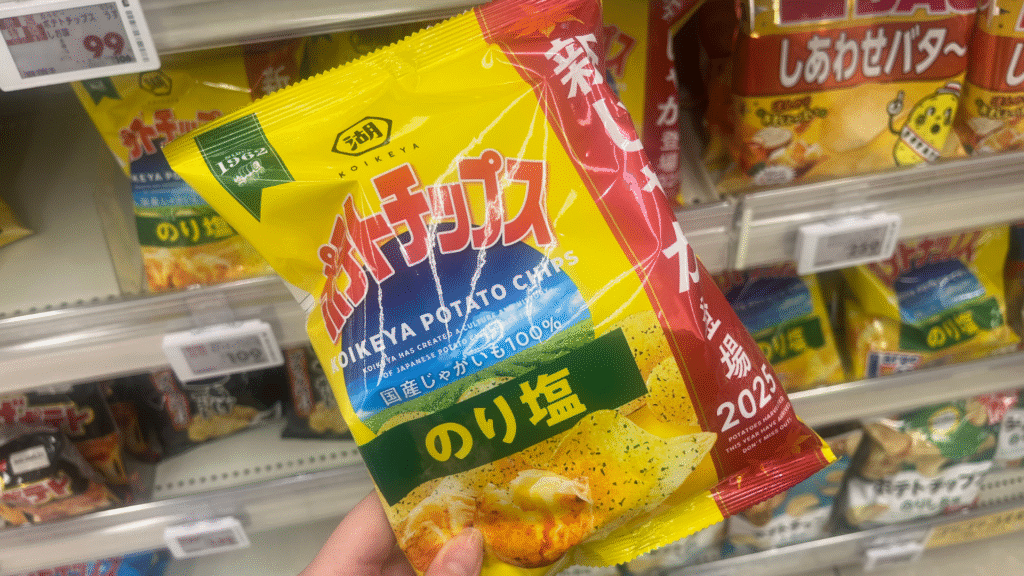
Another uniquely asian vegan snack in Japan to pick up are nori (or seaweed) seasoned chips. The flavour is a little hard to describe; it’s salty and almost fishy without having any fish products in it. Even without knowing any Japanese, you can recognise these snacks by the flecks of green that coat each chip.
While most nori-flavoured chips are vegan, it’s of course always a good idea to check the ingredients, especially butter oil (バターオイル), which can sneak into some brands. We’ll also note that the Calbee (one of the most popular chip brands in Japan) nori chips are not always considered vegan, as the nori is harvested in a way that also catches shrimp and crab.
Umeboshi

Okay, if you want to try an incredibly Japanese snack (that just happens to be vegan), then you have to pick up a pack of umeboshi from the conbini. Although we can’t recommend them without first giving you a heads up that they’re pretty sour…actually, extremely super sour.
Umeboshi are pickled plums, traditionally made with just salt and sometimes shiso leaves for colour and flavour. The dried varieties are really common in conbini, and some people recommend the sweeter honey-flavoured umeboshi (which often don’t actually contain any honey) for beginners.
Plain Onigiri

We can’t imagine a snack that’s more beloved in Japan than onigiri. You’ll probably recognise these triangular rice balls (although they can be any shape) from your favourite anime or manga where they’re lovingly made by someone’s Mum. If you’re not lucky enough to get a homemade onigiri, you can buy them for under ¥200 in every conbini in Japan.
The safest bet for a vegan snack to go with a plain onigiri as they’re just rice and salt, without any fillings. You might be tempted by a konbu (seaweed) onigiri, but most of these contain dashi, which isn’t vegan. There are umeboshi fillings that can be vegan, but we still recommend checking the ingredients before eating.
Hash Browns

Sometimes all you want is a hot, deep-fried hash brown, no matter where you are. Well, great news! You can pick up a fresh one from the hot to-go section of nearly every 7-Eleven, Lawson, and FamilyMart, and the ingredient list is vegan (potatoes, vegetable oil, and salt).
For transparency, the oil the hash browns are fried in is usually rapeseed/canola oil or sunflower oil, but may contain ingredients derived from palm oil. We are also pretty sure that it’s the same oil used to fry the non-vegan meat products, which you may want to keep in mind.
Vegan Snacks in Japan: FAQs
How common are vegans in Japan?
Veganism is still fairly niche in Japan, but it is growing! Particularly in big cities like Tokyo, Kyoto, and Osaka, you’ll find more and more vegan cafes, restaurants, and conbini options popping up every year.
Is vegan food expensive in Japan?
It can be a little pricier than standard options, especially at speciality cafes or restaurants, but you can still eat vegan food affordably with conbini snacks, supermarket finds, and simple traditional dishes. It’s also worth noting that food in general is considered very affordable in Japan, so even at a slightly higher price point, eating vegan in Japan is probably still cheaper than at home.
Was Japan ever vegan?
Not exactly, but Japan was largely plant-based for centuries due to Buddhist influence. Meat wasn’t widely eaten until the late 1800s, so many traditional dishes still have vegan-friendly roots.
Which Japanese sweets are vegan?
Lots! Most wagashi (traditional Japanese sweets) are made without animal products, so even jelly sweets like raindrop cakes and warabi mochi are vegan.
Are dango vegan?
Traditional, yes! Dango (a type of mochi) is usually vegan since it’s made from rice flour and water. You should just keep an eye out for toppings like sweet soy glaze or anko, as they occasionally contain dairy or honey.