
Let’s get one thing straight: shojin ryori is not just ‘Japanese vegan food’. It’s easy to see why people make that mistake; it’s plant-based, it’s healthy, and it’s served in temples. But lumping it in with a modern dietary choice completely misses the point. This is shojin (devotion) ryori (cuisine), and it’s a form of spiritual training you can eat.
For centuries, this has been the food of Japanese Buddhist monks, designed to calm the senses, respect life, and create balance. It’s a complete philosophy on a plate. The problem is, most travellers either just see it as a curious vegan meal or, worse, eat a “tourist” version that doesn’t follow the real principles.
We’re here to fix that. This isn’t a dictionary definition. We’re going to cover what shojin ryori actually is, why its rules are more complex (and important) than you think, and how you can experience it authentically.
The Philosophy on the Plate: What ‘Shojin Ryori’ Actually Means
First, it helps to know what the name means. “Ryori” (料理) is simple; it just means ‘cuisine’ or ‘cooking’. The important word is “Shojin” (精進). This doesn’t translate easily, but it essentially means ‘devotion’ or ‘to progress with diligence’. This isn’t ‘vegan cuisine’; it’s ‘devotion cuisine’. That single fact reframes the entire experience. This food exists to support a spiritual practice.
The core of that practice is ahimsa, or non-violence. Buddhist precepts forbid the taking of life, so the food is naturally free of meat and fish. But shojin ryori takes it a step further. The goal isn’t just to avoid harm, but to nourish the body in a way that calms the mind for meditation and work.
It is simple, pure, and designed to ground you, not excite you.
The ‘Rule of Five’: Why Shojin Ryori Is More Than Just ‘Vegan’

This is where shojin ryori really separates itself from simple plant-based cooking. The cuisine is built on a sophisticated framework called the “rule of five”. This philosophy dictates that a balanced meal must incorporate five key elements, and it’s a rule that chefs follow meticulously to ensure the food is nourishing for both body and spirit.
The Five Colours, Flavours, and Methods (Gomi, Goshiki, Goho)
This rule breaks down into three parts. First are the five colours (goshiki): red, green, yellow, black, and white. Next are the five flavours (gomi): sweet, sour, salty, bitter, and umami. Finally, there are the five cooking methods (goho): raw, steamed, boiled, roasted, and fried.
The idea is that by including all fifteen elements in a single meal, you create perfect nutritional and sensory harmony. It’s a holistic approach to food long before “holistic” became a buzzword. It ensures no single flavour is overpowering and that the body receives a complete range of nutrients.
The ‘Forbidden’ Ingredients: Why No Garlic or Onions?
Shojin ryori also traditionally excludes pungent ingredients like garlic, onions, leeks, and chives. In Buddhism, these are known as the gokun, or the ‘five pungent roots’. It’s believed that these ingredients, while flavourful, excite the senses and agitate the mind.
Since the entire purpose of the food is to create a state of calm for meditation, these distractions are purposefully left out.
What to Expect: A Guide to a Typical Shojin Ryori Meal
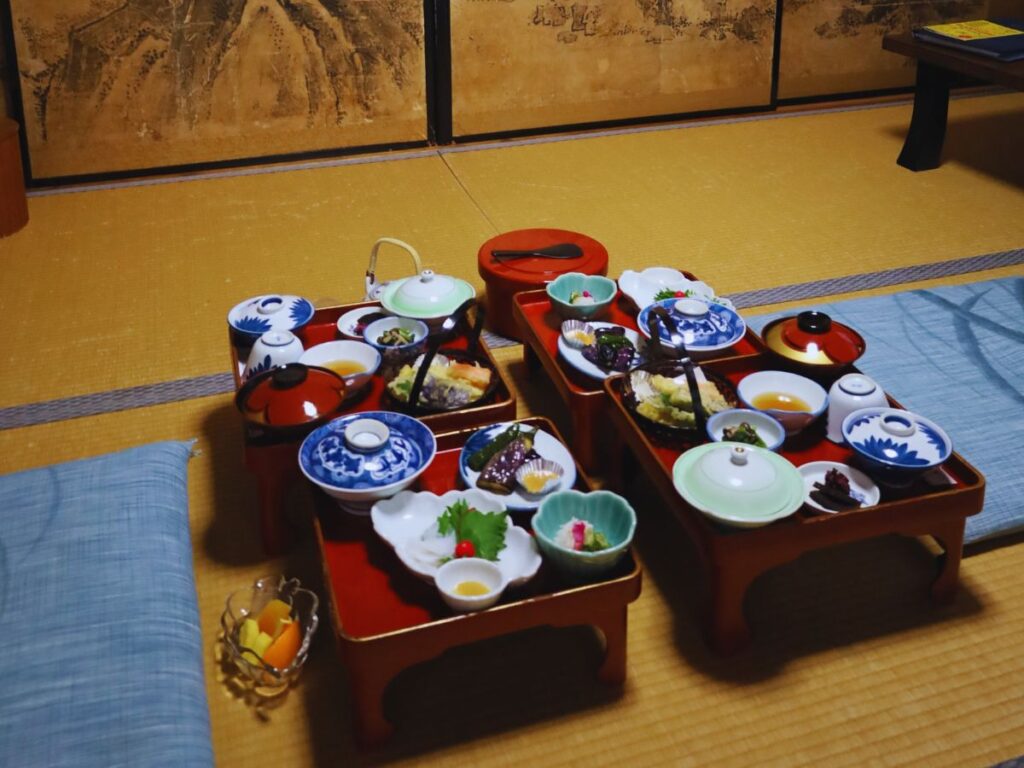
Moving from philosophy to the plate, let’s set some expectations for what you’ll actually be eating. From our experience, the most common reaction we see from travellers is genuine surprise. They’re amazed at how creative and complex the food is, especially when they realise the chefs are working with such a limited pantry.
The Signature Dishes: Beyond Plain Tofu
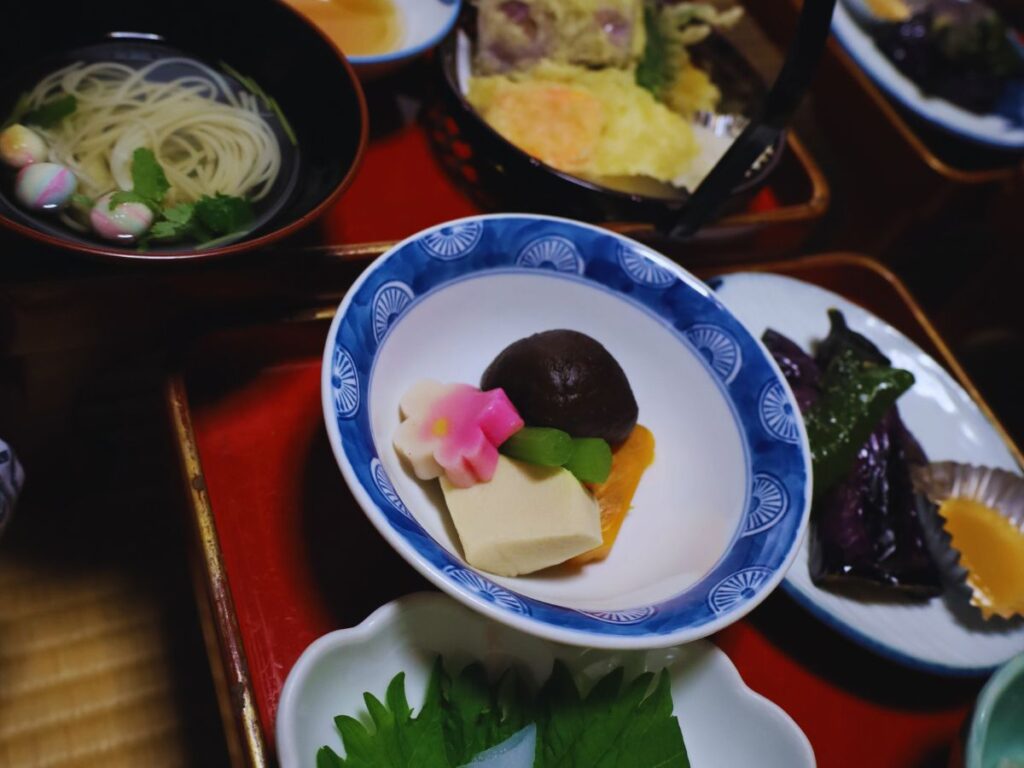
Forget any ideas about bland, boring tofu. The dish that consistently wows our guests is Goma-dofu, or sesame tofu. We always have to explain that it isn’t made from soybeans at all; it’s a rich, creamy, and custard-like dish made from ground sesame paste and starch. For us, this dish is the perfect example of creating a luxurious texture from the simplest ingredients.
Another staple we always look forward to, especially when we are on Mount Koya, is Koya-dofu. This is the freeze-dried tofu famously developed by the monks there. In its dry form, it’s light and hard, but when rehydrated and simmered in a savoury broth, it becomes wonderfully spongy, absorbing all the subtle flavours.
You will also find fu, or wheat gluten. It’s often shaped, coloured, and served in delicate soups, providing a unique, slightly chewy texture that we find balances the softer dishes.
The Structure of the Meal
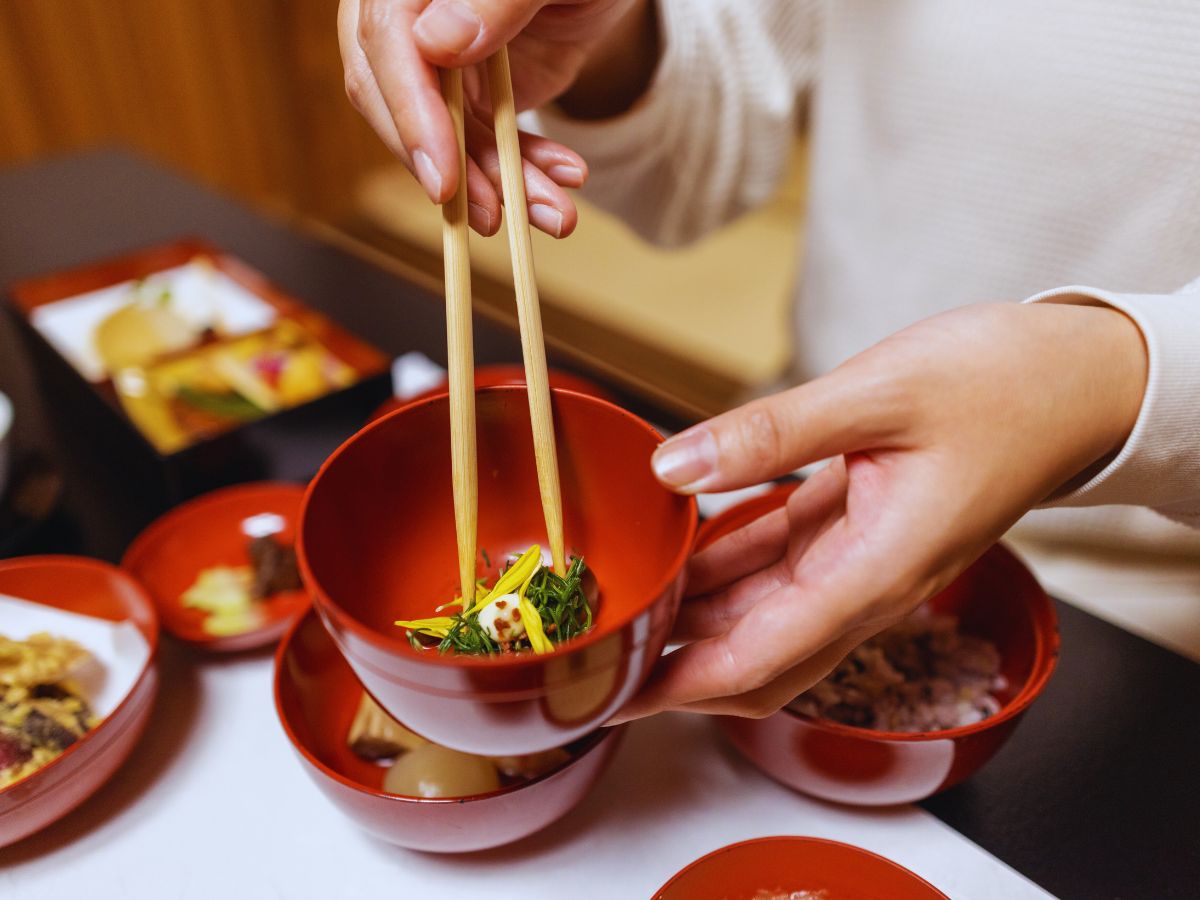
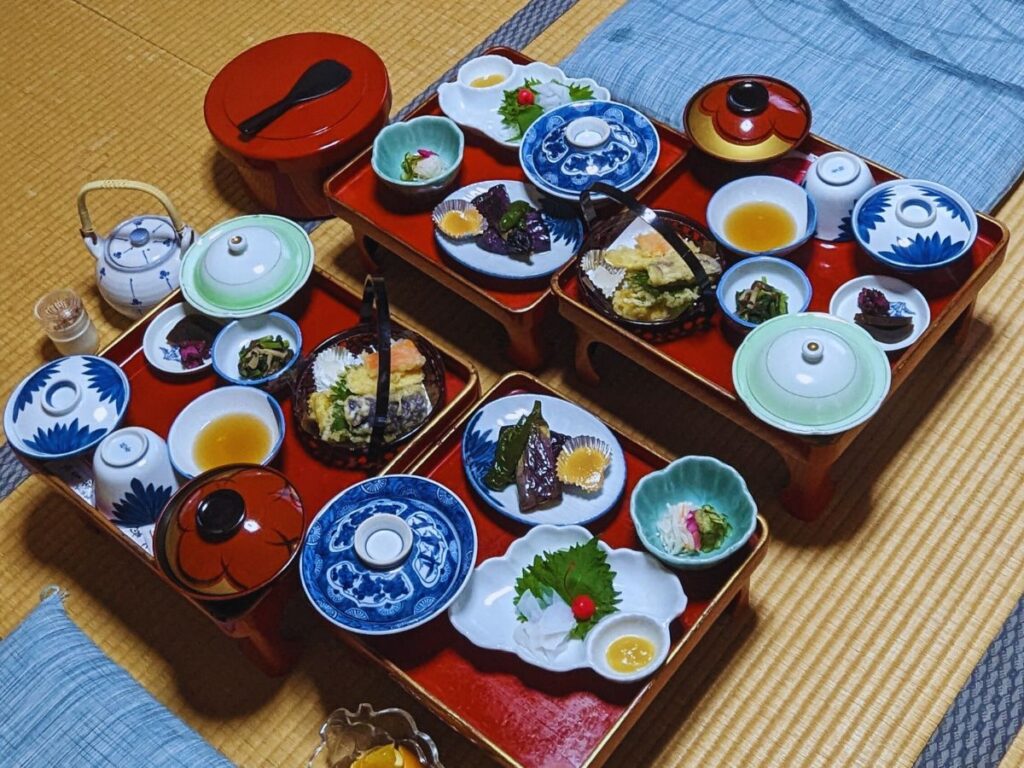
Here’s another practical thing we’ve learned: a true shojin ryori meal isn’t served all at once on a single tray. It’s a formal, multi-course experience. While it’s based on the traditional Japanese structure of ichiju sansai (“one soup, three side dishes”), a full shojin ryori meal expands on this significantly.
You should expect a sequence of small, precise dishes to arrive one after another. We find the structure itself is part of the discipline; it’s designed to be eaten slowly, forcing you to pay attention to each component.
How to Experience Shojin Ryori: A Practical Guide for Travellers
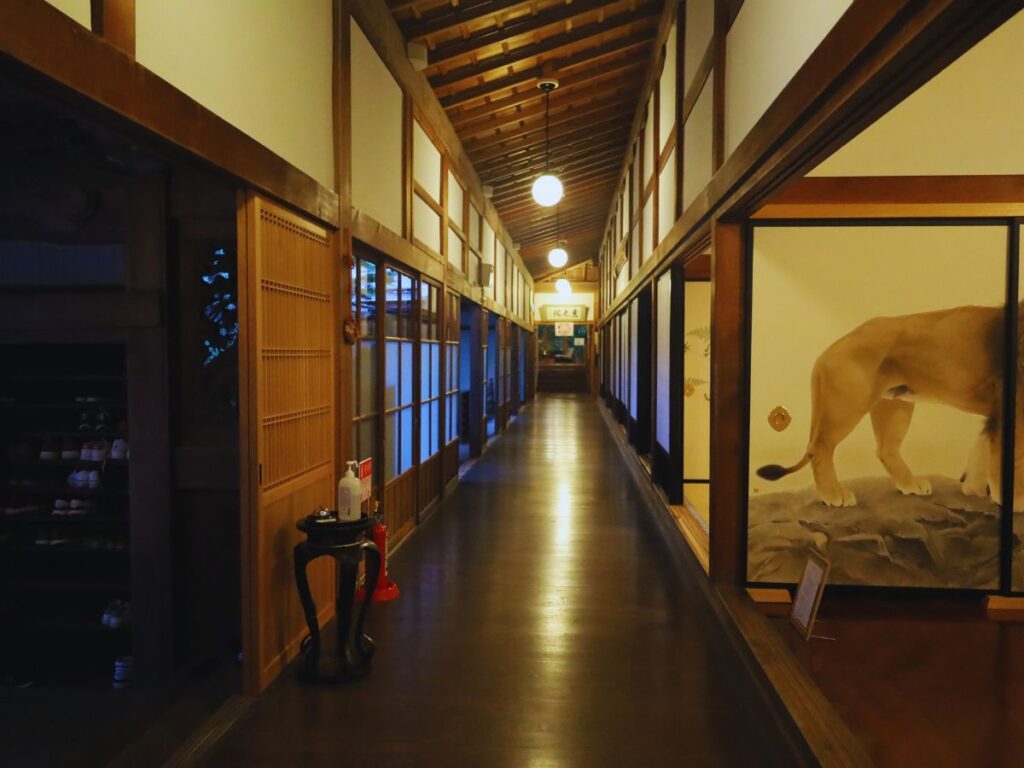
This is the most important part: how do you actually try it? As we see it, you have a few options, ranging from a simple (but excellent) meal to a fully immersive spiritual retreat. What you choose depends on your time, budget, and how deep you want to go.
Specialist Restaurants in Kyoto & Tokyo
For travellers who are short on time, dedicated shojin ryori restaurants are a fantastic way to experience the cuisine. Cities like Kyoto and Tokyo have high-end establishments, often run by families that have been doing this for generations.
This is often a high-end experience; expect to pay anywhere from 3,000 to 8,000 JPY for a quality lunch, with dinner starting from 10,000 JPY. In Kyoto, a famous example is Shigetsu, located inside Tenryu-ji temple, while Tokyo has Michelin-starred options like Sougo.
However, a critical warning: you must be extremely specific when booking. While traditional shojin ryori is 100% plant-based, we’ve seen many modern restaurants, especially those not directly tied to a temple, use katsuo dashi (bonito fish broth) to appeal to a wider clientele. When you book, you must state that you require “jun-vegan” (pure vegan) or “nuki dashi” (no fish-based broth).
The Authentic Temple Stay (Shukubo)
In our opinion, the only way to truly understand shojin ryori is to eat it in its intended context: at a shukubo, or temple lodging. Mount Koya (Koyasan), the centre of Shingon Buddhism, is the most famous place for this. Here, you stay as a guest in a working temple, sleep on tatami, and eat the exact same food the monks do. It connects the food to the place, the silence, and the spiritual atmosphere. We’ve written a full, honest review of the Koyasan temple stay experience:
The challenge, and we’ve seen this trip up many travellers, is the logistics. Booking the right temple can be intimidating. And the journey to the mountaintop isn’t straightforward; it requires a specific (and sometimes confusing) series of trains, a cable car, and finally, local buses.
If you’re an independent traveller and want the shukubo experience without the stress of arranging it all yourself, that’s precisely what we’re here for. We can build a bespoke itinerary that handles all those tricky logistics for you, fitting it seamlessly into the rest of your holiday.
Want a Complete Spiritual Journey in Japan?

As we’ve covered, experiencing shojin ryori in a Koyasan temple is a profound spiritual anchor for any Japan trip. But we’ve also seen how the logistics of booking it, and getting there, can be a major source of stress for travellers.
More importantly, Japan’s wellness and spiritual side goes far beyond just this one meal. It’s found in the quiet contemplation of a Zen garden, the precise movements of a tea ceremony, the deep calm of a forest, and so much more. The challenge is connecting all these separate, amazing experiences into a single, cohesive tour.
That is exactly why we created our Zen & Wellness Japan Tour.
This 10-day guided tour is designed to be a complete spiritual and mindful journey. The two-night temple stay on Mount Koya is its centrepiece: you’ll eat the authentic shojin ryori, join the monks for morning meditation, and try your hand at shodo (calligraphy).
But the tour expands to immerse you in zen and wellness practices across the country. You’ll experience a formal tea ceremony in Tokyo, and visit the sacred shrines and serene cedar forests of Nikko. In Yamanashi, you’ll practice shinrin-yoku (forest bathing) with a guided walk. In Kyoto, you’ll explore the country’s most important Zen rock gardens.
We handle every single piece of transport, from the bullet trains to the cable car, so you can focus on the experience, not the train schedules. It’s the most seamless way to explore the mindful side of Japan.
Shojin Ryori FAQs
What is the difference between shojin ryori and kaiseki?
Shojin ryori is a purely plant-based spiritual cuisine based on Buddhist non-violence. Kaiseki is Japan’s high-end, multi-course haute cuisine; while it is also seasonal and artistic, it is not vegetarian and almost always features fish and meat.
Is shojin ryori always vegan?
No, not anymore. While traditional shojin ryori is 100% plant-based, many modern restaurants now use dashi (broth) made from bonito fish flakes. If you are a vegan or vegetarian in Japan, you must specify “jun-vegan” (pure vegan) when you book to ensure no animal products are used.
Why is there no garlic or onion in shojin ryori?
These pungent ingredients (called gokun) are believed to agitate the mind and excite the senses. Since the food’s purpose is to support calm and meditation, they are intentionally excluded.
What does shojin ryori taste like?
It tastes subtle, clean, and deeply savoury. The flavours are not overwhelming but are focused on the pure, natural umami of the vegetables, mushrooms, and seaweed used. Expect a focus on texture and delicate broths.
Is shojin ryori expensive?
It can be. A meal at a high-end specialist restaurant in Kyoto or Tokyo is a form of culinary art and is priced accordingly. However, experiencing it as part of a shukubo (temple stay) is often very good value, as the cost includes your lodging, dinner, and breakfast.
Do I need a reservation to eat shojin ryori?
Yes. Always. This food takes days to prepare, and ingredients are sourced based on confirmed bookings. You cannot walk in. Restaurants need to be booked well in advance, and temple lodgings are often full months ahead.