
When you picture Japan, the geisha is probably one of the first things that come to mind. If the embarrassing videos of oblivious tourists hounding them along the streets of Kyoto are anything to go by, an encounter is clearly high on the list of things travellers want to experience here. These paparazzi antics have even resulted in strict new rules and hefty fines in historic districts just to keep people in line.
Now, most people assume that meeting a geisha respectfully is an impossibly expensive affair. You might think you need a massive budget and a formal invitation just to get near a teahouse. The reality is much easier. In fact, there are plenty of choices available to tourists today. Some travellers want a quick glimpse to remember the holiday. Others prefer a private dinner that stretches deep into the night.
Here at Flip Japan, we know that choosing between the many geisha experiences Japan has to offer can feel overwhelming. So, we are breaking down exactly what each option actually involves to help you find the perfect match for your trip without the guesswork.
What are Geisha?
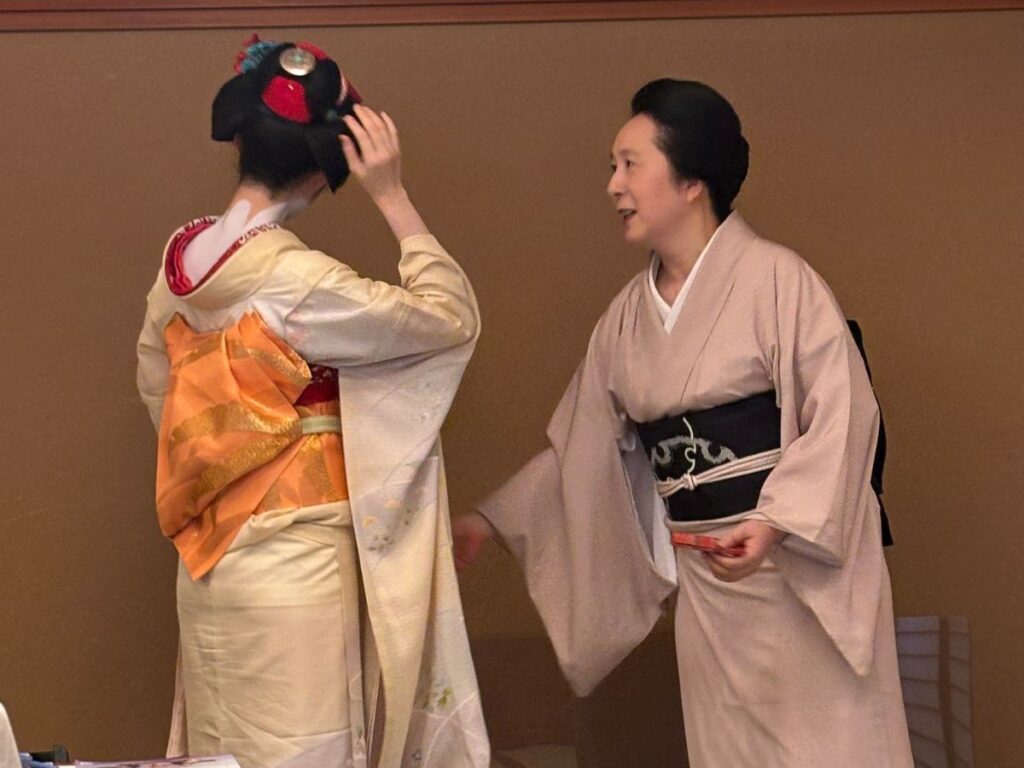
Before stepping into a teahouse, you should understand the remarkable women you are about to meet. Geisha are elite artisans who dedicate their lives to mastering traditional Japanese arts. They study classical music for decades and perfect dances that look effortless but absolutely are not. They also learn how to read a room and keep a conversation moving naturally, putting guests at ease regardless of who is at the table, which honestly might be the harder skill.
The dedication required to enter this profession is immense, and most people underestimate just how demanding the training is. A young apprentice, known as a shikomi, starts her career doing daily chores around the boarding house. It is not glamorous in the slightest.
That apprentice then gradually learns traditional Japanese songs accompanied by a shamisen. She practises pouring sake with exact precision, over and over, until it becomes instinct. And of course, she must learn how to walk gracefully in tall, heavy wooden okobo sandals, which is incredibly difficult on Kyoto’s uneven stone streets. I have struggled to keep my footing on those same streets in ordinary trainers, so I have real respect for anyone managing it in lacquered platforms.
Today, geisha also act as living guardians of Japanese artistry and tradition. They keep traditional textile industries alive, for example, by wearing bespoke silk kimonos that cost as much as a luxury vehicle, and they support local craftsmen who carve their wooden footwear and delicate metal hairpins. The kouta songs, the seasonal dances, and even the drinking games passed down through generations all survive because these women continue to practise and teach them daily.
Before we dive into the best geisha experiences Japan has to offer, let’s quickly clear up the terminology. You will hear the words geisha, geiko, and maiko thrown around a lot, and they are not exactly the same thing. A maiko is an apprentice, while a geisha (or geiko, as they are called in Kyoto) is a fully graduated artisan. If you want to know exactly who you are looking at before you book, check out our full breakdown on the differences between geisha, maiko, and oiran.
Types of Geisha Experiences Japan Offers
Modern travellers face a wide range of options, and the choice can feel overwhelming for first timers. Your itinerary and travel companions matter more than people expect. For one, dragging a jet-lagged toddler to a silent teahouse is a recipe for disaster, while a solo traveller might relish exactly that kind of quiet. Some events require active participation in drinking games, while others let you sit back and watch without the pressure of performing.
Hotel Performances and Casual Encounters
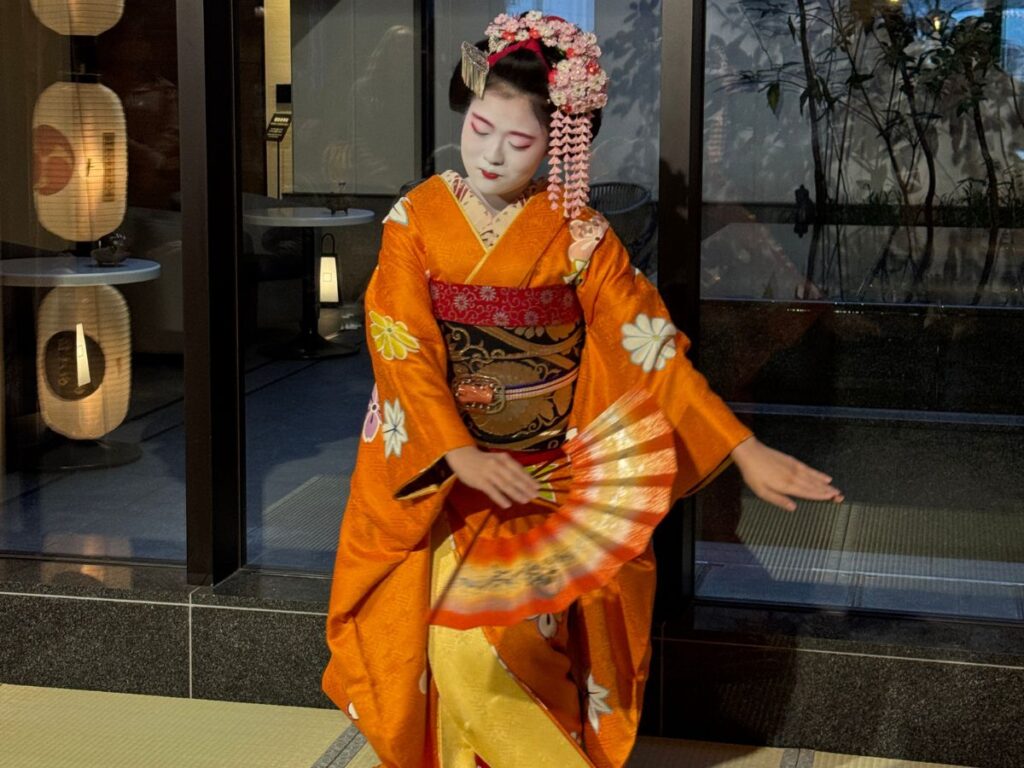
Certain accommodations now bring the geisha culture directly to you. Properties like the Asakusa View Hotel Rokku in Tokyo now offer short, captivating performances right on their premises.
At Hotel Resol Trinity, guests often enjoy evening maiko dances in the public spaces. You might find yourself jostling slightly for a good view if you arrive late to the lobby, but it beats paying exorbitant cover charges. The backdrop for these performances is often a beautifully curated indoor garden or a minimalist stage setting.
You do not get the deep historic ambiance of a 300-year-old teahouse, but you do gain incredible convenience. You can return from a long day riding crowded local trains on the Keihan Main Line, walk down from your room in comfortable clothing, and witness a beautiful dance before heading out to a local izakaya for dinner.
This option is great for solo travellers and families who want a taste of the culture without committing to a multi-hour event. It is also incredibly accommodating for kids and elderly guests, as there are no strict etiquette rules, no complex booking systems, and no painful periods of sitting on the floor. You will predominantly find these hotel encounters in major cultural hubs like Tokyo and Kyoto.
For the budget, this is the most economical option. It is often included in your room rate or available for the modest cost of a basic dining package within the hotel.
Tea Ceremonies with Maiko
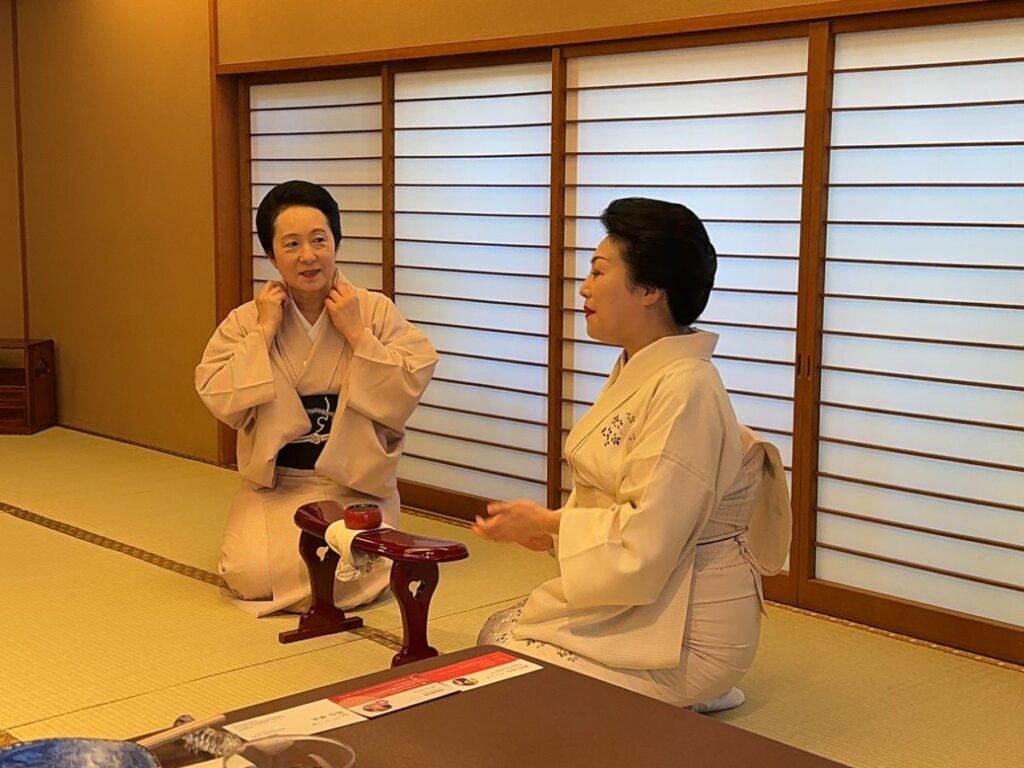
Venues like Maikoya run highly regarded tea ceremonies that allow you to interact directly with an apprentice.
Inside their historic townhouse, a Maiko elegantly prepares matcha. The tea preparation itself is a hypnotic process. You watch the maiko fold a silk cloth with precise, practised hand movements to purify the bamboo scoop. The sound of boiling water being ladled from an iron kettle fills the room. You will also be served a delicate seasonal sweet to balance the intense bitterness of the thick green tea.
Want to experience an authentic tea ceremony experience? You can book a spot here.
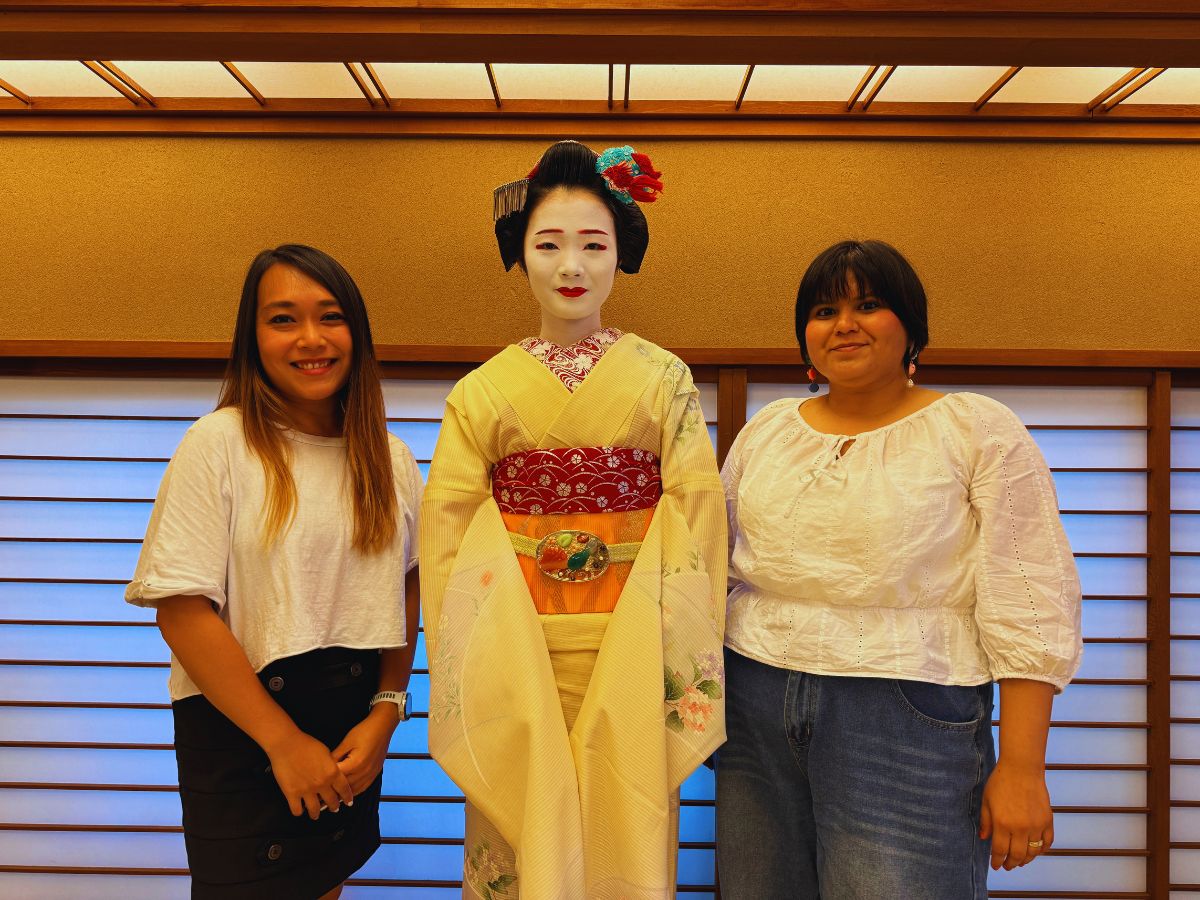
What makes this specific session valuable is the direct access it provides. You do not just watch the maiko in silence. An English-speaking interpreter remains present the entire time to guide the session, meaning you get a proper conversation after the tea is served. The apprentice will also perform a short traditional dance right in front of you, and you are allowed to take respectful photographs with her at the end of the event.
This specific Japan geisha experience is a good fit for couples and families seeking an educational daytime activity. It is appropriate for kids and the elderly as well, because most venues happily provide chairs if you find sitting on tatami mats uncomfortable.
These workshops are widely concentrated in Kyoto, and the budget sits comfortably in the mid-range. For example, a shared group tea ceremony hosted by an apprentice generally costs around 15,000 yen (roughly 100 USD) per person. If you want to upgrade to a private session, expect to pay closer to 45,000 yen ($300 USD) per person.
Group Dinner Banquets and Kimono Packages
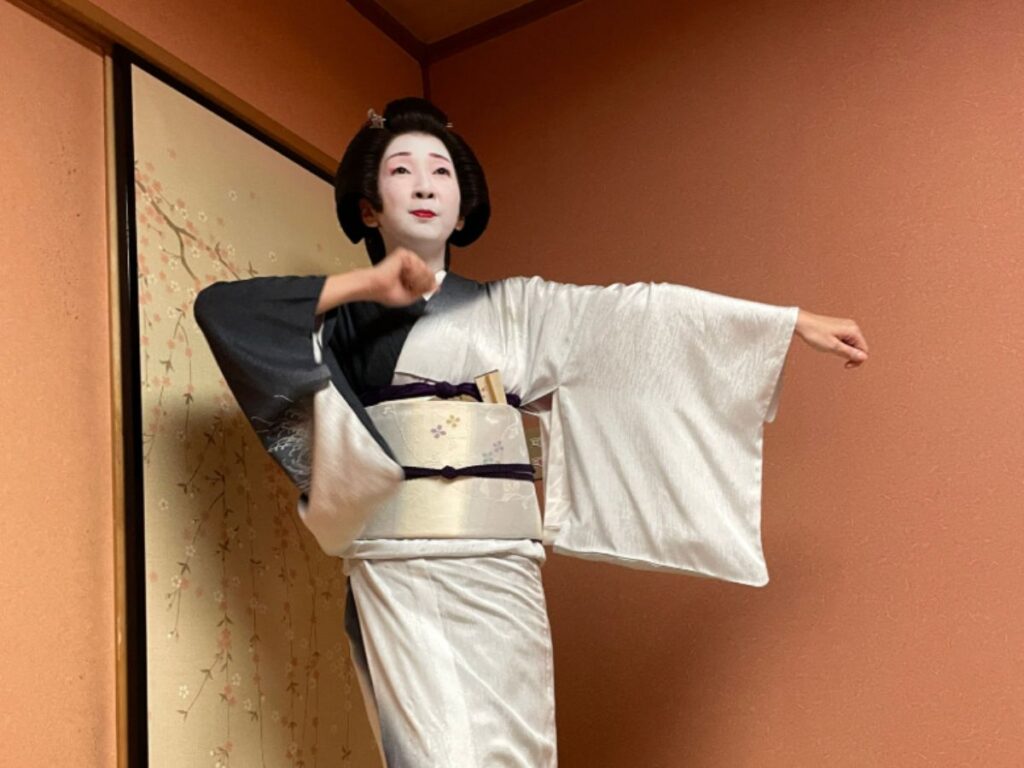
Concentrated mostly in Kyoto, there are also establishments that host lively group dinners where you can opt to be dressed in a kimono before enjoying a catered traditional meal. The highlight of the night is the arrival of the maiko. She performs traditional dances, pours sake for the attendees, and poses for group photographs. The atmosphere is loud and relaxed, filled with laughter and the clinking of glasses.
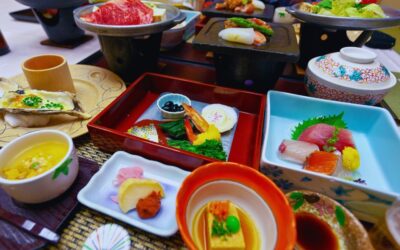
The catered meals typically feature a colourful assortment of sushi, tempura, and simmered seasonal vegetables served in lacquered bento boxes, designed to be visually appealing and easy to eat while chatting loudly with your neighbours.
The multi-hour duration and evening timing might make it slightly exhausting for very young children who have been walking all day, but this choice is perfect for groups of friends and outgoing solo travellers who enjoy an energetic atmosphere.
Booking a group dinner with a maiko generally starts at around 40,000 yen per person. If you want a longer evening package that includes a full kimono dressing and styling session before you sit down to eat, you should expect the price to head closer to 50,000 yen.
Private Exclusive Geisha Dinners (Ozashiki)
For the ultimate indulgence, nothing compares to the authentic ozashiki experience, where the closed doors of a private teahouse are opened to guests. You usually walk up to an intimidating, unmarked wooden door in a dimly lit alleyway. Inside the establishment, you are guided through a luxurious multi-course kaiseki dinner (which is an art form in itself) featuring seasonal delicacies and all-you-can-drink beverages.
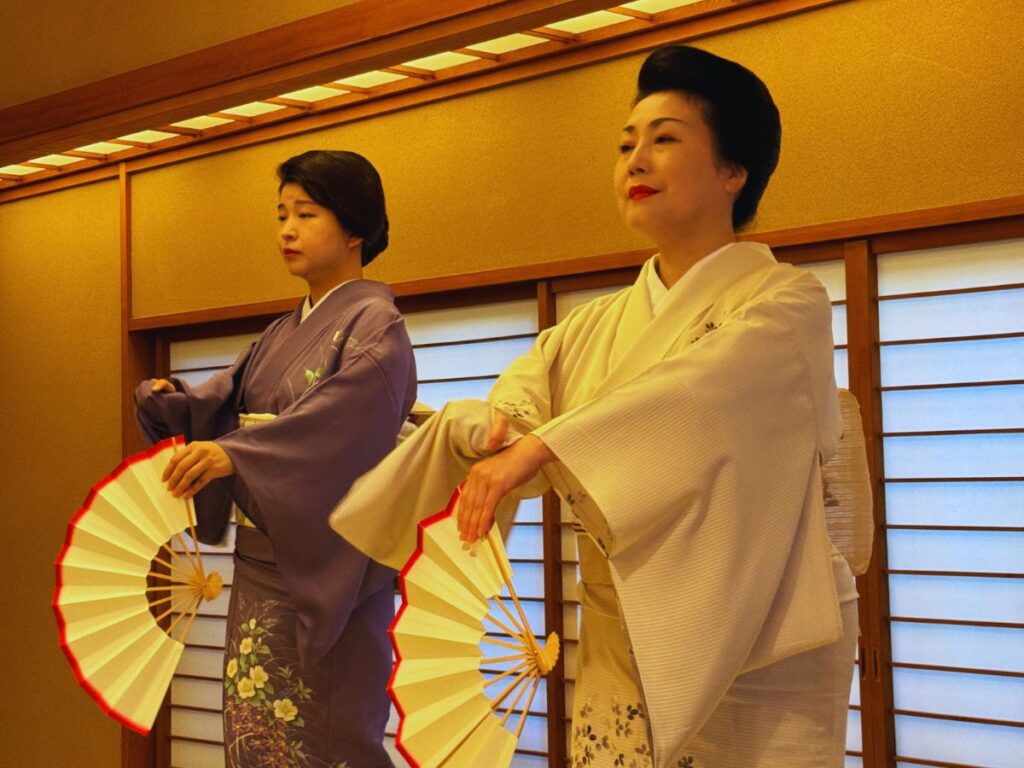
The geisha will perform private dances just feet away from your table. She will also pour your drinks and teach you traditional drinking games. Because this experience generally comes with a private interpreter for your evening, you can talk with the geisha about her daily life. You avoid just smiling and nodding awkwardly like a deer in headlights. It changes the entire dynamic from a stiff stage show into an actual human connection.
This level of exclusivity works beautifully for couples on a romantic getaway. It is also a spectacular fit for luxury travellers or anyone celebrating a major milestone. Elderly guests are treated with incredible, deeply attentive hospitality. However, it is likely a terrible choice for boisterous young children. The rooms are quiet, the etiquette is formal, and a restless toddler will feel miserable.
You will find these premium encounters hidden away in Kyoto’s historic geisha districts like Gion and Higashiyama. Because we work with various private teahouses to match your group, prices vary but the budget is strictly high-end. For a larger group, costs generally start around 35,000 yen per person.
If you are booking a private room just for a couple during peak times like the spring cherry blossoms, that price can climb towards 80,000 yen per person. This covers your meal, your drinks, the artisan’s time, and your dedicated interpreter. It is a serious financial investment, but it is an unparalleled cultural deep dive that you cannot get from a standard tour.
Geiko & Maiko Dance Shows (Odori)
If you happen to be visiting Japan during the spring or autumn, you have the chance to see massive, authentic geisha stage shows.
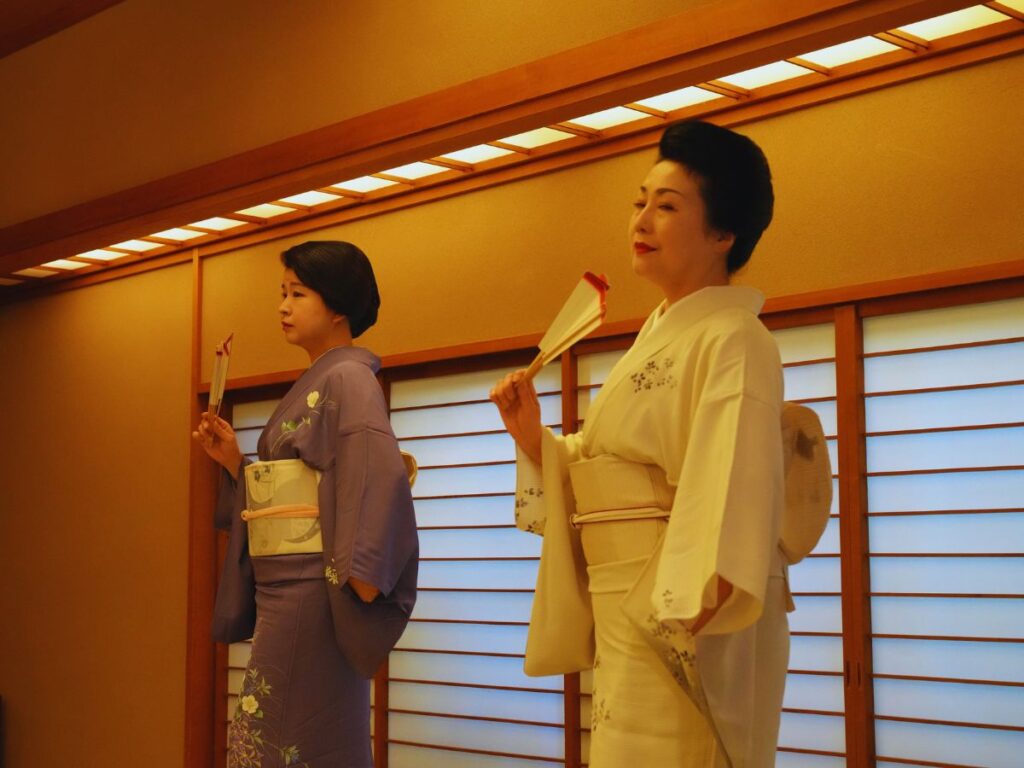
In Kyoto, the different historic districts host huge annual dance performances like Miyako Odori, Kitano Odori, Kyo Odori and Kamogawa Odori. These are highly respected productions where you can see dozens of these artisans performing on stage at once.
Kyoto is not the only place with authentic shows, either. Kanazawa has a beautifully preserved entertainment district and hosts authentic geisha performances that are fantastic if you want to avoid the massive Kyoto crowds.
If you miss the seasonal dates, or just want a really easy introduction to the culture, Gion Corner in Kyoto is a great year-round alternative. It is definitely more tourist-focused, offering more of a crash course in several traditional Japanese arts, including a short dance by a maiko, but it is also more accessible and affordable.
Private vs Group Geisha Experiences in Japan
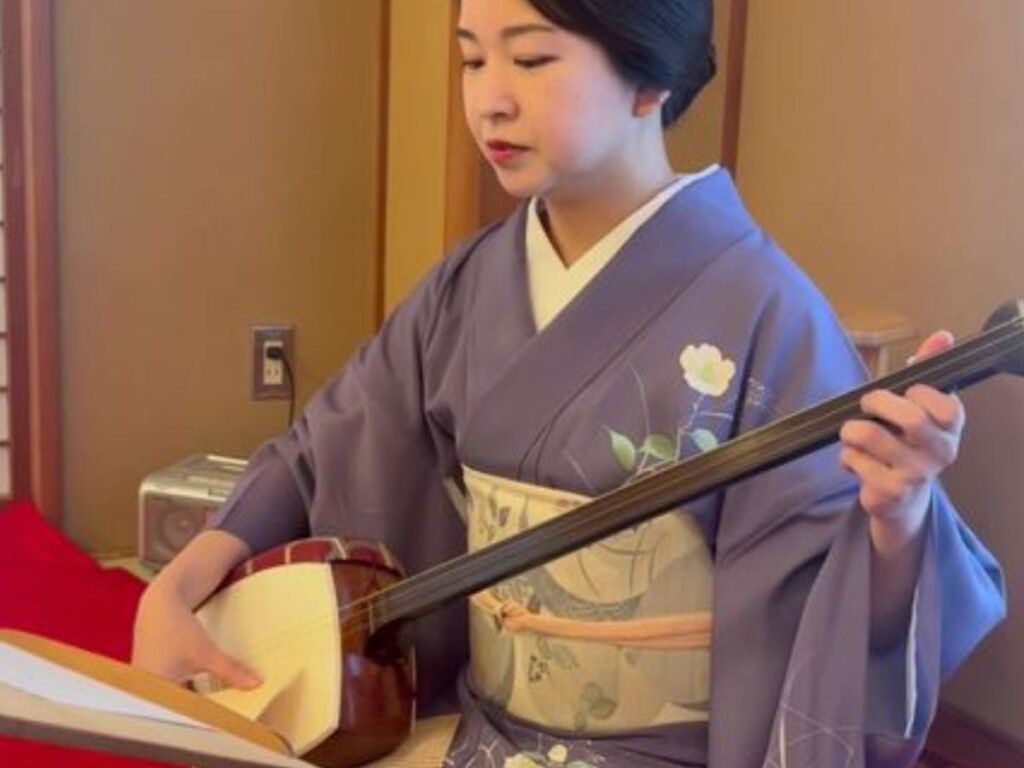
Deciding between a shared and a private geisha booking changes your experience. To start with, we always tell people to think about their social battery before choosing. A private room is amazing for a couple wanting a quiet, romantic night. But that same room can feel way too intense if you are a solo traveller who prefers blending into a crowd.
Group dinners are loud and relaxed. If you are totally drained from walking around getting lost on the subway all day, you can just sit back, eat, and watch. You do not have to carry the conversation. Plus, if you love chatting with other tourists, the shared experience is fantastic.
A private booking meanwhile cuts out all that noise. It is just your party, the maiko, and your interpreter. You do not have to wait in line to take a picture. You do not have to strain your ears to hear over the loud chatter of other tables. Your interpreter sits right with you, translating jokes and helping you have a real chat. It feels like creating a more intimate connection with the geisha instead of watching a stage show.
Naturally, the price tag matches the privacy. Booking an entire teahouse room and a dedicated translator costs a lot of money. Group events split those heavy costs across a whole room of people, making it much easier on your holiday budget.
Have you decided which of the geisha experiences Japan has to offer is the perfect fit for you? Whichever option sounds right for your trip, we at Flip Japan can help you book it without the stress. Just fill out our Flip Japan Travel Planner and let our team match you with the exact right encounter.
Authenticity Level of Various Japan Geisha Experiences
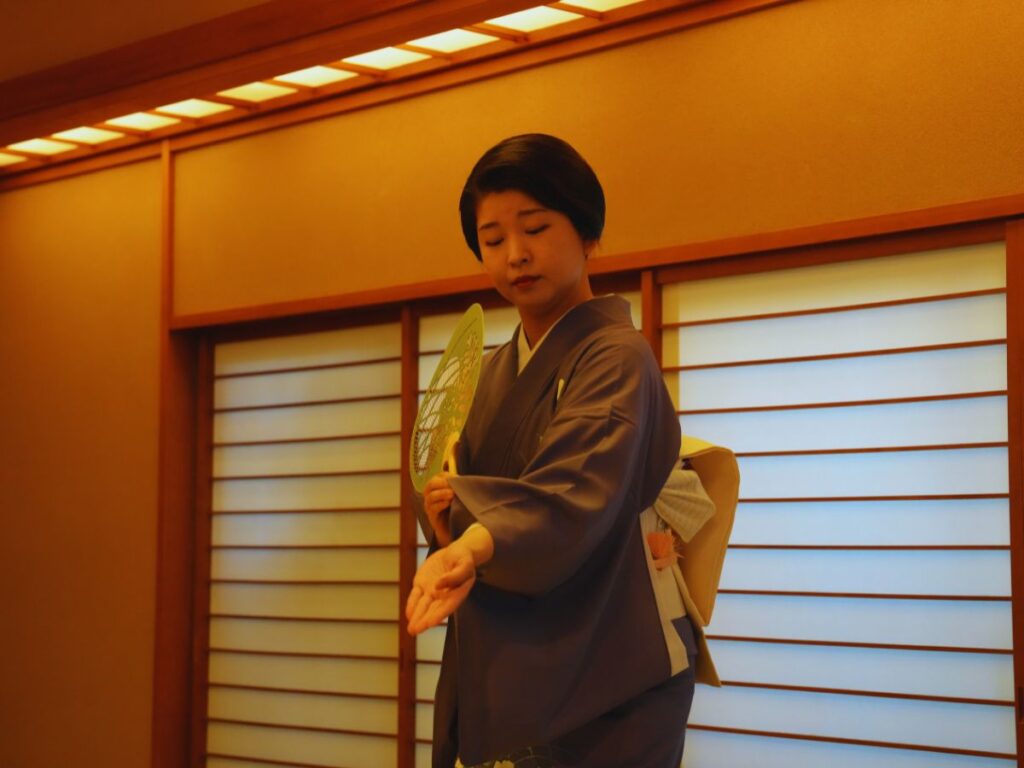
Now, let’s talk about authenticity, because everyone says they want the “real” experience, and there is a huge misconception that if an experience is easy to book or takes place in a modern hotel, it must be fake. That is simply not true. Every single option we have discussed, from the fifteen-minute hotel lobby show to the private teahouse banquet, features actual, fully trained geishas or maikos performing real traditional arts. They are not actors in costumes.
The real difference here isn’t about how “authentic” the performance is. It is entirely about how close you get to the artisan and how deep the encounter goes.
When you watch a short performance in a hotel space, you are looking at a stage from a distance. You are a member of an audience watching a beautifully preserved art form, which is still a fantastic and rare experience. But you do not get to speak with them, ask questions, or interact one-on-one.
A private dinner or an intimate tea workshop flips that dynamic. Suddenly, you are not just a spectator in a crowd. You are a guest in a room where the artisan is pouring your drinks, teaching you traditional drinking games, and sitting right across from you to chat through an interpreter. You get to see the incredible detail of her silk kimono up close and experience the true depth of traditional Japanese hospitality.
For me, the main trap is simply picking the wrong setting for your group’s social battery. A family with restless young kids will feel incredibly stressed in a silent, formal teahouse room where you are expected to sit still on the floor for hours. On the flip side, someone who wants a deep, personal connection will feel let down by a fast, distant hotel show.
That is exactly why we do not do generic bookings. We at Flip Japan make sure you know exactly what to expect, and match you with the right setting for your group’s actual comfort level and travel style.
Geisha Experiences Japan FAQs
Do I need to speak Japanese to try a Japan geisha experience?
A lot of people worry they will just sit in awkward silence for two hours. The good news is that there are many different options out there and if you require an interpreter, we can easily prepare that for you in advance. Just let us know, and we will make sure you have someone there to translate the conversations, explain the history behind the dances, and help you play the drinking games. You will never have to rely on wild hand gestures just to ask for another drink.
What are the etiquette rules?
The rules are actually quite simple. The most important thing is to wear clean socks. You will be stepping onto tatami mats, and bare feet are considered rude and unhygienic. You also need to watch your volume. These dinners are fun, but they are not wild pubs. Try to match the polite tone of the room. Finally, dress nicely to show respect for the hours of effort the artisan put into her own appearance.
Can I take photographs during the geisha experience?
You must always ask for permission first, especially during a private dinner. Most maiko are completely happy to pose for photos at the very end of the evening. Shoving a camera in their face while they are dancing or eating is a massive faux pas.
How far in advance should I book a geisha experience in Japan?
You need to plan ahead. Private dinners during peak travel months (like during the spring cherry blossoms or the autumn leaves) require booking several months in advance.