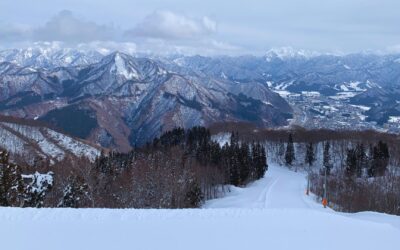
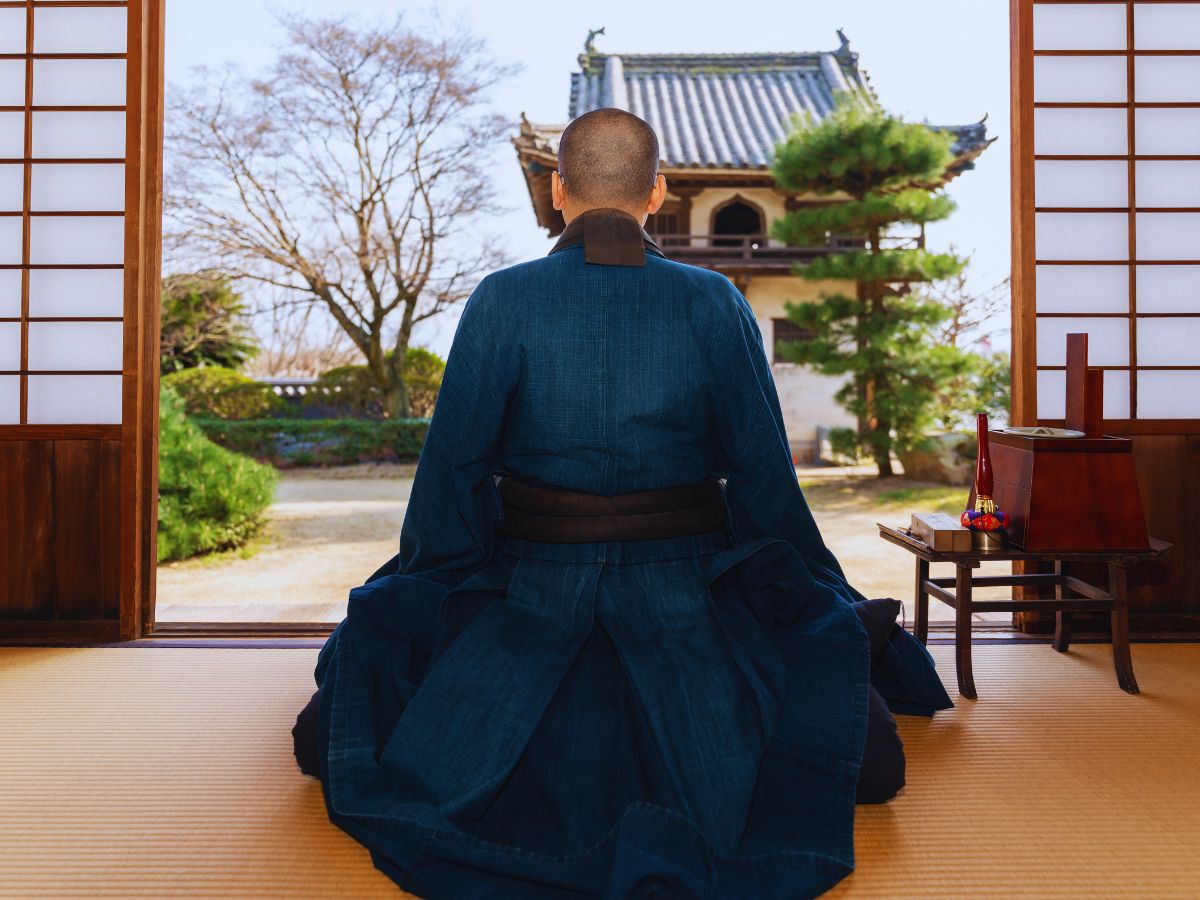

Ask anyone why they want to visit Japan, and food comes up within about ten seconds. Then someone brings up otaku culture or Harajuku fashion, all these exciting little worlds that Japan somehow birthed over the years. Not to mention the centuries-old shrines and castles that haven’t changed much despite everything modern happening around them. And then there’s the geography of the country itself, stretching from north to south so you get everything from subtropical islands to proper snow country.
Fair enough. Having lived here for years, I can back up every bit of that as worthy of a trip to Japan.
What frequently gets skipped over, however, is that Japan is just as worthy a destination for the wellness experiences it offers. In a world where social media has made almost every destination feel used up before you even land there (let’s be honest, no matter how pretty a spot is, you’ve probably already seen it on somebody else’s Insta grid), what I love most about wellness experiences in Japan is that nobody invented them for visitors.
They go back centuries, long before “wellness” became something printed on a retreat brochure. Zen Buddhism has been drilling people in sitting still with discomfort for centuries, for example. Shojin ryori was built around restraint long before “mindful eating” was a phrase anyone used. All of this existed well before a single tourist showed up looking for it.
That’s exactly why Japan’s wellness cultural experiences hold up once you’re actually here. A monk copying sutras at Eiheiji at dawn isn’t doing it for an audience. You’re not booking a performance, you’re stepping into something that was already running before you landed and will keep running long after you’ve gone home. For me, that’s the real difference between a wellness experience here and a spa day anywhere else in the world.
Types of Wellness Experiences in Japan
Temple Stay (Shukubo)
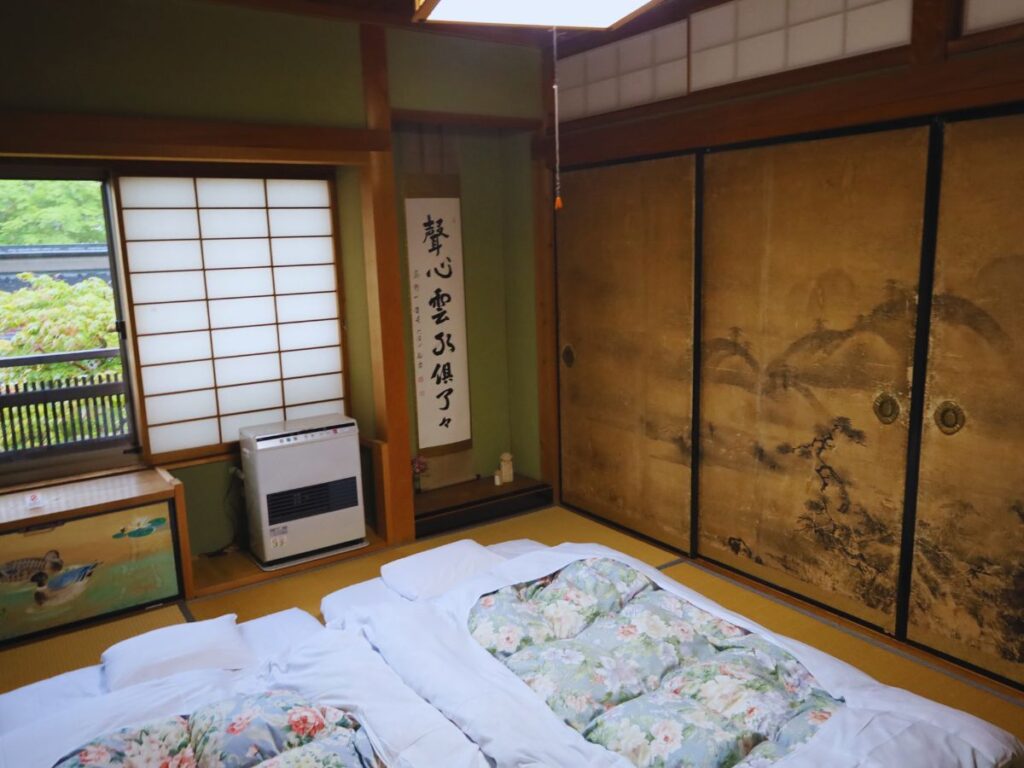
Shukubo is temple lodging, essentially staying overnight as a guest inside a working Buddhist temple rather than a hotel. Monks run the place and you follow their schedule, so depending on the temple, you might join morning prayers or a meditation session before breakfast. The idea underneath it is simple, that stripping away comfort for a night or two clears out mental clutter you didn’t even know was there.
Koyasan is where most people try this first, since dozens of temples up there take overnight guests, and the mountain air makes the whole thing feel properly monastic rather than a city temple doing its best impression. For more about temple stays, read our dedicated guide and review:
Zazen
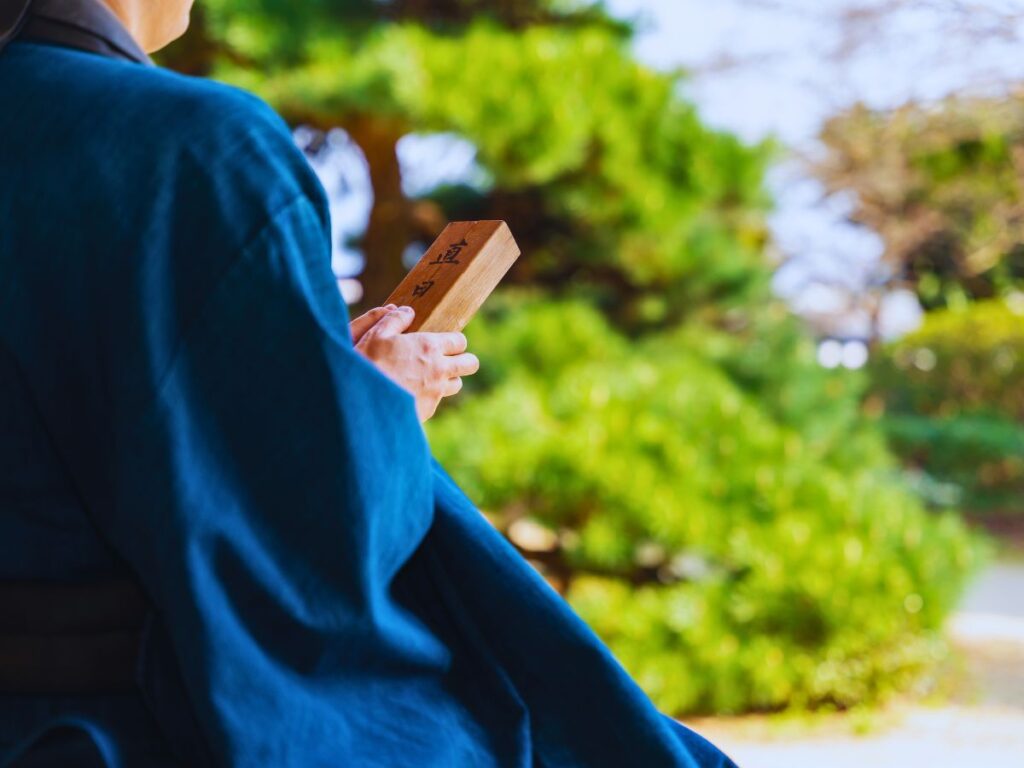
Zazen is something that will humble you fast, especially if you go in expecting it to be easy (and most people do). You see, it literally means seated meditation, the core practice of Zen Buddhism, built on the idea that sitting with discomfort rather than escaping it is where actual clarity shows up. It sounds simple because it IS simple. You sit. That’s it.
And who would have thought that that could be a challenge. Definitely not me, a self-proclaimed champion in couch lounging. But it turns out, being left alone with my thoughts for twenty or so minutes is a lot harder than it sounds when my legs are aching and my brain keeps drifting off towards lunch.
A monk might walk past with a flat wooden stick called a keisaku and give your shoulder a whack if you ask for it. Sounds harsh, but it’s meant to snap you back to attention. Most temples now bring out chairs for anyone who can’t manage sitting cross-legged, so this works for a wider range of ages than you’d expect.
Shojin Ryori
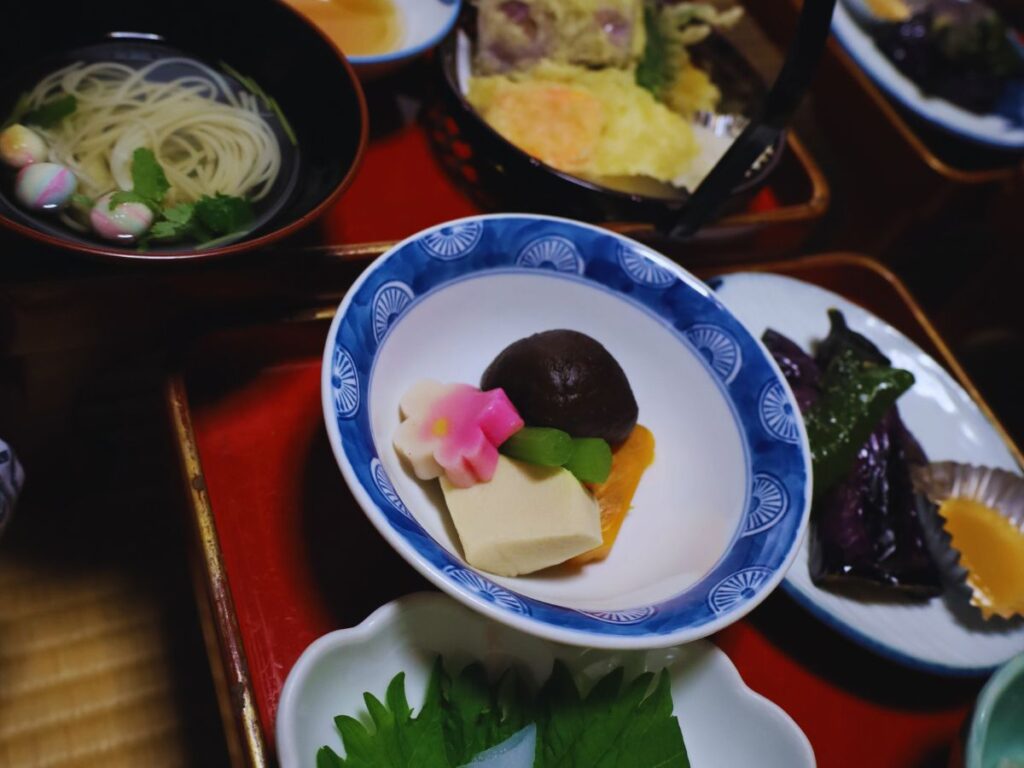
Here’s a fact I like dropping on people: the food monks eat isn’t some sad, flavourless diet plan. Shojin ryori is Buddhist vegetarian cooking built around the idea that what you eat should calm the mind rather than stir it up, so no meat, no fish, no garlic, no onion, nothing that jolts the senses right before meditation. Sounds intolerable on paper (especially when you’re in the land of ramen shops and sushi of all kinds).
But then the food actually turns up in front of you, goma-dofu so silky it barely needs chewing, pickled mountain vegetables, a bowl of clear miso with a single shiitake mushroom doing its own thing in the middle.
Onsen
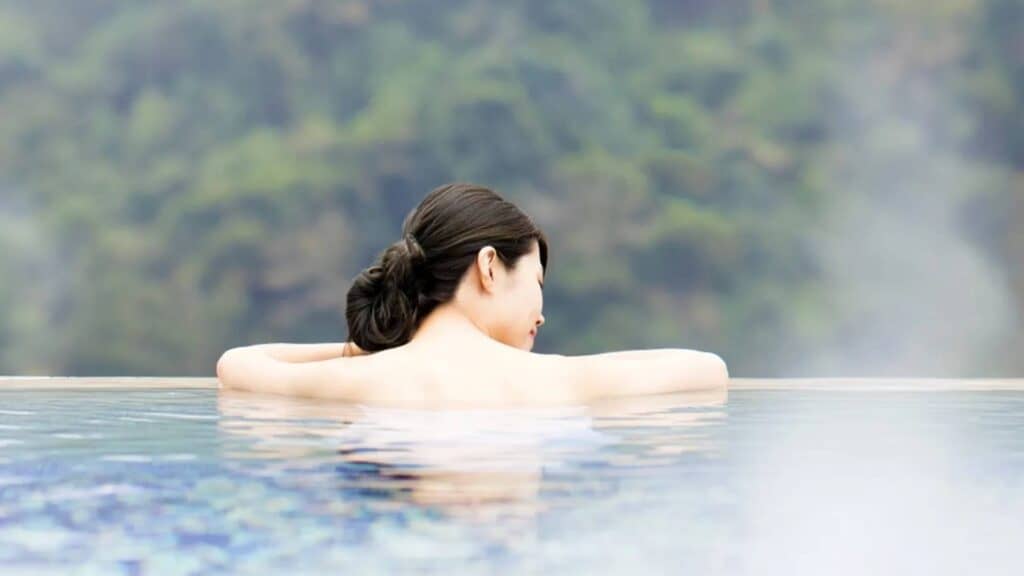
An onsen is a natural hot spring, and bathing in one here is a communal, no-swimsuit-allowed kind of ritual. Yep, that means you (and everyone around you) will be naked as the day you were born, with bathing areas divided by gender, of course. Aside from the whole being naked thing, there are other points you should know before your first onsen visit. We’ve prepared a complete guide for first-timers:
There’s a specific smell that hits you the second you step into the changing room somewhere like Beppu or Kusatsu, sulphur mixed with steam and hot cedar. It grows on you fast, to the point where it becomes one of those smells that yanks you straight back to Japan the next time you catch even a trace of it somewhere completely unrelated.
Couples can book private baths at a ryokan if the communal bit feels like too much on a first trip. As a mom with a six-year-old who begs me to go to an onsen on a weekly basis, I would also recommend hot springs to families with young kids. That said, you should look into age restrictions before booking, since some baths keep children under a certain age out of mixed areas. Anyone with visible tattoos should check policy ahead too, since plenty of traditional onsen still turn tattooed guests away.
Forest Bathing (Shinrin-yoku)
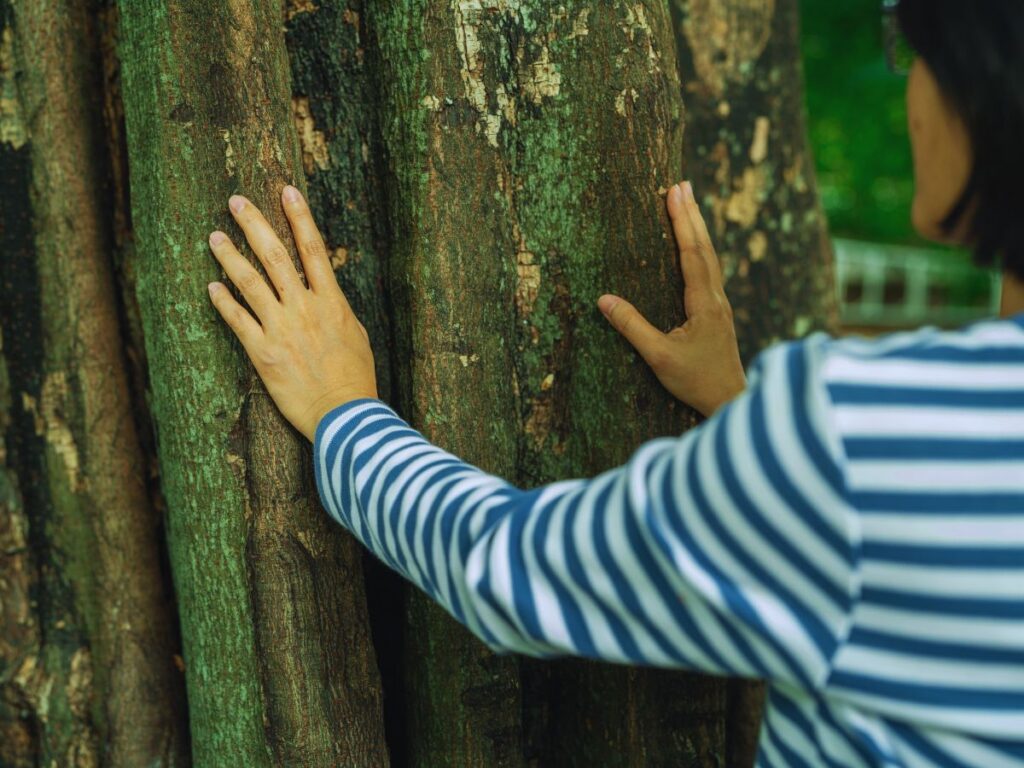
Doctors in Japan actually prescribe this. Shinrin-yoku translates roughly to ‘forest bathing’, and it’s a recognised therapeutic practice here, not some wellness-industry buzzword dressed up as ancient wisdom. Hiking has a destination. This doesn’t bother with one. You walk slowly, stop whenever something grabs your attention, and the whole point is letting your senses do more work than your legs for once.
Here’s the good news, you don’t need to trek to some remote island to do this properly. Japan’s forest coverage is high, and something like two-thirds of the country is still woodland. So, decent forest bathing spots exist within reach of most major cities, not just in far-flung corners only a handful of people ever get to.
Now, you might be thinking that nobody needs a guide or a booking to go stand in a forest. And you’re right, but what a facilitator actually adds is knowing which trails suit the pace, pointing out things you’d otherwise walk straight past, and in some spots, arranging access to areas that aren’t open without one.
Okutama, just outside Tokyo, is an easy first taste if you want to try it without committing a whole day to travel. Yakushima remains the dream version for me though, with its ancient cedar forest permanently damp with moss. Getting there requires a flight to Kagoshima and then a hydrofoil or small plane, so it’s more of a “plan a trip around this” than a “fit it in on a Tuesday” kind of place.
Takigyo (Waterfall Meditation)
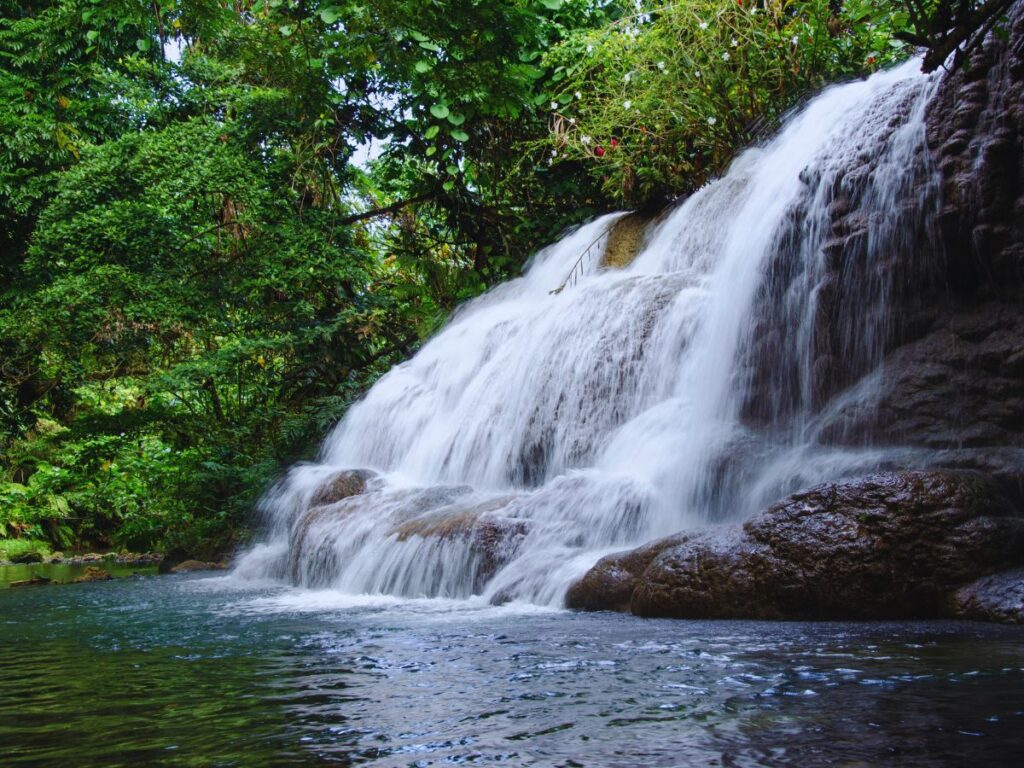
I want to be upfront about this one because I don’t think everyone should do it. Takigyo comes from Shugendo, a mountain ascetic tradition that predates and runs alongside mainstream Buddhism here, and the practice involves standing under a natural waterfall, often ice-cold even in summer, while chanting or holding a fixed posture. It’s meant to purify you, not relax you, so don’t walk in expecting anything close to a spa day.
I think it mostly suits fit, adventurous travellers (which is why I have not personally tried it). It’s not right for young children, and elderly travellers should run it past a doctor first given the cold shock involved. A handful of temples in the Kii Peninsula, near the Kumano region, still offer this, though you’ll usually need a guide to arrange it days ahead and translate the instructions properly. Availability is tight enough that we always tell clients to lock this one in early if they’ve got their heart set on it.
Pilgrimage Routes: Kumano Kodo
A pilgrimage route in Japan usually means walking to a shrine or temple on foot, often over several days, following a path people have walked for religious reasons for centuries. Kumano Kodo is the one most travellers have heard of, a network of trails across the Kii Peninsula linking three grand shrines through cedar forest and mountain pass.
The Shikoku 88 Temple Pilgrimage gets less attention outside Japan but is arguably bigger in scope, a loop connecting temples associated with the monk Kukai, traditionally walked in white robes over roughly forty days for anyone doing the whole thing on foot.
There’s also the old Nakasendo route through the mountains between Kyoto and Tokyo, which started life as a trade road in the Edo period rather than a pilgrimage, though the sections still open today carry a similar feel, hours of walking with nothing to do but walk.
Weather and terrain shift a lot depending on the route and season. The Kii Peninsula gets heavy rain in June and September, turning trails to mud fast. Phone signal drops out for long stretches on some sections too, which is exactly when those old wooden trail markers earn their keep.
Multi-day walking obviously suits more active and adventurous adult travellers. That said, the beauty of this experience is that you could do a shorter day section rather than a full multi-day route, so I wouldn’t discount this experience for families with young kids, or anyone without much hiking experience.
Tea Ceremony
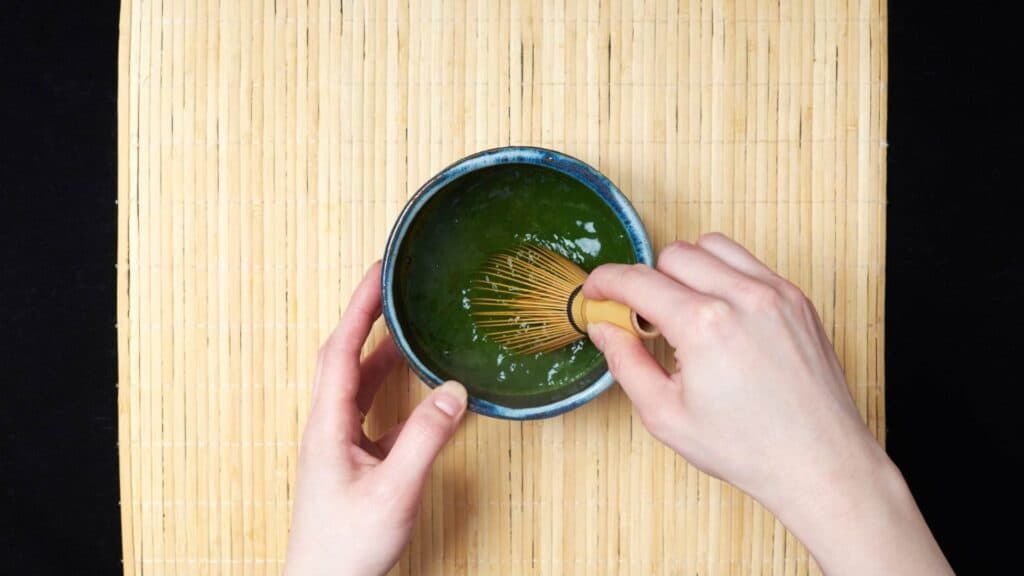
I’m sure you’ve heard of this one, as it is one of the more accessible cultural experiences you can try in Japan. You can easily book one here.
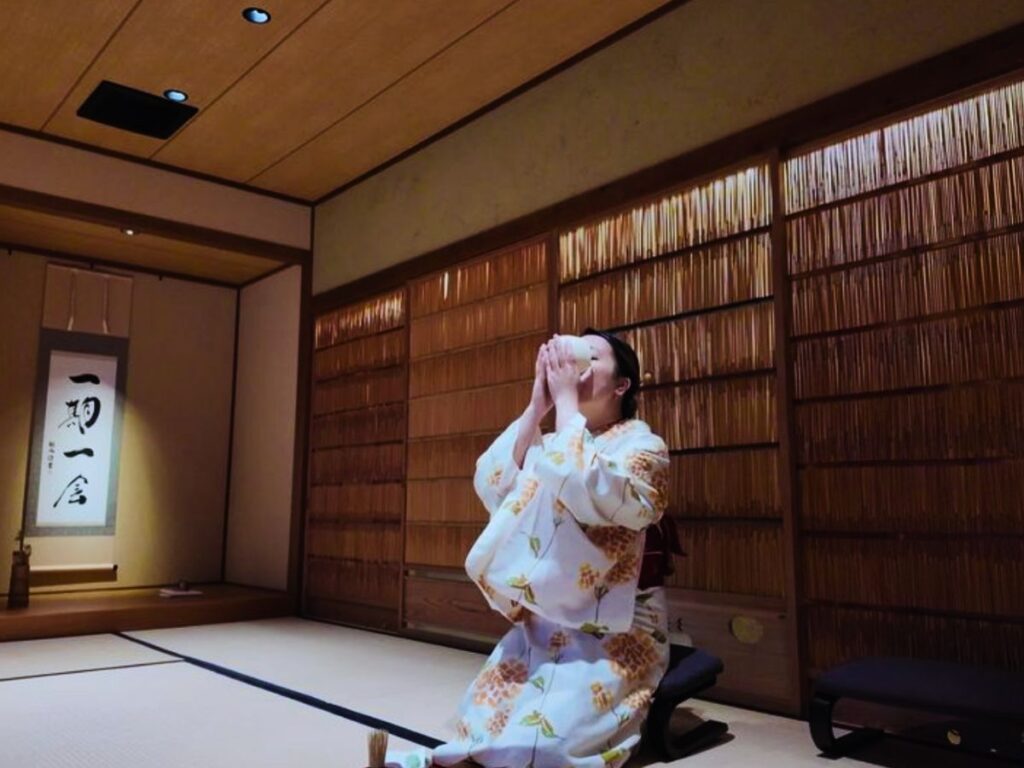
Chanoyu, sometimes called sado, is the ritualised way of preparing and serving matcha, refined into something closer to a meditative art form than just making a drink. There’s actually more etiquette packed into it than you’d expect walking in, so we’ve put together a full breakdown of what to actually know before booking one:
Kintsugi
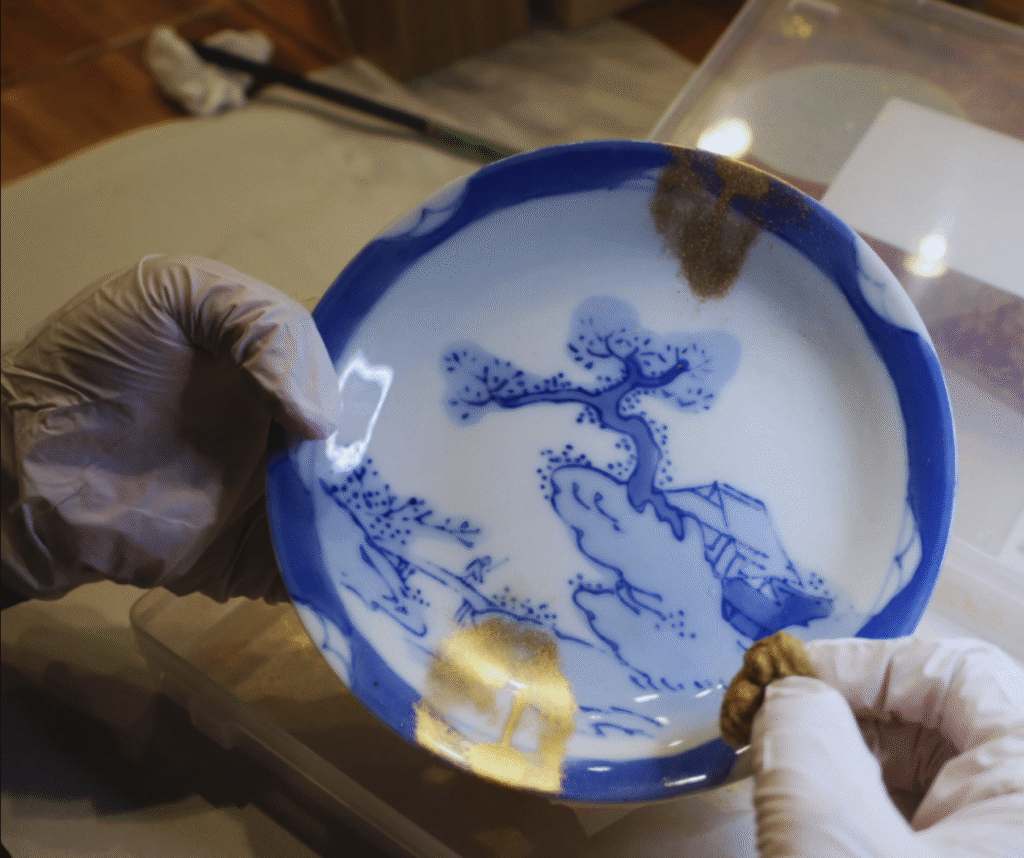
There’s a Japanese idea called wabi-sabi, finding beauty in things that are imperfect or worn, and kintsugi is that philosophy turned into an actual craft. Broken ceramics get repaired with lacquer dusted in gold, so the crack becomes the most visible part of the piece instead of something hidden away in shame.
This one’s also already sitting on our booking page. It’s hands-on, which is why solo travellers, couples, and small groups all seem to enjoy it, and it suits a wide age range since there’s no physical strain involved. We’ve written a useful piece on what a typical kintsugi session involves and what to expect from start to finish:
Authenticity Level of Wellness Experiences in Japan
As I’ve said in the intro, social media has flattened a lot of destinations into a kind of curated sameness. I know I sound like such a hater, but I’m not; I work in content creation after all! It’s just that it’s true. Almost every destination shot in the same angle, with the same filter. Everything staged to look a certain way before you’ve even arrived.
Wellness experiences here have largely dodged that. Most of them are rooted in religious or spiritual practice that existed long before anyone was optimising a trip for a camera, and that history is hard to fake even if someone wanted to. So, in terms of authenticity, I honestly feel that the wellness experiences mentioned above are as close as you can get in Japan.
Now, where I would split apart is accessibility rather than authenticity. Tea ceremony and kintsugi are easy to book in almost any major city or tourist destination in Japan, no real planning required beyond showing up. Pilgrimage routes and temple stays sit at the other end, they need a specific destination, often a specific mountain or region, and access to the monks who’ve kept the practice running for centuries. And it goes without saying…that gap shows up in the budget too.
Wellness Experiences in Japan FAQs

What is the best wellness experience to try in Japan for first-timers?
Onsen bathing, hands down. It needs zero prior knowledge and you’ll find one almost anywhere, from big names like Hakone to a tiny local bathhouse in whatever town you happen to land in.
Can I do a temple stay in Japan without speaking Japanese?
Yes, especially at temples in Koyasan, which host international guests constantly and give basic English instructions for meals and morning prayers.
I have tattoos. Can I not bathe in an onsen at all?
That’s actually not always true. It depends entirely on the onsen. Yes, plenty of traditional ones still turn tattooed guests away, but tattoo-friendly spots are growing steadily, especially around Hakone and Beppu.
Are wellness experiences in Japan expensive?
Some are, like pilgrimages and temple stays. Some barely cost anything, like a zazen session. Budget travellers and luxury travellers can both build a proper wellness itinerary here without much trouble.
Is forest bathing different from just hiking?
Yes. Hiking is about covering ground and reaching somewhere specific. Forest bathing skips the destination altogether, and you’re meant to go slow enough to actually notice the sounds and textures around you rather than just power through them.