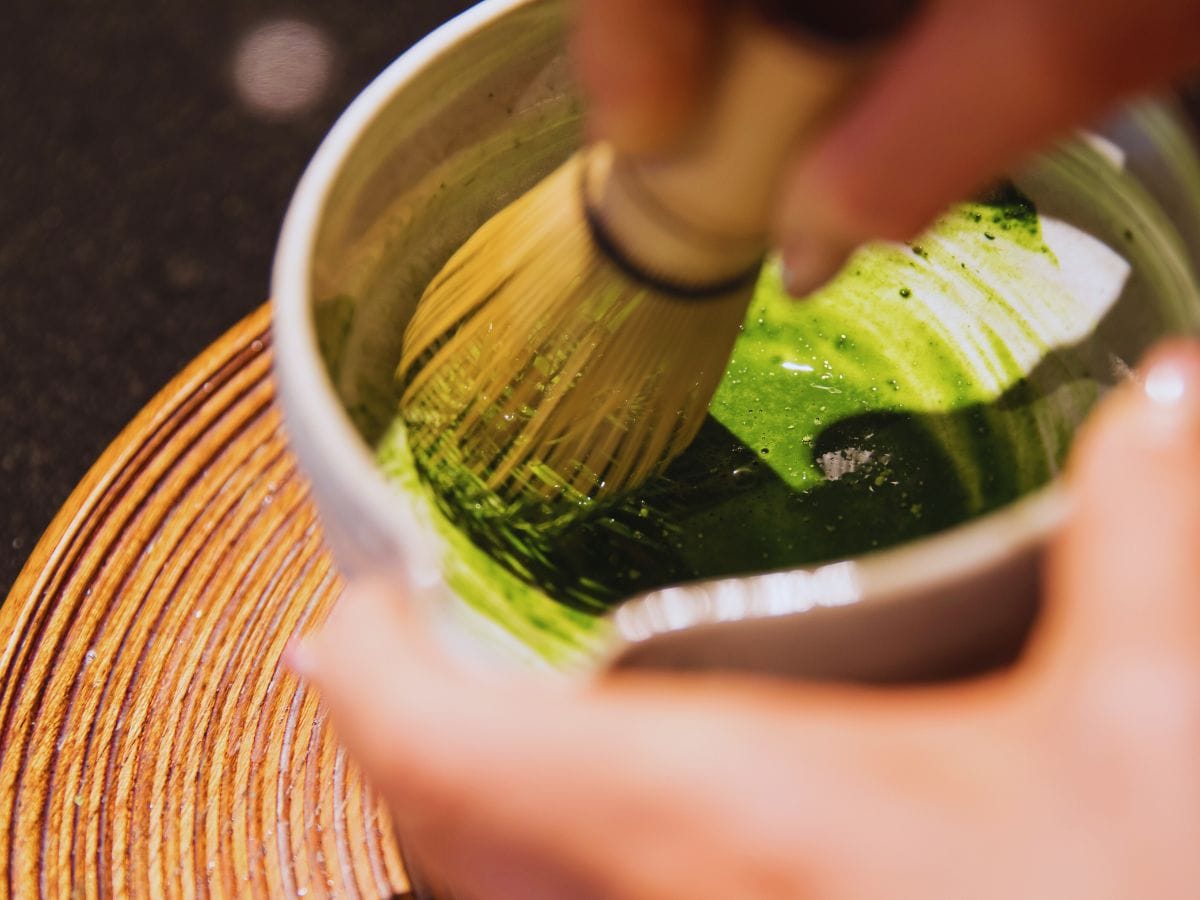

Kyoto is the historical centre of Japanese green tea, and if you care about matcha at all, this is THE city to visit. In fact, with too many to choose from, it is almost a challenge to find the best matcha in Kyoto.
The connection goes back centuries. When Zen Buddhist monks brought tea seeds from China in the 12th century, Kyoto was the capital and the cultural heart of Japan. Monks used tea to stay alert during long meditation sessions, and over time, the practice became something far more formal. The Japanese tea ceremony, known as sado or “the way of tea,” grew directly out of Zen philosophy.
Kyoto’s geisha districts added another layer. In areas like Gion, where geisha culture is still very much alive, the tea ceremony became part of formal entertainment. Today, this tradition is why the district remains the best place to experience tea as a formal art rather than just a casual drink.
What all of this means practically is that Kyoto takes matcha seriously. The quality at even an average shop here tends to be noticeably better than what you would find in tourist-heavy areas of Tokyo. The range is also wider, from temple tea rooms serving a simple bowl of whisked matcha with a wagashi sweet, to modern cafes doing matcha lattes and elaborate desserts. There is a lot to cover, so this guide breaks down where to find the best matcha in Kyoto by area. For everything else you must eat and drink across the country, check out our Ultimate Foodie Japan Guide.
Gion and Higashiyama

This is where the story of Japanese tea actually begins, and it shows. The Higashiyama district runs along the eastern hills of Kyoto and is home to some of the oldest Zen temples in the country. These are the actual places where monks first brought tea into Japanese religious life! The area does get crowded, particularly on weekends and during cherry blossom and autumn leaf season. If you can go on a weekday morning, do.
The temples here are worth visiting in their own right, and most of the key ones charge around 800 yen entry. Many have small tea rooms inside their gardens where you can sit down, catch your breath, and drink a bowl of properly prepared matcha.
Beyond the temple grounds, the lanes around Higashiyama and into Gion have some of the best matcha desserts in Kyoto. You will find seasonal wagashi at many of the traditional tea rooms, which is the more classic pairing. The sweets change with the season and are designed to balance the bitterness of the tea, so it is worth trying whatever is on offer at the time. Gion itself sits just below Higashiyama and is Kyoto’s most famous geisha district. The tea culture here is more intertwined with performance and hospitality than with religion, but the quality of matcha you will find in the cafes and tea houses is consistently high.
Gion Tsujiri
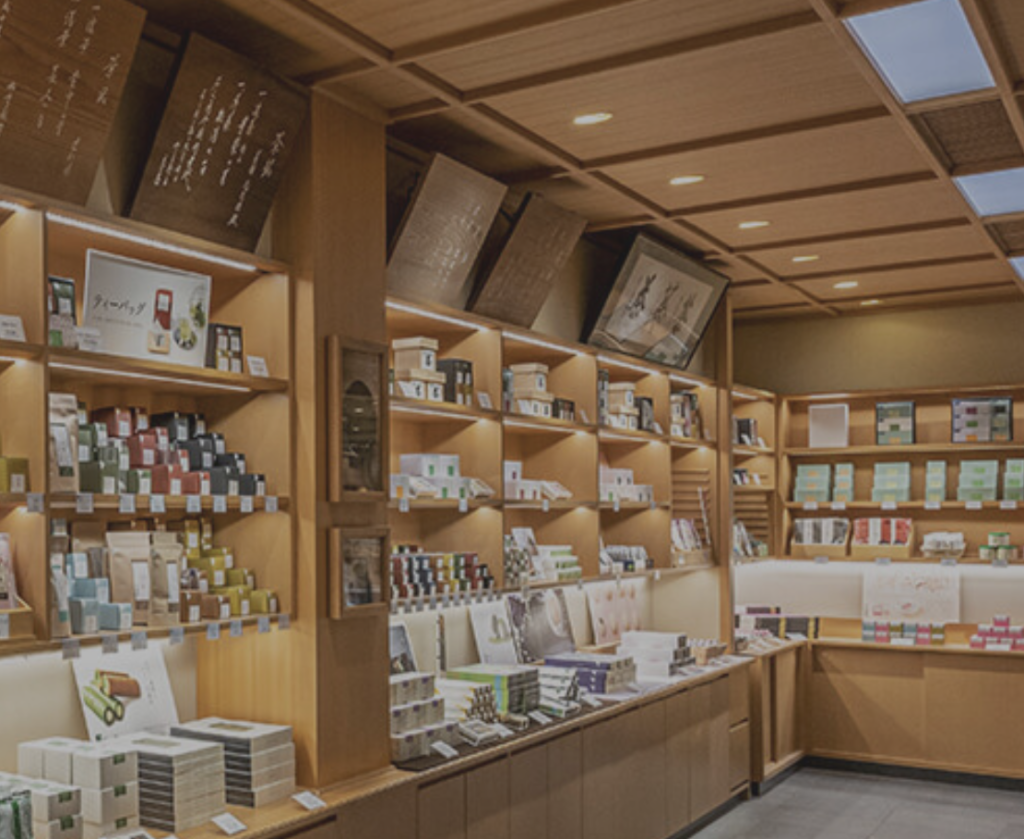
This is one of the most well-known names in this area, and for good reason. It has been serving tea since 1860. The menu covers classic matcha sets alongside more contemporary dessert options, and the quality of the tea itself is a step above what you will find at most tourist-facing spots in the district. Expect a queue at peak times, but it moves steadily enough.
- Address: 573-3 Gionmachi Minamigawa, Higashiyama Ward, Kyoto
- Opening hours: 10:30 to 20:00, open daily
- Price range: 1,000 to 2,000 yen
Central Kyoto
If Higashiyama is about history and atmosphere, central Kyoto is where you go when you just want a really good matcha drink without the temple walk. The Kawaramachi and Sanjo areas are packed with cafes and tea merchants. It is also the most convenient part of Kyoto to get around, so it works well as a base for knocking out a few stops in one afternoon. If you want to take some quality matcha powder home, this is also the best area in the city to do it.
Maccha House
If you only have time for one cafe stop in central Kyoto, make it Maccha House. Their matcha tiramisu is one of the most popular matcha desserts in the city (we’d even bet you’ve seen videos of it on social media), and it is the kind of thing that sounds like a gimmick until you actually try it. They also serve houjicha, which is roasted green tea with a toasty, slightly smoky flavour and much less caffeine than matcha. A solid option if you do not want to be wired for the rest of the day.
- Address: Kawaramachi 382-2 Komeyacho, Nakagyo Ward, Kyoto
- Opening hours: 11:00 to 20:00, open daily
- Price range: 1,000 to 2,000 yen
Ippodo
For buying matcha powder in Kyoto to take home, Ippodo is the most trusted name in the city. They have counters inside department stores like Takashimaya if you want convenience, but the main store in central Kyoto is worth visiting on its own. It has a dedicated tearoom where you can try before you buy, and the staff can actually walk you through the differences between what is on the shelf. Just note that the main store closes on the second Wednesday of each month, so it is worth checking before you make the trip.
- Address: 52 Tokiwagi-cho, Nakagyo Ward, Kyoto
- Opening hours: 10:00 to 17:00, closed on the second Wednesday of each month
- Price range: 600 to 1,500 yen
Northern Kyoto
Northern Kyoto is farther from the main tourist trail, and the tea experience in this part of the city is less about cafes and more about the temple rest areas that sit within the garden grounds. These are simple setups: you pay your entry fee, walk the garden, and then sit down at a covered rest area where bowls of hot matcha are served. It is not a formal ceremony and it is not trying to be. It is just a good excuse to slow down and actually absorb where you are, which after a long day of sightseeing is often exactly what you need.
Kinkakuji
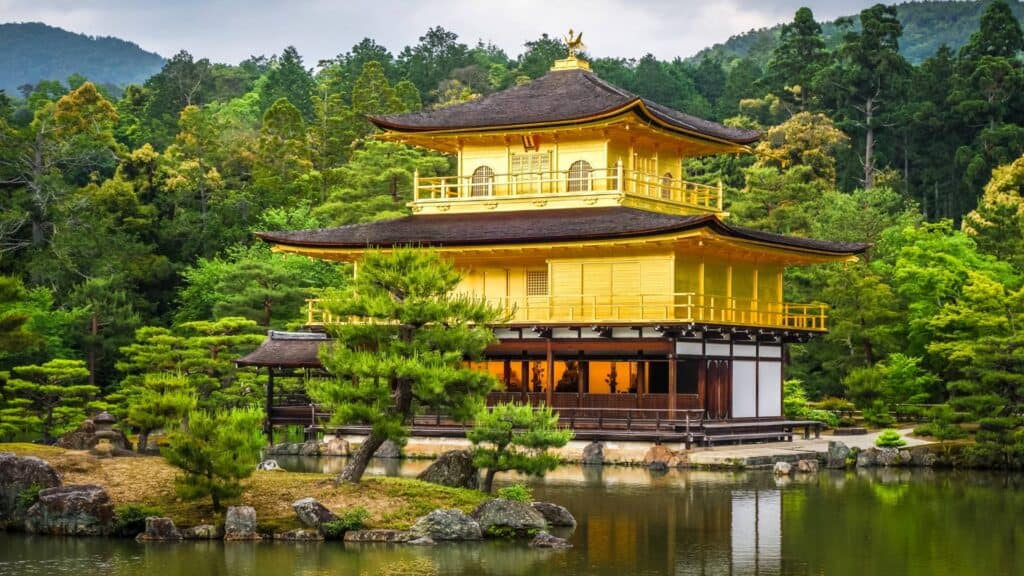
Kinkakuji, known internationally as the Golden Pavilion, is the most famous site in this part of the city and one of the most visited spots in all of Japan. The pavilion itself is genuinely impressive, and the garden around it is well worth the walk.
What most visitors do not realise until they arrive is that there is a dedicated tea rest area on the grounds where you can sit down with a bowl of matcha after walking the route. It is a straightforward, no-fuss experience, but drinking tea in that setting is hard to beat. Be prepared for crowds though. Kinkakuji draws an enormous number of visitors every day, and there is no quiet time of year to visit. Early morning is your best bet.
- Address: 1 Kinkakujicho, Kita Ward, Kyoto
- Opening hours: 09:00 to 17:00, open daily
- Entry fee: 500 yen
Uji and Arashiyama
Both of these areas sit outside the main city centre and require a bit more effort to reach, but they are worth knowing about depending on what you are after.
Uji
Uji is about 20 minutes south of Kyoto by train and is widely considered the birthplace of Japanese green tea. The region has been producing tea for centuries, and the quality of matcha grown here is some of the best in the country. If you are genuinely interested in where matcha comes from and how it is made, Uji is the place to go.
You should know that a significant amount of what gets sold as Uji tea is actually grown in Wazuka, a small farming village in the hills nearby. Wazuka produces a large proportion of the tea that ends up distributed under the Uji name, but the milling and selling happens in Uji itself. It is not a scam, just how the regional supply chain works, and it definitely does not affect the quality. It is just the kind of detail that changes how you read the labels on the shelves.
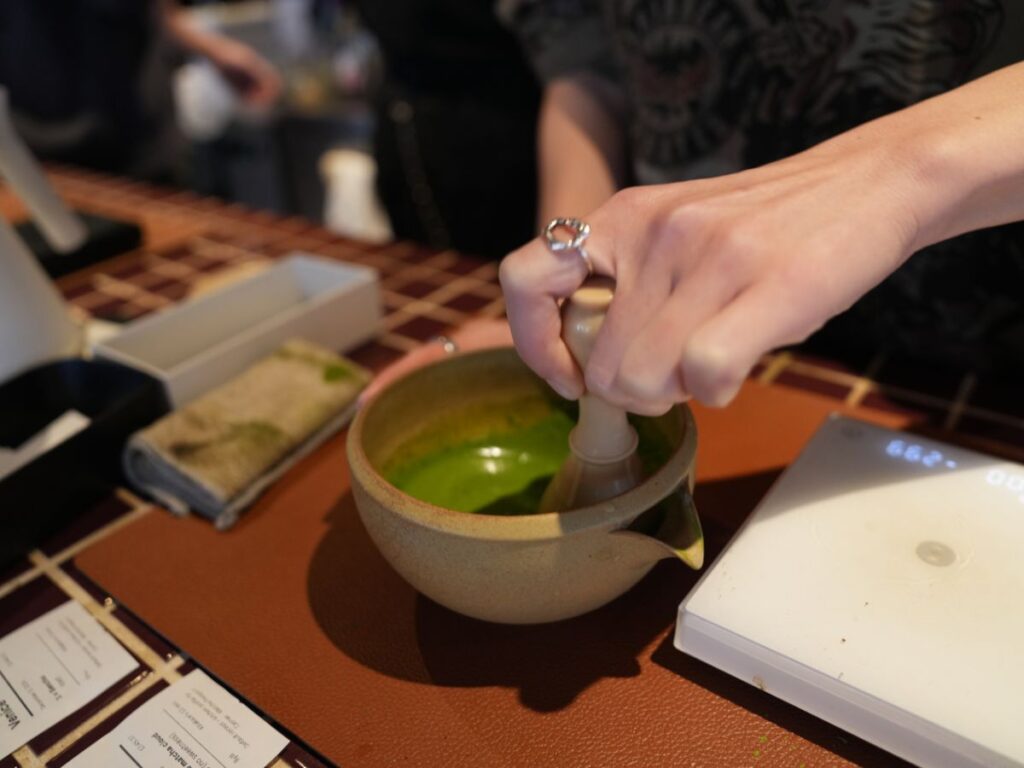
Several spots in the town offer hands-on experiences where you grind your own matcha using traditional stone mills, which sounds like a tourist activity but is actually a good way to understand how much work goes into producing a small amount of powder. Nakamura Tokichi Honten is a popular spot in the area. Their signature Maruto Parfait, served in a bamboo tube, is the thing most people come for.
Arashiyama
Arashiyama sits on the western edge of Kyoto and is of course best known for its bamboo grove. A handful of genuinely good spots are dotted around the main streets near the bamboo grove and Togetsukyo Bridge, and if you are spending a morning or afternoon out here, which most visitors to Kyoto do at some point, it is easy to build a strong matcha stop into the day. Hatoya is the standout. It started as a small matcha dessert shop in Arashiyama and has since expanded to Tokyo and Kamakura, which tells you something about the quality.
Also check out where to find the best matcha in Tokyo:
Join the Flip Japan Kyoto Matcha Tour
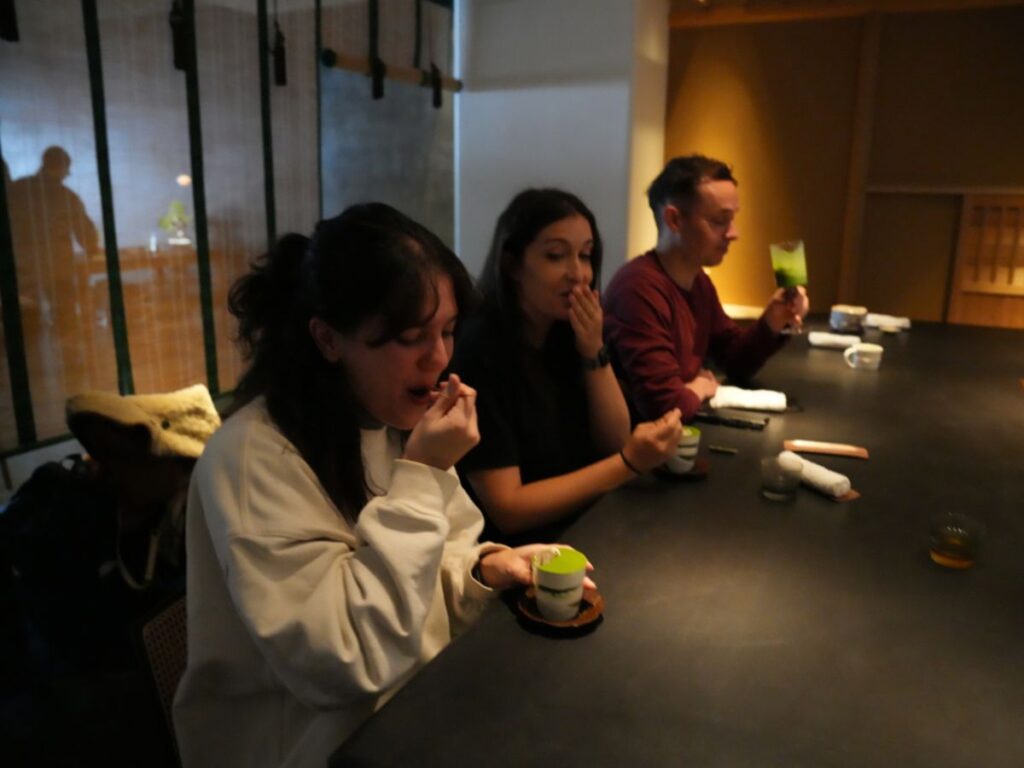
If you want to taste the best matcha in Kyoto without spending half the day working out queues, temple entry logistics, and which cafes are actually worth your time, our Kyoto matcha tour takes care of all of that.
The tour runs for five to six hours and is designed to connect the different sides of Kyoto’s tea culture in a single trip. You will start in Higashiyama before moving through the geisha district of Gion. From there the route continues through the central shopping streets of Kawaramachi and ends at the northern temple gardens.
All temple entry fees are included in the price, and the guides know exactly which cafes to visit at which time of day to avoid the worst of the queues
Best Matcha in Kyoto FAQs
What is the best area for matcha in Kyoto?
It depends on what you are looking for. For traditional temple tea rooms and a historic atmosphere, Higashiyama and Gion are the strongest options. For modern cafes and the best matcha desserts, central Kyoto around Kawaramachi and Sanjo is hard to beat. If you are serious about the production side of things, Uji is worth the short trip south.
Where can I buy high-quality matcha powder in Kyoto?
Central Kyoto is your best bet, with trusted names like Ippodo and Rokkaku Chikiriya.
What should I eat with matcha in Kyoto?
Traditional tea rooms serve seasonal wagashi alongside matcha. Many modern cafes also serve matcha tiramisu, which is a more contemporary option.
Do I need to book a tea ceremony in Kyoto in advance?
Yes, especially for formal ceremonies in historic areas like Gion or at popular Zen temples. These experiences have limited capacity and fill up quickly, particularly during peak travel seasons like spring and autumn. Book with us now to guarantee your spot!
Is Uji worth visiting from Kyoto for matcha?
Yes, particularly if you are interested in where matcha actually comes from. Uji is considered the birthplace of Japanese green tea and is only about 20 minutes from central Kyoto by train.