
If you are planning a trip to Japan around the summer, you have probably stumbled across the words ‘tsuyu’ and ‘rainy season’, and immediately started second-guessing yourself. That is completely fair. Nobody books a long-haul flight hoping to spend the whole trip sheltering under an umbrella. But really, how bad is rainy season in Japan? Is it really bad enough to justify changing your plans?
Read on for our honest take.
What Is Tsuyu?
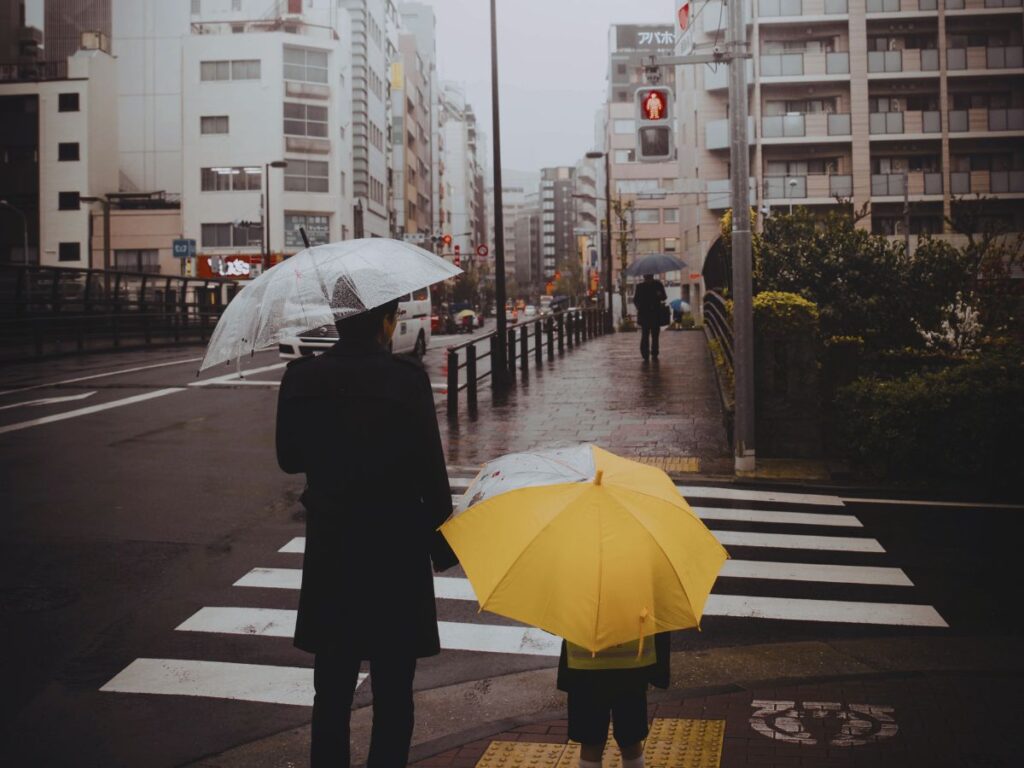
Tsuyu, or rainy season in Japan, is a transitional period between the cool days of spring and the intense heat of summer. It typically runs from early June through to mid-July across most of the country.
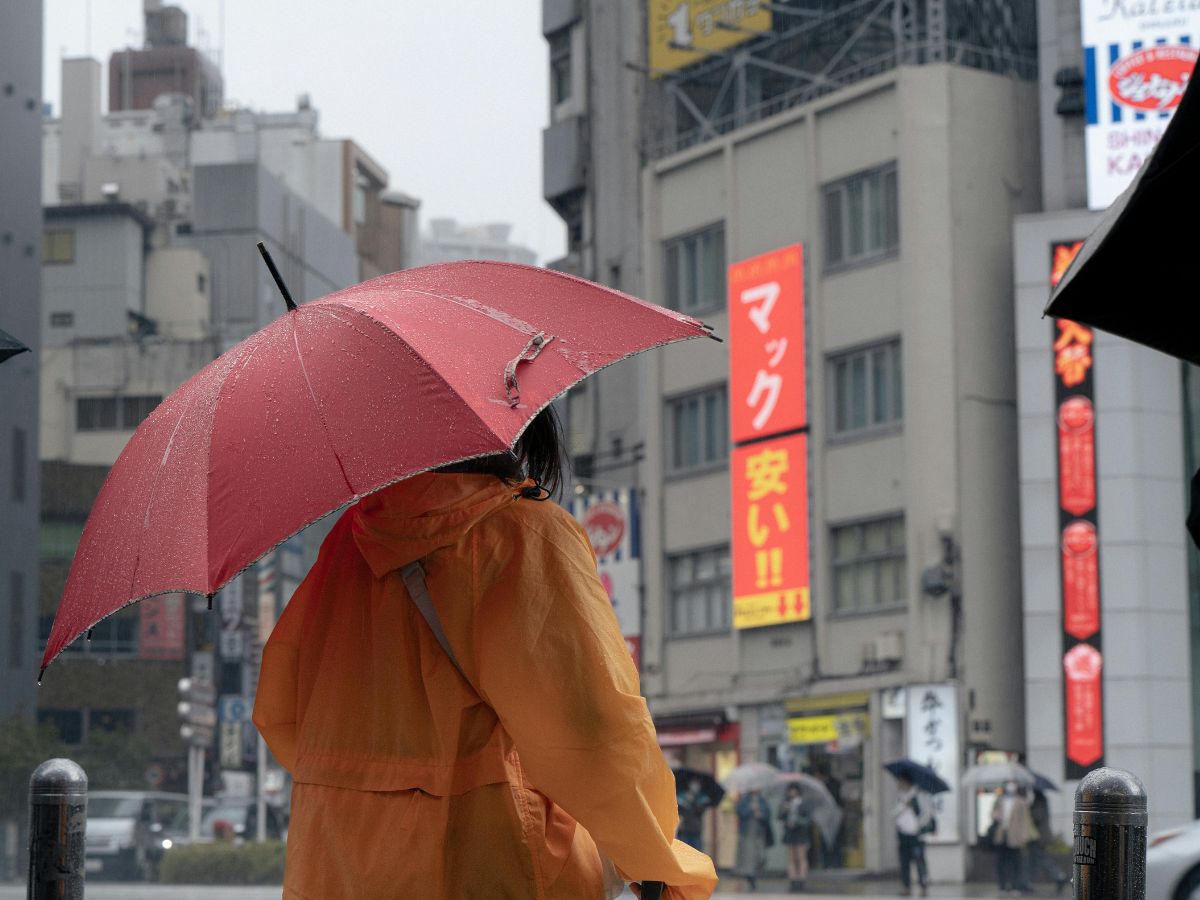
If you are picturing a month of constant, non-stop torrential downpour, that is not really how it works. You will definitely get some days that are total washouts with grey skies from sunrise to sunset, but more often, it is a game of what the locals call “guerrilla rain.”
In Japan, the term Guerrilla Gouu (guerrilla heavy rain) means sudden, intense bursts of rain that seem to “attack” a specific neighborhood without warning. You might be walking through a sunny street in Tokyo one minute, and the next, you are sprinting for cover under a shop awning as a wall of water hits the pavement. The good news for your itinerary is that these guerrilla storms usually exhaust themselves in an hour or less. Once the clouds break, you are often left with a dry window to get back to your sightseeing.
The real thing to watch out for is not actually the water falling from the sky. It is the humidity. The air during this time of the year is thick and heavy, which can make a 25°C day feel much warmer than it looks on paper. It is a bit of a damp, sticky heat, but it is far from a dealbreaker. This damp heat is just a preview of the conditions you can expect during the peak summer travel months in Japan.
Why the Rainy Season in Japan Is a Secret Advantage
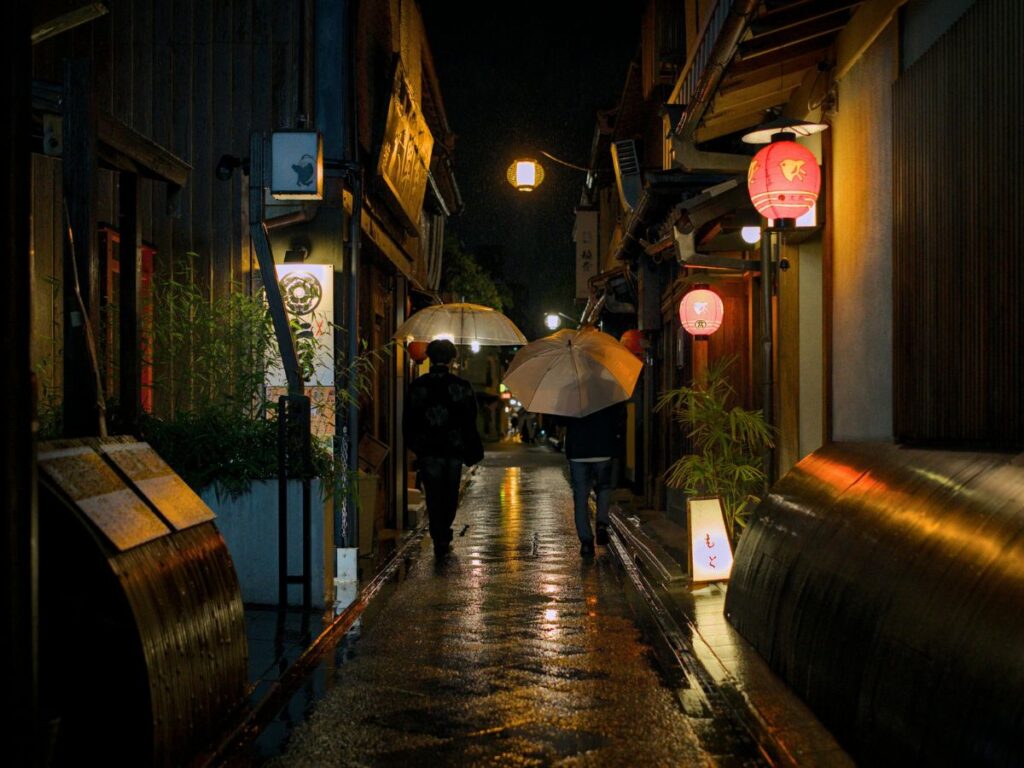
Most travellers see a rainy forecast and immediately start cancelling bookings, but if you lean into the weather, you get a version of Japan that most people miss.
Actually Beating the Crowds
The most practical reason to visit during the rainy season in Japan is the lack of crowds. The spots that are normally a nightmare to walk through finally have some breathing room. Because the rainy season label scares off many tourists, you can actually walk through these popular locations without being pushed around by a tour group. For anyone who wants to see the sights without the stress of a massive crowd, the occasional shower is a small price to pay.
The Price Advantage
Since the rainy season scares off the crowds, accommodation prices in cities like Tokyo and Kyoto can drop compared to the peak spring and autumn seasons. You are not competing with the massive influx of tourists, so hotels are often looking to fill rooms. It is also one of the cheapest months for international flights. Most airlines drop their fares to fill seats between the May holiday rush and the summer holiday peak in July.
Seasonal Flowers
You also get to see the seasonal flowers that define this time of year. Ajisai, or hydrangeas, are the symbols of the Japanese rainy season. They grow in massive clusters of blue, purple, and pink everywhere from train tracks to temple gardens. In the Kanto region, Kamakura is a popular place to go for this, where temples like Meigetsu-in become a sea of blue. That said, Tokyo also offers lots of stunning hydrangea spots:
Beyond the hydrangeas, June is the season for Hanashobu, or Japanese Iris. These are often planted in ponds within traditional gardens. You might even be able to catch a Hanashobu Festival, like this one in Yokosuka, near Kamakura.
Greenery and Misty Mountain Views
Japan has plenty of gardens that look their best when everything is wet. The moss gardens in Kyoto, particularly at temples like Saihoji, reach a deep, dark green during the rainy season that does not exist in the dry months. When the stone paths and maple leaves are wet, the colours look much more saturated. This is also the season to go if you want to see the landscapes that look like traditional Japanese ink paintings, with low-hanging clouds and thick mist between the cedar trees.
Surviving Rainy Season in Japan
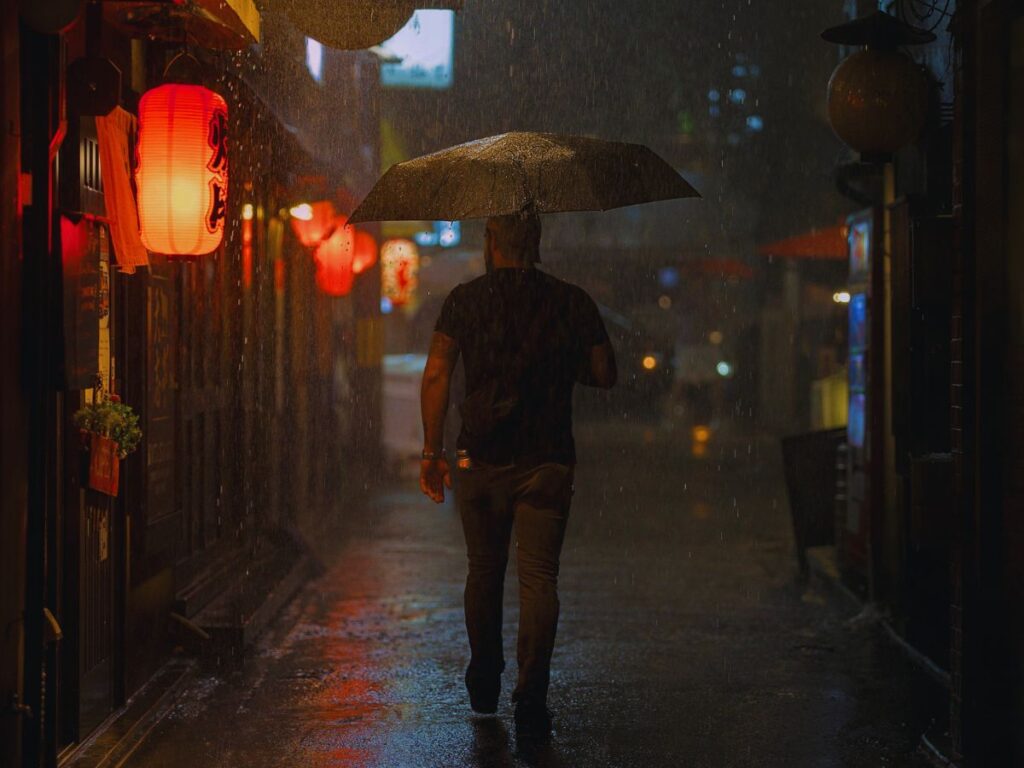
Getting caught in a downpour is not necessarily a disaster, but a bit of planning can help you out while travelling in Japan during tsuyu. The goal is to stay dry without overheating, as the air gets thick and warm during this time of year.
Dressing for Humidity
The humidity is the main thing to dress for, more than the rain itself. Take it from us, heavy fabrics like denim and thick cotton become really uncomfortable in late June when the air is warm. You want anything lightweight and quick-drying. Linen is a solid choice, as are the likes of Uniqlo AIRism lines, which pull moisture away from your skin. The aim is to be able to get caught in a shower, step into an air-conditioned building for twenty minutes, and come out the other side without feeling like you are wearing a wet towel. For more on what to wear in Japan for every season:
The “Convenience” of Convenience Stores
If you get caught off guard by a sudden burst of rain, do not panic and do not feel like you need to pack a heavy umbrella from your home country. Japanese convenience stores are on practically every corner and they are the best places to pick up quick gear. You will see those clear plastic umbrellas that are famous in anime, which usually cost a few hundred yen and work perfectly fine. Nowadays, most convenience stores also stock basic raincoats and ponchos if you prefer to keep your hands free.
Indoor Backup Plans
If you have to be stuck in the rain anywhere, Japan is probably the best place for it. The big cities are built to keep you dry while you move around. Large museums in Tokyo and Kyoto are great and can easily take up a whole day. Massive underground shopping streets are also a huge part of city life here, letting you walk long distances, shop, and eat without ever going outside.
There are even covered market streets, or ‘shotengai’, which have a bit more local feel. Places like Nishiki Market in Kyoto mean you can spend hours looking at food stalls and shops while staying under a roof. On a really wet day, moving between these indoor spots is a great way to see the city without getting soaked. For more ideas on what to do when it pours, check out this guide on how to spend a rainy day in Tokyo.
Rainy Season in Japan FAQs
Is it worth going to Japan during the rainy season?
It definitely is, especially if you want to save money and avoid the massive crowds of spring. While you will have to deal with some grey days, as long as you have a bit of flexibility in your daily plans, the weather will not ruin your trip.
What is the wettest month in Japan?
Statistically, June is the wettest month for Tokyo, Kyoto, and most of the main island. However, September can often feel wetter because of typhoon season, which brings much heavier wind and more intense storms. June rain is usually more of a steady drizzle or sudden “guerrilla” bursts.
How bad is the rainy season for a first-time visitor?
It is usually more manageable than people expect. Most tourist infrastructure is designed to handle the rain, making it easy to stay dry while moving between sites.
What should I wear during the rainy season in Japan?
The best strategy is to wear lightweight, breathable clothes that dry fast. Avoid heavy fabric that gets heavy and stays wet for hours.