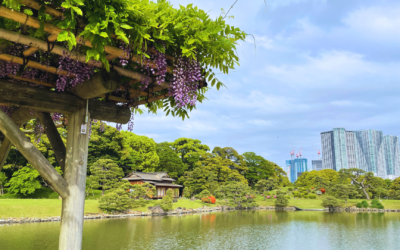

So, you’ve set your sights on Japan’s incredible Kansai region? Excellent choice. You’re picturing the iconic red gates in Kyoto, grabbing street food under the neon glow of Osaka, and maybe even visiting Nara’s polite, bowing deer.
It’s an amazing plan, but then comes the tricky part: transport. Trying to sort out train tickets between all these cities can feel like a puzzle. You start adding up the fares for each leg of the journey, and suddenly, your travel budget looks a lot tighter than you hoped.
What if you could simplify all of that with a single pass? That’s exactly what the Kansai Area Pass is for. It’s a straightforward, tourist-only ticket that unlocks unlimited travel on JR trains between Kansai’s top spots for a set number of days. Forget fumbling for change at ticket machines for every trip—this pass is designed to make exploring the heart of the region both easy and affordable.
Let’s Plan Your Japan Trip Together
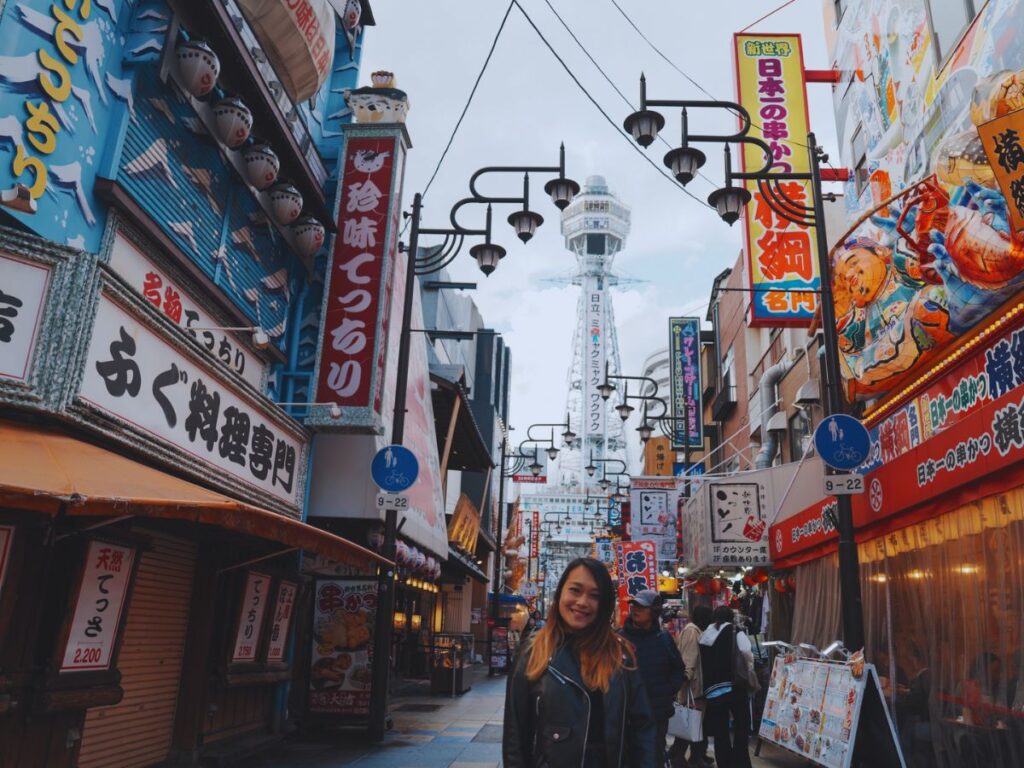
Thinking about visiting Japan but not sure where to begin? From hidden local spots to the big must-sees, we’ll put together a personalised plan shaped around your interests, budget, and pace. You get the joy of travelling without the stress of endless research.
→ Start Building My Personalised Japan Itinerary
What is the JR Kansai Area Pass?

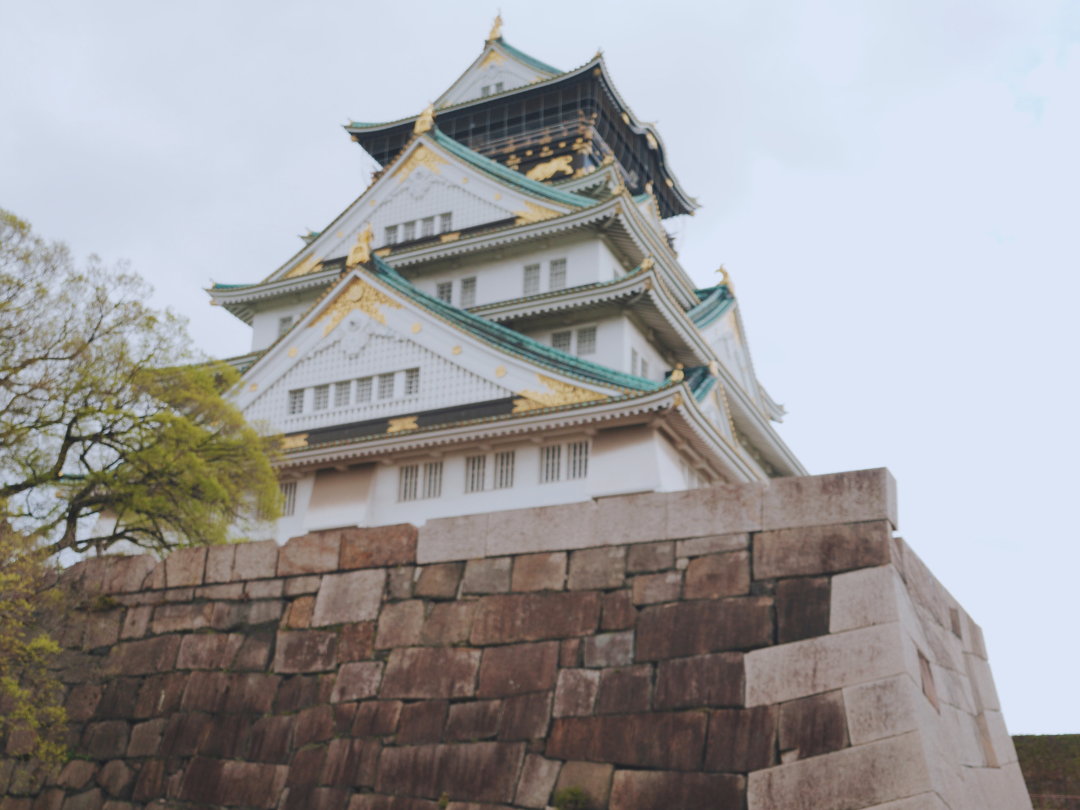
The JR Kansai Area Pass is a simple, flat-rate ticket created exclusively for international tourists visiting Japan. It gives you unlimited rides on eligible JR trains for one, two, three, or four days in a row, all for a single upfront price.
The pass is an official product from the JR West railway company. They designed it to take the guesswork out of train travel and encourage visitors to explore the main cities of the Kansai region without the hassle.
The real beauty of the pass is its simplicity. Instead of stopping to buy a new ticket every time you want to catch a train, you just use your pass to get through the gates. It means less time staring at fare maps and more time enjoying your trip. Just pop it in the ticket gate, and you’re on your way. Easy!
How Much Does the Kansai Area Pass Cost in 2025?
The pass has a fixed price based on how many days you want to use it. The costs are the same whether you buy it online beforehand or in person after you arrive in Japan.
As of September 2025, the official prices are:
| Duration | Adult (12+) | Child (6-11) |
| 1-Day Pass | ¥2,800 | ¥1,400 |
| 2-Day Pass | ¥4,800 | ¥2,400 |
| 3-Day Pass | ¥5,800 | ¥2,800 |
| 4-Day Pass | ¥7,000 | ¥3,500 |
A Quick Tip for Families
Here’s a fantastic piece of news for anyone travelling with little ones. An adult or child pass holder can bring up to two toddlers (aged 1 to 5) with them completely free of charge. The only condition is that they don’t take up their own seat, so they can happily sit on your lap.
You can buy it online in advance through authorised travel websites, book it directly on the official JR West website, or even wait until you arrive and buy it at a major JR station in Japan.
We have a full step-by-step guide on how to buy and activate the pass later in this article, so don’t worry about the details just yet!
Travelling as a family with kids? We’ve got all the tips you need to know:
Kansai Area Pass Map and Coverage: Where Can You Go?
This is where the real value of the pass becomes clear. A quick look at the official map shows that this pass covers not only the main tourist hubs but also a surprisingly wide range of fascinating destinations.

Credit: Photo from JR West
As the map shows, the pass connects the absolute must-see cities like Kyoto and Osaka, but it also stretches north to the coast at Tsuruga, south to Wakayama, and west to Himeji. It’s a comprehensive key to unlocking the entire region.
Kansai Area Pass Destinations at a Glance
The pass lets you visit all of Kansai’s most popular cities. In Osaka, you can use major stations like Osaka and Shin-Osaka, and take a direct train to Universal City. It’s easy to get to Kyoto to see the temples, and the line to Saga-Arashiyama takes you close to the bamboo grove. The pass also covers trains to the port city of Kobe and to Nara, where you can see the famous deer.
Kyoto may just be one of the cities covered by this pass, but within Kyoto itself, there is so much to explore. Be sure to read our complete guide to not miss anything:
You can also use the pass to visit historical places. The train line goes all the way to Himeji, so you can see its famous white castle. You can also take side trips to Uji, a town known for green tea, and Iga-Ueno, the home of the ninja.
Uji is the perfect destination for tea lovers. Learn more about it here:
If you want to travel further out, the pass reaches the northern port city of Tsuruga, the southern city of Wakayama, and Otsu, the main city next to Japan’s largest lake, Lake Biwa. For your flight, the pass includes a ride on the Haruka Express train, which is a fast and easy way to get to and from Kansai Airport (KIX).
It’s important to know about a unique benefit of the 1-Day Pass. If you buy this specific version, you can also use three other transport networks for that day: the Kyoto City Subway, the Keihan Railway, and the Hankyu Railway. This is a very useful feature because it lets you get to areas like Gion in Kyoto or Umeda in Osaka without needing to buy a separate ticket.
Of course, you should take advantage of this unique benefit by making the most of each stop, like the lively Namba area:
Save Time and Energy with Expert-Crafted 1-Day Itineraries
It’s awesome that passes like the Kansai Area Pass cover so much ground, but planning for every leg of your trip can be exhausting. Save time and energy with our collection of expert-crafted 1-day itineraries. For the ultimate value, grab our Japan Trip Itinerary Bundle which includes all 26 of our guides for one low price.
→ See the Itineraries & Bundle Deals
What Trains Are Covered by the Kansai Area Pass?
The pass doesn’t work on every single train, so it’s good to know exactly what you can ride. Here’s a simple breakdown.
Kansai-Airport Express HARUKA
This is one of the best things about the pass. You get a free ride in the non-reserved seats on the Haruka Express. This is the fast, direct train that connects Kansai Airport with major cities like Osaka and Kyoto, so it’s perfect for when you arrive or when you’re heading home.
Special Rapid, Rapid, and Local JR Trains
These are the regular JR trains that you will use most of the time to get around. They are the main way to travel between cities like Osaka, Kyoto, Kobe, and Nara. The pass gives you unlimited rides on all of these, so you can hop on and off as much as you like.
West Japan JR Buses
The pass also includes a useful little bonus. You can ride on the local West Japan JR Buses within Kyoto City. Just remember, it only works on the buses that have the “JR” logo on them, and not on other city buses.
Important! What’s NOT Covered by the Kansai Area Pass?

Knowing what the pass doesn’t cover is just as important as knowing what it does. Keep these key limits in mind to avoid any surprise costs during your trip.
The Shinkansen (Bullet Train)
This is the most important rule: The Kansai Area Pass does not work on any Shinkansen (bullet train) lines. If you plan to take the Shinkansen, you will need to buy a separate ticket.
Most Limited Express Trains
The only Limited Express train included with this pass is the Kansai-Airport Express HARUKA. Any other Limited Express train is not covered. You will have to pay the full fare if you board one by mistake.
City Subways and Most Buses
This is a common point of confusion. The Kansai Area Pass is a JR pass, so it only works on JR trains and the specific JR buses mentioned earlier. It is not valid on city subway systems (like the ones in Osaka or Kyoto) or on most city buses (like the main Kyoto City Bus network).
Reserved Seats
The pass allows you to make up to two free seat reservations on eligible trains, like the Haruka Express. This is great for guaranteeing you have a seat on a specific train. You can still ride in the non-reserved cars as many times as you like for free. If you need to make a third reservation or more, you will have to pay an extra fee for it.
When travelling around Japan, transportation cards are your the key to a smooth experience. Read about them here:
Is the Kansai Area Pass Actually Worth It?
This is the big question: will the pass actually save you money? The answer completely depends on your travel plans. For some travellers, this pass is a massive money-saver, while for others, buying single tickets is better.
Generally, the pass becomes valuable if your plans include more expensive, longer-distance journeys, like the Haruka Express from Kansai Airport or a day trip to Himeji. The best way to know for sure is to compare the pass price to the cost of buying individual tickets for your itinerary.
To make it clear, let’s do the maths with a few common travel plans.
Looking at the Numbers: Kansai Area Pass Sample Trips
Scenario 1: The “Airport Transfer” Trip (Absolutely Worth It)
Let’s say you’re flying into KIX, staying in Kyoto for a couple of days, and then flying out again. A standard round-trip ticket on the Haruka Express between the airport and Kyoto costs about ¥5,800. The 2-Day Kansai Area Pass costs only ¥4,800.
Verdict: In this case, the pass is absolutely worth it. You save ¥1,000 on the airport transfer alone, plus you get an entire extra day of unlimited JR travel for free. It’s a huge win.
Scenario 2: The “Himeji Day Trip” (Great Value)
Imagine you’re in Kansai for three days. You travel from the airport to Osaka, want to take a day trip to see Himeji Castle, and then head back to the airport. Buying tickets separately would cost roughly:
- KIX to Osaka & back to KIX: The price of ¥2,300 each way is for the Limited Express Haruka.
- Osaka to Himeji & back: The JR Special Rapid Service would cost ¥3,000 round-trip.
Verdict: This is a great value trip for the pass. The total of ~¥7,600 is what you would pay for the fastest, most convenient options that are included in the pass. Compared to the ¥5,800 price of the 3-Day Pass, the savings are clear.
Scenario 3: The “Local Osaka & Kyoto” Trip (Not Worth It)
Now, let’s say your two-day plan is to explore locally in Osaka and take one day trip to Kyoto. A round trip to Kyoto on the JR Special Rapid Service costs about ¥1,140. While you could use the pass on Osaka’s JR Loop Line, you would still need to pay extra for the subway to reach key areas like Namba and Dotonbori. Your total transport costs for the two days would likely be under ¥2,500, which is far less than the ¥4,800 price of a 2-Day Pass.
Verdict: In this situation, the pass is not worth it. You would save a lot of money by simply using a prepaid IC card (like Suica or ICOCA) to pay for each journey on both JR and subway lines.
Kansai Area Pass vs. Other Kansai Passes

The number of different passes available can be confusing, especially when the names sound so similar. Let’s compare the Kansai Area Pass to the two other passes it’s most often mistaken for, so you can be sure you’re choosing the right one for your trip.
vs. Kansai WIDE Area Pass (JR vs. JR)
The main difference between these two JR passes is the travel area, which can be summed up as “DEEP vs. FAR.” The standard Kansai Area Pass, which this article is about, is for travelling DEEP within the region’s core cities like Osaka, Kyoto, and Himeji, and it does not include the Shinkansen.
In contrast, the more expensive Kansai Wide Area Pass is for travelling FAR, covering a much larger area that includes distant places like Okayama and Kinosaki Onsen, and it does include the Shinkansen on certain routes.
Want to travel wider in Kansai with this pass? Here’s everything you need to know:
vs. Kansai Railway Pass (JR vs. Private Rails & Subways)
This comparison is a classic case of “JR vs. Everything Else,” as these two passes cover completely separate networks. The Kansai Area Pass is a JR-only pass, meaning it’s good for JR trains like the Haruka Express and the main lines connecting cities.
On the other hand, the Kansai Railway Pass (which used to be called the Kansai Thru Pass) does not work on any JR trains at all. Instead, it covers the vast network of private railway companies like Hankyu and Keihan, as well as the city subways and local buses, making it the better choice if your plan involves a lot of subway travel within cities.
We have a more detailed comparison of the Kansai Area Pass and Kansai Railway Pass here:
How to Buy and Use the Kansai Area Pass: A Step-by-Step Guide
Getting your hands on the pass is a straightforward process.
Step 1: Buying Your Pass
You have three main options for purchasing your pass, and the price is the same for all of them:
- Reserve Online (Official JR West Website): Before your trip, you can book your pass on the JR-WEST ONLINE TRAIN RESERVATION website. You will pay with a credit card and receive a reservation confirmation to bring with you.
- Buy from an Overseas Travel Agency: You can purchase an “Exchange Order” from an authorised travel agency in your home country before you leave. They will give you a voucher that you will exchange for the pass in Japan.
- Buy In-Person in Japan: If you prefer to wait, you can buy the pass directly after you arrive. It is sold at the ticket offices of major JR West stations, including Kansai-airport, Osaka, Shin-Osaka, and Kyoto.
Step 2: Picking Up Your Physical Pass in Japan
This is the most important step! The email confirmation or the Exchange Order you received is not the actual pass. You must exchange it for the physical ticket you’ll use for travel.
What you will need:
- Your Passport: It must have the “Temporary Visitor” stamp/sticker that you get at immigration. Staff will check this to confirm you are eligible to use the pass.
- Your Reservation Details / Exchange Order from your purchase.
Where to go:
Head to a main JR West station. As shown on the official website, you have two options for the exchange:
- A designated ticket machine: Look for the ticket machines with a passport scanner. You can switch the language to English and follow the on-screen instructions to scan your passport and reservation details. Your physical pass will print out.
- The JR Ticket Office: Look for the green sign for the Midori no Madoguchi (Ticket Office). You can show the staff your documents, and they will issue your pass for you.
Step 3: Using the Pass at the Ticket Gates
The physical pass you receive is a modern, magnetic-backed ticket designed to be used directly in the automatic ticket gates at JR stations.
The process is simple: insert your pass into the ticket slot on the gate, walk through, and be sure to pick it up as it comes out on the other side. You need to do this every time you enter and exit a station.
If you are at a small station that doesn’t have automatic gates, simply show your pass to the station staff at the manned gate.
A Sample 3-Day Itinerary to Maximise Your Savings

To get the absolute most value from your 3-Day Pass, the key is to combine the expensive airport transfer on the Haruka Express with at least one long-distance day trip. Here is a popular and efficient itinerary that does exactly that, saving you a significant amount of money while covering some of the region’s best sights.
Day 1: Arrival and Osaka
Touch down at Kansai Airport (KIX), pick up your pass at the JR station, and board the comfortable Haruka Express to get to your hotel in Osaka. For the rest of the day, use the pass for free travel on the JR Osaka Loop Line to visit places like Osaka Castle or explore the area around Tennoji.
Day 2: Himeji Castle and Kobe
This is your big value day. In the morning, take the fast JR Special Rapid train all the way out to Himeji to see the spectacular white castle. On your journey back towards Osaka, hop off the train at Kobe to explore the stylish port city and grab dinner. In the evening, it’s just a short train ride back to your hotel in Osaka.
Explore Himeji like a local with our detailed area guide:
Day 3: Final Exploration and Departure
Enjoy a final morning in Osaka, perhaps taking one last trip on the JR lines to do some shopping. In the afternoon, head back to the station to catch the Haruka Express for a smooth and easy ride back to Kansai Airport for your flight home.
Total Itinerary Value
So, how much does this smarter itinerary save you? Let’s break down the cost of buying each ticket separately:
- Haruka Express (KIX to/from Osaka, round trip): ~¥4,000
- Day 2 JR Trains (Osaka → Himeji → Kobe → Osaka): ~¥2,930
- Day 1 Local JR Travel (in Osaka): ~¥400
Total Individual Ticket Cost: ~¥7,330 3-Day Kansai Area Pass Cost: ¥5,800
Your Total Savings: ~¥1,530. With this plan, the pass isn’t just a small convenience—it’s a serious money-saver. The savings are significant, giving you more to spend on food, souvenirs, or other experiences.
Step Into Japanese Traditions

There’s more to Japan than sightseeing. Imagine whisking matcha at a tea ceremony, learning the secrets of Japanese cooking, or trying your hand at a traditional craft like kumihimo. These are the moments that bring your journey to life — and we can help you book them with ease.
→ Find Cultural Experiences for Your Japan Trip
Kansai Area Pass FAQs

Is Himeji Castle covered by the Kansai Area Pass?
Yes, absolutely. The pass fully covers the journey on the JR Special Rapid train from cities like Osaka, Kobe, or Kyoto all the way to Himeji Station. The castle is just a short walk from the station, making the pass a great and cost-effective way to visit.
Which pass is better for getting to Universal Studios Japan (USJ)?
The Kansai Area Pass is excellent for getting to USJ. It covers the JR Yumesaki Line, which takes you directly to Universal City Station, right at the entrance to the park. However, please remember the pass is for the train journey only and does not include your entrance ticket to USJ itself – that must be bought separately.
Can I upgrade to a reserved seat on the Haruka Express with the pass?
Yes. Your pass includes up to two free seat reservations on eligible trains, which includes the Haruka Express. This is a great feature for guaranteeing a spot. If you need to make a third reservation or more, you will have to pay the extra fee for it. You can always ride in the non-reserved cars for free as many times as you like.
Does the pass cover the scenic Sagano Romantic Train in Arashiyama?
No, unfortunately, it does not. The Sagano Romantic Train is a special sightseeing train run by a separate company. The Kansai Area Pass only covers travel on the regular JR Sagano Line to the nearby Saga-Arashiyama station. You will need to buy a separate ticket for the Romantic Train.
Is it cheaper to use an ICOCA card or buy the Kansai Area Pass?
This completely depends on your itinerary. An ICOCA card is a pay-as-you-go card where you pay the standard fare for every single trip. As we showed in the scenarios above, if your plans include expensive journeys (like the Haruka Express from the airport or a day trip to Himeji), the pass will likely be cheaper. If you are only making a few short, local trips, using an ICOCA card will be much more cost-effective.