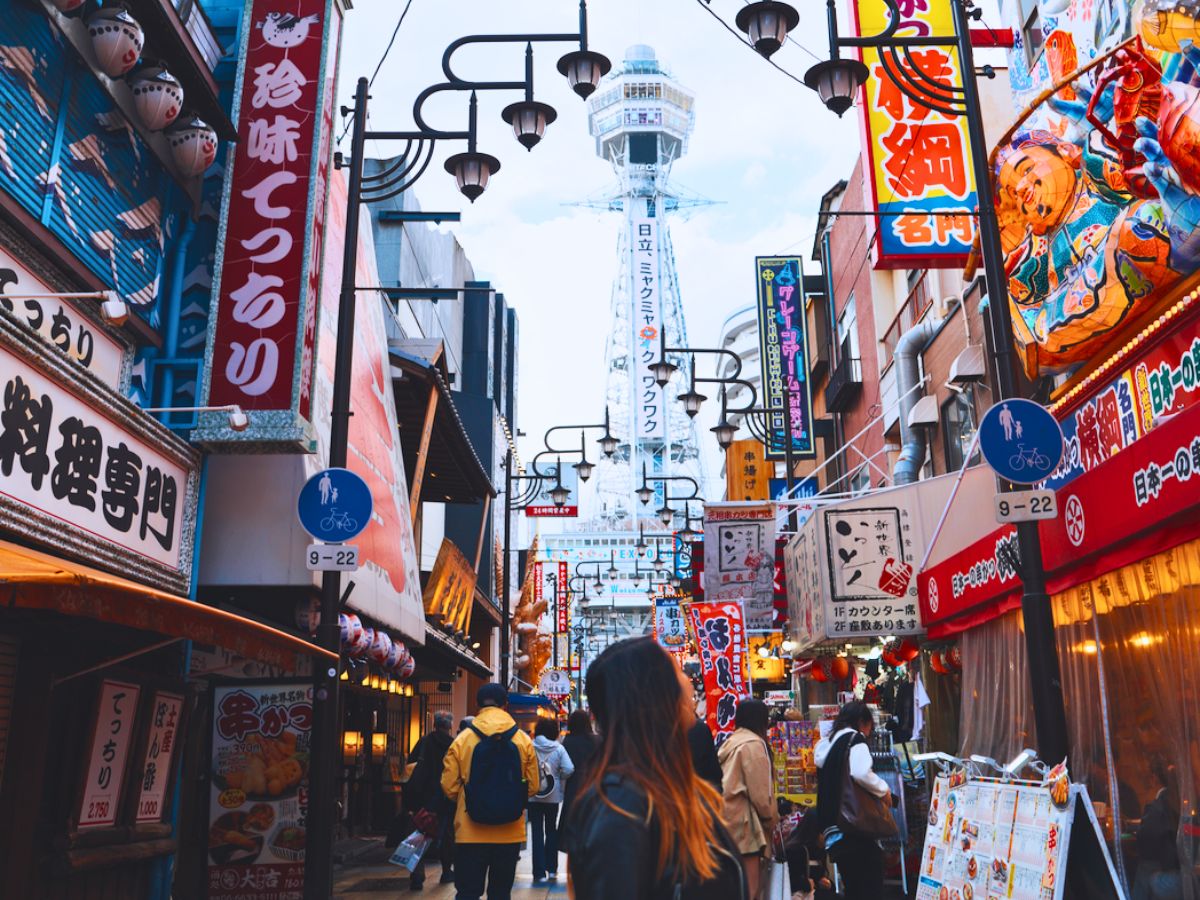
When you look at a map to plan your trip to Japan’s Kansai Region, you’ll probably circle Osaka and Kyoto first. But then your eyes will likely drift west to another famous name: Hiroshima. Travelling to the city and the iconic Miyajima Island is a goal for many travellers, as it lets them experience both the lively side of Kansai and the important history of the Hiroshima Peace Memorial Park.
The famous Shinkansen, or bullet train, makes connecting these places easy and fast. The only problem is, when you start looking up ticket prices for a round trip, the cost can be a real surprise—so much so that it often makes travellers rethink their plans.
But what if there was a way to make that exact journey for a fraction of the price? That’s where the Kansai-Hiroshima Area Pass comes in. Think of it as the smart traveller’s secret for unlocking this part of Japan without emptying your wallet. It’s a special ticket designed to make this amazing trip simple and, most importantly, affordable.
Let’s Plan Your Japan Trip Together
Thinking about visiting Japan but not sure where to begin? From hidden local spots to the big must-sees, we’ll put together a bespoke plan shaped around your interests, budget, and pace. You get the joy of travelling without the stress of endless research.
→ Start Building My Personalised Japan Itinerary
What is the Kansai-Hiroshima Area Pass?

So, what exactly is this pass? Put simply, the Kansai-Hiroshima Area Pass is a flat-rate ticket offered by the JR West train company specifically for foreign tourists. It gives you five straight days of unlimited travel on a set route.
Its main purpose is to solve one big travel problem: making the popular but expensive long-distance journey between the Kansai region (Osaka, Kyoto, etc.) and the Hiroshima area much, much cheaper. Instead of buying individual tickets, you have one pass that covers the whole trip.
How much does the Kansai-Hiroshima Area Pass cost?

Let’s talk about the price, because this is where the real value of the pass starts to become clear.
The Kansai-Hiroshima Area Pass has a straightforward fixed price. As of 2025, the cost is:
- Adults (12 years old and over): ¥17,000
- Children (6 to 11 years old): ¥8,500
You can buy the pass online before your trip, which is usually the easiest option, or you can purchase it after you arrive in Japan.
A quick tip for families: up to two toddlers (aged 1 to 5) can travel with an adult or child pass holder completely free of charge! The only condition is that they sit on your lap and don’t take up their own reserved seat.
Now, ¥17,000 might sound like a lot, but stick with us. When you see that a single standard round-trip Shinkansen journey from Osaka to Hiroshima costs almost the same, you’ll see how this pass can save you a serious amount of money.
Travelling as a family? We have the perfect, kid-friendly itinerary for you:
Kansai-Hiroshima Pass Map and Coverage: Where Can You Go?
This is where you can really start planning your adventure. The map below shows you exactly how much ground you can cover with this pass, and it’s the best way to visualise the kind of trip you can have.

As you can see, the pass creates a fantastic route heading west from the main Kansai cities, with the Sanyo Shinkansen being your fast track connecting everything together.
This layout makes the pass perfect for a multi-city trip where you stay in different places along the way. Alternatively, you can set up a “home base” in a city like Osaka or Kyoto and use the pass to take some long-distance day trips to places like Himeji, Okayama, or Hiroshima, without ever having to pack your suitcase.
Kansai-Hiroshima Pass Destinations at a Glance
The best thing about this pass is the sheer variety of places it puts within your reach. One day you can be in a bustling modern city, and the next, a quiet historical town. Let’s take a quick tour of the highlights along the route.
Kansai Hubs

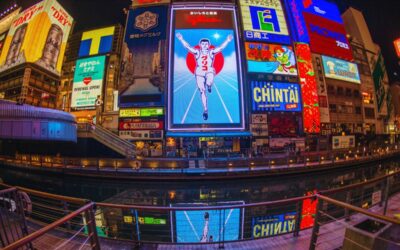
Your journey will start in Kansai, a region packed with world-famous cities. In Osaka, you can dive into the non-stop energy of areas like Dotonbori, with its giant neon signs and incredible street food—it’s known as Japan’s Kitchen for a reason!
Want to know all the fun things you can do in Osaka’s Namba and Shinsaibashi? We’ve got you covered:
A short train ride away is Kyoto, which has a completely different feel. It’s the cultural heart of Japan, where you can explore famous temples like the golden Kinkaku-ji or walk through the thousands of red gates at Fushimi Inari Shrine. There is so much to cover in Kyoto, but we’ve simplified everything for you in this guide:
The pass also covers Kobe, a stylish port city with a more international atmosphere, perfect for a walk along the harbour and, of course, a great place to try its world-famous beef.
Iconic Stopovers
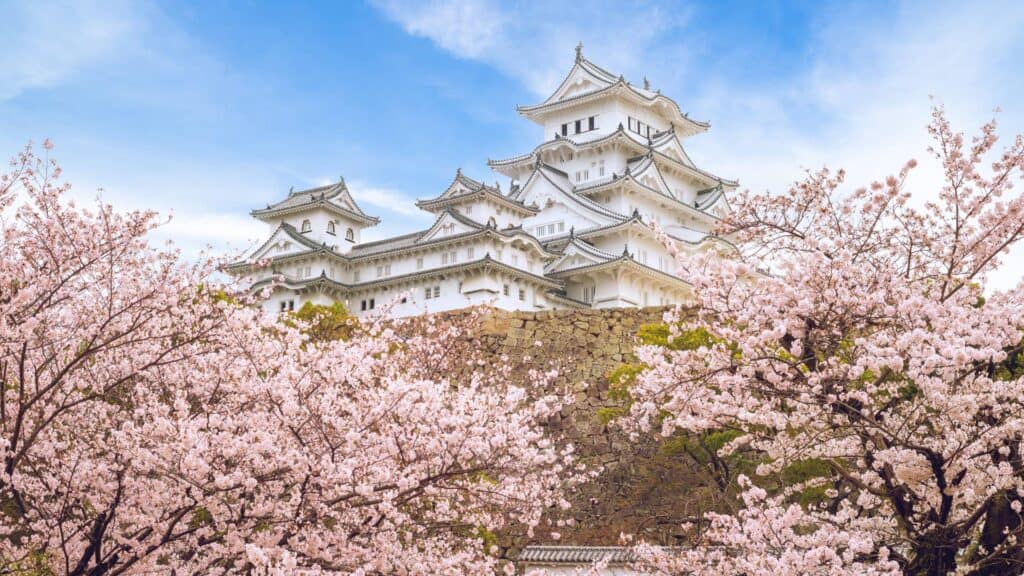
As you travel west from Kansai, the pass covers several must-see locations. First is Himeji, home to Japan’s most famous original castle. It’s an enormous, brilliant white structure, often called the “White Heron Castle,” that gives you a real sense of what Japan was like during the age of the samurai. Make sure you don’t miss any of Himeji’s sights with our guide:
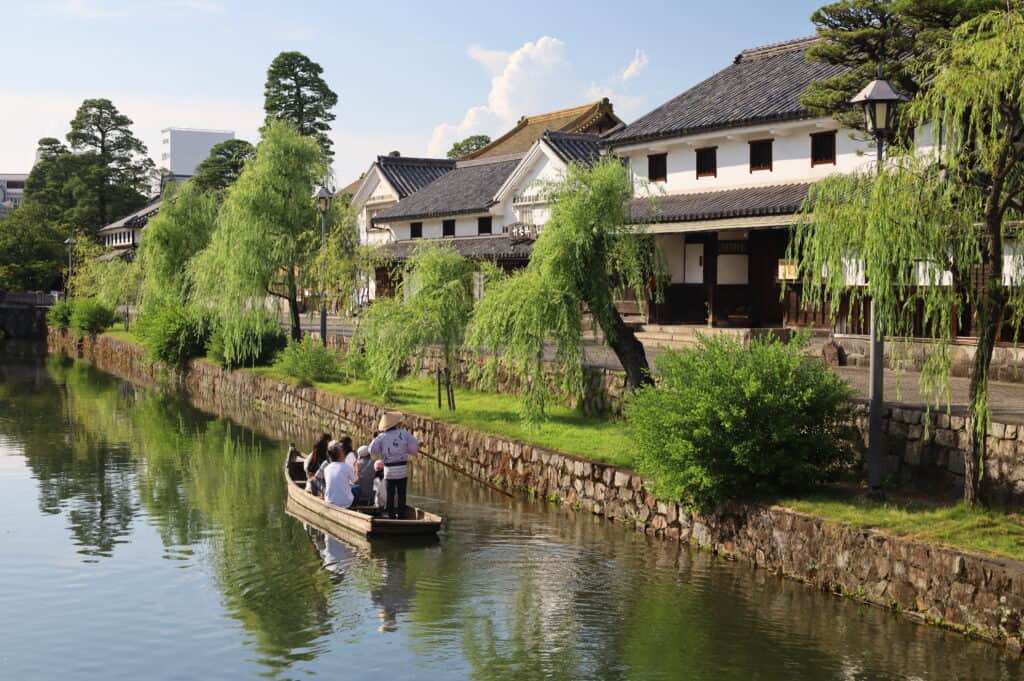
A little further on is Okayama, where you’ll find Korakuen, considered one of the three best landscape gardens in the entire country. Nearby is the charming town of Kurashiki, where you can explore the old Bikan Historical Quarter with its beautiful canals, traditional willow trees, and old storehouses that have been converted into interesting shops and cafes. Learn more about charming Okayama here:
The Main Event
The pass’s ultimate destination is, of course, Hiroshima. Here you can visit the Peace Memorial Park, a powerful and moving place of remembrance that includes the A-Bomb Dome and an excellent museum.
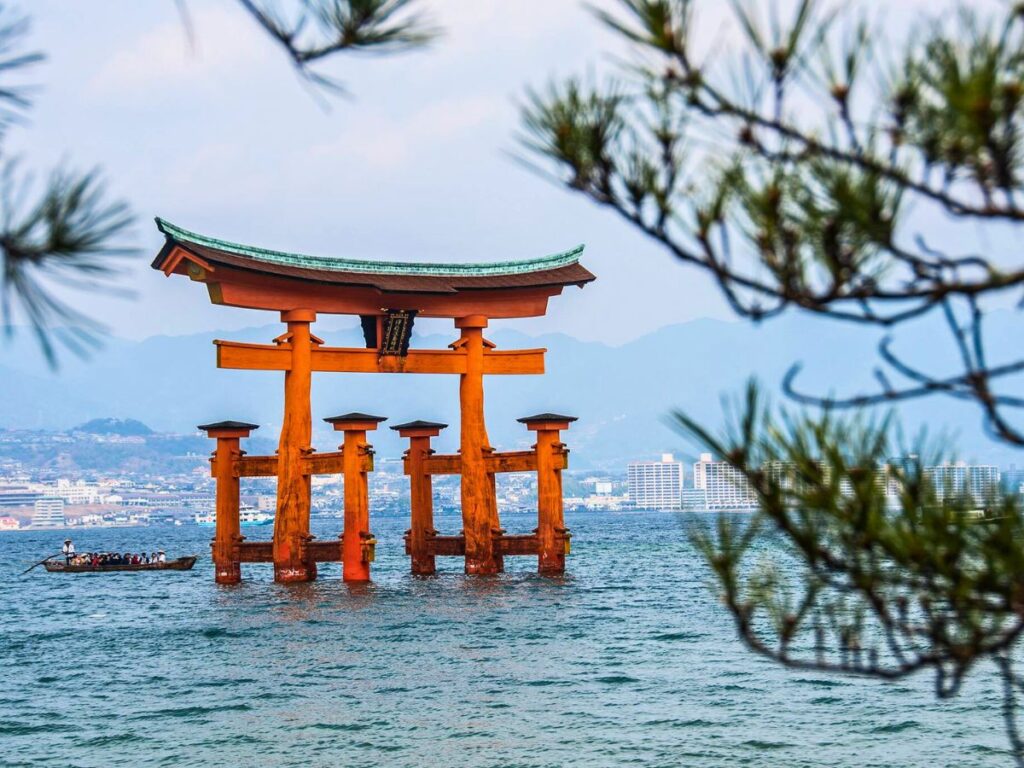
From Hiroshima, it’s a short train ride and a ferry trip to the beautiful Miyajima Island. The island is famous for Itsukushima Shrine and its iconic Grand Torii Gate, which at high tide looks as though it’s floating on the water. You’ll also get to meet the hundreds of friendly deer that wander freely around the town.
What Trains and Ferries Are Covered?
One of the best things about this pass is that it doesn’t limit you to slow local trains. You get access to some of JR’s fastest and most comfortable services, which makes covering those long distances easy and enjoyable.
Sanyo Shinkansen (Bullet Train)
This is the big one. The pass gives you unlimited rides on the bullet train line that runs between Shin-Osaka and Hiroshima. A huge benefit here is that you can use both the non-reserved cars and book reserved seats for free, which is perfect for securing your spot on popular services.
Limited Express Trains
For routes where the Shinkansen doesn’t go, you can use the speedy and comfortable Limited Express trains. This includes the very useful Haruka express, which is the easiest way to get from Kansai Airport to Osaka or Kyoto, as well as other services like the Kuroshio.
Local JR Trains
For all the shorter journeys—like hopping between Osaka and Kyoto, or exploring the smaller towns along the main route—the pass covers all the local, rapid, and special rapid JR West train lines within the designated area.
JR West Miyajima Ferry
Here’s a fantastic bonus. The pass doesn’t just cover trains; it also includes the JR ferry that takes you from the mainland to the beautiful Miyajima Island. It’s a great perk that saves you the cost and hassle of buying a separate ticket for one of the region’s top sights.
All this talk about trains and ferries got you confused? You need a crash course on Japanese transportation:
Important! What’s NOT Covered?
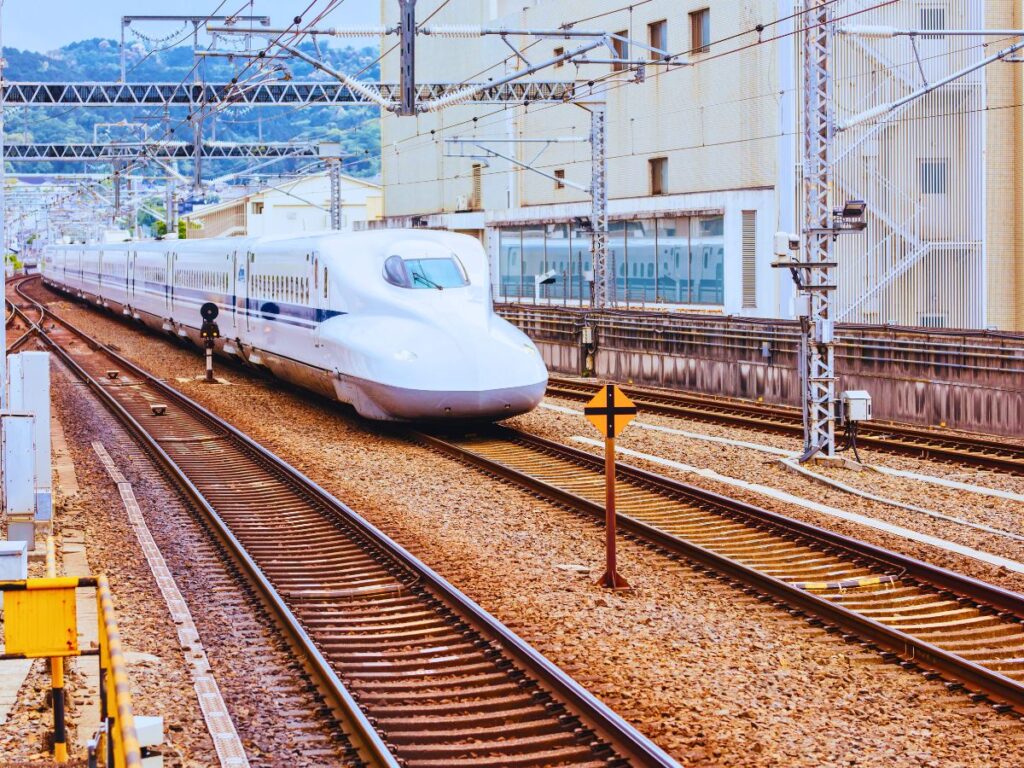
This is a really important section, so please read it carefully. Knowing the pass’s limits is the key to avoiding any surprise ticket costs during your trip.
The Shinkansen to Tokyo
The pass does NOT work on the Tokaido Shinkansen line. This is the Shinkansen that runs east from Shin-Osaka to Kyoto, Nagoya, and Tokyo. It’s run by a different JR company, so this pass is not valid on it.
The Shinkansen beyond Hiroshima
Your Shinkansen travel is limited to the route between Shin-Osaka and Hiroshima. The pass will NOT cover travel further west from Hiroshima towards Hakata (Fukuoka).
The Fastest Shinkansen Trains
While you can ride the bullet train, the pass does NOT work on the two fastest types, the “Nozomi” and “Mizuho” services. You’ll need to catch the “Sakura”, “Hikari”, or “Kodama” trains instead, which are all covered by your pass and run frequently on the same line.
Most City Buses & All Subways
This is a very common point of confusion. The pass is fantastic for travelling between cities, but it’s not designed for getting around inside them. It is NOT valid on city subway systems (like in Osaka, Kyoto or Hiroshima) or on most local city bus networks. You’ll need to use an IC card like an Icoca or pay separately for those journeys.
Is the Kansai-Hiroshima Area Pass Actually Worth It?
This is the big question, right? The honest answer is: it completely depends on your travel plans. For some people, this pass is a massive money-saver. For others, buying individual tickets is much cheaper.
So, let’s do the maths with current ticket prices to figure out if it’s the right choice for your trip.
Scenario 1: The “Absolutely Worth It” Trip
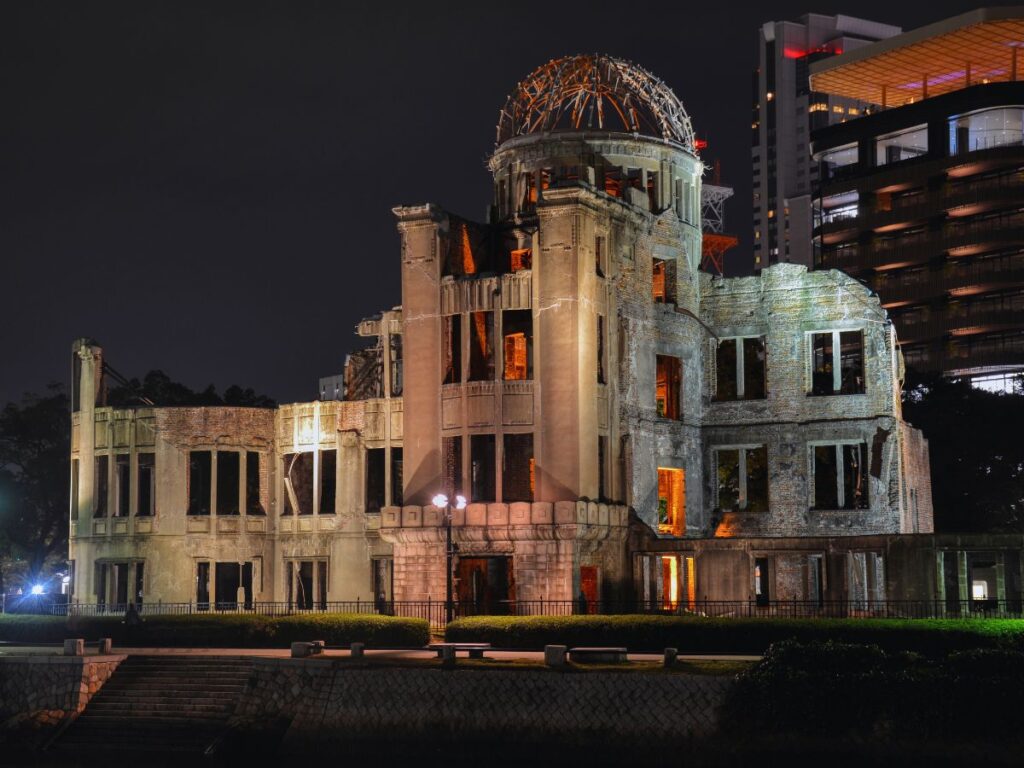
Let’s say your only big trip is a simple day trip from Osaka to Hiroshima and back.
- Round trip on the Shinkansen (non-reserved seat) from Shin-Osaka to Hiroshima: approx. ¥19,780 (¥9,890 one way)
- Kansai-Hiroshima Area Pass Cost: ¥17,000
Verdict: In this case, the pass is already almost ¥3,000 cheaper than buying the tickets separately. This means any other travel you do over the five days—like getting to and from the airport or taking local JR trains around Kansai—is completely free. It’s a clear win.
Scenario 2: The “Ultimate Value” Trip
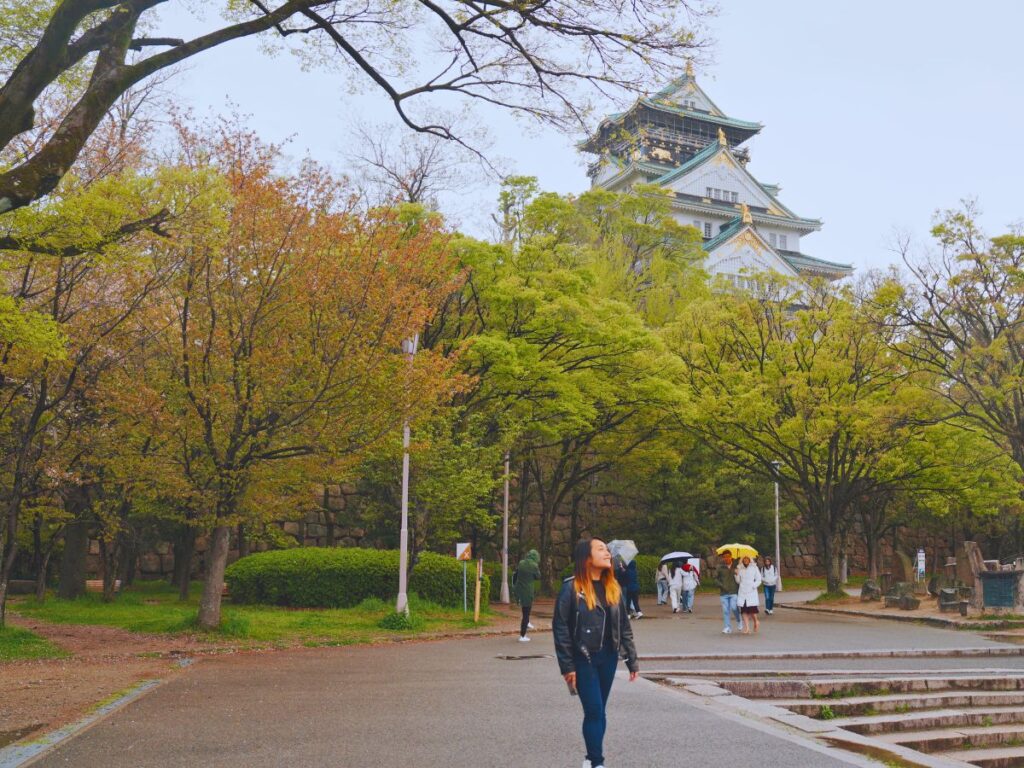
Imagine you want to make a few key stops over your five days.
- Day 1: Kansai Airport to Shin-Osaka (Haruka Express discount ticket): approx. ¥1,800
- Day 2: Day trip from Shin-Osaka to Himeji (Shinkansen): approx. ¥6,440 (round trip)
- Day 3: Day trip from Shin-Osaka to Hiroshima & Miyajima (Shinkansen + Ferry): approx. ¥20,620 (round trip)
- Total Individual Ticket Cost: approx. ¥28,860
- Kansai-Hiroshima Area Pass Cost: ¥17,000
Verdict: By using the pass for this itinerary, you would save around ¥11,860. You’re getting a huge portion of your travel for free. This is exactly the kind of traveller the pass is designed for.
Scenario 3: The “Definitely Not Worth It” Trip

Now, let’s say your plan is to stay only within the main Kansai cities for five days.
- Round trip from Osaka to Kyoto on a local JR train: approx. ¥1,160 (¥580 one way)
- Round trip from Osaka to Nara on a local JR train: approx. ¥1,680 (¥840 one way)
- Total Individual Ticket Cost: approx. ¥2,840
Verdict: If you are only making these short, local trips, you would spend less than ¥3,000 on tickets. Buying the ¥17,000 pass in this situation would be a huge waste of money. You are much better off just buying single tickets as you go.
Kansai-Hiroshima Pass vs. Other JR Passes
It’s easy to get the different JR passes mixed up, especially when their names sound so similar. They are all designed for very different types of travel, so picking the right one is key to getting the best value. Let’s compare the Kansai-Hiroshima Pass to its two closest relatives.
vs. The Kansai WIDE Area Pass
This is the most common source of confusion. The names are almost identical, but their main purpose is different.
Think of it like this: the Kansai-Hiroshima Area Pass is for taking one specific, long journey west. Its main feature is the expensive Shinkansen ride all the way to Hiroshima.
The Kansai Wide Area Pass, on the other hand, is for exploring the wider region around Kansai. It covers trips to fantastic places like the hot spring town of Kinosaki Onsen, the Tottori sand dunes, and goes as far as Okayama. However, it does not cover the Shinkansen from Okayama to Hiroshima.
If Hiroshima is your main goal, you need the Kansai-Hiroshima Pass. If you’d rather explore the diverse areas closer to Kansai, then the Kansai Wide Area Pass is your best bet.
For a complete breakdown, check out our detailed guide:
vs. The Kansai Area Pass
This comparison is much more straightforward.
The Kansai Area Pass is a much cheaper, shorter-duration pass (1-4 days) designed for travellers who are staying only within the main Kansai region. It covers local JR travel between Osaka, Kyoto, Kobe, Nara, and even goes to Himeji. It is perfect if you are not planning any long-distance Shinkansen trips.
The moment you want to take the Shinkansen west of Shin-Osaka to places like Okayama or Hiroshima, the Kansai Area Pass is no longer the right tool for the job.
If you’re planning on staying local, you can find our full guide here:
How to Buy and Use the Pass: A Simple Step-by-Step Guide
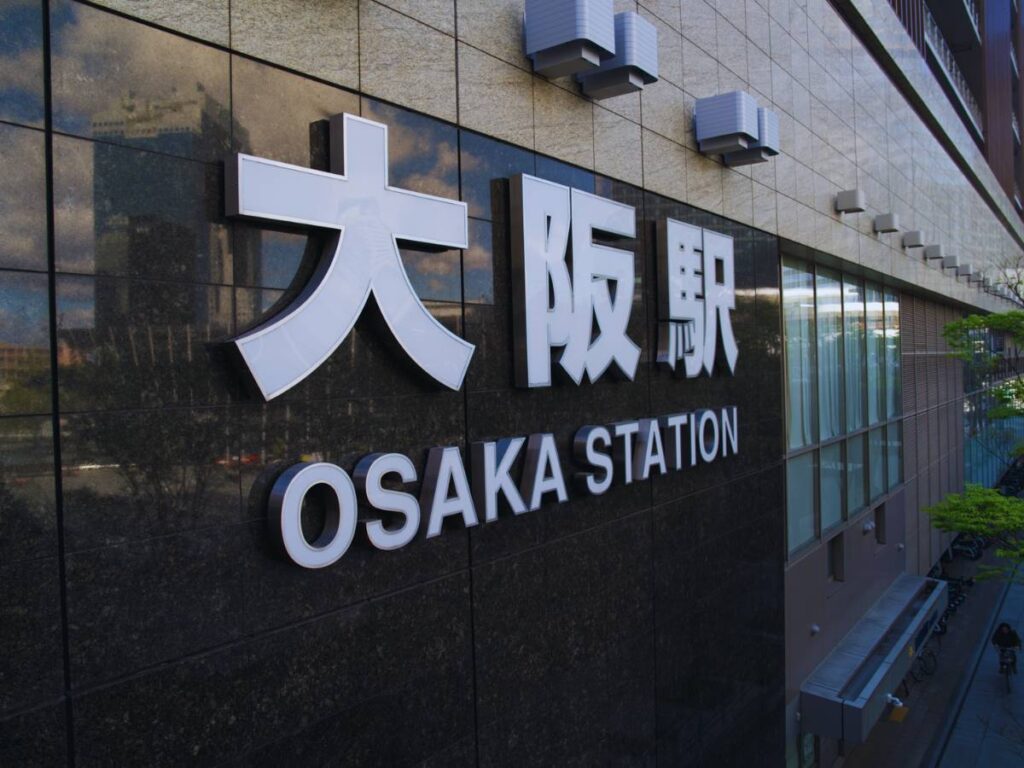
Getting your pass involves two main stages: purchasing it, and then picking up the physical ticket in Japan. The process is slightly different depending on where you buy it. Here are the three official methods based on the information from JR West.
Buying the Pass
Option 1: Buying from a Travel Agency Outside Japan
This is a popular method if you like to have your documents sorted before your trip.
- Step 1. Purchase an “Exchange Order”: Before you leave for your trip, you buy what is called an “exchange order” (also known as an MCO or E-TICKET) from an authorised travel agency in your home country. Please note that this exchange order must be swapped for the real pass within 3 months of being issued.
- Step 2. Exchange it in Japan: After you arrive in Japan, take your exchange order and your passport to a designated exchange location (like a JR Ticket Office). You will need to fill out a short application form to receive your physical Kansai-Hiroshima Area Pass.
Option 2: Buying on the Official JR-WEST Website
You can also purchase your pass directly from the railway company online.
- Step 1. Purchase Online: You reserve and pay for your pass on the JR-WEST ONLINE TRAIN RESERVATION website. Payment must be made with a credit card at the time of booking (virtual or numberless cards are not accepted).
- Step 2. Receive Your Pass in Japan: To pick up your pass from a station ticket machine or ticket office, you must have all four of the following items:
- Your reservation number.
- The 4-digit identification number you set during booking.
- The exact same credit card you used to pay.
- Your passport.
- An important note: To get your pass from a ticket machine, your passport must have an IC chip. If it doesn’t, you will need to go to a manned ticket office to collect it.
Option 3: Buying from a Travel Agency in Japan
If you prefer to wait until you arrive, you can also purchase the pass from a designated travel agency within Japan. You can buy the pass up to one month before the date you plan to start using it.
Using the Pass
After you’ve completed one of the methods above and have the physical ticket, using it is easy.
- Using the Ticket Gates: Simply insert your pass into the ticket slot on the automatic gate, walk through, and pick it up as it comes out on the other side.
- Reserving Seats: Your pass includes free seat reservations on the Shinkansen and other express trains. We highly recommend doing this for long journeys. You can reserve seats at the English-language ticket machines or by speaking to staff at any JR Ticket Office.
Sample 5-Day Itinerary Making the Most of the Pass
To show you just how much value you can get, here’s a sample 5-day plan that uses the pass to its full potential. For this example, we’ll use Osaka as a “home base,” but it works just as well if you’re staying in Kyoto.
Day 1: Arrival at Kansai Airport & Osaka Exploration

Once you’ve picked up your physical pass at Kansai Airport (KIX), your trip begins immediately. Hop on the Haruka Limited Express train for a smooth ride into the city. After dropping off your bags, you can use the pass on the local JR Osaka Loop Line to start exploring neighbourhoods like Osaka Castle or the vibrant nightlife of Tennoji.
- Pass Value Used: approx. ¥1,800
Day 2: The Big Trip to Hiroshima & Miyajima

This is the day the pass truly pays for itself. Take a morning Shinkansen from Shin-Osaka all the way to Hiroshima. Spend your time at the Peace Memorial Park before taking a short local JR train and the included JR Ferry over to Miyajima Island to see the famous floating torii gate. After a full day, take the Shinkansen all the way back to Osaka.
- Pass Value Used: approx. ¥20,620
Day 3: Himeji Castle & Kobe
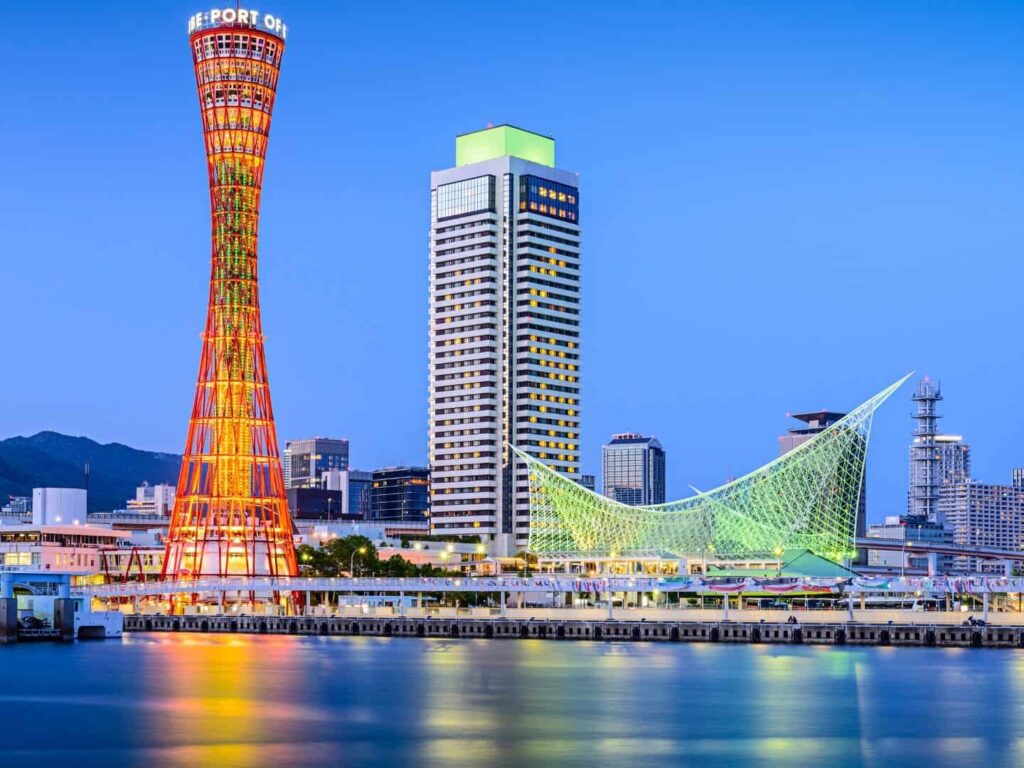
Spend the morning exploring Himeji Castle, Japan’s best-preserved feudal castle, and the Kokoen Garden right next to it. In the afternoon, take a short JR train ride over to the port city of Kobe. You can walk along the harbourfront, check out Chinatown, and try some of the famous Kobe beef for dinner before the easy train ride back to Osaka.
- Pass Value Used: approx. ¥4,630
Days 4 & 5: Flexible Day Trips
Your last two days offer a lot of flexibility. You can choose to take another long-distance day trip or focus on shorter, more local journeys.
For example, you could use the Shinkansen again to visit Okayama & Kurashiki to see Korakuen Garden and the city’s historic canals.
For a more local journey, you could head south of Kyoto to Uji & Nara to experience the town known for green tea before meeting the deer in Nara Park. These places may be nearer to your Osaka base, but they’re just as exciting:
Another option is to travel east towards Lake Biwa, Japan’s largest lake, exploring cities like Otsu or Hikone
- Pass Value Used (for two sample day trips like Okayama/Kurashiki and Uji/Nara): approx. ¥12,720
Total Itinerary Value
By following a plan like this, you can see how the savings add up quickly.
- Total Cost of Individual Tickets: approx. ¥39,770
- Kansai-Hiroshima Area Pass Cost: ¥17,000
- Your Total Savings: A massive ¥22,770!
Kansai-Hiroshima Pass FAQs

Can I use the pass to go to Tokyo?
No. This is a regional pass for western Japan. The Shinkansen line that runs from Shin-Osaka to Tokyo (the Tokaido Shinkansen) is a different route operated by a different company, so this pass is not valid on it.
Does the pass cover Nozomi or Mizuho Shinkansen trains?
No, it doesn’t. The pass does not cover the two fastest Shinkansen services, the “Nozomi” and “Mizuho”. You will need to catch the “Sakura”, “Hikari”, or “Kodama” Shinkansen services instead, which are all fully covered by your pass and run frequently on the same line.
Is the ferry to Miyajima Island included?
Yes, it is! This is a great bonus. The pass fully covers the fare for the JR West Miyajima Ferry, which takes you from the mainland ferry port (near Miyajimaguchi Station) over to the island.
Do I need to carry my passport when using the pass?
Yes, absolutely. The pass is only available to foreign tourists with “Temporary Visitor” status. You are required to have your passport with you at all times when using the pass, as a train conductor or station staff member may ask to see it to verify your eligibility.