Kyoto is a must-see for nearly everyone visiting Japan, from first-timers to those who have been several times, and for good reason. It’s the city people imagine when they think of classic Japan—a place packed with famous temples, shrines with thousands of red gates, and old districts where you can still feel the history.
But because there’s so much to see, figuring out how to structure your trip can be the hardest part. It’s easy to spend too much time just getting from one place to another.
That’s the whole point of this Kyoto area guide. It’s a simple, practical plan to help you see the best stuff without the stress. We’ve grouped sights by area to make them easy to visit, picked out some great food spots, and put together a few solid itineraries you can follow. The goal is to help you spend less time planning and more time actually enjoying your trip.
Travel Japan Your Way, Without the Hassle
Tired of juggling guidebooks, blogs, and endless tabs? We’ll take care of the details so you don’t have to. Our travel planner service creates a personalised Japan itinerary that matches your style — so you can spend less time planning and more time looking forward to the journey.
→ Find Out More About Our Japan Travel Planner
How to Get to Kyoto

Getting to Kyoto is straightforward, especially from Japan’s major entry points.
From Tokyo
The easiest and fastest way to travel from Tokyo to Kyoto is by the Shinkansen (bullet train). The journey is smooth and takes around 2 hours and 15 minutes on the fastest train (the Nozomi). You can catch it from Tokyo Station or Shinagawa Station, and it will take you directly to Kyoto Station. While there are cheaper options like overnight buses, the Shinkansen is the most convenient by far.
Travelling by Shinkansen and want to know if it’s worth getting a JR Pass? Read our breakdown:
From Kansai International Airport (KIX)
If you’re flying into the Kansai region, KIX is the main international airport. From there, you have two great options to get to Kyoto:
- The JR Haruka Limited Express Train: This is the quickest option. It’s a direct train that will get you from the airport to Kyoto Station in about 80 minutes. It’s comfortable and runs frequently.
- Airport Limousine Bus: This is another simple and direct option. The bus leaves from right outside the airport terminal and takes you to Kyoto Station and other major hotels. The trip takes about 90 minutes, depending on traffic, and is a good choice if you have a lot of luggage.
Kyoto’s Must-See Sights and Key Districts
Kyoto is a big city, and a good way to approach it is by exploring one area at a time. The eastern part of the city, often called Higashiyama, is where you’ll find many of the famous historical sites. It’s a great place to start your visit.
Eastern Kyoto
This area really gives you a feel for old Japan. You can easily spend a full day here wandering through temple grounds, old streets, and parks.
Fushimi Inari Shrine
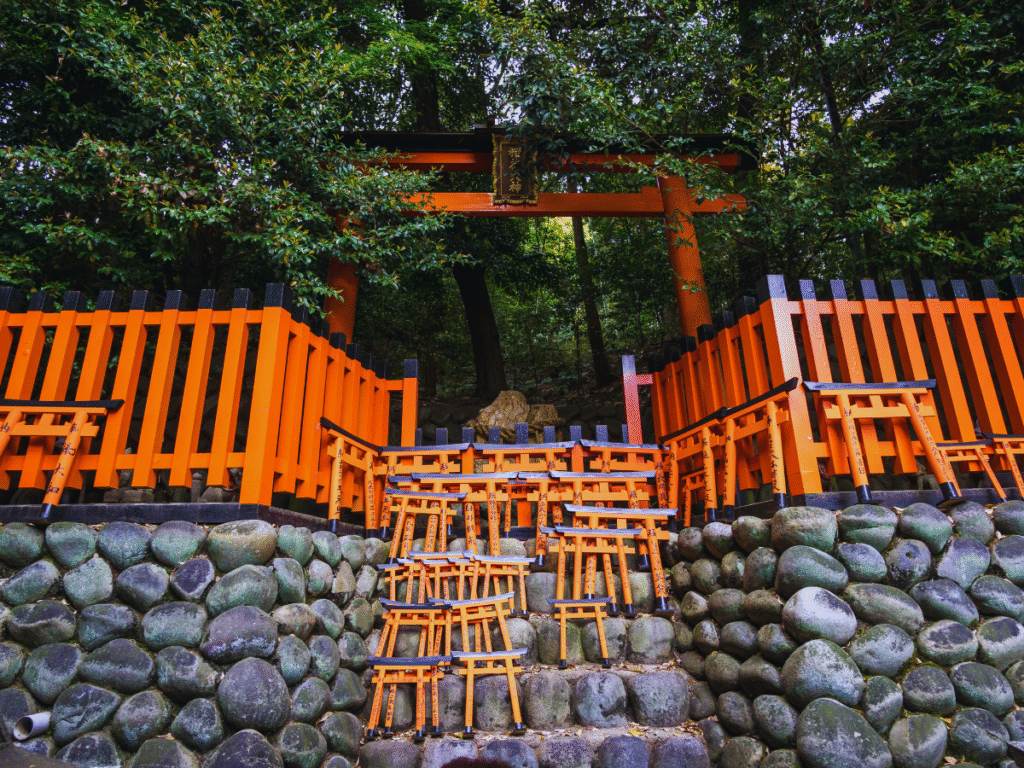
This is one of the most famous sights in Japan, known for the thousands of red torii gates that form walking paths up a mountain. The shrine is dedicated to Inari, the Shinto god of rice.
Want to school yourself in Japanese shrines before your visit? We’ve got just the guide for you:
The main path can get very crowded, but a good tip is to walk about 30 minutes up to the Yotsutsuji intersection. The crowds thin out, and you get a great view of the city. The shrine itself is always open, so you can even visit early in the morning or in the evening.
Address: 68 Fukakusa Yabunouchicho, Fushimi Ward, Kyoto, 612-0882
Our local Kyoto experts recommend this route for a visit to Fushimi Inari:
Kiyomizu-dera Temple

This popular temple is located on the side of a hill and is a UNESCO World Heritage site. Its main hall features a large wooden stage that was built entirely without nails. Just below the hall is the Otowa Waterfall, where three streams of water fall into a pond. Visitors can drink from the streams, which are said to grant health, longevity, and success.
Address: 1 Chome-294 Kiyomizu, Higashiyama Ward, Kyoto, 605-0862
Gion District
Gion is Kyoto’s most famous geisha district, where you can experience the city’s traditional atmosphere, especially in the evening. The main area to see is Hanamikoji Street, which is lined with well-preserved wooden machiya houses that now serve as restaurants and teahouses (ochaya).
Nearby, running parallel to the Kamogawa River, is Pontocho Alley. It’s a narrow, atmospheric lane packed with places to eat and drink.
Address: Gionmachi, Higashiyama Ward, Kyoto, 605-0074
Kyoto is the perfect place to truly connect with Japanese culture. Reading about it is one thing, but experiencing it first-hand is unforgettable. From tea ceremonies to craft workshops, we can help you find and book an authentic cultural experience for your trip.
→ Browse and Book Cultural Experiences in Japan
Sannenzaka and Ninenzaka
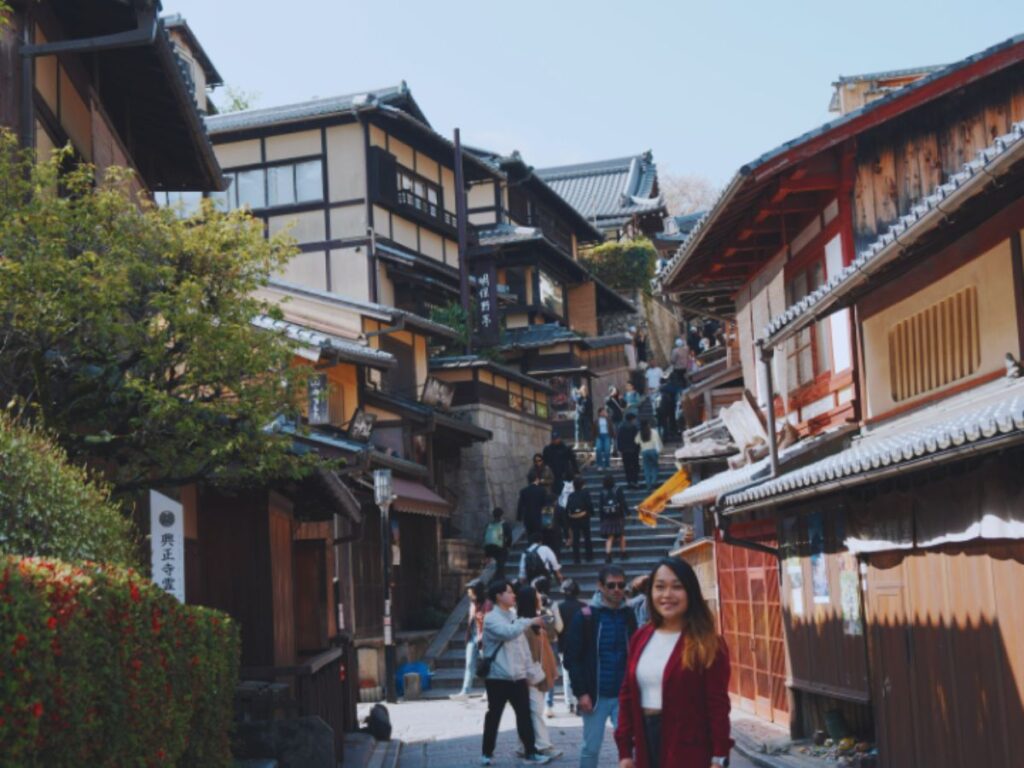
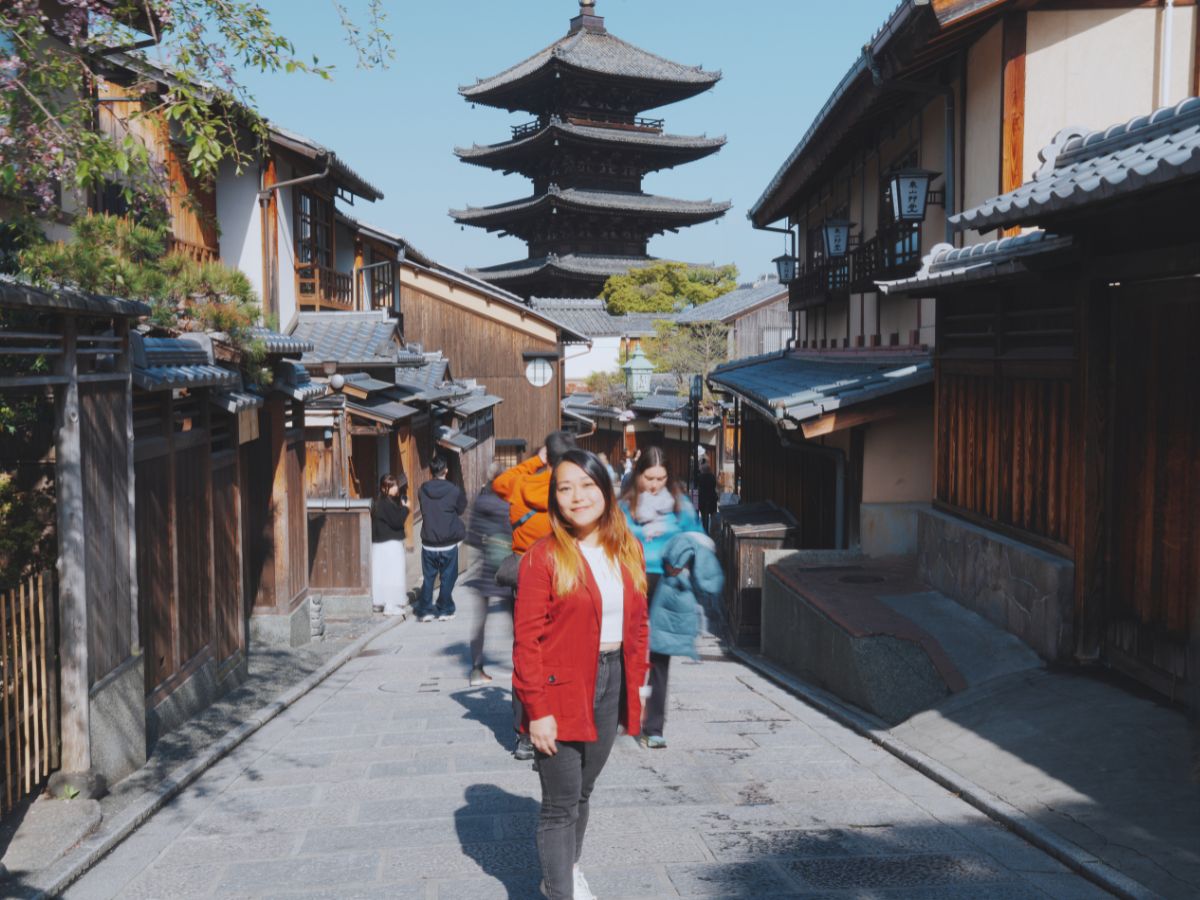
These two connected streets are the historical heart of the Higashiyama district. Sannenzaka (Three-Year Slope) and Ninenzaka (Two-Year Slope) are gently sloping, stone-paved pedestrian lanes that have been beautifully restored to look as they did centuries ago.
The streets are lined with traditional wooden buildings housing a variety of shops, restaurants, and teahouses. You can find local specialities like Kiyomizu-yaki pottery, yatsuhashi cinnamon-flavoured sweets, and high-quality matcha.
More about these streets (and what they have to do with bad luck!) here:
Yasaka Shrine
Located at the eastern end of the busy Shijo Avenue in Gion, Yasaka Shrine is one of Kyoto’s most important and accessible shrines. The shrine is famous for hosting the Gion Matsuri, Japan’s most celebrated festival, which takes place every July. The shrine grounds are always open, making it a popular spot for an evening stroll.
Address: 625 Gionmachi Kitagawa, Higashiyama Ward, Kyoto, 605-0073
Maruyama Park
Directly behind Yasaka Shrine, Maruyama Park is the oldest public park in Kyoto and the city’s best spot for cherry blossom viewing. The park fills with food stalls and becomes the site of lively hanami (flower viewing) parties, where locals and visitors gather under the blossoms to eat, drink, and celebrate the arrival of spring.
Address: Maruyamacho, Higashiyama Ward, Kyoto, 605-0071
Western Kyoto
The western part of Kyoto is home to some of the city’s most recognised sights. This area is known for the Arashiyama district, with its famous bamboo forest, and the Golden Pavilion.
Arashiyama Bamboo Forest
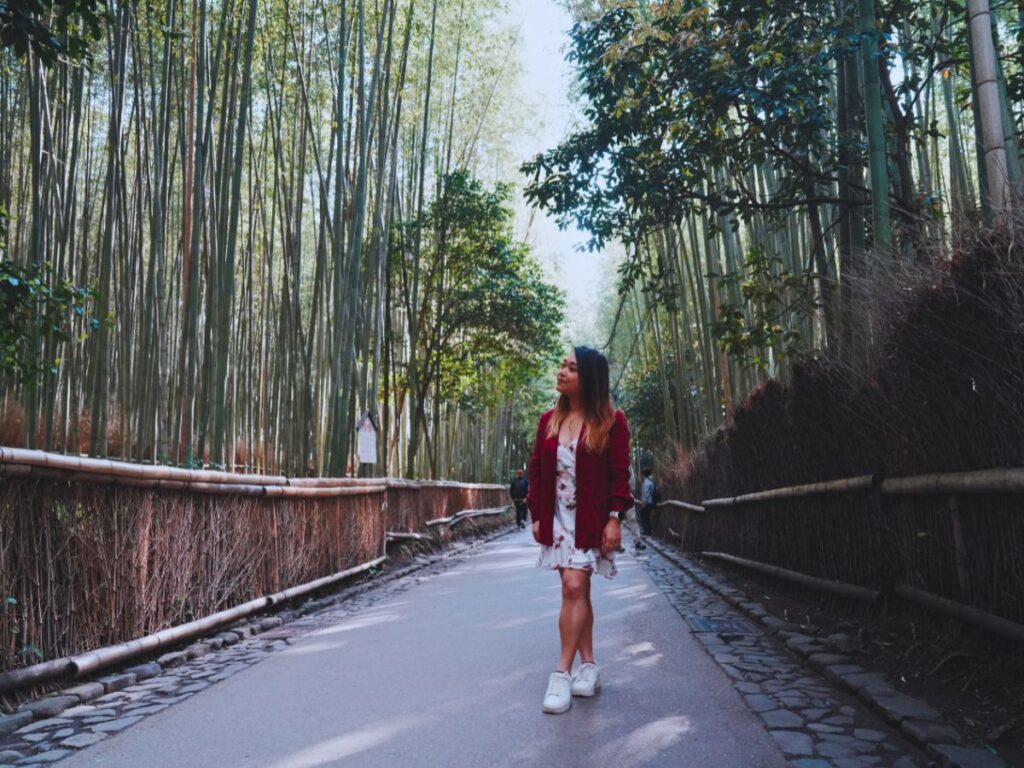
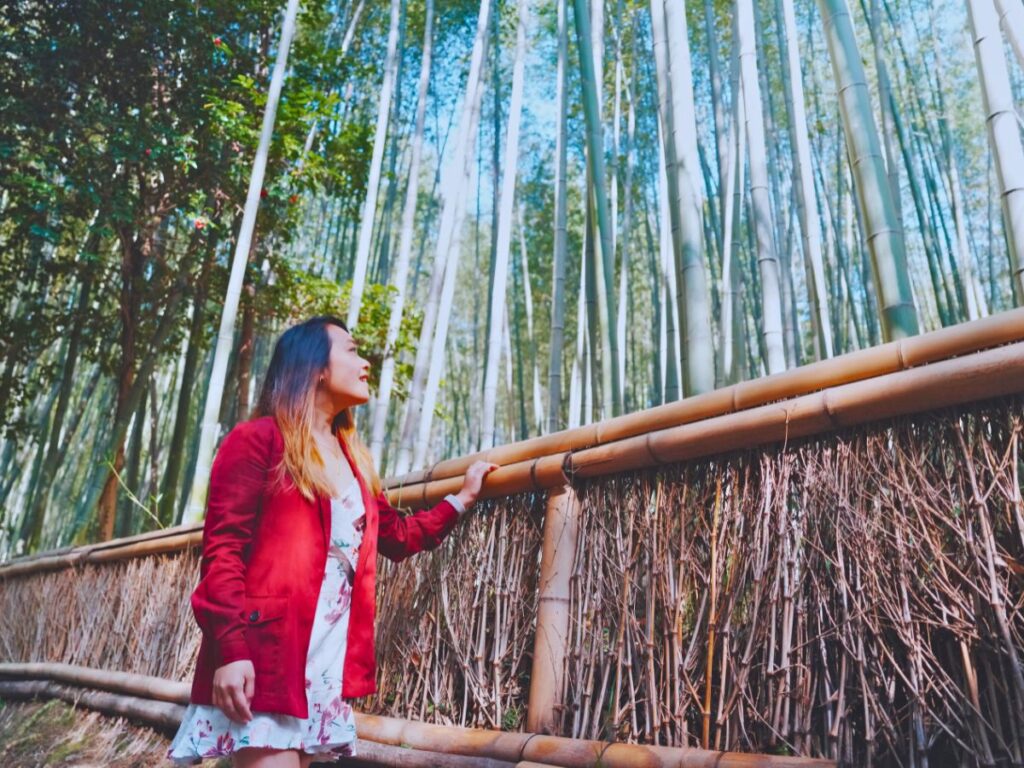
This is a well-known, large forest of bamboo stalks with walking paths running through it. The main path can get extremely crowded, so some travellers get to this spot first very early in the morning to experience it with fewer people. But guess what? We’ve got an even better trick for enjoying the Arashiyama area with lesser crowds:
Address: Sagaogurayama Tabuchiyamacho, Ukyo Ward, Kyoto, 616-8394
Tenryu-ji Temple
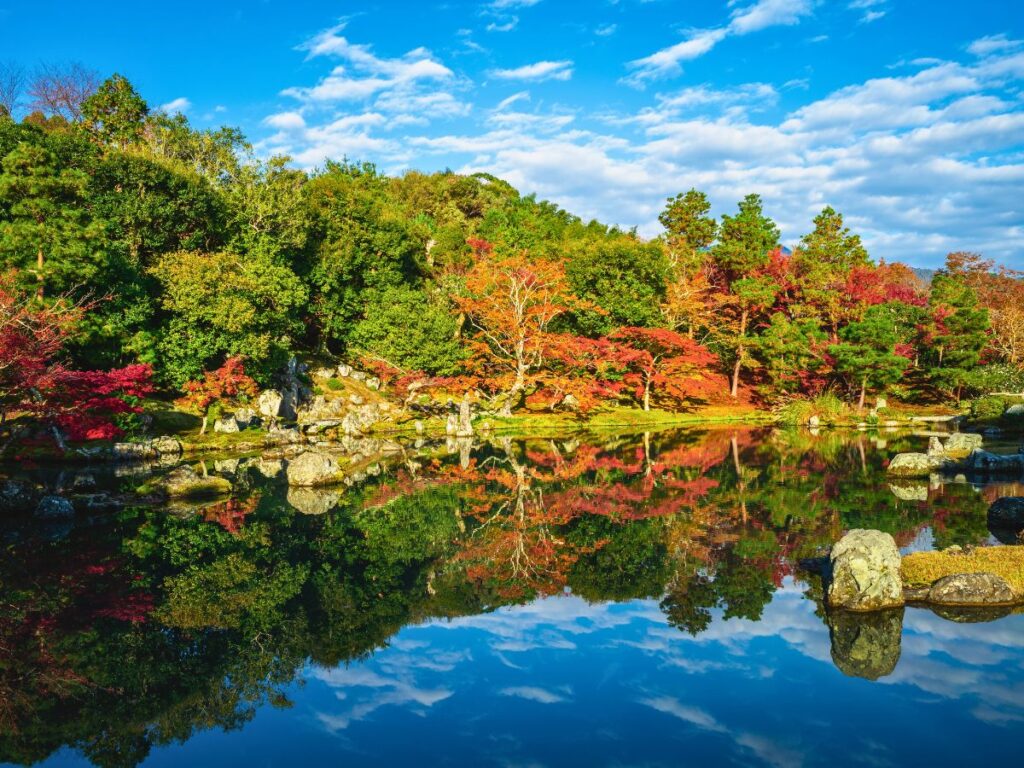
This is a major Zen Buddhist temple and a UNESCO World Heritage Site. Tenryu-ji is most famous for its large strolling garden, which was designed in the 14th century and keeps its original form. The garden cleverly uses the surrounding Arashiyama mountains as “borrowed scenery” to make the landscape feel larger than it is.
Address: 68 Sagatenryuji Susukinobabacho, Ukyo Ward, Kyoto, 616-8385
Togetsukyo Bridge
The Togetsukyo Bridge, whose name means “Moon Crossing Bridge,” is the main landmark of Arashiyama. The current 155-metre-long bridge was rebuilt in the 1930s but is designed to look like a traditional wooden bridge. It crosses the Hozu River and is a very popular spot for viewing cherry blossoms in the spring and colourful foliage in the autumn.
Address: Saga, Ukyo Ward, Kyoto, 616-8383
Arashiyama Monkey Park Iwatayama
Located on a mountainside, this park is home to a large troop of over 100 Japanese macaques (also known as snow monkeys) that roam freely. To reach the main area, you have to walk up a hill for about 20 minutes.
At the top, there is an open area where you can observe the monkeys up close, and from inside a protected hut, you can buy food to feed them. The summit also offers an excellent view across the entire city of Kyoto.
Address: 61 Arashiyama Nakaoshitacho, Nishikyo Ward, Kyoto, 616-0004
Got a soft spot for cute monkeys? So do we! That’s why we made sure this group trip includes a visit to Nagano’s snow monkeys:
Otagi Nenbutsuji Temple
This Buddhist temple is located a bit further into Arashiyama, making it much quieter than the main sights. It’s famous for its collection of 1,200 unique stone statues of rakan (disciples of Buddha).
What makes them special is that they were carved in the 1980s by amateurs from across Japan, under the guidance of a sculptor. As a result, each statue has a different and often modern, humorous expression.
Address: 2-5 Sagatoriimoto Fukatanicho, Ukyo Ward, Kyoto, 616-8439
We’ve got everything you need to know for a visit to Otagi Nenbutsuji here:
Adashino Nenbutsuji
This is another Buddhist temple located in a quiet, forested area. Historically, this region was a place where people left the bodies of the dead. The temple founder later gathered thousands of the stone statues and stupas that had been scattered across the area to memorialise the souls of those who died without a proper burial.
Address: 17 Sagatoriimoto Adashinocho, Ukyo Ward, Kyoto, 616-8436
Kinkaku-ji (The Golden Pavilion)
Officially named Rokuon-ji, this Zen Buddhist temple is one of the most famous buildings in Japan. It was originally the retirement villa of a shogun and was converted into a temple after his death.
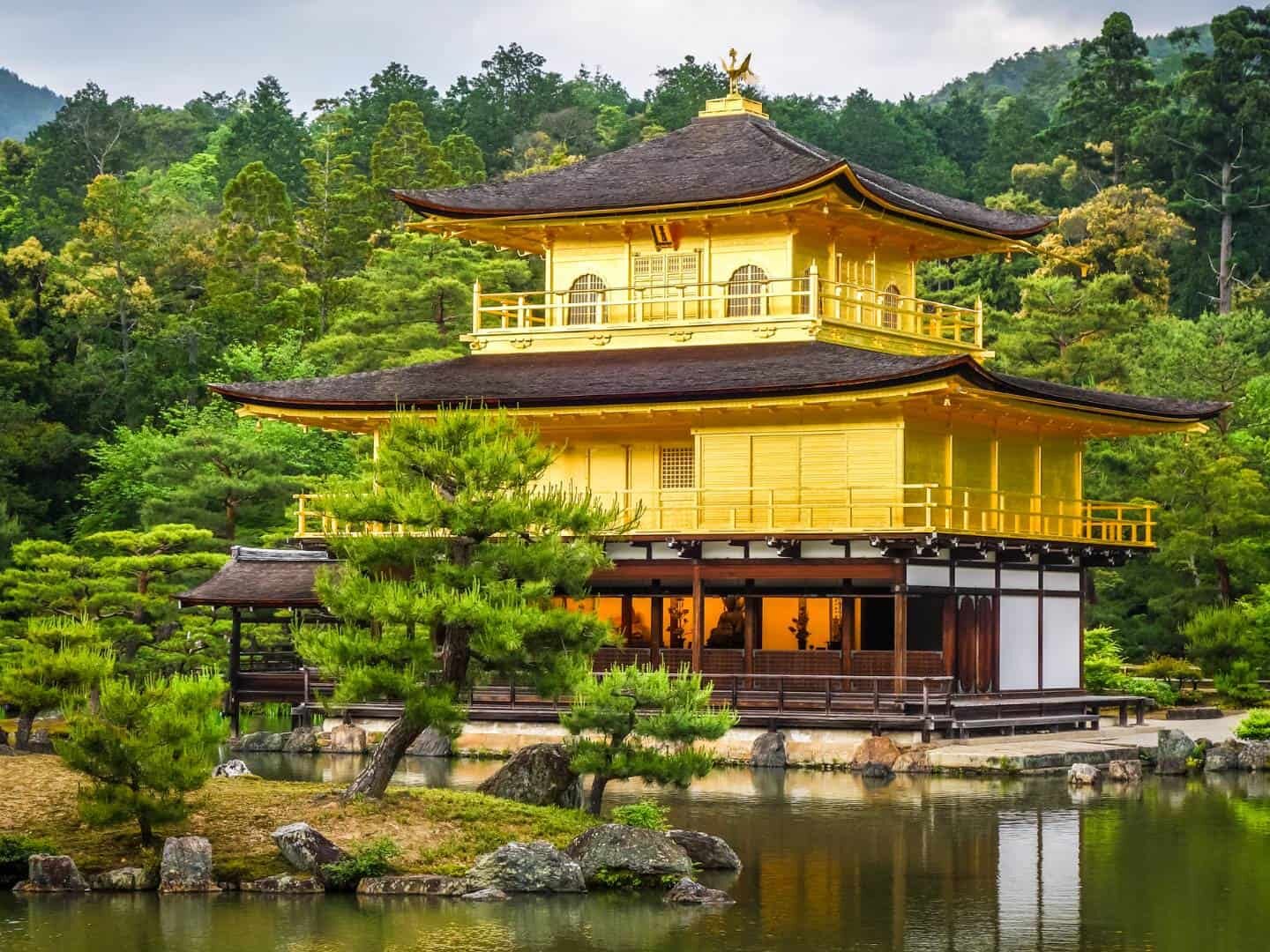
The current structure is a perfect reconstruction from 1955, after the original was destroyed by fire. Its top two floors are completely covered in gold leaf, and each of the three floors is built in a different architectural style. The temple sits next to a large pond, which beautifully reflects its golden image.
Address: 1 Kinkakujicho, Kita Ward, Kyoto, 603-8361
Yes, being literally dripped in gold alone makes Kinkaku-ji interesting, but there’s so much more to love about this temple:
Northern Kyoto:
The northern part of Kyoto is more spread out and offers a chance to get away from the main city crowds. It’s an area defined by mountains, ancient forests, and large temple complexes, perfect for a day trip focused on nature and spirituality.
Kifune Shrine
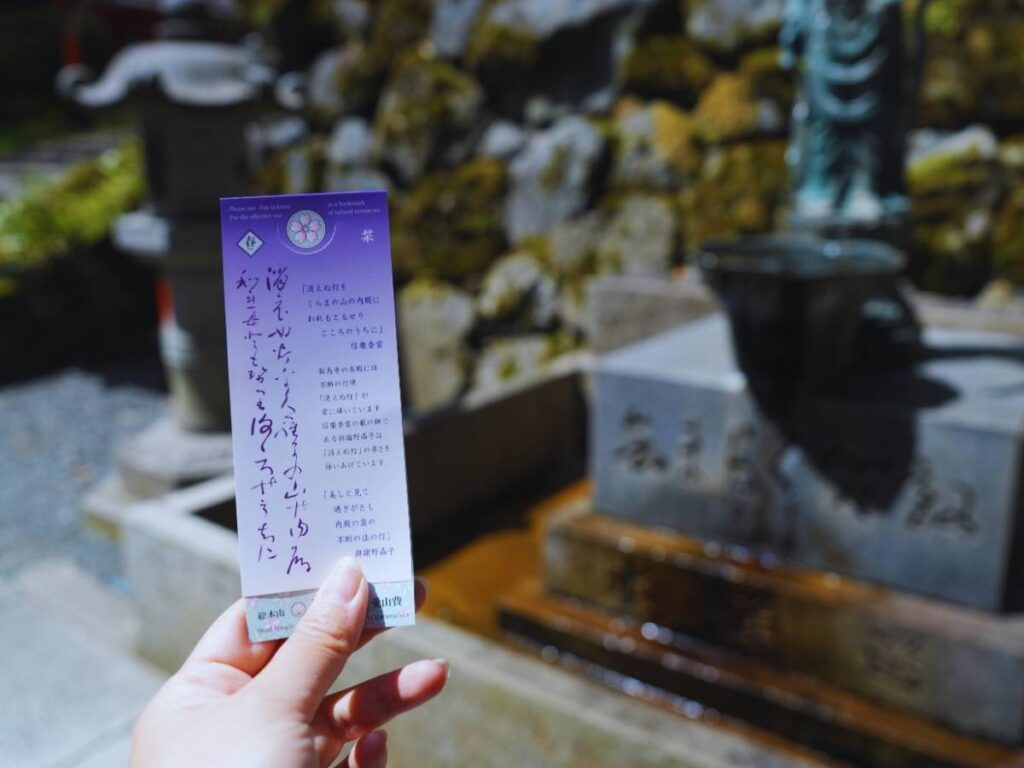
This shrine is dedicated to the god of water and rain and is the head shrine for hundreds of similar shrines across Japan. Kifune Shrine is famous for its long stone staircase lined with red wooden lanterns, which creates a very memorable approach. A unique thing to do here is to get a mizu-ura mikuji, which is a paper fortune. The slip is blank when you receive it, but when you place it in the sacred water on the shrine grounds, your fortune appears on the paper.
Address: 180 Kuramakibunecho, Sakyo Ward, Kyoto, 601-1112
Kurama Temple
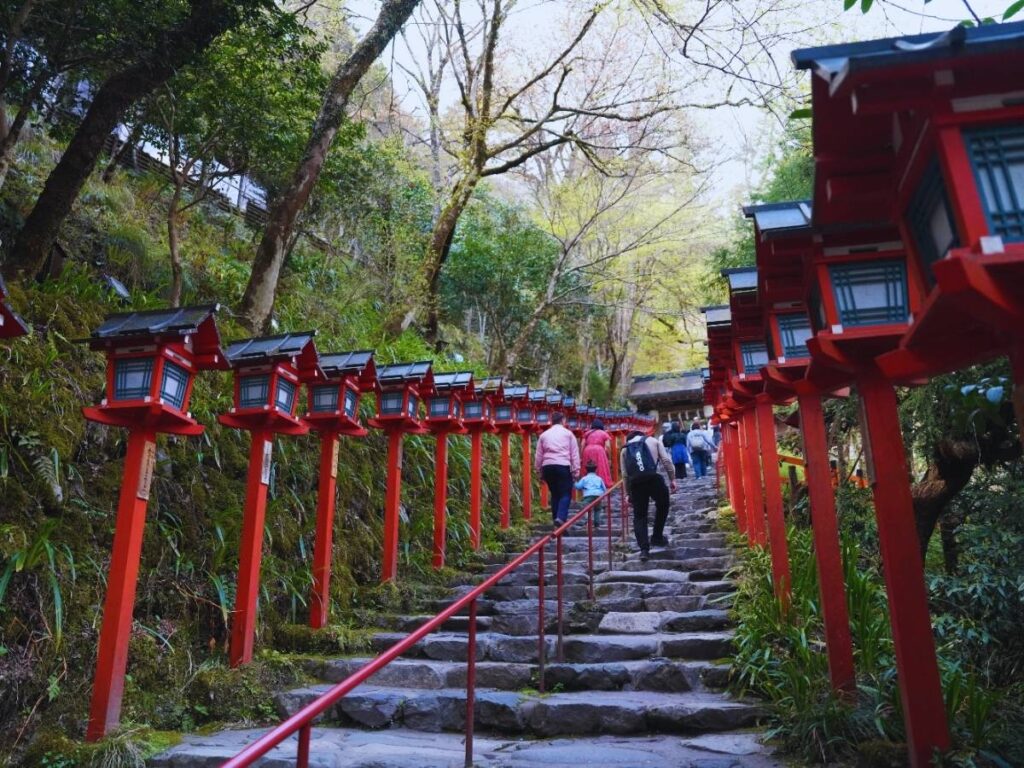
Kurama Temple is a large Buddhist temple located on the steep, wooded slopes of Mount Kurama. The temple’s main buildings are high up the mountain, and you can either hike up from the village or take a short cable car part of the way.
Address: 1074 Kuramahonmachi, Sakyo Ward, Kyoto, 601-1111
Kifune and Kurama are connected by a popular hiking trail and are best explored together as a full-day trip. We tried the hike and it was lovely:
Shimogamo Shrine
One of the oldest and most important shrines in the city, Shimogamo Shrine is a UNESCO World Heritage Site. It’s located within the Tadasu no Mori, a large forest with trees that are up to 600 years old. The shrine is dedicated to the guardian deities of Kyoto.
Within the grounds, you can also visit Kawai Shrine, a smaller shrine dedicated to the god of beauty. Here, you can get a unique mirror-shaped wooden tablet (ema) and draw your own face on it to pray for beauty.
Address: 59 Shimogamo Izumigawacho, Sakyo Ward, Kyoto, 606-0807
Read our complete guide to Shimogamo Shrine and the larger Tadasu no Mori before visiting the area:
Daitokuji Temple
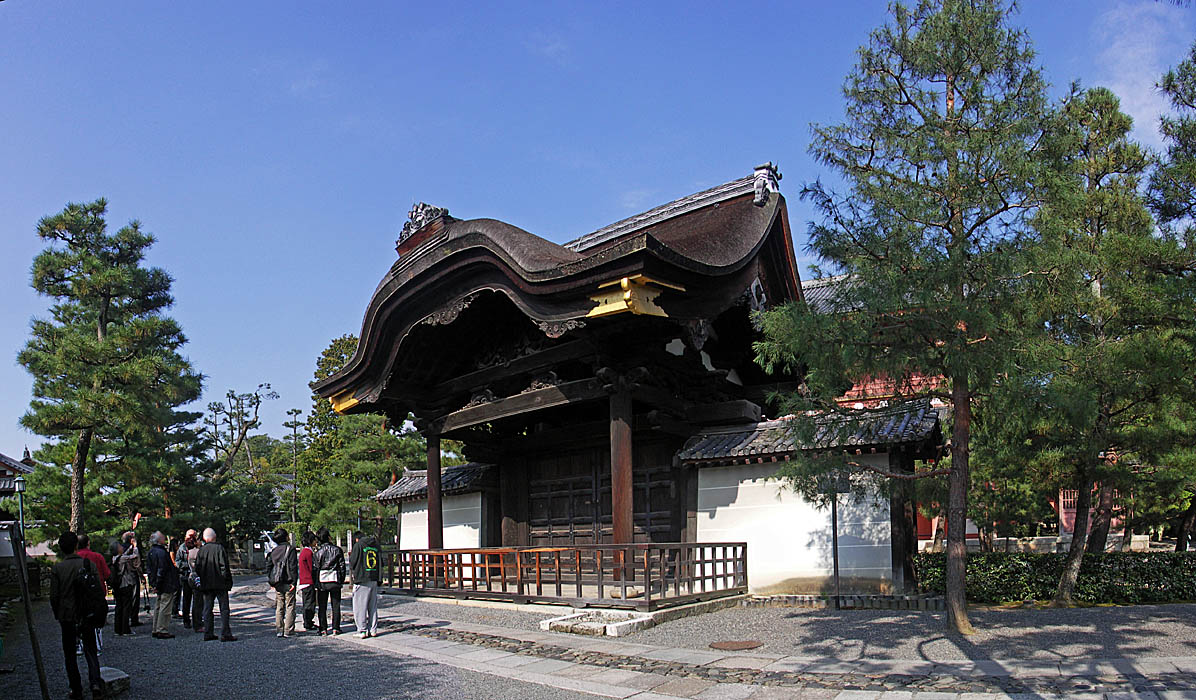
Daitokuji is not a single building, but a large, walled complex of Zen temples. It is one of the main centres of the Rinzai school of Zen Buddhism in Japan. You can walk freely through the main grounds, but the real highlights are the numerous sub-temples contained within the walls.
Many of these have their own entrance fees and feature different styles of Japanese gardens, including some of the most famous rock gardens in the country. It’s a quiet, less-visited complex where you can get a deep look into Zen culture.
Address: 53 Murasakino Daitokujicho, Kita Ward, Kyoto, 603-8231
Central Kyoto
Central Kyoto is the modern heart of the city, where you’ll find major shopping streets, train stations, and a more contemporary feel. But even here, history is right around the corner with important shrines and markets that have been running for centuries.
Nishiki Market

Often called “Kyoto’s Kitchen,” Nishiki Market is a long, narrow, covered street that stretches for five blocks. It’s packed with over a hundred small shops and stalls selling all kinds of local food.
You can find fresh seafood, Kyoto’s famous pickled vegetables (tsukemono), traditional sweets, and ready-to-eat snacks like grilled eel skewers and rolled omelettes (dashimaki tamago) on a stick. It’s a lively place, busy with both locals doing their daily shopping and tourists sampling the food.
Address: 609 Nishidaimonjicho, Nakagyo Ward, Kyoto, 604-8054
We’ve got the ultimate Nishiki Market food guide for you:
Heian Shrine

Heian Shrine (or Heian Jingu) is a large and colourful Shinto shrine built in 1895 to celebrate the 1,100th anniversary of Kyoto’s founding. You’ll know you’re there when you see the giant, bright red torii gate, one of the largest in Japan.
The main buildings are a partial replica of the original Imperial Palace from the Heian Period (794-1185), painted in vivid vermilion. Behind the main hall is a large and beautiful garden, which is a popular spot for seeing weeping cherry blossoms in the spring.
Address: Okazaki Nishitennocho, Sakyo Ward, Kyoto, 606-8341
Find Your Way and Make a Friend in Japan
So many sights, so many neighbourhoods… figuring out where to go in Japan can feel overwhelming. That’s why exploring with a local makes all the difference. On our private walking tours, a local expert guides you through the hidden gems, authentic food, and culture that you’d struggle to find on your own.
→ Explore Our Private Walking Tours
Where to Stay in Kyoto
Choosing where to stay in Kyoto can shape your whole trip. You can go for a traditional Japanese inn (ryokan) for a full cultural experience, or a modern hotel for convenience and comfort. Here are a few highly-rated options.
Tawaraya
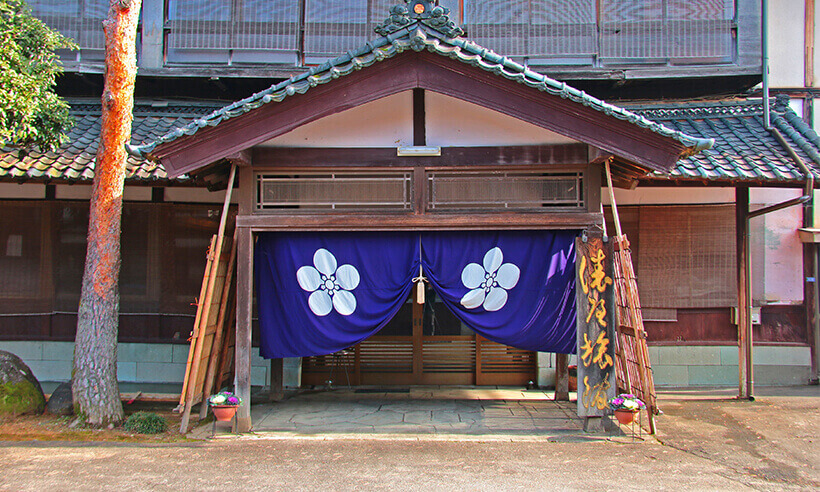
Often called the best ryokan in Japan, Tawaraya has been operating for over 300 years. It’s known for being very private and offering an incredible level of service. Each room has its own quiet garden, and the multi-course kaiseki dinner is a major highlight. It’s a classic, high-end experience of Japanese hospitality.
Gion Hatanaka
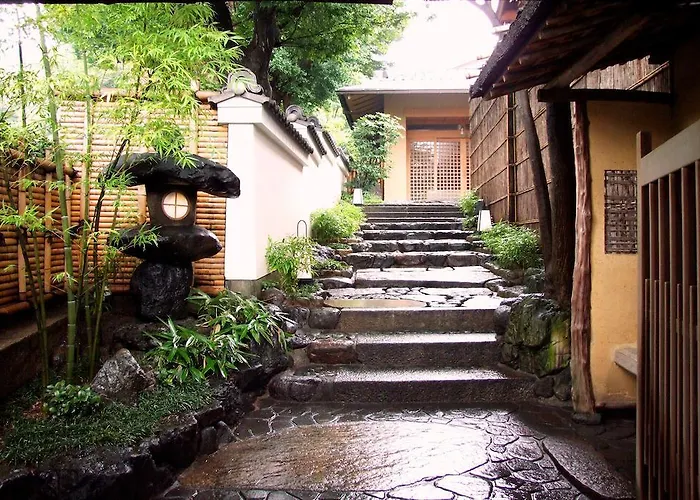
Located right in the famous Gion district, Gion Hatanaka offers something very unique: a chance to have dinner with an apprentice geisha, or maiko. They host special evenings where guests can enjoy a traditional meal, watch maiko dance, and play traditional Japanese drinking games with them. It’s a great way to experience a part of Kyoto’s culture that is usually quite exclusive.
Park Hyatt Kyoto
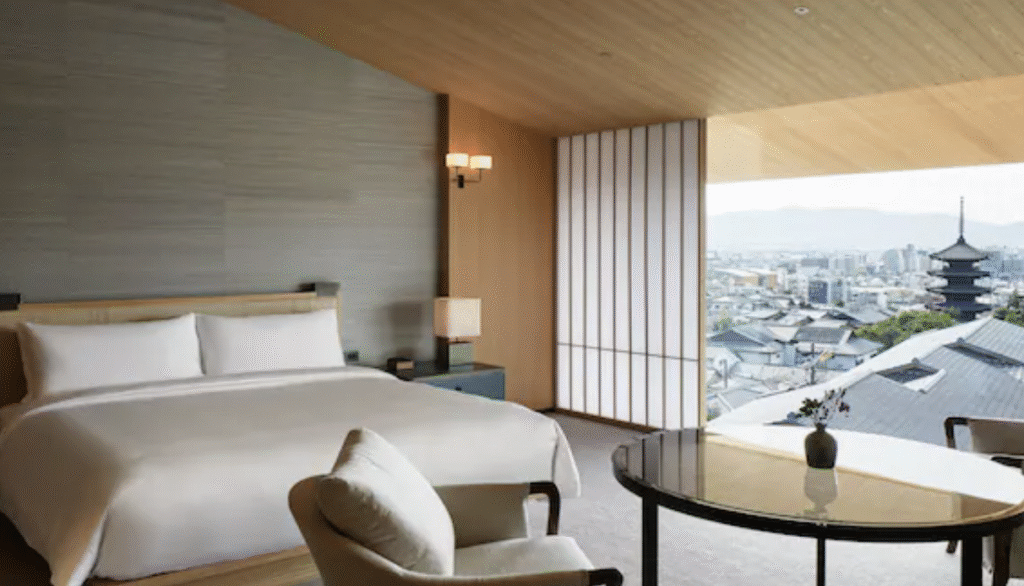
This is a luxury hotel with one of the best locations in the city, right in the heart of the historic Higashiyama district next to the Yasaka Pagoda. The hotel blends modern design with traditional Japanese style, and many of its rooms and restaurants have direct views of the pagoda and the city. It’s a great choice if you want modern comforts while being surrounded by Kyoto’s most historic streets.
Ace Hotel Kyoto

For something more contemporary, the Ace Hotel is a stylish option located near the Karasuma area and Nishiki Market. The building was designed by the famous architect Kengo Kuma and incorporates design elements from local artists and craftspeople. It has a more modern, creative vibe than most hotels in the city and is very convenient for shopping and eating out.
Kyoto for Food Lovers: Where and What to Eat
Kyoto’s food scene is as rich as its history. From multi-course meals in traditional houses to quick snacks in a busy market, here’s a guide to eating your way through some of the city’s key areas.
Nishiki Market


Known as “Kyoto’s Kitchen,” this is the best place to sample a wide variety of local foods in one place by walking and eating.
Tanaka Keiran
This stall specialises in dashimaki tamago, a type of Japanese rolled omelette that is a Kyoto speciality. It’s made with a savoury dashi stock, giving it a soft, juicy texture. They sell them on skewers, making for a perfect, easy-to-eat snack while you explore the market.
Address: 186 Sakaimachi, Nishiki Koji, Nakagyo Ward, Kyoto, 604-8142
Hours: 9:00 AM – 6:00 PM
Kai
This stall is famous for a very unique snack: a small, glazed octopus on a stick. What makes it special is that the head of the octopus is stuffed with a quail egg. The combination of the savoury octopus and the rich egg is a must-try for adventurous eaters exploring Nishiki Market.
Address: 186 Nishikikoji Dori, Nakagyo Ward, Kyoto 604-8142
Hours: 10:00 AM – 6:00 PM
Arashiyama
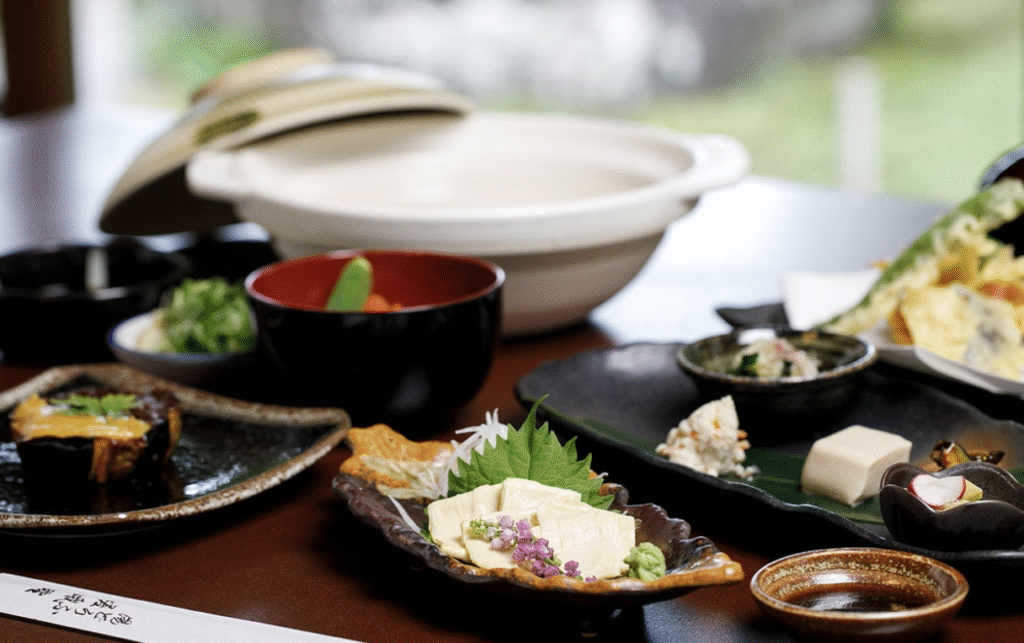
This scenic area offers some unique dining experiences, including Kyoto’s famous tofu cuisine.
Yudofu Sagano
Kyoto is famous for its high-quality tofu, and this restaurant specialises in yudofu—tofu simmered in a simple, hot broth. The meals are served as a set course, featuring tofu in various forms alongside other seasonal vegetable dishes. It’s a classic Kyoto meal, and the restaurant’s peaceful garden setting adds to the experience.
Address: 45 Sagatenryuji Susukinobabacho, Ukyo Ward, Kyoto, 616-8385
Hours: 11:00 AM – 5:00 PM
Shigetsu
Located within the grounds of the Tenryu-ji Temple, Shigetsu offers an authentic experience of Japanese Buddhist vegetarian cuisine, known as shojin ryori. The meals are completely plant-based and artfully presented, focusing on the natural flavours of seasonal vegetables and tofu. Eating here is a calm and unique cultural experience, but reservations are essential as it’s very popular.
Address: 68 Sagatenryuji Susukinobabacho, Ukyo Ward, Kyoto, 616-8385
Hours: 11:00 AM – 2:00 PM
Gion & Pontocho
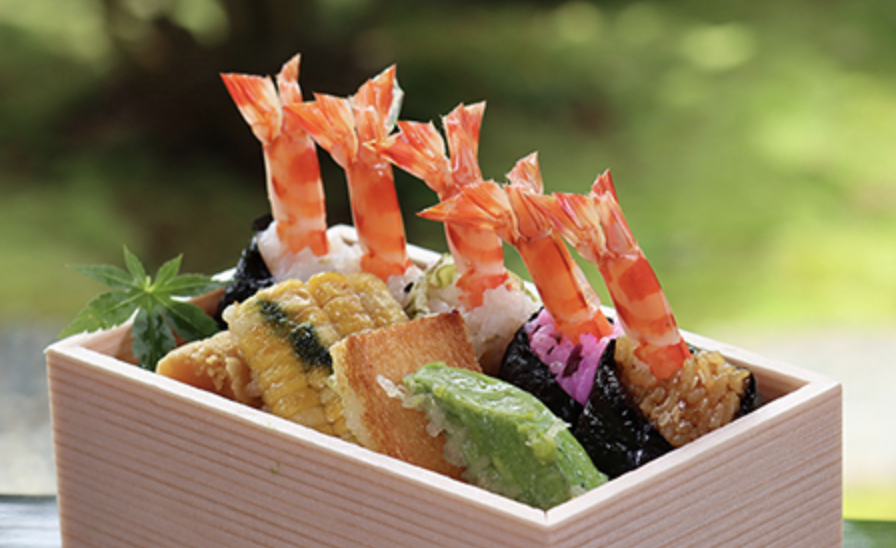
This historic area is one of the best places for dinner, from casual noodle shops to high-end traditional meals.
Tempura Endo Yasaka
This is a famous high-end tempura restaurant located in a traditional building in Gion. You sit at a counter and the chef fries each piece of the set course in front of you, from seasonal vegetables to fresh seafood, serving it to you one piece at a time. It’s a great way to experience expertly made tempura that is light and not at all greasy.
Address: 566 Komatsucho, Higashiyama Ward, Kyoto, 605-0811
Hours: 11:00 AM – 2:30 PM & 5:00 PM – 9:30 PM
Tsujiri Tea House (Gion Main Branch)
For dessert or a break, Tsujiri is one of the most famous places in Kyoto for all things matcha. This historic teahouse, founded in 1860, is known for its high-quality green tea. The upstairs cafe serves a huge range of matcha-based desserts, including elaborate parfaits with ice cream, mochi, and red bean paste, as well as traditional tea and sweets.
Address: 573-3 Gionmachi Minamigawa, Higashiyama Ward, Kyoto, 605-0074
Hours: 10:00 AM – 8:00 PM
Beyond Kyoto: Fantastic Day Trips from Kyoto
If you have an extra day or two in your schedule, Kyoto is the perfect base for exploring the wider Kansai region.
If you’re planning on exploring Kansai, you should definitely consider getting this pass:
For example, you could take a day trip to Nara, Japan’s first permanent capital. The main attraction is Nara Park, where you can walk among over a thousand free-roaming deer. While you’re there, you can visit Tōdaiji Temple, which houses a giant bronze Buddha statue.
For a different kind of history, you could head to Himeji to see its magnificent castle. Often called the White Heron Castle for its brilliant white exterior, it’s a UNESCO World Heritage Site and one of Japan’s most beautiful original castles.

If you’re a fan of green tea, a trip to Uji is a great choice. The city is famous for producing some of Japan’s best matcha, and you can visit Byōdō-in Temple, the beautiful Heian-period hall featured on the back of the 10-yen coin.
And for pure relaxation, you could travel to Kinosaki Onsen, a charming town dedicated to the hot spring experience, where you can walk from one public bathhouse to another wearing a traditional yukata.
These are just a few of the many options available. For a complete list with details, check out our full guide:
A Classic 2-Day Kyoto Itinerary
This is a classic two-day plan that covers many of Kyoto’s most famous and popular sights, making it a great starting point, especially for first-time visitors. Of course, this is just one of many ways to explore the city, and there are countless other temples, gardens, and neighbourhoods to discover.
If you’re looking for a plan that’s more tailored to your specific interests or want to explore some different areas, we can help. We offer many other Kyoto itineraries designed by experts.
Day 1: Temples, Shrines, and Historic Streets

Morning
Start your day early at Fushimi Inari Shrine. This is the best way to see the famous paths of red torii gates before the biggest crowds arrive. Take your time walking up the hillside; the further you go, the quieter and more atmospheric it becomes.
After exploring the shrine, travel by train to the area around Kiyomizu-dera Temple to continue your day.
Afternoon
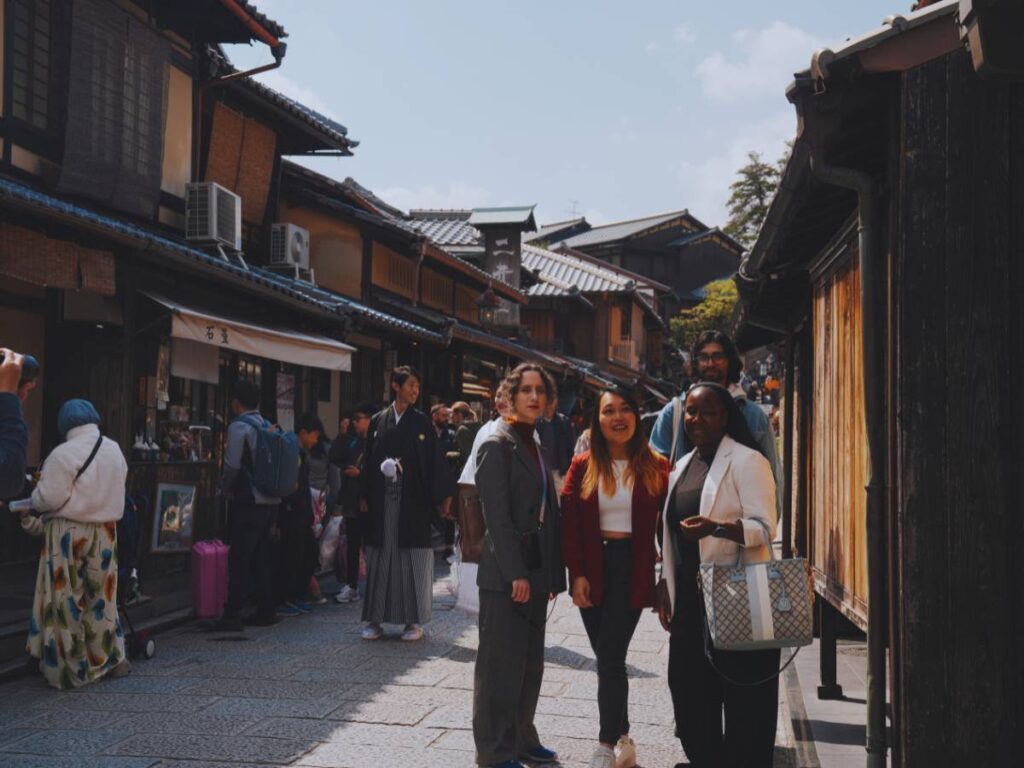
For lunch, explore the historic streets of Sannenzaka and Ninenzaka. These preserved, stone-paved lanes are full of small restaurants, teahouses, and shops selling local crafts and sweets. It’s a great area to grab a casual meal or some snacks.
After eating, make your way up to Kiyomizu-dera Temple. Walk through the main hall, see the large wooden stage built without nails, and take in the view of the city.
Evening
As the afternoon fades, make your way from the Kiyomizu-dera area towards Gion. A great first stop is Yasaka Shrine, which is always open and has a special feel in the evening when its hundreds of lanterns are lit.
Afterwards, spend your evening exploring the Gion district. Walk down Hanamikoji Street with its traditional wooden houses, and then head to Pontocho, a narrow alley by the river that is packed with great restaurants for dinner.
Day 2: Bamboo, Gold, and Markets
Morning
Get an early start and head west to the Arashiyama district. To avoid the crowds, consider visiting the quieter Otagi Nenbutsuji Temple first, with its 1,200 unique stone statues.
From there, make your way to the famous Arashiyama Bamboo Forest. After walking through the bamboo paths, visit the grounds of Tenryu-ji Temple, a UNESCO World Heritage site known for its beautiful garden.
Afternoon
For the afternoon, travel from Arashiyama to northern Kyoto to see one of Japan’s most famous sights: Kinkaku-ji (The Golden Pavilion). Take your time walking around the pond that surrounds it, which offers a perfect reflection of the golden structure.
Late Afternoon
To finish your sightseeing, head back towards the city centre to explore Nishiki Market. It’s a great place to see all kinds of local foods, but many stalls close around 5 or 6 PM. Think of it as a perfect last stop before finding a place for dinner in the surrounding downtown area.
Ready to explore Japan without the stress of planning?
With our 1-day itineraries, you get expert-designed travel plans for just a dollar!
We’ve mapped out your trip so you can spend less time researching and more time experiencing. Perfect for travellers who want local tips, smooth logistics, and unforgettable adventures—without the price tag of a travel agent.
Let us do the planning, so you can focus on the memories.
→ Browse our 1-day itineraries
Kyoto Area Guide FAQs
How many days do I really need in Kyoto?
Aim for at least two to three full days to see the main sights without rushing. If you want to include any day trips to nearby places like Nara, add an extra day for each one.
What’s the best way to get from Fushimi Inari Shrine to Kiyomizu-dera Temple?
Take the Keihan Line train from Fushimi-Inari Station to Kiyomizu-Gojo Station, then walk about 20 minutes uphill. A taxi is much quicker if you want to save time.
Are there temples in Arashiyama besides Tenryu-ji?
Yes, the area has several quieter temples. Otagi Nenbutsuji is known for its 1,200 unique stone statues, and Adashino Nenbutsuji is another atmospheric temple worth visiting.
When is the best time of year to visit?
Spring (April) for cherry blossoms and Autumn (November) for colourful leaves are the most beautiful times, but also the most crowded. For a great balance of good weather and fewer people, visit in May or October.
Can I use the Japan Rail (JR) Pass for getting around Kyoto?
No, the JR Pass does not cover Kyoto’s city buses or subway system. It is only useful for the JR train lines that run through the city, such as the line to Arashiyama.
Do I need to carry a lot of cash in Kyoto?
Yes. While cards are accepted in many large stores and hotels, you will still need cash for temple admission fees, small shops, and many local restaurants. It’s best to always carry some yen with you.