
When my parents visited me in Japan, my mother had one non-negotiable for her itinerary: Japanese steak. The reason? Back when I was in high school, we hosted some Japanese exchange students, and at the goodbye party, their teachers grilled steak from Costco for everyone. I don’t remember where the steak was from, but it was so good that eating more became her number-one must-do for Japan.
She’s not alone, either: more than 80% of travellers have ranked eating Japanese food at the top of their expectations for a Japan trip in recent years. So if you’re looking for a special dining experience to book, this guide will help you:
- Learn what the top dining experiences in Japan are
- Know what makes them special
- Consider why one might be a better fit than another
For each one, we’ve rated seasonality, affordability, and flexibility out of 5, based on our own experiences here.
Japanese Dining Phrases to Know
You don’t need to memorise this list, but knowing these words in advance can help you decode what is being offered and enjoy the experience that much more once you’re in the room.
- Omakase: “I leave it up to you.” A menu-free meal where the chef decides.
- Wagyu: Beef from Japan’s four native cattle breeds. Menus list the breed name alongside it.
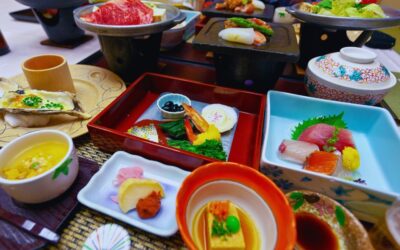
- Kaiseki: Japan’s multi-course fine dining.
- Shojin ryori: Buddhist temple cuisine. Plant-based, with no pungent aromatics.
- Chisan-chisho: “Local production for local consumption.”
- Geiko / Maiko: Kyoto’s geisha and apprentice geisha.
6 Special Dining Experiences in Japan
Omakase Sushi: Leave It to the Chef
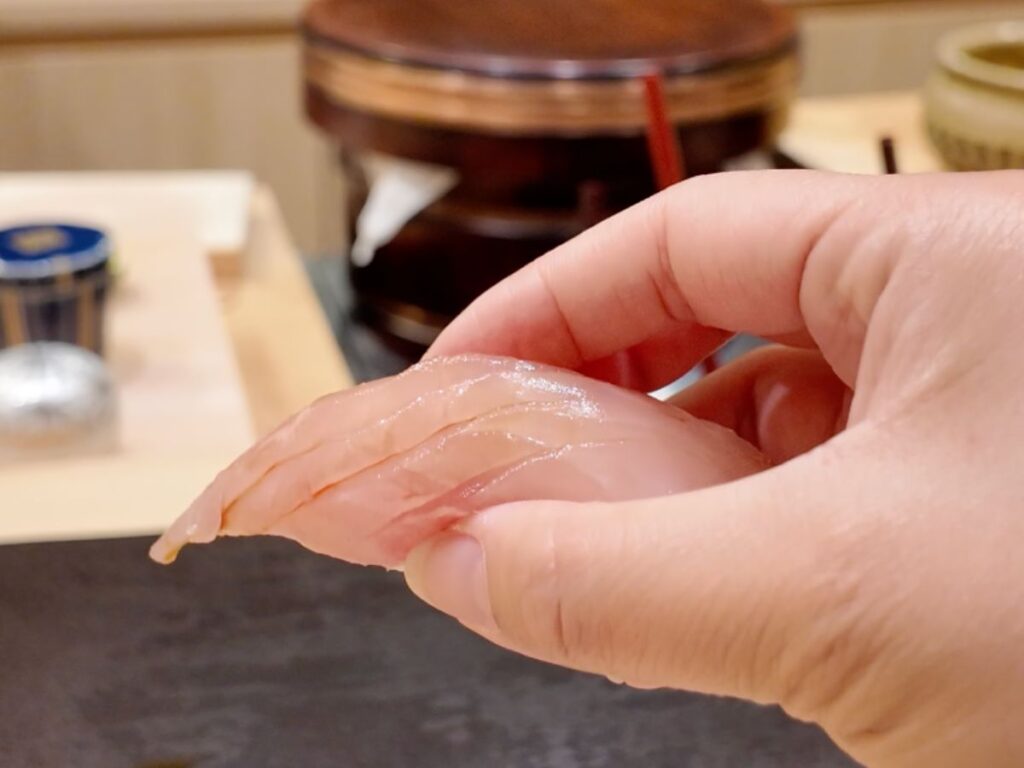
Omakase sushi is a menu-free, chef-curated way to enjoy sushi. A set number of dishes is created for you as you watch, using the freshest ingredients that can change day-to-day. And the chef is right there. You get to observe up close and maybe have a back-and-forth, directly or with the help of a guide or translation app.
What makes omakase sushi so memorable is that you get to watch a master craft your food in front of you. The hands at work. The angle of the knife through the slice. The way the chef forms the rice and presses the fish into it so it reaches you at just the right temperature, with just the right taste. It’s not really a performance, but it is a display of raw skill with raw fish and rice. If you can fit it into your schedule, it’s something you won’t forget.
Seasonality: 4/5
The menu is decided by what’s at the market that morning, so you’re always getting that season’s best.
Affordability: 2/5
The price depends on multiple factors, but, to give you an idea, a dinner course at a reputable Tokyo establishment runs about 100 to 350 USD per person, with lunch around half that.
Flexibility: 3/5
The chef controls the menu and the pacing, but he’s also reading your reactions and can adjust the next piece to suit your palate.
If you know you like fish but want to experience it from the hands of a master, this is a great experience for exactly that. And, since the menu was picked up that morning, it’s likely he has something you haven’t tried yet.
Best for: foodies, couples, solo travellers, and anyone who loves fish but hates deciding.
Wagyu Dining: Premium Cuts in 4 Different Styles
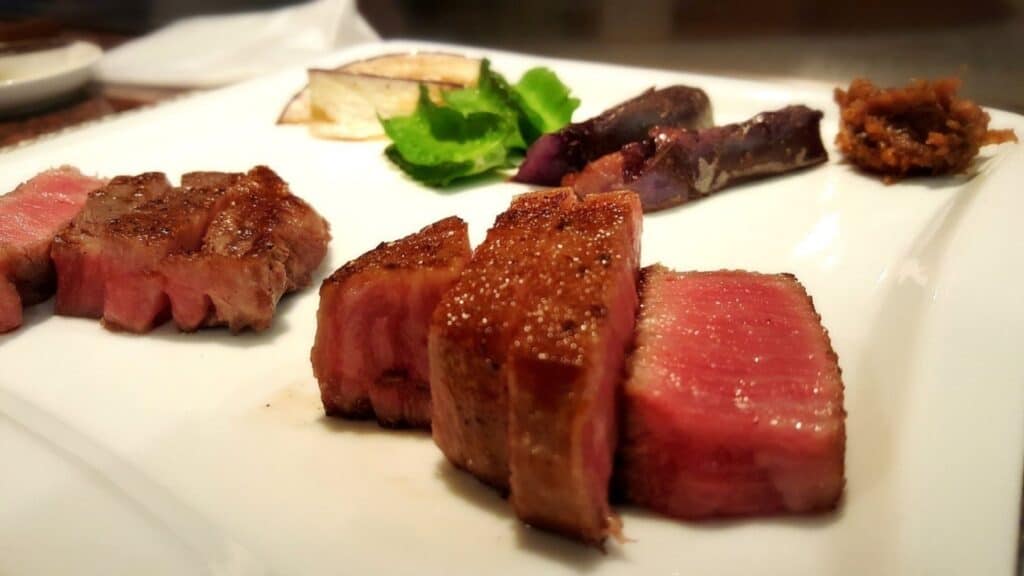
Among the regions of Japan known for their high-quality beef, Kobe is probably the most recognisable outside of Japan, but locals know other names like Matsusaka, Omi, Yonezawa, and Hida, too. That said, wagyu doesn’t simply mean “beef from Japan.” Only four native breeds officially count, and about 90% of it is Japanese Black, or kuroge wagyu, the name you’ll see most on menus.
You probably already guessed, but this dining experience is not for vegetarians, vegans, or pescatarians, and depending on the supply chain and kitchen setup, it may or may not be friendly for halal or kosher travellers either.
A wagyu dining experience has four popular formats:
- Teppanyaki. A higher-end experience where the chef grills your choice of cuts on an iron grill in front of you. Dinner runs about 60 to 120 USD, with lunch around half that and luxury courses around double.
- Yakiniku. Japanese barbecue. You grill the cuts you chose at your personal tabletop grill. Fast-food style sets go for under 20 USD, but budget at least 90 USD per person for an experience with better meat and better service.
- Sukiyaki. A gently simmered dish of beef, tofu, shirataki, and egg. Around 70 USD per person for midrange, upwards of 140 USD for premium.
- Shabu-shabu. Thin slices of beef you cook yourself, right before you eat them, in your choice of gently bubbling broth. Great midrange options sit around 70 USD per person, with historic or specialised establishments running 90 to 180 USD.
For those who also want to try Japanese alcohol (another highly rated expectation on the JNTO survey), our wagyu and sake experience lets you pair them up.
Of the four, shabu-shabu is my personal favourite; the best restaurant I ever went to had buffet-style veggies you could grab freely until your course’s time limit, and many spots give you a pot with two or more broth compartments.
One note: if you’re diabetic, like my mother, keep an eye on your blood sugar with sukiyaki, since the simmering sauce usually has sugar added. Shabu-shabu sits in the middle; the broth isn’t sugary, but wheat gluten (fu) and certain noodles added at the end can throw off a diabetic or gluten-sensitive traveller. The good news: you can simply choose not to put them in, and if the sides are buffet-style, you just don’t pick them up.
Seasonality: 2/5
Beef is year-round; just match the style to the weather: shabu-shabu and sukiyaki in winter, yakiniku and teppanyaki in summer.
Affordability: 3/5
Prices run from cheap-and-cheerful sets to luxurious splurges, so there’s a version for pretty much every budget.
Flexibility: 4/5
Outside sukiyaki’s fixed ingredients, you’re choosing the cuts, the pace, and the extras yourself.
Best for: meat lovers, groups who like to cook (and argue over the grill), and travellers who want control over their meal. To put them in, and if the sides are buffet-style, you just don’t pick them up.
Kaiseki: Japanese Fine Dining
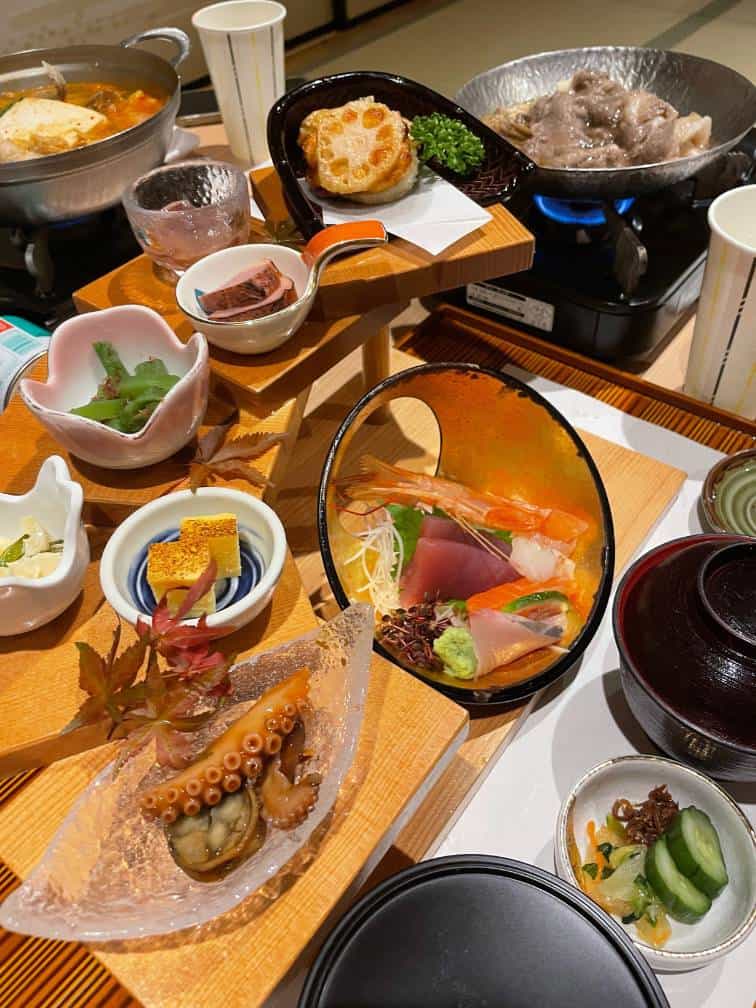
Yes, it’s traditional. Yes, it’s premium. But if you’re imagining a fancy French dining course in a Japanese font, you’d be missing out.
Kaiseki started from the simple ichiju-sansai framework: one soup, three side dishes. Centuries of influence from samurai and imperial court banquets turned it into the elaborate multi-course haute cuisine we know today.
So what makes kaiseki worth it? Every dish is built around what’s best right now, down to the garnishes. And because the chef balances tastes, textures, and cooking methods across the courses, every bite stays interesting from the first dish to the last.
Seasonality: 5/5
It isn’t just the food; even the ceramics and lacquerware are rotated to match the season’s motifs.
Affordability: 2/5
Dinners easily top 200 USD per person, so make it a budgeted line item.
Flexibility: 1/5
Once you know that kaiseki is designed down to the timing of each dish being served, it probably won’t be a surprise to learn that it’s not a very flexible experience. Menus are set well in advance, accommodations are hard to ask for on the spot, and you’ll almost always need a reservation. And this is not the meal to cancel on the day of; one hotel I worked for wouldn’t book kaiseki for guests at all, just in case of a sudden “plans changed.”
Still, kaiseki is absolutely worth the price. Trust us, it might just become the core memory of your trip. We can help you book the right kaiseki course if you don’t know where to start.
Best for: foodies, couples celebrating something, and travellers who want the season on a plate.
Shojin Ryori: Buddhist Temple Cuisine
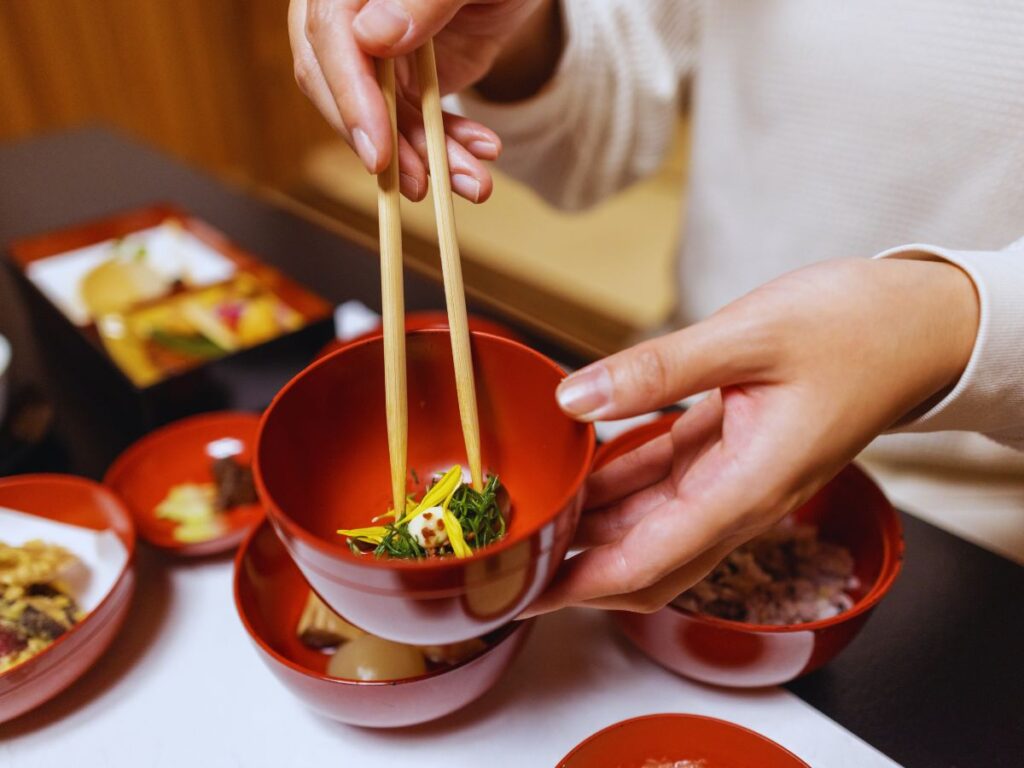
If you’re a fan of sustainability or foraging, this might be the experience for your itinerary. Shojin ryori is traditional Japanese Buddhist cuisine, eaten historically by monks.
With no meat in its dishes, it’s a great option if you’re vegetarian or vegan; just note that no pungent aromatics like garlic and onions are used either. Instead, the cuisine relies on seasonal vegetables, wild plants, and soy-based proteins like tofu.
The best-known place to try it is Mount Koya, in Wakayama, often as part of a deeply immersive experience: you stay at a temple, eat with the monks, and have plenty of time to reflect. If Wakayama is out of the way, well-known temples and restaurants in Tokyo and Kyoto can slot into your stops along the Golden Route. We’re always happy to help find the right one and build your perfect itinerary.
Seasonality: 3/5
The vegetables and wild plants move with the calendar, but the tofu-and-soy backbone stays steady year-round.
Affordability: 4/5
Skip the temple stay, and a restaurant set meal makes this one of the most affordable experiences on the list.
Flexibility: 3/5
Temple kitchens won’t change much, but the meals are so simple there’s rarely anything that needs changing.
Farm-to-Table Dining
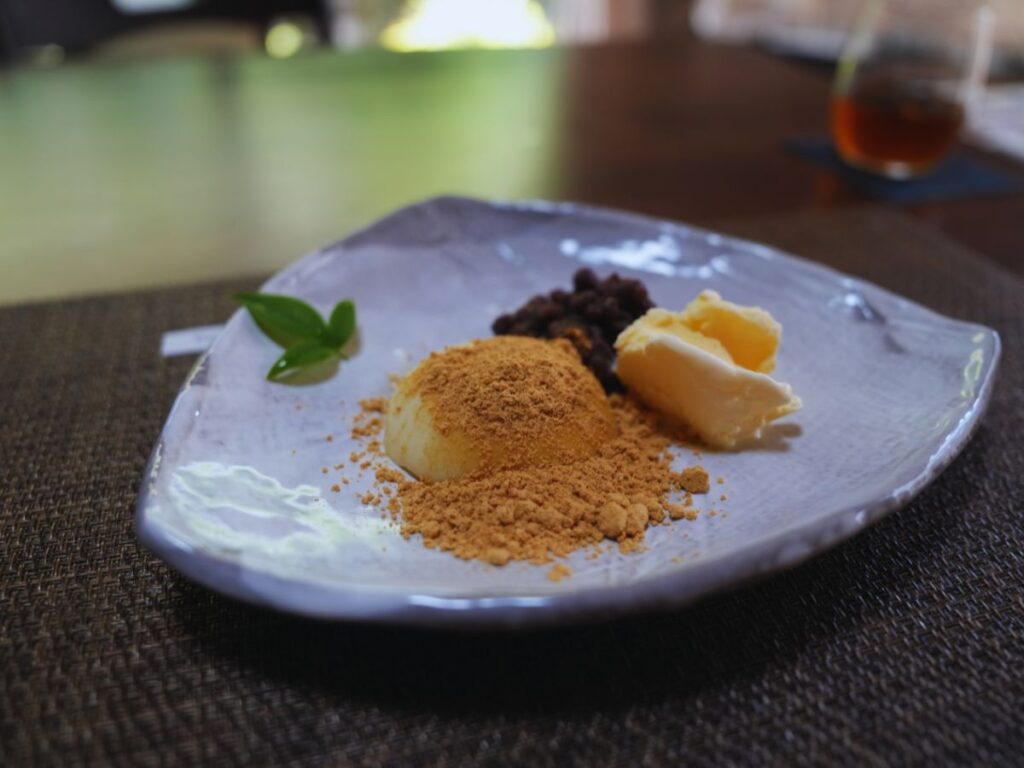
Farm to table, with that specific phrasing, is something I’ve been seeing more and more of over the past decade living here. In Japan, it fits amazingly with the existing cultural food ethos: chisan-chisho, which essentially translates to “local production for local consumption.” It has influenced local home cooking here for centuries.
Seasonality: 5/5
Easily the most seasonal experience on this list: most, if not all, of the vegetables are grown in-house, and the menu is whatever came out of the ground that week.
Affordability: 4/5
Budget around 40 USD for a casual lunch and up to about 250 USD for a half-day premium package with a workshop or harvesting included.
Flexibility: 2/5
A farm-to-table kitchen is limited the same way omakase sushi and kaiseki are… It works with what’s on hand, and what’s on hand is local. And if you want to support the people of the place you’re visiting without committing to raw fish or premium beef, this is the one to book.
Best for: vegetarians and vegans, slow travellers, and anyone craving a quieter table.
Show and a Meal Experiences
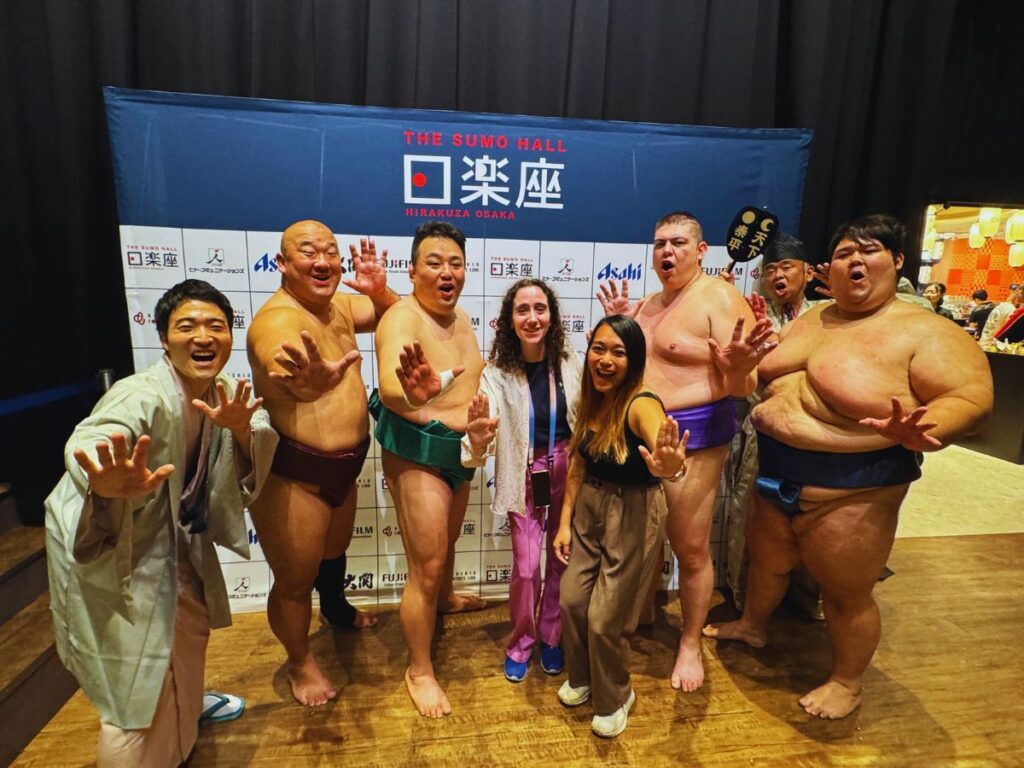
The well-known ones pair a lunch or dinner with a show about sumo wrestlers, samurai, or ninja. But there are also experiences like a geisha banquet, where geiko and maiko entertain you during your time together: playing games, performing classical dance, playing music. You’re getting their craft and, often, a kaiseki course at the same time. Great as a two-in-one, but your wallet will definitely be lighter for it.
The sumo, samurai, and ninja shows are more accessible for children, especially younger kids who need a bit of action or interaction to keep their attention. There are often both a lunch and a dinner show, so you can choose your time of day, and they can be a bit more campy…but if you know that going in, it can be a really fun time.
Seasonality: 1/5
The food isn’t seasonal, but the booking calendar is. For example, sumo tournaments and Kyoto’s dance seasons make dates harder to get.
Affordability: 3/5
Produced shows keep prices reasonable, while a geisha banquet with kaiseki is a different budget entirely.
Flexibility: 3/5
Produced shows tend to accommodate more easily (dietary considerations, space for strollers, things like that); a geiko and maiko banquet runs on stricter conditions.
Best for: families with young kids (sumo, samurai, ninja), culture-first travellers, and special occasions (geisha banquet).
You’re Going to Eat in Japan, So Eat Well
My mother is diabetic, has particular taste and texture preferences, and is used to having even little accommodations done without fuss, on the spot. It really frustrated her that the things she could ask for so easily back home were pretty much out of the question here. So did she get the steak of her dreams? After some trial and error, yes: we found her a steak experience she truly enjoyed, and she still talks about it to this day.
She’s part of the reason we wrote this guide: to give you a heads-up about not only what kinds of experiences are out there, but the kinds of friction you might run into when choosing and enjoying them too. But I also hope you have a meal you go home talking about. The kind where you say, “that was a once-in-a-lifetime thing, and if I ever went back to Japan, I’d definitely do it again.” Regardless, we hope this guide helps you eat well during your stay.
Special Dining Experiences in Japan FAQs
What is the difference between sukiyaki and shabu-shabu?
Both are wagyu hotpot styles cooked at your table, but sukiyaki simmers beef, tofu, and vegetables in a sweet soy-based sauce, while shabu-shabu has you swish thin slices of beef through a light, savoury broth.
How much does a kaiseki dinner cost in Japan?
Expect upwards of 200 USD per person for a full seasonal multi-course kaiseki dinner in a traditional dining room. Lunch courses and more casual kaiseki restaurants cost less, while premium formats, like a geisha banquet with a kaiseki course included, cost considerably more.
What is the cheapest way to try wagyu in Japan?
Yakiniku. Fast-food-style yakiniku sets start under 20 USD, letting you taste real Japanese beef on a budget. For a fuller experience, a teppanyaki lunch runs around 30 to 60 USD, and midrange shabu-shabu courses start around 70 USD per person.
Do I need to book dining experiences in Japan in advance?
For most experiences in this guide, yes. Kaiseki almost always requires a reservation, and same-day cancellations are considered extremely disrespectful. Show-and-meal experiences fill up around sumo tournaments and Kyoto’s dance seasons, and omakase counters only seat a handful of guests. Book early, and only book what you’ll attend.
Which Japanese dining experiences are best for vegetarians and vegans?
Shojin ryori, Japan’s Buddhist temple cuisine, is the standout: plant-based by design and built on seasonal vegetables, wild plants, and soy proteins. Farm-to-table dining is another strong option, since menus are vegetable-led to begin with.
Which dining experience in Japan is best for kids?
The show-plus-meal experiences: sumo, samurai, and ninja shows pair lunch or dinner with enough action and interaction to hold younger kids’ attention, and as produced experiences they accommodate strollers and dietary requests more easily. A geisha banquet can also work for families with slightly older children, since the geiko and maiko often play games with you during the experience.