
I went into my sake tasting in Tokyo assuming I already knew what to expect. I’d enjoyed nihonshu (the Japanese word for sake) long before I moved to Japan, and I figured a tasting session would mostly confirm things I already knew. I was wrong, and happily so.
Mine took place in Akasaka on a warm evening in the summer of 2026, in a small guided session led by a sommelier who clearly could have talked for three hours straight if we’d let her.
What to Expect From a Sake Tasting in Tokyo
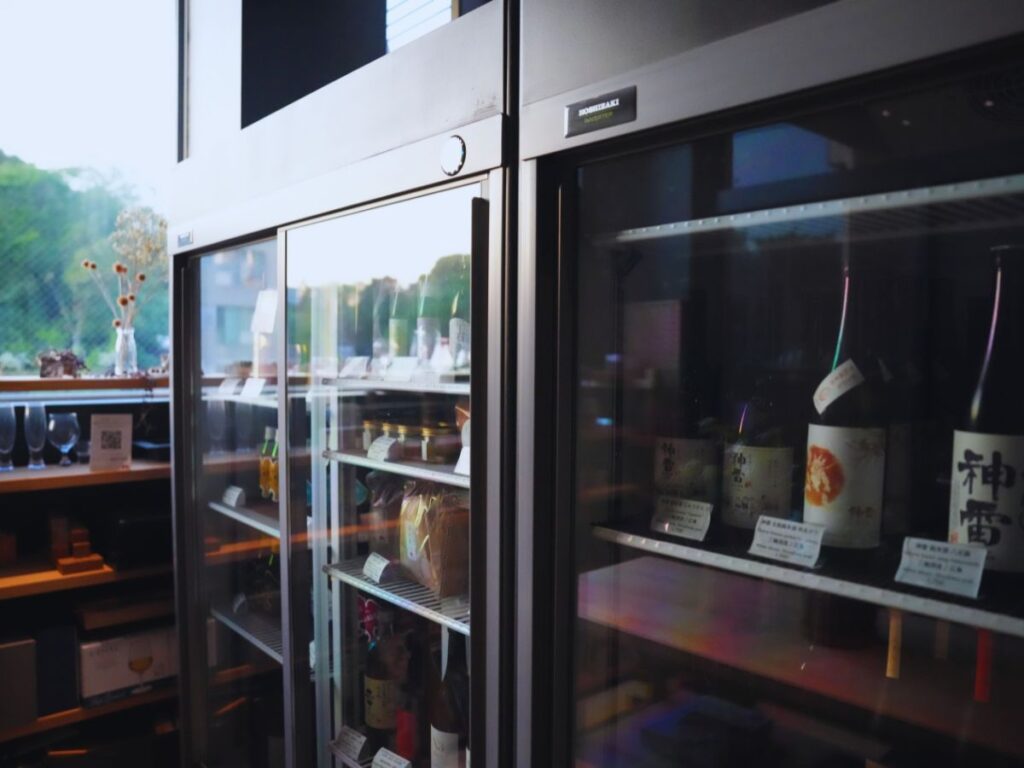
It was just my friend and me, so we could actually talk with our host rather than just listen. A good sake tasting in Tokyo works best when you can ask a question the moment something surprises you, and this format left plenty of room for that.
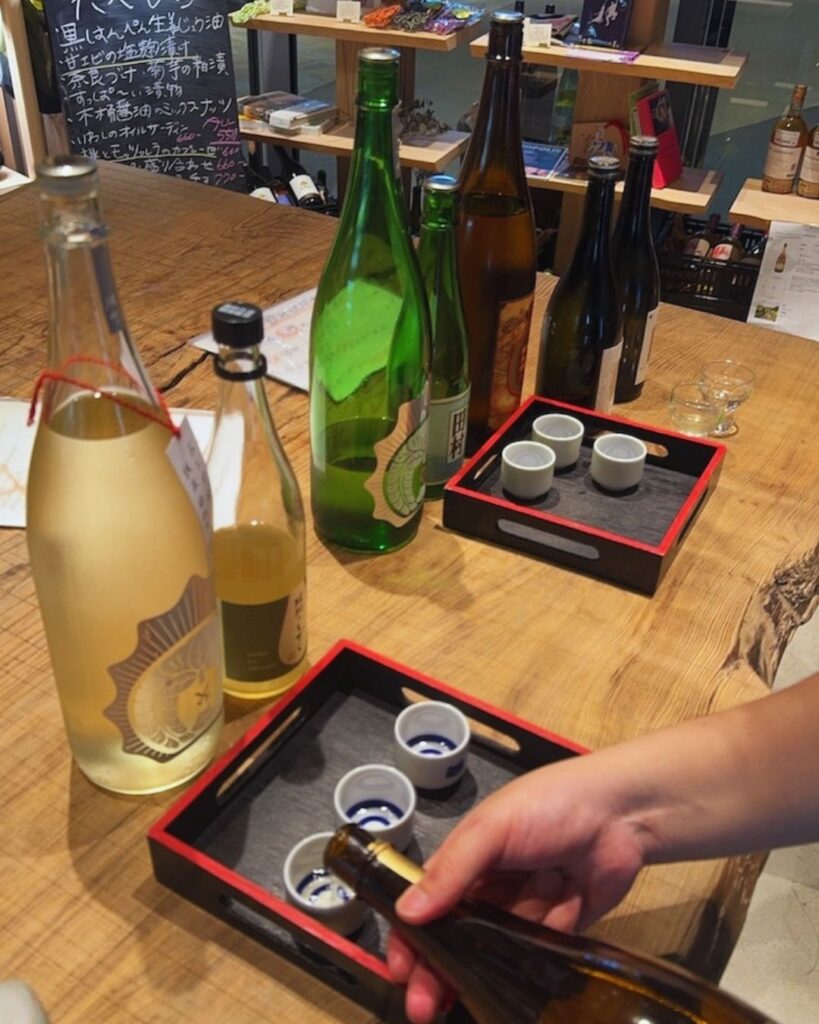
We started light and worked our way to the more unusual styles, with small otsumami served alongside throughout the evening. Otsumami are the small dishes meant to be enjoyed with alcoholic drinks, and ours included shiokara (fermented squid) and takuan (pickled daikon). These umami-heavy bites are chosen intentionally to pair with nihonshu.
We opened with a junmai, which tends to be the most straightforward style: a little savoury and more dry. It’s a good place to start a sake tasting in Tokyo, since it gives you a baseline.
From there we moved to a ginjo, which is more aromatic and noticeably smoother, with a lighter, almost fruity edge to it. Compared to the junmai, it felt more delicate, more the kind of sake you’d sip slowly rather than pair heavily with food.
By the time we got to the oak-barrel daiginjo and, eventually, the nigori, I could actually taste the distance we’d travelled from that first pour. Starting simple made the more unusual sakes contrast later on.
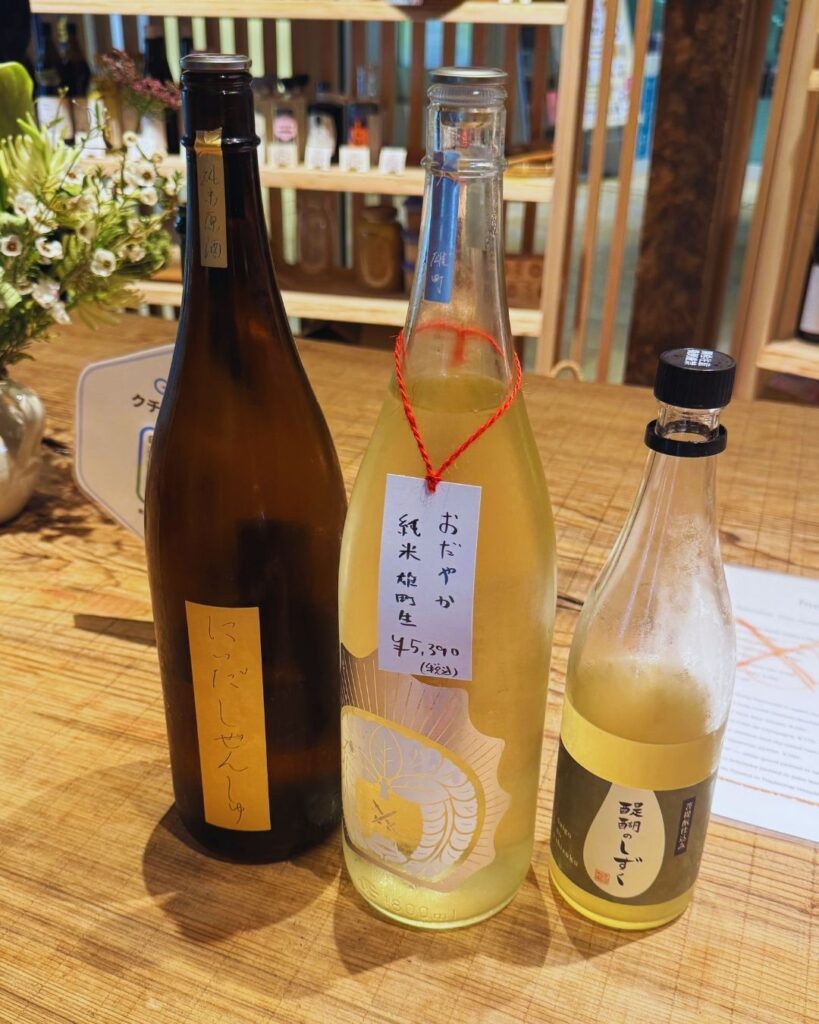
Out of everything we tried during the tasting, one sake completely stole the evening for me: an unfiltered nigori, slightly cloudy in the glass. I expected it to be sweet, almost dessert-like, the way a lot of nigori gets marketed to first-timers. Instead, it had a tangy, fruity brightness to it. It became my favourite of the night, and I’ve been chasing that exact flavour profile ever since.
What Our Sommelier Taught Us Along the Way
Koji: The Ingredient Doing More Than You’d Think
She spent a good chunk of time on koji, the mould culture that kickstarts sake fermentation. It’s not just a sake ingredient, it’s used for soy sauce, miso, and a handful of other staples of Japanese cooking.
Polishing and Filtering Change Everything
The sommelier also walked us through how rice polishing ratios and filtering methods shift the final taste, sometimes quite dramatically. The same rice variety, polished to a different degree or filtered differently, can produce two sakes that barely resemble each other.
The Local Breweries Behind the Bottles
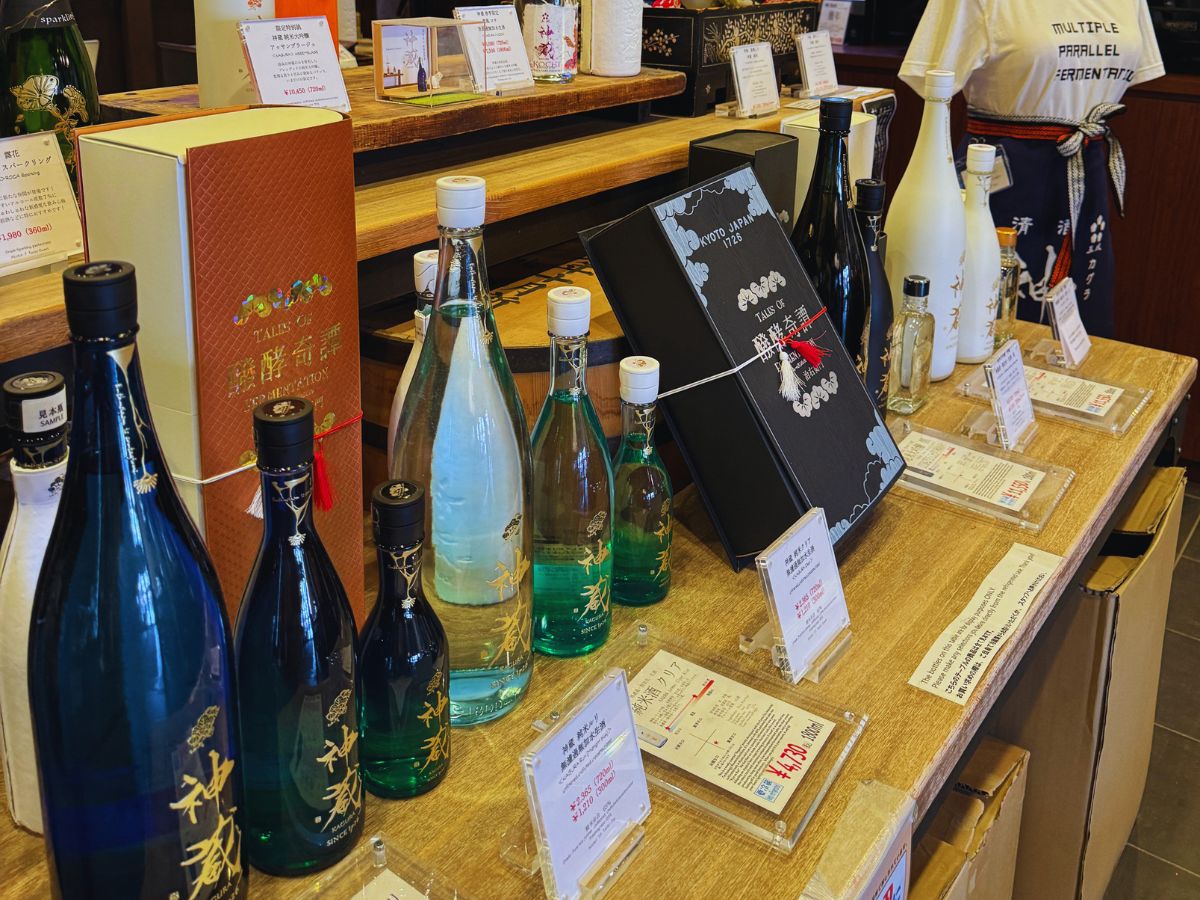
Many of the bottles we tried were sourced from small, often family-run breweries, some of them cultivating their own strains of rice used for both sake production and for eating.
Everything traces back to specifics like which water source a brewery uses, the rice strain they’ve developed over generations, the fermentation quirks that have been passed down inside one family. A proper sake tasting in Tokyo, done well, ends up being as much a lesson in small-scale Japanese agriculture and family businesses as it is about the drink itself.
Visiting a sake brewery is another great way to experience the national drink. If you’re interested in visiting one, we’ve also put together a guide to our favourite sake brewery stops in Japan.
You Don’t Need to Know Anything Going In
I already loved nihonshu before this tasting, so I went in curious rather than sceptical. But the format doesn’t actually require that. Comparing sake side by side, with someone explaining what you’re noticing as you notice it, makes the differences click in a way that drinking sake casually over the years never quite does.
It’s also worth knowing that Japanese people book sake tasting experiences in Tokyo too, and enjoy them just as much as visitors do, so this really isn’t a tourist-only format. The sake landscape is evolving just like wine in the West; new modern methods and fusions are constantly being developed. We even tried a nihonshu that was infused with red wine tannins from a neighbouring red wine brewery!
Booking Your Own Sake Tasting in Tokyo
If you want something closer to what I had rather than a rushed, six-pours-in-forty-minutes version, this is exactly the kind of experience we help arrange through Flip Japan Guide’s Cultural Experiences: small groups and sommeliers who know the breweries behind every bottle.
Book a Sake Tasting Experience here. If sake isn’t quite your thing, this Tokyo Beer Tour is a great alternative.
A couple of practical notes from my own evening: eat something before you go, since the otsumami are more about complementing the sake than filling you up, and don’t assume you know what you like before you’ve tried it. My favourite sake of the night was the one I expected to enjoy least.
And if you end up pouring for others at the table, remember that sake is traditionally poured for you, not by you. Keep an eye on the cups around you and top them up before your own, it’s a small habit, but it’s the kind of thing that gets you a knowing nod from whoever’s pouring yours.
Discover more in Tokyo: The Only Tokyo Food Guide You Need: Restaurants, Markets, and Districts
If you’re interested in learning more about sake, check out these articles:
- Sake Experiences You Should Try to Taste and Understand Japan’s National Drink
- Kyoto Sake Tasting: A Guide to the Best Breweries of Fushimi & Beyond
How much does a sake tasting in Tokyo cost?
Prices vary quite a bit depending on the format. A casual, self-serve sake bar can run you just a few hundred yen per glass, while a small, guided sake tasting in Tokyo with a certified sommelier and food pairings typically costs more, reflecting the time and expertise involved. It’s worth checking exactly what’s included (number of pours, food, English-language guiding) before comparing prices across listings.
Do I need to know anything about sake beforehand?
No. A good sake tasting in Tokyo is built for people with zero background just as much as for enthusiasts. The format itself, tasting a few different styles side by side with someone explaining what you’re noticing as you go, does most of the teaching for you.
How long does a sake tasting in Tokyo usually last?
Most small, guided sessions run somewhere between 90 minutes and two hours, depending on how many sakes are included and how much the sommelier explains along the way.
Is a sake tasting in Tokyo suitable for people who don’t drink?
Not really. Unlike a lot of Japan’s cultural experiences, tasting is the whole point of the format, so there isn’t a practical way to adapt it for non-drinkers.
Should I eat before a sake tasting in Tokyo?
Yes, we recommend eating something beforehand, unless the experience specifically states that it comes with a meal. However, the food served alongside the tasting (otsumami) is generally meant to complement the sake, not fill you up, so don’t count on it as a proper meal.
Can I book a private sake tasting in Tokyo instead of a group session?
Yes, and it’s usually worth it if you want more time for questions and a more personal pace. Flip Japan Guide arranges small-group and private sake tasting experiences in Tokyo through our Cultural Experiences, with sommeliers who genuinely know the breweries behind what you’re drinking.
What is the correct way to drink sake?
To drink sake correctly, sip it slowly in small amounts rather than taking shots. You generally shouldn’t pour your own glass. At the very least, you should keep an eye on other people’s glasses and make sure to pour theirs first before pouring your own. Sake bombs are not something people do in Japan, and it could be considered quite rude if you attempt one. The flavour of sake should be savoured, not diluted with beer.
Do Japanese people actually drink sake?
Yes, Japanese people do drink sake (nihonshu). Though it is no longer the most consumed alcoholic drink in Japan, it has slowly seen a comeback through modern and innovative brewing methods like unfiltering sake for a more tart flavour or using French or American oak barrels to add hints of vanilla or berry.
Does sake get you more drunk than wine?
Sake is generally stronger by volume, typically 15–16% ABV versus wine’s 11–13%. Though it’s usually served in smaller cups, which evens things out somewhat. The real risk is pace, at a free-flow sake tasting in Tokyo, small cups get refilled often, so it’s easy to lose track of how much you’ve actually had.