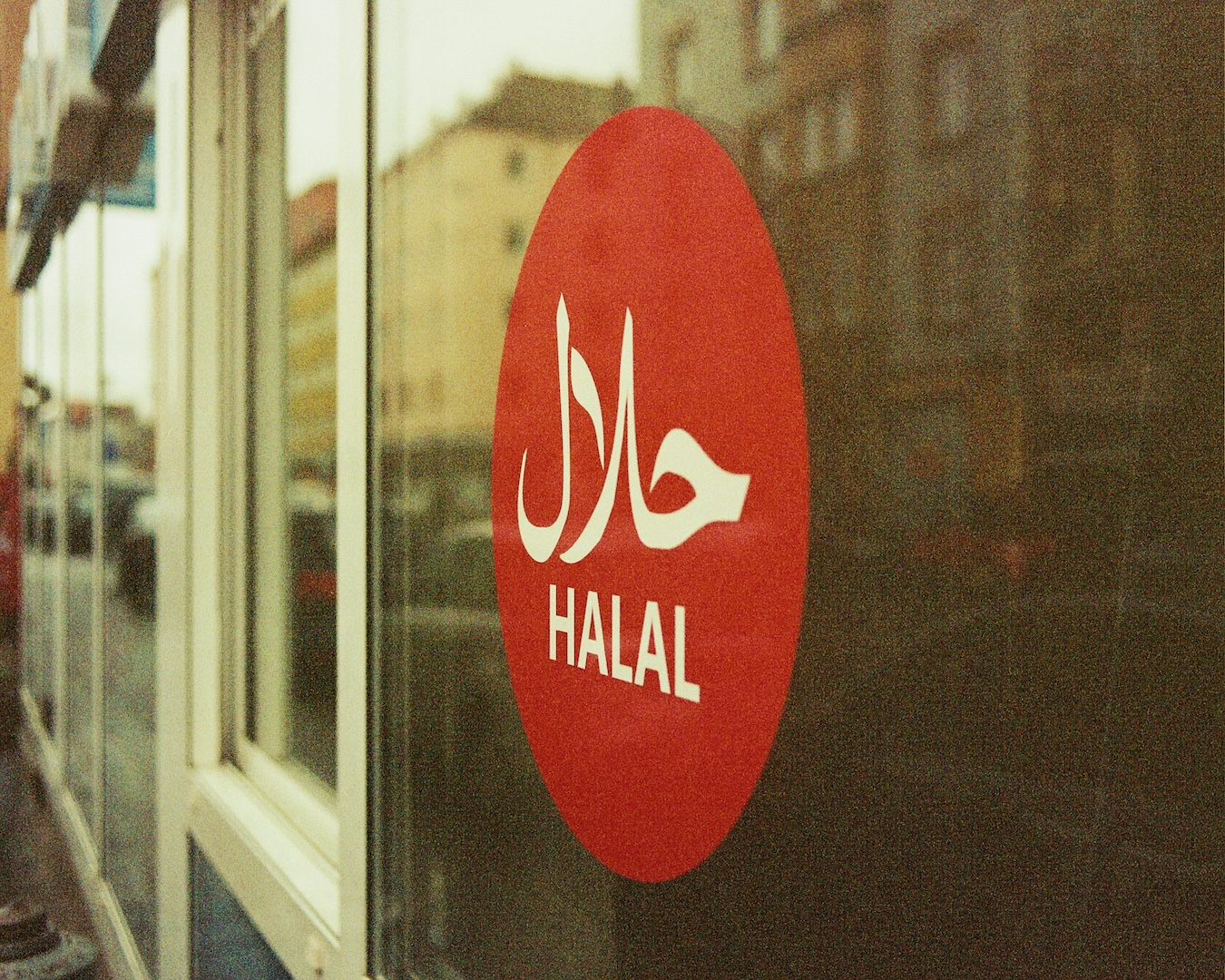

Japan welcomed a record 42.7 million international visitors in 2025, and the country still has no national authority for halal certification. The halal logo on one restaurant door and the one on the next may come from different organisations working to different standards. (Plus, a third kind of sign, the one that simply says “no pork”, promises exactly that and nothing more.)
Still, finding halal food in Japan is definitely easier than it was a decade ago. Tokyo alone has hundreds of halal and Muslim-friendly restaurants. You’ll need to know what the labels guarantee and which everyday seasonings contain pork or alcohol. This guide covers this, along with groceries, prayer spaces, and a few Japanese phrases worth saving to your phone.
How Halal Certification Works in Japan
Malaysia has JAKIM and Indonesia has BPJPH, but Japan has no government body that certifies halal food. The Japan National Tourism Organization (JNTO) says as much on its own page for Muslim travellers. Certification is handled instead by a mix of non-profits and mosque-affiliated groups, each with its own certification logo.
Main Halal certification bodies in Japan:
- Japan Halal Association (JHA): An Osaka-based NPO that began certifying in 2010 and has the widest international recognition of any Japanese certifier. Its certificates are approved by authorities in Malaysia (JAKIM), Singapore (MUIS), Indonesia (BPJPH), Turkey (HAK), the Gulf states (GAC), and the UAE (MOIAT). It certifies restaurants as well as products, and much of its work is with food exporters.
- Japan Halal Foundation (JHF): Based in the same building as As-Salaam Masjid near Okachimachi Station in Tokyo, JHF certifies restaurants, food products, hotels, and cosmetics. It has mutual recognition with Malaysia (JAKIM) and Singapore (MUIS). Its certificate covers several places in this guide, including PANGA in Asakusa.
- Nippon Asia Halal Association (NAHA): A Chiba-based NPO active since 2010, which has certified businesses in 43 of Japan’s 47 prefectures. Each full audit is carried out by two specialists, one in food science and one in religious knowledge, after a pre-audit that reviews 24 types of documents. It certifies factory products and three tiers of restaurants: fully halal (no alcohol served), halal kitchen (alcohol allowed in designated areas), and Muslim-friendly. NAHA lists no formal foreign recognition, though its auditors have trained with JAKIM, MUI, MUIS, and Saudi and UAE bodies.
- Japan Islamic Trust (JIT): Based at Masjid Otsuka in Toshima-ku, Tokyo, JIT says it was the first Japanese certifier accredited in the Middle East, in 2008. It is recognised by Malaysia (JAKIM), Saudi Arabia (SFDA), the UAE’s Emirates International Accreditation Center (EIAC), and Qatar’s Ministry of Health. It certifies mainly food products, and also issues organic and vegetarian certificates.
- Muslim Professional Japan Association (MPJA): Founded in 2013 and based in Yotsuya, Shinjuku-ku, Tokyo, MPJA certifies food products for export, and issues Muslim-friendly certificates to restaurants and hotels in Japan. It lists more than 20 foreign recognitions, including Malaysia (JAKIM), Singapore (MUIS), and Indonesia (BPJPH).
- Japan Muslim Association (JMA): Japan’s oldest Muslim organisation, founded in 1952 and based in Shinagawa-ku, Tokyo. It is recognised by Malaysia (JAKIM) and Singapore (MUIS) and charges for certification. It also runs a Muslim-friendly programme for restaurants and hotels, which requires staff to complete Islamic training courses.
- Japan Muslim Access (JMA): Founded in 2017 by Sandha Saleem and based in Misato, Saitama, it certifies restaurants, hotels, convenience stores, and food manufacturers. Certification is free for restaurants, making halal status affordable for small businesses; only manufacturers pay a fee to cover audit costs. It doesn’t list any foreign recognition.
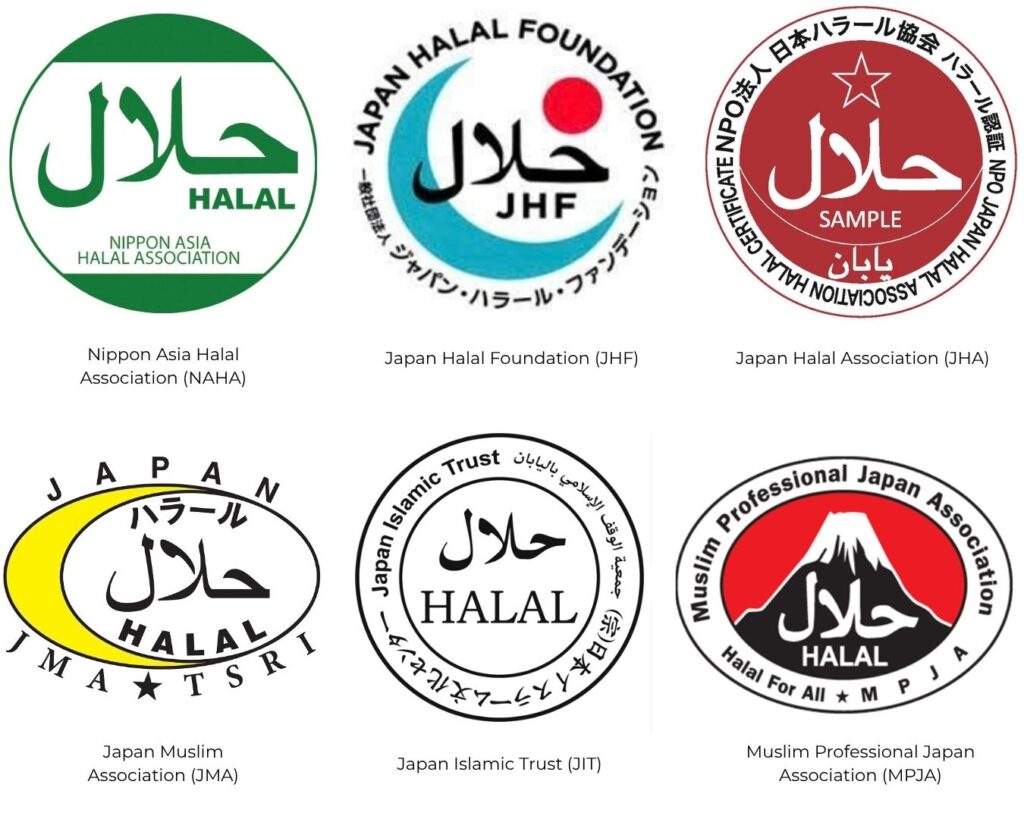
Note that “JMA” can refer to the Japan Muslim Association or the unrelated Japan Muslim Access. If a certificate carries those initials, make sure to check the full name, as they are two separate bodies and may have different standards you should be aware of.
Halal-Certified, Muslim-Friendly, and Pork-Free are Three Different Promises
- A halal-certified restaurant has been inspected by the organisation named on its certificate (JHA or another certifier listed above), which checks ingredients and meat sourcing, and how the kitchen keeps halal food separate.
- A Muslim-friendly restaurant usually serves no pork in the relevant dishes and uses halal meat for some items, but mirin or cooking sake may still go into the sauce, and alcohol is often on the drinks menu. Some certifiers, JHA among them, issue formal Muslim-friendly certificates with their own rules. But keep in mind the credential or sticker could also be owner-printed unless it has an official governing body attached.
- A pork-free sign rules out pork and nothing else, no promise of halal meat or alcohol-free seasoning.
Finding Halal Restaurants in Japan
A valid certificate names the issuing body and shows an expiry date. It should also state clearly what it covers.
Some restaurants are not fully halal but serve specific meals that can be. For example, at Uosho in Asakusa, halal certification applies to specific set menus, including a halal fugu (pufferfish) set, rather than the whole kitchen. The Wagyu Katana branches in Asakusa serve halal Kobe beef upon request but state that, although certified by an in-house halal committee, they are not fully halal restaurants.
Other restaurants like the Gyumon group state specifically that they are halal ramen shops but do not name the certifying body.
Resources for finding halal restaurants:
- JHA publish lists of the businesses they certify, which mostly includes products sold in Japan rather than restaurants.
- Japan Muslim Guide is a great resource for finding hotels, restaurants, and shops, with listings in locations all over Japan, including more rural areas.
- Halal Gourmet Japan is a database of restaurants with halal certification, muslim-friendly spots, and prayer spaces,
- Halal Food in Japan has listings of Muslim-friendly, certified, no pork restaurants with prayer rooms, grocery stores, and mosques.
- Halal Navi has an app on Google Play or the App Store with listings of muslim-friendly restaurants and hotels around Japan.
As many of these restaurants may be catered to tourists, we’d recommend looking first at one of these restaurants, then checking its ‘local’ rating on Tabelog to make sure you still get a quality meal.
Some of our favourite halal spots in Japan:
- Wagyu Yakiniku Panga (Tokyo): This yakiniku spot purchases a whole black wagyu cattle from Kumamoto.
- Ramen Halal Toribushi (Tokyo): Signature white chicken broth ramen is a creamy broth topped with wood ear mushrooms and green onions.
- Honolu Grande (Kyoto): Also serves a rich golden chicken ramen.
- Ashinoko Terrace (Hakone): Has a separate halal menu on request. Mostly the options are vegetarian.
- Islam Yokocho (Shin-Okubo, Tokyo): A short street of South Asian halal grocers and small restaurants, a couple of minutes’ walk from JR Shin-Okubo Station. Nasco Halal Food and Jannat Halal Food stock halal meat, spices, frozen food, and snacks from Pakistan, India, Bangladesh, and Nepal.
- Tokyo Camii Halal Market: On the ground floor of Japan’s largest mosque in Yoyogi-Uehara, it sells fresh halal wagyu, Turkish pastries, and baklava.
Japanese Ingredients to Be Aware Of
Rice, fish, vegetables, and tofu form the backbone of Japanese cooking. None of them poses a problem on its own, but the seasoning, stock, and meat-derived products are where it can get complicated.
Pork in Unexpected Places
While tonkotsu ramen is, by definition, always pork, less obvious foods include pork extract in instant noodles and curry roux and lard in some bakery goods and fried food. Gelatin, which in Japan is usually pork-derived, is used in many puddings, cakes, and gummy sweets. Several of Japan’s best-known souvenir confections use gelatin or liqueur, so look for a halal logo on the box before buying gifts.
Halal at Japanese Convenience Stores
None of Japan’s big three convenience store chains (7-Eleven, FamilyMart, and Lawson) holds halal certification for its own-brand food, but all three are useful if you read labels.
- Usually fine: Plain salt (塩むすび), pickled plum (梅干し), and grilled salmon (鮭) onigiri, plain boiled eggs, fresh fruit, microwaveable rice packs, unseasoned nuts, soy milk, and water.
- Check the label: Tuna mayonnaise (ツナマヨ) and other seasoned onigiri fillings, which may contain mirin; egg sandwiches; desserts, which often use gelatin; and limited-edition or “adult” candy/chocolate flavours, some of which contain liquor.
- Skip: The hot-counter fried chicken, ham or katsu sandwiches, and ready-made bento.
Visitors from Malaysia, Indonesia, and the Gulf, where KFC is halal, should know that KFC in Japan is not. For backup supplies, the budget supermarket chain Gyomu Super labels halal products on the shelf at many branches, and imported Indomie noodles, which carry Indonesian halal certification, are widely available.
Alcohol in the Sauce
Alcohol-based seasonings go into far more Japanese dishes than most visitors expect, including some that look vegetarian. The main ones to know:
- Hon-mirin (本みりん): Sweet rice wine with 10-14% alcohol, used in teriyaki glaze, sukiyaki broth, tempura dipping sauce, and simmered dishes. Japanese certification bodies treat it as non-halal.
- Mirin-style seasoning (みりん風調味料): A cheaper substitute with less than 1% alcohol. Opinions differ on whether it is acceptable, so check the label and decide by your own standard.
- Cooking sake (料理酒): Rice wine with 13-15% alcohol, used in marinades, soups, and grilled fish.
- Soy sauce (醤油): Natural fermentation leaves roughly 1.5 to 2% alcohol. Certified restaurants use halal-certified soy sauce instead.
- Added alcohol (酒精): Listed on some packaged foods, where it works as a preservative.
Plan a Trip to Japan With Us
Flip Japan Guide’s custom itineraries and private tours are planned around you, so tell us what you need. We can build your days around certified halal restaurants, prayer times, and mosques near your route in Tokyo, Kyoto, and beyond, and our local guides can handle the questions about mirin and certificates for you. Start planning your trip.
Kanji Cheat Sheet
Although Google Translate’s camera mode will read a label for you, it’s good to know the key characters.
| Japanese | Reading | Meaning |
| 豚 or 豚肉 | buta butaniku | Pork |
| ポーク | poku | Pork (loanword) |
| 豚骨 | tonkotsu | Pork bone |
| チャーシュー | chashu | Braised pork |
| ラード | rado | Lard |
| ポークエキス | poku ekisu | Pork extract |
| ゼラチン | zerachin | Gelatin |
| ビーフエキス or チキンエキス | bifu ekisu chikin ekisu | Beef extract/chicken extract |
| 本みりん | hon-mirin | Mirin (10 to 14% alcohol) |
| みりん風調味料 | mirin-fu chomiryo | Mirin-style seasoning (under 1% alcohol) |
| 酒 or 料理酒 | sake ryorishu | Alcohol/cooking sake |
| 酒精 | shusei | Added alcohol |
| アルコール | arukoru | Alcohol |
| リキュール | rikyuru | Liqueur |
| 醤油 | shoyu | Soy sauce (trace alcohol; opinions differ) |
Japanese Halal Phrases
| Japanese | Reading | Meaning |
| 私はムスリムです。 | Watashi wa musurimu desu. | I am Muslim. |
| 豚肉とアルコールは食べられません。 | Butaniku to arukoru wa taberaremasen. | I can’t eat pork or alcohol. |
| みりんやお酒は使っていますか? | Mirin ya osake wa tsukatte imasu ka? | Do you use mirin or sake? |
| ハラール認証はありますか? | Hararu ninsho wa arimasu ka? | Are you halal certified? |
| どこの団体の認証ですか? | Doko no dantai no ninsho desu ka? | Which organisation certified you? |
FAQs About Halal Food in Japan
Is Japanese food halal?
Not by default. Many dishes use mirin, cooking sake, pork-based stock, or meat that isn’t zabiha. Halal food in Japan is easiest to find at certified restaurants, which are concentrated in Tokyo, Osaka, and Kyoto. Beef and chicken are also generally not halal unless certified.
Is sushi halal in Japan?
The fish itself is fine, but sushi rice, glazes, and soy sauce may contain alcohol.
Is wagyu halal?
Only if it comes from halal slaughter and is prepared in a halal kitchen. Wagyu refers to breed and grade, so ask which body certified the beef, and whether the certification covers the restaurant or only the meat.
Is KFC halal in Japan?
No. Unlike KFC in Malaysia, Indonesia, and the Gulf, KFC Japan does not use halal-certified chicken.
Can I find halal food in Japan at convenience stores?
No convenience store chain in Japan sells halal-certified own-brand food, but plain salt or pickled plum onigiri, boiled eggs, fruit, and nuts are lower-risk choices once you have checked the label.