As a Japanese travel agency, there’s one question we get asked again and again: what to wear in Japan? Knowing how to dress for each season is a question we get all the time…and with the wildly different temperatures, landscapes, and trends within this one country, we can understand why.
To help you plan for your next trip, we’re sharing our complete guide on what to wear in Japan (and what not to) for every season. Whether you’re planning a spring cherry blossom adventure or to spend winter at the Sapporo Snow Festival, this post has your outfits covered.
Packing For a Japan Trip
Putting together the perfect Japan packing list can be stressful for anyone, but to set you on the right track, here are a few key items that you might not have thought of
- A foldable umbrella or UV umbrella for summer
- Indoor slippers for your hotel room
- Deodorant (it’s hard to find Western-style deodorant in Japan)
- A handkerchief to dry your hands after washing (many bathrooms don’t have dryers)
- A coin wallet for all the loose change you’ll likely collect
For some extra help with Japan trip planning, check out our bespoke travel planning service.

What to Wear in Japan
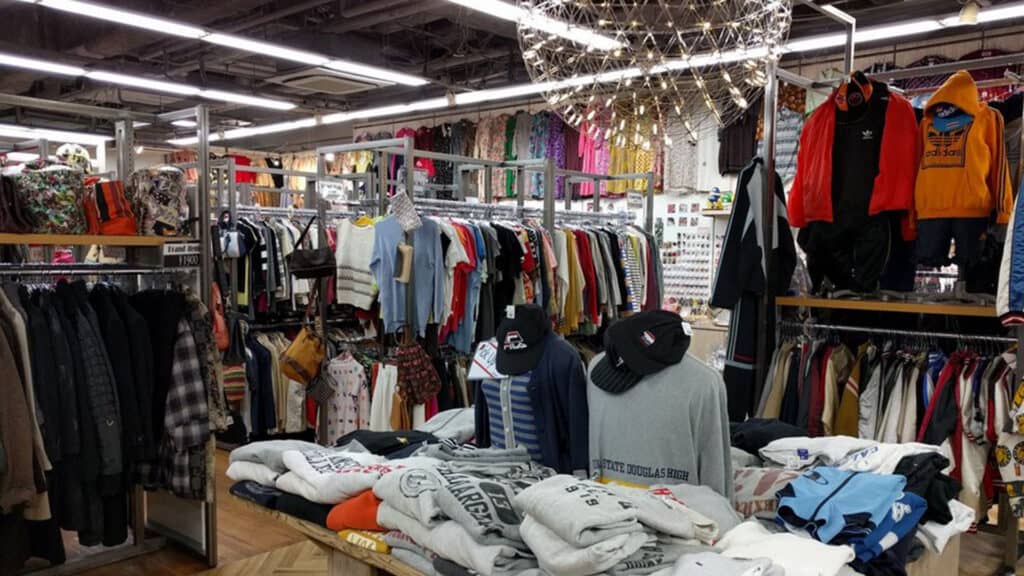
Like anywhere else, Japan is a place filled with diverse styles. What works in the city might look ridiculous in the mountains, and a winter outfit absolutely won’t work in the humid Japanese summer. Tokyo, especially, is a place filled with fashion microcultures where you can find almost any kind of vogue depending on where you look.
In other words, there is not one definitive way to dress in Tokyo. We do have, however, some suggestions for how to fit in and not look like a tourist in Japan:
- Japan is more modest when it comes to clothing, so you might want to opt for higher necklines and longer hems
- Japanese fashion tends to value neatness and subtlety, with clean, well-put-together looks built around basics and neutral or primary colours
- Don’t skip out on the comfortable walking shoes. Most trips to Japan involve a lot of walking, and shoes that give you blisters just aren’t worth wearing (no matter how cute they might be)
What Not to Wear in Japan
There are no hard rules on what you cannot wear in Japan, but in order to respect the customs and comfort level of locals, you might want to avoid overly revealing clothing like short shorts, low-cut tops, and crop tops. In general, you’ll notice people also keep their shoulders covered in Japan, and spaghetti straps are rarely seen. Particularly for women, remember that Japan has a bowing culture, so you might want to check your top is ‘bow-proof’ before leaving the house.
Figure-hugging clothes also tend to be avoided, with generally straighter silhouettes and many layers that don’t hug the waist too tightly. You’ll rarely see a Japanese woman wearing leggings outside, and a sports bra without a top is considered very inappropriate.

What to Wear in Japan in Spring
Spring in Japan runs from March to May, with the weather going from cold to hot throughout the season. Here’s what to expect:
- March: 5°C to 15°C (41°F to 59°F) with chilly mornings and evenings, and generally sunny days
- April: 10°C to 20°C (50°F to 68°F) with pleasant, mild, and sunny days, but the occasional shower
- May: 15°C to 25°C (59°F to 77°F), warm days with low humidity and plenty of sun
To prepare for the mix of sunny days and cooler evenings, light layers are your friend. Long-sleeve tops, lightweight sweaters, and jeans or midi skirts work well for daytime, with at least one warmer jacket or coat coming in handy once the sun goes down.
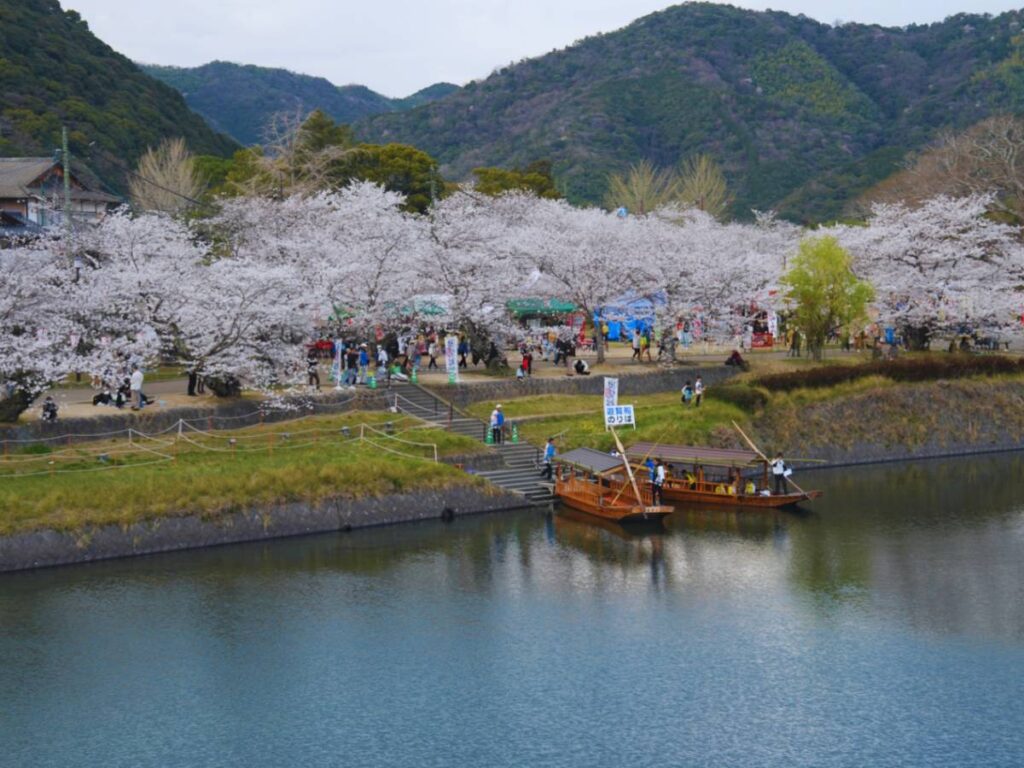
When it comes to hanami (cherry blossom viewing), Japanese women enjoy wearing frills and floral dresses for photos. Spring pastel tones, white, and lighter neutrals are the seasonal colour palette, with trench coats, denim jackets, and light wool coats being especially popular options in Japan for this time of year.
In Northern prefectures, it remains relatively chilly throughout Spring. If you’re planning on visiting places like Hokkaido, you’ll probably want some heavier layers and maybe even thermals for the earlier months.
What Not to Wear in Japan in Spring
You won’t need to wear any heavier winter gear by March, so leave the gloves and knitted scarves back at home. Very dark colours and wearing an all-black ensemble can also leave you feeling a touch out of place, as most Japanese locals enjoy a brighter colour palette for the warmer season. If you plan on partaking in a sakura picnic, you’ll also want to avoid tight jeans or mini skirts as they’re less practical for sitting for hours outside.

What to Wear in Japan in Summer
With the high humidity, oppressive heat, and rainy season, getting it right when it comes to what to wear in Japan in Summer really counts. Preparing properly is the key, so here’s what you need to know:
- June: 18°C to 28°C (64°F to 82°F), the rainy season means frequent heavy rain and very humid days
- July: 23°C to 33°C (73°F to 91°F), outside feels like a sauna with strong UV and a lot of sun
- August: 25°C to 35°C (77°F to 95°F), peak summer heat and humidity with the occasional thunderstorm and the start of typhoon season
Even in the hottest and most humid summer weeks, modest dressing remains across Japan, meaning super breathable fabric is going to be your best friend. Linen, cotton, or Uniqlo’s Airism range are great options, with light colours ideal for reflecting the sun away from your skin. For the rainy season, a lightweight rain jacket is also a must.
Women often enjoy airy skirts in summer, or you could consider packing a few white T-shirts to layer under Western-style summer dresses to make them more Japan-appropriate. Particularly in Tokyo, it’s quite common to see people wearing more heavy-duty UV protection like gloves, hats, and even full face coverings.
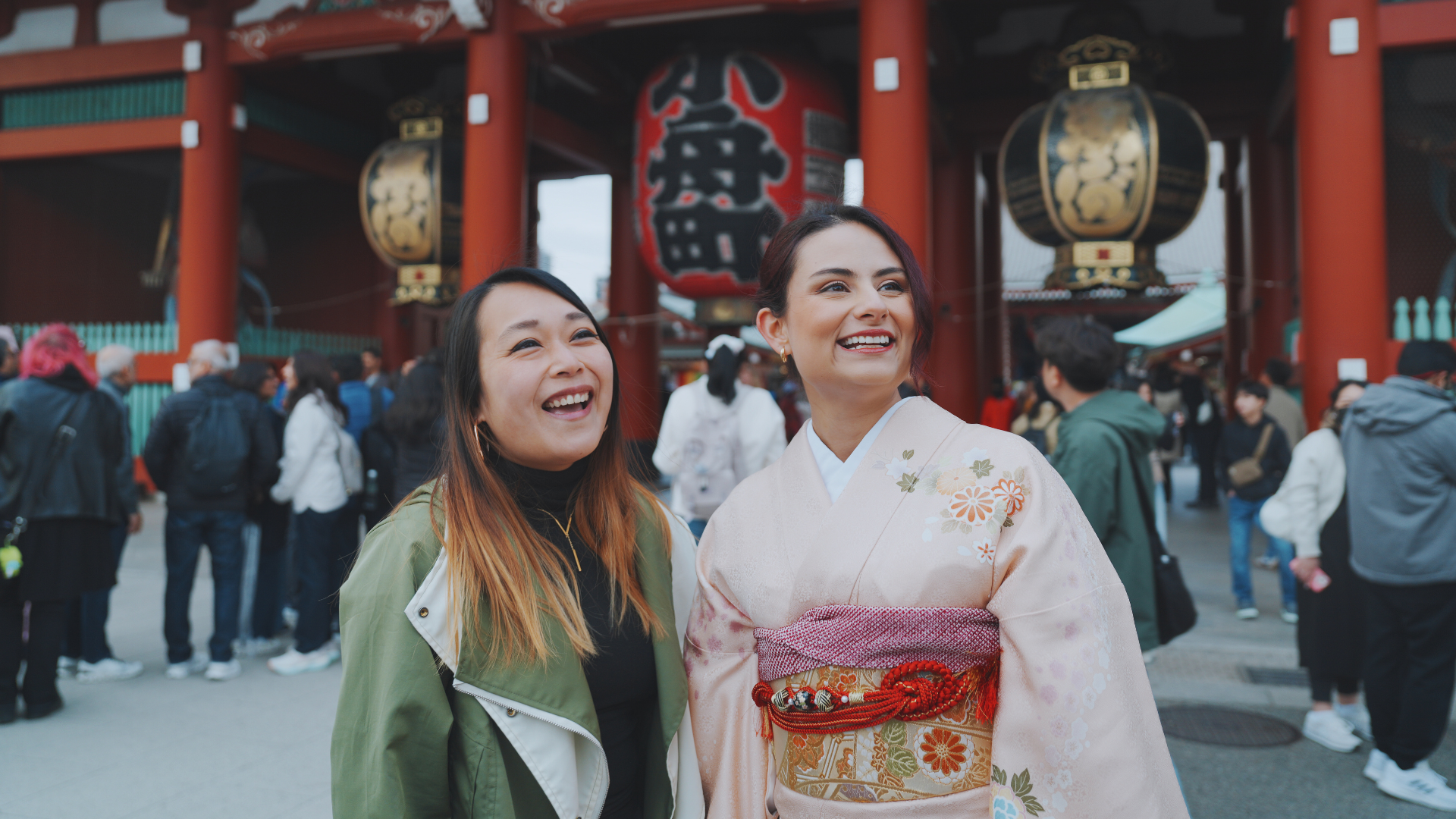
Summer is also festival season in Japan. To celebrate, people often wear yukata, a lighterweight kimono that’s a lot more breathable. If you’re thinking about a kimono experience or photoshoot, consider choosing a yukata instead to avoid overheating and summer heat discomfort!
Be aware that the end of the summer and early autumn also brings with it the typhoon season. That means sudden and dramatic rainfall, thunderstorms, and intense lightning. The typhoons can come out of nowhere and disappear just as quickly, so it’s a good idea to have waterproofs at the ready.
Check out our ultimate 14-day summer itinerary
What Not to Wear in Japan in Summer
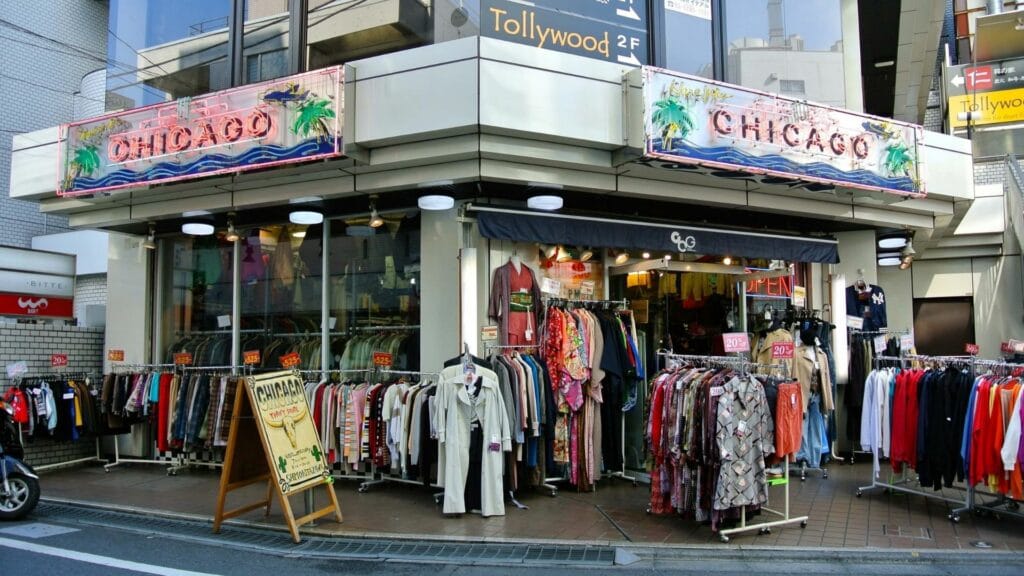
It goes without saying that warm fabrics and unnecessary layers are a big no-no in summer. They’ll trap the heat, dry slowly in humidity, and will make you stand out like a sore thumb. That being said, modesty is still preferred, so you may want to avoid tank tops, crop tops, and mini-dresses. In terms of shoes, flip-flops are rare in the city, although other sandals with backstraps are perfectly normal.

What to Wear in Japan in Autumn
Autumn in Japan is one of the best times to visit weather-wise. It’s mild, sunny, and not too cold at night.
- September: 22°C to 30°C (72°F to 86°F), the humidity and heat start to drop, but watch out for the monsoon season
- October: 15°C to 25°C (59°F to 77°F), mild and comfortable conditions with crisp, sunny days
- November: 10°C to 18°C (50°F to 64°F), days have less rain, low humidity, and just the start of a chill in the air
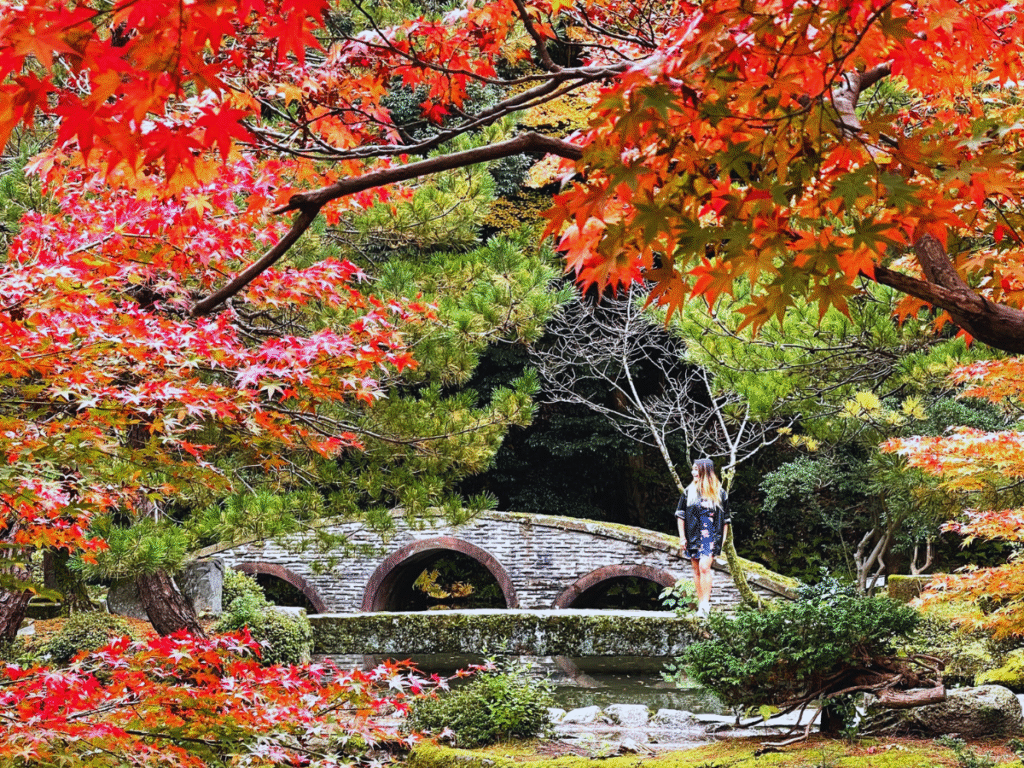
Dressing for autumn in Japan can be a lot of fun. You have the option for stylish layers (think light knit cardigans, plaid shirts, and chic gilets), without having to worry about being too hot or too cold. You’ll see a lot of longer skirts and matching co-ord sets in darker tones, although white clothing never really goes out of season. Stay prepared for sudden downpours with a waterproof jacket and shoes at the ready.
In recent years, Japan has been warmer than usual in the autumn, so it’s a good idea to bring layers to be prepared for anything. If you move more south toward Kyushu and Okinawa, it’ll likely stay warm even later in the season, and you’ll want some T-shirts and more breathable fabrics at the ready. North, on the other hand, might require a jacket and sweater and potentially even a coat.
Need an autumn itinerary?
What Not to Wear in Japan in Autumn
In the West, autumn can often signal cosy clothes and comfy outfits, but this doesn’t ring as true for Japan. Continue to stick with more put-together looks, which, if anything, get more structured as the weather starts to cool off. In the city, wearing sweatpants and oversized sweaters is generally avoided for its overly casual aesthetic.

What to Wear in Japan in Winter
To know how to dress in Japan in winter, it will hugely depend on where you’re going and when. Here’s what the months roughly look like:
- December: 5°C to 13°C (41°F to 55°F), dry and sunny with cold mornings and nights
- January: 1°C to 10°C (34°F to 50°F), the coldest month with some snow and cold, short (but sunny) days
- February: 2°C to 11°C (36°F to 52°F), lingering cold temperatures and snowy days, especially in the northern regions
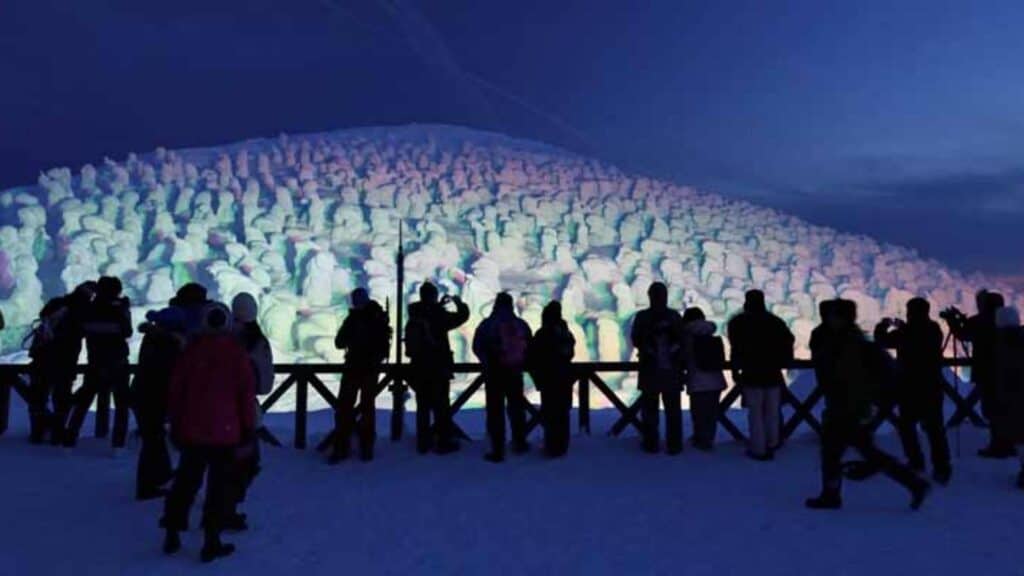
If you’re visiting Japan in winter and planning to spend time in the Japan Alps, northern Honshu, or Hokkaido, then be prepared for below-freezing nights and plenty of snow! Make sure to pack gloves, scarves, and hats to keep all your extremities warm, and for icy roads, we recommend wearing shoes with a reasonable grip that are ideally waterproof. You’ll also notice puffer jackets are a very popular way to stay warm.
You might be surprised to notice that no matter how high the indoor heating is turned, Japanese people don’t take off layers when inside or on the train. To look less like a tourist, you can try and keep on all your layers when you’re indoors but not ‘at home’. This is why some sort of temperature-controlling base layer makes a big difference to keep you warm outside, but cool inside—Uniqlo heat tech is a staple in Japan.
What Not to Wear in Japan in Winter
Don’t underestimate Japan’s plummeting winter temperatures. Once you’re into January (and even more so for the northern prefectures), sweaters and jackets aren’t going to cut it—a warm winter coat is simply a must. You can, on the other hand, leave the thick leggings at home. They’re not only quite revealing for Japanese taste, but likely not even warm enough to fight off the cold.
FAQs
What to wear in Japan to a temple/shrine?
In most cases, temples and shrines in Japan don’t have a strict dress code (including the major temples in both Tokyo and Kyoto), although it’s always best to err on the side of caution with slightly more modest outfits. If a temple does have rules around clothes, like Nanzoin Temple in Fukuoka, there’ll be clear signs around to let you know.
Are kimonos still worn in Japan?
Kimonos are still worn in Japan, but mostly for special occasions like weddings, tea ceremonies, or cultural festivals. In popular tourist areas like Kyoto, people rent kimonos for the day, though everyday attire for most Japanese people is modern and casual.
Can foreigners wear a kimono in Japan?
Yes, foreigners are absolutely welcome to wear kimonos. Renting a kimono for sightseeing is a popular and well-received activity in historical areas, as long as it’s worn properly and not treated like a costume.
What is the dress code for restaurants in Japan?
Check online for a dress code, but in most cases, restaurants in Japan are casual and don’t require formal wear. It’s still best to avoid athletic gear or messy clothing, and it’s considered polite to remove hats and sunglasses indoors.
What to wear in Japan as a woman?
Women in Japan often wear modest yet stylish outfits, like midi skirts, blouses, or layered looks with clean lines. Flats, loafers, or sleek sneakers are great for city walking, and carrying a scarf or cardigan helps adjust for changing temperatures or modesty when needed.
What to wear in Japan as a man?
Men typically dress in a smart-casual style, e.g., button-up shirts, tidy jeans or chinos, with undershirts to protect from sweat marks. Casual leather shoes or sneakers are fine for most situations, and a blazer or jacket is a nice touch for dinner out or cooler days.