

Winter is one of our favourite times to be in Japan, and the skiing is only part of it. There are New Year crowds at the shrines, snow festivals, whole streets wrapped in lights, hot sake in a snowy onsen town and the New Year sales, where people queue for bags of mystery goods. Here are seven winter activities in Japan we’d plan a trip around.
Planning a whole trip around the colder months? Check out our complete guide to winter in Japan.
Coming at a different time of year? We’ve also got guides to cherry blossom season, summer in Japan and the best places for autumn leaves.
1. Hatsumode: Your First Shrine Visit of the New Year

If you’ve had a challenging year or are eager to fulfil your New Year’s resolutions, Hatsumode is the perfect way to start fresh. Hatsumode is the first shrine or temple visit of the year, an important tradition in Japan where people pray for blessings such as health, wealth, and happiness for the year ahead. Participating in Hatsumode is a fantastic way to immerse yourself in traditional Japanese culture while making a hopeful wish for the future.
During the first few days of January, starting at midnight on New Year’s Day, shrines across Japan are filled with visitors. People line up to make their first prayer of the year, buy good-luck charms, draw fortunes, and enjoy delicious food from local stalls. Meiji Jingu Shrine in Tokyo is one of the most popular spots for Hatsumode, where crowds can often wait hours just to make their first prayer. Sensoji Temple is another famous location for Hatsumode, drawing visitors from all over Japan.
If you want to experience the traditional spirit of Japan during the colder months, Hatsumode is a great way to begin your list of winter activities in Japan.
2. Winter Fruit Picking: Mandarins in Izu and Strawberries in Yokohama

When it comes to winter fruit, Japan is a fantastic place to try seasonal varieties like strawberries, oranges, kiwi, and apples. One of the most enjoyable winter activities in Japan is fruit-picking, where you can visit local farms and pick your own fruit straight from the trees. Many of these farms offer all-you-can-pick and all-you-can-eat experiences, giving you a chance to taste Japan’s freshest produce while enjoying the beautiful countryside.
For example, the mandarin farms of Usami, on the Izu Peninsula in Shizuoka, are famous for mandarin picking, where visitors can eat as many mandarins as they like for around 600 yen between October and January. Yokohama Strawberry Park (formerly Tokyo Strawberry Park) is another popular spot for fruit-picking, offering visitors the opportunity to taste various types of strawberries grown in its climate-controlled greenhouses all through the winter season. It’s open on weekends and holidays only and you’ll need to book, and instead of all-you-can-eat, you get 30 minutes to fill a picking cup (about 300 g) for 2,500 yen. You can then try strawberry parfaits and juice at the on-site café, making it a fantastic winter outing for families and friends.
3. Winter Festivals: Sapporo Snow Festival and Yunishigawa Kamakura

Winter festivals are an essential part of the season and one of the most exciting winter activities in Japan. These festivals celebrate the beauty of winter and the snow, and people from all over the country gather to enjoy the lively atmosphere. Families and friends visit various winter markets, ice skating parks, light-up festivals, and traditional celebrations.
The Sapporo Snow Festival in Hokkaido is one of the most famous snow festivals in Japan, featuring massive snow and ice sculptures, stunning illuminations, and festive music, and the 2027 festival runs from 4 to 11 February. Visitors can explore the many snow and ice statues and even take part in snow-related activities. The Tsudome site is a special area designed for children, with snow slides and snow rafting, making it a fun event for all ages.
For a more intimate experience, the Yunishigawa Onsen Kamakura Festival in Nikko, Tochigi, is a charming event where around 700 mini snow domes are lit with candles and placed along the riverbanks. Visitors can even reserve spots to enjoy a cosy barbecue inside a big kamakura snow house at the riverside venue. The festival usually runs from late January to early March, and the riverside mini kamakura are only lit on Fridays, Saturdays, and Sundays, from 17:30 to 21:00. These festivals are a must-see for anyone interested in experiencing the magical atmosphere of Japan during the winter.
Want more snowy events? Check out our guide to the best snow festivals in Japan.
4. Winter Illuminations

Every winter, cities across Japan wrap their streets, parks and theme parks in LED lights, and they’re one of the easiest winter activities in Japan to fit into a city trip.
Yomiuriland in Tokyo has become famous for its Jewellumination, one of the biggest illumination events in the Kanto region, running from 29 October 2026 to 4 April 2027. Combining light and music, these illuminations create a magical performance that feels straight out of a fairy tale. Similarly, Tokyo Dome City’s winter illumination covers the whole complex in more than a million white lights on a snow dome theme, with a 15-metre tree that puts on a light and music show every 15 minutes.
In Osaka, the Midosuji Illumination is one of the largest illumination displays in Japan, where about 4 km of the city’s main boulevard, from Umeda to Namba, is transformed into a winter wonderland from 3 November to 31 December 2026. You can see it from the top deck of the open-air Osaka Sky Vista bus, which runs special illumination tours in November and December.
Check out our guide to Tokyo’s winter illuminations for this season’s dates.
5. Skiing and Snowboarding in Japan’s Famous Powder Snow

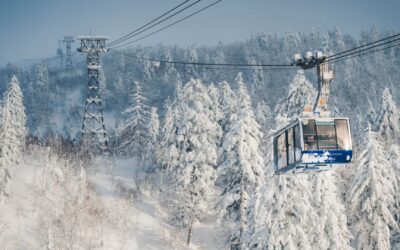
For winter sports enthusiasts, Japan is a paradise of world-class ski resorts and famous powder snow. Skiing and snowboarding are two of the most popular winter activities in Japan, and the country boasts numerous resorts that cater to all skill levels. From beginners to seasoned pros, there’s a resort for everyone.
Hokkaido’s Grand Hirafu is the largest of the four resorts that make up Niseko United, offering everything from skiing and snowboarding to night skiing. For families with young children, Karuizawa Prince Hotel Ski Resort in Nagano, about an hour from Tokyo by shinkansen, offers gentler slopes and Snowman Park, a fun kids’ area where children can enjoy the snow in a safe and playful environment. Rokko Snow Park, located near Kobe and about an hour from Osaka by car, is ideal for those who want to experience skiing but don’t have much time to travel. It usually opens in late November or early December, making it a great choice for those eager to hit the slopes early in the season.
Planning a ski trip? Check out our guide to the best ski resorts in Japan.
6. Warm Up with Hot Sake

Sake is often served warm in winter, and a cup of atsukan (hot sake) after a day out in the snow is hard to beat.
Our favourite place to drink it is Ginzan Onsen, a small hot spring village in Yamagata known for its old wooden ryokan and snowy views. Just know that from 19 December 2026 to 7 March 2027, day-trippers can’t drive in. You park at Taisho Roman-kan and take a timed shuttle bus, and tickets go on sale online from 1 November 2026, so book early.
In Tokyo, you can try sake from all over Japan at the Japan Sake and Shochu Information Center in Toranomon, from 100 yen a glass. It’s open on weekdays only, from 10:00 to 18:00. Or simply head to a nearby izakaya anywhere in Japan and order ‘atsukan’.
Staying overnight in a hot spring town? Check out our onsen 101 guide to bathing like a local.
7. Winter Sales and Lucky Bags (Fukubukuro)

December and January are sale season, and shopping in Japan gets a lot cheaper, with discounts of up to 70% on everything from clothes to electronics. The highlight is fukubukuro, or lucky bags, sealed bags of mystery items that cost less than what’s inside. You’ll find them almost everywhere, from department stores to small boutiques, which makes them the most chaotic of all the winter activities in Japan.
Most department stores are closed on New Year’s Day and start their sales on 2 or 3 January, and some of the most popular bags are sold by lottery, so check the store’s website before you go.
Not sure where to start? Book a free consultation call with one of our expert planners.
Winter Activities in Japan FAQs
When is the Sapporo Snow Festival in 2027?
The 2027 Sapporo Snow Festival runs from 4 to 11 February, across three sites: Odori Park, Susukino, and Tsudome.
When do lucky bags go on sale in Japan?
Most department stores are closed on 1 January and start their New Year sales on 2 or 3 January. Some of the most popular lucky bags are sold by lottery, so check each store’s website ahead of time.
Can you visit Ginzan Onsen on a day trip in winter?
Yes, but you can’t drive into the village. From 19 December 2026 to 7 March 2027, day-trippers park at Taisho Roman-kan and take a timed shuttle bus, which costs 700 to 1,200 yen return when booked in advance.