
Too few people know how much more there is to see in Japan than just Tokyo, Kyoto, and Osaka. In our expert opinion, it’s the small cities in Japan that create the most special, unique, and off the grid trips.
The tricky thing is that to escape the other tourists, you need to know the places to go that they don’t. That’s why we’re sharing this guide to our favourite small cities in Japan to give you the insider heads up of where we think you should go…that other people won’t. How can you trust us? We’re a boutique Japan travel agency who’s created hundreds of bespoke trips to help people get off the tourist track and see the real Japan.

Planning a Trip to Japan?
Want an extra helping hand to plan a truly unique Japan trip? We’re here to help! Start with our complete Japan trip planning guide, or check out our expert travel planning services to focus less on logistics and more on excitement.
Kagoshima, Kyushu
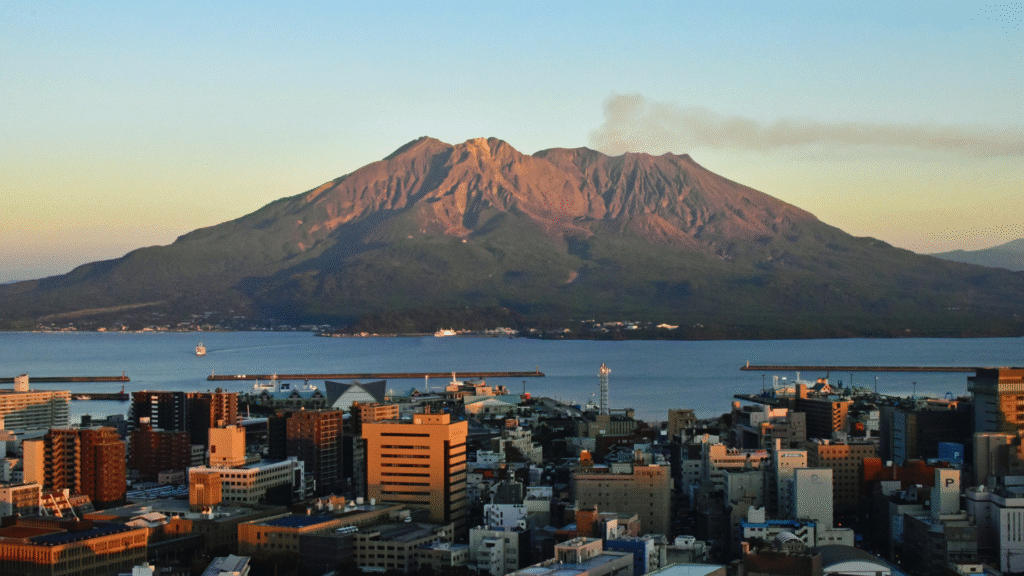
The lovely city of Kagoshima holds some of the most incredible views in all of Japan of Sakurajima, the most active volcano in the country. You can reach the volcano with a short ferry ride from Kagoshima port, where you can stroll the rural volcanic landscape, enjoy a free foot onsen, and visit the visitor centre to learn about the hundreds of yearly Sakurajima eruptions.
Aside from just the amazing views, Kagoshima city itself is a joy to visit. The people are known as being some of the nicest people in all of Japan, and this good nature is more than obvious in the hospitality. From quaint coffee shop owners to friendly barkeeps and passionate museum guides, it’s clear how excited the locals are to share their home with visitors.
Best Things to Do in Kagoshima
- Take the ferry to Sakurajima to explore, learn, and visit the onsen
- Visit Sengen-En, a traditional Japanese garden that was once home to a feudal lord
- Try local “satsuma cuisine” (the traditional prefecture name) like satsumaage (deep-fried fish paste patties), kurobuta (black pork), and tonkotsu (a pork and miso stew)
- See the sunrise over Sakurajima from the Shiroyama Park Observation Deck
How to get to Kagoshima
From Tokyo, you can take a direct flight to Kagoshima Airport in about two hours, or ride the Kyushu Shinkansen from Hakata (Fukuoka) to Kagoshima-Chuo Station in roughly 1 hour and 20 minutes. Travellers coming from Osaka or Kyoto can also reach Kagoshima by Shinkansen in around 4–5 hours.
Miyazaki, Kyushu
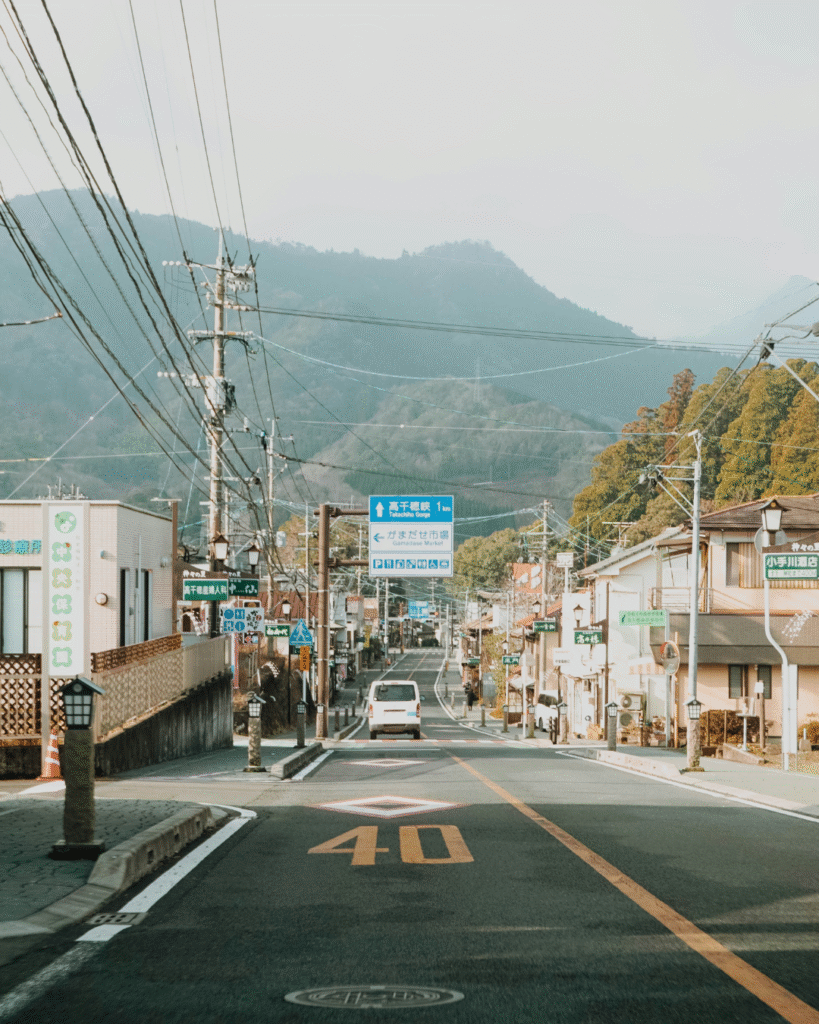
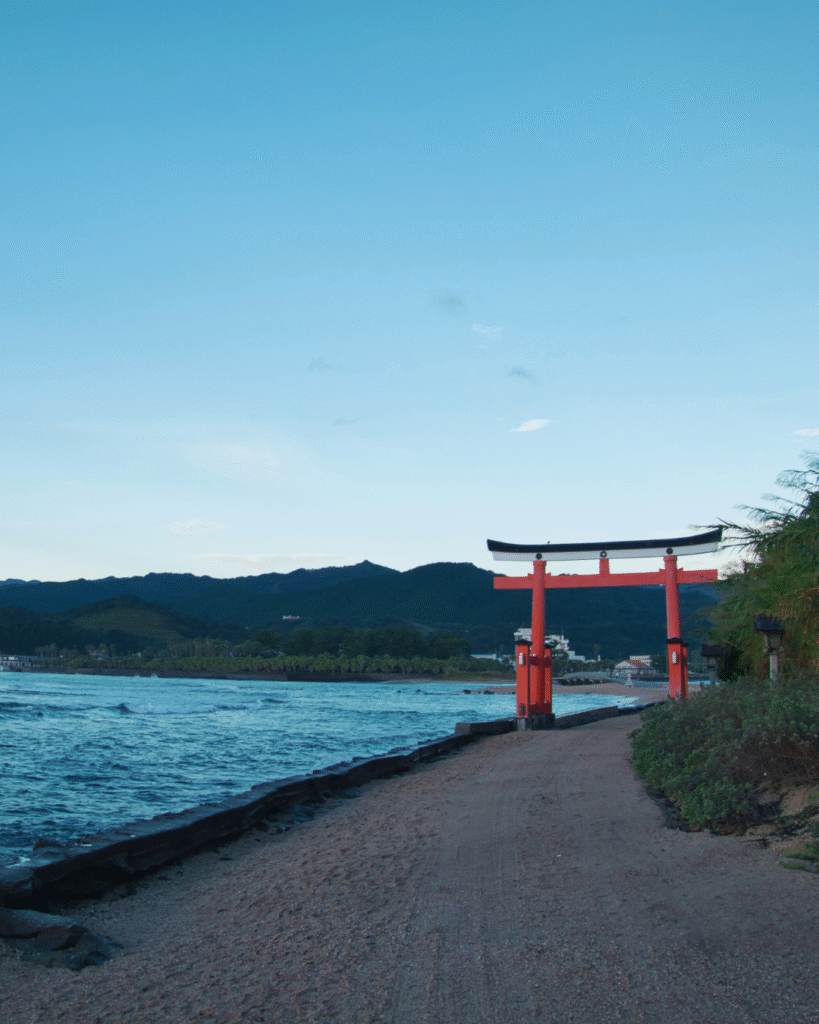
Miyazaki is one of our favourite small cities in Japan thanks to its perfect subtropical climate and slower, seaside pace. It’s a great honeymoon destination with some wonderful Japanese beaches, including the nearby Aoshima Island, which you can get to by crossing a short footbridge. Aoshima is a small, rural, island paradise with a balance of history, culture, and white sandy beaches.
We love Miyazaki for showing an utterly different side to “authentic Japan”, where locals have a more reasonable balance of relaxation, nature, and food than in the bigger cities. You can surf in the morning, visit ancient shrines in the afternoon, then end the day enjoying Miyazaki marbled beef, crispy chicken nanban, or sweet summer mangoes.
Best Things to Do in Miyazaki
- Spend a day at Aoshima Island for scenic walks and 360-degree stunning views
- Explore Udo Shrine, which is strikingly placed inside a seaside cave overlooking the ocean
- Rent a car and drive the beautiful Nichinan Coastline
- Taste Miyazaki beef, some of the highest quality meat in the world
How to get to Miyazaki
From Tokyo, the fastest option is a direct flight to Miyazaki Airport, which takes about 1 hour and 45 minutes. There are also regular flights from Osaka, Fukuoka, and Nagoya. If you prefer train travel, you can ride the Shinkansen to Hakata (Fukuoka) and transfer to the JR Kyushu limited express, reaching Miyazaki in around 4 to 5 hours.
Yanagawa, Kyushu
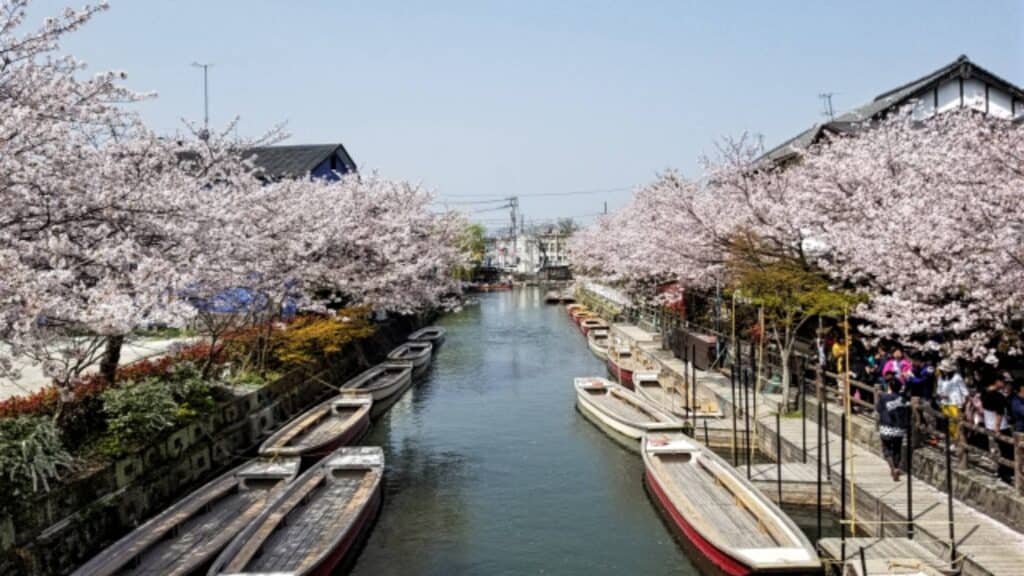
You might have heard Yanagawa be called the Venice of Kyushu, and I’m sure you can guess why…the magical canals. These waterways, originally constructed for irrigation during the Edo period, now serve as wonderful routes for leisurely tours on the traditional donkobune boats.
The canals are just one reason that Yanagawa is worth a visit. The city is lined with traditional merchant houses, tea shops, and white-plastered buildings that transport you back in time. Beyond its architecture, Yanagawa also has a rich cultural legacy, celebrated through festivals and its connection to the famous poet Hakushu Kitahara.
Best Things to Do in Yanagawa
- Take a donkobune boat tour with a local tour guide
- Visit Yanagawa’s historic district
- Experience the local unagi (freshwater eel) cuisine like unagi seiro-mushi, a savoury and uniquely steamed eel and rice dish
- Stroll through Ohana and Ohana Garden to see Meiji-era architecture and landscaping
How to get to Yanagawa
Yanagawa is easiest to reach from Fukuoka City. From Nishitetsu Fukuoka (Tenjin) Station, take the Nishitetsu Tenjin Ōmuta Line to Nishitetsu-Yanagawa Station, which takes about 45 minutes. Once you arrive, you can explore the city on foot.
Fukui, Honshu
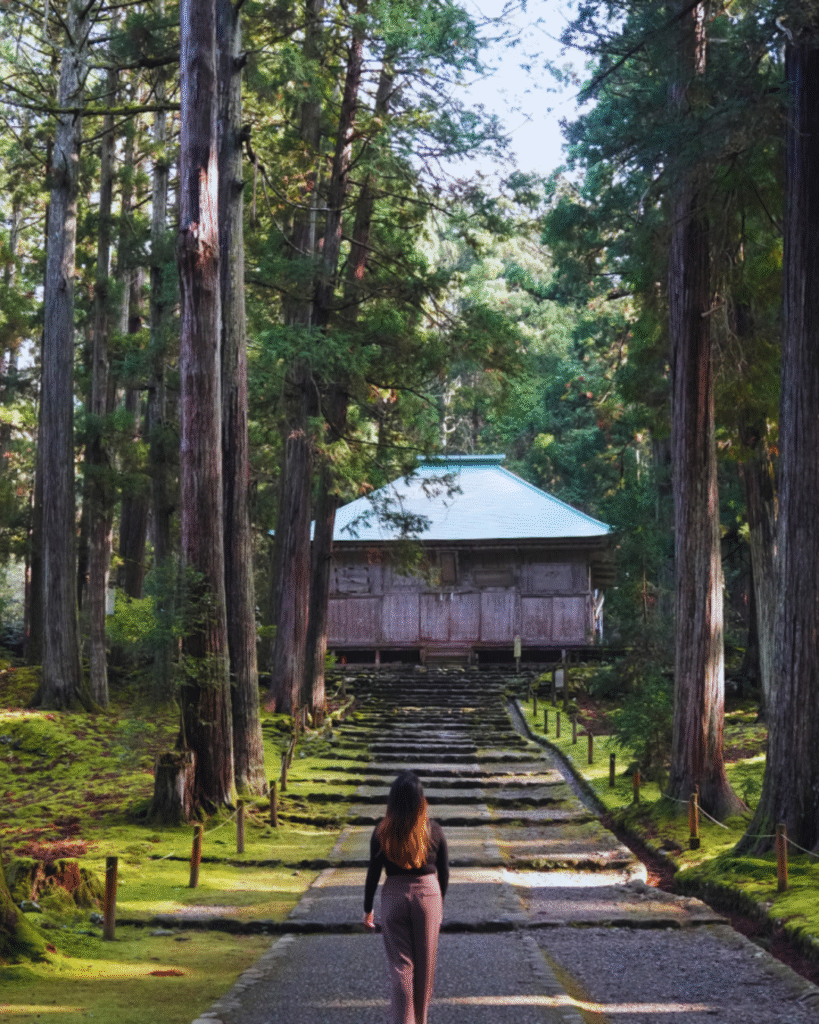
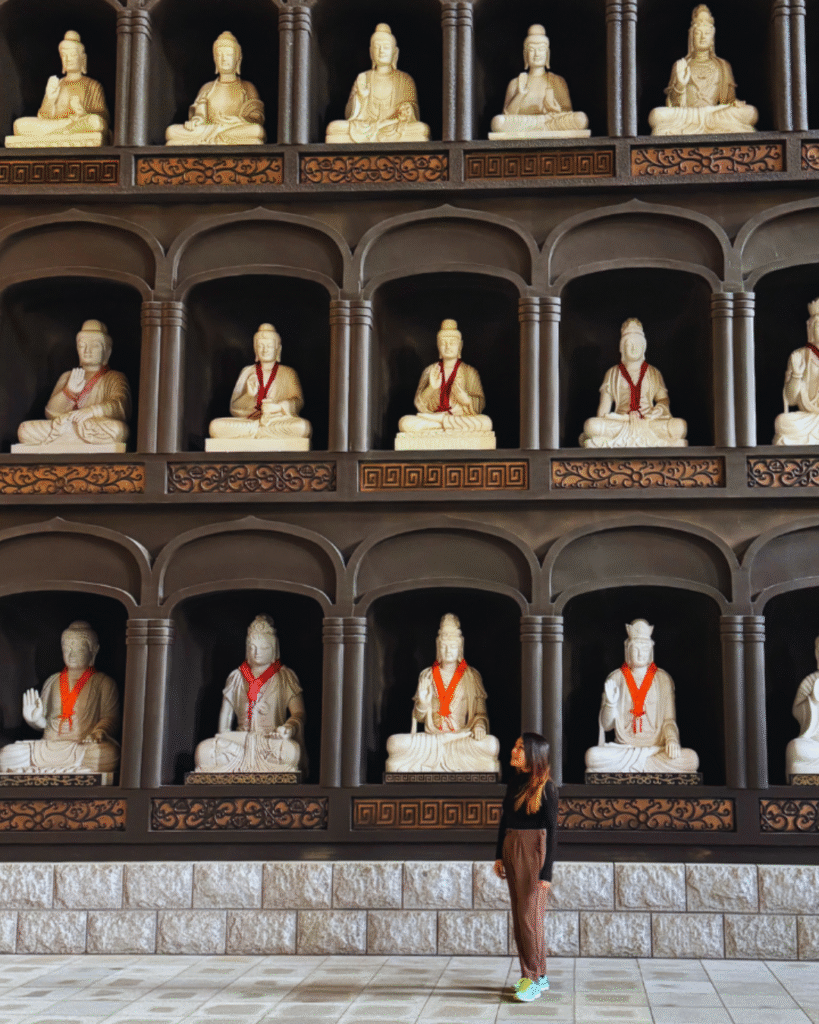
If off the grid Japan travel is your thing, then you have to visit Fukui. The entire prefecture is filled with natural wonder and ethereal historical ruins, with a stay in Fukui city being the perfect base from which to explore. We might be talking small cities in Japan, but there’s nothing small about a Fukui experience.
You can visit a dinosaur centre, stroll a breathtaking clifftop coastline, and hike the ruins of a lost Samurai city…there’s truly something there for everyone. Add to that the serene temples tucked into forested valleys, the quaint streets of Fukui city itself, and it’s easy to see why travellers looking to step off the beaten path find themselves enchanted by Fukui.
Best Things to Do in Fukui
- Explore the Fukui Prefectural Dinosaur Museum, one of the world’s top dinosaur museums, with over 40 complete skeletons on display
- Stroll along the dramatic Tojinbo Cliffs and take in the breathtaking columnar basalt formations along the Sea of Japan
- Visit Eiheiji Temple, a serene forest temple founded in 1244 by Zen master Dogen and still home to practising monks
- Wander the Ichijōdani Asakura Clan Ruins to see reconstructed samurai residences and gardens from Japan’s Sengoku period
How to get to Fukui
Fukui City is most easily accessible by train or car. From Tokyo, take the Hokuriku Shinkansen to Kanazawa and transfer to the JR Hokuriku Main Line, reaching Fukui in about 3.5 to 4 hours.
From Osaka or Kyoto, the JR Limited Express Thunderbird also connects directly to Fukui in roughly 2 to 2.5 hours. Once in the city, you can take local buses and taxis to reach places like Eiheiji Temple, Tojinbo Cliffs, and the Dinosaur Museum.
Kanazawa, Honshu
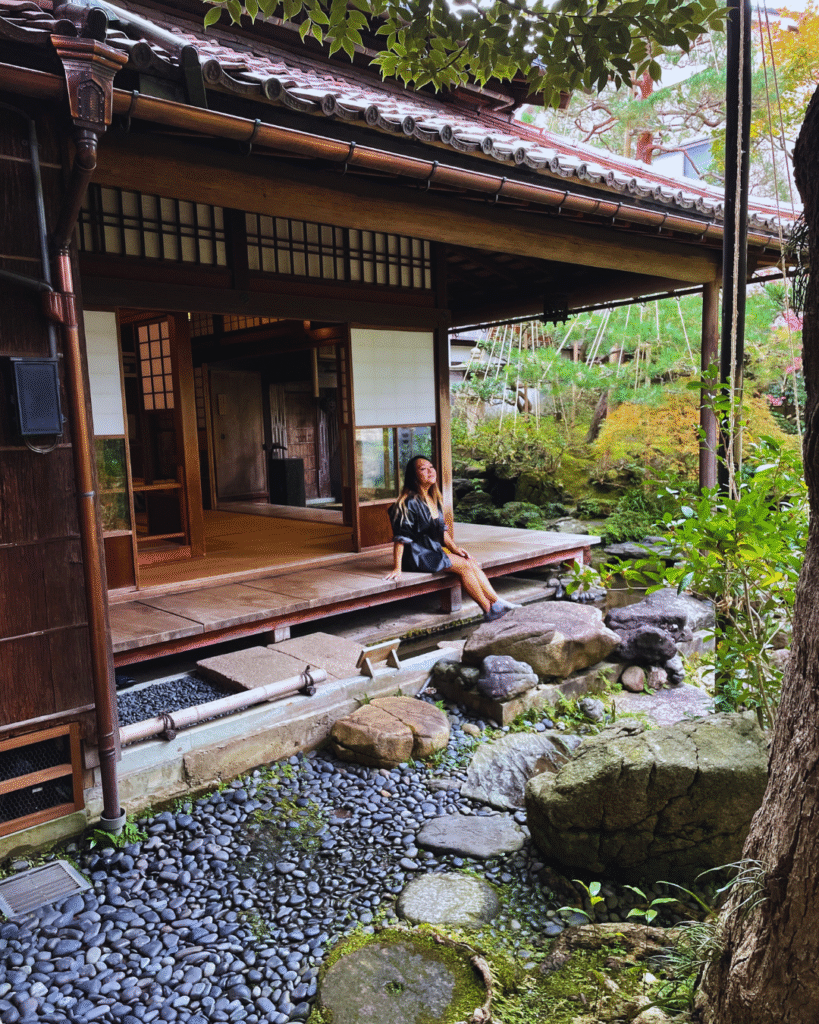
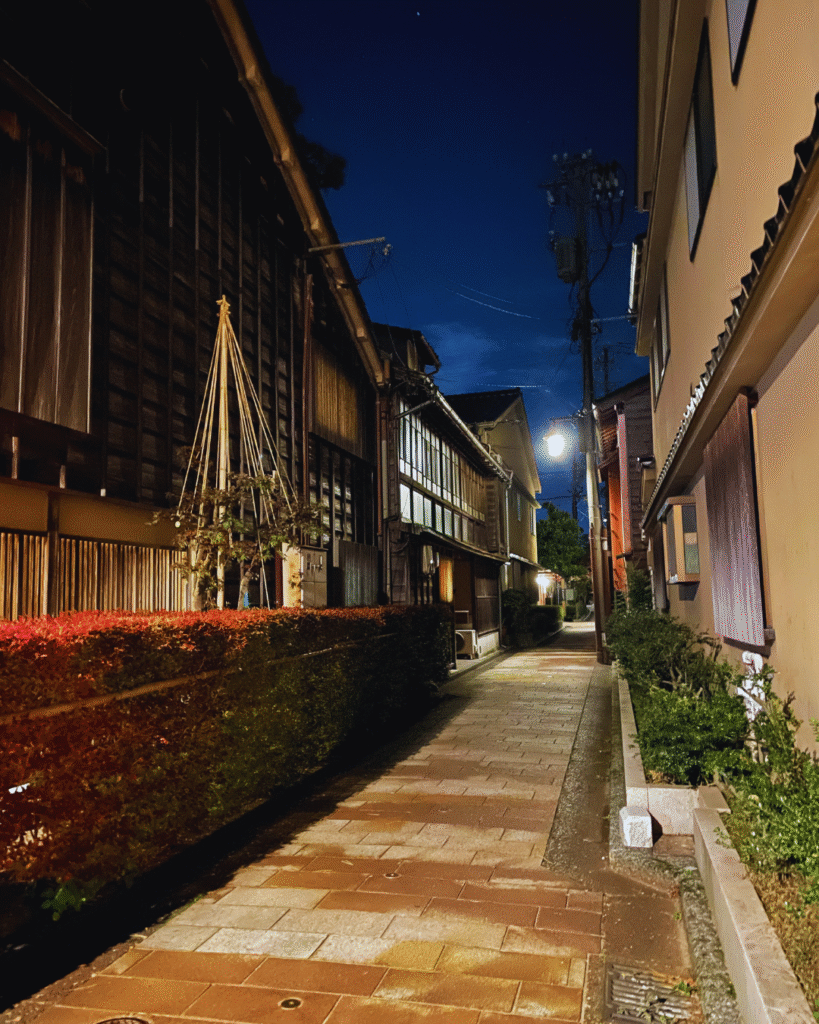
Interested in Kyoto but don’t want to deal with the crowds and touristy vibes? Then you’re going to love Kanazawa…it’s even nicknamed “Little Kyoto”. One of the city’s highlights is Kenroku-en Garden, widely regarded as one of Japan’s most beautiful landscape gardens. Then, nearby, are the Kanazawa Castle Park and historic samurai districts, such as Nagamachi.
You can see more of local life at Omicho Market, where you’ll find delicious fresh seafood and regional specialities. Kanazawa is also a hub for traditional arts and crafts, from gold leaf production to pottery and lacquerware, so you’ll be able to learn about and even pick up a cool array of unique souvenirs.
Best Things to Do in Kanazawa
- Stroll through Kenroku-en Garden, one of Japan’s most famous landscape gardens, and enjoy seasonal year-round beauty
- Explore the Nagamachi Samurai District to see preserved samurai residences and narrow, historic streets
- Visit Omicho Market and eat to your heart’s content
- Step inside Kanazawa Castle, a reconstructed Edo-period fortress surrounded by scenic gardens and stone walls
How to get to Kanazawa
From Tokyo, take the Hokuriku Shinkansen to Kanazawa Station, which takes about 2.5 to 3 hours. Travellers from Osaka or Kyoto can reach the city by limited express train in roughly 2 to 2.5 hours.
Takayama, Honshu
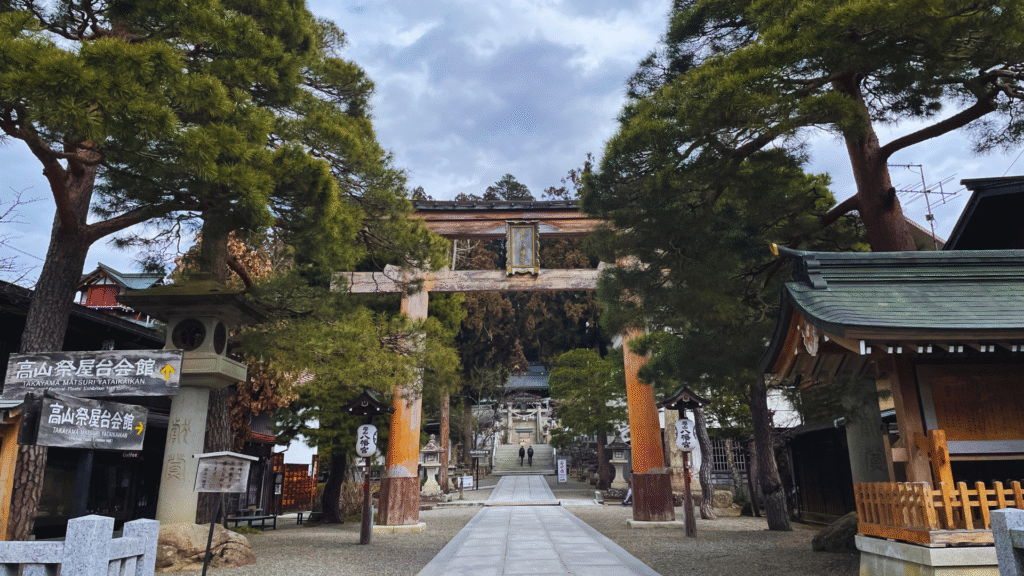
Nestled in the Hida Mountains of Gifu Prefecture, Takayama is a wondrous example of why you should visit small cities in Japan. You’ll find untouched history, rich culture, beautiful natural sites…all without the intensity of sharing the space with millions of other people. In fact, the relaxed way of life is one of the things we enjoy most about trips to Takayama.
One of Takayama’s highlights is the Sanmachi Suji district, a network of narrow streets lined with traditional wooden houses, sake breweries, and artisan shops. Elsewhere is Takayama Jinya, a former government office from the Edo period. Just outside the city is the Hida Folk Village, where you’ll find traditional thatched-roof farmhouses. Local culture is also strong, with the Spring and Autumn Takayama Matsuri (festival) being considered among Japan’s most beautiful.
Learn about our top Japanese festivals
Best Things to Do in Takayama
- Visit Takayama Jinya, a beautifully preserved Edo-period government office
- Stroll through Sanmachi Suji, Takayama’s old town district, to see traditional wooden merchant houses, artisan shops, and sake breweries
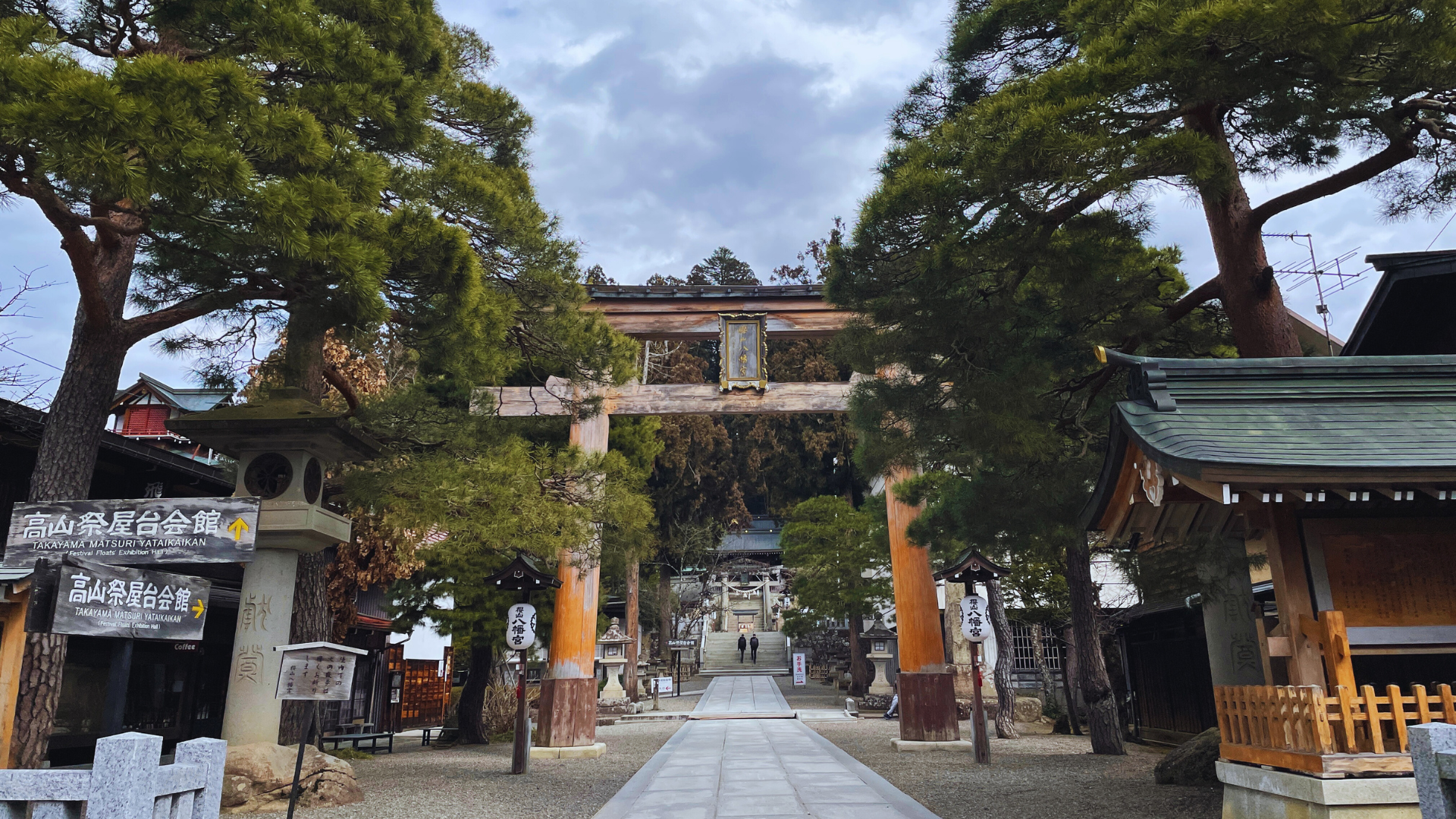
- Explore Sakurayama Hachimangu Shrine, a historic Shinto shrine known for its seasonal festivals
- Discover the Takayama Showa Museum, which showcases life in Japan during the Showa era
How to get to Takayama
From Tokyo, take the JR Tokaido Shinkansen to Nagoya (about 1 hour 40 minutes), then transfer to the JR Hida Limited Express for a scenic 2 to 3 hour ride to Takayama. From Osaka or Kyoto, the same Hida Limited Express connects directly in roughly 4 to 5 hours. For budget travellers, there are also highway buses which take 5 to 6 hours from major cities like Tokyo, Nagoya, or Osaka.
Nakatsugawa, Honshu
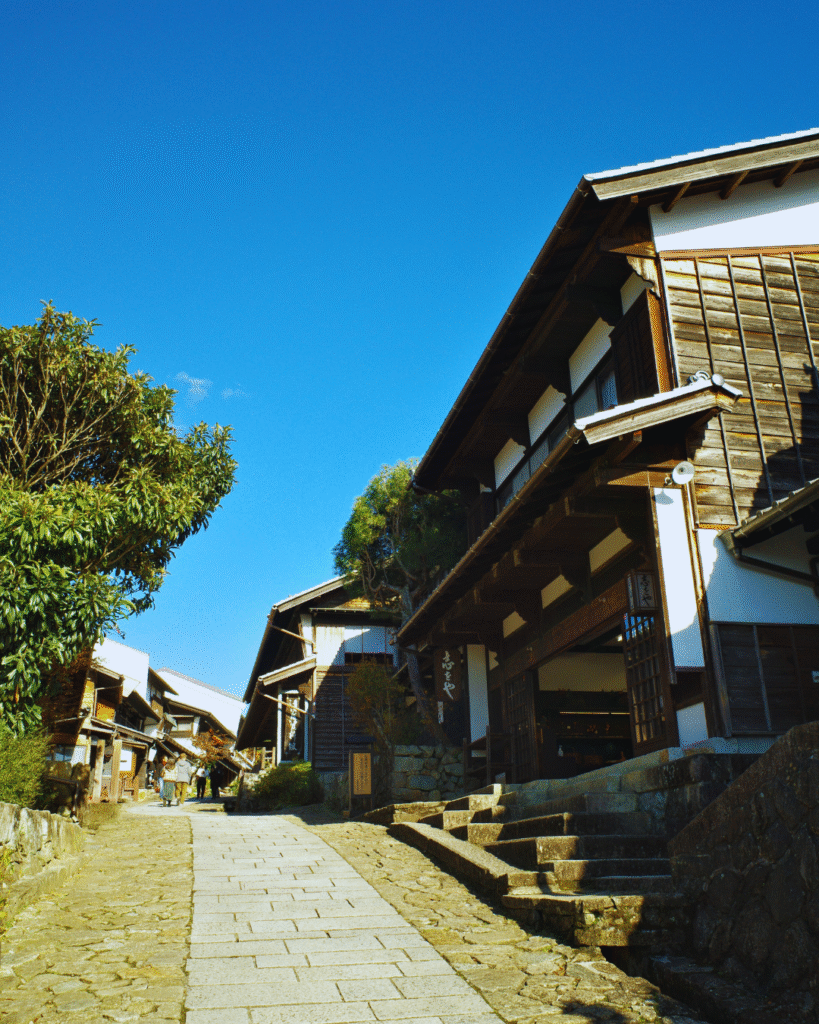
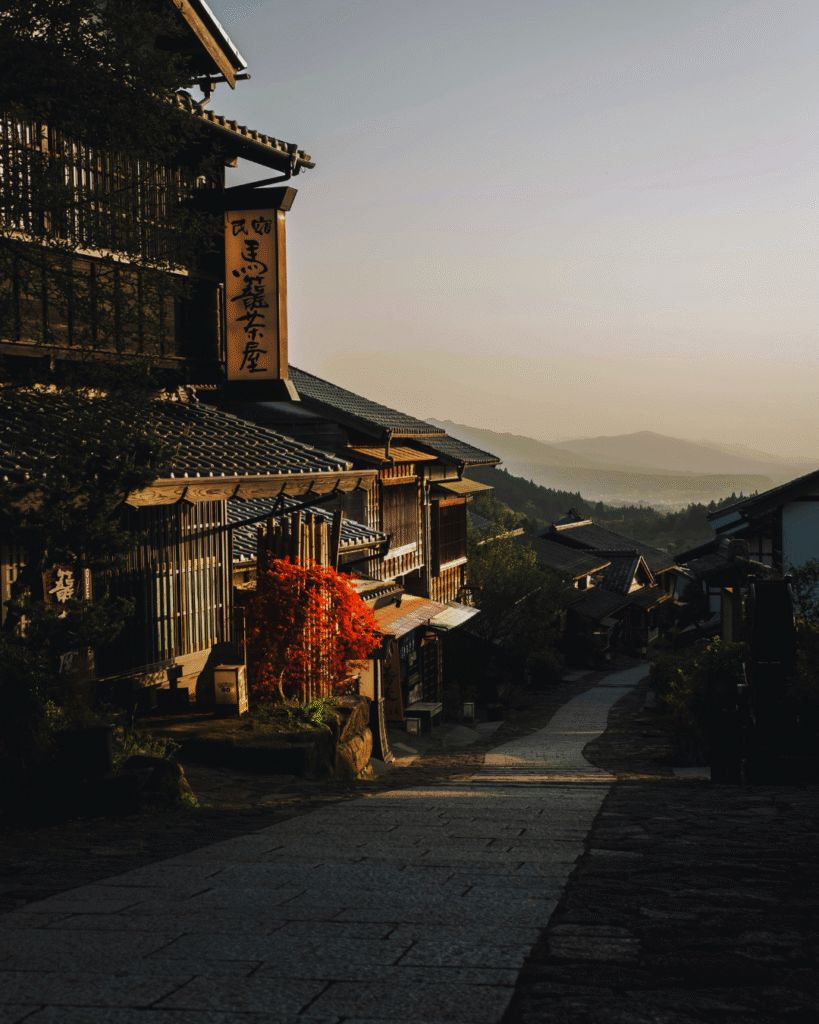
Nakatsugawa is a small city in Japan that offers an authentic window into Japan’s Edo-period history and mountain culture, but is often overlooked by travellers (making it a real off the grid Japan travel gem). Historically, the city flourished as a key post town along the Nakasendo, the inland route connecting Kyoto and Edo, where merchants, samurai, and travellers would frequently pass through.
The postal town, Magome-Juku, is still incredibly preserved even today, with narrow, stone-paved streets winding past low wooden houses with traditional tiled roofs, sake shops, and teahouses. Not only is it an amazing site of its own accord, but this also marks the start of the Magome-to-Tsumago trail, a 7 to 8 km path through forested mountains, rivers, and rural hamlets.
Best Things to Do in Nakatsugawa
- Walk through Magome-Juku, a meticulously preserved Edo-period post town
- Hike the Magome-to-Tsumago trail for hidden shrines and mountain, river, and terraced field views
- Visit Nakatsugawa City Museum, where exhibits highlight the region’s history
- Explore local craft workshops and pottery studios to see traditional Mino-style ceramics
How to get to Nakatsugawa
From Tokyo, take the JR Chuo Shinkansen to Nagoya, which takes about 1 hour and 40 minutes. Next, transfer to the JR Chuo Main Line for a 50-minute ride to Nakatsugawa Station. Travellers from Osaka or Kyoto can reach Nakatsugawa by limited express train via Nagoya in roughly 3 to 4 hours.
Furano, Hokkaido

Have you seen the Instagrammable photos of bright purple lavender fields and thousands of rainbow flower backdrops? They were probably taken in Furano. This small Hokkaido city is a favourite for its incredible scenery that doesn’t just end with the flowers. The striking Blue Pond (Aoiike) in nearby Biei has turquoise waters and, for those seeking alpine adventures, is the neighbouring Daisetsuzan National Park.
Beyond lavender, Furano’s farmland produces a variety of fruits and vegetables, including melons, tomatoes, and corn, making the city a hub for farm-to-table dining experiences. In winter, Furano Ski Resort offers powdery slopes consistently ranked among Hokkaido’s best, while in summer, hiking, cycling, and river activities allow visitors to explore the lush alpine landscape.
Best Things to Do in Furano
- Wander through Furano’s lavender fields like at Farm Tomita
- Visit the Blue Pond (Aoiike) in nearby Biei for beautiful scenery
- Explore Daisetsuzan National Park for hiking, alpine scenery, and hot springs
- Tour Furano Cheese Factory and wineries to taste local dairy products, wine, and other artisanal specialities
How to get to Furano
From Sapporo, take the JR Furano Line via Asahikawa, which takes around 2.5 to 3 hours, or drive along scenic highways in roughly the same time. When coming from New Chitose Airport, renting a car is a popular option, as it provides flexibility to explore nearby attractions like the Blue Pond in Biei and Daisetsuzan National Park.
Small Cities in Japan FAQs
Which city in Japan is less crowded?
Small cities like Takayama, Fukui, Yanagawa, and Karuizawa offer a more relaxed experience, with fewer tourists and charming local streets to explore.
Which part of Japan is most beautiful?
The most beautiful part of Japan depends on what you’re looking for: Hokkaido and Nagano for snowy mountains, Miyazaki and Kagoshima for coastal scenery, and Fukui or Takayama for lush forests and traditional mountain towns.
Which city in Japan is less crowded?
For a less crowded experience in Japan, small cities like Takayama, Fukui, Yanagawa, and Karuizawa are ideal. They offer charming streets, local culture, and attractions without the heavy tourist traffic of Tokyo, Kyoto, or Osaka.
Which city in Japan to visit for first timers?
A few days in Tokyo or Kyoto are great for a more tourist-tailored experience, but if you’re interested in small cities in Japan for first-timers, we recommend visiting Kanazawa or Takayama for a blend of history, culture, and scenic beauty.
What is the calmest town in Japan?
Karuizawa, Yanagawa, and Kinosaki Onsen are among the calmest towns, offering serene streets, relaxing nature, and a slower pace of life.