
Let’s be clear about one thing: we know exactly why you want to visit Tokyo and Kyoto. These cities are famous for a reason, and we think everyone should see them at least once. However, with the packed trains and the queues that wrap around the block at Fushimi Inari, it can sometimes feel like you are ticking boxes in a crowded theme park rather than exploring.
Thankfully, there is a whole lot more to this country. When the noise of the city gets too much, we jump on a local train and head for the coast or the mountains. We go to the quiet towns where you can walk for an hour and not see another traveller. In our experience, these are the places where you actually get to see how people live. You might find a local market where the grandmother selling vegetables wants to tell you her life story, or a small shop that has been making the same snacks for a hundred years.
Exploring off-the-beaten-path Japan does not mean you are missing out. It actually means you are getting a better look at what makes Japan so special. We have spent years exploring these corners, and we always come back with better stories than when we stay in the big hubs.
If you are just starting to brainstorm your itinerary, make sure to read our Ultimate Japan Trip Planning Guide first for the essentials. Then, come back here to discover how we find those quieter travel moments that make a trip feel truly personal.
Planning Your Trip Beyond The Cities
Most people get overwhelmed when they look at a map of Japan because there are so many empty spaces between the famous dots. If you are used to the convenience of the Golden Route, the idea of heading into the mountains can feel like a huge leap. The secret to a successful rural trip is to not overcomplicate the plan. Here is how we usually start piecing together an itinerary that actually works.
Choose An Anchor City
The best way to ease into the countryside is to pick a smaller hub city that still has a Shinkansen station. Places like Sendai in the north or Okayama in the west are perfect for this. They have all the comforts of a city, including English signage, big hotels, and plenty of food, but they are only a short local train ride away from the quiet villages and mountain trails. Using a city as an anchor gives you a safety net. You can spend your days exploring the remote corners and then head back to a place where you know you can find an ATM or a pharmacy if you need one.
Focus On One Region At A Time
The biggest mistake we see is people trying to see the entire countryside in a single week. Japan is much bigger than it looks on a map, and the transport in rural areas is significantly slower. If you try to see Tohoku and Kyushu on the same trip, you will spend all your time in transit. We recommend picking one region and staying there for at least four or five days. If you want to see the rugged coast of the San’in region or the hot springs of Kyushu, giving yourself that time allows you to actually meet the people and find the spots that are not in the guidebooks.
Go Beyond the Guidebook

Want to truly connect with Japanese culture? Reading about it is one thing, but experiencing it first-hand is unforgettable. From tea ceremonies to craft workshops, we can help you find and book an authentic cultural experience for your trip.
Browse and Book Cultural Experiences in Japan.
Plan For The Season

In the big cities, the seasons mostly just change what you wear. In the rural areas, the seasons change where you can actually go. Many of the most beautiful mountain roads and hiking trails in the Japanese Alps or Tohoku, for example, are completely closed due to snow from November until April.
On the flip side, some coastal towns that are sleepy in the winter come alive with local festivals in the summer. We always suggest checking the local climate and event calendars before you lock in your dates. If you are unsure what to pack for these different climates, make sure to check our guide on what to wear in Japan to stay comfortable in any region.
Trust The Experts

We know that planning a trip to the lesser-known parts of the country can feel like a full-time job. If you feel stuck trying to connect the dots on a map, we can help you create a route that flows perfectly. Our Travel Planner service is designed to take the stress out of the process. We use our years of experience to handle the difficult parts of the research so that you can focus on the actual experience of being here.
Dealing With The Logistics Of Rural Japan
Dealing with the logistics is easily the least exciting part of travelling, but it is often what makes or breaks a trip to the countryside. In the big cities, you can usually wing it and find a way out of any mistake you make. Out here, that safety net is gone. We have spent years getting things wrong in the more remote regions so that you do not have to.
Move Your Bags Without The Stress
One of the quickest ways to ruin a trip to the countryside is by dragging a massive suitcase behind you. Many rural stations do not have elevators, and trying to lift a heavy bag up three flights of stairs is a nightmare.
Do yourself a favour and use the luggage forwarding services. You can send your bags from your hotel in Tokyo directly to your next stop for a very small fee. It usually arrives the next day, which means you only need to carry a small backpack for your overnight stay. For a full breakdown of how this works, you can read our detailed post:
Take Note of Dining Hours

In the big cities, you can find a meal at any hour of the night. In the smaller towns, that simply does not happen. Most local restaurants in rural areas close much earlier than you might expect, often by 6 or 7 PM. We have seen some guests end up eating a sad dinner from a convenience store because they waited too long to head out. If you are staying at a traditional inn, we usually suggest booking the dinner package. Not only is the food often the best you will find in the region, but it also saves you from the stress of hunting for an open kitchen in a dark village.
Book Beyond The Big Websites
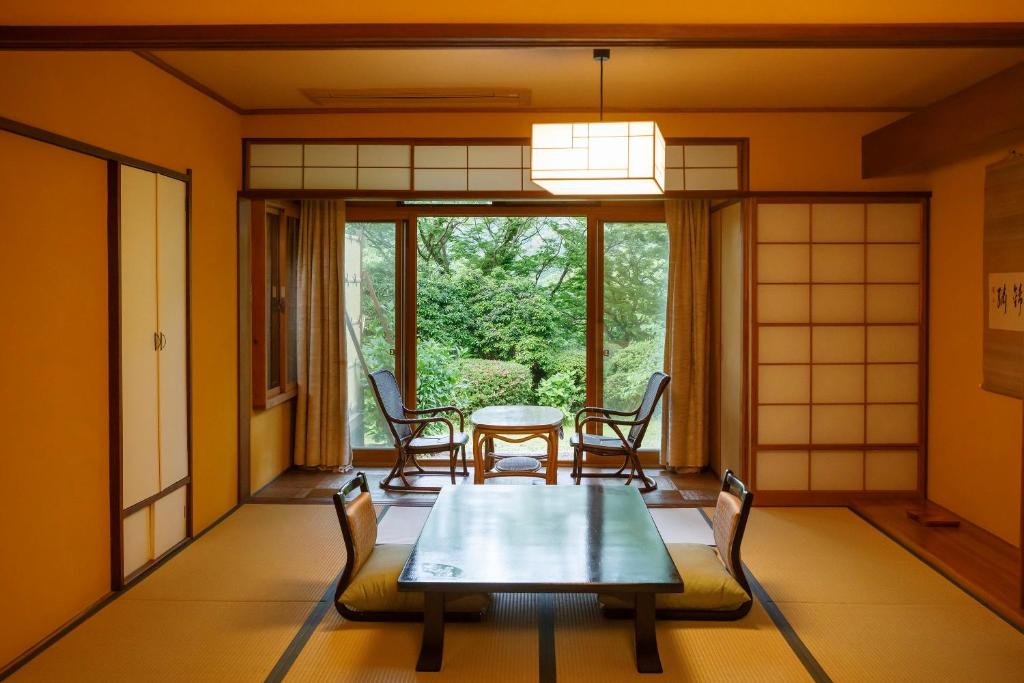
If you only use the major booking sites, you are going to miss out on the best places to stay. Many of the most authentic traditional inns or family-run guesthouses in the countryside do not list their rooms on the big international platforms. They often rely on their own websites or Japanese-only booking engines. .
We know that navigating these Japanese-only websites can be intimidating. If you find a place you love but cannot figure out how to secure a room, we can assist you.
Know Your Route
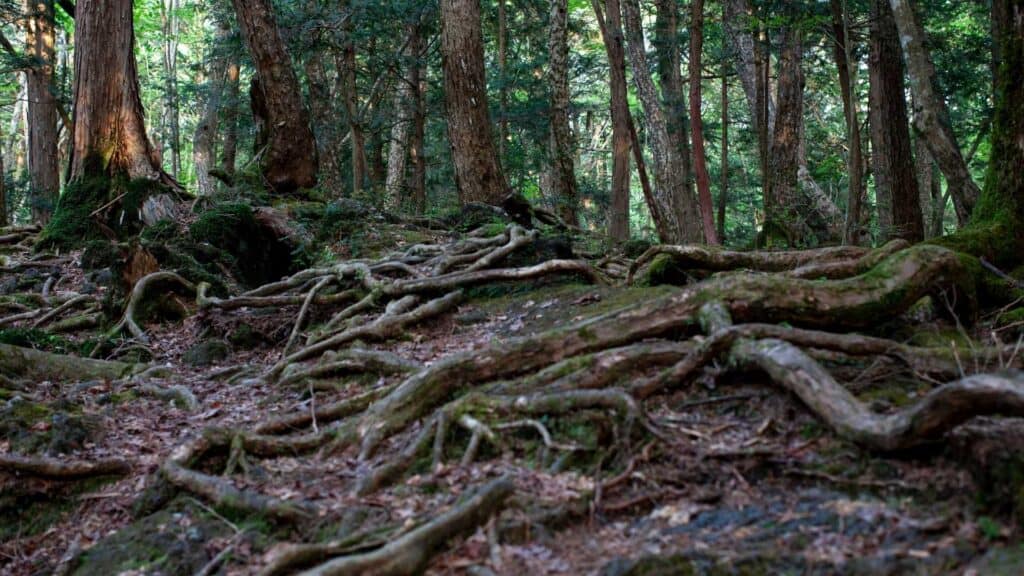
While Google Maps is fantastic in the cities, it can be surprisingly unreliable when you are deep in the mountains or looking for local bus routes. We have been led down narrow farming tracks that were definitely not meant for cars. In these areas, it is always a good idea to cross-reference your route with a local map or the physical timetables posted at the stations.
Try to plan your route as much as possible before you leave the city. Better yet, figure out which regional train passes you might need. If you are heading to the west of the country, you should check ourJ R West Pass comparison to see if a regional pass might be better than a standard ticket for your specific route.
Let Us Handle The Details
If the thought of navigating rural bus schedules or booking a rental car in Japanese is stopping you from exploring, we are here to help. We have spent years figuring out which mountain roads are worth the drive and which bus connections are the most reliable. We want to make sure you spend your time enjoying the scenery rather than worrying about the logistics of how to get to your next hotel.
Our Favourite Regions For A Quieter Trip
Choosing where to go outside of the big cities can feel a bit overwhelming because there are so many options. Below are the four regions we find ourselves going back to time and again. They each offer something different, but the one thing they have in common is that you can actually hear yourself think. These are the places we suggest to our friends when they tell us they are tired of the crowds.
Hokuriku
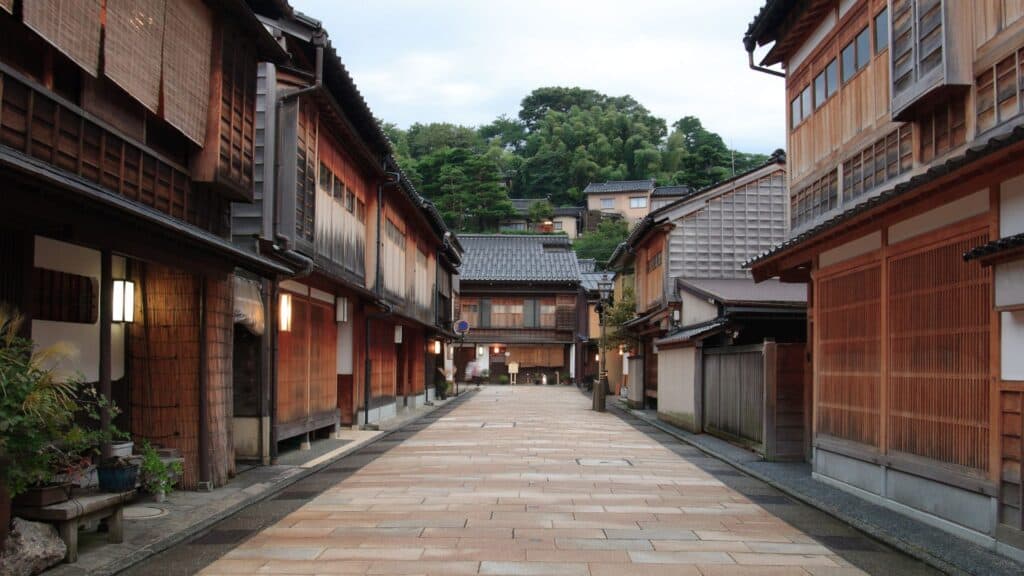
This region has seen a lot of growth recently because of the new Shinkansen lines, but it still feels worlds apart from the chaos of the Golden Route. Most people head straight to Kanazawa, which is often called Little Kyoto. It has all the preserved samurai districts and geisha tea houses you would find in Kyoto, but the atmosphere is much more relaxed. You can wander through Kenrokuen, which is arguably the most beautiful landscape garden in Japan, without feeling like you are being pushed along by a crowd.
If you head further into the region, you find Toyama and Fukui, which are even more rewarding for those who like to explore. Toyama is home to the Tateyama Kurobe Alpine Route, where you can stand between 20-metre-high walls of snow in the spring. It is also famous for having some of the best seafood in the world, specifically the firefly squid that light up the bay at night. Check out our complete Toyama guide and itinerary here:
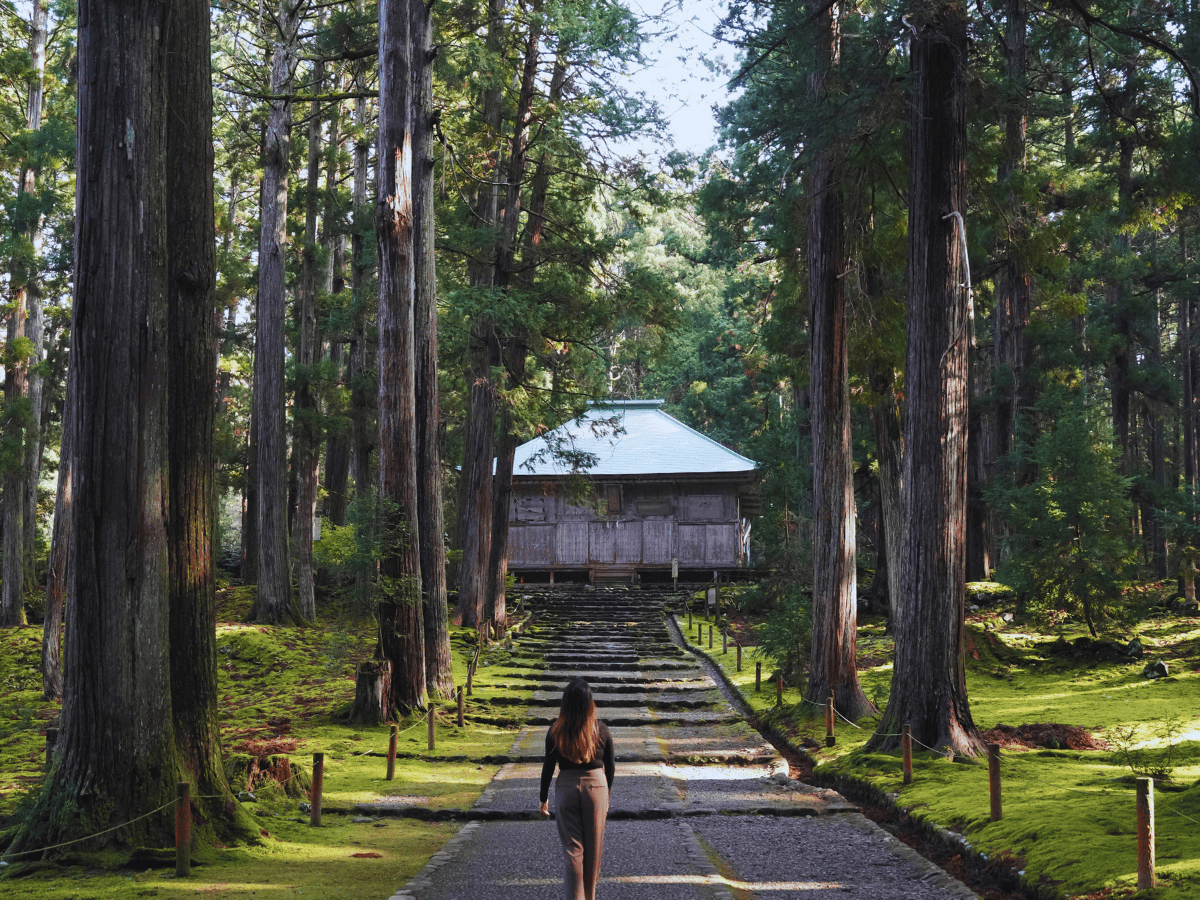
In Fukui, you can visit Eihei-ji, a massive working Zen monastery hidden in a cedar forest. It is a place of incredible stillness where you can watch the monks go about their daily rituals in a setting that has not changed for centuries. Here’s exactly how to enjoy Fukui:
Tohoku
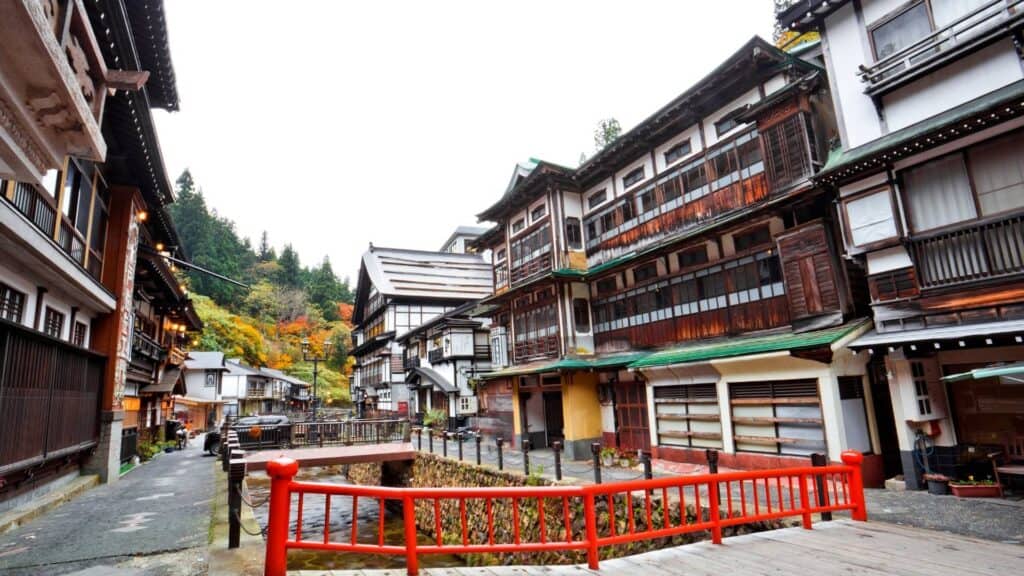
If you want to leave the crowds behind, Tohoku is definitely worth checking out. This is the northern part of the main island of Honshu, and it is easily one of the most underrated regions in the country. We love it because it feels wild and massive compared to the cramped streets of Tokyo. You can spend a day climbing the thousand stone steps to the Yamadera temple and only pass a handful of other people.
Even the more famous spots here, like Ginzan Onsen, are managed differently than the big cities. It has become a bit of a social media star lately, but the local association has been very strict about limiting visitors during the peak winter months. They cap the number of day-trippers in the evenings and close the town to everyone but overnight guests after dark. It means that even though it is a popular destination, it still feels like a protected, quiet corner of the world because they do not let it get over-cramped.
One of our favourite parts of this region is Miyagi Prefecture, which has a mix of coastal scenery and deep mountains. If you are trying to figure out how to piece a trip together in this part of the country, take a look at our Miyagi Area Guide and Itinerary. It is the best place to go if you want big landscapes and few travellers.
The San’in Coast
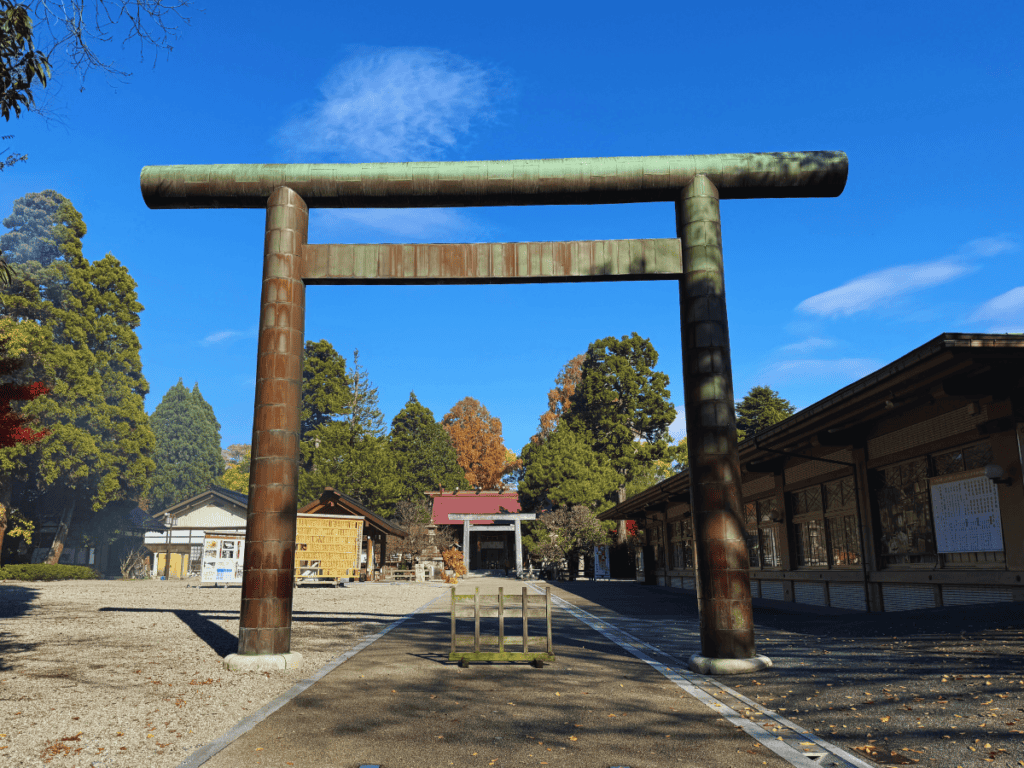
This is the area along the northern edge of western Japan, and it is incredibly quiet. Most people completely ignore this region, which is a mistake. It is home to Izumo Taisha, which is one of the oldest and most important shrines in the country. We find the atmosphere there just as powerful as the famous shrines in Kyoto, especially because you actually have the space to breathe and take it in.
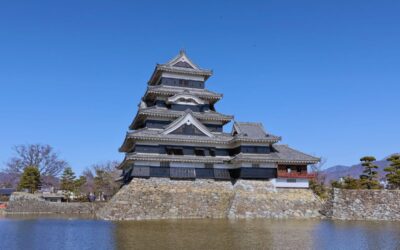
But the coast is about more than just one shrine. You have the Tottori Sand Dunes, which look like a slice of the Sahara dropped onto the edge of the Sea of Japan, and Matsue, a beautiful city with one of the few original medieval castles left in the country.
If you travel further west, you find the Iwami Ginzan Silver Mine, a UNESCO World Heritage site tucked away in a quiet valley where the traditional wooden houses are still perfectly preserved. If you are looking for that historical feel without the crowds, take a look at our guide to ancient Japanese cities for more inspiration.
Shikoku
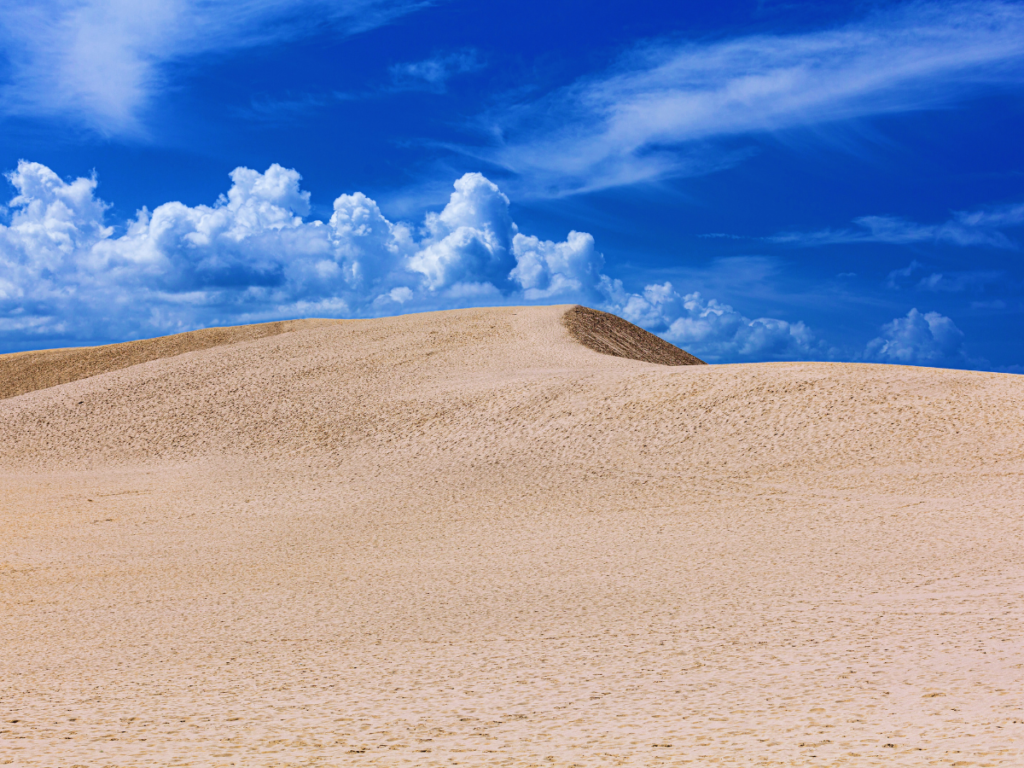
For a completely different feel, we recommend heading to Shikoku. It is the smallest of the four main islands and it feels like stepping back in time. We particularly love the Iya Valley for its steep mountains and vine bridges. It is one of the few places left where you can really feel the scale of the Japanese wilderness.
It takes a bit more effort to get there, but that is exactly why it stays so quiet. If you are into hiking or just want to see a part of the country that has not changed much in decades, this is where you should be.
Shikoku is also a paradise for anyone who loves art and nature. You can take a ferry to Naoshima, an island that has been transformed into a world-class contemporary art destination with museums built directly into the cliffs.
You can also head to the Shimanami Kaido, a series of bridges and islands that offer one of the best cycling routes in the world. For something more spiritual, you can walk parts of the 88 Temple Pilgrimage, a circular route that has been followed by monks and travellers for over a thousand years. It takes a bit more effort to get here, but that is exactly why it stays so quiet.
Kyushu
Finally, we have a huge soft spot for Kyushu in the south. It is a volcanic island with some of the best natural hot springs in the world. While everyone else is fighting for space in the bathhouses near Mount Fuji, you can head to the small mountain villages like Kurokawa Onsen.
It is a tiny village in the mountains where the whole town is designed to be walked in your bathrobe. You buy a wooden pass that lets you hop between different outdoor baths, and it is easily one of the most relaxing things you can do in Japan. The food down here is also a huge draw.
If you like being outdoors, the area around Mount Aso is incredible. It is a massive volcanic caldera (which is a depression formed when a volcano collapses inwards, for those who weren’t paying attention in geography class) with wide-open grasslands.
Then you have Takachiho Gorge, which is essentially a giant crack in the earth with waterfalls. It is a bit of a trek to get there, but being in a rowboat at the bottom of the canyon is one of those moments that actually lives up to the photos.
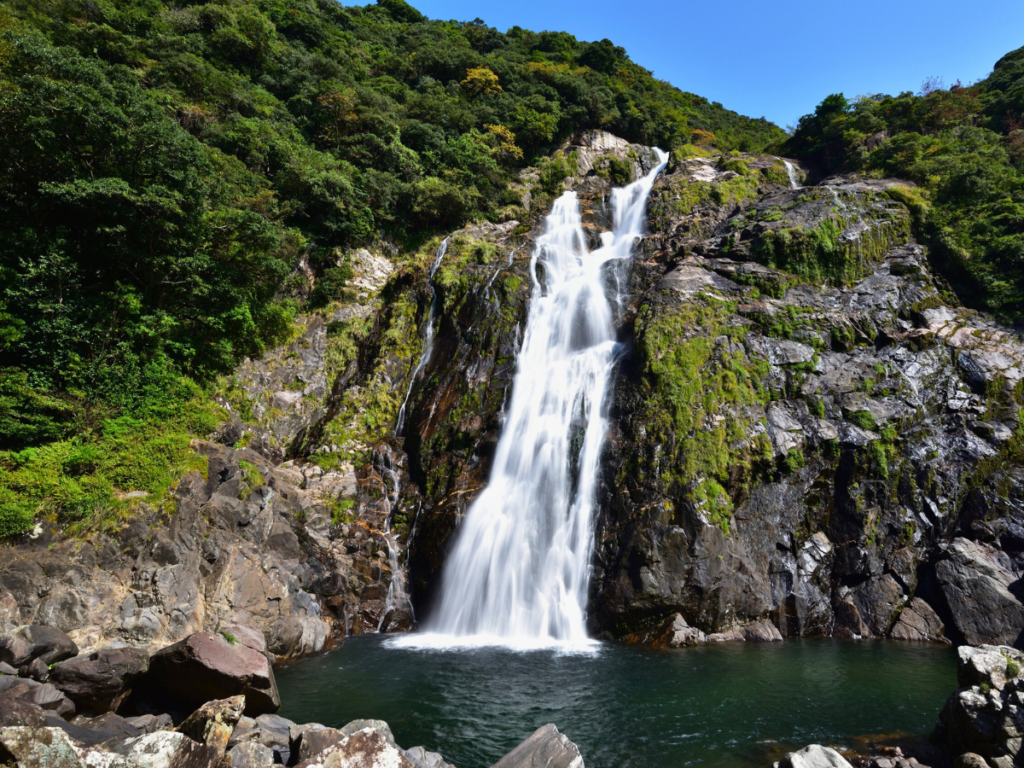
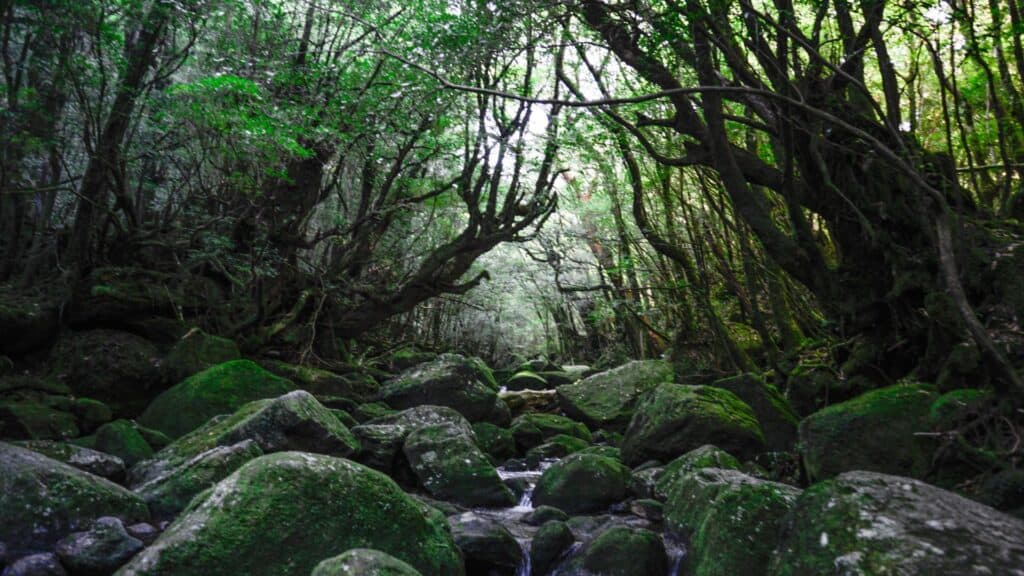
If you really want to disappear into the wild for a few days, you can take the ferry down to Yakushima. The forests there are so old and mossy that they look prehistoric. It is the kind of place where you stop caring about your itinerary and just go for a walk.
Overwhelmed with planning?
Take the stress out of your trip with our ready-to-use, 1-day PDF itineraries. Instantly download a plan and start exploring!
Off-the-beaten-path Japan FAQs
Do I Need To Speak Japanese To Explore Off-The-Beaten-Path Japan?
You do not need to be fluent, but you should not expect much English. We find that a combination of a translation app and a few basic phrases like “Sumimasen” (excuse me) and “Arigato” (thank you) is usually enough to get by.
Can I Rely On Public Transport In Rural Japan?
The trains and buses are reliable, but they run much less often than in the cities. In some regions, you might only see one or two trains an hour, or a few buses a day. We always suggest checking the specific timetables a day in advance so you do not end up stranded at a quiet station.
Is It Easy For Vegetarians Or Vegans To Find Food In Remote Areas?
It is definitely more of a challenge than in Tokyo. Rural menus often revolve around the local speciality, which is usually meat or seafood based. If you have strict dietary requirements, we recommend booking a ryokan that can accommodate your needs in advance or staying near a larger hub city where you have more options.
Should I Always Carry Cash When Exploring Off-The-Beaten-Path Japan?
Yes. While things are slowly changing, many family-run shops, local restaurants, and traditional inns still only accept cash. We make it a rule to withdraw enough yen before leaving a major city. If you run out, the ATMs in local post offices are usually your best bet for foreign cards when you are away from the main hubs.
Will My Mobile Data Work In The Mountains?
Most major providers have decent coverage across the country, but the signal can get patchy in deep valleys or remote coastal areas. We suggest downloading offline maps and your translation app’s language pack so that you can still navigate even if you lose your connection for a while.