![[ Paint Your Own Daruma] 8 Cultural Kid-Friendly Activities in Japan Your Family Will Remember](https://flipjapanguide.com/wp-content/uploads/2026/10/1-4.jpg "8 Cultural Kid-Friendly Activities in Japan Your Family Will Remember")

If viral social media is anything to go by, Japan is practically one giant theme park. To say there is a surplus of kid-friendly activities in Japan is an understatement. You’ve got zoos with absurdly cute capybaras, aquariums housing actual whale sharks, city parks that can burn hours of toddler energy for free, and don’t even get me started on franchise-related locations (some of which are exclusive here, like DisneySea and PokePark). Heck, even a train station can keep kids occupied for a solid hour with endless rows of gachapon machines and collectable train stamps.
But as a mom who has dutifully booked the tickets and splurged on things like Universal Studios Japan Express Passes, only for my son to grumble that the Yoshi ride was apparently “too slow” or the DisneySea parade was “too long,” I’ve learned a hard truth. The most memorable, surprisingly complaint-free moments usually don’t come from passive sightseeing, but from putting something directly into a child’s hands or getting them to perform something.
So in this blog, I am rounding up eight cultural experiences in Japan where kids are not just sitting still and watching from the sidelines. Here are eight entertaining, slightly messier cultural experiences I highly recommend for families with kids.
Sumo and Food Experience
Sumo is one of those things everyone wants to see in Japan, and understandably so. Grand tournaments only happen a few times a year, and tickets vanish in seconds. But even if you actually manage to score a seat as a parent, tournaments come with a list of strict spectator rules.
Good luck explaining those to a fidgety seven-year-old. Trying to keep a grade-schooler or a restless tween quiet and prim through hours of high-stakes ceremonial matches at a packed stadium is a parent’s personal hell. Spoiler alert: kids cannot and will not sit through all that formal structure.
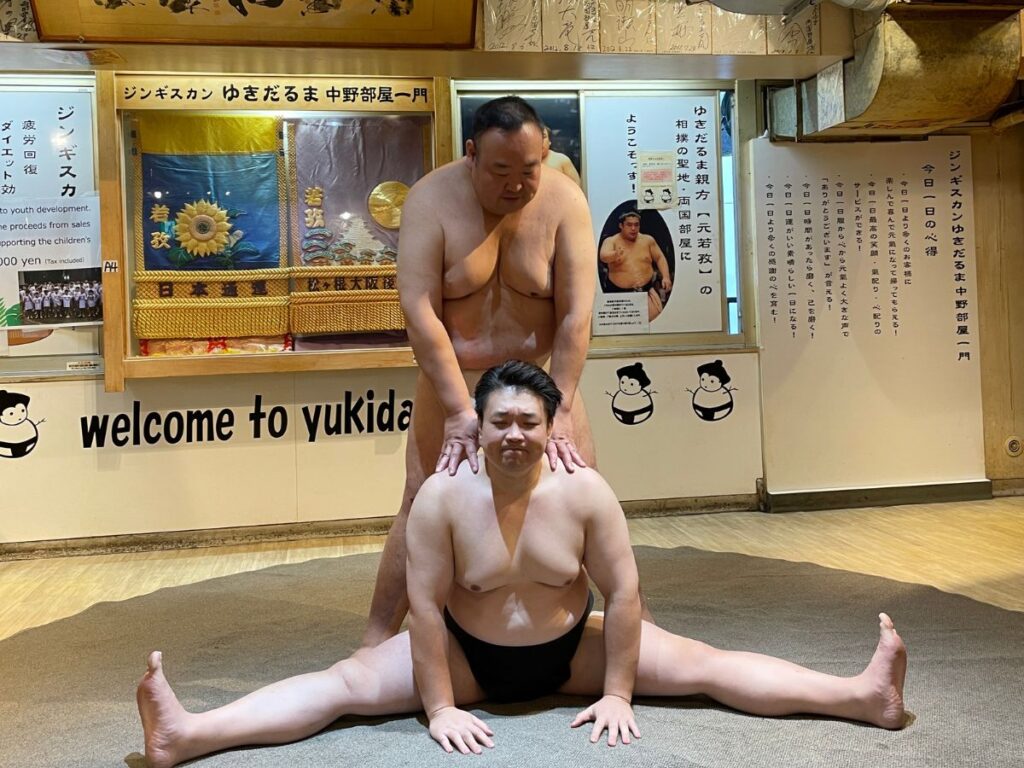
That is precisely why I recommend booking a sumo dining experience to parents instead. You still get right up close to a uniquely Japanese tradition, but without the stadium rules. These dinners are interactive and entertaining, yet you still walk away actually understanding the history and rituals of the sport.
You sit just metres from a raised clay ring while former professional wrestlers break down the moves. Once you have a grip on how the sport works, the floor opens up for an audience challenge. When I say wrestle, I mean putting every ounce of your strength into trying to nudge a retired pro, while he barely looks like he feels it.
Watching some brave kid or parent step into the ring and try to budge a friendly giant who plays along for laughs is absolute gold. My favourite part of this experience as a mom, though? The massive meal. A hearty spread of chanko nabe stew (the exact high-protein hotpot wrestlers eat to bulk up) arrives right at your table, feeding the family while the show goes on. That means zero post-show panic trying to hunt down dinner in a neighbourhood you don’t know in Japan. It’s your holiday as a mom too, after all.
Sounds like your kind of family activity? Book the experience here.
Mochi Pounding
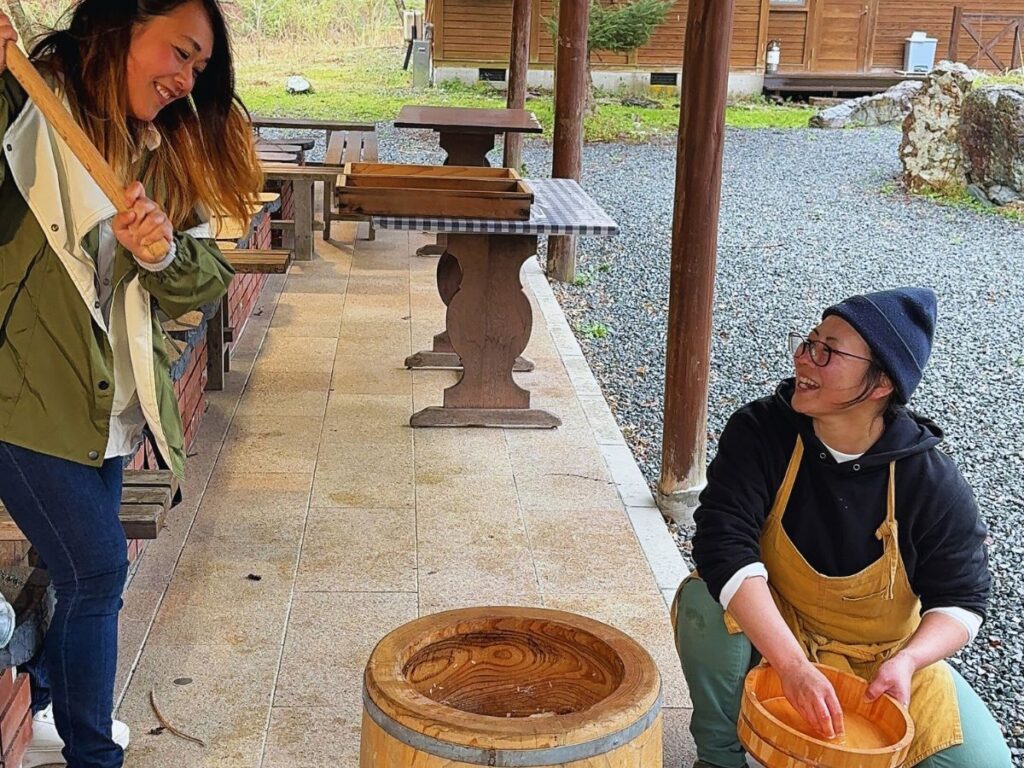
This is an easy win for kids because not only do they get to hit something with a hammer (which, as we all know, they love doing, even unprompted), they also eat the reward within minutes. For mochitsuki, a person grips a wooden mallet and brings it down hard onto steaming hot rice in a mortar, while an instructor reaches in between strikes to flip and fold the rice by hand.
It looks intensely fast the first time you watch, so you might feel some hesitation about letting your child take a turn, but local instructors steady every single swing and can slow the process down for you. Of course, the immediate payoff is eating what you make. Warm mochi freshly dusted in sweet kinako soy flour is a fantastic introduction to traditional Japanese sweets. Book a mochi-pounding session for your trip here.
Ninja and Samurai Experiences
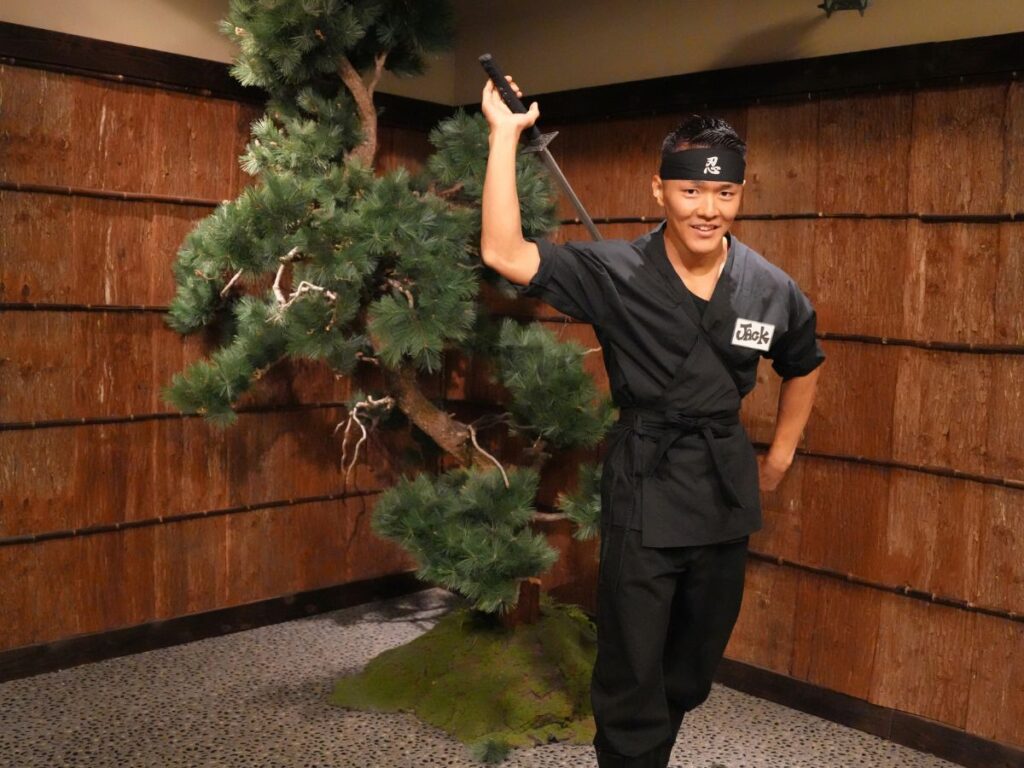
It was some time after discovering Naruto that my son decided he was officially going to become a ninja. I imagine (or hope?) I am hardly alone in this particular rite of passage for parents, when our offspring suddenly think being an assassin is the coolest thing ever. Luckily, Japan has plenty of ways to channel that sudden career pivot into a fun afternoon, though you have to pick the right format depending on how old your kids actually are.
If you have younger children or toddlers in tow, interactive museum tours and casual ninja experiences are your best bet. During these sessions, kids (and adults, so don’t worry about being left out) get to dress up in full gear and handle replica weapons, including some weighted shuriken (ninja stars) that they can actually throw at wooden targets.
For older kids, tweens, and teens who want something a bit more substantial, hands-on dojo lessons run by actual martial artists are incredible. These sessions dive into real samurai sword handling and basic combat history without feeling like a dry history lecture. Take a look at our guide to ninja and samurai experiences to find the exact pace that fits your family.
Wagashi Making
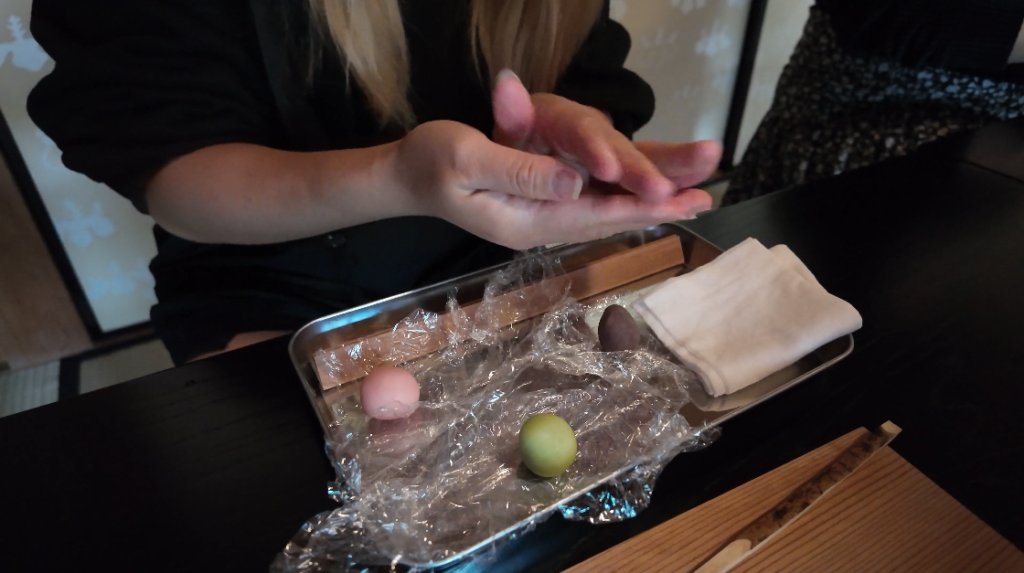
It is a lot like Play-Doh, except it tastes good, and you are actually allowed to eat it. Need I say more about why this is a hit for kids? Depending on the season, you might shape daifuku, sweet red bean paste wrapped in chewy mochi, or nerikiri, smooth white bean paste pressed into seasonal forms.
I would recommend this from about five years old onwards, particularly for children who enjoy sitting down and focusing on a creative project. If you have a little artist who would love an hour of careful pinching and shaping, you can book a wagashi-making class here.
That said, red bean paste tends to fiercely divide young palates. Expect some children to admire their tiny edible masterpieces for an hour before taking a bite, while a few will refuse to eat them entirely. Don’t worry. You can easily finish your kid’s portion, just like I did.
Paint Your Own Daruma

If you want a souvenir that actually holds meaning instead of just collecting dust on a shelf, painting your own Daruma doll is hard to beat. These round, paper-mache figures are traditional symbols of goal-setting and perseverance in Japan, and letting a kid customise their own doll’s face gives them a fun stake in the tradition.
You start with a blank, brightly coloured doll and use fine brushes to paint in the facial features, adding your own personal flair. The real magic for kids, though, is the goal-setting tradition built right into the eyes. They come completely blank when you buy them. You paint in one eye while setting a goal or a wish, and leave the second eye blank until that goal is actually achieved.
Walking out of a workshop with their own custom-painted goal tracker would give kids a built-in spark of inspiration to take home, don’t you think? For that reason, and also because it requires a steady hand and a bit of patience, I think this experience works best for older kids.
Yukata and Kimono Experience
![[Yukata and Kimono Experience] 8 Cultural Kid-Friendly Activities in Japan Your Family Will Remember](https://flipjapanguide.com/wp-content/uploads/2026/10/5-2-1024x768.jpg)
I’ll admit, getting my son into a kimono was 90 per cent because I just wanted that one postcard-worthy family photo. I expected the complaints to start on cue, but was surprised that he actually enjoyed the experience.
The fun started as soon as we stepped into the rental shop, because he got to rifle through racks of loud patterns and bright colours. He even enjoyed the time-consuming dressing-up process, though that might have just been because of the wonderfully kind and sweet oneesan who was doing all the wrapping.
Having a kid in a bright kimono or a lightweight summer yukata instantly turns an ordinary stroll through historic streets into a major highlight of your trip, and they do look ridiculously adorable. Keep your walking route short though, because the novelty loses its charm for a grade schooler after about twenty minutes of walking on cobblestones.
Also, while the rental usually comes complete with traditional wooden footwear, I would strongly advise keeping your kids in their regular sneakers unless you want a full-blown tantrum over aching feet. Oh, and from one mom to another, snag your photos early in the outing, right before the heat and the walking take their toll and while everyone is still actually smiling. Book a kimono experience here if you want to dress up your little ones.
Rickshaw Ride

Rickshaw is my lazy-day entry for kid-friendly activities in Japan. After a morning of fighting crowds, sitting down while somebody else does all the heavy pulling (literally!) feels like cheating. The driver (or wait… should I say ‘puller’?) pulls you through quiet backstreets and points out details that most visitors walk straight past. Fair warning: your little one will not be able to resist the urge to wave at every single pedestrian. Somehow, they’ll manage to get about half of them to wave back, though.
Rules vary a bit by operator, but a standard rickshaw seats two people. One common policy lets children aged five and under ride free on a parent’s lap, while children six and over pay an adult fare, meaning a family with two older kids will need two separate rickshaws. If you want to treat your family to a ride, you can book a rickshaw experience here.
Fruit Picking
![[Fruit Picking] 8 Cultural Kid-Friendly Activities in Japan Your Family Will Remember](https://flipjapanguide.com/wp-content/uploads/2026/10/2-5-1024x768.jpg)
Visiting a farm in Japan for fruit-picking is a double win in my opinion. Because the orchards are gorgeous and tucked away in the countryside away from the city crowds, they are destinations all on their own. Making the trek out there just to get your fill of hyper-fresh, seasonal fruit is an absolute delight.
It is also a fun way to actually see what local regions take pride in. If you are heading out to Nagano, you are hunting for sweet Shine Muscat grapes and crisp apples. Down in Yamanashi, it is all about peaches, up in Yamagata you find incredible cherries, and Tochigi is famous for its strawberries.
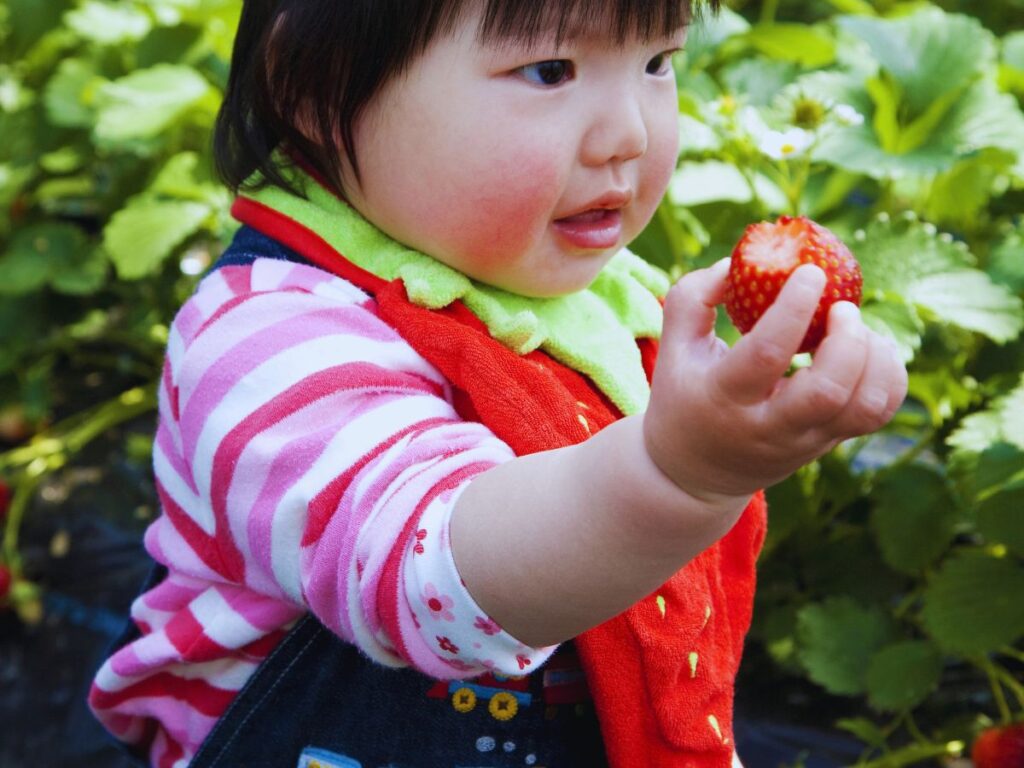
The classic setup usually involves all-you-can-eat fruit picking on a timed limit, where you roam the rows eating to your heart’s content. If you are picking strawberries, farms almost always hand you a tiny plastic cup of condensed milk and chocolate syrup for dipping, which is basically magic for kids.
My son gets competitive when we go fruit-picking. While I am always determined to focus on eating my weight in fruit, I constantly have to pause to admire the biggest apple he managed to find or the most perfectly shaped strawberries he picked, because according to him, he is the best strawberry picker that has ever lived.
Some orchards go a step further by offering a fruit picking plus parfait-making experience, letting everyone build a gorgeous dessert using fruit picked barely an hour earlier.
Kid-Friendly Activities in Japan FAQs
What age is best for cultural experiences in Japan?
Most workshops suit children from about five, but even toddlers would also enjoy rickshaw rides and orchard visits.
Can children join in at a sumo dining experience?
Yes, at their own pace. The audience challenge is optional and the wrestlers play gently with younger guests. Some providers may have age restrictions, so be sure to check before booking.
Can children try a kimono or yukata in Japan?
Yes. Most rental shops stock children’s sizes, often 85 to 140 centimetres tall.