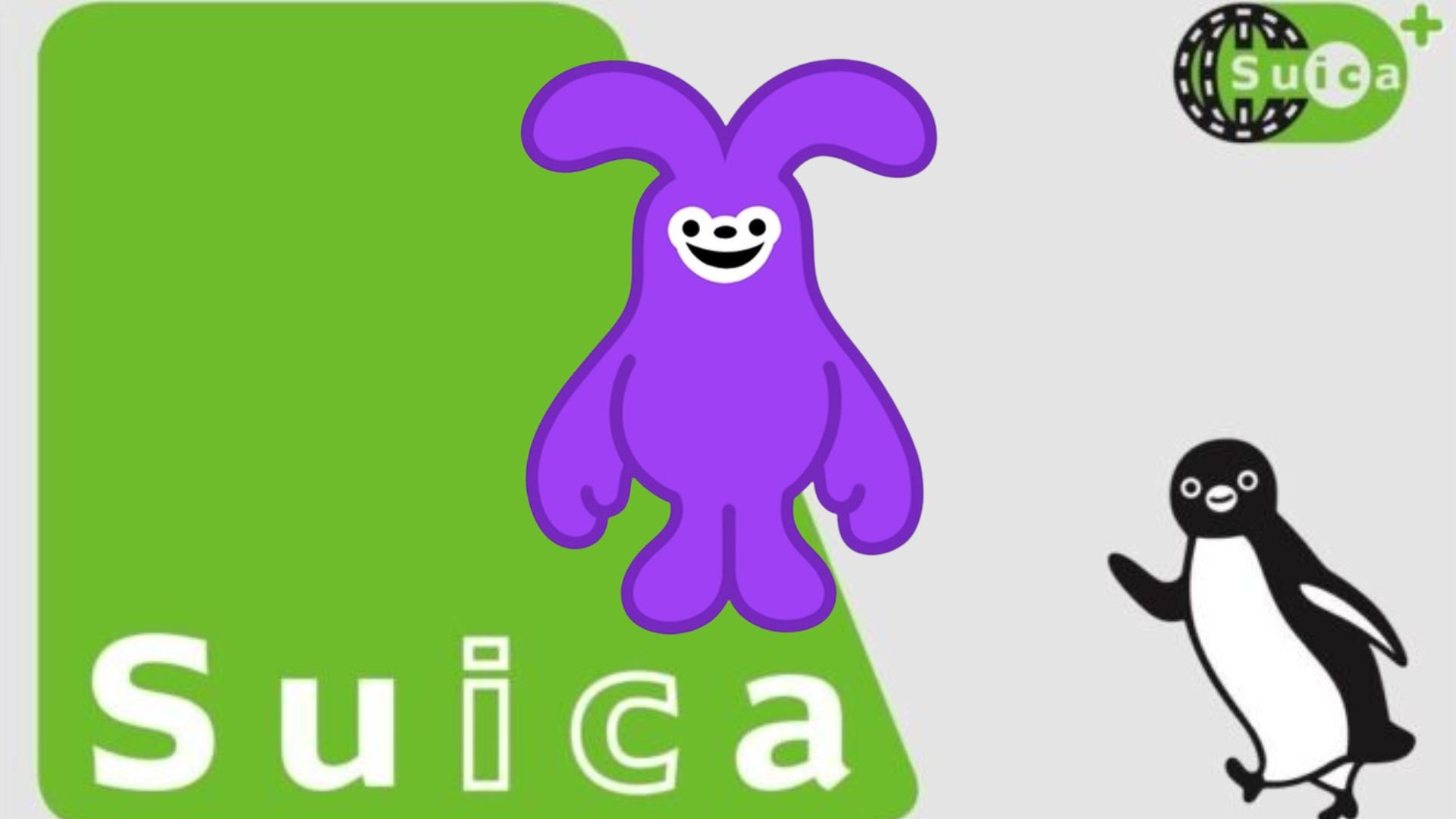

Candidate B, the purple rabbit, is the new Suica mascot. JR East revealed the result of its public vote today, 18 November 2026, exactly 25 years since Suica launched at 424 stations around Tokyo. The rabbit takes over on 1 April 2027, which leaves the beloved Suica Penguin just over four months on cards, ticket gates and a mountain of merch.
The rabbit took 860,152 of the 1,664,399 votes cast, just over half. Its creator, Hiroaki Seto, says he’s thrilled that fans were already making art of it on social media before the result was even in.
The new character is part of what JR East calls “Suica Renaissance”, its plan to turn Suica from a card for train rides and small purchases into a “device for daily life”. A new mascot felt like the right way to mark that shift. Below we’ve got the full story on the new Suica mascot, plus a quick guide to getting a Suica card of your own before your trip.

Planning a trip to Tokyo? Skip the route maps and let a local show you around on a private Tokyo tour, built around what you want to see.
Meet the three Suica finalists
JR East’s selection committee, chaired by broadcast writer Kundo Koyama with voice actor Kenjiro Tsuda among its members, started by reading more than 10,000 wishes for the new Suica mascot from JR Group staff. Young creators then drew around 20 designs, and the committee cut those down to three for a public vote that ran from 8 to 23 September, open to anyone in Japan or overseas.
- Candidate A, the squirrel: a single line runs unbroken from its head to the tip of its tail. That line stands for a railway, inspired by JR East connecting people and places across Japan, and the creator wanted the squirrel to feel like a friend who stays close by.
- Candidate B, the purple rabbit (the winner): its colour comes from mixing blue, which stands for peace of mind, with red, which stands for excitement. The big ears are meant to show a character that listens to the people around it, and the rabbit’s leap represents moving forward into the future.
- Candidate C, the orange creature: it carries a mole around in a little pouch. The mole has only ever known life underground, so the pair are all about the excitement of going out and seeing new things, and JR East intentionally left the orange character’s species a “mystery”. For the record, these two got the Flip team’s vote!
No name yet: what happens before April
The rabbit doesn’t have a name yet, and anyone can suggest one. Nickname submissions run from today until 15 December 2026, and the selection committee will reveal the winning name at the handover ceremony with the Suica Penguin on 31 March 2027. The penguin clocks off for good that day, and the rabbit starts turning up in the Mobile Suica app and JR East campaigns from 1 April.
Will my penguin Suica card still work?
Yes, your existing Suica card keeps working even after the penguin retires. JR East announced on 26 August 2026 that it will stop selling the penguin-design Suica card once each station runs out of stock, and new cards will come in a plain design with no character on them.
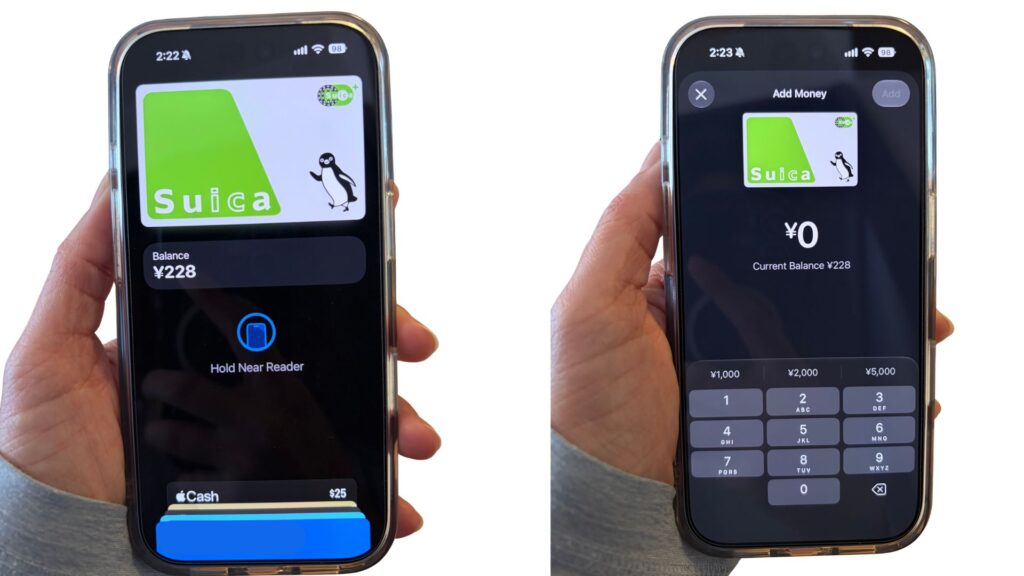
Suica in Apple Wallet has also switched to a plain card design for now, and the new Suica mascot will appear in Mobile Suica and other services after the handover.
Suica 101: what it is and what it’s for
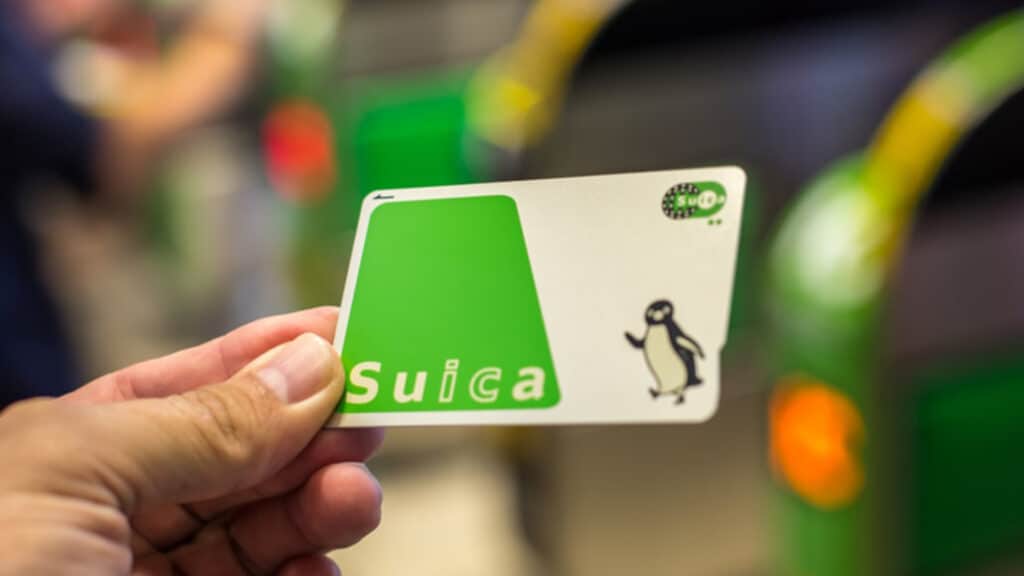
Suica is JR East’s rechargeable IC card. You load money onto it, tap it on the reader at the ticket gate, and the fare comes off automatically. The name comes from “sui sui”, a Japanese phrase for moving along smoothly.
You’ll mostly use it on trains, subways, and buses around Tokyo, but it works on transport in plenty of other regions too, including Sendai, Niigata, Hokkaido, Kansai, Kyushu, and Okinawa. Wherever you spot the logos of Japan’s other big transport IC cards, like PASMO, ICOCA, Kitaca, and SUGOCA, your Suica works there as well.
Aside from transportation, Suica doubles as e-money that can be used at convenience stores and many shops and restaurants. It’s also great for coin lockers too since you won’t need to remember the locker number or hold a key. You can easily top it up with cash at ticket machines and fare adjustment machines, or through Apple Pay if you use Mobile Suica on an iPhone.
Living here, the vending machines are where I use Suica most after the trains, and one tap beats counting out coins every time. There’s also a surprising number of restaurants that take cash or Suica but not credit cards.
Check out our 3-day Tokyo itinerary for first-timers to put your Suica to work.
Where to get a Suica card
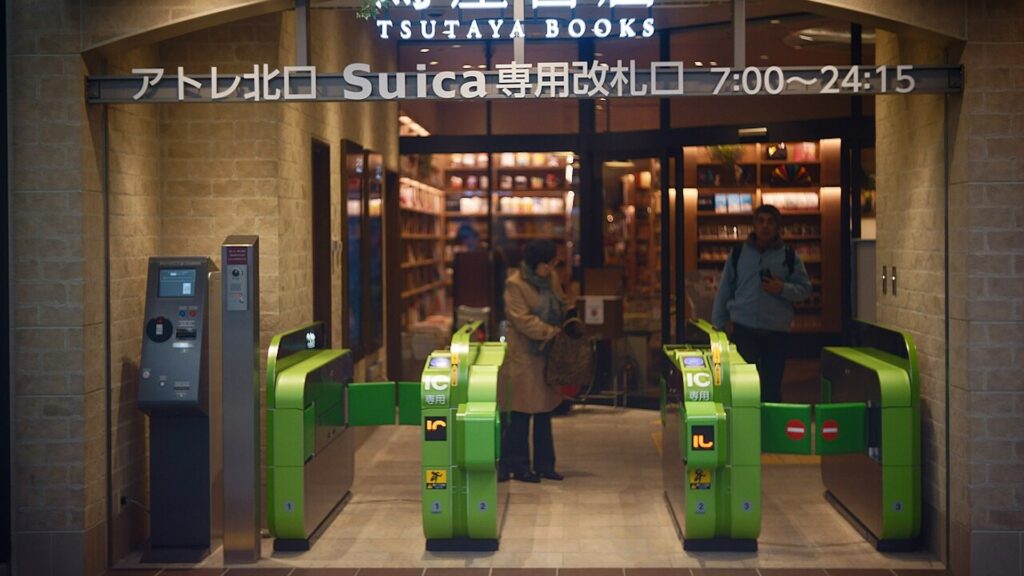
There are four ways to get a Suica, and which one suits you depends on how long you’re staying and what phone you carry.
| Type | Deposit | Valid for | Leftover balance | Where to get it |
| Regular Suica card | ¥500 | Until 10 years without use | Refundable, minus ¥220 fee | JR East station ticket machines and ticket offices |
| Welcome Suica card | None | 28 days | Not refundable | Airports and major Tokyo stations |
| Welcome Suica Mobile | None | 180 days | Not refundable | App Store (iPhone only) |
| Suica in Apple Wallet | None | Not stated | Not stated | Wallet app on iPhone or Apple Watch |
Regular Suica card
Anonymous Suica cards (meaning it’s not registered to a specific user) went back on sale on 1 March 2025, after a chip shortage had paused sales. You can buy one from the ticket machines or the Midori-no-madoguchi ticket office at JR East stations. Each price includes a ¥500 deposit.
If you hand the card back at a JR East station, you get the ¥500 deposit back, plus whatever’s left on the card, with a ¥220 handling fee. A regular Suica only stops working if it goes unused for 10 years, so it’s a good pick if you plan to come back to Japan.
Welcome Suica card
Welcome Suica is a newer version made for short-term visitors. There’s no deposit and it’s valid for 28 days, including the day you buy it. There’s no refund on any leftover balance, so spend it before you fly home.
You can pick up a Welcome Suica card at these spots:
- JR EAST Travel Service Center at Narita Airport Terminal 1, Narita Airport Terminal 2·3 and Haneda Airport Terminal 3
- JR EAST Travel Service Center at Tokyo, Shibuya, Shinjuku, Ikebukuro, Ueno, Yokohama and Sendai stations
- Welcome Suica ticket machines at the Narita Airport and Haneda Airport stations
- JAPAN RAIL CAFÉ Tokyo and the TAKANAWA GATEWAY Travel Service Center
For more on Welcome Suica, see the official guidelines from JR East: jreast.co.jp
Welcome Suica Mobile
If you’re on an iPhone, Welcome Suica Mobile is JR East’s free app for overseas visitors, launched on 6 March 2025. There’s no deposit or issuing fee, and you top up through Apple Pay.
You can usually set it up at home before your trip, although in some countries the app may not be available until you land in Japan. The app also sells Green Car or upgraded tickets for local trains. Like the card version, any leftover balance can’t be refunded. And keep in mind there’s no Android version.
Suica in Apple Wallet
You can also add a regular Suica straight into the Wallet app on an iPhone or Apple Watch, without downloading anything. Simply open Wallet, tap +, choose Transit Card, then Suica, and top it up using a credit card in your Apple Wallet. This is probably the easiest option, but the only real drawback is that you can’t buy upgraded Green Car tickets, unless you download the app as well.
So, which Suica should you get?
It mostly comes down to your phone and whether you’ll be back in Japan.
- If you have an iPhone: add a Suica to Apple Wallet. It’s the easiest setup by far, and there’s nothing to pick up or hand back.
- No iPhone, but you’ll be coming back: get a regular Suica card and hang on to it for your next trip.
- No iPhone, and it’s a one-off trip: grab a Welcome Suica card at the airport when you land.
Once your Suica’s sorted, check out our Tokyo bucket list for 40+ things to do before you leave Japan.
Not sure where to start? Book a free consultation call with one of our expert planners and we’ll help you plan the rest of your trip.