Japanese cuisine is famous across the globe. For many travellers, eating their way through Tokyo or Kyoto is the main reason for the trip. But we find that simply tasting the food isn’t always enough. In fact, one of the most frequent requests we get from our guests is how they can get into the kitchen themselves.
It makes sense. We believe the best souvenir you can take home is a skill.
Because we receive this request so often, we have done the legwork to curate a list of partners we genuinely trust for cooking classes in Japan. These aren’t just generic workshops; we have partnered with experience providers who offer real connection, expert instruction, and a proper look into Japanese culinary culture.
If you are ready to move beyond just ordering off the menu and want to start creating your own Japanese dishes, here is our list of the best experiences to book right now.
Let’s Plan Your Japan Trip Together
Thinking about visiting Japan but not sure where to begin? From hidden local spots to the big must-sees, we’ll put together a bespoke plan shaped around your interests, budget, and pace. You get the joy of travelling without the stress of endless research.
Start Building My Personalised Japan Itinerary.
Sushi Making
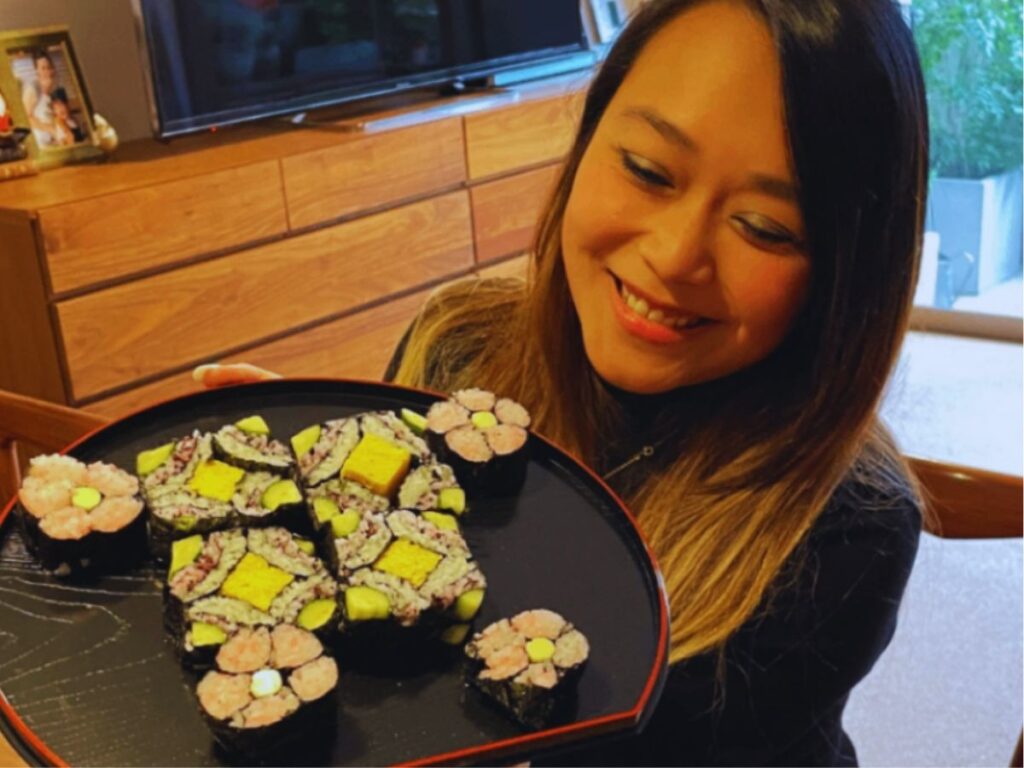
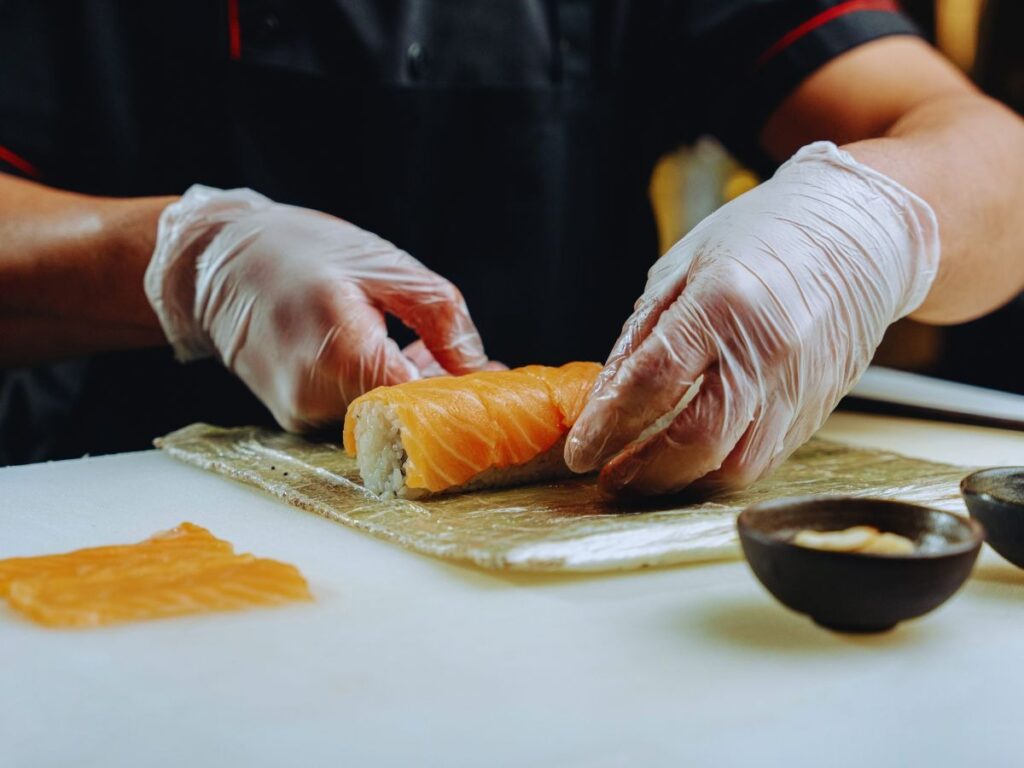
Most visitors assume that great sushi is entirely about the fish. But if you ask any serious chef, they will tell you that the shari (the vinegared rice) is just as big a part of the magic. In this class, you learn exactly why that is. You are not just standing around watching a demonstration here. You are getting hands-on practice, learning how to balance the vinegar ratio and how to shape the rice with just the right amount of pressure so it holds together but melts in your mouth.
The experience typically involves working with fresh, seasonal ingredients and learning the proper handling techniques that professional chefs use. It is much harder than it looks to get that perfect nigiri shape, but the instructors are incredibly patient and guide you through the steps.
We love this experience because it demystifies the intimidating world of the sushi counter. You realise that while it is an art form, the basics are something you can actually learn and appreciate. By the time you sit down to eat your own creations, you will have a whole new respect for the craft (and a delicious meal to show for it).
Book a Sushi-Making Experience now.
Ramen Making
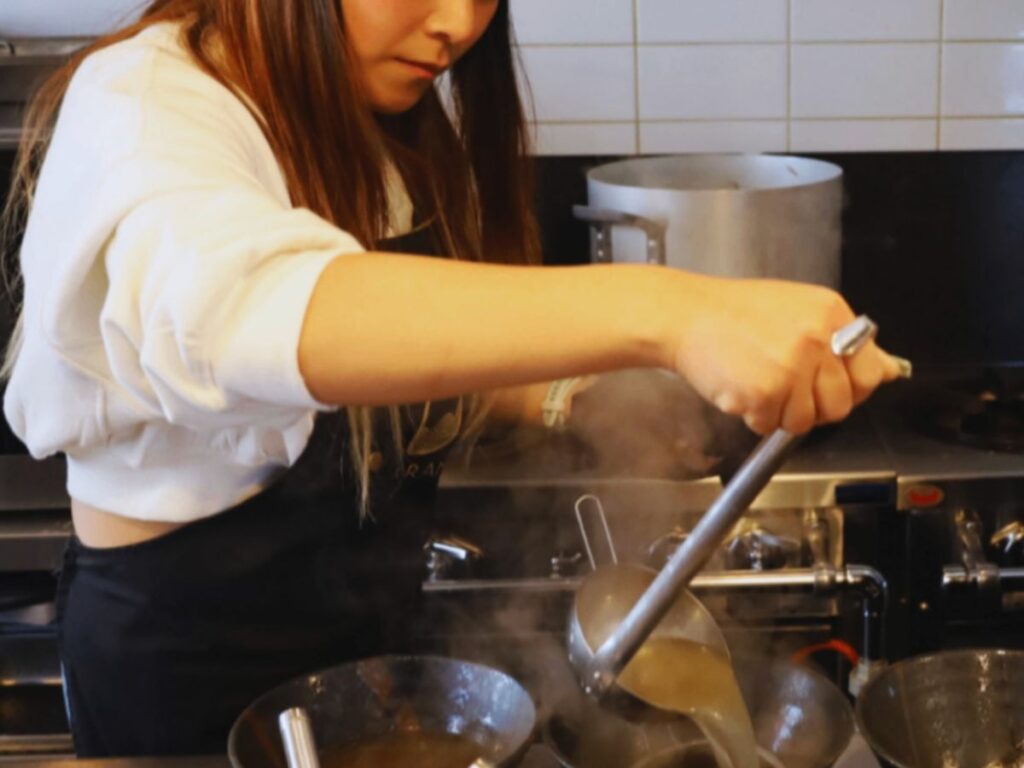
Ramen shops in Japan are often guarded about their recipes, so getting a look behind the curtain is rare. This class focuses on the two pillars of a good bowl: the soup and the noodles. While the broth simmers and fills the room with an incredible savoury scent, you usually get to work on the dough.
This is the part that surprises most people because making ramen noodles from scratch is surprisingly physical work. You have to mix, knead, and stretch the dough to get that perfect chewy texture that defines a good bowl. It is messy, loud, and fantastic fun. You will typically learn about the different base flavours (like soy or miso) and see exactly what goes into creating that depth of flavour that instant noodles can never match.
We love this class because it is the total opposite of a quiet, formal dining experience. It is high energy and rewarding. Plus, there is nothing quite as satisfying as slumping into a chair after a hard cooking session and loudly slurping up a hot bowl of noodles you made with your own hands.
Book a Ramen-Making Experience now.
Eager to be a ramen expert? Read this to get started:
Japanese Home Cooking
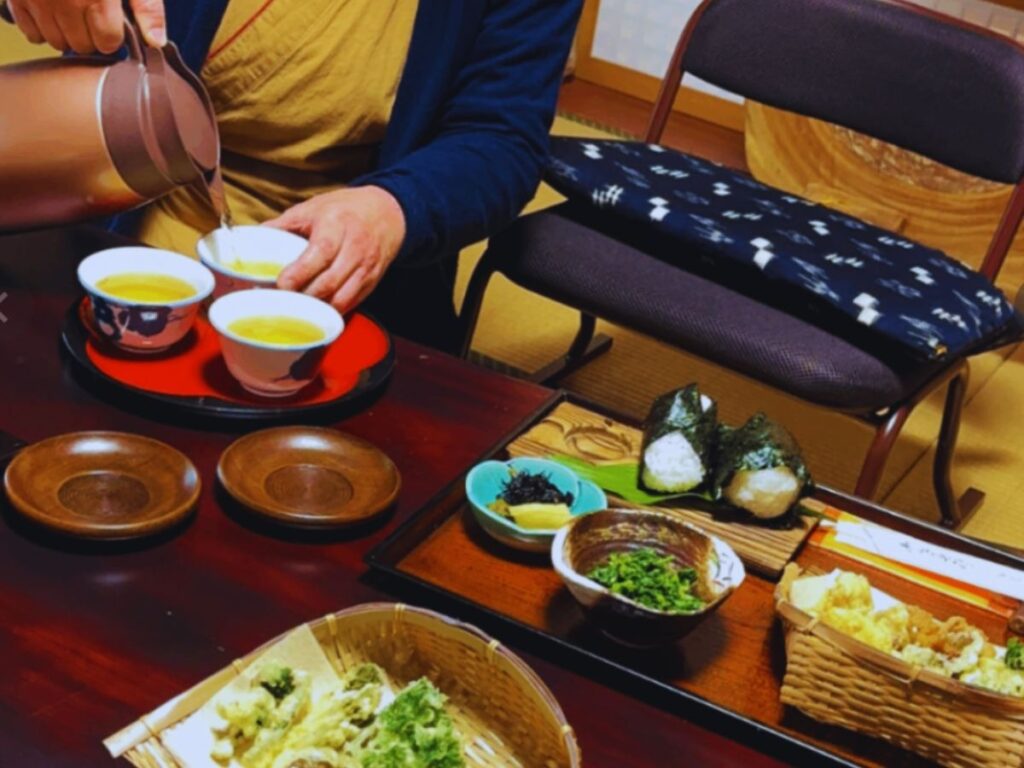
In this experience, you are not going to a sterile cooking studio with industrial stainless steel counters. You are stepping into a real Japanese home. This gives you a rare look at how life is actually lived here, from the size of the typical kitchen to the specific tools locals use every day. So, it feels less like a formal lesson and more like visiting a friend.
The menu covers the “greatest hits” of Japanese cuisine rather than forcing you to specialise in just one dish. You will learn the food that families actually want to eat, which might include gyoza, tempura, or home-style sushi.
Because you are in a domestic kitchen, the techniques are practical. You learn how to make these famous dishes without needing professional restaurant equipment, which means you can actually replicate them when you get back to your own house.
Our guests love this option because it bridges the gap between tourism and local life. Japanese culture can often feel quite private, even intimidating, so being welcomed into a home is a genuine privilege.
Book a Home Cooking Class now.
Wagashi Making
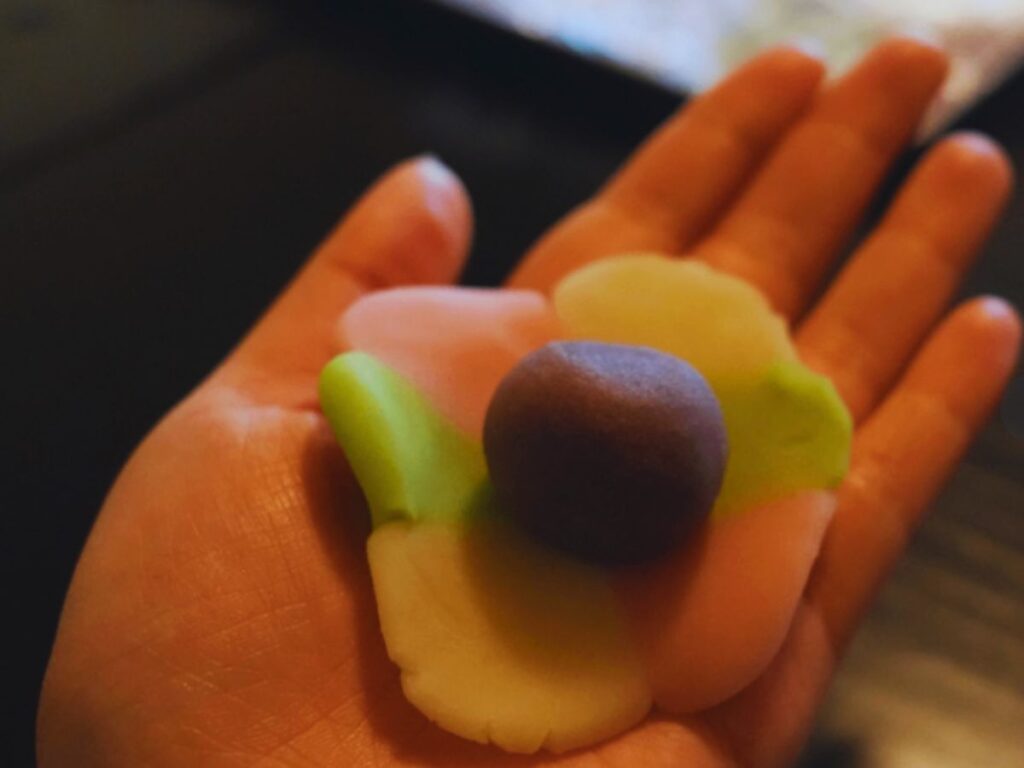
We usually recommend this class to guests who want a break from the noise of the city. While most cooking classes are about heat and timing, wagashi is largely about aesthetics. You work with sweet bean paste, using specialised wooden tools to sculpt it into intricate shapes. At times, it honestly feels less like a cooking lesson and more like a clay pottery workshop, only the clay happens to be delicious.
Another very aspect of this experience is how strictly it follows the Japanese calendar. When visiting in spring, you would likely be taught to sculpt sakura petals, but if you go in autumn, you will likely be making maple leaves..
This is arguably the most meditative on our cooking experiences list. It requires focus and a steady hand, which clears your mind completely. Plus, sitting down afterwards with a bowl of bitter matcha tea to eat your own creation is the perfect way to end the afternoon.
Book a Wagashi-making Experience now.
Mochi Pounding
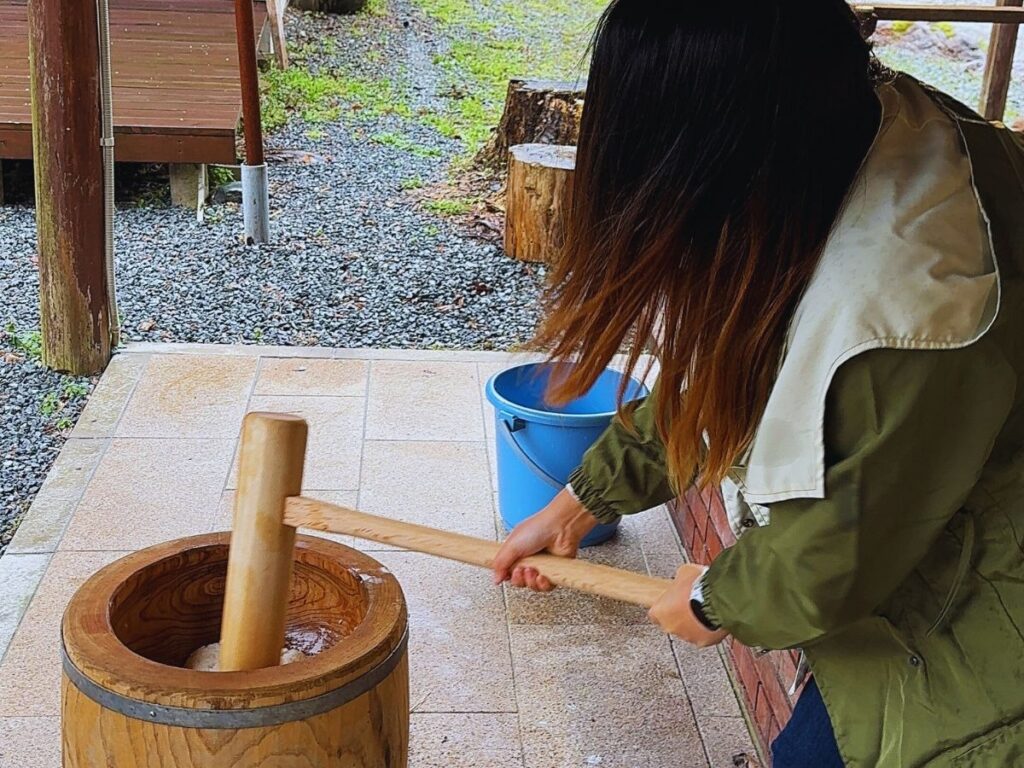
We warn all our guests before they book this: it is not a typical cooking class. It is more like a workout (no, we’re not kidding!). But because you still end up preparing and eating delicious fresh mochi at the end, it absolutely deserves its place on this list. This is one of the most traditional ways to make rice cakes, using a massive wooden mallet and a heavy mortar.
It requires serious teamwork. One person swings the hammer while the other flips the hot, sticky rice in between strikes. It sounds dangerous, but the instructors are pros at keeping the rhythm safe. The best part is the atmosphere.
We found ourselves shouting and chanting along with the teachers to keep the beat. It is a fantastic way to burn off some energy, which is why we often suggest it for families or groups of friends who want to laugh rather than study recipes.
Honestly, this is just good fun. It is arguably the most entertainment you can have with a bag of rice. You get a great workout, a lot of action photos, and fresh, warm mochi that tastes infinitely better than the packaged stuff you buy at the convenience store.
Book a Mochi Pounding experience now.
Read this to know exactly what happens during a mochi pounding experience:
Hoto Noodles Making
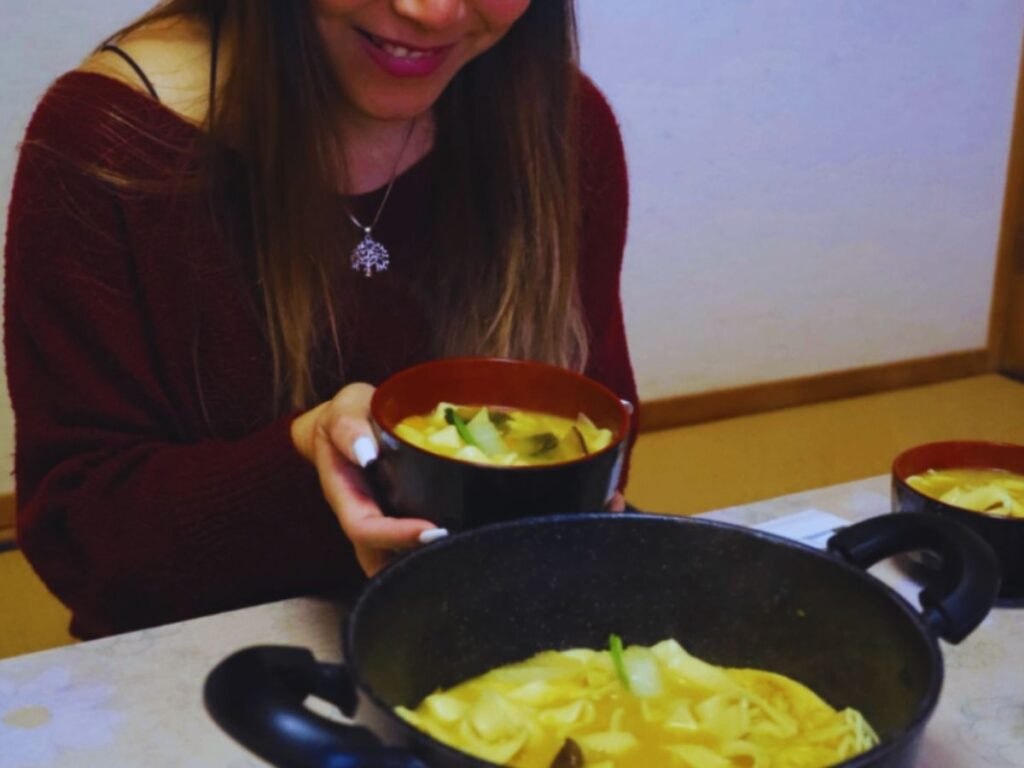
We think this might be one of the most underrated dishes in Japanese cuisine. Most tourists leave without ever hearing of Hoto, which is a mistake. It is the rustic cousin of udon, famous in the Yamanashi region near Mt. Fuji.
We love sending guests here because it feels like proper countryside cooking. You hand-knead thick, flat noodles and simmer them in a rich miso soup packed with pumpkin and vegetables.
The context here is what makes it special. We usually slot this into itineraries after a trip to see the mountain or the lakes because it is the ultimate warming meal. The noodles are intentionally rugged and uneven, absorbing the thick broth in a way that commercial noodles simply cannot. It is filling, warming, and completely unpretentious.
If you want to taste “real” Japan outside the polished restaurants of Tokyo, this is our top pick. There is no delicate plating here, just a heavy iron pot full of comfort food that hits the spot after a day of sightseeing.
Book a Hoto Noodles Making Experience now.
Here’s a perfect Hakone itinerary where you can slot in hoto noodles making:
Yuba Making Experience
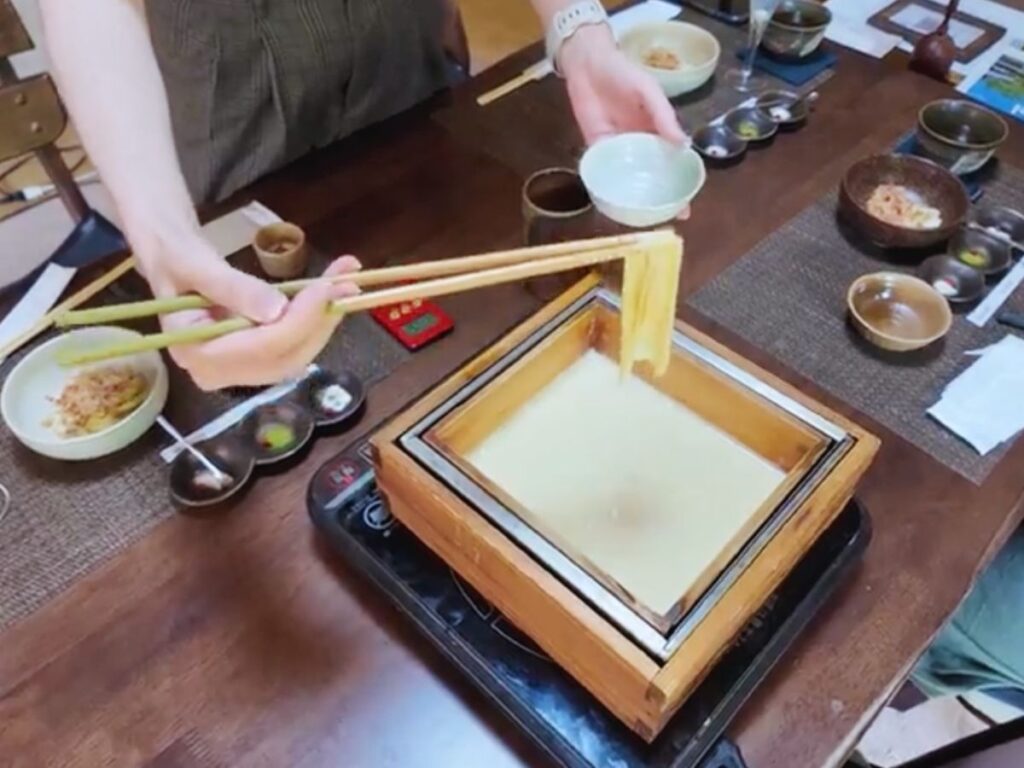
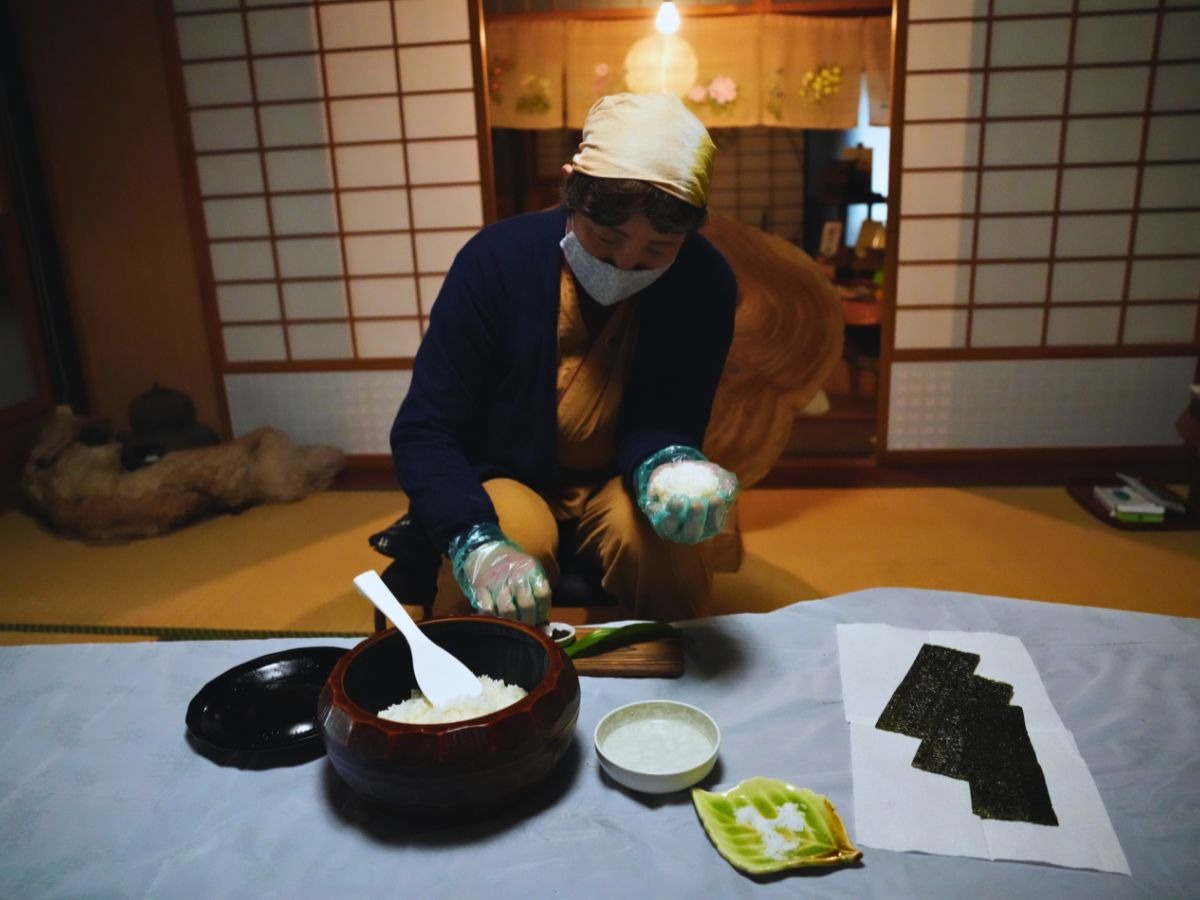
We specifically look for “home” hosts for this experience because Yuba requires patience. Yuba is the delicate skin that forms on the surface of boiling soy milk, often referred to as “tofu skin.” It sounds simple, but lifting that fragile film without tearing it or it slipping away takes a specific touch. By booking you into a local home, we ensure you get the slow, quiet atmosphere needed to appreciate it.
The process is gentle and fascinating to watch. You learn the timing for skimming the soy milk, a technique central to vegetarian Buddhist cuisine. We find that guests who are interested in health and history get the most out of this. The flavour is subtle and creamy, totally different from the block tofu you might be used to back home.
This is definitely the “sophisticated” choice on our list. It is for the traveller who values tradition over loud flavours. Being in a local home adds a layer of cultural connection that makes the food taste even better.
Book a Yuba experience in a local home now.
Read more about the yuba experience here:
Cooking Classes in Japan FAQs
Do I need to speak Japanese?
No. We vet every experience listed on Flip for English support. The chefs and hosts are used to international guests, and our services cover arranging for a translator when necessary. We are even able to cater to guest requests for support in other languages. Feel free to let us know your preferences when booking.
Are there vegetarian or vegan options?
Yes. The Yuba and Wagashi experiences are naturally vegetarian. For Ramen and Sushi, most partners can swap out ingredients (like using vegetable broth) if you tell us at the time of booking.
Can I bring my children?
It depends on the class. Mochi Pounding and Hoto Noodles are fantastic for high-energy kids because they are tactile and robust. Sushi and wagashi making, on the other hand, require patience and fine motor skills, so we usually recommend that for teenagers and older.
Is it safe for gluten allergies?
It is tricky because soy sauce is a staple here, but it is possible. We have specific partners who can offer gluten-free alternatives. You must request this strictly when you book so the kitchen can prepare your station correctly.
Do I need to bring anything?
No. Aprons, ingredients, and tools are all provided by the host. We just recommend wearing comfortable shoes, especially for the more active classes like Ramen or Mochi where you will be standing.