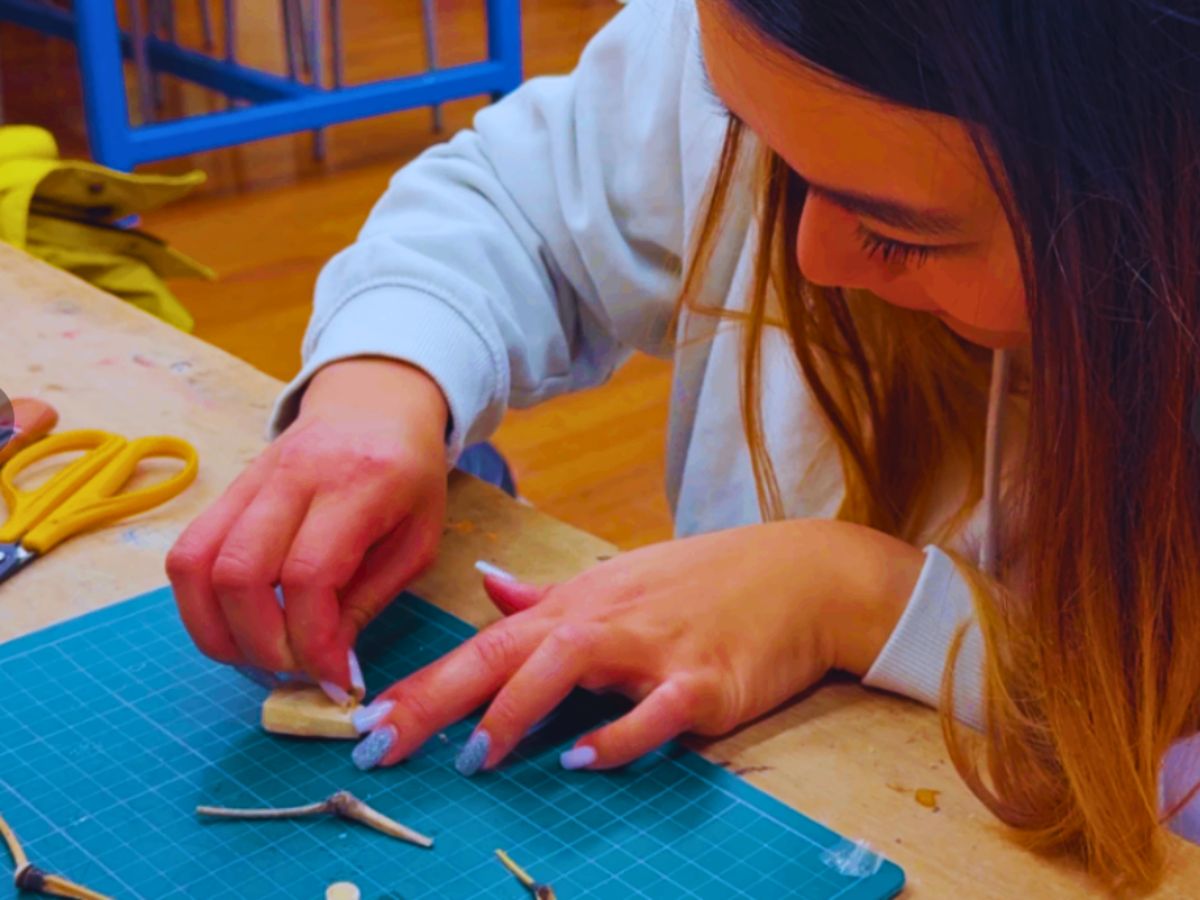

My first attempt at one of the craft workshops in Japan left me with a slightly wonky finished object, but an odd sense of pride I hadn’t expected from an hour in a small shop. Nobody warns you about this before you land. You plan for temples and ramen queues, and somehow the thing you end up telling everyone about back home is the hour you spent hunched over a workbench, tongue out in concentration, trying not to ruin something an artisan makes look infuriatingly easy.
Craft workshops are one of the few tourist activities I recommend without a single caveat. You spend a few hours or so with someone who’s spent decades on their craft, and you walk away having actually touched the culture rather than just photographed it from a respectful distance.
A surprising number of these are far more accessible than people assume too, no prior skill needed, no language barrier that can’t be worked around, and no reason to think this is only for the type of traveller who plans museum routes six months in advance. You bring home a souvenir either way, but this version comes with a story attached instead of a receipt.
What are Craft Workshops in Japan?
At its simplest, a craft workshop is a short lesson with an artisan or shop staff, usually somewhere between one and three hours, that ends with you walking away holding something you made yourself. According to the Japan National Tourism Organization’s own guide, these workshops span everything from sword-making in Gifu to porcelain painting in Ishikawa, and the range in style and depth is genuinely enormous.
On one end you’ve got drop-in sessions in tourist-heavy pockets of Asakusa, where staff cheerfully herd a dozen visitors through a simplified version of a craft in under an hour. On the other, you’ve got private studios where the person teaching you has spent decades on this one skill, sometimes with a family lineage stretching back to the Edo period.
Prices reflect that spread, from around ¥2,000 for a casual session up to ¥40,000 or more for a private, master-led workshop using premium materials. I won’t pretend the ¥40,000 version is always worth it for everyone, but I will say the ¥2,000 version isn’t automatically the lesser experience either.
Types of Craft Workshops in Japan
Kintsugi (Gold Lacquer Repair)
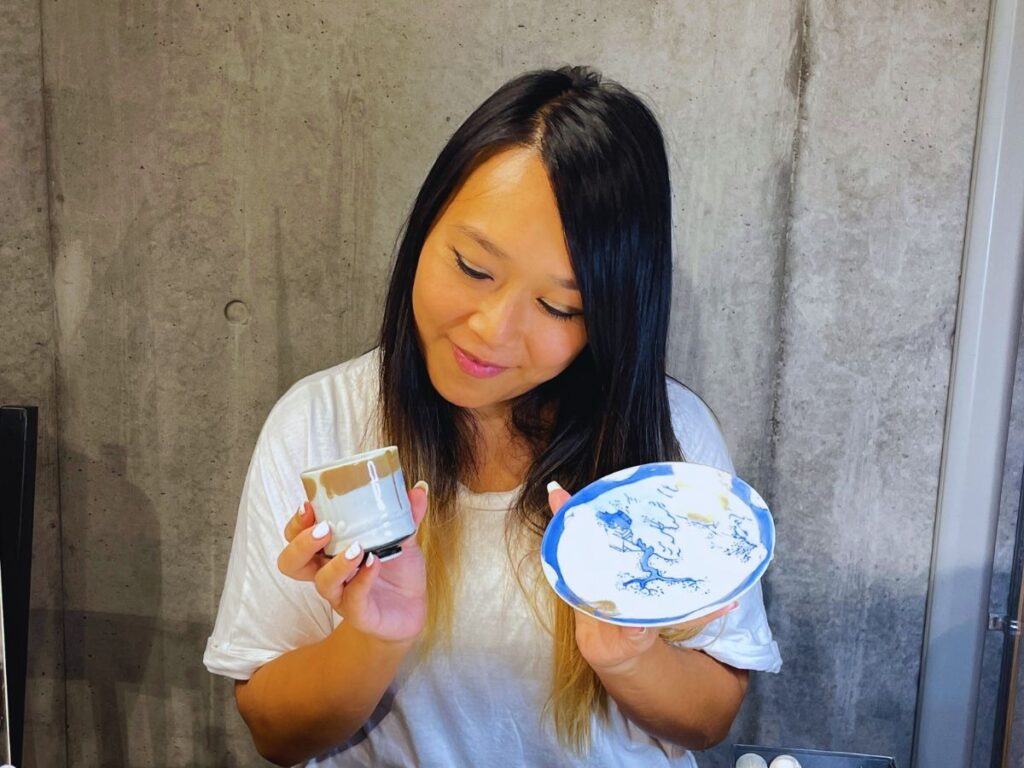
Kintsugi is the practice of repairing broken ceramics with lacquer and gold powder, built on the philosophy that a repaired object can be more interesting than an unbroken one. Most tourist-facing kintsugi workshops use resin and gold powder rather than traditional urushi lacquer, because real urushi takes days or weeks to cure, and nobody’s booking a two-week workshop between temple visits.
This one suits couples and solo travellers particularly well, since it rewards patience rather than speed. Families with older kids will manage fine, but younger children and delicate lacquer work don’t mix well. Kyoto’s Gion area has a strong concentration of these workshops, and Tokyo offers options around Asakusa and the more polished Minami-Aoyama district near Shibuya.
Budget somewhere between ¥4,500 for a basic hour and ¥16,000 or more for a longer, higher-quality version, often finished with matcha and a sweet while the lacquer sets and you sit there quietly proud of yourself.
Learn more about Kintsugi Workshops here:
Indigo dyeing (Aizome)
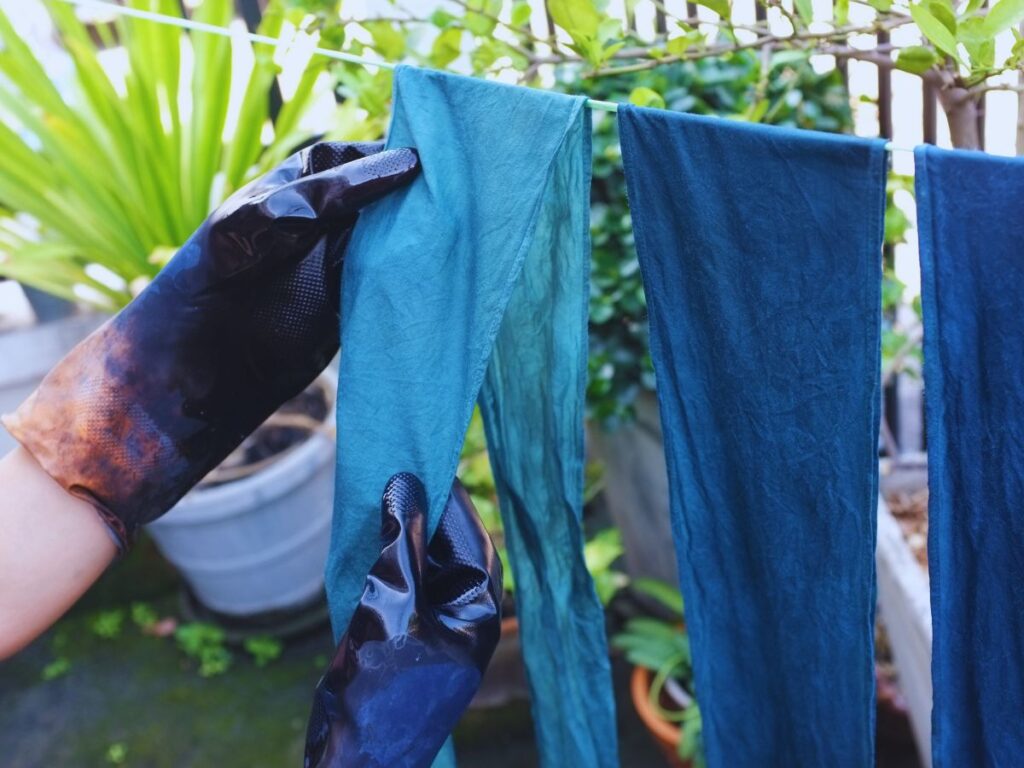
Aizome uses dye fermented from indigo leaves, sometimes marketed abroad as “Japan Blue,” to colour fabric like scarves, tote bags, or handkerchiefs. The traditional fermentation process relies on wood ash and wheat bran rather than chemicals, which also means it’s gentle enough that young kids can dunk their hands in without you panicking.
Families do particularly well here, and groups enjoy it too, since dyeing turns into a shared, hands-in-the-vat activity. Tokushima’s Mima City, specifically the Udatsu district, is the true heartland of this craft, and it’s worth the detour if your itinerary allows it, rather than settling for the convenient Tokyo version out of laziness.
Tokyo still has decent options around Asakusa though, with smaller regional pockets in Fukuoka’s Kurume area and Okinawa. Simple items start around ¥2,500 to ¥4,000, while larger items like shirts and tote bags run from ¥5,000 to ¥15,000.
Kumihimo (Braided Cord)
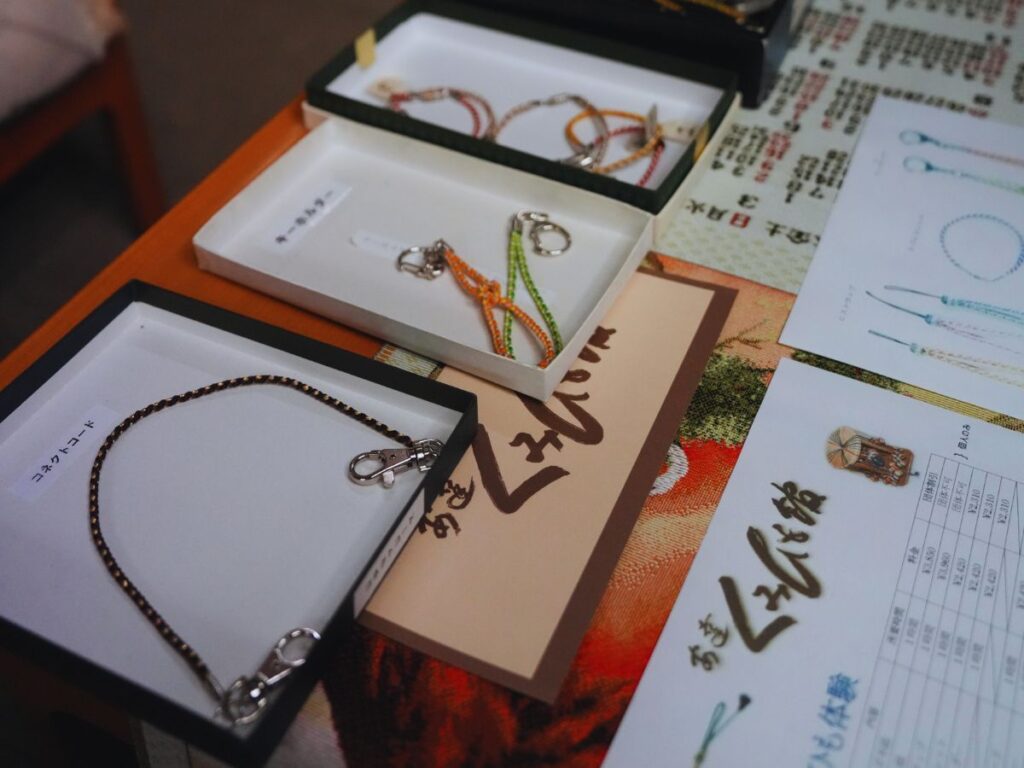
We didn’t think trying Kumihimo would be this meaningful, but it was:
The craft involves braiding silk threads on a traditional wooden loom into cords once used to lace samurai armour and secure kimono sashes. The repetitive hand motion goes automatic after a few minutes and turns weirdly meditative, in a way that surprises people who came in expecting a novelty craft.
It’s a good match for families, and equally suited to couples or solo travellers wanting something unhurried, with sessions starting around ¥3,000
Knife-making

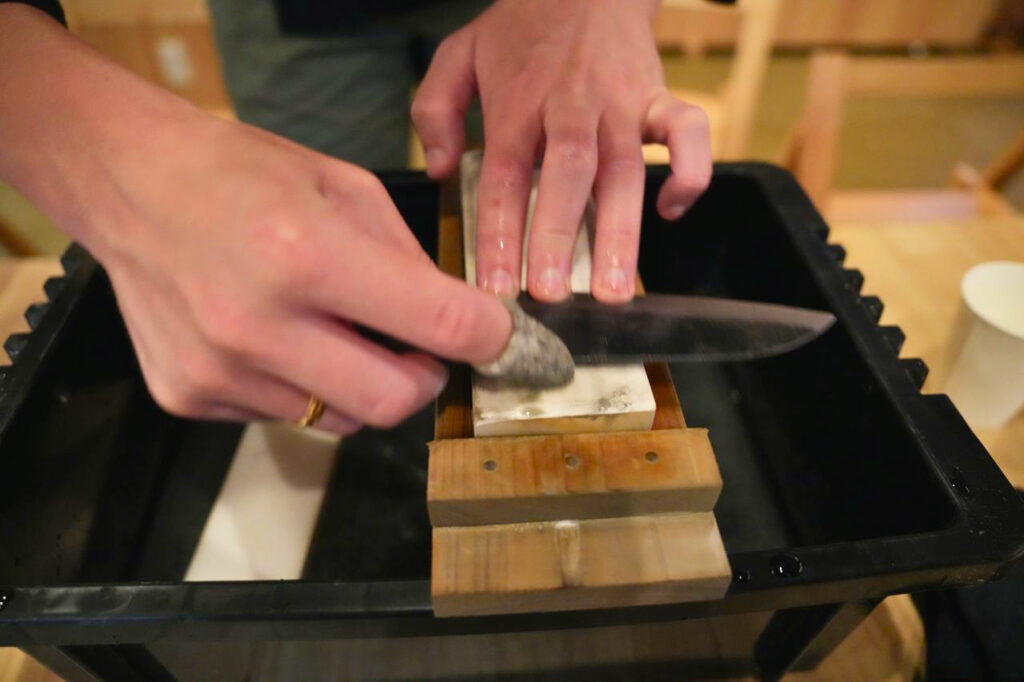
This one involves shaping, sharpening, or forging a functional Japanese kitchen knife under a blacksmith’s guidance, using whetstones and traditional tools.
It’s more physically demanding than most crafts on this list, so it suits older kids, teens, and adults far better than a young family after a light afternoon activity. I’ll say it plainly, this is not the workshop to book if your six-year-old wants a “fun craft,” this is the one for the person in your group who takes their kitchen knives a bit too seriously.
Book a knife-making experience with us, and depending on your location, we might be able to get you a session with a 7th-generation master craftsman:
Fan-making (Sensu)
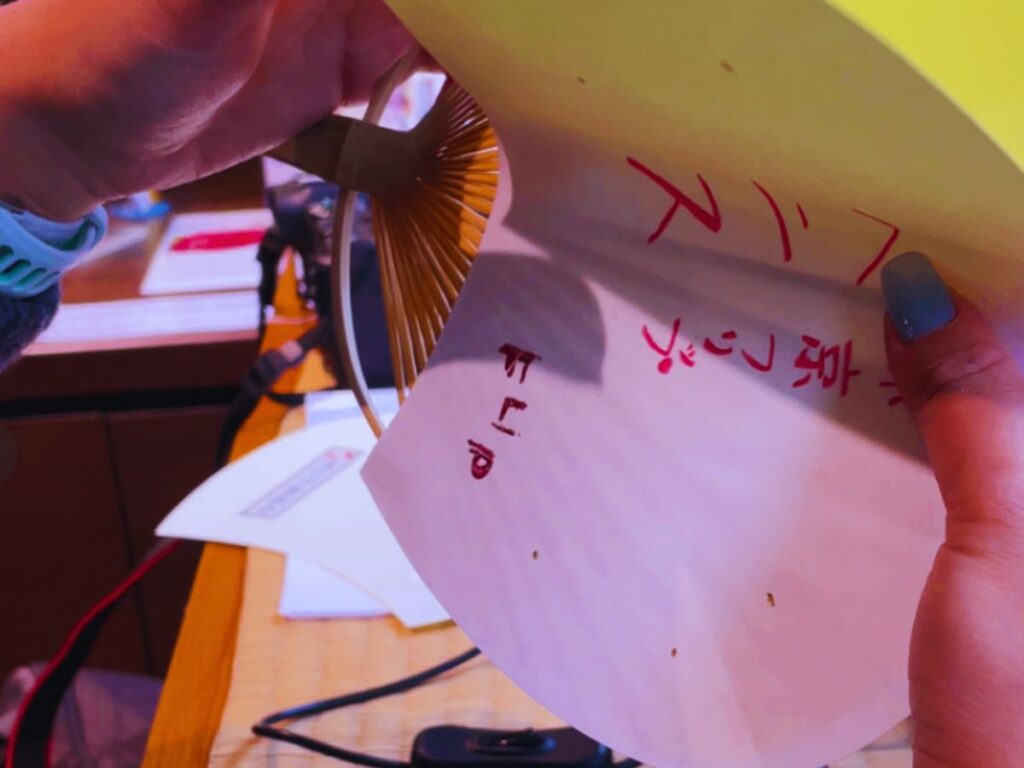
You should book a sensu workshop if you want to decorate or fully assemble a traditional folding fan, sometimes with gold leaf, sometimes with hand-painted or collaged designs on washi paper. This is one of the gentler crafts on the whole list, with several studios welcoming children from around age six, and it’s a nice one to slot in without much planning.
Kyoto dominates this craft, home to long-established fan houses. It’s light enough to fit into a busy Kyoto day rather than needing to anchor the whole afternoon. Painting-only sessions start around ¥2,200, while fuller fan assembly or gold-leaf finishing runs closer to ¥5,000.
Incense-making (Senkou-tsukuri)
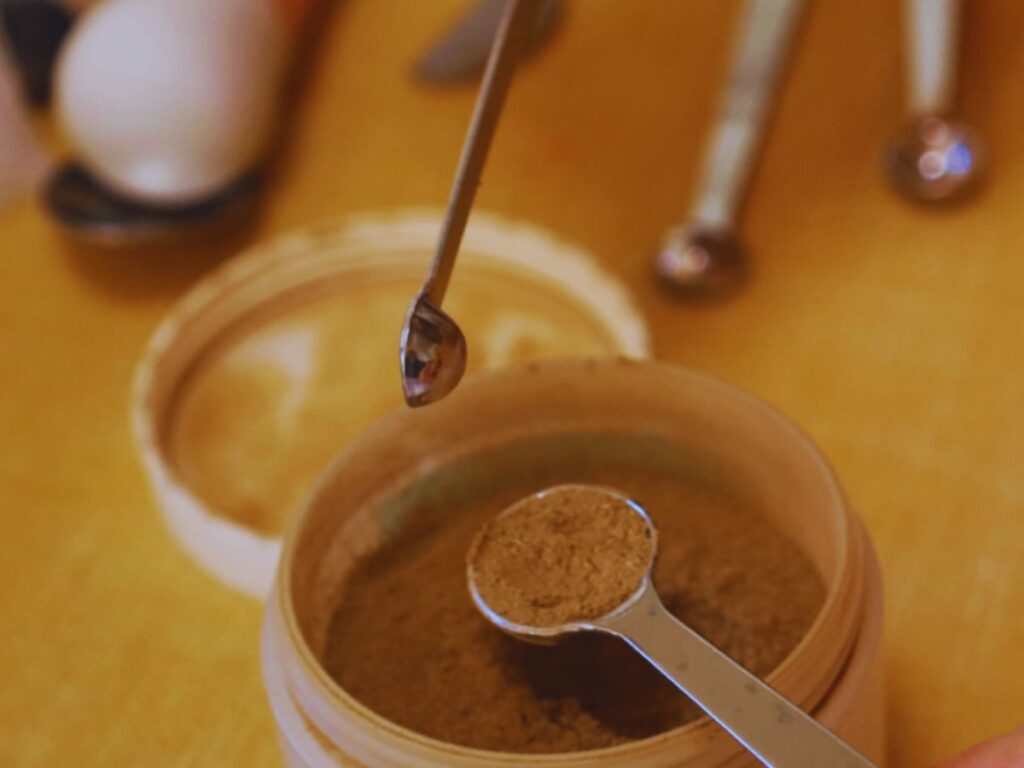
Here, you blend aromatic woods, herbs, and other natural materials into a personalised scent, often creating zuko, a powdered incense traditionally applied to the skin, following methods traced back to Heian-period aristocratic life.
It’s slow and sensory rather than fast-paced, which makes it a strong fit for couples or solo travellers who actually want to sit still for once on their trip. It’s less naturally suited to young kids who might find the pace dull, and fair enough, blending scent powders for ninety minutes isn’t every eight-year-old’s idea of a good time. Book the experience here.
Glassblowing (Fukigarasu) and Edo Kiriko Cut Glass
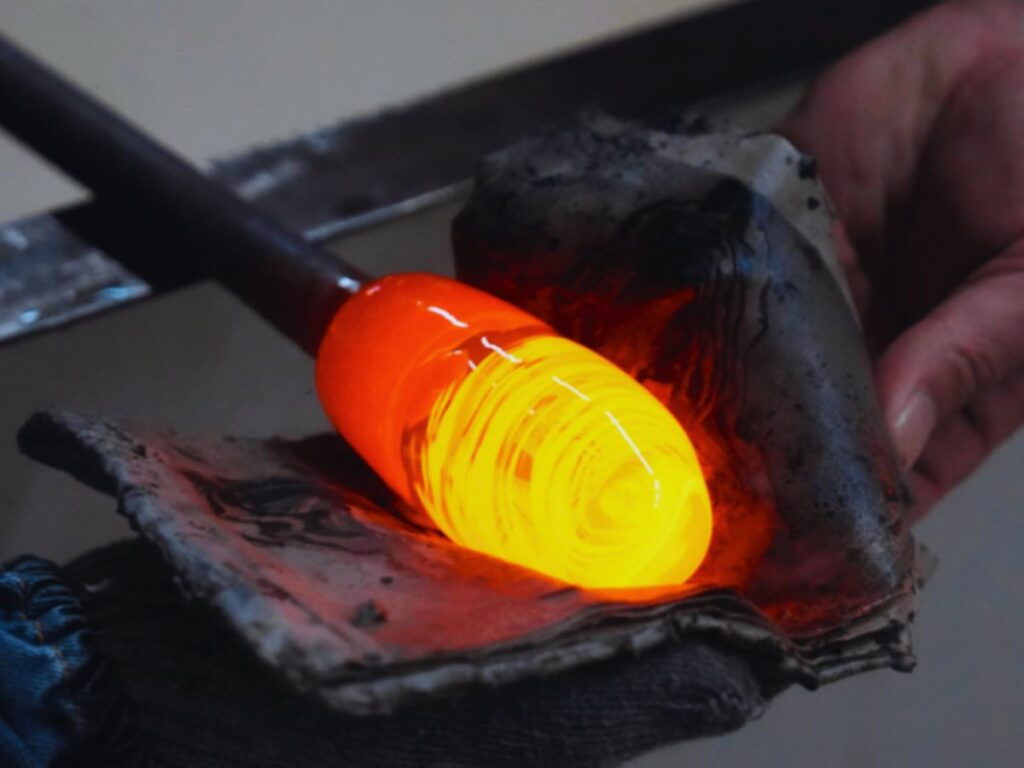
Before booking one or the other, it’s worth understanding what each is exactly, since online listings blur them constantly, and we’ve seen travellers turn up expecting one and get the other.
Fukigarasu is genuine glassblowing, shaping molten glass on a blowpipe (yes, the one of Netflix’s Blown Away). Edo Kiriko is glass cutting and engraving patterns into an already-formed piece of glass with a grinding wheel, and it’s the far more commonly available tourist workshop of the two. The Tokyo Metropolitan Government’s page on Edo glassware has a decent breakdown of how the two techniques diverged.
Edo Kiriko suits families from around upper primary school age, while some Tokyo glassblowing studios accept children as young as five, making it a genuinely good pick if you’ve got younger kids in tow and want them to feel like they did the real thing, not just watched.
Both cluster in Tokyo, Edo Kiriko particularly around Asakusa and Sumida, glassblowing around areas like Nakano. Edo Kiriko sessions start around ¥4,500, while a short 30 to 40 minute blown glass session can go from ¥4,000 to ¥6,000,.
Woodcraft: Ukiyo-e, Yosegi-zaiku, Bamboo Craft, and Wooden Cups
To be clear, these are four separate but related wood crafts that I’ve grouped together for the purpose of this guide, because splitting them into four separate sections would test everyone’s patience, mine included. Each is booked separately though, so here’s what you’re actually signing up for with each one.
Ukiyo-e sessions have you working with an artisan to ink a hand-carved woodblock and press it onto paper, usually building up a design in layers of two or three colours. It’s more precise than it looks, get the pressure or alignment wrong and the print smudges, so you’ll likely redo a section more than once. Most sessions end with your paper design turned into something usable, often a fan.
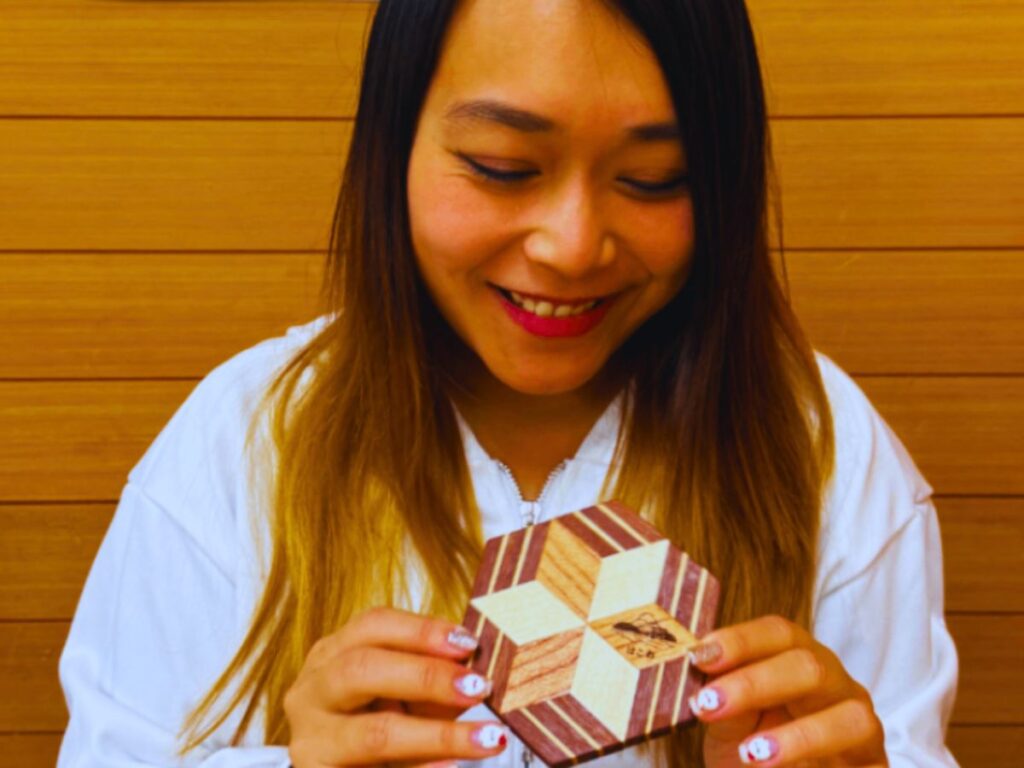
Yosegi-zaiku has you assembling tiny strips of naturally different-coloured wood into a geometric pattern, usually onto a small flat item like a coaster or the surface of a puzzle box. It’s fiddly, closer to a very satisfying jigsaw than freehand carving, and there’s no painting or staining involved, as the colour is entirely the wood’s own.
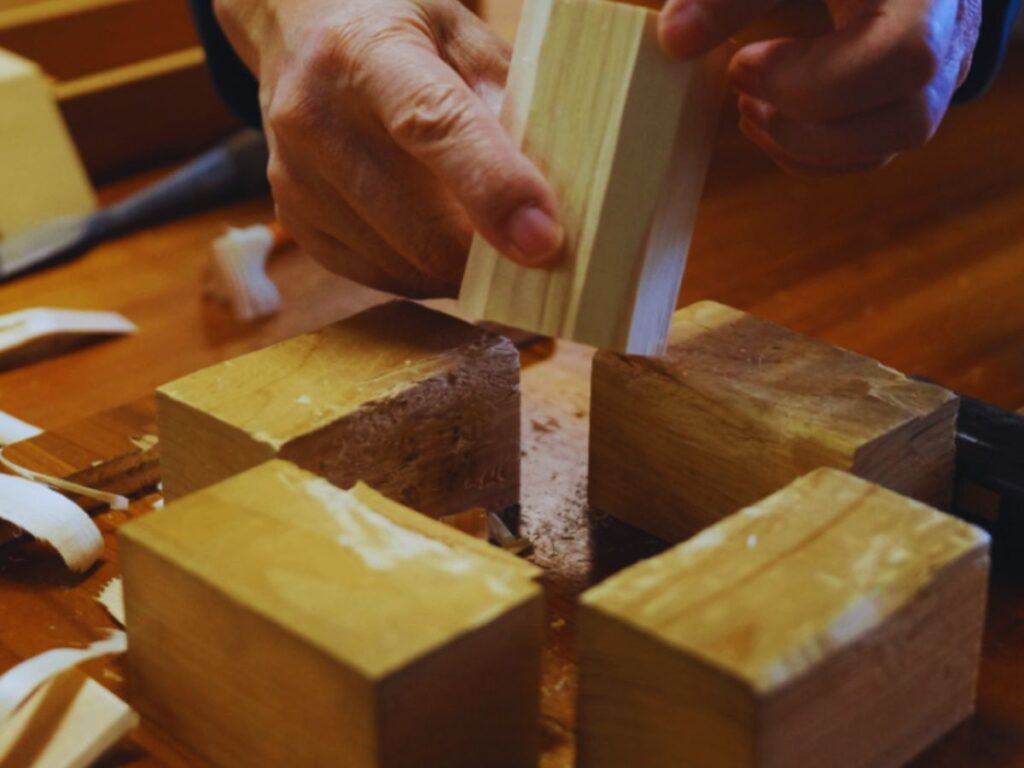
The next one, bamboo craft sessions vary more by studio, but generally involve either weaving thin bamboo strips into something like a basket or coaster, or shaping and finishing a solid piece, like a child’s toy, using a knife and sandpaper rather than a loom. Wooden cup making follows a similar hands-on shaping process, sanding and finishing a pre-cut blank into something smooth enough to actually drink from.
Most of this group is family-friendly, though a full ukiyo-e session with a master artisan runs long and costs more, better suited to a couple or solo traveller with a real interest in the art form than a family trying to keep restless kids entertained. Prices swing wildly here, but you can compare each (and check out other cultural experiences available) at our booking page.
Umbrella Making (Wagasa)

This ranges from painting a pre-made mini umbrella to building a full-size Hime Wagasa from scratch, choosing your own bamboo, washi paper, and pattern. Trying this out in Kyoto was really memorable for us:
The mini decoration version is one of the more child-friendly crafts here, genuinely sweet for a family afternoon, while the full umbrella-making version takes longer and suits adults or couples who want something more involved and less likely to end in a toddler meltdown. Mini umbrella decoration starts around ¥4,000 while full Wagasa assembly runs 90 to 120 minutes and costs more depending on the materials you choose.
Metal Casting and Metal Plate Making
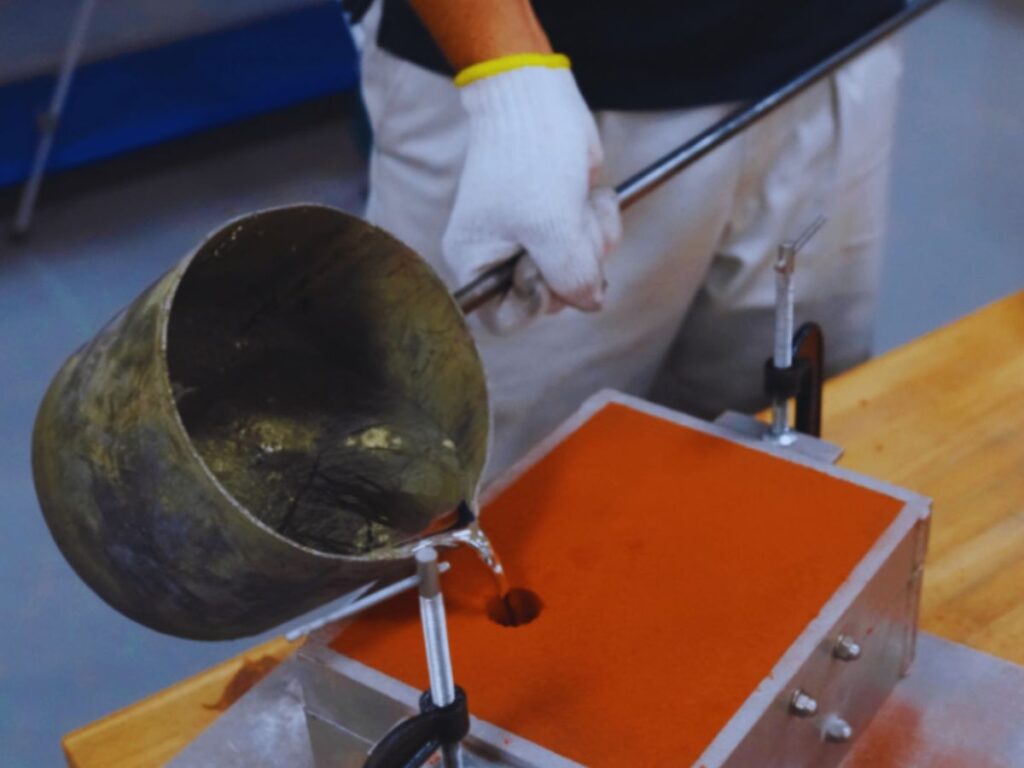
These sit under the same broad umbrella of Japanese metalworking, but they’re technically different crafts. Metal casting involves pouring molten tin or copper into a sand mould, letting it cool, then polishing the finished piece once it’s released. Metal plate making is a different technique entirely, engraving a pattern into an already-formed flat sheet of metal using a small chisel, tapped with a tiny hammer, historically used to decorate sword fittings and samurai armour.
Casting sessions are the more common tourist workshop of the two, and several studios run courses specifically for elementary-school-age children, making it a solid family option. Plate engraving tends to be a quieter, more precise sit-down activity, better suited to older kids and adults who don’t mind a slower, more repetitive task.
Takaoka in Toyama prefecture is the clear centre for casting, a 400-year-old town producing roughly 90 to 95 percent of Japan’s copperware, with workshops clustered in the historic Kanaya-machi district. It doesn’t get the tourist traffic Kyoto does, which if you ask me is exactly the appeal.
In fact, we did not pass up on the opportunity to try metal casting on our visit to Toyama:
Tokyo’s Nihonbashi area offers a more accessible alternative if Toyama isn’t on your route. Shorter 30 to 45 minute sessions start around ¥3,000 to ¥5,000, while longer 90-minute courses run ¥8,000 to ¥12,000.
Which Craft Workshops in Japan Feel ‘Touristy’

The more accessible, higher-volume end tends to include things like Edo Kiriko sessions in Asakusa, mini umbrella decoration, and fan painting. But instead of categorising them as ‘touristy’, I’d say these are brilliant entry points that are quick and easy to slot into a packed itinerary.
They might be cheaper and you might be spending the session with a bigger group of fellow tourists, but they are still staffed by people who are genuinely skilled in the craft. There’s no shame in this being your version of a craft workshop, particularly if you’re travelling with young kids or only have an afternoon free.
Sitting further toward the intimate end, you’ll find things like private kumihimo sessions in Kagurazaka, full ukiyo-e workshops with a master artisan, knife forging in Seki or Sakai, and the deeper Tokushima indigo experiences. These take longer, cost more, involve smaller groups, and usually use more traditional materials and methods.
Metal casting in Takaoka and yosegi-zaiku in Hakone sit here too, partly because the towns themselves see far fewer tourists than Kyoto or Tokyo, so the whole visit feels less curated for visitors and more like you’ve wandered into somewhere that would exist whether you showed up or not.
Craft Workshops in Japan FAQs
How much do craft workshops in Japan cost?
Most popular workshops (like kintsugi, glass cutting, and custom incense blending) fall between ¥4,500 and ¥10,000 per person. Specialized options like knife-making or private masterclasses generally cap out around ¥25,000 to ¥30,000.
Do I need to speak Japanese to join a craft workshop in Japan?
No. Most workshops aimed at tourists offer English instruction or at least an English-speaking staff member, particularly in Tokyo and Kyoto.
Are craft workshops in Japan suitable for children?
Many are. Indigo dyeing, umbrella decoration, fan painting, and some glassblowing sessions welcome quite young children.
How far in advance should I book a craft workshop in Japan?
For popular, well-known studios in Kyoto or Tokyo, book at least a few days ahead, and longer during cherry blossom or autumn foliage season when everything fills up fast.
What should I wear to a craft workshop in Japan?
Nothing you’re precious about. Indigo dyeing in particular can stain clothing, and some studios provide aprons, but I’d still avoid your favourite outfit that day.
Can I ship my finished piece home if I don’t want to carry it?
Often yes, particularly for pottery, kintsugi, or anything requiring extra curing or drying time. It usually costs extra and can take weeks, so factor that into gift timelines if the piece is meant for someone back home.