I know that getting away from all the tourists to find something truly authentic can be tricky, but trust me, finding authentic cultural experiences is possible. Japan is incredibly proud of its culture, and, as a result, many Japanese people, organisations, and buildings work hard to share that culture with visitors.
In this guide, I’ve listed 30 unmissable cultural experiences in Japan that take you from traditional craft workshops to sacred hikes, or dance festivals to making Japanese sweets by hand.
Looking for a truly authentic trip to Japan?
Flip has you covered! We’re a travel agency based in Tokyo that specialises in bespoke trips that share the real Japan with our clients. We work with local artisans and partners across Japan, crafting trips and tours that are designed just for you.
Traditional Craft Workshops

Japanese Knife Making
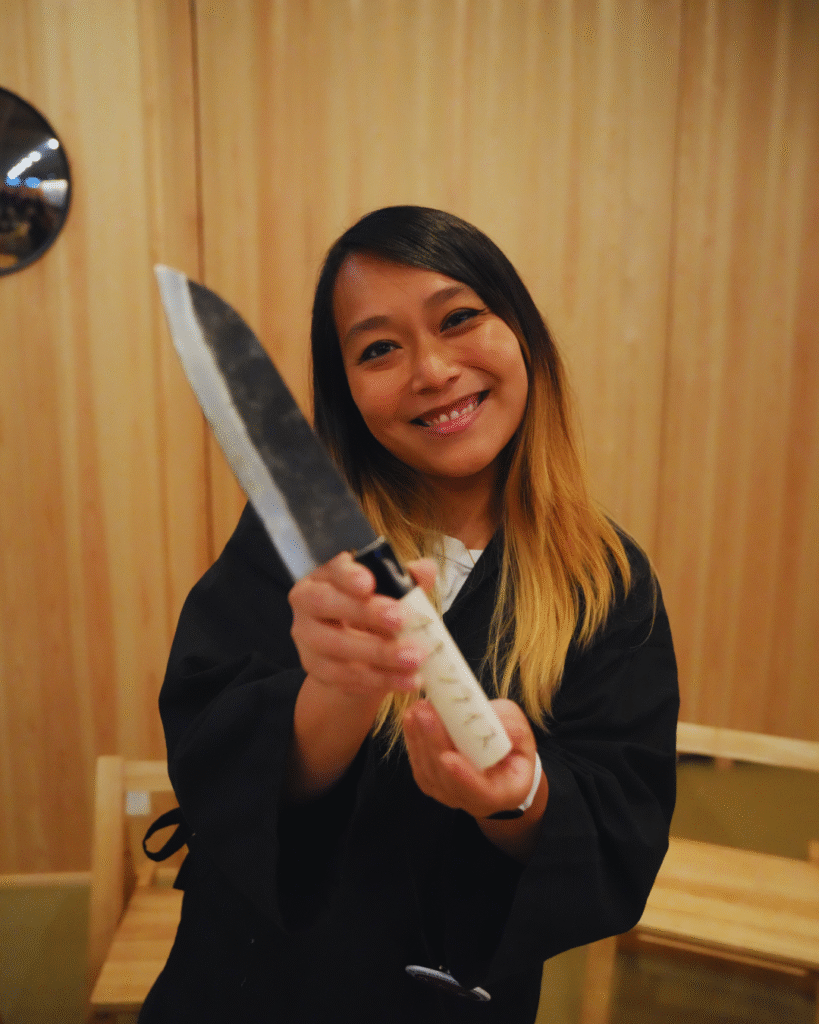
Just in case you’re not aware, Japanese knives are considered to be the best in the world. The craftsmanship techniques have been passed down through generations to create a beautifully balanced, precision-sharp blade.
Japanese knife-making workshops range in the skills taught, and you can find anything from simple handle carving and personalisation to forging the knife itself. You’ll learn from an expert, who, in most cases, will finish the knife after you leave and arrange for it to be sent to you once done.
Read our experience of knife-making:
Kumihimo

Kumihimo is an ancient practice of braiding cords for things like samurai armour, kimono fasteners, and decorative religious items. The kumihimo braids represent connection and unity, and in a workshop, you’ll get to go deeper into the meaning under the teachings of a kumihimo master.
I find the methods of intertwining the thread to be quite meditative, with the classes being a lovely balance of easy to do yet still culturally significant. Plus, the kumihimo experience results in a beautiful handmade keychain that you can take home.
Wagasa
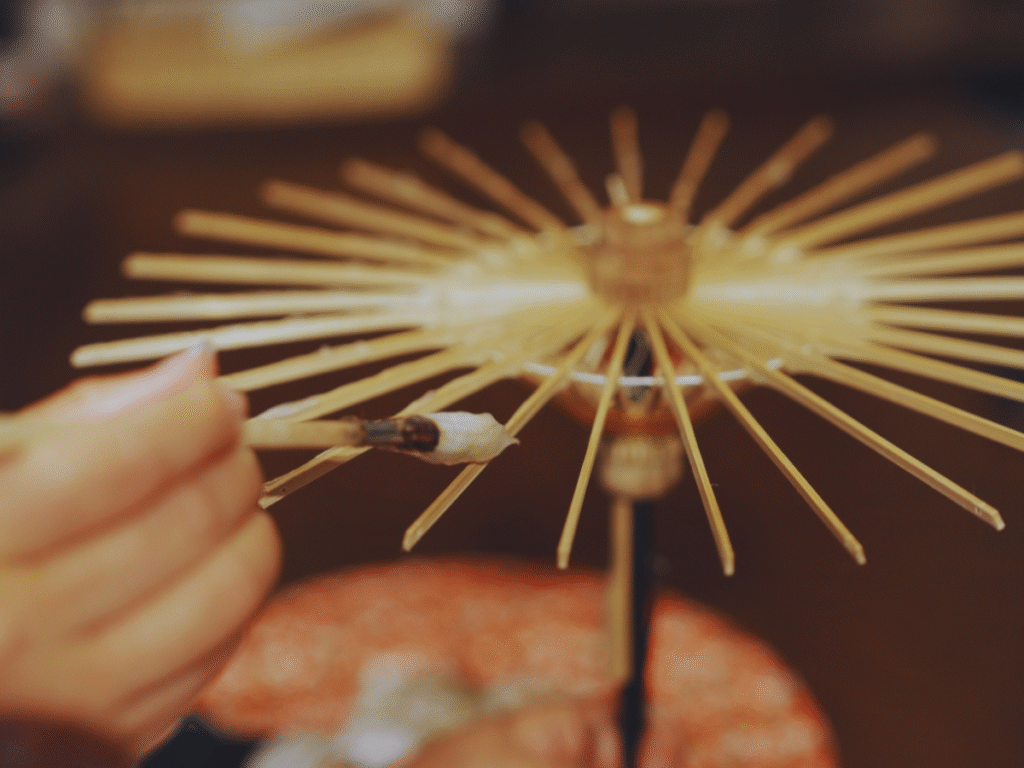
Wagasa are traditional bamboo and paper umbrellas known for their delicate and intricate beauty. They’re predominantly used for ceremonies and considered as prestigious pieces of art. Making one requires in-depth study and years of practice…although you can pick up a few basics in a wagasa workshop.
Getting to watch a wagasa artisan work is an incredible cultural experience in itself, so having them help you understand the actual process for yourself is very special. You’ll probably make a smaller decorative version of a wagasa, but it’ll still have the same elements of the real thing, like thin bamboo ribs, hand-stretched washi paper, natural glue, lacquer, and linseed oil.
Ukiyo-e

You might not know the name, but I’m certain you’ve come across ukiyo-e many times. It’s a traditional art form that uses wood blocks to create colourful prints. The most famous example is Hokusai’s “The Great Wave Off Kanagawa”, but you’ll also likely recognise “The Plum Garden at Kameido Shrine” and “The Beloved Wife’s Particoloured Reins”.
If you’re at all artistic or interested in creating your own traditional prints, then taking a Ukiyo-e workshop is a wonderful way to experience Japanese culture. You’ll design and carve your own designs and learn how to properly ink and print them, all from a master of the craft.
Kyo-Sensu
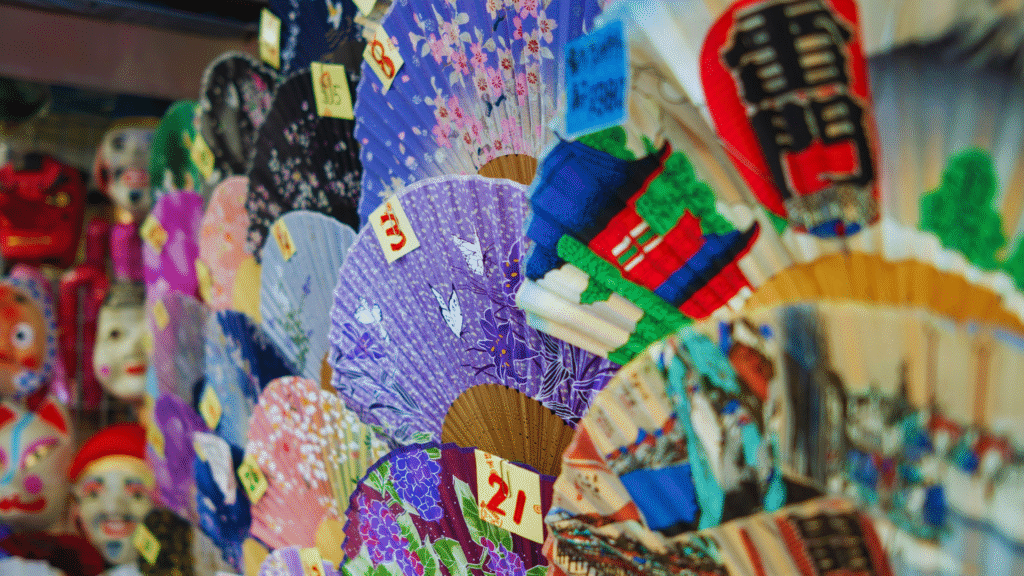
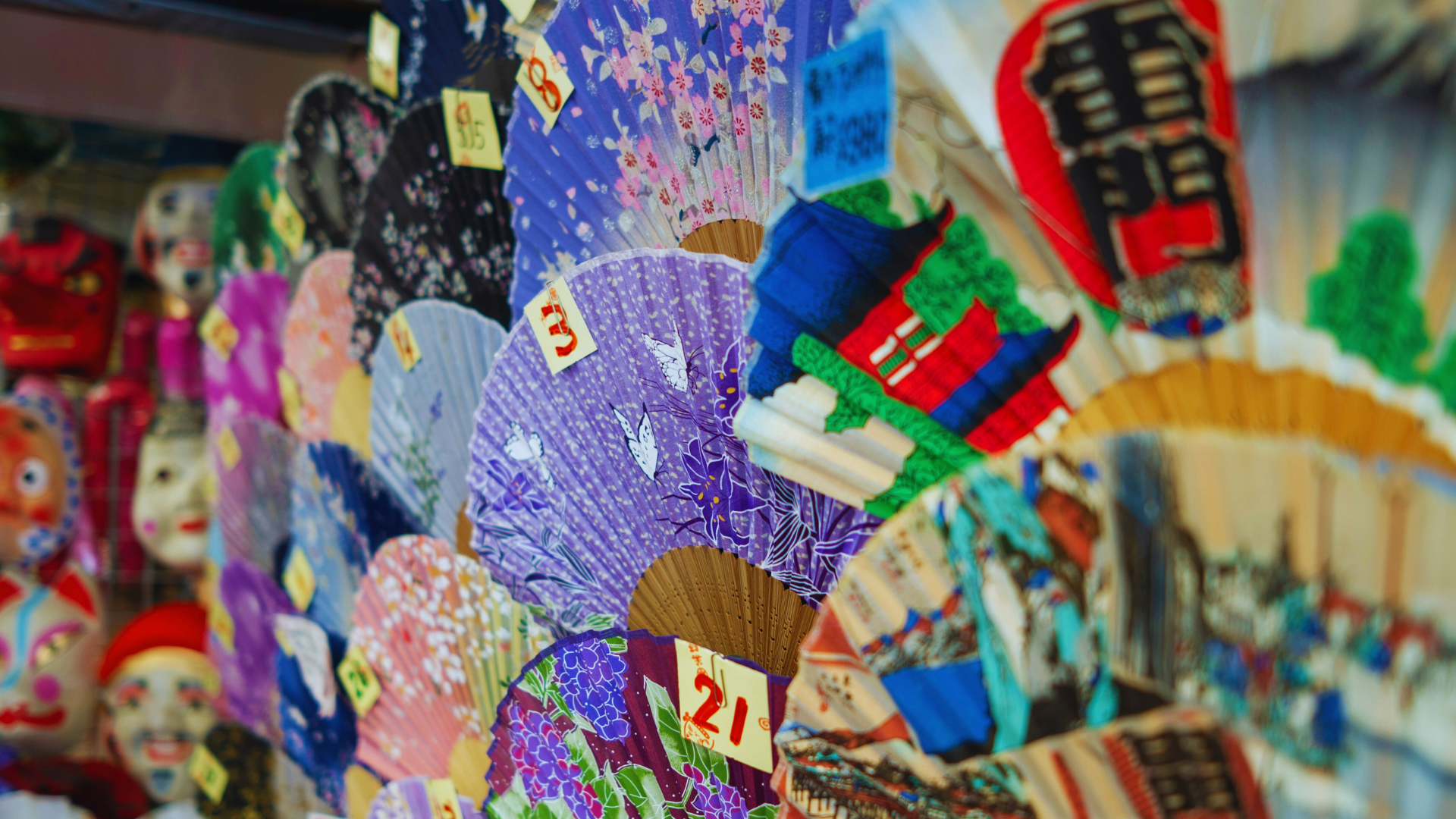
Sensu are Japanese folding fans, with the craft of making them, kyo-sensu, being considered a highly important traditional craft. These fans have been made using almost exactly the same techniques for over 1,000 years, using bamboo and paper to craft the intricate shape.
If you take a workshop, you can study these same techniques, adding your own design to personalise the souvenir by that extra step.
Visit a Craft Museum
I know this isn’t a workshop, but if you’re interested in learning about Japan’s cultural crafts, then I highly recommend checking out the Kyoto Museum of Crafts and Design. The site is fully dedicated to preserving and sharing Japan’s ancient handicrafts and art forms, with opportunities to watch artisans demonstrating their practices.
The Kyoto craft museum is a great stop if you don’t have time to book a full craft workshop, as it offers its own classes throughout the day for you to try the crafts for yourself. I think kids, especially, would enjoy this as it’s always fun to get hands-on without a multi-hour commitment.
Opening Hours: Daily from 10am to 6pm
Admission: ¥500 for adults, ¥400 for students
Check out our in-depth guide to the museum below:
Cultural Culinary Experiences

Visit a Fish Market
Visiting a fish market in Japan gives you a real glimpse of how central seafood is to daily life here, not just as food, but as part of a shared routine built around freshness and respect for ingredients.
Popular markets like Tsukiji in Tokyo or Nishiki in Kyoto are very foreigner-friendly, with a large array of delicious dishes and bites to try. Alternatively, however, you can have a much more culturally authentic experience by visiting a local market to see a glimpse of local daily life.
Learn to Make Yuba
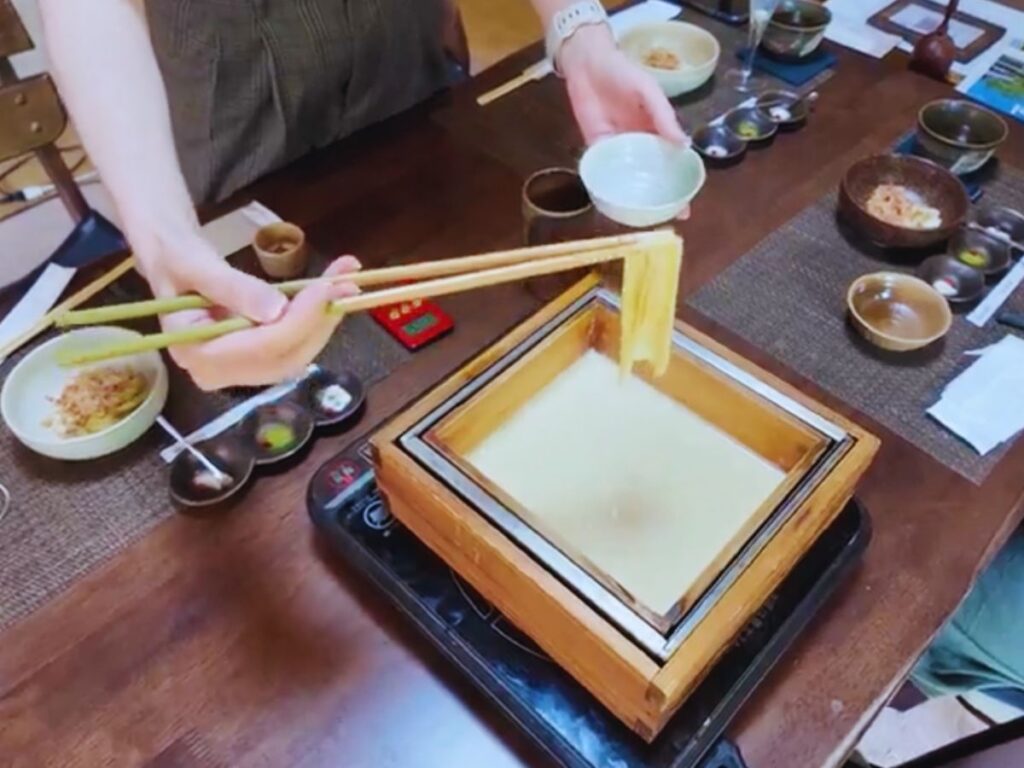
Stay with me, yuba, in a direct translation is tofu skin. It doesn’t sound like it, but yuba is truly delicious. The texture is silky soft, with a delicate flavour that pairs wonderfully with sauce, dashi, and wasabi. It has been eaten in Japan since first introduced by China up to 2,000 years ago, and is a staple of shojin ryori (a type of vegetarian Buddhist cuisine).
Making it is quite simple, with many yuba classes taking place in local chefs’ real homes and kitchens. It’s a really special way to connect with a completely different side of Japan’s history, through a delicious ingredient and shared meal with a local.
Handmake Wagashi
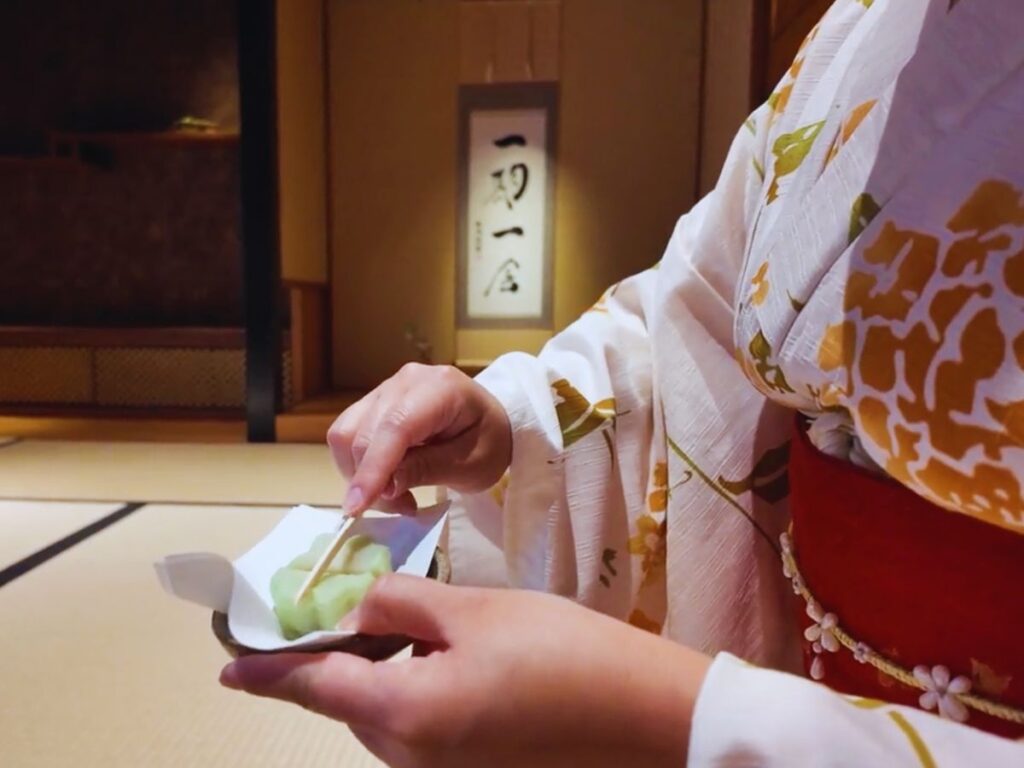
Wagashi refer to Japan’s traditional sweets, which are often used in tea ceremonies and festivals…although you can also pick up many at the grocery store. Most use simple ingredients to create an array of satisfying textures and extremely pretty designs, with the same techniques being used for centuries. Oh, and they’re usually also vegetarian!
In a wagashi workshop, you can learn these recipes and techniques for yourself to create delicious treats by hand. Some common wagashi are daifuku (mochi filled with red bean paste), dorayaki (pancakes with red bean paste), and nerikiri (white bean paste shaped into flowers).
Pound Mochi in Nara
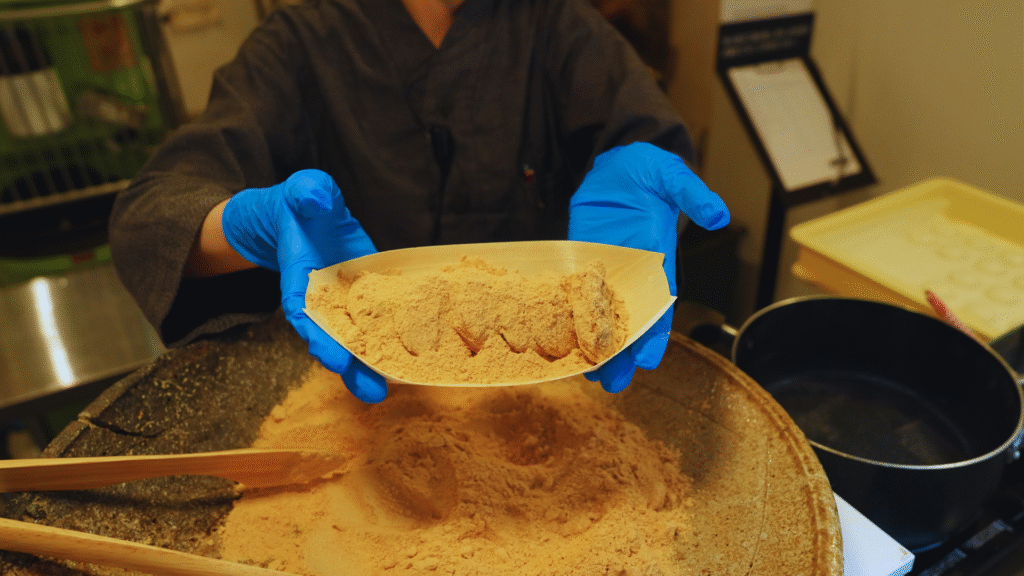
If you’ve ever seen videos of people dramatically pounding mochi, with one person hammering while the other flips and folds the rice between strikes, chances are it was filmed in Nara. Watching the demonstration, you can appreciate the balance of strength and timing needed to make the soft, chewy mochi dusted in kinako (roasted soybean powder) and served warm.
What’s even better? Giving it a go yourself! This is a pretty unique cultural experience in Japan that may cause you to break a sweat, but it’s also a lot of fun. You’ll also get to learn more about the food and preparation process from the mochi chefs along the way.
Eat and Drink at an Izakaya
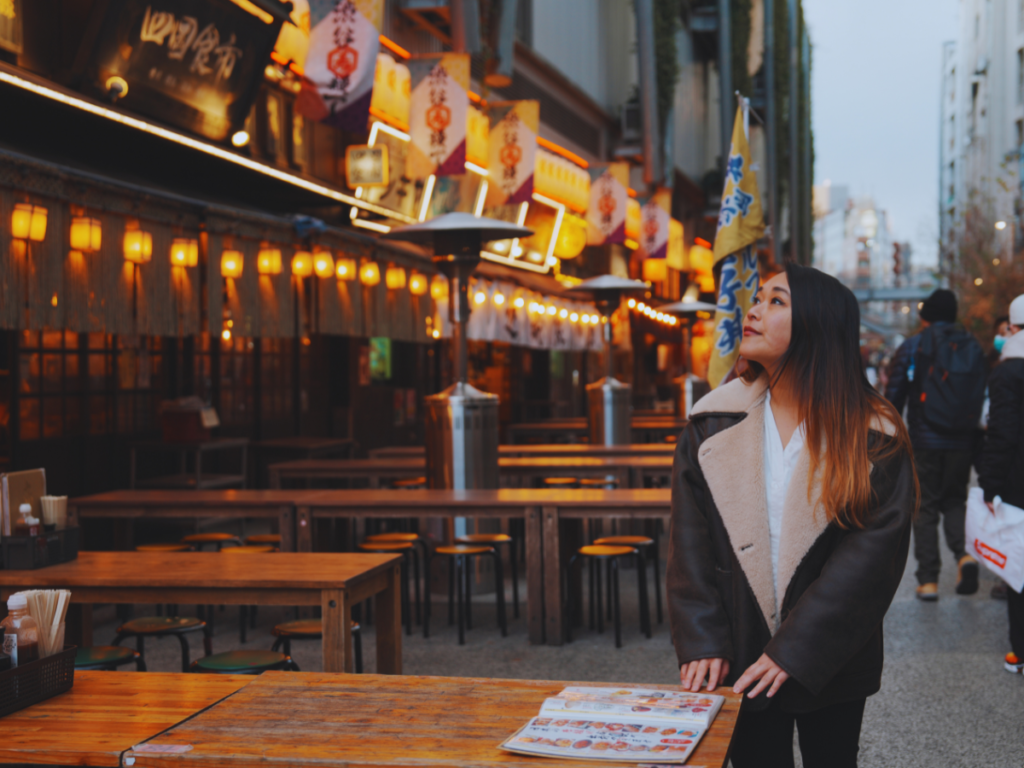
In my opinion, no trip to Japan is complete without a visit to the izakaya. These are bar/restaurant hybrids that are usually ultra casual places for ordering drinks after work, sharing small plates, and just having a great time. Izakayas are a pillar of Japanese culture, and even if you don’t drink alcohol, you can have a brilliant time soaking in the relaxed atmosphere.
Izakaya are also probably my favourite way to sample lots of different local dishes at once without breaking the bank. Unless you’re at a fancy one, izakaya food is very affordable, with the menus being filled with local specialities and lots of Japanese comfort food.
Splash out on Omakase


Omakase is probably the polar opposite of a night at the izakaya. The term means “I’ll leave it up to you”, and that’s exactly what you do: you place your trust entirely in the chef’s hands. It typically refers to sushi, with each dish being chosen and prepared based on the freshest seasonal ingredients that day, often right in front of you at the counter.
I’ll be up front: this standard of dining is probably going to come at a reasonable price point (¥10,000+ per person), but it’s also an experience you really can’t get anywhere else. Yes, there are omakase restaurants with Japanese chefs in other parts of the world, but to experience it in Japan is truly something special.
Experience Kaiseki Dining


Kaiseki is similar to omakase in that it involves a chef creating a menu based on seasonality and presentation, but the meal itself is very different. Kaiseki is a multi-course dining style where you’ll be served many different small dishes, with every menu element intentionally curated.
If you’re visiting Kyoto specifically, then you’ll have some amazing kaiseki options, as it’s deeply tied to the city’s culinary culture. Making a reservation can be tricky, especially if you don’t speak Japanese, so you might want to ask your hotel concierge or use a travel planner (like us) to book a kaiseki experience.
Traditional Cultural Experiences
Watch a Tea Ceremony
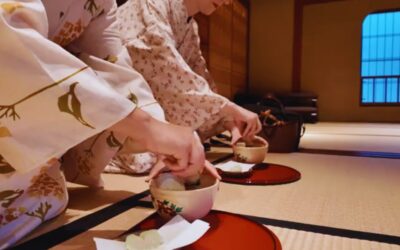
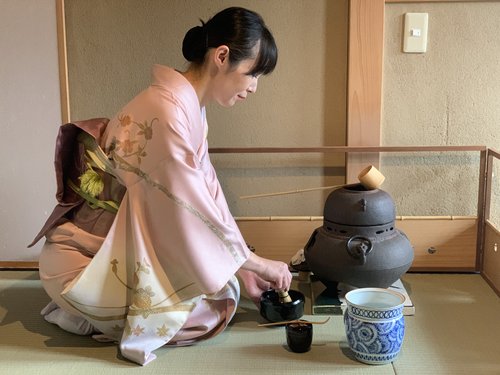
Experiencing a tea ceremony in Japan is one of the most popular ways to gain insight into Japanese culture. Tea ceremonies come in lots of forms, including formal Geisha-led ceremonies, experiences that involve a kimono, or more casual group settings.
Kyoto is quite famous for these ceremonies with its matcha theming across the city, not to mention the general “old-Japan” setting filled with ancient temples and their traditions. However, you can experience tea ceremonies all across Japan.
Try on a Kimono
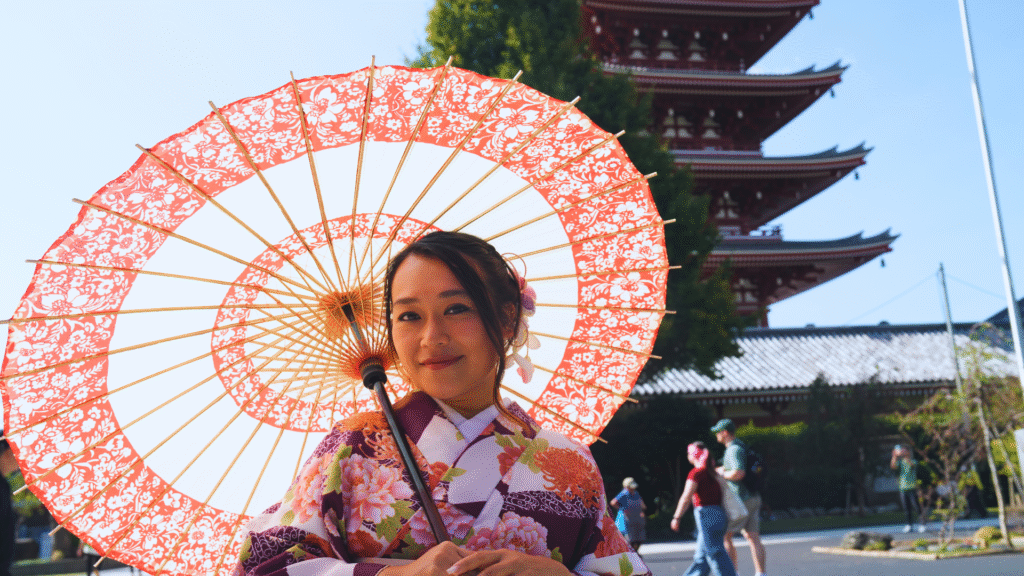
Even today, kimono continue to be worn by Japanese people on a semi-regular basis for things like festivals, formal celebrations, and shrine visits. It’s a beautiful practice that is also considered to be open, meaning anyone is welcome to try on, wear, and even buy an authentic kimono.
There are many ways to experience a kimono, for instance, you can go vintage kimono shopping or rent one for the day. I really recommend looking into booking a kimono photoshoot at somewhere like Senso-Ji for some really amazing photo-souvenirs of your trip.
Attend a Matsuri Festival

Matsuri is the Japanese word for festival or holiday, with matsuri events happening all year round. The typical matsuri is usually a neighbourhood celebration where streets are filled with shrine floats, school and dance group performances, and plenty of food stalls. People often wear kimono, going with groups of friends to eat, drink, and watch the parade.
Summer, in particular, is considered matsuri season, as people make the most of the warm night air. Some of the biggest events are Kyoto’s Gion Matsuri in June, the Aomori Nebuta Matsuri in August, and O-Shogatsu, which is celebrated nationwide on the first three days of the year.
Stay in a Ryokan
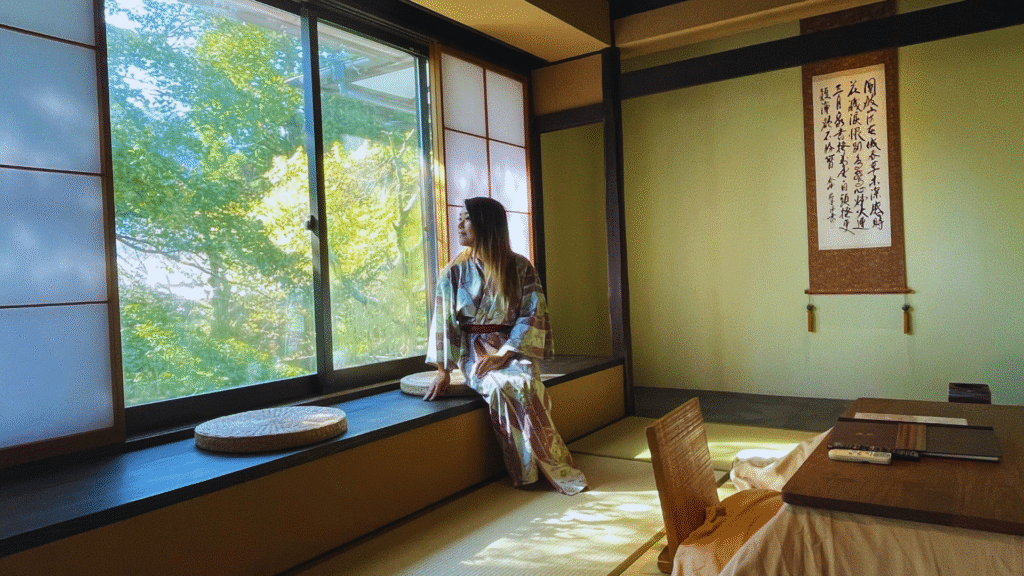
Ryokan are a traditional type of accommodation in Japan that are characterised by their immaculate service. This is one of my favourite cultural experiences in Japan for visitors, as it fully immerses you in a traditional setting and Japanese customs.
You’ll get to experience sleeping on a futon and tatami flooring, with many ryokan also having public or private onsen. It’s also quite common for ryokan stays to include a beautifully crafted kaiseki course meal and a traditional Japanese breakfast served in the morning.
Walk a Pilgrimage Route

Japan’s well-preserved pilgrimage routes offer a chance to experience the country the way monks and pilgrims did centuries ago. The routes can be multiple days long, with lots of huts and inns to stay in along the way. They’re also open to anyone looking for peace, nature, and a deeper connection to Japan’s history.
One of the most famous routes is the Kumano Kodo in Wakayama, a UNESCO World Heritage trail that winds through misty forests and ancient shrines. Another is the Shikoku 88 Temple Pilgrimage, an island-wide journey that circles 1,200 kilometres and connects dozens of temples dedicated to the monk Kobo Daishi.
Zen Cultural Experiences
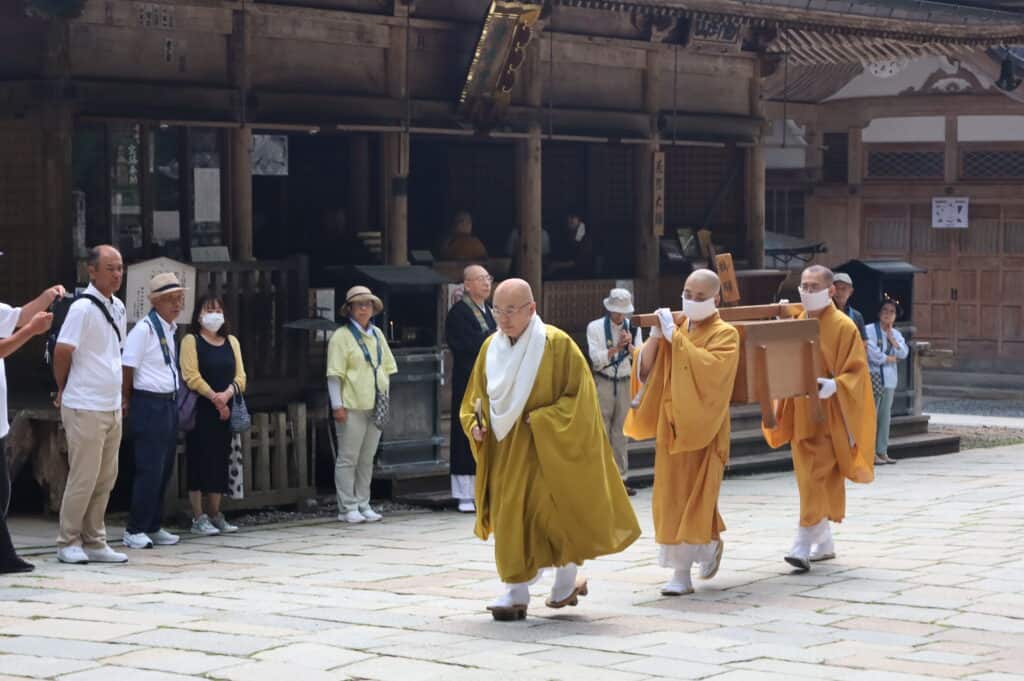
Experience a Temple Stay
A temple stay, or shukobo in Japanese, is exactly what it sounds like: Buddhist monks welcome you to their temple to stay for a few days. You’ll eat, sleep, and meditate within the temple grounds, following the monks’ daily routines and experiencing a peaceful, spiritual side of Japan that’s worlds away from city life.
These temple stays can be found in many places, but are particularly popular in Mount Koya, the centre of Shingon Buddhism and one of Japan’s most sacred sites. If you’re interested in a temple stay, you should consider our Zen and Wellness Group Trip, which includes ashukubo and many of the other cultural experiences listed below.
Discover Forest Bathing
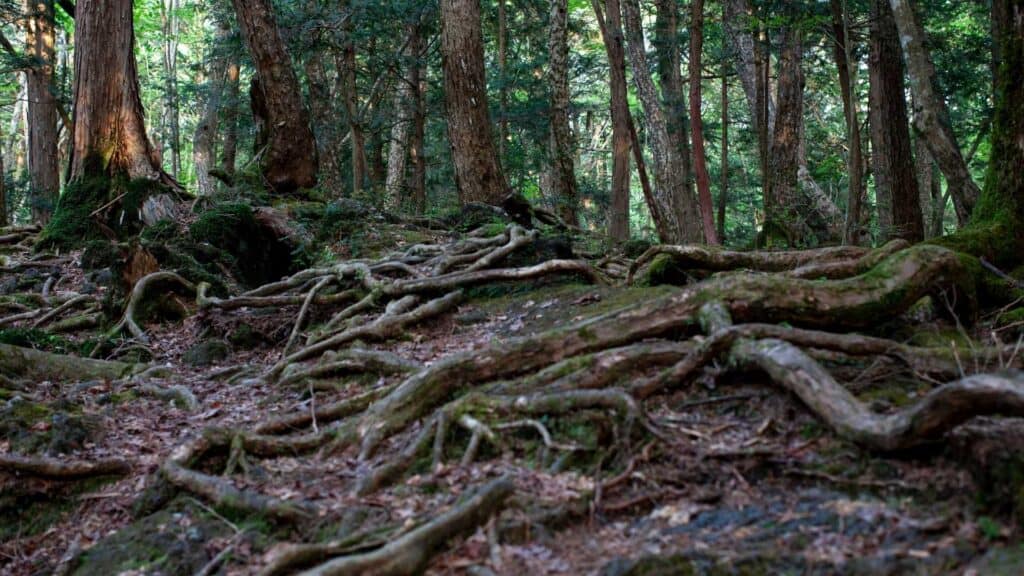
Forest bathing is an ancient practice known as shinrin-yoku that’s all about slowing down and reconnecting with nature. It doesn’t involve hiking or exercising, and instead, is simply about being present in the forest, breathing deeply, and letting your senses absorb the sights, sounds, and scents around you.
The idea is that by spending mindful time among the trees, you reduce stress, clear your mind, and restore balance. Some of the best places to experience it include Yakushima Island, known for its ancient cedar forests, and Nagano’s Kiso Valley.
Soak in the Onsen
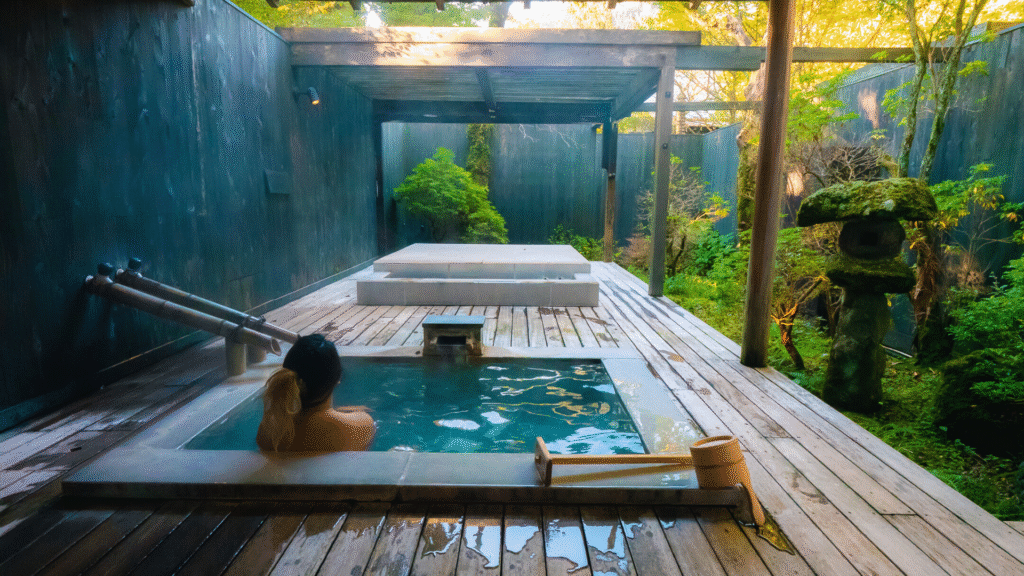
If you’re visiting Japan during the cooler months, then I cannot recommend an onsen visit more. These mineral water baths are heated by natural hot springs, and are places to relax, unwind, and enjoy some true peace.
Unless you’re at a private onsen, you will need to be completely naked, although the baths are split by gender. Hakone is a really famous place for onsen trips near Tokyo, with many beautiful ryokan that offer outdoor baths.
Learn more about the onsen:
Experience Omairi
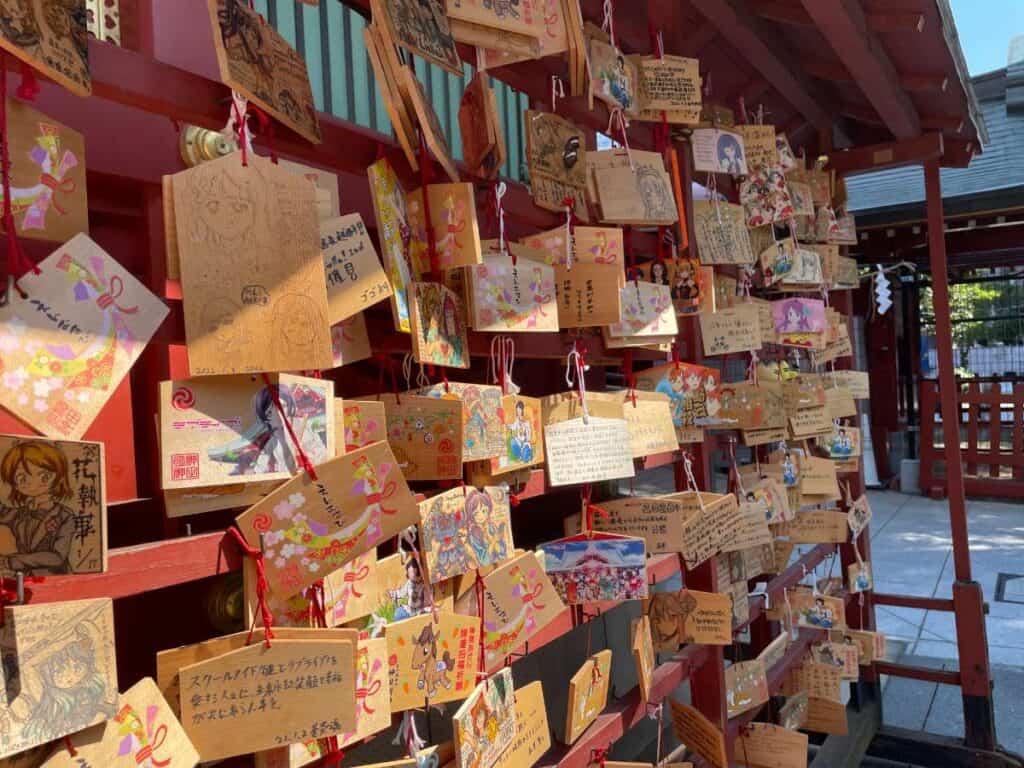
Omairi refers to the act of visiting a Shinto shrine to pay your respects. It’s a Shinto ritual and part of everyday Japanese life. You’ll often see people stop by a shrine on their way to work or during a walk.
You don’t need to be religious to take part. Visitors are always welcome to experience omairi, so long as it’s done respectfully. You throw a coin into the offering box, bow twice, clap twice, make a silent prayer, and give a final bow. Don’t take photos of the prayer area, and remember never to clap at a Buddhist temple.
Take a Temple Tour
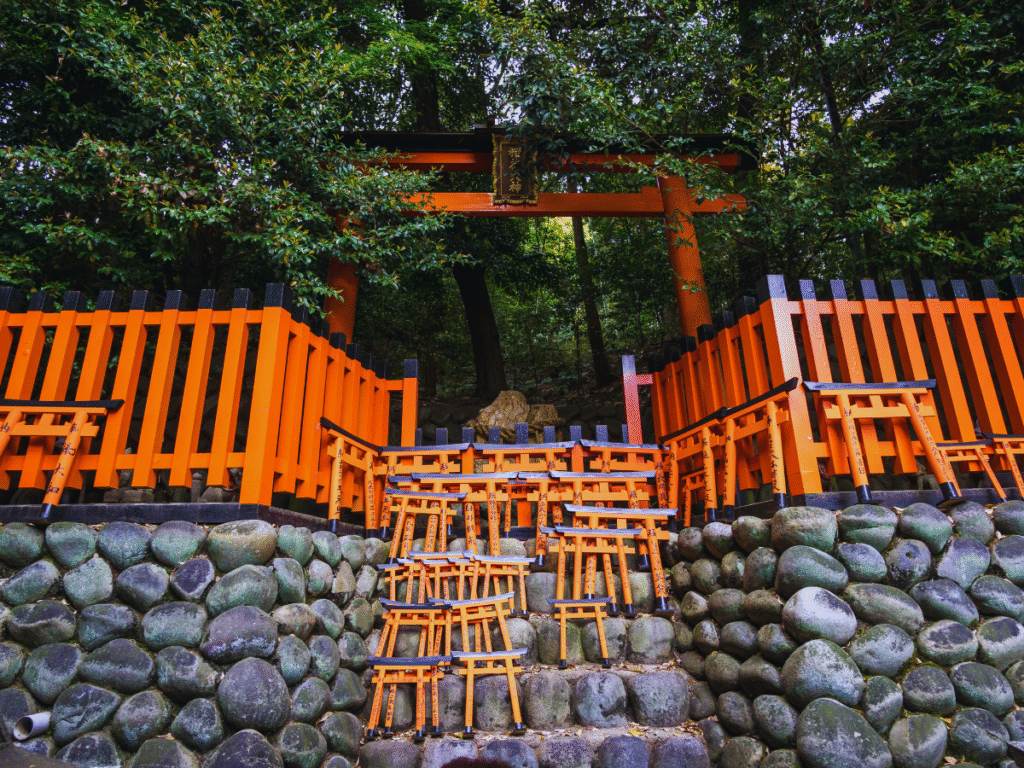
For most shrines and temples, you don’t need to pay an entrance fee or take a tour, however, being guided through the site by a monk or knowledgeable local adds an entirely different layer of understanding. You’ll learn about the history, symbolism, and small details you might otherwise miss.
There are even times when, by booking a tour, you’re able to access areas that aren’t open to the general public. To book a tour, you can reach out to a Japan travel planner (like us), look on the temple’s website, or simply ask a volunteer when you’re there.
Learn to Make Incense

Incense has been part of Japanese culture for centuries, being used for spiritual and traditional ceremonies, as well as even daily life as a way to bring calm and focus. Visit any Buddhist temple, and you’ll see the incense being burned to represent purification.
In an incense-making workshop, you’ll learn the traditional way to create the incense sticks, and in particular, how the fragrances are crafted from natural materials like sandalwood, cinnamon, and clove. The process is slow and deliberate, much like meditation itself.
Cultural Performances and Entertainment

Experience Sumo
Sumo is famous all over the world, but let’s be honest, trying to work out how to actually see it in Japan is a little confusing. When I first moved here, it took me over a year to fully get my head around it, so let’s simplify things for you. There are three ways to experience sumo in Japan:
- Attend a formal Grand Tournament if you happen to be visiting at the right time of year
- Watch a real morning practice
- Go to a more relaxed sumo demonstration with retired athletes
Learn to Play Shamisen
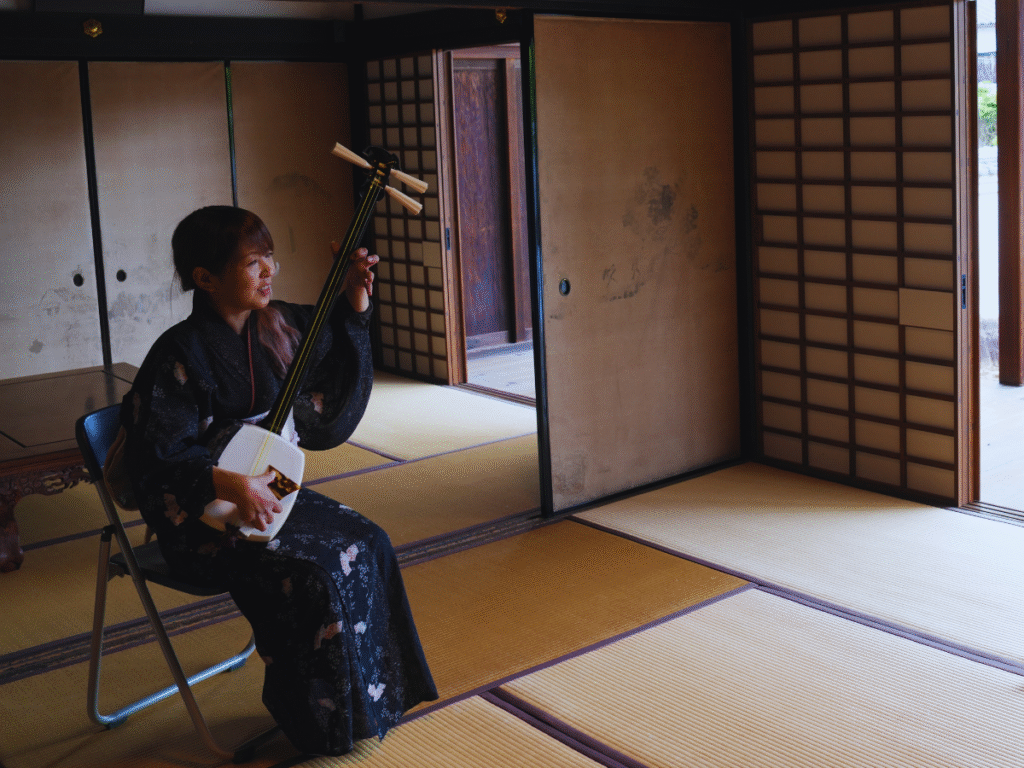
The shamisen is a three-stringed traditional instrument that produces a sharp, rhythmic, and deeply expressive sound that’s pretty unique. Originally, it was used to accompany kabuki and folk songs, and today it’s played by musicians who want to keep the art form alive.
In a shamisen workshop, you’ll learn the basics of holding the instrument, striking the strings with a bachi (plectrum), and playing a few simple melodies. You probably won’t leave an expert, but you will know how to play at least a couple of (very beginner-friendly) tunes.
Go to See Some Noh Theatre

Noh is one of Japan’s oldest performing arts, dating back over 600 years. It’s a highly stylised form of theatre that combines dance, chanting, masks, and live music to tell stories drawn from history and folklore.
Some tourists are intimidated by Noh performance, but I promise, you don’t need to understand Japanese to appreciate it. Performances are often held in Kyoto, Tokyo, and Kanazawa, and there are even shorter one-hour performances if you don’t want to commit to an entire evening show.
Experience a Kabuki Show

People often get confused, or don’t even know that Kabuki and Noh are two completely different things. You can think of Kabuki as Noh’s bolder, and more dramatic counterpart, known for its elaborate makeup, colourful costumes, and exaggerated movements. It’s even received official recognition of its UNESCO Intangible Cultural Heritage status.
You can catch shows at famous venues like Tokyo’s Kabukiza Theatre or Kyoto’s Minamiza, where both full-length productions and shorter, tourist-friendly performances are available.
Attend a Bon Odori
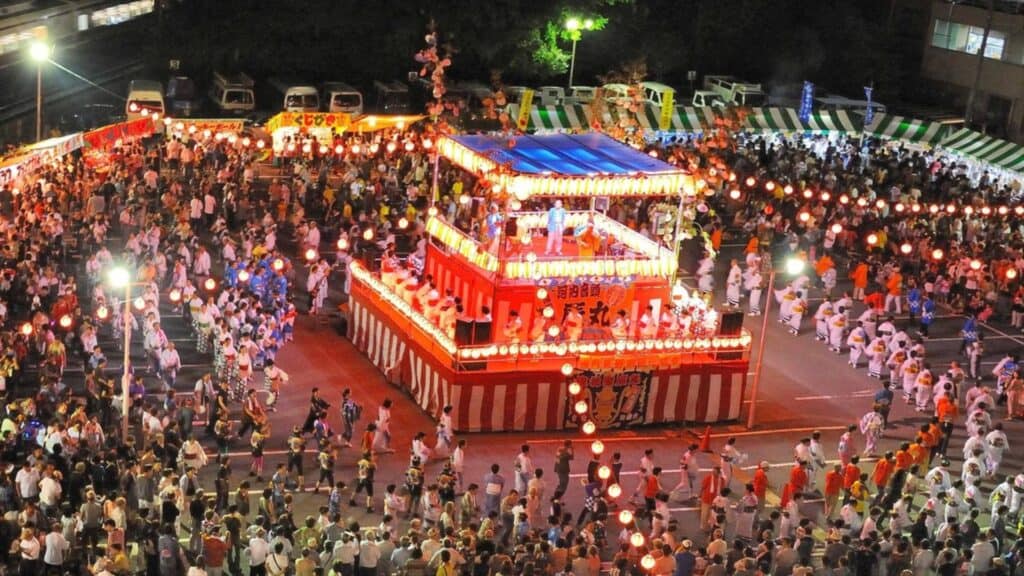
Everyone loves a Bon Odori! These are dance festivals that happen during the Obon period in summer, where people wear kimono, eat food, and get involved in the dance! There’s usually a central stage or raised platform called a yagura, where musicians play taiko drums while everyone dances in a circle around it, following simple, rhythmic steps.
The best part is that you don’t need to know the moves in advance to join in. Just jump into the rows of dancers and follow the dancers on or around the yagura. Even if you feel silly at first, I promise, it’s so much fun, and one of the best ways to experience Japanese culture first-hand.
See the Samurai Restaurant in Kabukicho
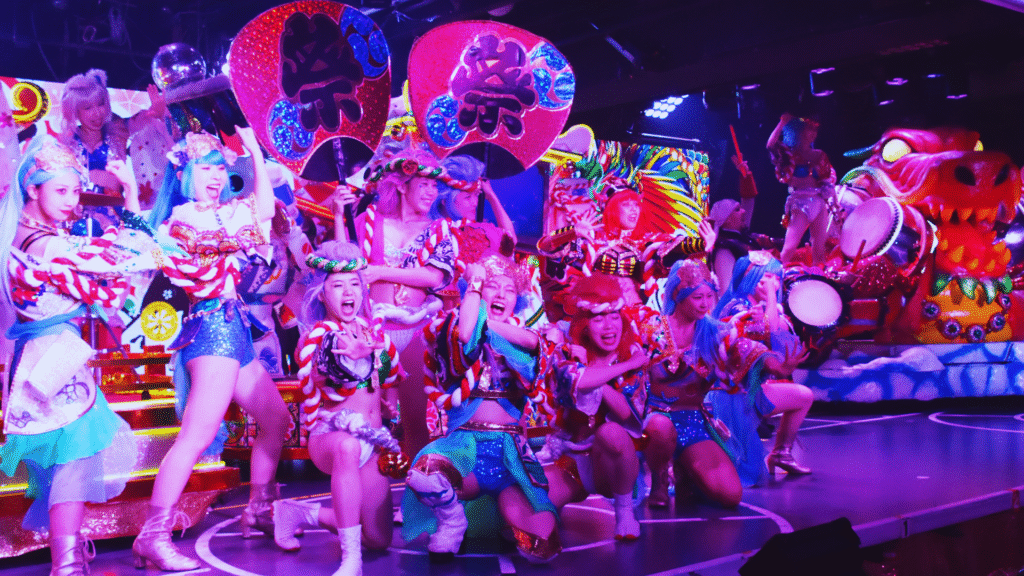
You might have seen videos of the honestly psychedelic Robot Show that used to exist in Kabukicho…well, the Samurai Show is its replacement. It has a lot of what made the Robot Show so popular (bright colours, super theatrical, lots of twists and turns), but is focused on the samurai.
It’s definitely a more modern take on Japanese performance, but there’s a lot of tradition in there too, like the samurai legends, swordplay, and kabuki-esk stylings.