
Most people outside Japan grow up with a fairly cartoonish idea of what samurai and ninja actually were. Samurai become noble swordsmen in slow motion films, all silence and honour. Ninja become black clad shadows who can apparently vanish into smoke. I had the same idea before I moved here, and it took a few years of actually living in Japan to realise how much of that picture was built by Hollywood rather than history.
What I did not expect was quite how many different ways there now are to engage with that history as a visitor. Samurai experiences in Japan and ninja experiences in Japan cover everything from costume photos in a museum to a dojo session with someone whose family lineage actually traces back to the era. Both are legitimate days out. They are just very different days out, and I think the marketing around them tends to blur that line more than it should.
We at Flip get asked about these experiences a lot. It makes sense why, since a day spent training as a samurai or sneaking around as a ninja is the kind of thing that lands on most people’s Japan bucket list long before they’ve even booked their flights. So, consider this guide the long answer to samurai- and ninja-experience-related questions we field constantly.
What Are Samurai and Ninja?
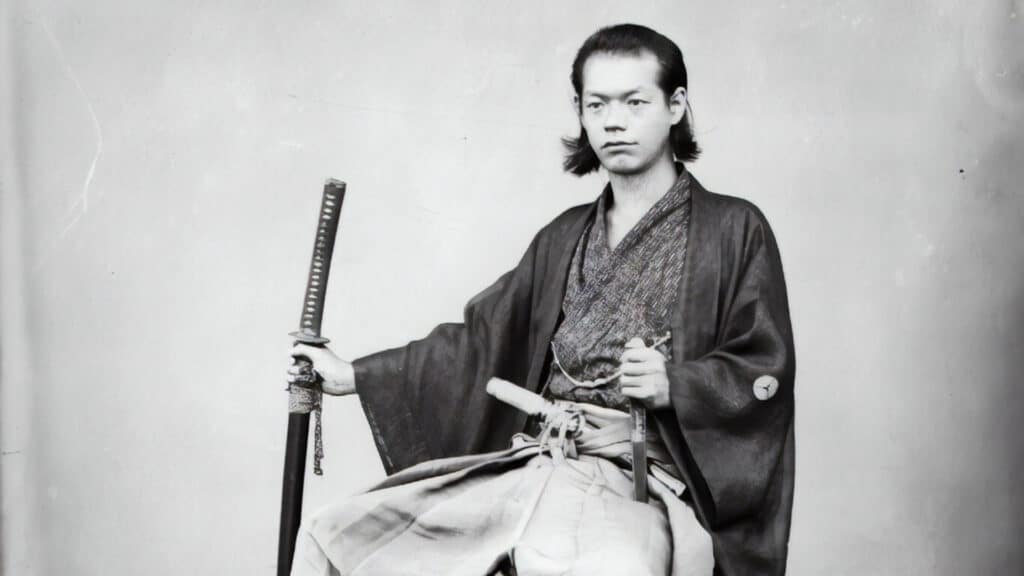
Samurai were the ruling warrior class of feudal Japan, rising to prominence around the 11th century and holding power over the country and its imperial court until the feudal system was abolished in 1868. They operated under Bushido, a code built on loyalty and discipline, and their signature weapon was the katana.
Practitioners I have spoken with describe the katana as something the samurai believed held the bearer’s own soul, which sounds dramatic until you watch how seriously an instructor still treats the handover of one. Sword handling etiquette is still treated with real weight today, so don’t go into these samurai experiences thinking that you can treat the swords (even model ones) as a mere prop to be waved around for a photo. You can read more about samurai history and philosophy in our guide to the way of the samurai.
Ninja, or shinobi, occupied a completely different social position, and I think this is the bit most people get wrong, because pop culture tends to flatten both groups into roughly the same cool warrior category. They were not a formal class the way samurai were. Many were ordinary farmers or villagers by day, hired as spies, saboteurs and covert operatives by night. So, they were doing work that sat beneath samurai honour codes entirely! There was no equivalent of Bushido governing their conduct, which is partly why so little reliable documentation about them survives.
What we do know tends to come down through oral tradition and the training lineages of specific clans, particularly the Iga Clan in what is now Mie Prefecture and the Koga Clan in neighbouring Shiga. Both regions had entire villages built around ninja training, and the most famous historical ninja, Hattori Hanzo, came from Iga before becoming a bodyguard to Tokugawa Ieyasu.
That contrast shapes the modern experiences built around each group, and once you see it you cannot really unsee it in how these tours are designed. Samurai sessions tend to focus on posture, sword grip and the meditative side of Bushido. Ninja sessions lean into tools and trickery, shuriken throwing, blow guns, the physical comedy of trying to move quietly while a group of tourists watches you fail to do it.
Planning Your Own Dream Trip to Japan?
Feeling overwhelmed by the endless options? Let us take the stress out of planning. We design 100% custom itineraries based on your interests, budget, and travel style, helping you discover the Japan you’ve always dreamed of.
Find out more about our Personalised Japan Travel Planner.
Types of Samurai and Ninja Experiences in Japan
Now, let’s get to the different experiences available. It seems like every single website uses the exact same photos of people looking cool with swords, but the actual days out could not be more different. If you just book the first random link you see, you run a massive risk of throwing money away. A super serious, quiet dojo class is going to be an absolute nightmare for a hyperactive six-year-old child. On the flip side, a crowded room full of tourists fighting over selfie spots will completely ruin the day for a solo traveller looking for a real cultural connection.
If looking at all these options still feels like too much work, that is exactly why we are here. We at Flip specialise in matching people to the right local spots based on your group, your energy levels, your budget, and how much you hate crowds.
Let us book the perfect samurai & ninja experience for you.
Museum Tours with Hands-On Basics
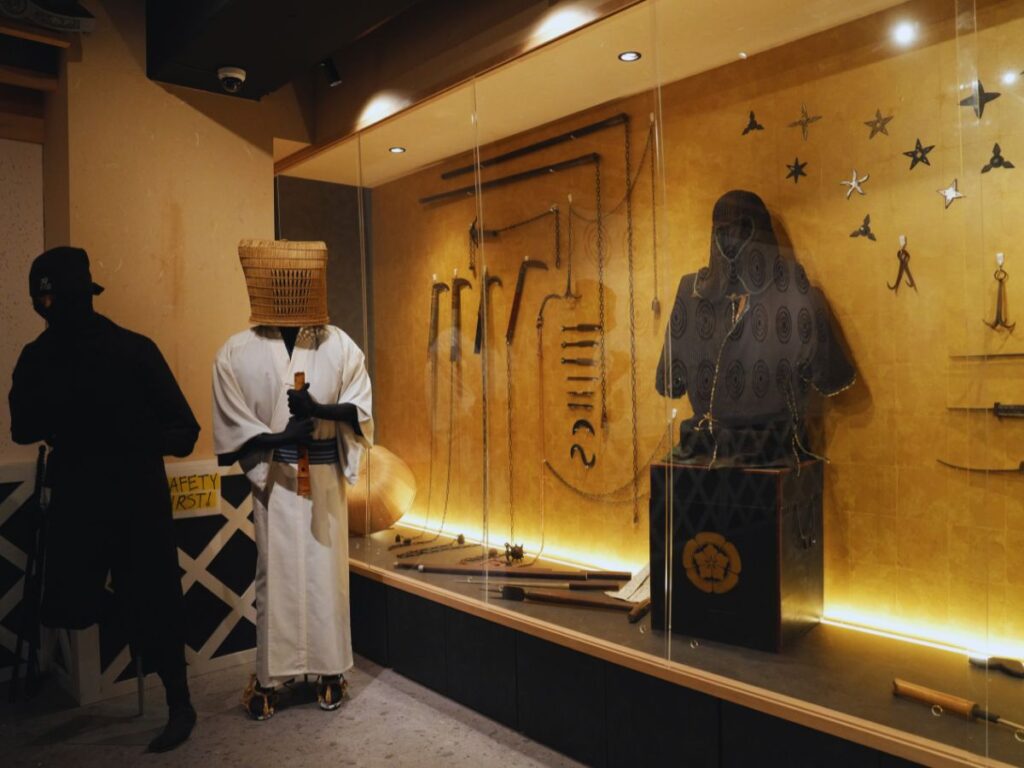
The absolute easiest way to dip your toes in combines a quick history walkthrough with some fast-paced interactive activities. Providers usually operate these in multi-storey buildings right in the middle of major tourist hubs like Kyoto and Tokyo.Pricing for this entry-level tier is also very wallet-friendly and usually functions as an all-inclusive package.
Usually priced under $25 USD per person, your ticket does not just get you through the door to stare at old glass cases; it covers the English guide, a chance to put on full armour for photos, and a turn at throwing real metal ninja stars called shuriken. The local guides are incredibly high-energy and use a lot of physical comedy to keep things moving. Personally, I found the loud, metallic thwack of the stars hitting the wooden targets deeply satisfying.
I think this is a fantastic choice for families and large groups of friends. The physical demands are basically zero, making it perfectly safe for older relatives who just want to sit on a bench and watch the kids throw things. That said, it is definitely chaotic and loud during peak hours, and you will absolutely be sharing the space with other tour groups.
Traditional Samurai Sword Training
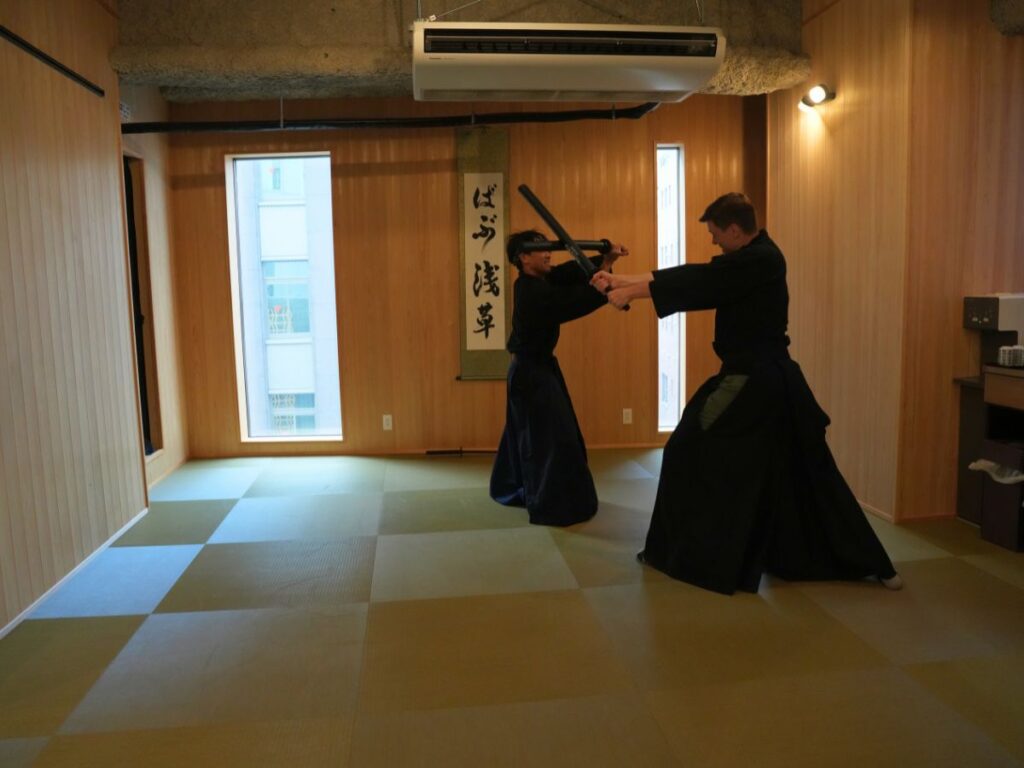
If you want to escape the crowded museum exhibits and actually learn real martial arts, sword training packages offer more physical activities and are priced roughly $45 to $65 USD per person.
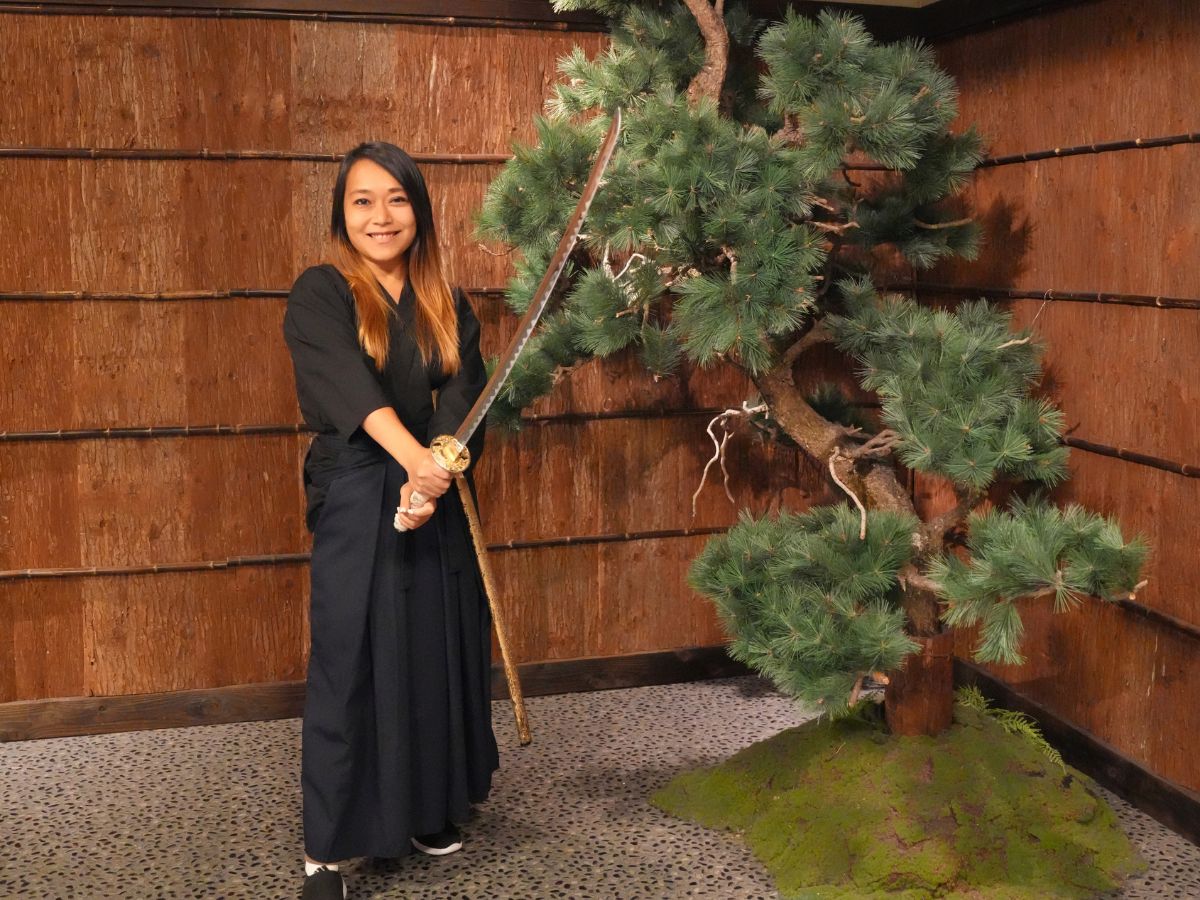
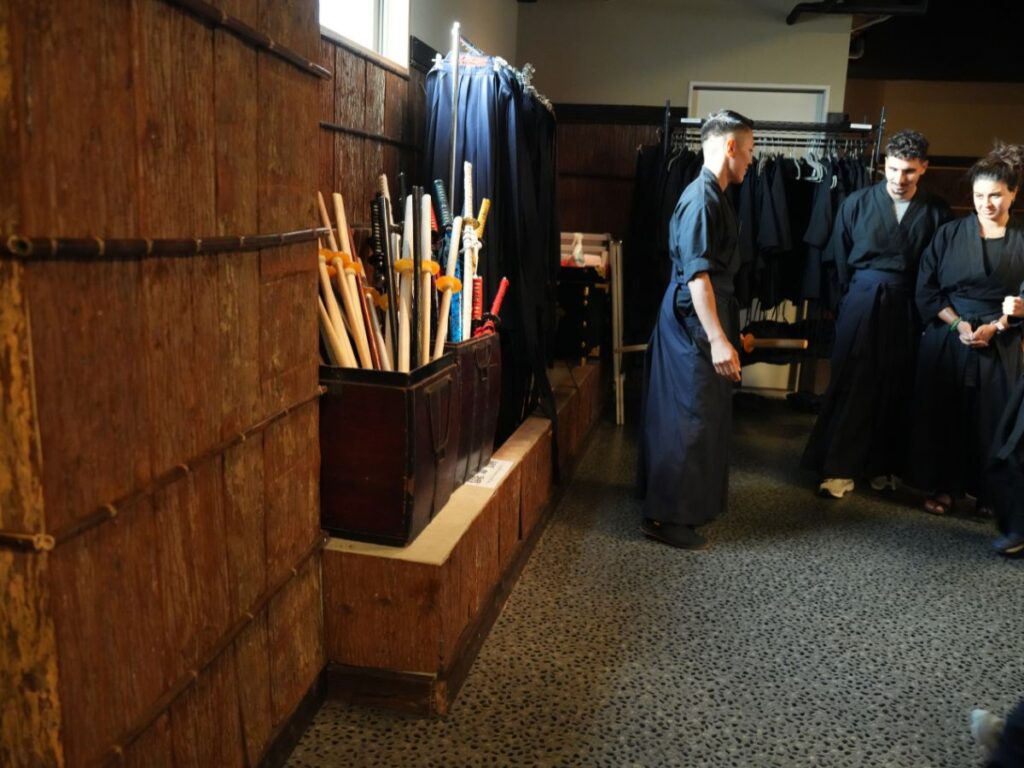
In this type of experience, you will be dressed in heavy traditional hakama trousers and a kimono top before stepping out onto a polished wooden training floor. Under the direct watch of a trained teacher, you learn the proper physical rules for handling a katana. You are no longer just staring at old swords; you have to put in real physical work!
The class covers how to wear the heavy blade at your hip, draw it smoothly without cutting your own fingers, and make very controlled swings. The session usually ends with practicing a traditional kata, which is a set sequence of sword movements done against an imaginary enemy. This requires real focus and a steady hand. You simply cannot be looking at your phone or joking around with your friends while holding a heavy weapon. The heavy silence in the room right before you make a strike is very tense, and you quickly realise how much core strength you need just to keep the blade steady.
Because of the strict rules and quiet atmosphere, this is not something I would ever suggest for families travelling with wild toddlers. But it is a great match for solo travellers, couples, and older teenagers who can follow rigid safety instructions. The physical demand on your shoulders and back is moderate, and it will probably leave you feeling sore the next day.
You might see older travel blogs mentioning experiences where tourists can use real, sharpened swords to cut through bamboo or straw mats, but it is important to know that these activities are no longer permitted. Under Japan’s strict Firearm and Sword Control Law, authorities have determined that allowing tourists to wield sharpened blades for temporary entertainment is fundamentally not allowed due to safety concerns.
Ninja Covert Training
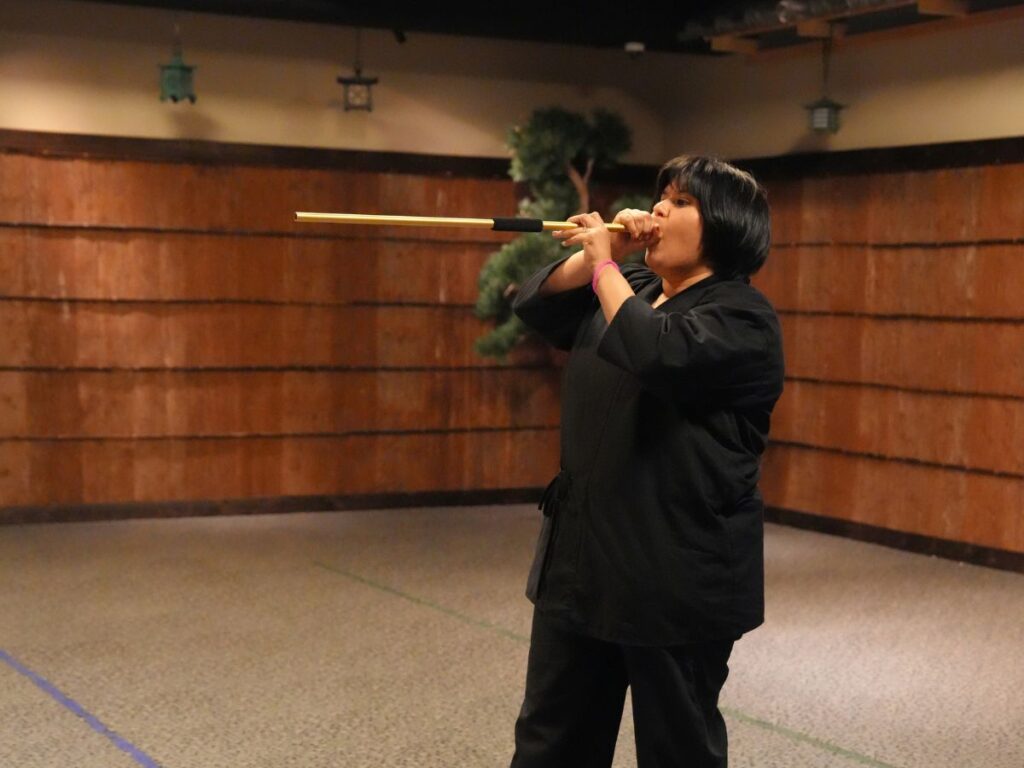
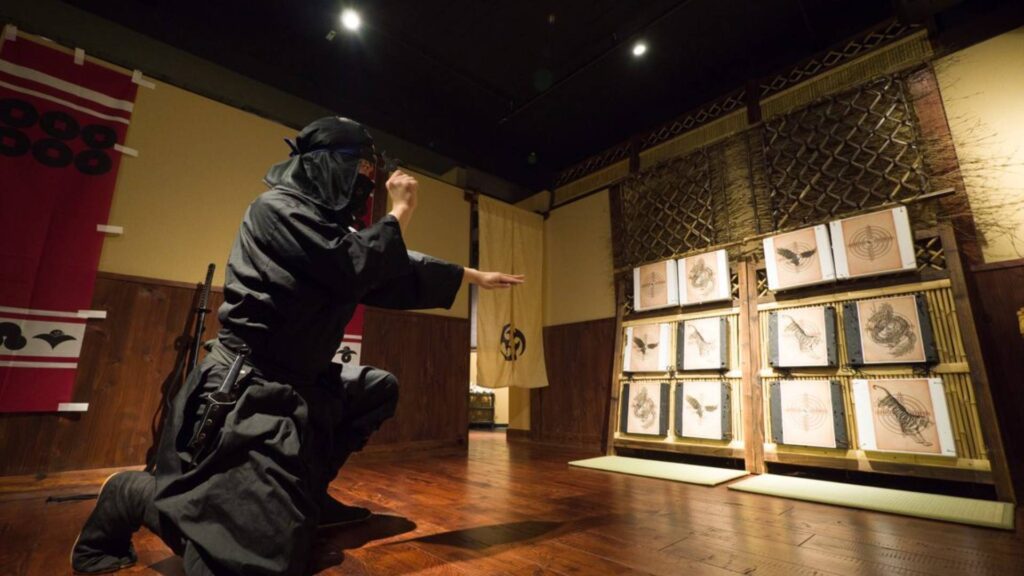
In these dedicated workshops that usually cost between $50 to $75 USD, you trade the heavy samurai robes for a lightweight black outfit to learn the physical tricks of covert operations. I will admit you feel a bit silly putting on the full outfit at first, but that feeling completely vanishes once the actual training begins.
The lesson is heavily physical and very hands-on. Your instructor will teach you specific secret moves for sneaking quietly and evading enemies. You even have to pass a test where you attempt to physically dodge a sword strike. This is followed by a lot of fukiya blowgun target practice, which takes a surprising amount of lung power to hit the marks dead centre. The absolute highlight is the ninja star throwing, which inevitably turns into a highly competitive game among your group.
This specific option is a massive hit with families. As a mom, I also highly recommend this for kids between the ages of five and twelve. It burns off a massive amount of energy in a safe, padded room, though parents should be ready to join in rather than just sit on the sidelines.
Martial Arts and Matcha Combo
For people dealing with a fiercely tight schedule, these packages that run for a total of about three to four hours are an absolute lifesaver.
You spend the first part of the afternoon swinging practice swords and throwing ninja stars in a lively training room. Right after that, you go through the process of getting dressed in a beautiful traditional kimono before walking into a silent tatami room. An English-speaking host leads a very formal matcha tea preparation, talking about the historical link between Zen philosophy and Japan’s ancient warriors..
Of course, these premium combos sit in a higher price bracket, usually starting anywhere above $95 USD, but I think they are very practical for couples and honeymooners who want to see as much culture as possible in a single afternoon without spending their holiday stuck on a train.
Master-Led Private Dojo Immersions
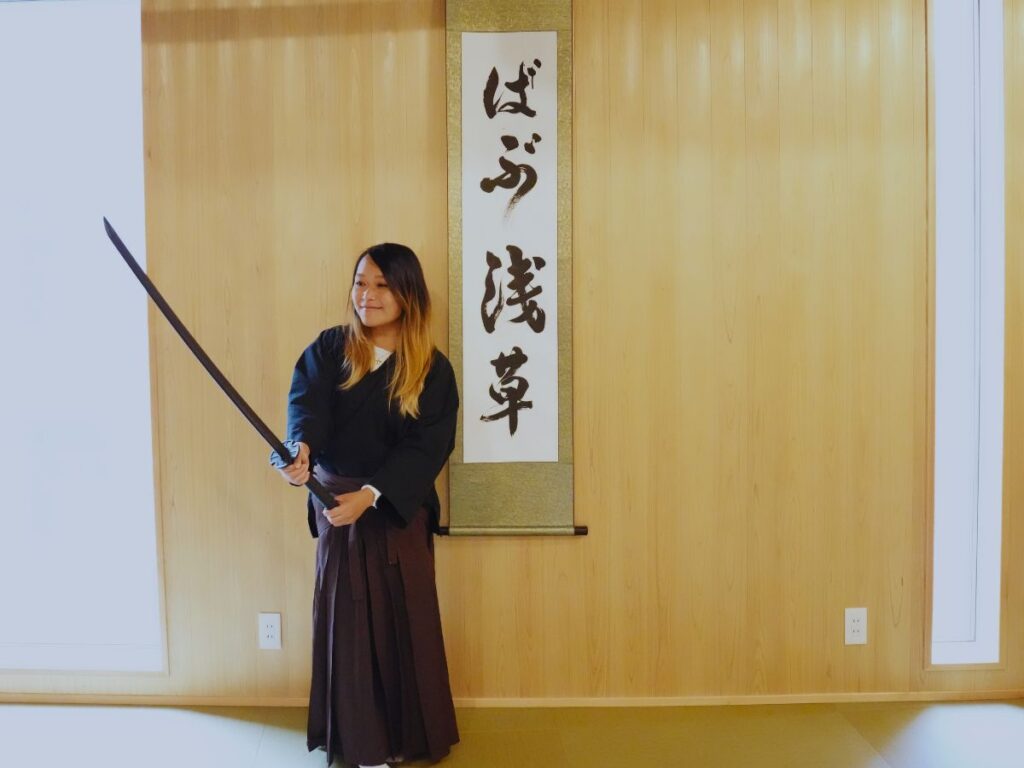
For those wanting a more intimate experience, you can book a private session with a recognised master. For example, in a private dojo in Shinagawa, you’ll meet an instructor who boasts 40 years of martial arts experience and is actually licensed in Japan’s oldest surviving sword school. He even founded his own rare art form that blends traditional swordsmanship with Noh theatre and tea.
The training itself strips away the theatrical gimmicks entirely. You change into a traditional hakama before stepping out onto the floor with a bamboo practice sword for kata training. The session heavily focuses on breathing, posture, and form, placing a massive emphasis on physical technique. You learn proper etiquette before the instructor teaches specific footwork, ensuring you execute every movement with total control.
This face-to-face martial arts session is a substantial time commitment compared to a quick museum stop, and it sits in a premium budget tier starting around $60 to $75 USD per guest. I think that amount of investment would make the most sense for visitors intensely interested in the spiritual side of Japanese history. Because it focuses so deeply on etiquette and form, it is absolutely not suitable for loud groups or young children.
Thrilling Live-Action Stage Shows
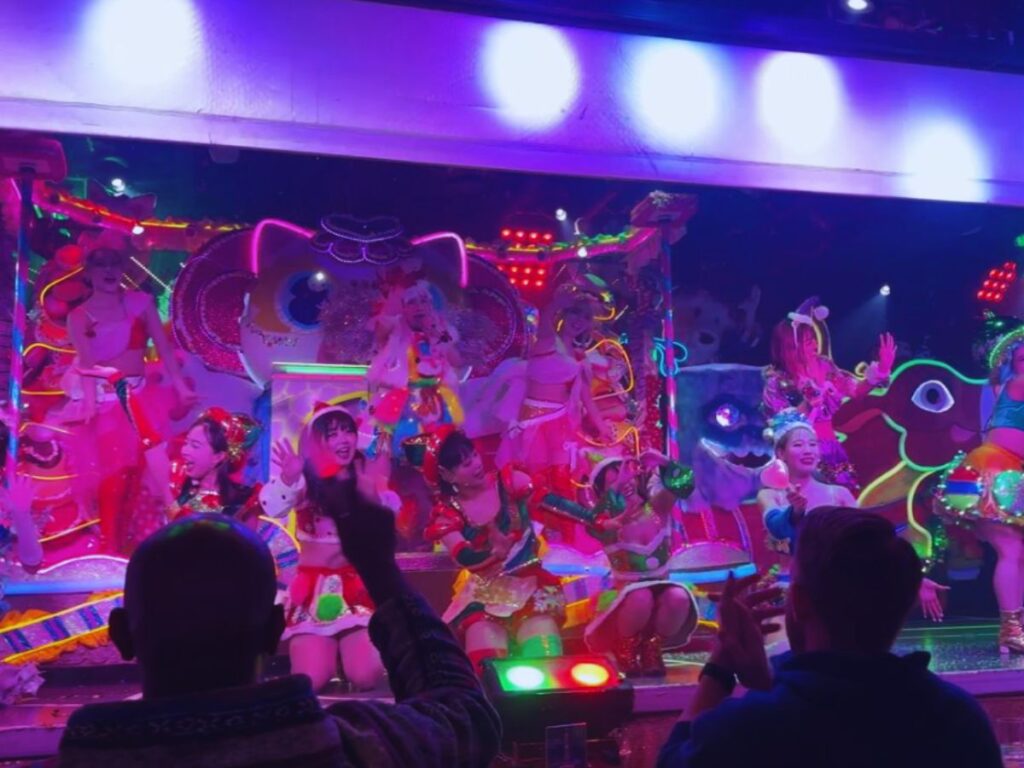
Not every ninja and samurai experience requires a strict, sweat-inducing educational lesson. For travellers who prefer pure entertainment over rigorous martial arts discipline, the theatrical stage shows in Tokyo are a fantastic alternative.
Major entertainment districts like Shinjuku are home to massive productions that blend historical themes with wild pop culture. Both the ninja-focused acrobatics and the neon-lit samurai shows are purely visual spectacles designed to entertain. You are not going to learn authentic sword handling here. Instead, you are paying for neon lights, massive taiko drum performances, and acrobatic sword fighting on a stage.
The ninja performances often run for about 80 minutes and mix traditional Japanese drumming with modern storytelling and physical stunts. The samurai-themed cabaret shows are even wilder, featuring glowing neon demon floats, dancers, and intense combat choreography set to pumping music. These types of shows are unapologetically loud and over-the-top. And because the performances rely on visual action rather than spoken dialogue, they bypass any language barriers completely.
These theatrical experiences start at around $60 USD per person. I strongly recommend these shows for groups of friends or couples looking for a high-energy way to kick off a night out. While they are technically open to younger crowds, the late showtimes and the sheer volume of the performances might be a bit overwhelming for very young kids.
Horseback Archery (Yabusame) Experience
If you want to experience the absolute peak of samurai precision, there is nothing quite like Yabusame, the ancient art of horseback archery. Historically, this was a sacred Shinto ritual where mounted warriors demonstrated their focus by hitting targets while galloping at full speed. You won’t be expected to do that after one session though, so don’t worry. You start by mastering the proper posture, loading, and drawing techniques on a stationary wooden horse before graduating to the live experience under the watchful eye of a master.
This is a premium, high-intensity choice that typically requires a higher budget and a full half-day commitment. Because it demands real physical coordination and patience, I wouldn’t suggest this for young children, but it is a very memorable option for adults and older teenagers who want to step entirely out of the city and into living history.
Book a Yabusame experience here.
Private vs Group Ninja and Samurai Experiences
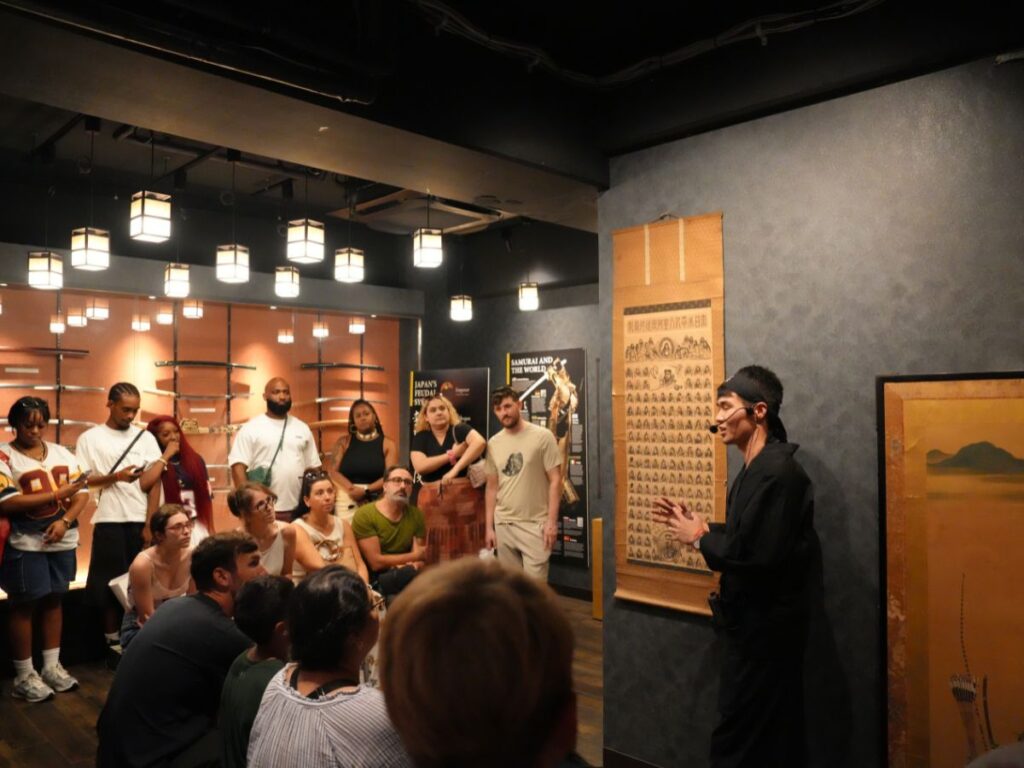
The entry-level museum tours, the espionage training workshops, and the theatrical stage shows are almost entirely group-based activities. You are joining a shared time slot, which means you will be queuing up for the photo stations and standing shoulder-to-shoulder with other tourists at the target practice wall. The obvious pro here is the price point. By sharing the instructor and the venue space, the cost stays incredibly low. The con, naturally, is the background noise. It gets loud, you have to wait your turn, and the instructor cannot spend ten minutes fixing your specific stance.
However, I actually think that that shared, slightly chaotic environment is exactly what many travellers need. Group settings completely remove the pressure of having to perform perfectly. If you fumble a sword swing in a busy room, nobody really cares. It is incredibly freeing, especially for kids who just want to run around and have fun without a strict instructor scrutinising every move. Watching a friendly rivalry spark up between two unrelated families over who can hit the bullseye is its own kind of fun. You get a massive dose of high-energy entertainment without any heavy mental lifting.
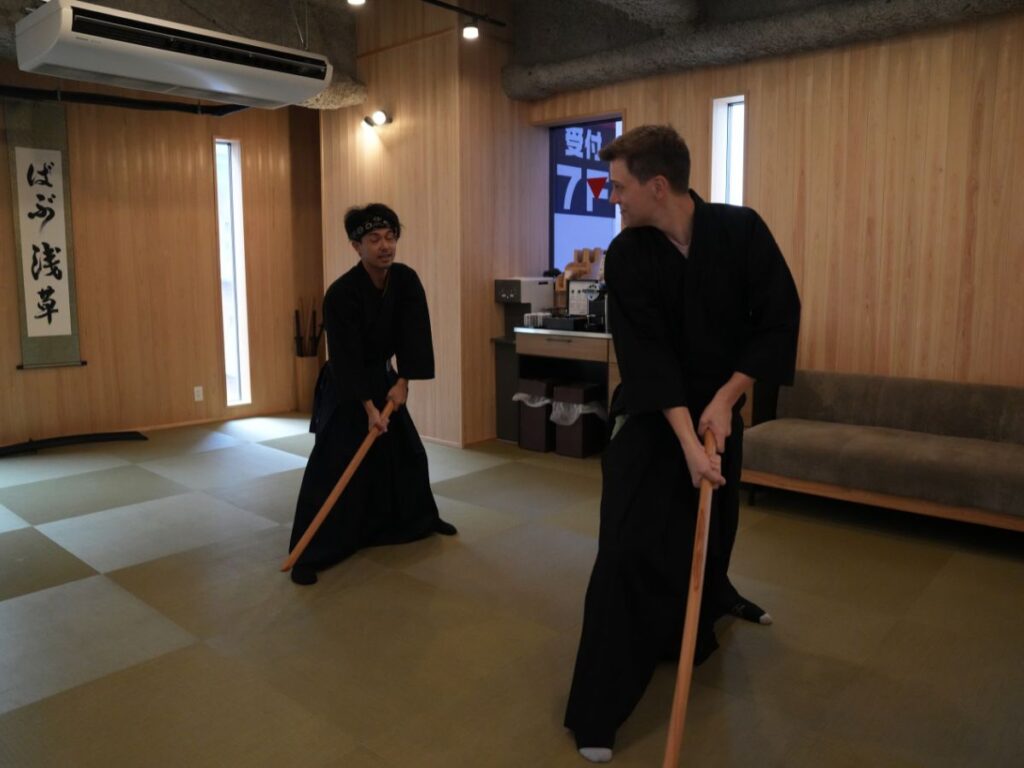
On the opposite side, the master-led temple immersions, the premium combos, and the upgraded sword classes lean heavily into private or strictly capped small-group territory. You are paying a premium to guarantee an exclusive, quiet environment. The biggest advantage is the undivided attention you receive. The teacher will literally adjust your shoulders, fix your grip on the hilt, and ensure your breathing matches your movements. You also get much cleaner photographs and videos without a random tourist photobombing your background.
The downside to that exclusivity is the intense focus it demands from you. Private sessions mean the spotlight is fixed firmly on your party, requiring your total respect for the space. You cannot hide in the back row or let your mind wander for a second.
Authenticity Level: Touristy vs Intimate and Authentic
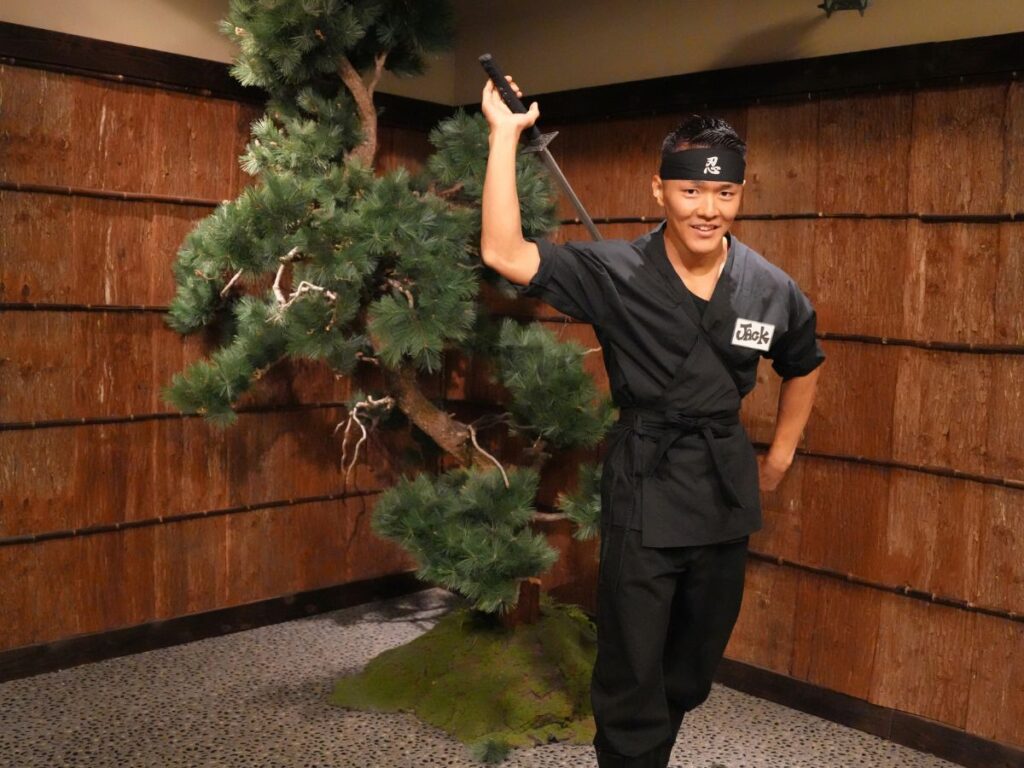
Let me be completely blunt about how this market operates. The high-volume museums and the theatrical stage shows are entirely built for mass tourism. They are designed to process huge crowds, keep everyone constantly entertained, and provide excellent photo opportunities. The weapons displayed in the museums are completely real, but the delivery of the history is pure, unapologetic showbiz.
But there is absolutely no shame in leaning into the touristy side of things. If you have spent five days dragging your group around silent temples, spending an hour in a loud cabaret watching neon samurai fight is the exact mental break you need. These highly accessible formats do not ask anything of you other than to show up and enjoy the spectacle. They are brilliant safety nets for rainy days and tired legs, delivering a massive dose of pop culture without any heavy lifting.
On the complete opposite end of the spectrum, the highly intimate experiences, like the master-led dojo classes, demand actual work from you. These practitioners are passing down living philosophies. They are not performing for your smartphone camera.
When you step onto their polished wooden floors, you are expected to conform to their strict historical etiquette. It is a profoundly moving experience, but it is not a casual afternoon activity you absentmindedly squeeze into your itinerary. You have to earn the cultural payoff through real physical and mental discipline.
Finding the right spot on this spectrum is the hardest part of planning a trip. You have to balance the deep cultural dives with the easy, flashy entertainment to keep from burning out completely. That delicate balancing act is precisely what we at Flip handle for our clients. We look at your overall route and slot in the perfect cultural experience for you on any given day, ensuring you get the best of both worlds.
Ninja and Samurai Experiences in Japan FAQs
Are these experiences suitable for young children?
It depends entirely on the specific format you book. The group museum tours are highly visual and generally fantastic for kids. The ninja covert training is also a good way for children to safely burn off energy.
Do I need to be physically fit to participate?
The museum tours, stage shows, and matcha tea combos require minimal physical exertion. But the traditional sword training and the master-led dojo immersions demand moderate core strength and strict posture control, which will likely leave your shoulders and back feeling sore the next day. The ninja training also involves physically dodging padded strikes and using lung power for blowguns, so expect to break a sweat.
Is there a language barrier if we do not speak Japanese?
Honestly, a lot of these are explicitly built for international visitors and feature high-energy, English-speaking guides or interpreters.
Do we get to wear traditional clothing?
Yes, almost all the interactive experiences discussed include some level of traditional Japanese clothing. The entry-level museum tours usually offer quick, slip-on replica armour purely for photo opportunities. The traditional sword training and master-led dojo sessions require you to change into authentic hakama trousers before stepping onto the training floor. The premium martial arts and matcha package take this a step further, dedicating a significant portion of the time to full, formal kimono dressing. The live-action stage shows, however, are spectator events where you remain in your normal street clothes.
Can we take our own photos and videos?
Group museum tours actively encourage smartphone photography and often feature dedicated, brightly lit selfie spots. The live stage shows also generally allow photos from your seat. However, during the traditional sword training and private dojo immersions, pulling out your phone is highly discouraged as it breaks the strict discipline of the room.
Do I need to book in advance?
Yes, booking in advance is strongly recommended, especially during peak travel periods like cherry blossom or autumn leaf viewing seasons.
Can I purchase authentic samurai swords during these experiences?
Many visitors inquire about purchasing authentic weaponry, and this is possible at several museum locations that host these cultural experiences. If you are interested in this, it is worth confirming with the venue during the booking process if they have a retail component or can facilitate such purchases.