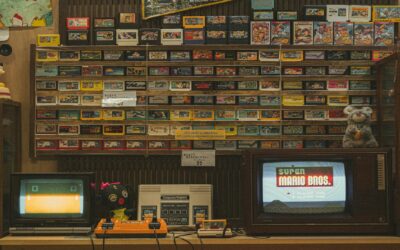

I’m not going to lie. The first few times I came to Japan, doing something explicitly related to sports did not even cross my mind. And that’s not just because I can’t hit a ball, even if my life depended on it. Why would I be thinking of sports when I’m literally in the land of sushi, anime, geishas and castles, the most niche fashion sub-cultures, and centuries-old temples and shrines? There’s just so much else to do, no?
But what I’ve realised after having had the pleasure of living here for a few years now is that sports here do this odd thing where ritual and movement sit right on top of each other. A sumo bout, for example, comes from Shinto purification rites. A yabusame archer coming down a track is technically performing for the gods.
I’ve also come to appreciate that most sports experiences in Japan are not something you watch from a distance but activities you can step into yourself. Isn’t it just so wild that you can eat the exact stew sumo wrestlers use to bulk up before a tournament (in the company of those actual wrestlers nonetheless)?
There’s a regional angle too, and it’s one of my favourite parts. Not many tourists can say they’ve jammed with locals during a baseball game at a tiny prefectural stadium, or gone on a rafting run down a river in Gunma.
So here goes then, our agency’s rundown of the sports experiences in Japan actually worth building into your trip, including ones you can book straight through us!
Types of Sports Experiences in Japan
Sumo & Food Experience
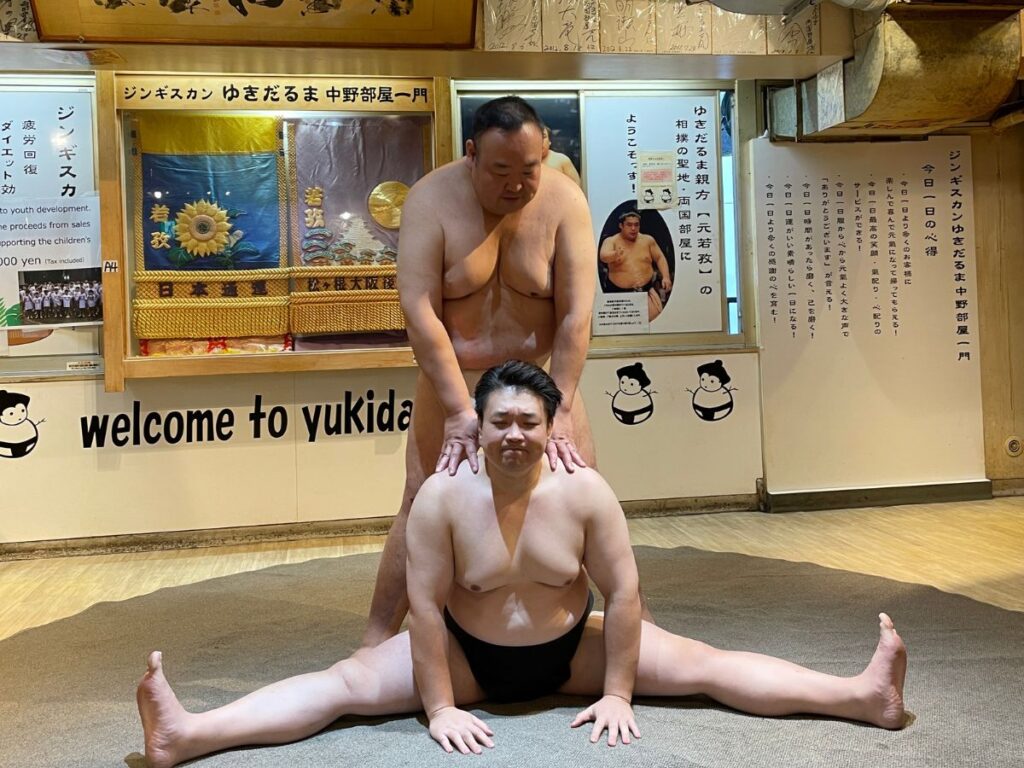
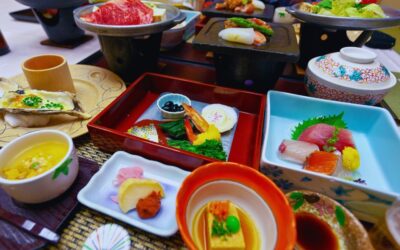
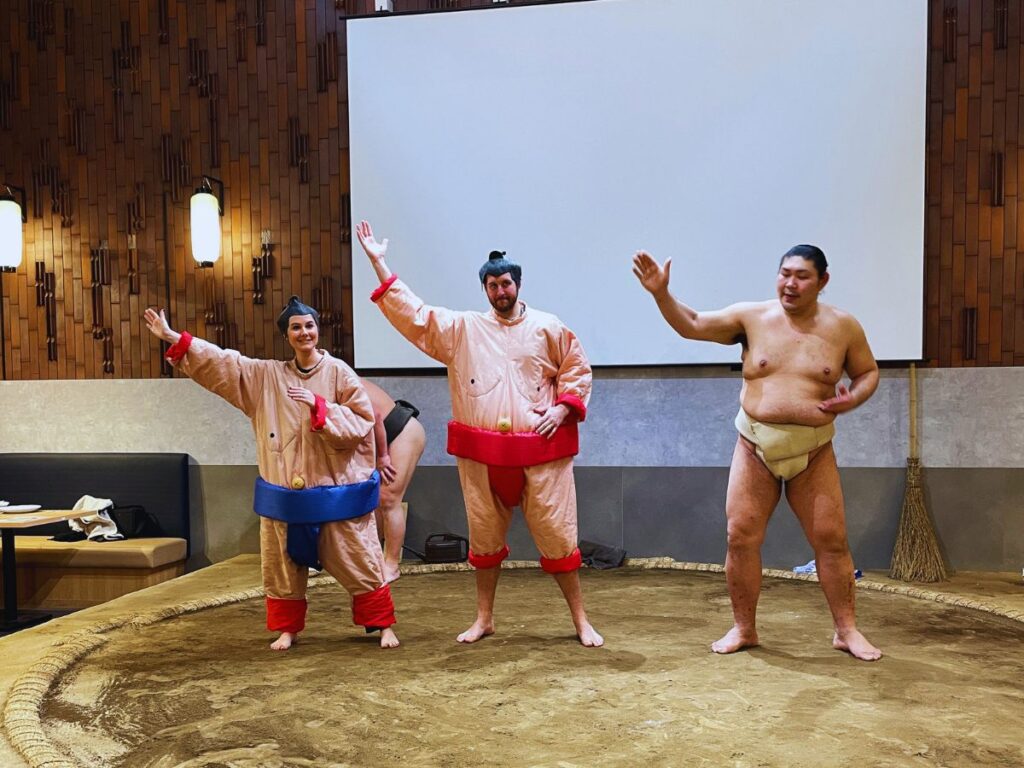
This experience pairs a sumo stable visit with chanko-nabe, the hot pot wrestlers eat by the vat to bulk up. You get a talk on sumo’s rituals, and a chance to watch a practice bout before the meal lands. You might even get to wear a sumo suit and do a friendly wrestling round with the retired professionals themselves. Learn more about this experience with our detailed guide:
Sumo Morning Experience
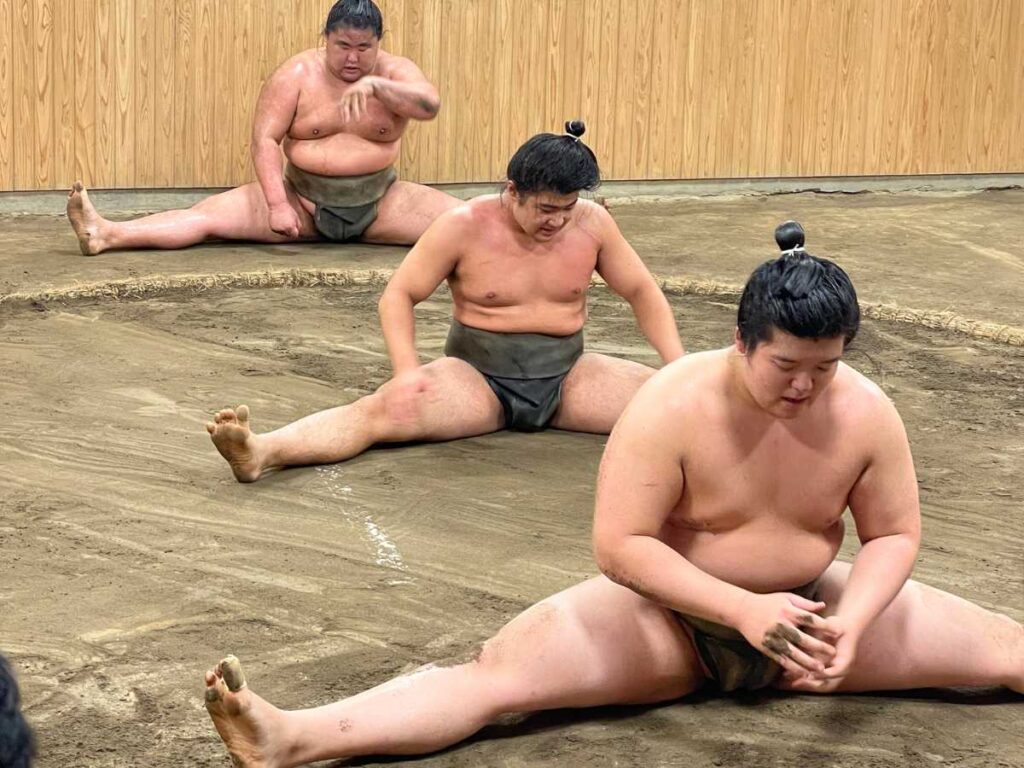
This is one of my favourite entries on this whole list, and I say that as someone who hates being dragged out of bed at unholy hours. Asa-geiko means watching actual sumo training. Yes, you witness actual practicing wrestlers stretch, drill, and body-slam each other on the clay dohyo.
You should know that etiquette matters a lot when joining this experience, though. You are not watching a performance, but the actual morning rituals in a sumo stable, so silence is non-negotiable and cameras stay off-flash. There are other rules you should know, like sitting with your feet tucked away from the ring (because pointing them at the wrestlers is considered disrespectful), but we lay them all out in this detailed guide and review:
Needless to say, this experience rewards people who can actually sit still, which is why we steer solo travellers and couples here more than big groups who inevitably start whispering. Kids can come along if they can manage the quiet for an hour or more, though very young ones or anyone allergic to early mornings will find it a slog.
You can book this in Tokyo, as there are a number of stables in Ryogoku, but the stables shut entirely during Tokyo’s tournament months of January, May, and September.
Samurai & Ninja Experience
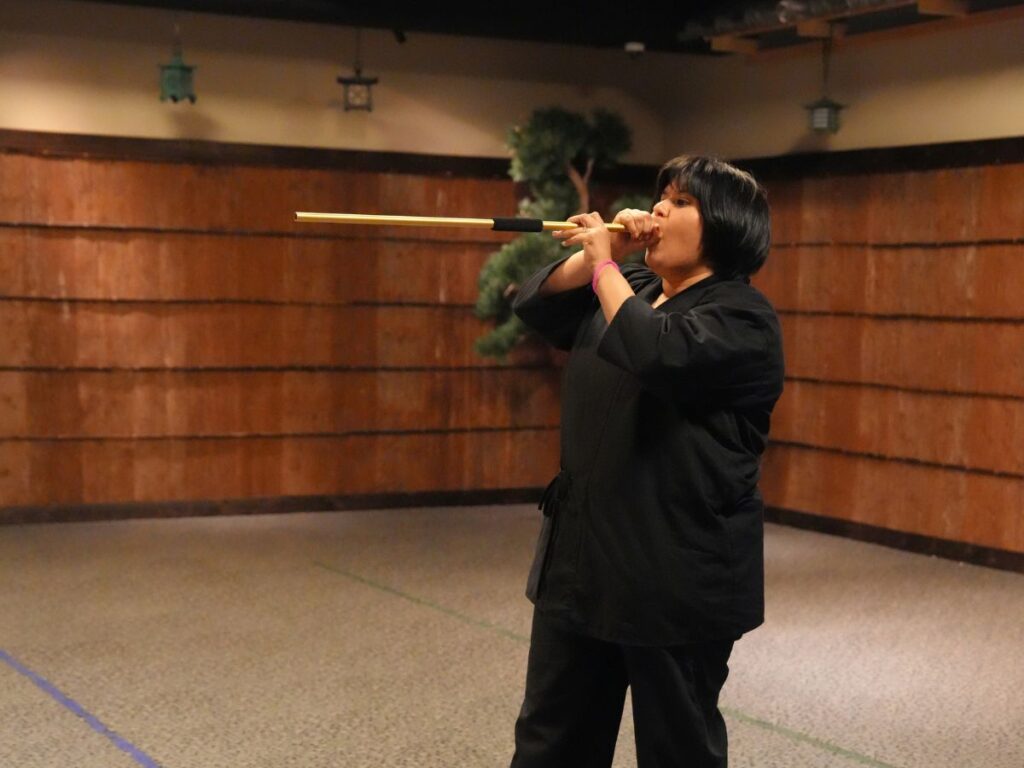
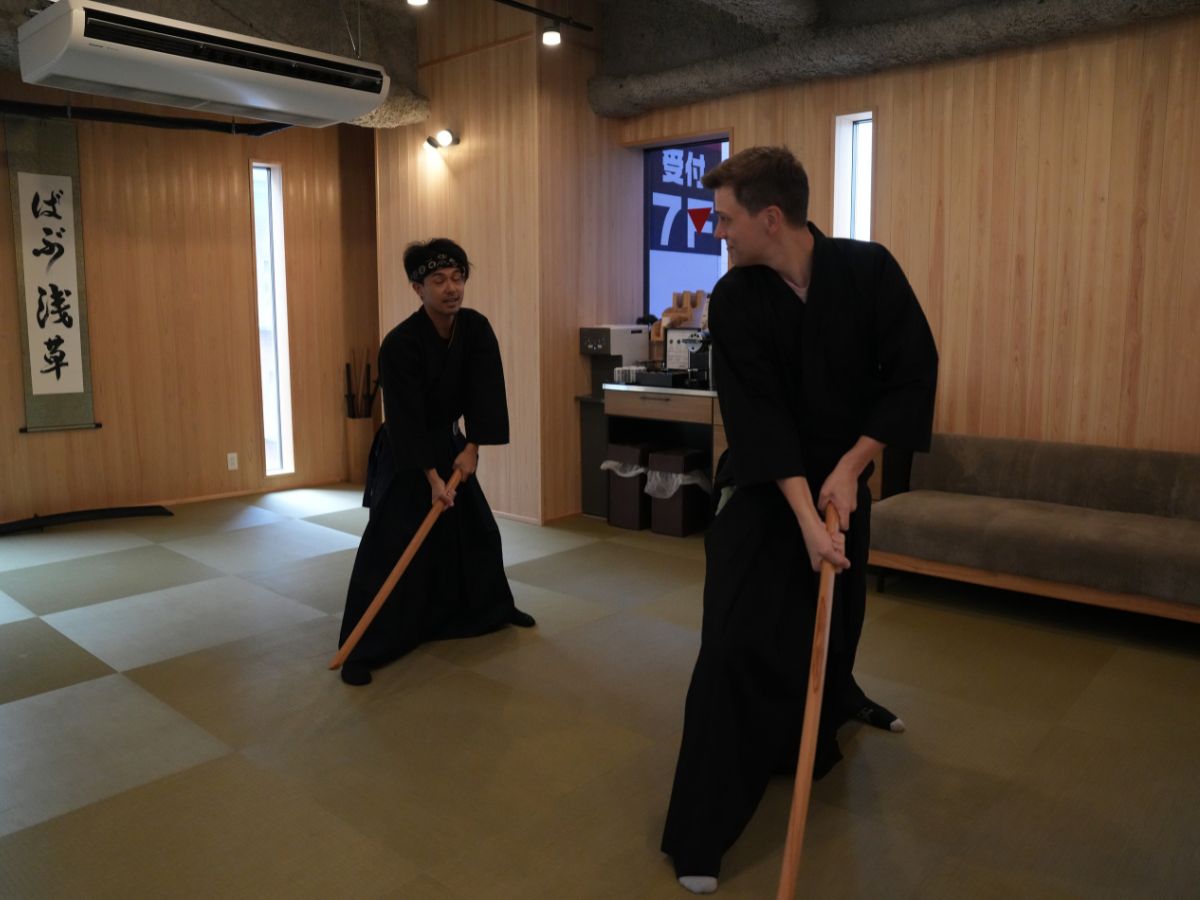
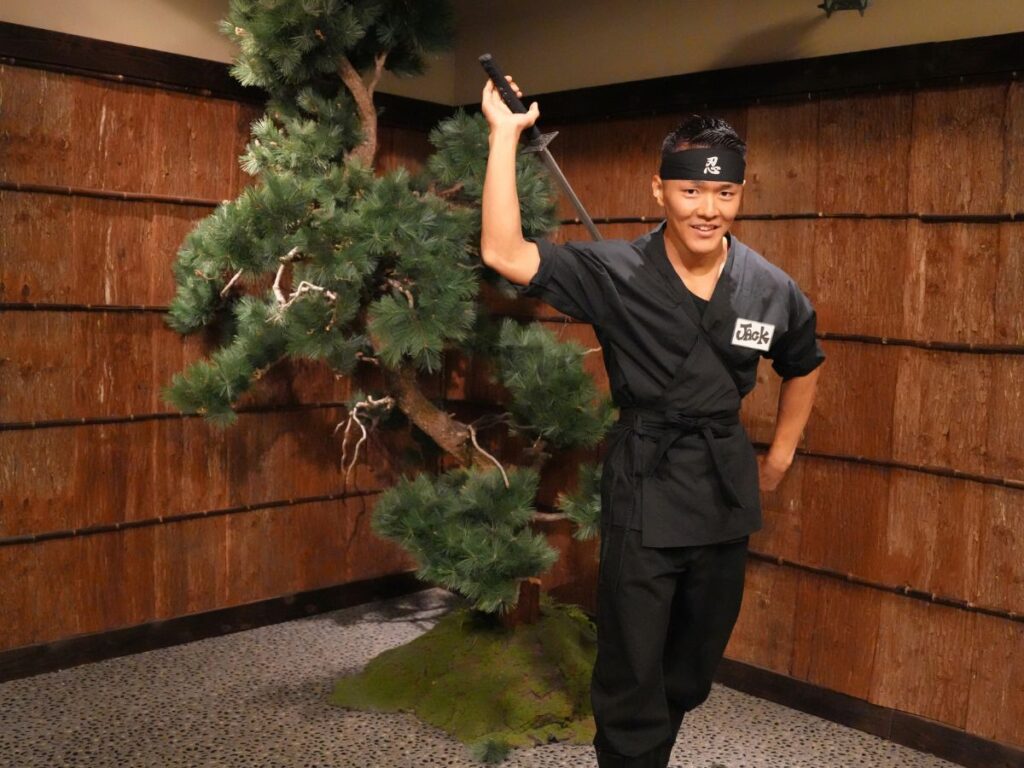
Samurai & ninja experiences in Japan actually cover a wide range. You’ve got everything from a quick museum-style session throwing real shuriken for under $25 USD, all the way up to proper sword training in hakama and kimono, ninja covert drills, and private sessions with an actual dojo master. You can read more about the different types here:
The chaotic, high-energy formats suit families with kids who need to burn steam. The sword training and private dojo sessions require stillness and following very specific instructions, so those are more of a solo traveller or couples thing, or for older teens who can actually follow instruction without fidgeting.
Yabusame, Horseback Archery Experience
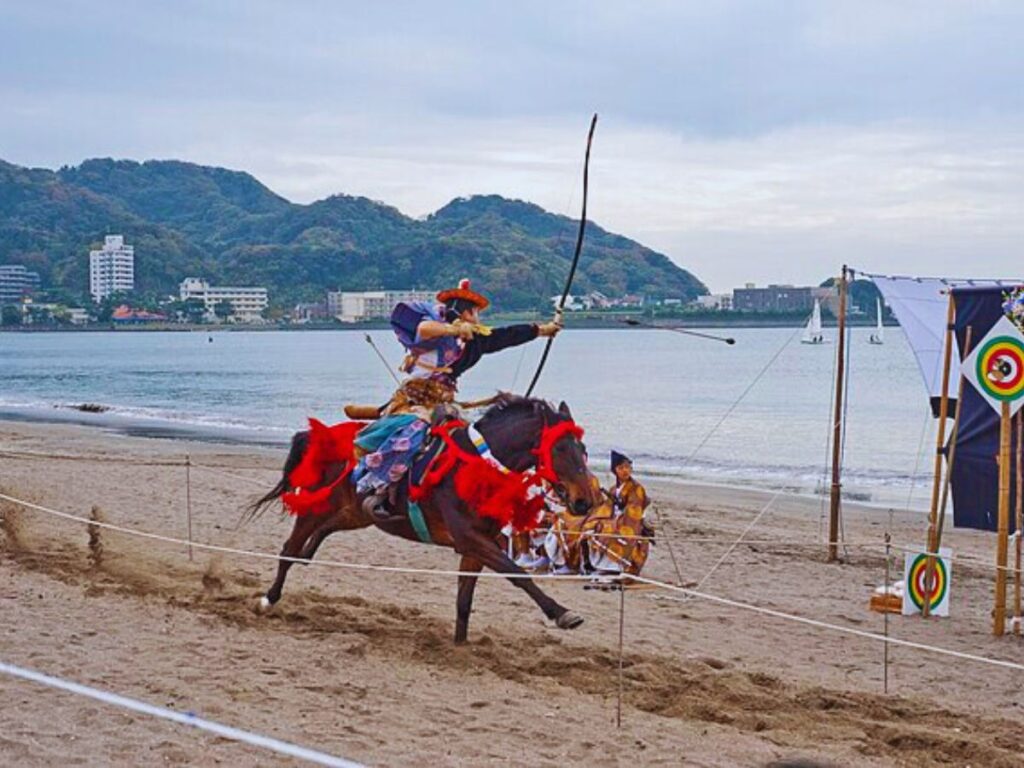
Most people outside Japan have never heard of yabusame, so here’s a quick explainer: an archer gallops at full speed with no hands on the reins, steering with their knees alone while nocking and firing arrows at wooden targets as they race past. It started as a Shinto ritual meant to please the gods rather than a sport for spectators, though plenty of us show up to watch anyway.
You can watch one during specific festivals, like the well-known one held every September at Tsurugaoka Hachimangu in Kamakura. But you can also experience a hands-on version, where you learn the archery basics yourself, sometimes working up to horseback. Watching someone control a horse with their knees while drawing a bow mid-gallop is quite the experience. Read more about the day we spent practicing this sport:
Festivals work for any age and are usually free to watch. The hands-on sessions suit solo travellers and couples keen on archery or riding specifically. This is also one of the most difficult to book on this whole list, so be sure to reserve your spot as soon as you can.
Watching a Live Baseball Game
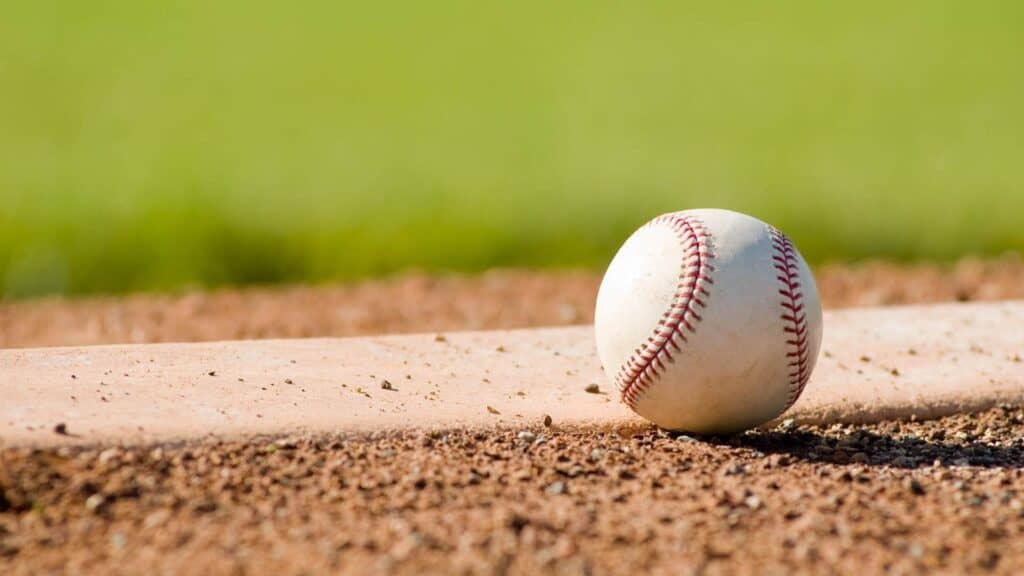
Baseball is Japan’s biggest spectator sport, and Japanese players have picked up serious global recognition over the past few years, Shohei Ohtani being the obvious one, but Ichiro before him too. Seeing the sport here, where it’s treated with a level of seriousness most visitors don’t expect, is worth it even if you’ve never followed a single game.
But if you’re still not sold on the idea of going to a game while travelling in Japan, know that there are special beer vendors here called ‘uriko’, who carry kegs weighing up to 15 kilograms on their backs and cover the entire stadium on foot for hours, refilling in under 30 seconds each time they run dry. Nothing like it exists at a Western stadium, and you can guarantee that the beer will keep on flowing.
Tokyo Dome (Yomiuri Giants) and Koshien Stadium near Osaka (Hanshin Tigers) are the two biggest venues. Regional teams elsewhere give you a smaller, quieter crowd. If your group has an Ohtani fan, the Hokkaido Nippon-Ham Fighters is where he played before MLB, so their stadium carries some pilgrimage value even now.
Kendo and Karate Dojo Experience
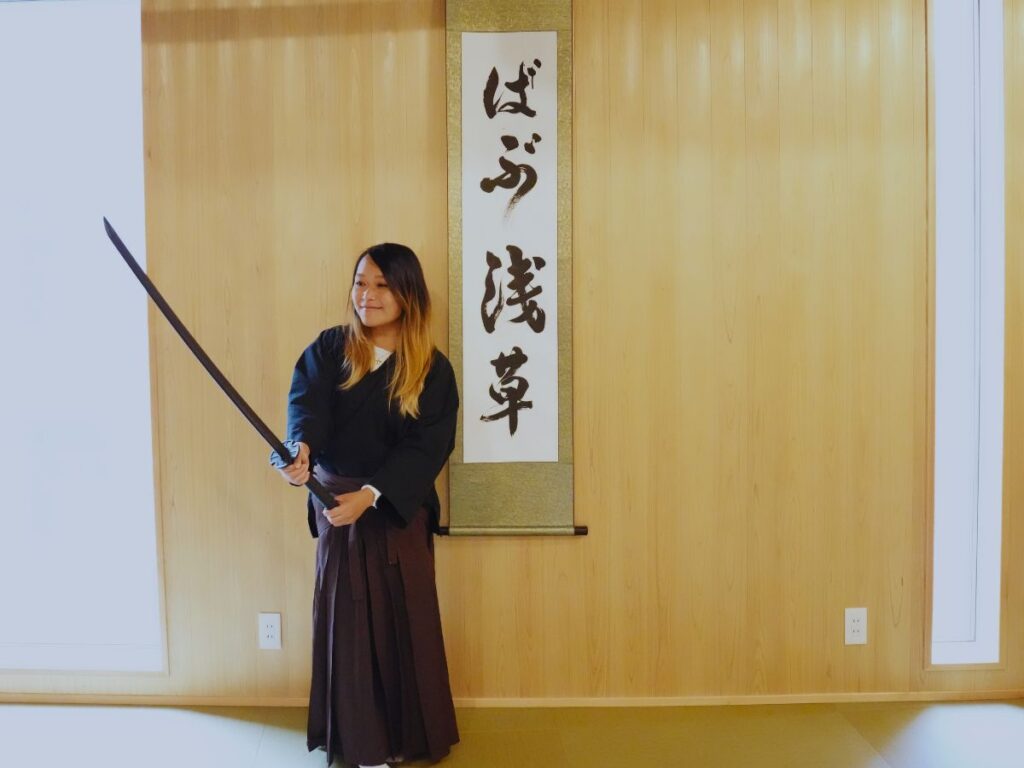
A lot of us grew up on this stuff without realising it. Naruto, Karate Kid, Rurouni Kenshin and every other anime with a training montage. There’s a reason Japanese martial arts have this pull on people who’ve never set foot in a dojo. So, it is no wonder that stepping inside a dojo and watching (or even practicing, even for just a few hours) Japanese martial arts is a dream for many foreigners.
Kendo is one of the most popular options, and it will have you wielding a shinai in your hand and working through strikes and footwork in full bogu armour. Karate workshops also exist, focused on striking forms and kata.
This suits older kids and adults happy to follow instruction in a formal setting, but I wouldn’t recommend it for very young children or anyone wanting something purely passive.
Skiing & Snowboarding

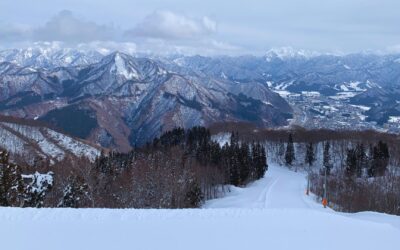
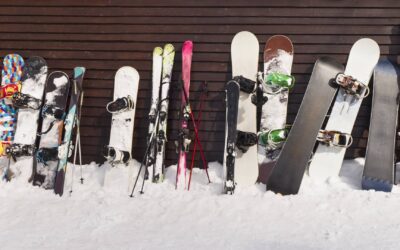
If you’re a winter sports enthusiast travelling in Japan between December and March, you’ll be happy to know that Niseko in Hokkaido built its whole reputation on powder so light and dry that locals just call it Japow. Hakuba in Nagano offers a similarly excellent snow quality with more of a classic alpine feel, plus onsen towns nearby to thaw out in afterwards.
Fair warning though, peak weeks in Niseko mean lift queues that test your patience and shuttle buses packed standing room only, so a January or February trip needs some slack built in.
Water & Adventure Sports: Kayaking, SUP & Rafting
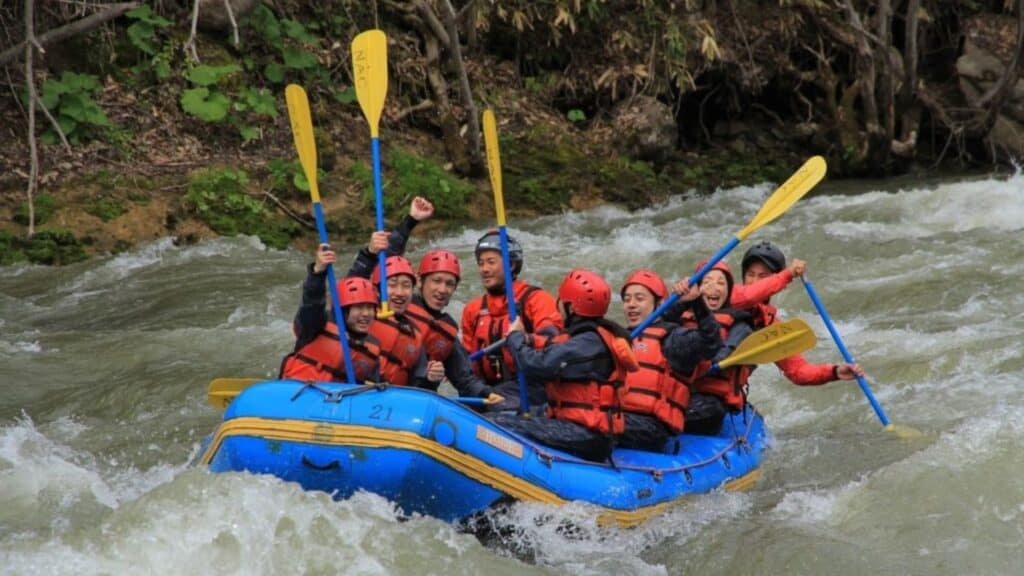
I say this a lot, but I’m really not a fan of Japanese summers. But if this season has any redeeming quality, it would be the abundance of opportunities for fun and adventure on the water. You can go kayaking through mangrove forests in Okinawa, or do a casual stand-up paddleboarding on the Hozugawa River near Kyoto, or (if you’re feeling adventurous) go whitewater rafting through Minakami in Gunma. And those are just some examples, because you literally have thousands of islands to choose from, in addition to the Pacific coast, the Sea of Japan coast, rivers flowing from the Japanese alps, and everything else in between.
This suits active families and friend groups well. Couples after something physical rather than another temple tend to end up here too. It works for older kids who can swim confidently, but it’s not the right call for very young children or elderly travellers given the physical demands involved. Let us know if your group is looking for something active and fun to do on the waters of Japan this summer.
Cycling
Japan has some excellent cycling infrastructure, including dedicated riverside paths, mountain passes with barely any traffic, and even whole islands set up for it. The most well known route by far is the Shimanami Kaido, linking Onomichi on Honshu to Imabari on Shikoku across a chain of bridges over the Seto Inland Sea, roughly seventy kilometres with a painted blue line marking the whole way.
It’s the one most people mean when they say they want to cycle in Japan, but it’s far from the only option worth looking at. If seventy kilometres sounds like a lot, there are shorter, easier rides too, like the loop around Lake Kawaguchiko near Mt. Fuji. It is scenic and doable in a couple of hours with the mountain in view most of the way round.
You don’t need to bring your own gear for any of this either, rental shops are everywhere along these routes, so it’s genuinely a same-day, no-planning-required activity if the weather looks good.
Authenticity Level of Sports Experiences in Japan
The way I see it, sports experiences in Japan, or anywhere else for that matter, come down to moving your body and being active, or at least being inspired to. Sure, some of the experiences I listed above are closely tied to Japanese culture, sumo, yabusame, dojo training, all rooted in centuries of ritual and discipline. But that doesn’t make the cultural experiences that aren’t any less worth booking.
Sometimes the point is just enjoying nature while you move, like cycling around Kawaguchiko with Mt. Fuji sitting there the whole ride. Sometimes it’s bonding with locals over something they genuinely love, like a night at the baseball stadium chanting along even if you don’t know the players. And sometimes it’s just fun, a ninja show, a game of catch, whatever gets you off the hotel bed.
None of that needs a cultural pedigree to be worth your time. Book based on what actually sounds good to you, not what sounds most impressive to say you did.
Sports Experiences in Japan FAQs
How do I watch sumo as a tourist if I’m not visiting during tournament season?
A sumo stable morning practice session is the best alternative outside the three annual Tokyo tournament periods.
Where can I see yabusame, horseback archery, in Japan and when does it happen?
Kamakura hosts a well known yabusame festival every September at Tsurugaoka Hachimangu, and Tokyo’s Sumida Park holds a springtime event. Hands-on archery sessions run separately and aren’t tied to any festival calendar.
Can beginners join a samurai sword or dojo experience with no martial arts background?
Yes. Both are built for complete beginners, with instructors starting from scratch.
Is it easy to get tickets to a Japanese baseball game as a foreign visitor?
Yes, it is. Tickets stay affordable, often as little as ¥2,000, though the stadium ticket machines can trip you up if you haven’t booked online first.