
Japan has more Michelin-starred restaurants than any other country outside of France, and it is easy to spend an entire trip eating extraordinarily well without ever touching a kitchen. But as a resident here, I think traditional Japanese cuisine reveals itself most honestly not in a commercial space, but in how a home cook builds a meal. Apparently, I’m not the only one who thinks this, because home cooking classes in Japan have become one of the most popular cultural experiences for international visitors.
What surprises most people though is how wide the category actually is. The label covers everything from a private session in a Kyoto townhouse kitchen to a farmhouse in rural Yamanashi where the noodles you are making are specific to one prefecture and can barely be found outside it.
Because the range is so broad, we at Flip thought that it is helpful to look closely at some of the types of experiences available, and what each offers. But to start, let’s understand the basics.
What Is Japanese Home Cooking?
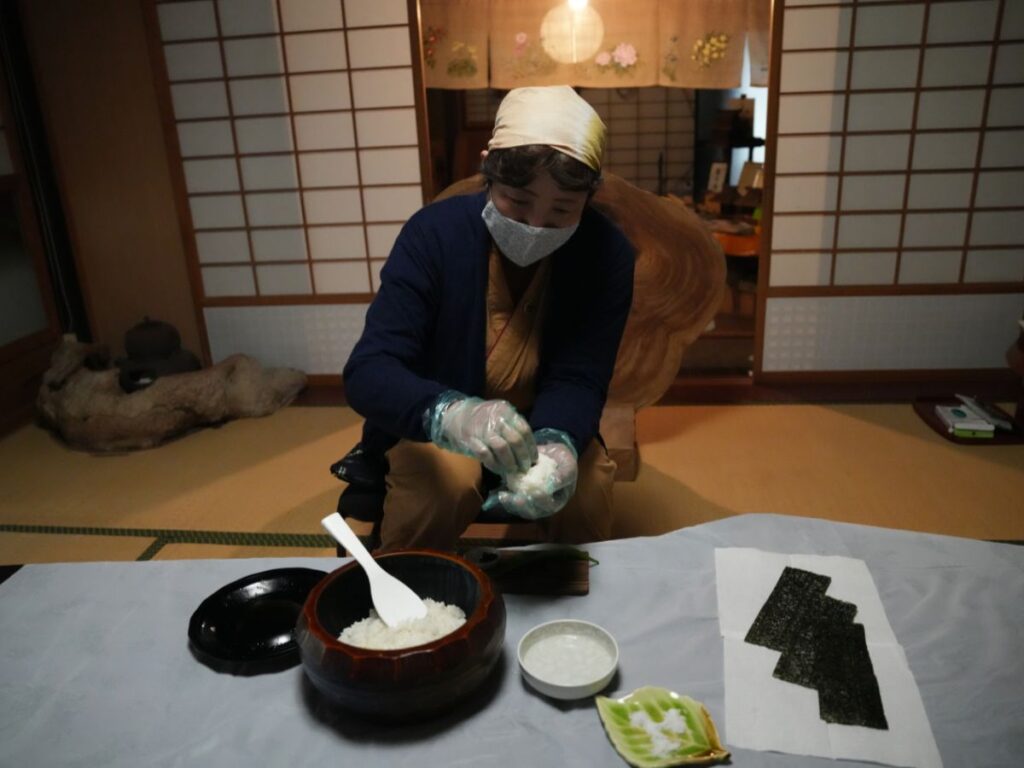
The governing principle of Japanese home cooking is ichiju-sansai: one soup and three dishes, built around a bowl of rice. It sounds simple because it is, and that simplicity is precisely the point. The meal is designed for balance across colour, texture, and temperature rather than for spectacle. A weeknight dinner in a Japanese household is not trying to impress anyone. It is trying to nourish people efficiently and well, using what is in season and what is sitting in the pantry.
The regional dimension is also something even frequent visitors to Japan often miss entirely. Climate, geography, agricultural tradition, and centuries of local food culture mean that what one Japanese family considers a Tuesday-night staple may be uncommon in another prefecture.
Types of Japanese Home Cooking Classes
Gyudon and Donburi
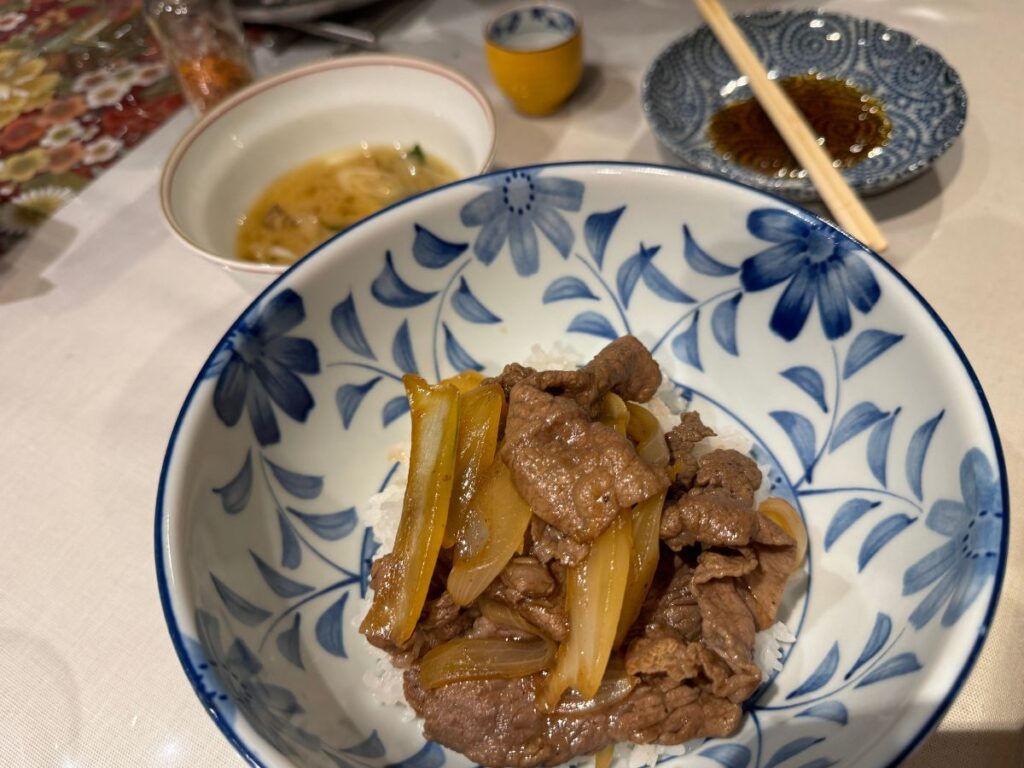
Gyudon is thinly sliced beef and onion simmered in a broth of dashi, soy sauce, mirin, and a small amount of sugar, served over short-grain rice. It is one of Japan’s great weeknight meals, and as a mom, I can tell you exactly why: it is very easy to make and deeply filling.
What a gyudon class actually teaches is the broader “donburi” logic: protein and sauce over rice. Once you understand how to build the simmering liquid, you can apply that same framework to dishes like oyakodon (chicken and egg) or katsudon (pork cutlets). What surprised me most when I learned this technique was how much flavour comes from so few components.
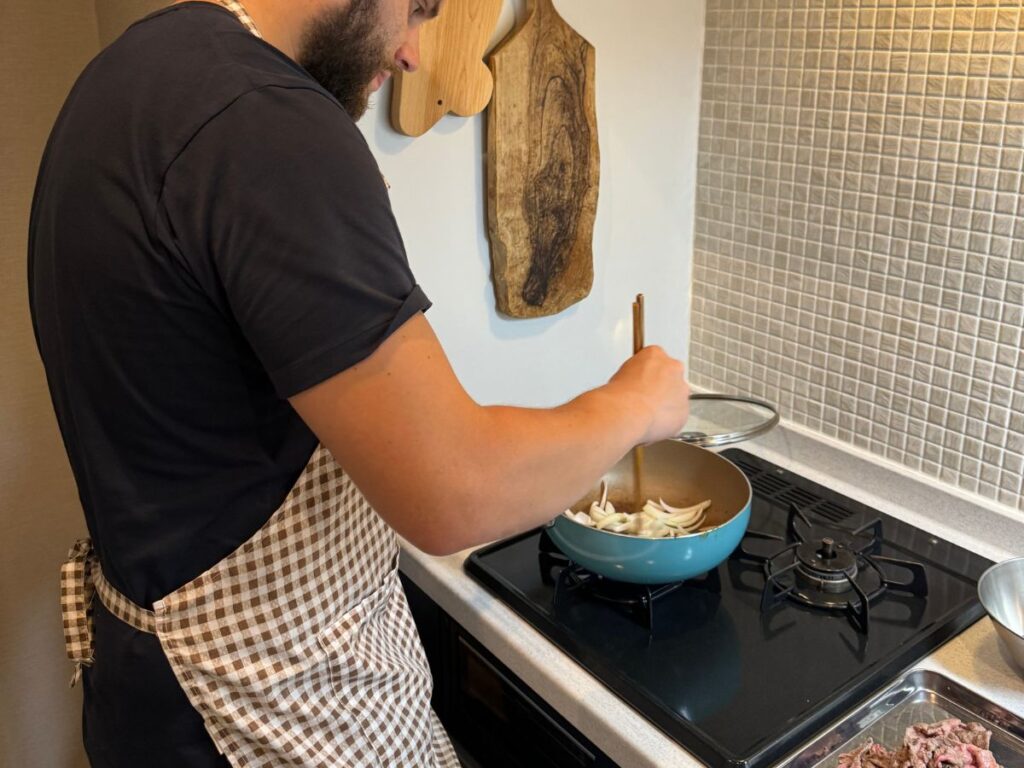
As someone who had to learn how to cook Japanese food from scratch after moving here, I can tell you that a donburi-making class is one of the most accessible choices available. There is no demanding knife work, and the heat management does not require constant attention. It works well for couples, solo travellers, and small groups of friends. Older children who can follow a straightforward sequence of steps do well here too. Budget roughly ¥8,000 to ¥15,000 per person for a private home session.
Regional Home Cooking
If you want to understand how dramatically Japanese home cooking shifts depending on where you are in the country, taking regional home cooking classes is the best way to do it.
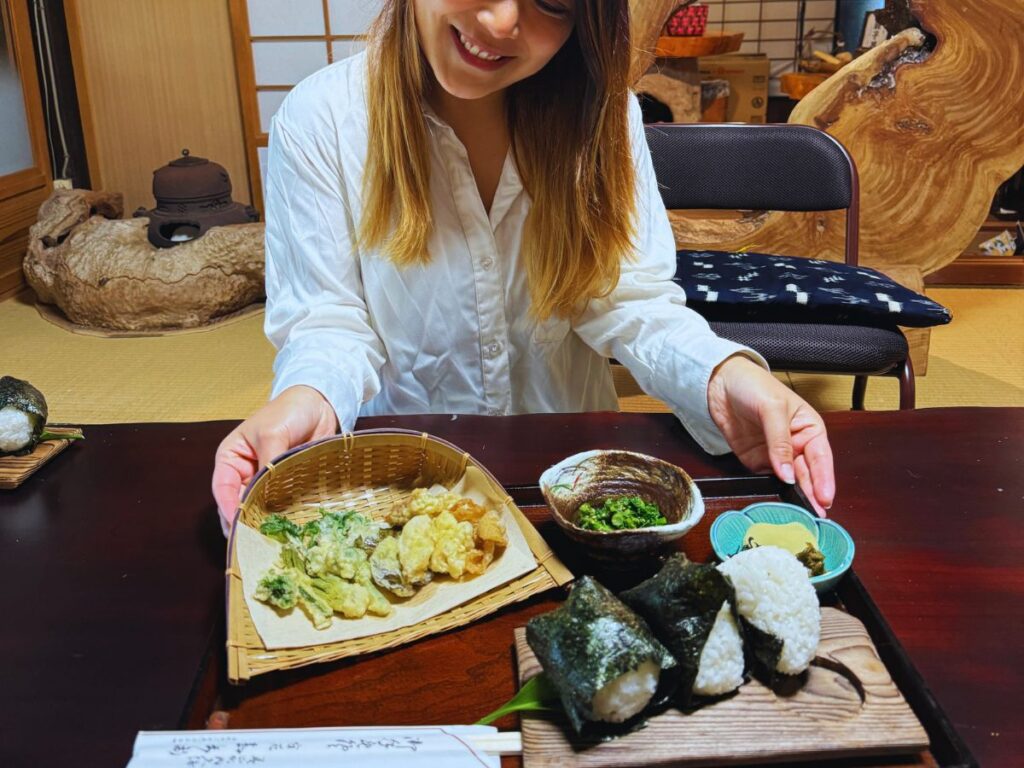
One of my favourites in this category is cooking at a thatched farmhouse in Miyama, a village in the mountains north of Kyoto. Getting there is not the easiest, but cooking in Miyama means accessing ingredients that do not appear on many restaurant menus. You will find slow-cooked, nutrient-dense food specifically made to sustain you for cold winters in the area’s high altitude. Haven’t heard of Miyama before? We’re not surprised. It very well might be Kyoto’s best-kept secret:
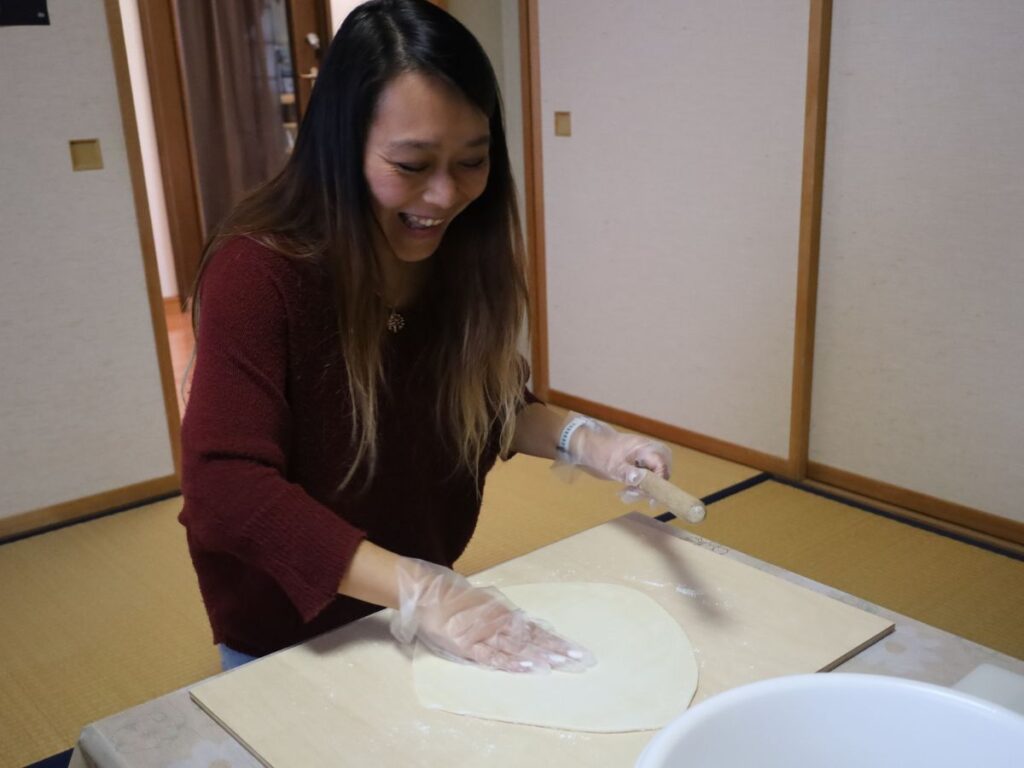
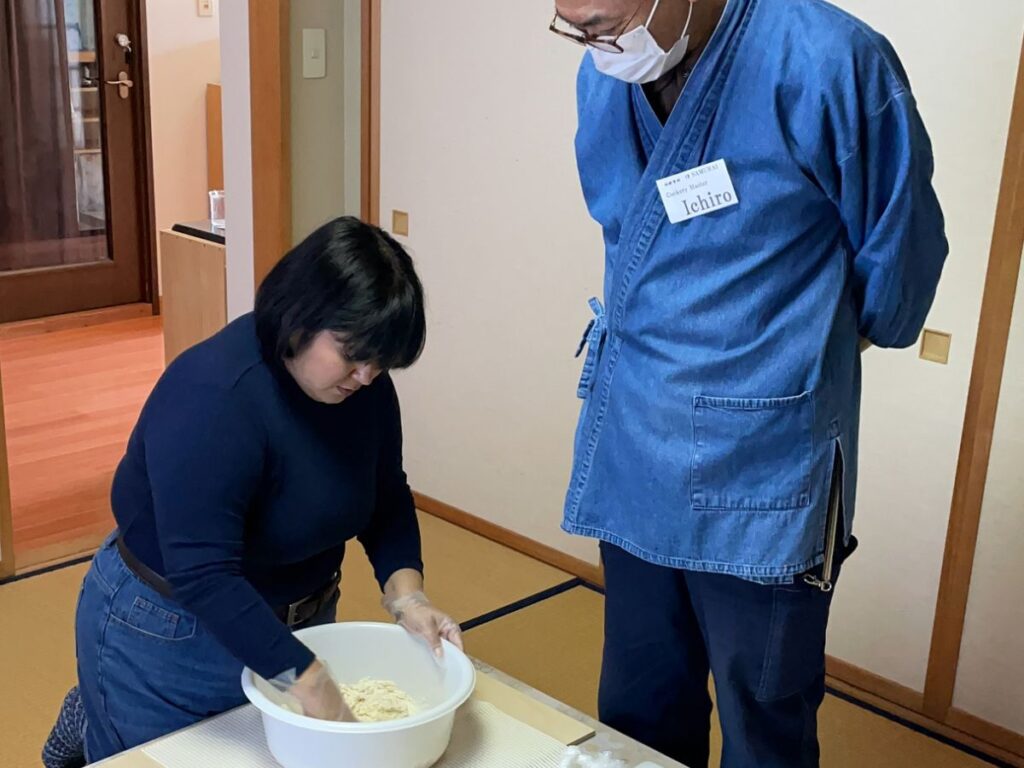
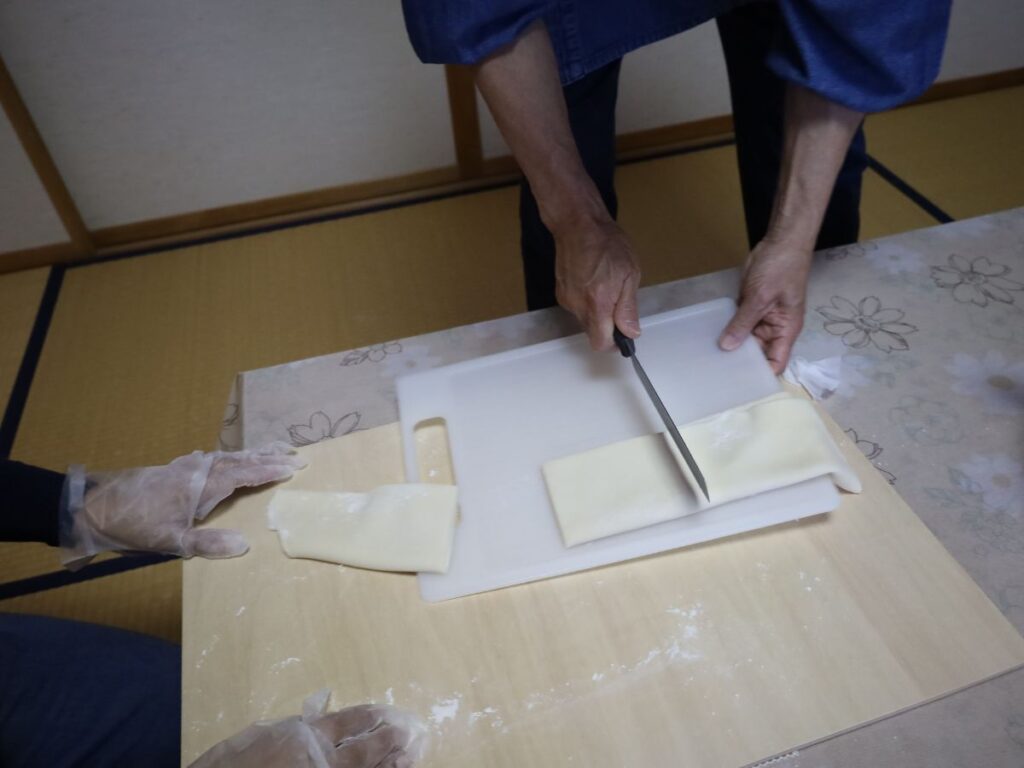
Yamanashi offers a version of the same lesson through hoto, which are thick, flat noodles made without salt. It is the prefecture’s signature dish, featuring a dense, chewy texture entirely unlike udon or ramen. They are simmered in a rich miso broth with pumpkin, daikon, and root vegetables. Making them is honestly not as easy as it sounds, because it involves a fair amount of kneading and cutting, but I think this experience is the perfect addition to any Fuji-area itinerary.
Book your hoto noodle making experience here.
In Osaka, a home cooking class usually means whipping up some okonomiyaki. It is something Osaka families make on weekend evenings, with fierce debate about the batter consistency and the cabbage-to-filling ratio. Making it in someone’s home kitchen means you learn to read the batter before the flip and manage the heat on a domestic hob that does not behave like a restaurant griddle.
Regional cooking experiences work best when built into an itinerary that includes at least one night in the area rather than squeezed in as a rushed day trip. We at Flip can arrange these as part of a customised travel plan for you.
Ramen and Gyoza
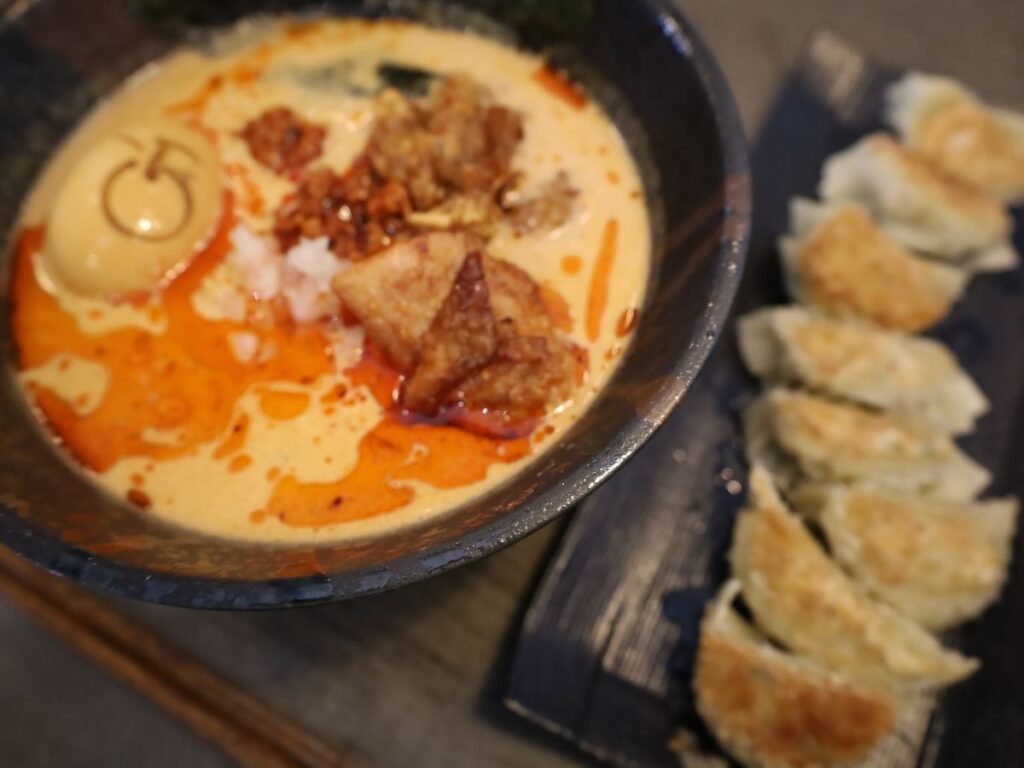
Don’t quote me on this, but I think ramen and gyoza classes are the most widely available cooking experiences in Japan. What that means though is that you need to be selective to find the genuinely instructive home-kitchen sessions.
A good home-cooking ramen class isn’t trying to teach you restaurant-style ramen, which relies on stocks that simmer for twenty hours. It is teaching you the lighter, home-style version you can actually produce in a single afternoon.
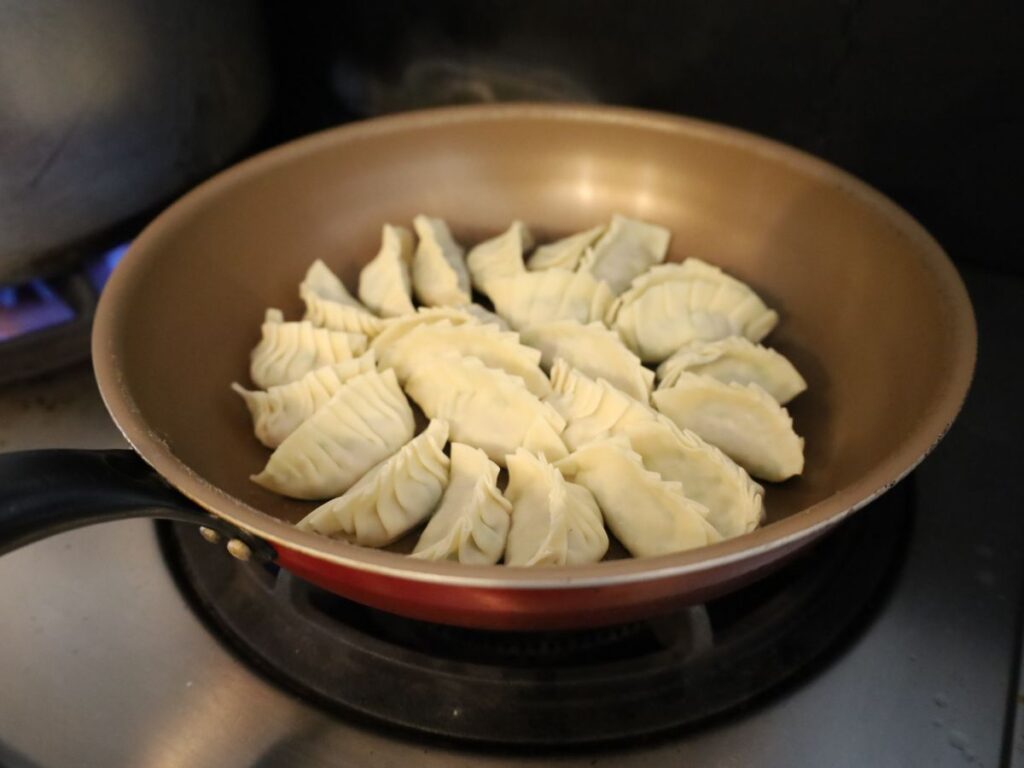
The gyoza part teaches you first how to mix the filling to the correct texture, which is deceptively tricky. Then, you learn how to pleat the wrappers so they hold under heat, and manage the combination of frying and steaming that produces the crisp base that makes Japanese gyoza distinct.
I’d recommend this experience to families and groups of friends. Gyoza folding in particular is excellent for children, who tend to find the pleating somewhat compulsive. Home cooking classes like this cost about ¥10,000 to ¥20,000 per person.
Sushi Making
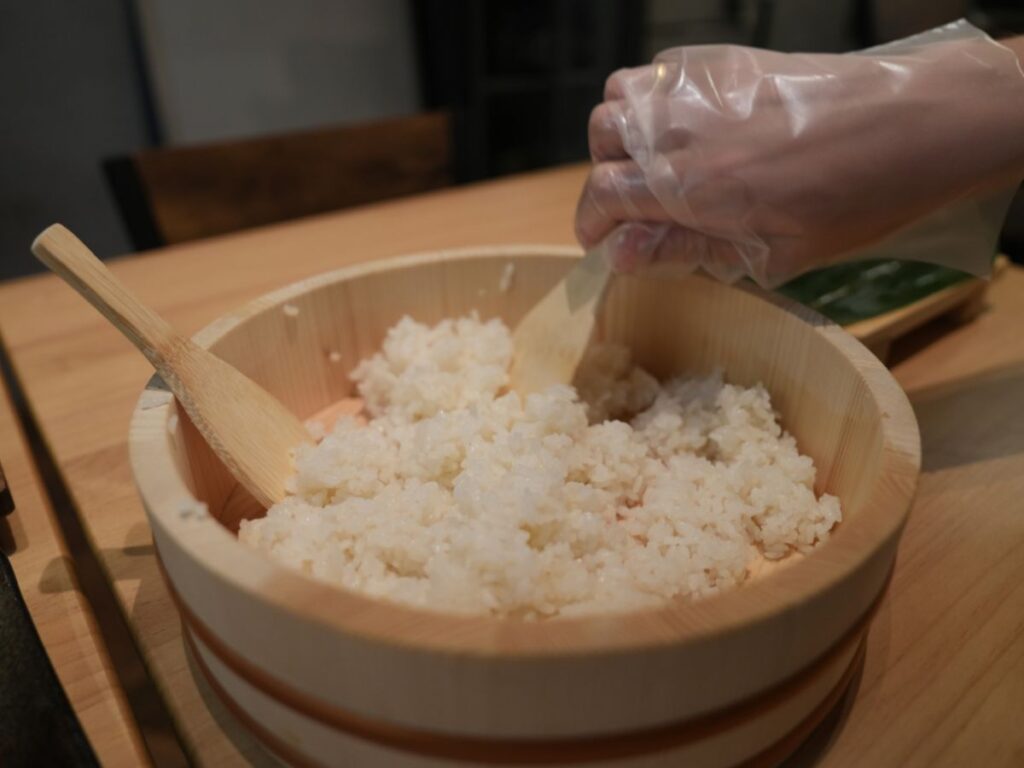
Sushi is the most requested cooking experience, but you need to enter a home class looking for practical, everyday skills rather than a professional apprenticeship.
A well-run home session focuses on five things: preparing seasoned rice with the correct folding technique; pressing pieces with enough firmness to hold together but enough lightness to collapse cleanly when eaten; slicing fish with a single clean stroke rather than a sawing motion; rolling seaweed wraps neatly; and understanding which fish work best for home prep. These skills are easily mastered in an afternoon.
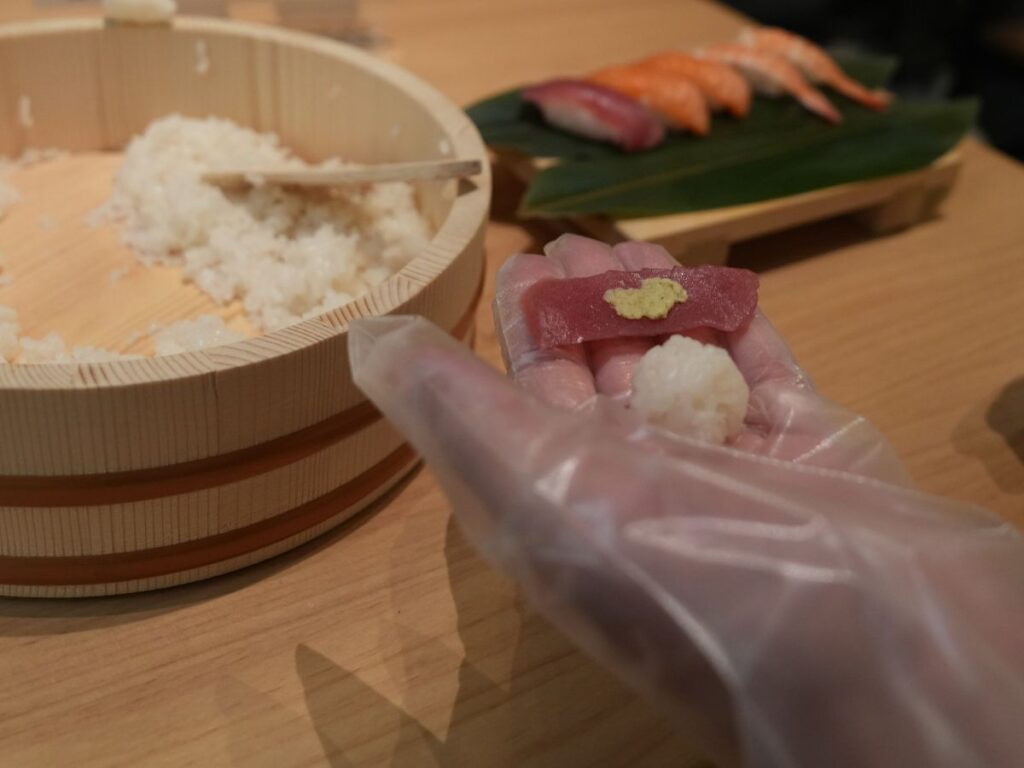
This is a great activity for couples, families with older children (as long as you keep an eye on the knives), or solo travellers. Expect to spend between ¥12,000 and ¥22,000 per person depending on the quality of the fish and the exclusivity of the session.
Read about my sushi-making experience here:
Bento Making
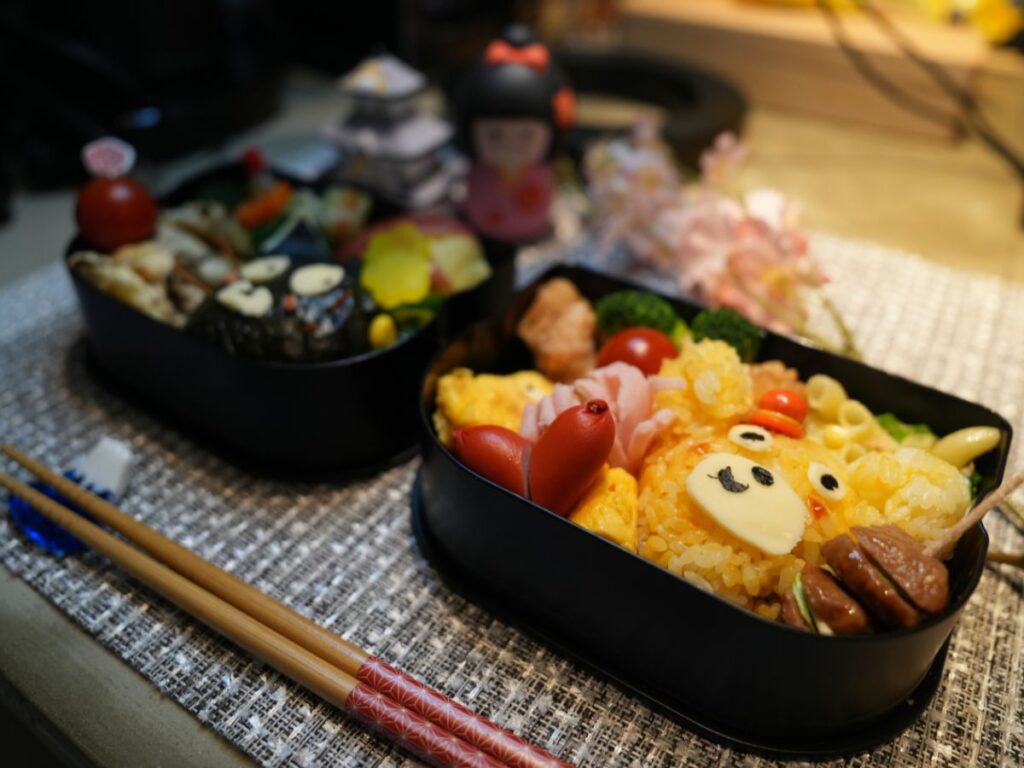
You have likely seen bento boxes in those addicting ‘make-with-me’ TikToks. The explosion of colours and the way ingredients are arranged makes them look like art, but assembling a proper bento is not just about making a lunch box look cute. It involves a set of principles that most Japanese home cooks have long since internalised, and a home-cooking class will, first and foremost, make those principles obvious to you.
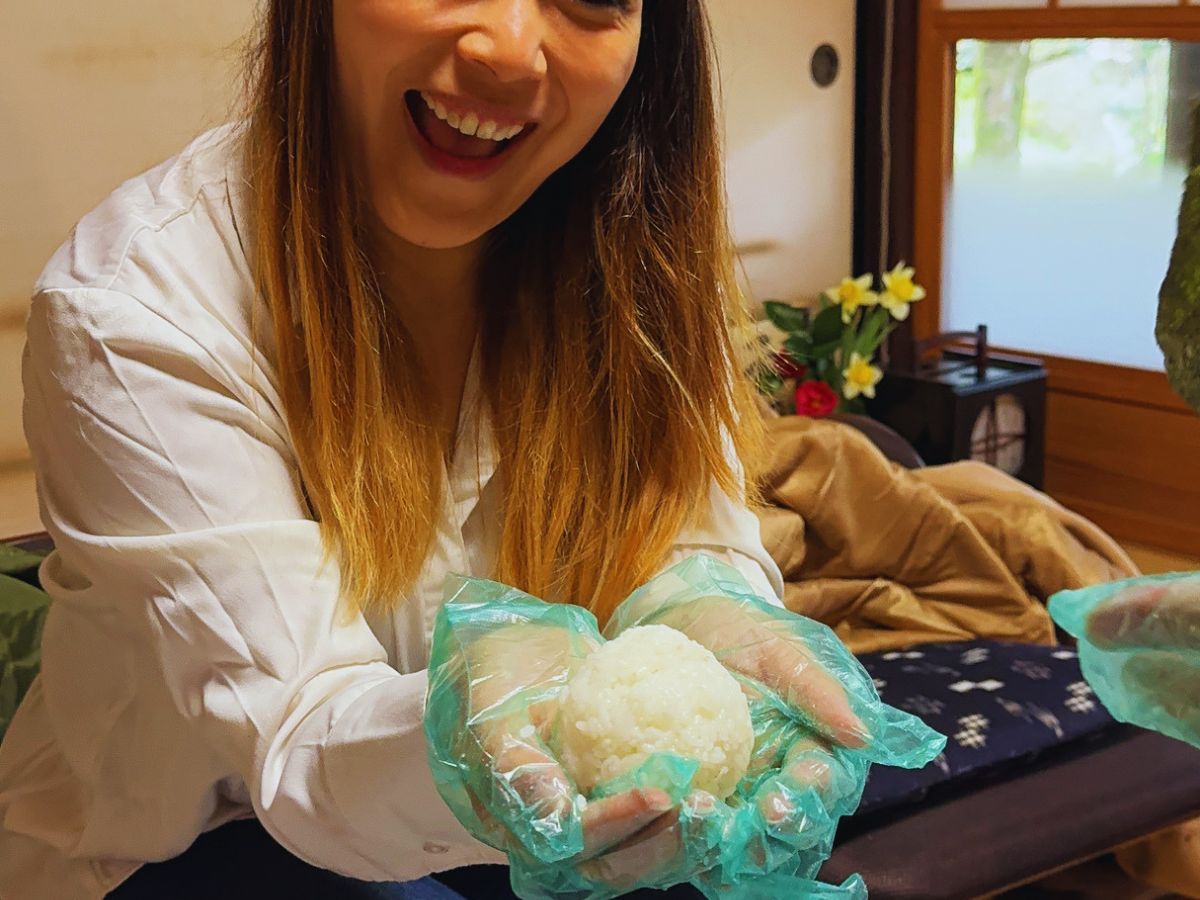
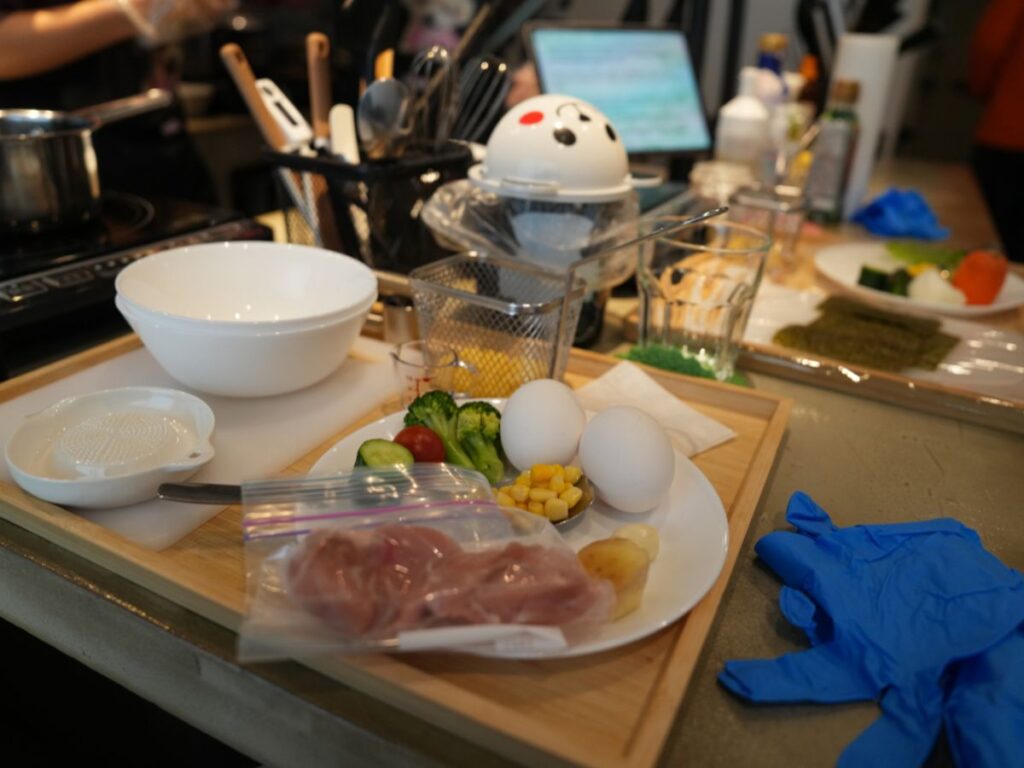
Once you understand that a bento is about balancing flavour, colour, and nutrition, you get into the actual daily prep work that makes it possible. A bento-making class usually covers tamagoyaki, the rolled omelette that is technically approachable but surprisingly unforgiving until you have practised it a few times, and karaage, fried chicken marinated in soy, ginger, and garlic. You will also learn how to shape rice balls and rotate through simple vegetable dishes to fill the remaining compartments.
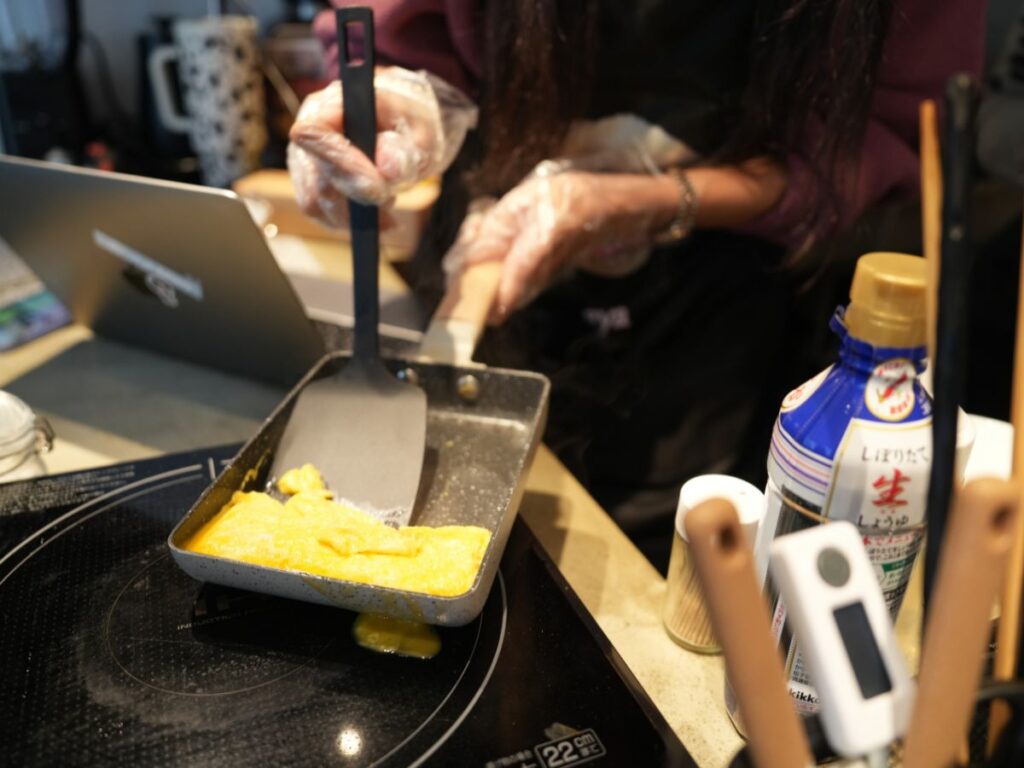
These classes usually go from ¥8,000 and ¥15,000 per person. You might also see classes that shape food into animals or figures. Unless you are travelling with young children who need their meal to look like a cartoon to eat it, stick to the core techniques. These skills are actually useful for everyday cooking, which is why solo travellers and couples often find them more practical than other formats.
Udon and Soba Noodle Making from Scratch
Making noodles by hand looks easy until you are actually doing it. Udon and soba use different doughs and teach different skills, so pick the one that sounds more like your kind of fun.
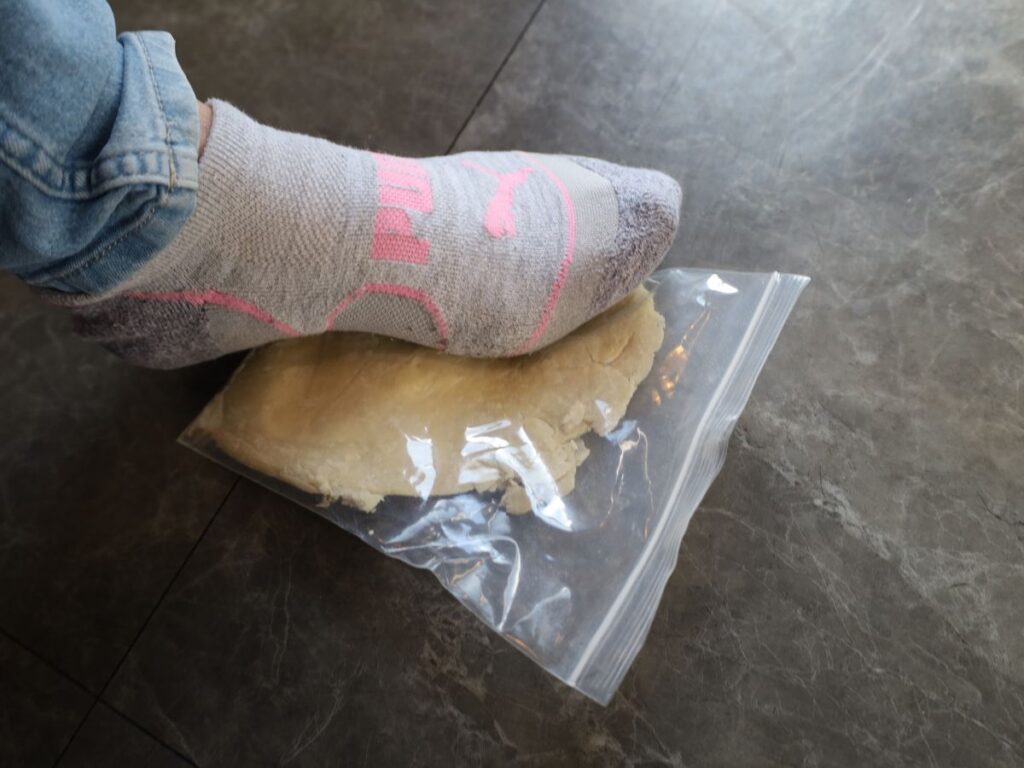
Udon dough is thick and tough. You need to use real weight and pressure to work it. In a lot of classes, you’ll learn that the best way to do that is the traditional method: you put the dough inside a plastic sheet and step on it with your feet. I know! It feels ridiculous the first time you do it, but it is one of the most memorable things you will ever do in a kitchen, and children absolutely love it. You end up with thick, chewy noodles, usually served with fried vegetables, which teaches you the basics of frying as well.
Soba is a totally different beast. The buckwheat dough is fragile, tears if you look at it the wrong way (fine, that’s an exaggeration from someone who tried and found it extremely difficult, i.e., me), and dries out in seconds. Cutting thin, even ribbons with the big noodle knife requires a steady hand and a lot of patience. If you tend to get frustrated when things do not go perfectly (like yours truly), you might want to skip this one. Soba classes attract people who are obsessed with the process, especially in places like Nagano or Yamanashi where they have been growing buckwheat for generations. You will pay between ¥9,000 and ¥18,000 per person for either format.
Washoku Fundamentals
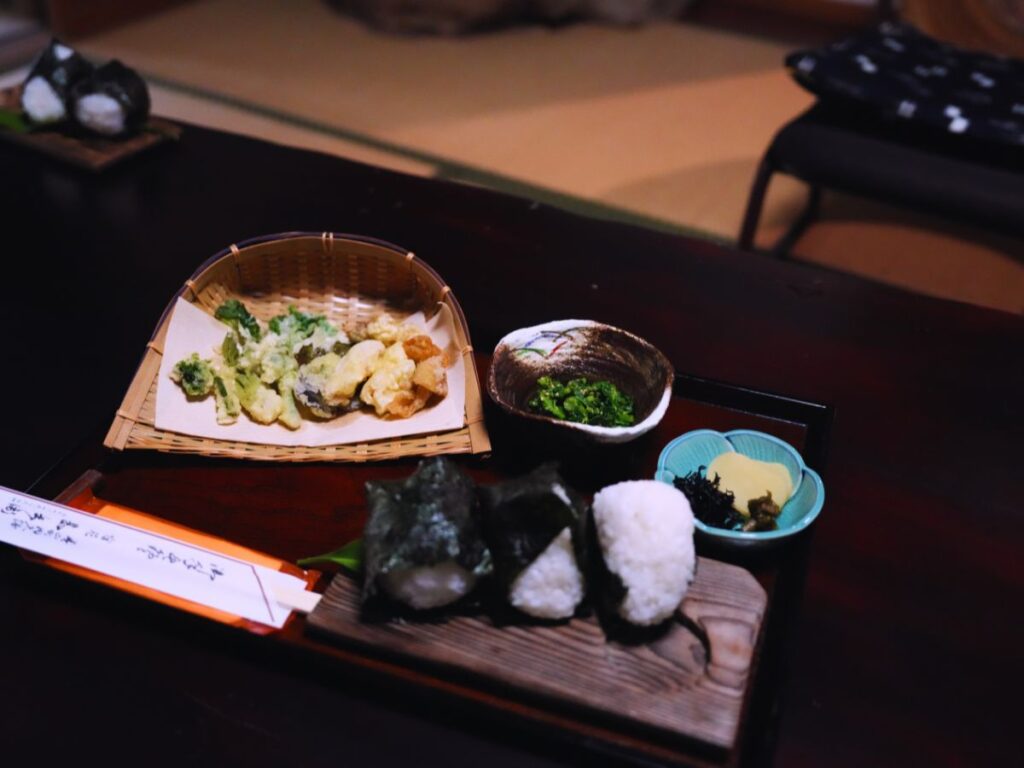
This is one class that I think serious home cooks would really appreciate. Instead of just learning how to make one specific dish, you learn the underlying architecture of a Japanese meal. You find out exactly why the food tastes the way it does, and more importantly, how to recreate that flavour in your own kitchen without needing a specialist pantry or fancy professional tools.
The session usually starts with dashi (soup stock). Making it for the first time, watching the colour shift and learning the precise moment to pull the kelp out, recontextualises every Japanese meal you have ever eaten. Once you taste miso soup built from that fresh dashi base, the version you get in most restaurants starts to taste like an afterthought. You spend the rest of the time applying this logic to a full set meal: a main protein, two vegetable sides, pickles, and rice. You leave having made four to six dishes that actually sit together as a balanced, coherent meal.
You can find excellent sessions in Tokyo, Kyoto, and Kanazawa, each highlighting regional specialties like Kyoto’s unique vegetables or Kanazawa’s deep fermentation traditions. Expect to spend between ¥15,000 and ¥25,000 per person. It is a larger investment, but you are paying for a multi-dish, hands-on masterclass that gives you a genuine foundation for cooking at home.
Private vs Group Home Cooking Classes in Japan
Group classes have between six and fifteen people. They are easy to find and gentle on the wallet. If you are a solo traveller, you might also enjoy the social side of it. You will learn the steps, you will eat a good meal, and you will have a fun afternoon with other travellers.
Just know that you are on the instructor’s clock. You move at their speed, and if the group is slow, you are stuck waiting. You cannot stop to ask a question that takes the conversation off in a different direction. It is a solid deal for the price, but you get a very standardised experience.
A private class feels different. The host is there just for you, which means they can change the pace, adjust for your skill level, or deal with food allergies on the fly. You also get the bonus of hearing the host’s stories and chatting about their neighbourhood while you work, which is particularly memorable when you are cooking in someone’s actual home.
If you are travelling with kids, private is almost always the right move. A good host knows how to keep children involved and can switch things up if they start to lose focus.
Authenticity Level of Various Home Cooking Classes in Japan
The word “authentic” appears in the description of virtually every cooking class in Japan, which has rendered it almost meaningless as practical guidance. I think a more helpful approach is to distinguish between the different styles of home cooking experiences you will find.
One type has hosts who operate a highly structured home kitchen. These sessions are smooth and follow a clear, predictable plan. Your ingredients are set out, and the steps are well-defined. This is a great choice if you want to ensure you master specific techniques without any confusion. You leave knowing exactly how to recreate the dish, because the host has refined their teaching method over hundreds of sessions.
On the other side, you have the truly lived-in family kitchen where you will likely have a more fluid, organic experience. The menu often changes based on what the host found at the local market that morning. You might experience the reality of a busy household, perhaps with a child coming home from school or a partner stopping by to check the seasoning.
If you view moments such as those not as inconveniences but details that turn an afternoon into a personal memory, then this type of experience would be the better fit. In this format, communication often happens through demonstration and shared instinct rather than formal explanation.
Home Cooking Experiences in Japan FAQs
Do I need to speak Japanese to join a home cooking class in Japan?
No. Most tourist-facing cooking experiences are taught in English or include English-speaking assistance throughout. In more intimate home settings, some hosts may have limited English but are already experienced in teaching the class that the language limitation is not really an issue.
Do I need to bring anything to the class?
Most hosts provide everything, including aprons and tools. Just bring yourself and a healthy appetite.
Can I join if I am vegetarian or vegan?
Most hosts will adjust the menu if you tell them in advance, but it is worth knowing that in Japan, the base stock for almost everything contains fish flakes, making it unsuitable for vegetarians. So, you cannot assume a vegetable dish is meat-free.
How long should I set aside?
Expect to spend between two and three-and-a-half hours. The meal at the end is a proper sit-down that takes a good chunk of that time. More involved full-meal classes or rural trips can easily run over four hours, so try to not pack your schedule too tightly right after.
What if I have never cooked anything before?
These classes are designed for home cooks of all levels. You do not need any prior experience to enjoy these sessions. The goal is to learn the basics in a relaxed way, not to perform perfectly.
Can I find a host who teaches in a language other than English?
Yes. If you speak Spanish, French, or another language, there are hosts who can accommodate that. Just let us know your requirements when you are looking for a match.
What is the best city for these experiences?
Tokyo offers the widest range of independent home hosts. But as we’ve noted above, cooking in settings that are sometimes a bit more remote to create regional specialties is also a great choice.