

If you find yourself in Japan in mid-to-late September and walk through a park in the late evening, you might just come across hundreds of Japanese people staring up at the sky.
Although it might seem odd at first, this is actually a very special tradition that has been happening for over 1,000 years. It is Tsukimi, or “moon-viewing”, when Japanese people gather to look at and appreciate the autumn full moon.
Tsukimi is a truly lovely autumn celebration, and one anyone can enjoy. If you’re in Japan in September, here’s what you need to know about moon viewing…
Planning an autumn Japan trip?
We’d love to help! Flip Japan is your friendly local travel agency, designing bespoke Japan trips that have you covered on everything from custom itineraries to cultural activities. Check out our expert travel planning services to get started!
See our ultimate autumn Japan itinerary:
What is Tsukimi?
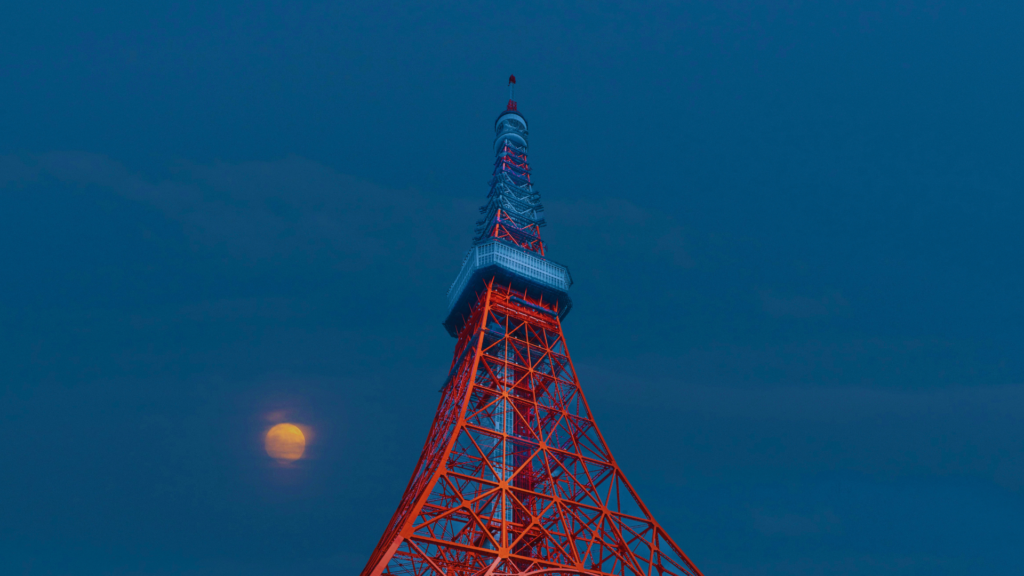
Tsukimi (月見), sometimes called Otsukimi, simply means “moon-viewing”. In Japan, it is a tradition of pausing to appreciate the full autumn moon, usually along with some good company, delicious autumnal food, and maybe even a cup of sake.
It isn’t exactly a festival, so you won’t find parades or street parties for Tsukimi. However, it is a cultural and seasonal celebration that comes with its own set of lovely traditions. In its essence, Tsukimi is about slowing down, looking up, and enjoying the beauty of the moon.
Anyone can partake in the practice, and if you’re in Japan during autumn, you’re likely to come across people “moon-viewing” in the parks or at observatories during the full moon.
The History of Tsukimi
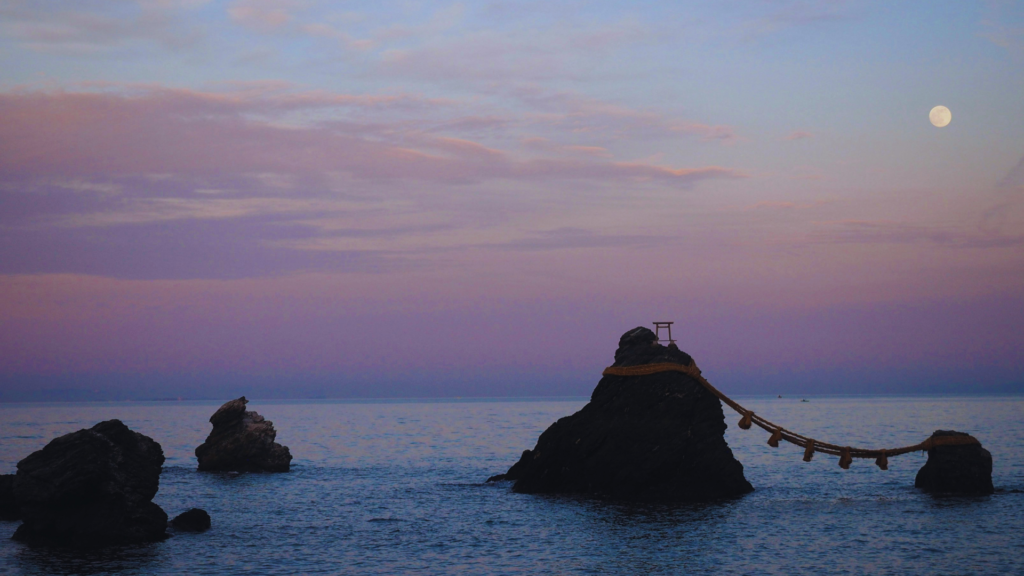
Tsukimi can be traced back to at least the Heian period (794 to 1185), when Japan’s aristocracy borrowed the custom of moon-viewing parties from China. Back then, nobles would go out on boats during the full moon to enjoy its beauty through its reflection on the water, instead of directly looking up.
Over time, the tradition spread beyond the imperial court and became more of a seasonal custom. As Tsukimi happens during the harvest season, it came to represent gratitude for the year’s crops, particularly rice. That’s part of why round white dango dumplings, meant to resemble the moon, became so popular to eat during the celebration.
The Tale of the Moon Rabbit
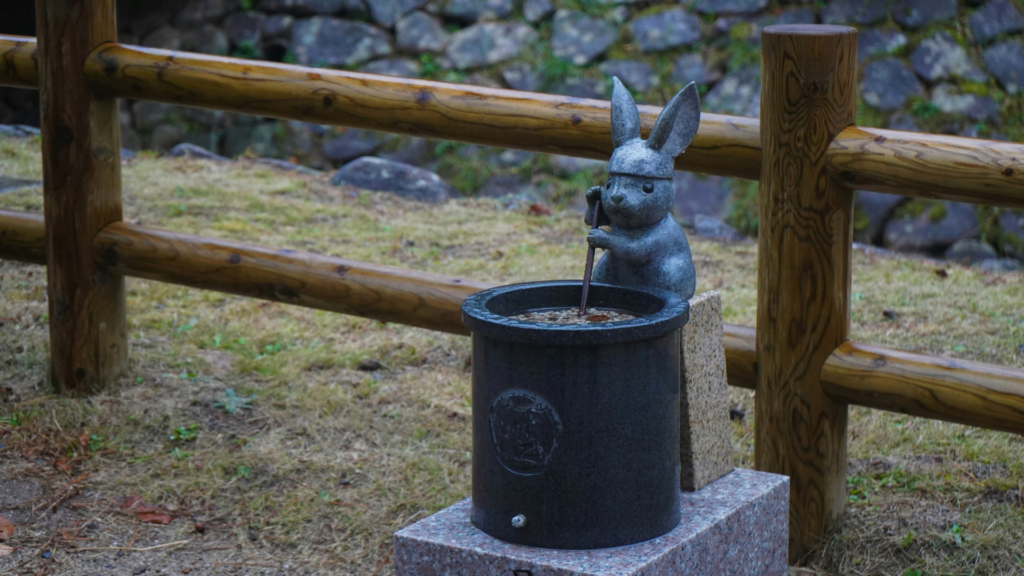
If you are in Japan during Tsukimi, you might notice that there are white rabbits everywhere. Not real bunnies out in nature, but in all the Tsukimi decorations. To visitors, we know that the moon and rabbits have pretty much nothing in common, but in Japan, they’re tied by a very famous story.
According to folklore, a rabbit, a fox, and a monkey came across a hungry, exhausted traveller and each wanted to help. The fox and the monkey managed to bring back food, but the rabbit had nothing to offer, so it threw itself into a fire to give its own body as a meal instead. The traveller turned out to be a disguised god, and they were so moved by the rabbit’s selflessness that they placed it on the moon to be honoured forever.
There, the rabbit is said to spend its days pounding rice to make mochi.
This is why locals say the craters on the moon look like a rabbit making mochi, and why you see the rabbit motif all over Japan during Tsukimi season.
When is Tsukimi in 2026?
Tsukimi follows the old lunar calendar, so the date shifts every year rather than falling on a fixed day. That being said, there are two key nights to know about:
- Jugoya, the main moon-viewing night: This year it falls on Friday 25 September 2026. This is considered the most beautiful moon of the year and is the one most people mean when they talk about Tsukimi. We should mention that this year, Jugoya actually falls two days before the full moon, but it will still be pretty special.
- Jusanya, a secondary moon-viewing night: This happens about a month later, falling on Friday 23 October in 2026. Tradition holds that viewing the moon on both nights brings extra good fortune, so if your trip happens to span both dates, you’re in luck.
How to Celebrate Tsukimi in Japan
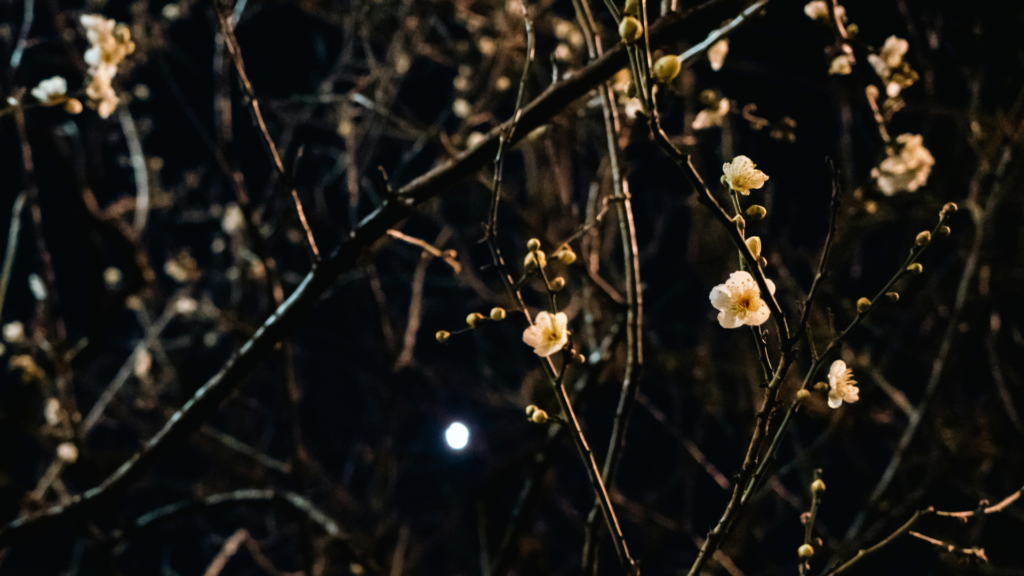
Good news: you don’t need an invitation or any special connections to take part in Tsukimi! It’s an open custom that’s easy for visitors to enjoy…you just have to know what and how to do it first.
Tsukimi Traditions
In its simplest form, Tsukimi just means going outside and looking up at the full moon. You can do this at a park, shrine, or traditional garden (if it’s open late enough), or just enjoy the moon from your hotel window.
However, there is also a more traditional way to do things for a more cultural experience. The classic Tsukimi setup involves decorating a viewing spot with susuki (pampas grass), arranged in odd numbers. This represents the rice stalks that would once have been offered at harvest time. Alongside the grass, people typically display seasonal produce like taro, chestnuts, and persimmons as a thank you for the harvest.
A lot of temples, shrines, and gardens around Japan will actually hold special evening openings for Tsukimi too. Sometimes these are simple celebrations, but there are also many that involve lanterns, live music, or tea ceremonies. These are actually amazing opportunities to experience a famous garden after dark and lit up to look even more magical than usual.
Tsukimi Foods
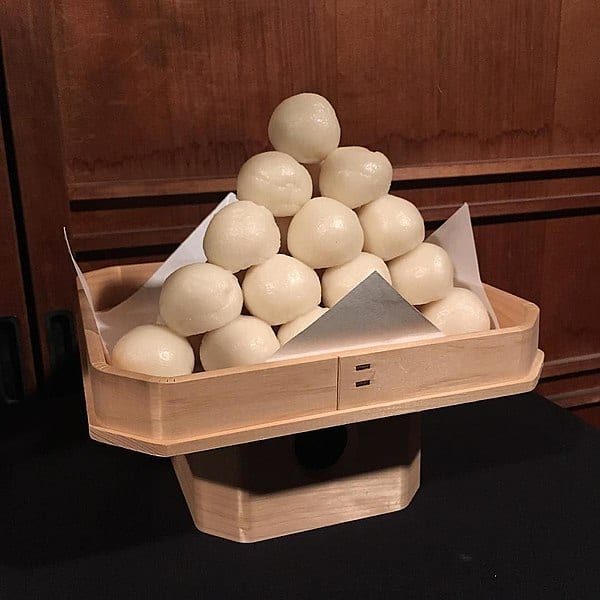
Like many celebrations in Japan, food plays a big role, and the seasonal favourite is Tsukimi dango. These are small, round, chewy rice dumplings that are traditionally stacked into a pyramid shape, often fifteen of them for Jugoya. They are loved because they look like a full moon!
You’ll also spot a Tsukimi twist on all sorts of everyday dishes during the season. Look out for Tsukimi soba or udon, which is when the dishes are topped with a raw egg meant to resemble the moon. It might sound odd, but trust us, Tsukimi udon is delicious!
You can even find a few more modern specials like Tsukimi burgers at fast food chains, which swap the standard patty toppings for a fried egg.
Discover more Japanese autumn food:
Best Tsukimi Spots in Japan

Again, anywhere can work for Tsukimi…especially if it’s somewhere pretty with room to sit or lie down whilst gazing up into the night.
That being said, we do think there are some particularly special spots to celebrate.
Where to celebrate Tsukimi in Tokyo
- Cosmo Planetarium Shibuya: The planetarium is putting on a Starry Moon Viewing with five screenings and a rooftop viewing over the Shibuya skyline
- Mukojima-Hyakkaen Garden: Attend a traditional Tsukimi event complete with cultural performances, tea ceremonies, and special lanterns with poems to the moon
- Tomioka Hachimangu Shrine: Where the Fukagawa Jugoya Festival takes place as part of the yearly Mid-Autumn Festival
- Sunshine 60 Observatory: Where there’s a Harvest Moon and Corn Moon Viewing event with indoor telescopes and projectors
Where to celebrate Tsukimi in Kyoto
- Daikaku-ji: A Tsukimi event to see the moon over Osawa Pond where you can even sip on matcha from a beautiful and highly ornate traditional Ryutokakushufune boat
- Kitano Tenmangu: The shrine is opening up its Fugetsu Garden and Hall, which is usually closed to the public, for a special Tsukimi illumination evening
- Katsura Imperial Villa: A free Tsukimi celebration where you can look up at the moon from the lovely traditional gardens
- Shimogamo Shrine: Where you can see A Harvest Moon Orchestral Concert to honour the wonderful autumn moon
Learn more places to visit in Japan during autumn:
Experience a More Authentic Japan Trip
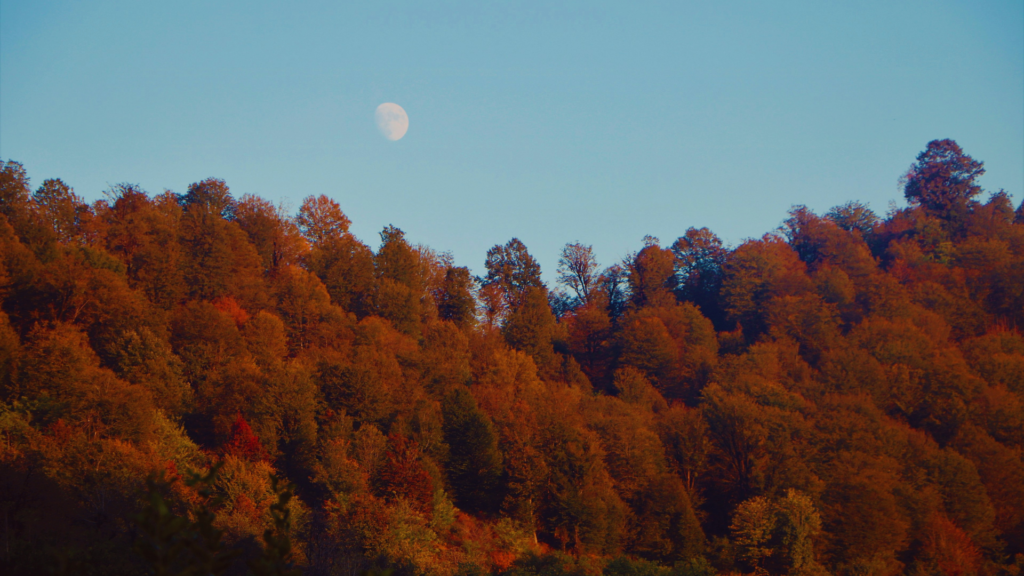
There are so many ways to have a more authentic trip to Japan, but one of them is to partake in the local holidays and traditions, like Tsukimi. If your trip lines up with late September, it’s well worth setting aside an evening to join in, whether that means looking for a specific temple event or just finding a good spot to sit back and watch the moon rise.
Tsukimi FAQs
What do people do during Tsukimi?
People gather to watch the full autumn moon, usually decorating their viewing spot with pampas grass and seasonal produce, and enjoying food and drink together as they look up at the sky.
What does “tsukimi” mean?
Tsukimi means “moon-viewing” in Japanese, sometimes written as Otsukimi with the polite “o” prefix. It refers to the tradition of looking up at and enjoying the beauty of the autumn full moon.
What is eaten during Tsukimi?
The classic Tsukimi food is dango, small round rice dumplings stacked into a pyramid, though you’ll also find seasonal twists like Tsukimi soba, udon, and even burgers topped with a fried egg to represent the moon.
How do you say Tsukimi?
Tsukimi is pronounced “tsoo-kee-mee”, with an even stress across the three syllables.