
There’s a particular kind of happiness that comes from a melon cream soda. It’s been on kissaten menus for decades: the green that’s a little too green to be natural, but tastes like an afternoon with nowhere else to be. Japanese has a word for that feeling, ‘natsukashii’, the warmth of finding something just as you remember it. A whole aesthetic has grown up around it, and it’s called Showa retro.
I didn’t grow up in Japan, and yet I feel it too. Sitting in a pink vinyl booth over a melon cream soda, Anri’s 1983 track ‘Remember Summer Days’ playing through surprisingly new speakers, I felt something register as memory. It took a while to work out whose memory it was.
What Is Showa Retro?
The Showa era covers the reign of Emperor Hirohito, from 1926 to 1989. Showa retro, though, skips almost the entire first 20 years of militarism, war and occupation. The aesthetic belongs to the high-growth decades, roughly Showa 30 to Showa 55 (1955 to 1980), when Japan rebuilt itself at a speed that still seems improbable.
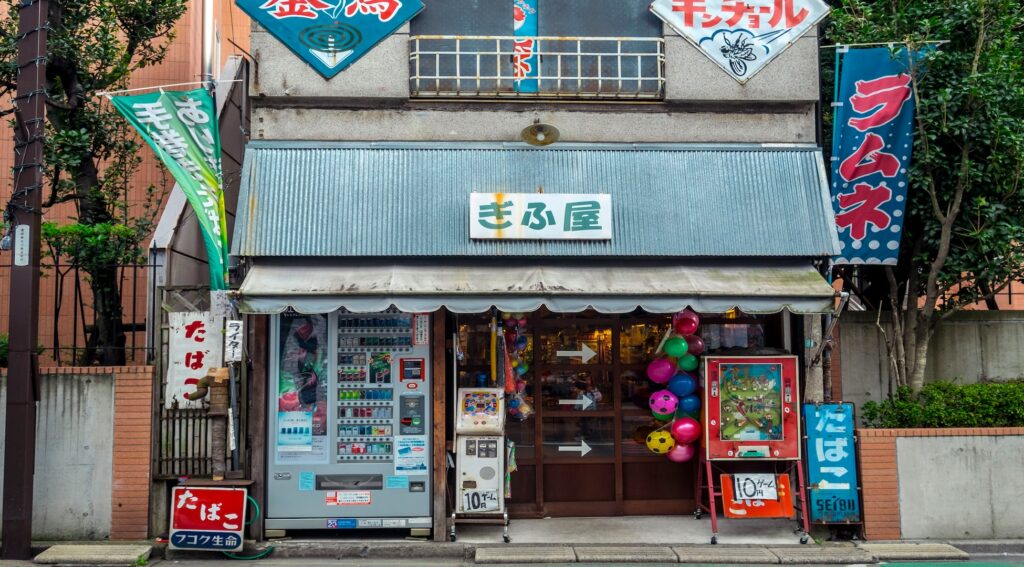
Western readers might compare it to the ’70s look that gets called ‘retro’ back home, and Japanese borrowed the word itself as ‘retoro.’ Its visual vocabulary is specific: enamel tin signs, frosted glass, terrazzo floors, vinyl seats, melamine dishes, faded shop awnings and hand-painted lettering. Families lived in ‘danchi’ (public housing estates) with a Western living and dining room and separate tatami rooms for sleeping. Coffee came from a ‘kissaten’ (traditional coffee shop), often with thick toast and sweet azuki bean paste on the side.
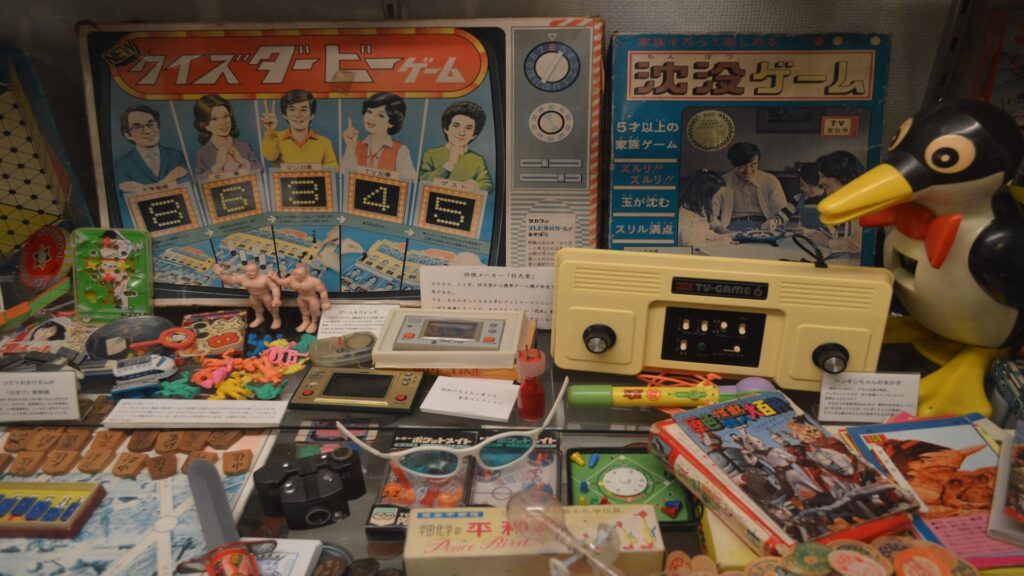
It was also the age of the ‘sanshu no jingi’ (three sacred treasures). The name is a play on the Japanese imperial regalia of a mirror, sword, and jewel, but in the 1950s it described a black-and-white television, washing machine and refrigerator. Few eras have summed up their priorities so neatly.
The Art of Interpretation
Westernisation and globalisation come up again and again in Japanese media and politics, usually alongside a fear of losing culture. Showa retro suggests that fear misreads how Japan has historically handled outside influence. Throughout Showa, the country took Western forms and made them its own, and the results were still, very much, Japanese.
Take ‘yoshoku’, which translates literally as “Western food”. Many of its dishes date back to the Meiji and Taisho eras, but Showa’s kissaten and department store dining halls turned them into everyday classics: omurice, hambagu (hamburger steak), korokke (croquettes), ebi fry and purin (a close cousin of flan). Spaghetti Napolitan, commonly credited to Yokohama’s Hotel New Grand during the Allied occupation, is ketchup-coated pasta with sausage and green pepper.
The same logic shaped leisure. Showa-era resort hotels put tatami living rooms next to Western-style beds and housed karaoke lounges, bowling alleys, and onsen under one roof. Nobody abroad was building anything quite like them.
McDonald’s opened its first Japanese location in Ginza in 1971, well within Showa. Haruki Murakami’s 1985 short story “The Second Bakery Attack” follows a newlywed couple so gripped by a late-night hunger that they decide it must be a curse from the husband’s youth, when he robbed a bakery. The only way to lift it is to rob another one, and at that hour the only option open in Tokyo is a McDonald’s, where the staff handle the stickup with very Japanese composure.
Sociologists Ronald Inglehart and Wayne Baker made a similar point in their 2000 study “Modernization, Cultural Change and the Persistence of Traditional Values.” They argue that the impression of a uniform “McWorld” is “partly an illusion”, since McDonald’s restaurants that look identical around the world take on different social meanings in different cultural settings. Showa Japan offers a whole era of evidence for their case.
The View From the Other Side
The interpretation ran in both directions. As Japan reworked the West, Western filmmakers were reworking Japan, and late-Showa Tokyo became shorthand for the future. Ridley Scott’s Blade Runner (1982) borrowed its neon-soaked streets from East Asian cities, and Netflix’s Altered Carbon was still sourcing the same look decades later.
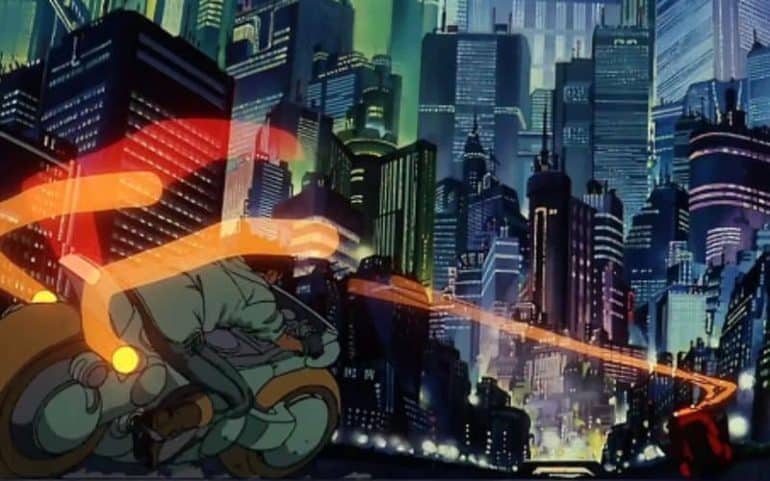
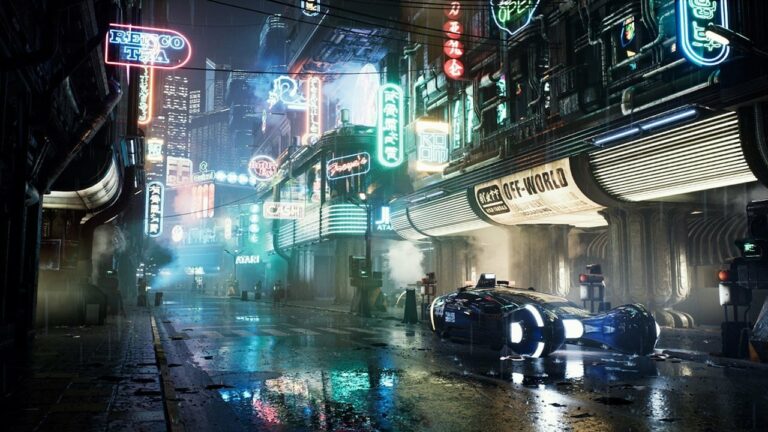
Japan projected its own version, too. Katsuhiro Otomo’s Akira (1988), released in the final full year of Showa, imagined a Neo-Tokyo of overbuilt skylines and restless youth. Even Lost in Translation (2003), filmed well into Heisei, shows a Tokyo whose neon and hotel bars were built during Showa.
I grew up on those anime and films, and I suspect that explains a lot. Showa can read as dystopian cityscape, as gaudy maximalist elegance, or as brightly colored desserts at a cute cafe, depending on where you first encountered it. For me, the familiarity came secondhand, through a screen, long before I ever sat in a kissaten.
Showa Nostalgia for Whom?
For older Japanese, Showa retro is actual memory, and it doesn’t always come with rose-tinted glasses. “Of course, it’s natsukashii,” says Yuko, 62. “Seeing the revival brings up so many memories of my childhood. I can’t say I miss it, though. Life was harder then; work-life balance was not a concept that existed, I almost never saw my father. And we didn’t have all the modern comforts we have now.”
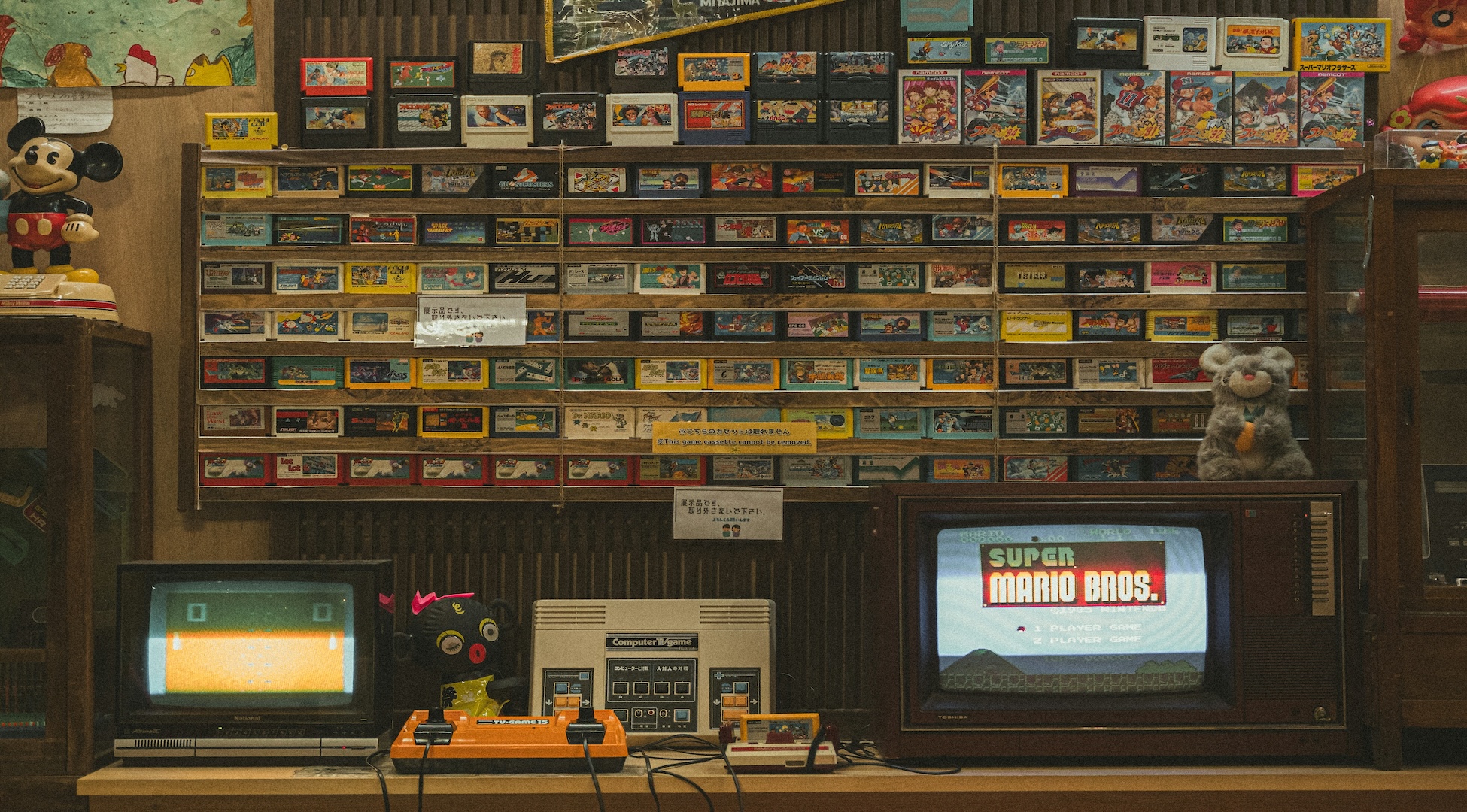
Younger people experience something closer to anemoia, nostalgia for a time they never lived, which overlaps with the Japanese slang ‘emoi’ (emotionally evocative). “It’s super interesting. I love going to Nakano Broadway and looking at the vintage toys in the windows and playing early Nintendo games,” says Taichi, 28. “I just imagine the way my parents and grandparents grew up. Sometimes it feels familiar, but mostly I can’t believe how much has changed.”
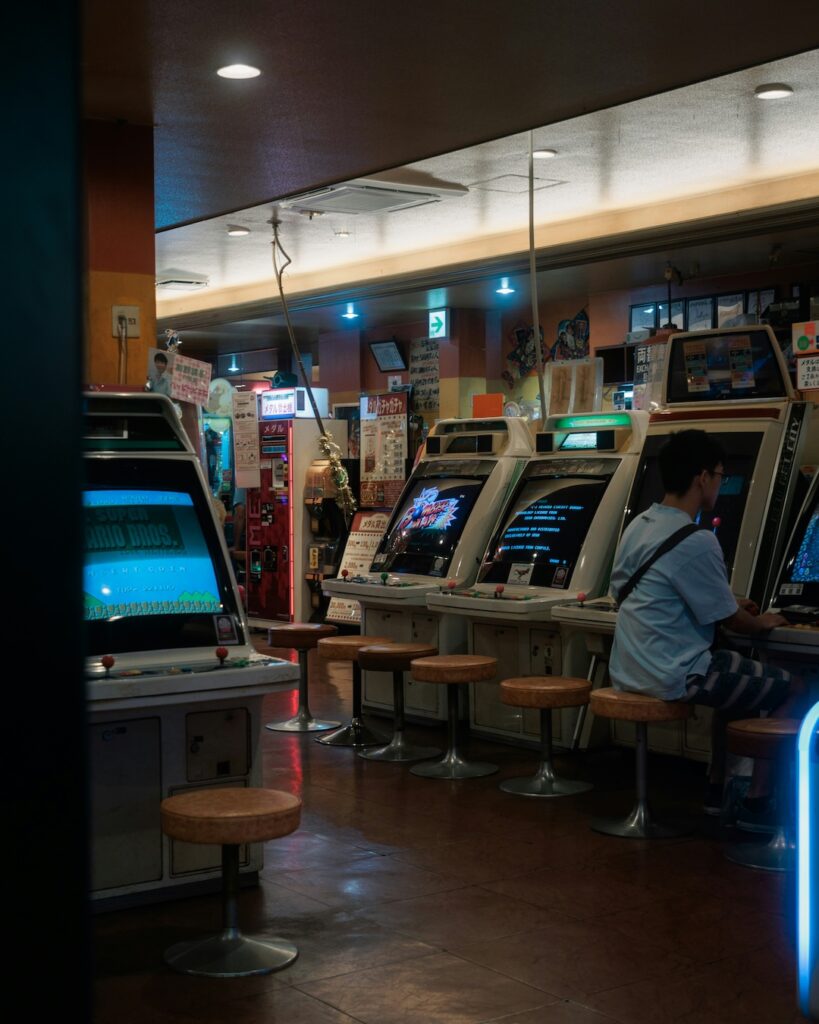
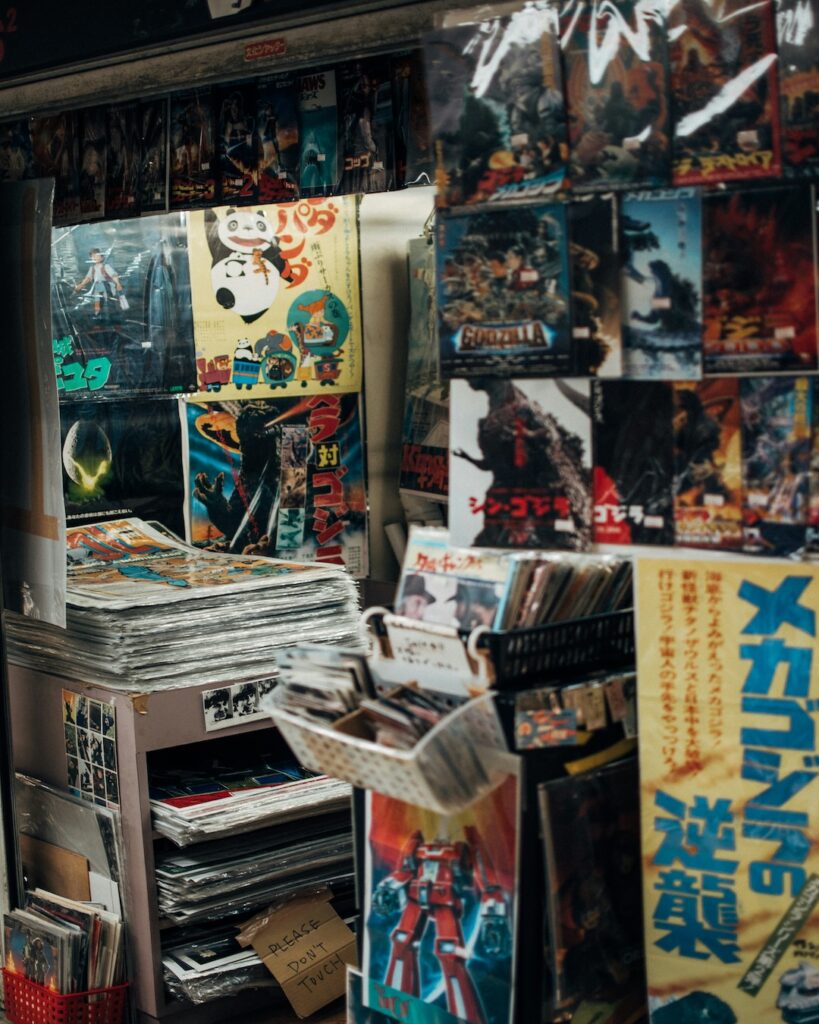
Foreign visitors often read Showa as “authentic Japan,” which is a little ironic given it was the modern, Western-influenced Japan of its day. For some, the era represents a future that kept getting better, and people who came of age in the post-bubble decades may miss that forward economic momentum more than any tin sign. Others remember the pollution disasters, brutal work hours, rigid gender roles, and smoke-filled everything that nostalgia tends to leave out. Often, as shown above, people hold both views at once.
Disappearing and Being Rebuilt
Showa retro has grown popular just as the real Showa is vanishing. Kisho Kurokawa’s Nakagin Capsule Tower came down in 2022, ‘sento’ (public bathhouses) and kissaten close every year and ‘yokocho’ (narrow alleys lined with small bars and eateries) keep giving way to redevelopment.
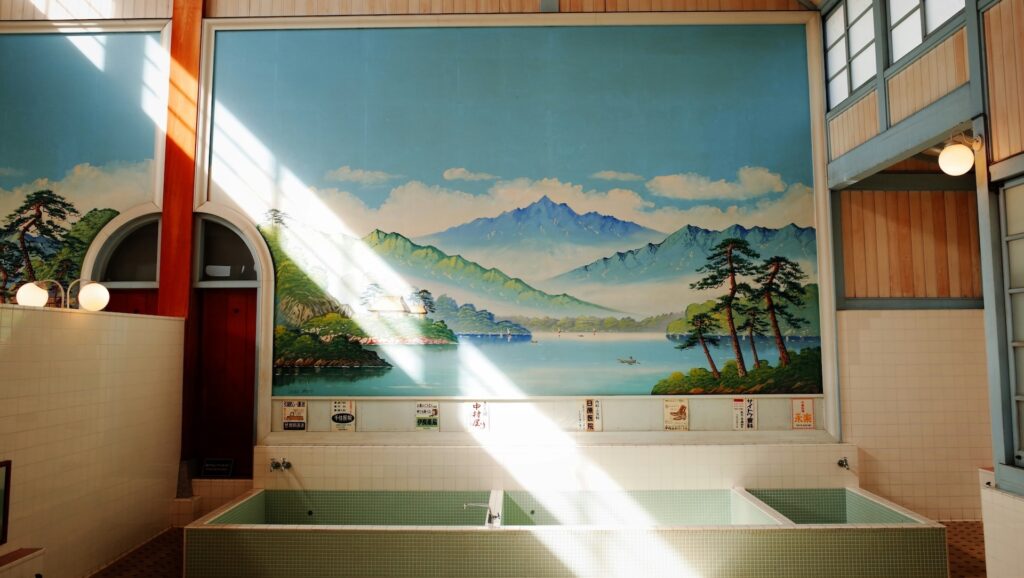
What replaces them is often built to order. Seibuen Amusement Park reopened in 2021 with a recreated Showa-style shopping street, and Showa-themed izakaya chains have spread across the country. Whether a staged version counts depends on who’s asking, though the melon sodas taste the same, or so the Gen Zers say.
Meanwhile, Heisei retro is already gathering pace among younger people, with purikura photo booths, flip phones, and gyaru fashion making a comeback. So perhaps the appetite has less to do with Showa itself than with a recurring pull toward the recent past. Give it 20 years, and someone will feel natsukashii about QR code menus.
Where to Find Showa Retro Around Tokyo
Want to see Showa Japan with someone who knows which kissaten are still pouring and which yokocho are worth the detour? Flip Japan Guide builds customised private tours around it! Book your custom Tokyo tour today.
Nakano Broadway, Tokyo
This 1966 shopping complex is packed with vintage toy shops including Mandarake, model train stores, old game machines and Takashi Murakami’s cafe, Coffee Zingaro.
Nakano Broadway on Google Maps
Shibamata, Tokyo
The neighbourhood made famous by the Otoko wa Tsurai yo (It’s Tough Being a Man) films has retro candy shops along Shibamata Haikara Yokocho and Showa Retro Cafe Sepia.
Shibamata Haikara Yokocho on Google Maps
Asakusa, Tokyo
Marubell Photo Studio is a 105-year-old studio that offers retro Showa-style photo shoots with outfit changes and props to match.
Marubell Photo Studio on Google Maps
Yokohama, Kanagawa
Bashamichi Street is where Japan got its first gas lamps and ice cream, and is a short walk from Hotel New Grand, the 1927 hotel credited with inventing spaghetti Napolitan.
Hotel New Grand on Google Maps
Noge is a postwar drinking district next to Sakuragicho Station, packed with tiny izakaya and snack bars where the mama-san behind the counter runs the show.
Atami, Shizuoka
This hot spring town peaked in the 1960s and ’70s as a honeymoon and company-trip destination. Hotel New Akao, which opened in 1973, still looks the part, along with the nearby Atami Ginza Shopping Street.
Atami Ginza Shopping Street on Google Maps
Momoyama-kan Retro View Café serves up yoshoku classics alongside vintage game machines like pinball and air hockey.
Momoyama-kan Retro View Café on Google Maps
Katsuura, Chiba
Katsuura is a little seaside town down on the Boso Peninsula with a 400-year-old morning market with local vendors selling fresh seafood, vegetables, and handmade goods. The town retains much of its former Showa glory with traditional bathhouses and resort-style hotels. While definitely dated, Katsuura Hotel Mikazuki houses karaoke rooms, a bowling alley, and onsen facilities.
Katsuura Hotel Mikazuki on Google Maps
Showa Retro FAQs
What does “Showa” refer to?
The Showa era covers the reign of Emperor Hirohito, from 1926 to 1989. Showa retro mostly draws on the post-war high-growth years, roughly 1955 to 1980.
How is it different from Western retro?
The time period overlaps with the West’s ’60s and ’70s nostalgia, but Showa retro centres on Japan’s own versions of Western food, design, and leisure, such as yoshoku, kissaten, and hybrid Japanese-Western hotels.
Are snack bars welcoming to foreign visitors?
Some are, some cater mainly to regulars. Most charge a table fee, and a local guide or a bar that advertises English menus makes a first visit much easier.
Where else in Japan can travellers find Showa retro?
Beyond the Tokyo area, Osaka’s Shinsekai district and Showa no Machi in Bungotakada, Oita, are two of the best-known examples.