
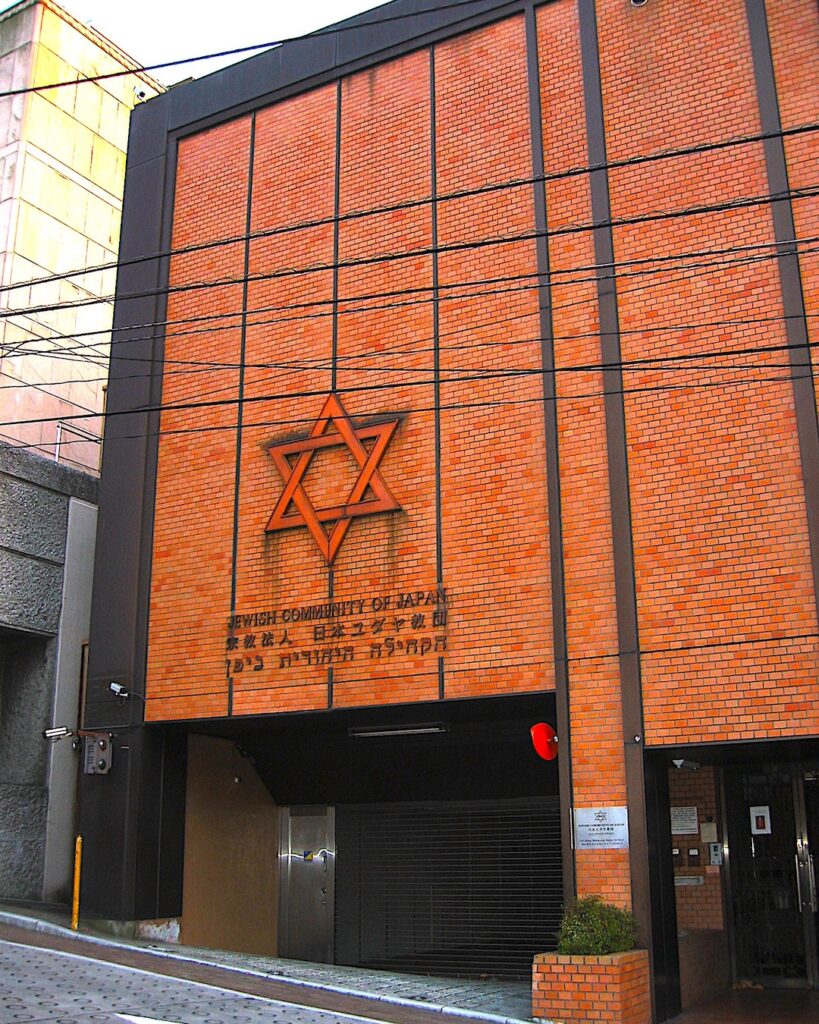
When Chana’s Place closed in 2025, Tokyo was left with exactly one sit-down kosher restaurant, David’s Deli in Mita. While that sounds bleak, finding kosher food in Japan is more doable than the restaurant count suggests. Tokyo has two Chabad houses that cook and deliver, plus a meat kitchen at the Jewish Community of Japan in Hiroo, and Chabad also runs houses in Kyoto and Kobe, so with a bit of planning you can eat well (and keep Shabbat) on most Japan itineraries.
This guide covers who supervises what, the Japanese ingredients that trip people up, where to eat and shop, and how to book Shabbat meals, plus a few Japanese phrases for when you’re out on your own.
Who Supervises Kosher Food in Japan
Kashrut in Japan is overseen by a small number of rabbis, most of them connected to Chabad, plus overseas agencies that certify Japanese products for export.
There are two main separate Chabad organisations in Tokyo: Chabad Tokyo Japan, run by Rabbi Binyomin Edery and Chabad Lubavitch of Japan, run by Rabbi Mendi Sudakevich.
Supervisors Based in Japan
- Rabbi Binyomin Edery, Chabad Tokyo Japan: Rabbi Edery is chief supervisor of Kosher Japan K.K. (KJ), a certification body founded in 1999 that describes itself as Japan’s first. It supervises the Kosher Delica meal delivery service and Chabad of Kyoto’s catering, and approved the ENT Terrace Omori Sanno kosher hotel in Sanno, Ota-ku, Tokyo.
Official site: kosherjapan.co.jp - Rabbi Mendi Sudakevich, Chabad Lubavitch of Japan: Co-director with Chana Sudakevich of the Chabad house. He also supervises David’s Deli in Mita.
Official site: chabad.jp - Japan Kosher Service (JKS): JKS is the certification service Chabad Lubavitch of Japan sends food companies to when they want kosher certification.
Official site: japankosherservice.com - The Jewish Community of Japan rabbi: At the community centre based in Shibuya, the rabbi acts as mashgiach for the community’s meat kitchen. Under the kitchen’s published rules, he inspects the meat and kitchen.
Official site: jccjapan.jp
Overseas Agencies on Japanese Products
- KLBD (London Beth Din): Certified Japanese products include adzuki bean paste and natto from Hojo Seiansho, miso from Yamadaya Miso, and sake from Tamanohikari Sake Breweries and from Katoukichibee Shouten, the Fukui brewer behind the BORN label.
Official site: klbdkosher.org - STAR-K: Its listing for Japanese whisky approves some single malts without certification, including Yamazaki 12, Hakushu 12, and Yoichi Single Malt, unless the label mentions a wine finish such as sherry or port. Hibiki and Nikka Whisky From The Barrel are on its not-approved list.
Official site: star-k.org - OU and OK: STAR-K’s sake listing names Kikusui sakes as acceptable when they carry the OU symbol, and most Ozeki sakes when they carry the OK symbol.
Official sites: oukosher.org and ok.org
In a Japanese supermarket, an imported symbol you already know (OU, OK, KLBD, STAR-K) is the quickest check.
Japanese Food and Kashrut: What to Watch For
A menu full of rice, fish, and vegetables looks easy, and that’s exactly why it catches people out. Chabad Lubavitch of Japan warns that Japanese restaurants often use a “very casual definition of ‘vegetarian’”, and the problems usually sit in the broth, the seasoning, or the cooking itself.
Sushi and Seafood
Plenty of sushi fish is kosher, including salmon, sea bream, and yellowtail, but a typical sushi counter also serves eel, octopus, squid, shrimp, crab, scallops, and sea urchin, none of which are kosher. Swordfish (kajiki maguro) in particular is one to look out for because it looks very similar to tuna and has a similar name in Japanese.
Beyond the species, sushi rice is usually mixed with vinegar, which can be made from wine. Depending on your practice, that could rule out ordinary sushi restaurants, even if you order only kosher species.
Broth, Bread, and Noodles
Most noodle dishes like udon and ramen come in a dashi-based broth, which almost always contains meat and seafood. Bread in Japan is often made with lard, so bakery items need a symbol or a supervised source.
The ramen chain AFURI has a Rainbow Vegan ramen that’s 100% plant-based from broth to toppings, with egg-free noodles. However, it’s cooked in the same kitchen as AFURI’s regular chicken-and-seafood broth and pork chashu, so stricter readers may want to skip it.
Vinegar, Soy Sauce, and Condiments
Vinegar, soy sauce, wasabi, ginger, and other sushi condiments all need reliable kosher certification, because additives and processing aids can affect their status. Vinegar can be made from wine, which makes rice vinegar a supervision issue in itself, and both agencies point out that seaweed such as nori is prone to insect infestation.
Fish Names to Know
This table is based on Chabad Lubavitch of Japan’s fish list. It covers species only, so packaged or prepared fish still needs a symbol or supervision, but it’s handy to screenshot for supermarket fish counters.
| Japanese | Reading | English | Kosher? |
| 鮭 / しゃけ / サーモン | shake | Salmon | Yes |
| イクラ | ikura | Salmon roe | Yes |
| 鰤ブリ | buri | older yellowtail | Yes |
| 鯛 / たい | tai | Snapper (sea bream) | Yes |
| ハマチ | hamachi | Young yellowtail | Yes |
| 鰹 / かつお | katsuo | Skipjack tuna (bonito) | Yes |
| 白マグロ | shiro maguro | Albacore tuna | Yes |
| 鯵 / アジ | aji | Horse mackerel | Yes |
| 鮃 / ひらめ | hirame | Flounder | Yes |
| アユ | ayu | Trout | Yes |
| 鱈 / たら | tara | Cod | Yes |
| カジキマグロ | kajiki maguro | Swordfish | No |
| 鰻 / うなぎ | unagi | Freshwater eel | No |
| 穴子 / あなご | anago | Conger eel | No |
| 海老 / えび | ebi | Shrimp | No |
| 蟹 / かに | kani | Crab | No |
| 蛸 / たこ | tako | Octopus | No |
| 烏賊 / いか | ika | Squid | No |
| ホタテ | hotate | Scallop | No |
| 海胆 / うに | uni | Sea urchin | No |
| 鮟肝 / あんきも | ankimo | Monkfish liver | No |
| 鮟鱇 / あんこう | anko | Monkfish | No |
Where to Find Kosher Food in Japan
Outside the Chabad houses and the community kitchen in Hiroo, you’re mostly looking at delivery and pre-booked meals, so it pays to sort food out before you land.
Tokyo
- David’s Deli: Tokyo’s only sit-down kosher restaurant, serving glatt kosher food under Rabbi Mendi Sudakevich’s supervision. Walk-ins are welcome, and you can order delivery through its website or Uber Eats until 18:00.
Official site: ddkosher.jp
Address: 5-13-13 Mita, Minato-ku - Kosher Delica: Chabad Tokyo Japan’s delivery-only kitchen sends meals to hotels, offices, and homes anywhere in Japan. Order at least a day ahead in Tokyo and three days ahead for other cities, by phone or WhatsApp (+81 80 5090 7707).
Official site: chabadjapan.org - Jewish Community of Japan kitchen: A meat kitchen where dairy isn’t allowed, since kosher law keeps meat and dairy separate. That means no cheese or butter, and anyone who doesn’t eat meat is usually offered fish instead. The community is known locally for its bagels, pita, and challah, and Shabbat meals are booked through a sign-up page on its website.
Official site: jccjapan.jp
Address: 3-8-4 Hiroo, Shibuya-ku
Want a local guide to plan your day in the city? Check out our Custom Tokyo Tour, built around your own schedule.
Kyoto
- Honke Tankuma Honten: This Michelin-starred restaurant offers kosher kaiseki prepared under a rabbi’s supervision. You’ll need a group of at least five and to book at least seven days ahead through TableCheck. On top of the meal, there’s a rabbi supervision fee of ¥88,000, which covers two days.
Official site: tankuma.jp/en/honten
Address: 168 Izumiyacho, Shimogyo Ward, Kyoto - Chabad of Kyoto: Catering under Rabbi Edery’s supervision, either delivered or eaten at the Chabad house. Its menu lists a basic fish bento dinner at US$25, a fish meal bento at US$50, and a meat meal bento at US$65, plus US$25 for delivery in Kyoto, and asks for three days’ notice.
Official site: chabadkyoto.com
Address: 30-3 Okazaki Tennocho, Sakyo-ku
Heading to Kyoto as well? Our Custom Kyoto Tour pairs you with a local guide for a day planned around you.
Kobe and Osaka
- Jewish Community Chabad Kobe & Osaka: About 15 minutes on foot from Sannomiya or Shin-Kobe stations. Rabbi Shmulik Wishetsky and Batya Wishetsky take Shabbat meal reservations, and the community’s shop sells Israeli groceries, wine, and frozen food, with delivery anywhere in Japan.
Official site: jewishkobeosaka.com
Address: 4-12-12 Kitanocho, Chuo-ku, Kobe
For a guided day in Osaka itself, see our Custom Osaka Tour.
Everywhere Else
For ski resorts, onsen towns, or anywhere without a Chabad house, Kosher Delica’s nationwide delivery is your best bet, as long as you order at least three days ahead and check that your hotel will take the delivery.
Shabbat Meals and Synagogues
All five communities below take Shabbat meal reservations, and service times shift with the seasons, so check the latest schedule on each website before you go.
- Chabad Lubavitch of Japan: It serves Friday dinner and Shabbat lunch, books through a reservation form, and has a mikvah.
- Chabad Tokyo Japan: Kabbalat Shabbat and the Friday meal start at 18:00 in winter and 19:00 in spring and summer, with Shabbat lunch and cholent at 12:30. Mikvah appointments are booked through its website.
- Jewish Community of Japan: Chartered in 1953 and affiliated with Masorti Olami, the international Masorti/Conservative movement, though the community describes itself as open to Jews of all views. It holds Shabbat services, and Shabbat meals are booked through a sign-up page on its website.
- Chabad of Kyoto: Kabbalat Shabbat and dinner start 30 minutes after candle lighting, morning services are at 10:00, and kiddush and cholent follow at 12:00. Reserve through its Shabbat page.
- Jewish Community Chabad Kobe & Osaka: Takes Shabbat meal reservations through its website, or contact Rabbi Shmulik Wishetsky on +81 90 8482 4770 (phone or WhatsApp).
Kosher Groceries
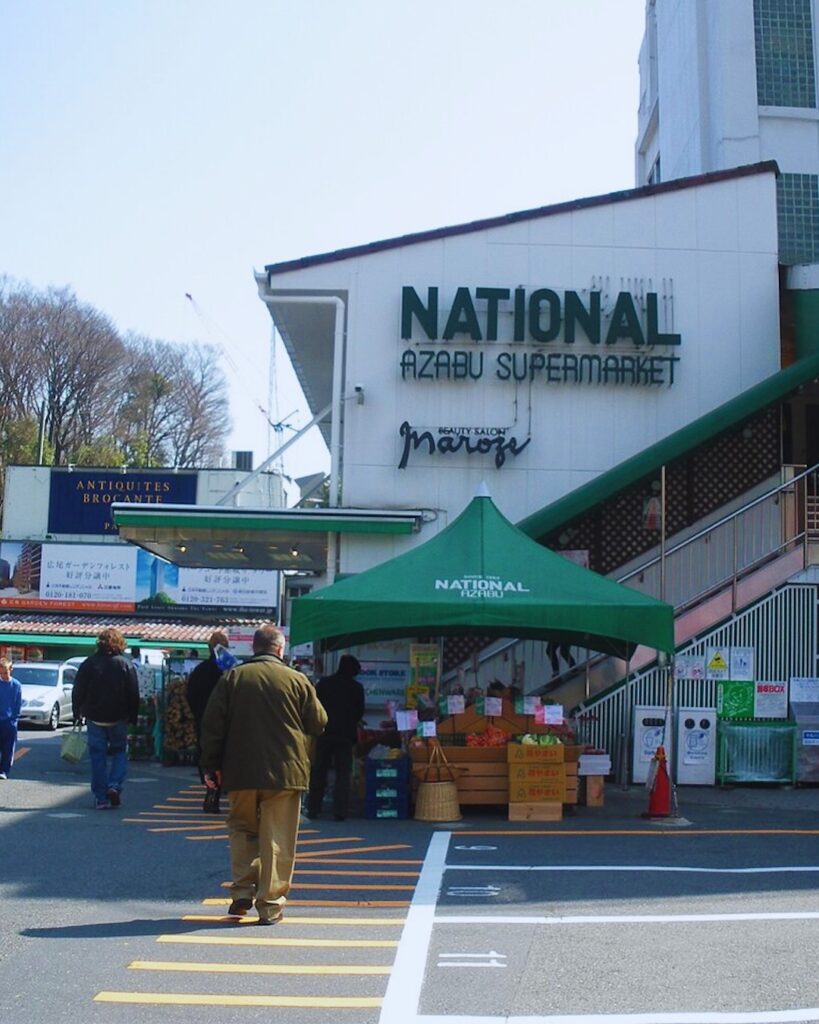
- National Azabu Supermarket: Main supermarket for imported kosher products, including frozen bagels, tortillas, bread and pita, chips, wine, tuna, and cookies. Keep in mind, it’s not cheap.
Official site: national-azabu.com
Address: 4-5-2 Minamiazabu, Minato-ku - Nissin World Delicatessen: Carries a similar imported kosher range, according to the same Chabad page, and also delivers.
Official site: nissin-world-delicatessen.jp
Address: 2-32-13 Higashiazabu, Minato-ku - Jewish Community Chabad Kobe & Osaka shop: Ships Israeli groceries, spreads, canned goods, wine, snacks, and frozen food anywhere in Japan, ordered through its website.
Official site: jewishkobeosaka.com
Address: 4-12-12 Kitanocho, Chuo Ward, Kobe
Kosher-Friendly Accommodation
- ENT Terrace Omori Sanno: A kosher hotel in Japan approved by Kosher Japan under Rabbi Edery is a five-minute walk from Omori Station on the JR Keihin-Tohoku Line. It’s a house of about 107 square metres with three bedrooms and a kitchen, taking one group of up to seven adults and an infant at a time. All meals are kosher, and Shabbat guests need to check in before sunset.
Official site: ent-terrace.com
Address: 1-26-27 Sanno, Ota-ku - Sheraton Miyako Hotel Tokyo: About a 10-minute walk from Chabad Lubavitch of Japan in Takanawa, this is the one hotel Chabad’s own list marks as suitable for Shabbat.
Official site: marriott.com
Address: 1-1-50 Shirokanedai, Minato-ku
Still choosing a base? Check out our guide to the best areas to stay in Tokyo for first-timers.
Keeping Shabbat in a Japanese Hotel
Hotels take some planning if you’re keeping Shabbat away from a Chabad house, and most of it is easier to sort out at booking than at the front desk on Friday afternoon.
- Room keys: Electronic key cards generally can’t be used on Shabbat, and most hotels in Japan use them. The solution is to either ask for a room with a regular key when you book or arrange for staff to open the door for you.
- Lifts and doors: Ask for a low floor so you can use the stairs, and find a manual door, such as a staff entrance, to use instead of a sensor-operated one.
- Electronic toilets: Toilets from Japanese makers like TOTO or Panasonic come with features such as heated seats and auto-flush, so make sure to unplug the toilet before Shabbat begins.
- Sensor lights: Cover in-room motion sensors with paper and ask the hotel whether hallway lights can stay on.
Japanese Phrases Worth Knowing (or Screen-shotting)
| Japanese | Reading | Meaning |
| 私はユダヤ教の食事規定(コーシャ)を守っています。 | Watashi wa Yudaya-kyō no shokuji kitei (kōshā) o mamotte imasu. | I keep kosher (Jewish dietary law). |
| この料理に豚肉、貝類、肉のだしは入っていますか? | Kono ryōri ni butaniku, kairui, niku no dashi wa haitte imasu ka? | Does this dish contain pork, shellfish, or meat stock? |
| このお弁当は温めないでください。 | Kono obentō wa atatamenaide kudasai. | Please don’t heat this bento. |
| 部屋に食べ物を持ち込んでもいいですか? | Heya ni tabemono o mochikonde mo ii desu ka? | May I bring my own food into the room? |
| ホテルに食事の配達が届きます。受け取ってもらえますか? | Hoteru ni shokuji no haitatsu ga todokimasu. Uketotte moraemasu ka? | A meal delivery is coming to the hotel. Could you accept it for me? |
| カードキーではない普通の鍵はありますか? | Kādo kī de wa nai futsū no kagi wa arimasu ka? | Do you have a regular key instead of a key card? |
| 宗教上の理由で、今日はカードキーを使えません。部屋のドアを開けていただけますか? | Shūkyō-jō no riyū de, kyō wa kādo kī o tsukaemasen. Heya no doa o akete itadakemasu ka? | For religious reasons, I can’t use my key card today. Could you open my room door for me? |
Not sure where to start? Book a free consultation call with one of our expert planners, and let them know about your kosher and Shabbat needs from the start.
Kosher Food in Japan: FAQs
Is there a kosher restaurant in Tokyo?
Yes, one: David’s Deli, supervised by Rabbi Mendi Sudakevich. It’s open Sunday to Thursday for lunch and dinner, and Friday for lunch only.
Can I eat sushi in Japan if I keep kosher?
Not at an ordinary sushi restaurant, even if you stick to kosher fish, since the rice and condiments need certification and the cooking falls under bishul Yisroel. Chabad of Kyoto’s site says a kosher omakase meal can currently be arranged only at Chabad Tokyo, so ask there before your trip.
How do I get kosher food in Japan outside Tokyo?
Kosher Delica, run by Chabad Tokyo Japan, delivers meals anywhere in Japan if you order at least three days ahead. Kyoto and Kobe have their own Chabad houses for Shabbat meals.
Is Kobe beef kosher?
Not by default, since Kobe beef standards cover the cattle’s breed, origin, and grading. For kosher meat meals, David’s Deli and the Chabad houses are the places to ask.
Is Japanese green tea kosher?
Plain, unflavoured tea generally raises no kashrut concerns, while any tea with natural or artificial flavourings needs certification, and all tea needs a kosher-for-Passover symbol during Pesach. Its guide doesn’t cover matcha specifically, and matcha lattes and sweets bring in milk and other ingredients, so treat those like any other product.
Are Japanese sake and whisky kosher?
Some are. STAR-K’s sake listing accepts Kikusui sakes carrying the OU symbol and most Ozeki sakes carrying the OK symbol, and KLBD has certified sake from Tamanohikari and Katoukichibee Shouten’s BORN label. For whisky, STAR-K approves some single malts without certification, including Yamazaki 12, Hakushu 12, and Yoichi Single Malt, as long as the label doesn’t mention a wine-cask finish. Hibiki is on its not-approved list.
Our guide to where to buy whisky in Tokyo covers the best shops for tracking down a bottle.