

Are you eager to attend Japanese summer festivals but feel overwhelmed by the numerous options and information available? Japanese summer festivals, or “matsuri,” are vibrant celebrations that showcase traditional music, dance, food stalls, and beautiful decorations. To help you navigate the plethora of festivals, we have compiled a list of the best Japanese summer festivals happening in July 2024 across the Kanto region of Japan, including Tokyo, Saitama, Chiba, Kanagawa, and Tochigi.
These festivals provide a unique opportunity to immerse yourself in Japanese culture and traditions. From the enchanting Tanabata festivals to the lively Bon Odori dance events, each festival offers a distinct experience that highlights the rich heritage of Japan.
However, as festival dates and details can sometimes change, we strongly recommend checking the official websites for the most up-to-date information. This will ensure you have the latest details and won’t miss out on any of the exciting events. Enjoy planning your visit and experiencing the vibrant atmosphere of Japanese summer festivals!
Tokyo
Tokyo Grand Shrine Tanabata Festival (東京大神宮 七夕祈願祭), July 7th
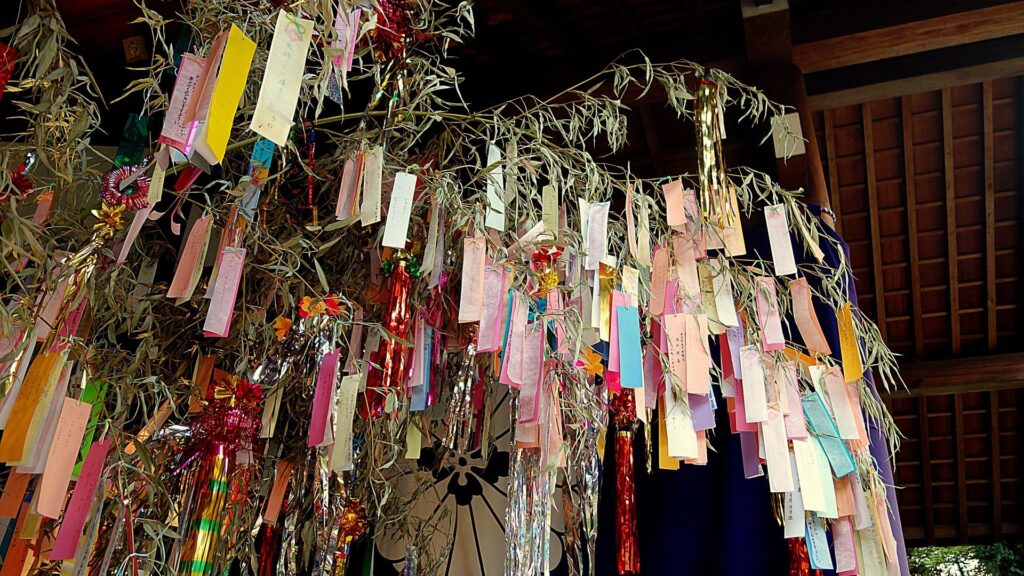
This Tanabata festival, held at the Tokyo Grand Shrine, is known for its worship of the gods of the Ise Shrine and the god of marriage, and is said to make wishes for love come true. From July 1st-7th, the bamboo branches in front of the worship hall are lit up until 21:00, allowing visitors to enjoy the beautiful bamboo branches and the fantastic atmosphere of the shrine at night
Location: Tokyo Daijingu Shrine, Chiyoda
Official Website: https://www.tokyodaijingu.or.jp/saiten/
46,000-Day and Hozuki Market (四万六千日・ほおずき市), July 9th and 10th

The 46,000th day of the year is the anniversary of the Buddhist bodhisattva Kannon (Goddess of Mercy), and it is believed that visiting the temple on this day is equivalent to visiting it for 46,000 days. The Hozuki Market is held in the precincts of the temple, featuring various stalls and a large crowd. During these two days, Senso-ji Temple issues a ‘thunder protection’ talisman.
Location: Senso-ji Temple, Asakusa
Official Website: https://e-asakusa.jp/en/culture-experience/11152
Yasukuni Shrine Mitama Festival (靖国神社みたままつり), July 13th to 16th

The Mitama Festival, initiated in 1947 to commemorate the souls of the war dead, is a popular summer event in Tokyo. Approximately 10,000 large lanterns and 20,000 smaller lanterns are hung, creating a spectacular golden light display. The festival includes bon dances, portable shrines, the Aomori Nebuta, and various other performances.
Location: Yasukuni Shrine, Chiyoda
Official Website: https://www.yasukuni.or.jp/english/festivals.html
Ueno Summer Festival (うえの夏まつり), July 10th to August 11th

The Ueno Summer Festival offers a variety of live performances, including professional wrestling, Enka Festival, JAZZ, and Maseki’s Laugh Fest. The festival also features an antique market, ice sculptures, and a lantern floating ceremony at Shinobazuno Pond, transforming Ueno into a vibrant festival scene.
Location: Ueno Park, Ueno
Official Website: https://www.ueno.or.jp/
Ebisu’s Bon Odori Summer Festival (恵比寿駅前盆踊り), July 31st to August 1st
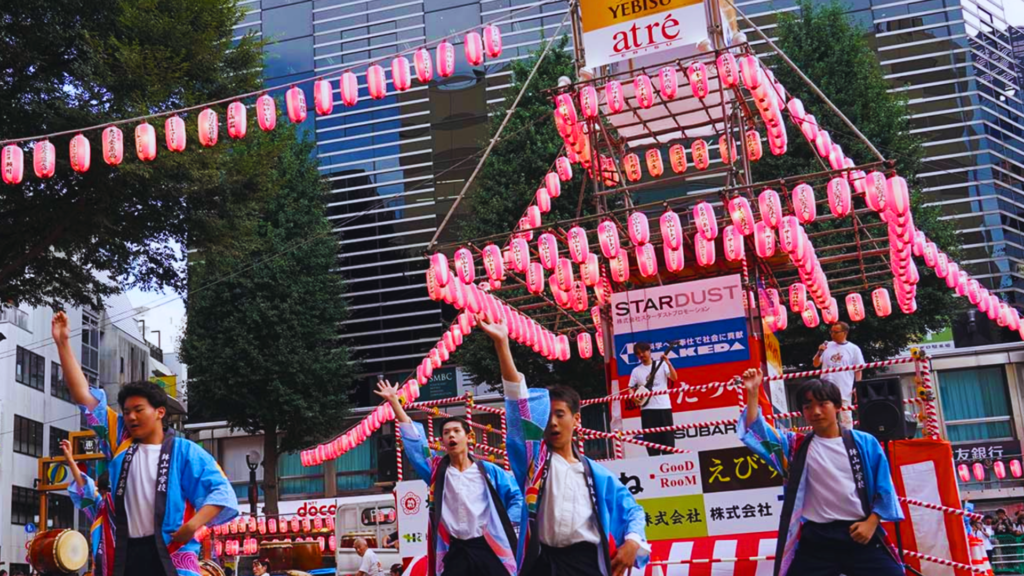
This major event attracts around 60,000 visitors over two days in front of Ebisu Station. It features various food stalls and different types of dance, including the Ebisu temperature. Many attendees wear yukata (summer kimono), enhancing the summer atmosphere.
Location: Ebisu Station, Shibuya
Official Website: https://ebisubondance.jp/
Chiyoda Lantern Floating Evening (千代田区納涼の夕べ), July 22nd and 23rd
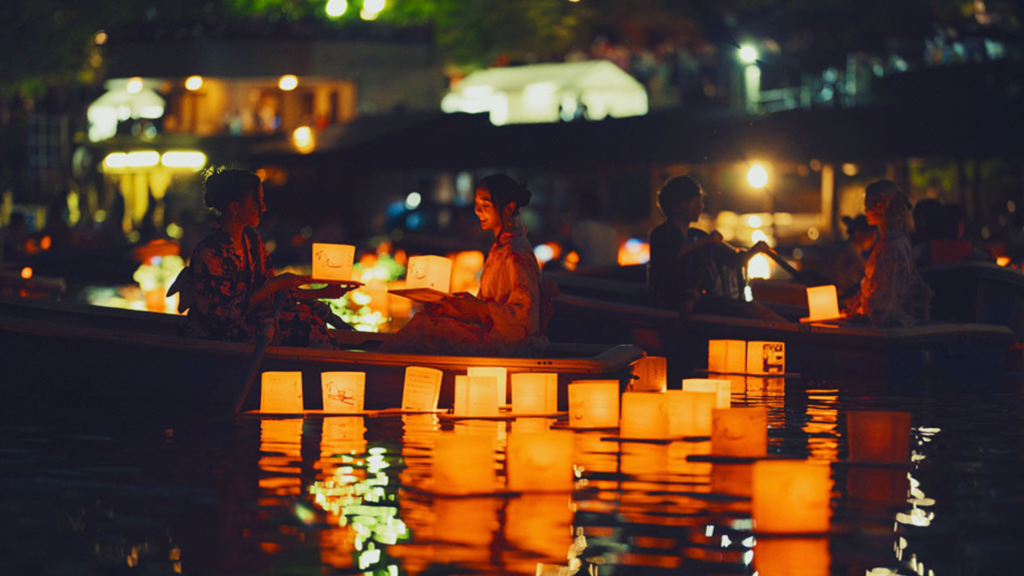
From the ward-operated Chidorigafuchi boatyard, participants float lanterns on about 80 boats. The 600 lanterns against the backdrop of the Imperial Palace forest and Kitanomaru Park create a magical atmosphere.
Location: Chidorigafuchi boatyard, Chiyoda
Official Website: https://visit-chiyoda.tokyo/floating.lantern/
Shinjuku Eisa Festival (新宿エイサーまつり), July 25th

The Eisa Festival, an Okinawan ceremony to send off ancestors’ spirits, will be held in Shinjuku. Featuring hand dancers, sanshin (three-stringed instrument) dancers, chants, clowns, and other performers, the festival has become a summer tradition in Tokyo.
Location: Shinjuku Station East Exit, Shinjuku
Official Website: https://www.shinjuku-eisa.com/
Kasei Awa Odori Festival (かせい阿波おどり), July 31st

First held in 1979, this festival aims to revitalise the town and includes performances by various dance troupes. The Kasei Chanren also make an appearance, performing to the ‘Kasei Chan’ theme.
Location: Toritsu Kasei Shopping Street, Nakano
Official Website: https://www.instagram.com/p/DYyIPGMs0NO/
Saitama
Honjo Gion Festival (本庄祇園祭り), July 11th and 12th
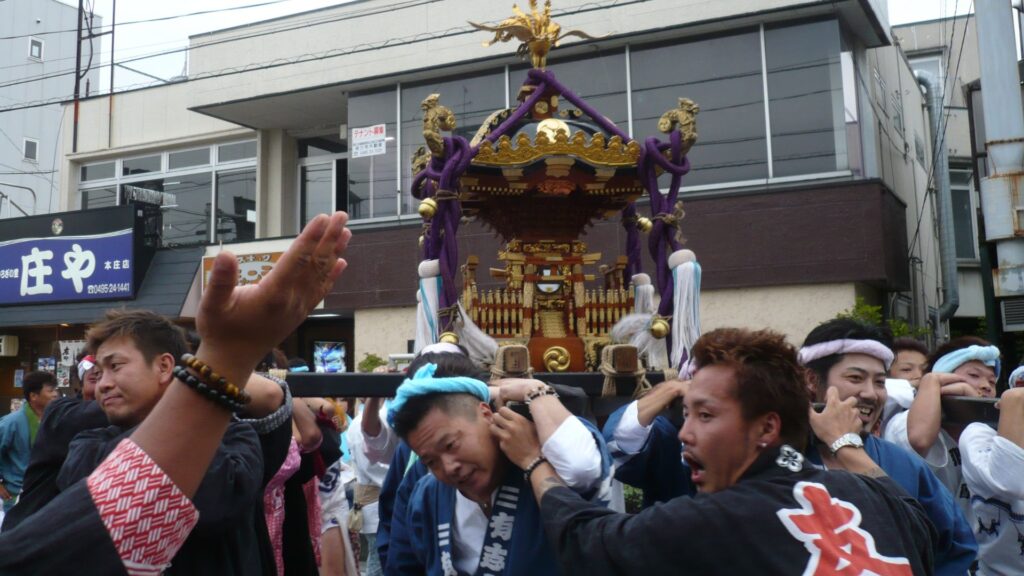
The Honjo Gion Festival began as a way to ward off plague and disease at Yasaka Shrine. It features mikoshi (portable shrines) and the Daicho Lion Dance, a designated Intangible Folk Cultural Asset of Saitama Prefecture.
Location: Across Honjo City
Official Website: https://www.honjo-kanko.jp/
Satte Summer Festival (幸手夏祭り), July 7, 12th, 18th, and 19th
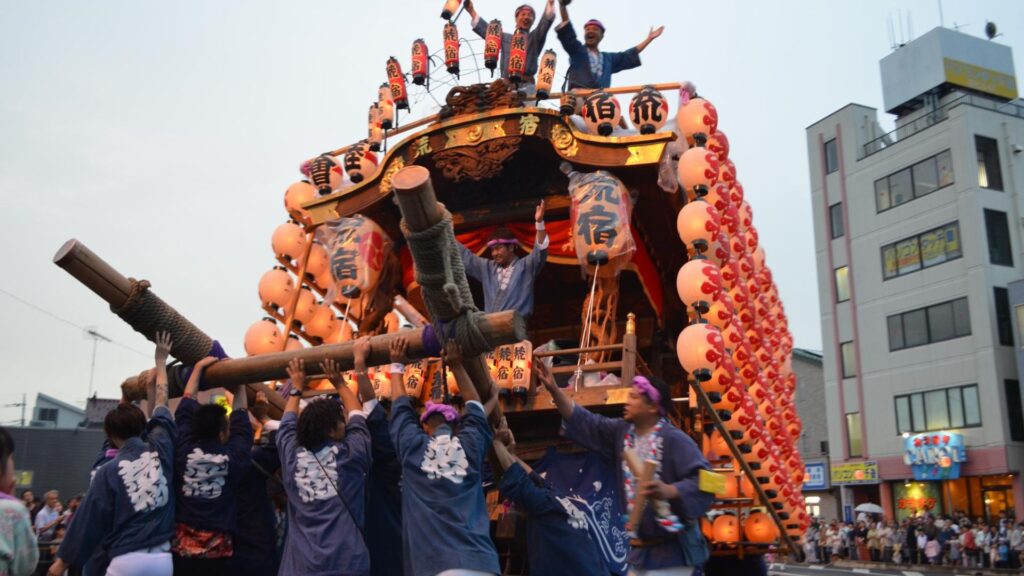
With over 300 years of history, this festival features a parade of children’s portable shrines and seven floats decorated with various carvings. The festival culminates with a contest to test the strength of the floats and a ‘handover ceremony’.
Location: Tenjin Shrine, Satte City
Official Website: https://www.satte-k.com/event/natu/
Chichibu Kawase Festival (秩父川瀬祭), July 19th and 20th
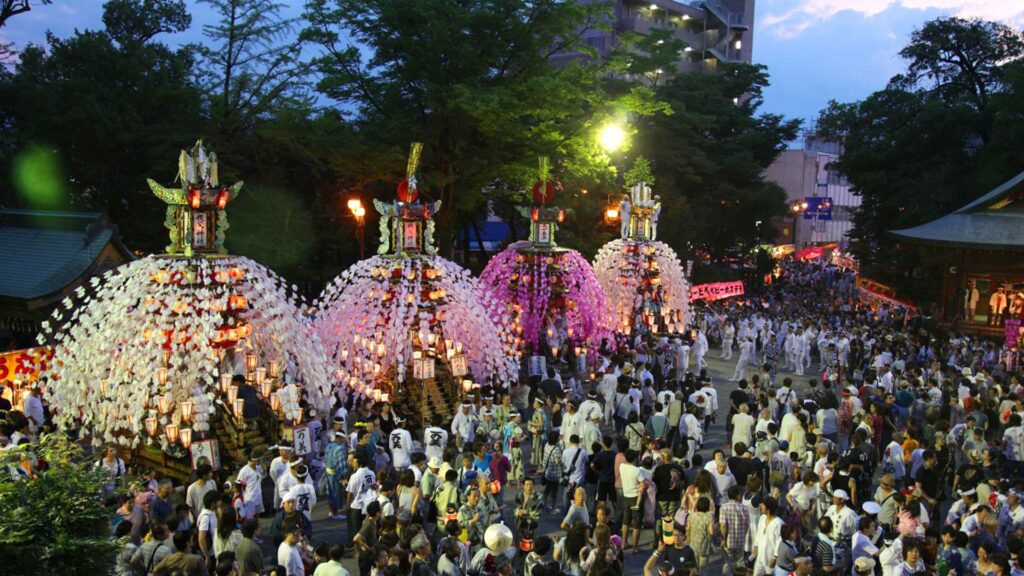
The summer festival of Chichibu Shrine includes a parade of kasaboko and yatai floats. The highlight is the Mikoshi-Awai no Shinji, where portable shrines are washed in the clear waters of the Arakawa River.
Location: Chichibu Shrine, Chichibu
Official Website: https://navi.city.chichibu.lg.jp/p_festival/1273/
Kumagaya Uchiwa Festival (熊谷うちわ祭), July 20th to 22nd

Known as the largest Gion festival in the Kanto region, it features gorgeous floats, stalls, and lively Kumagaya music. The ‘Tatakiai’, where drums and bells are struck with great fanfare, is a sight to behold.
Location: Outside of Kumagaya Station, Kumagaya
Official Website: https://uchiwamatsuri.com/
Ogawa Town Tanabata Festival (小川町七夕まつり), July 25th and 26th

The festival includes a bamboo decoration competition, stall pulling, and various cultural performances. The finale on the first day is a fireworks display.
Location: Ogawamachi station, Ogose
Official Website: https://www.town.ogawa.saitama.jp/kanko/5266.html
Kawagoe Million Lights Summer Festival (川越百万灯夏まつり), July 30th-31st
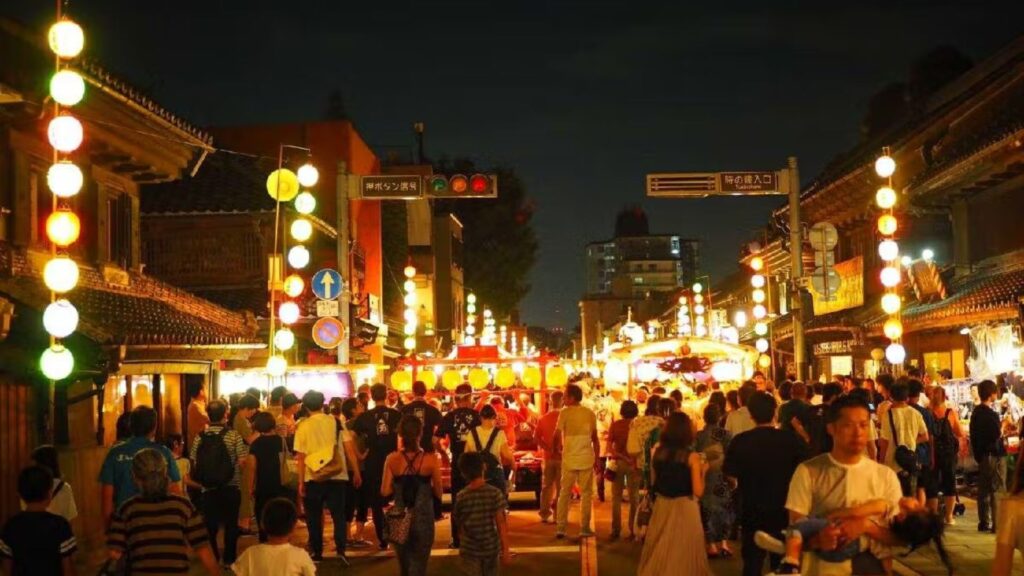
This citizen-participatory festival features lanterns decorating the streets, various dance performances, and mikoshi parades. It originated in the Edo period to honour the virtue of the local lord.
Location: Around Kawagoe City
Official Website: https://www.kawagoe.or.jp/natsumatsuri/
Kanagawa
Kawasaki Daishi Wind Bell Fair (川崎大師風鈴市), July 17th to 21st

Featuring around 30,000 wind chimes from all over Japan, this festival offers a variety of wind chimes made from different materials. Numerous stalls provide food and traditional festival games.
Location: Kawasaki Daishi, Kawasaki
Official Website: https://www.fuurinichi.com/
Enoshima Tenno Festival (江の島天王祭), July 12th
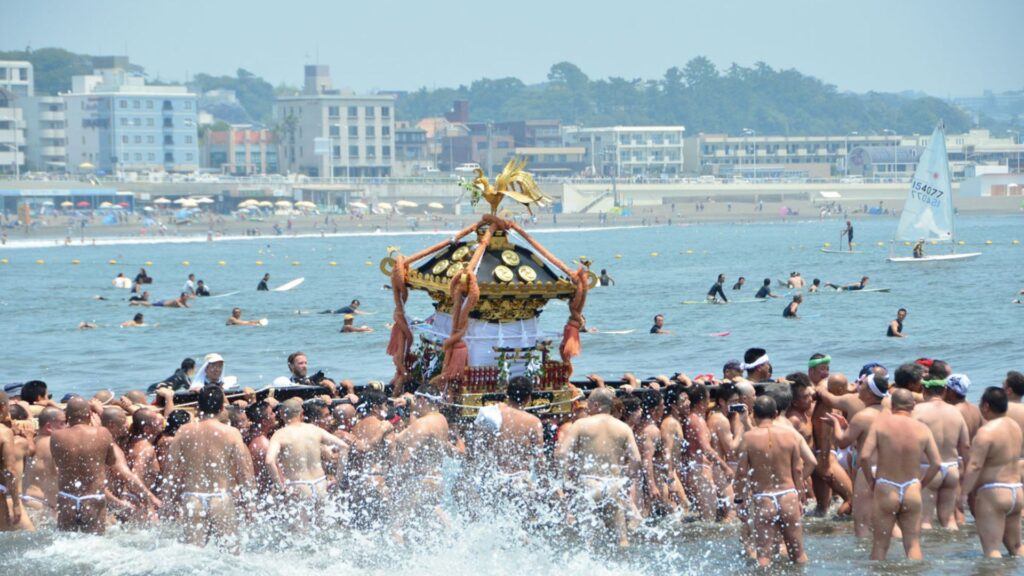
This festival involves portable shrines being carried through the town and into the sea for a ceremonial dip. It is considered one of the 50 best festivals in Kanagawa.
Location: Enoshima Shrine, Shonan
Official Website: https://www.yoritomo-japan.com/gyoji-maturi/tennosai-enosima.html
Shonan Hiratsuka Tanabata Festival (湘南ひらつか七夕まつり), July 3rd to 5th

Known as a major summer event in the Shonan area, this festival features unique Tanabata decorations, a lively night-time atmosphere, and numerous food stalls.
Location: JR Hiratsuka Station North Exit, Hiratsuka
Official Website: https://tanabata-hiratsuka.com/
Kanagawa Yamato Awa Odori Dance (神奈川大和阿波おどり), July 25th and 26th
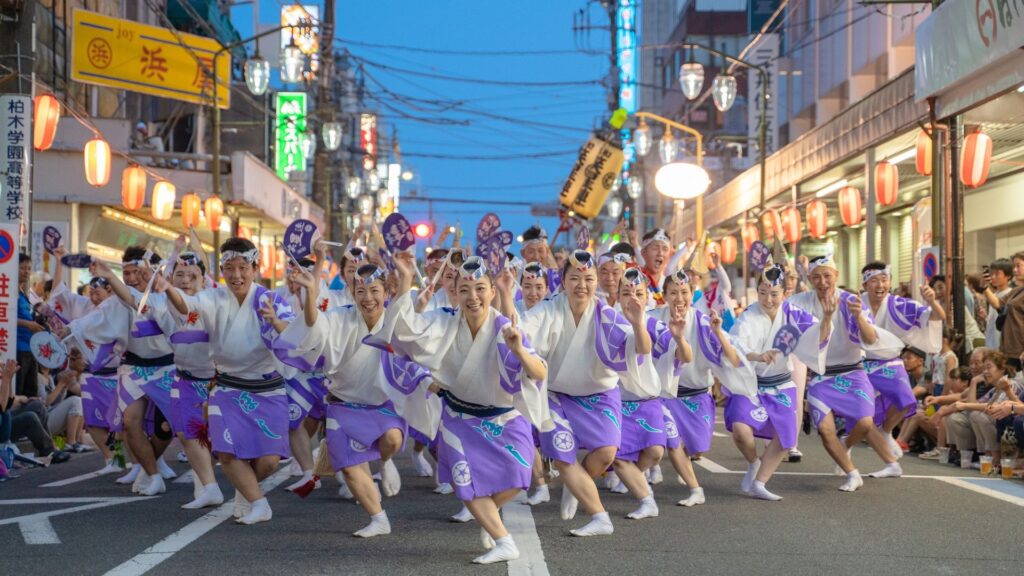
Starting as a local shopping street event, this festival includes performances by dance troupes from inside and outside the city. It is one of the three major Awa Odori dances in the Kanto region.
Location: Yamato Station, Yamato
Official Website: https://yamato-awaodori.com/
Chiba
Narita Gion Festival (成田祇園祭), July 10th to 12th
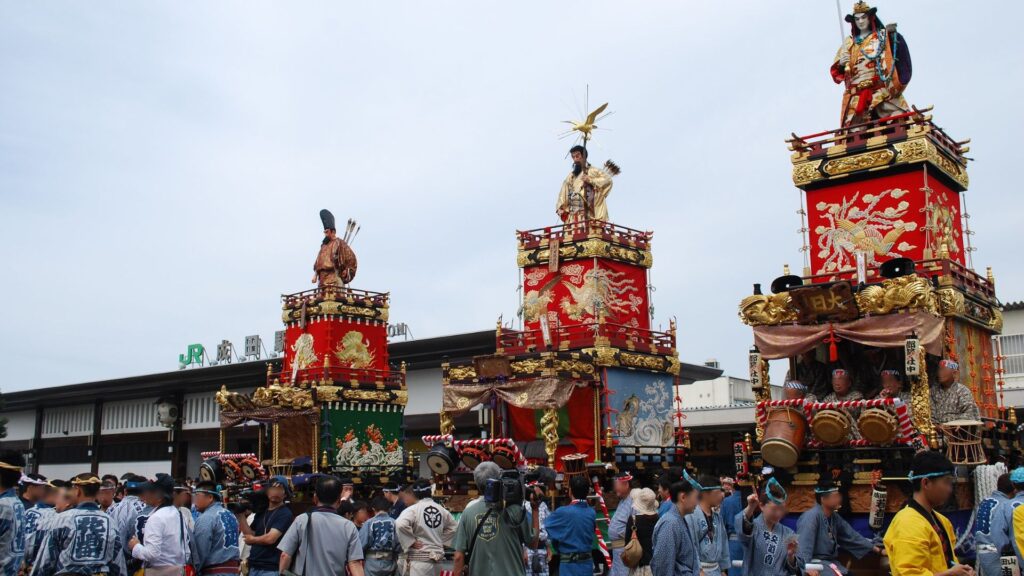
This summer festival honours Dainichi Nyorai, the main Buddha of Shinsho-ji Temple. The festival’s highlight is the parade of the mikoshi through the town, culminating in a display of bravery as floats run up Nakamachi hill.
Location: Naritasan Omotesando Street, Narita
Official Website: https://www.nrtk.jp/translate/index.php?lang=en&path=/enjoy/shikisaisai/gion-festival.html
Great Sawara Summer Festival (佐原の大祭夏祭り/本宿祇園祭), July 10th to 12th
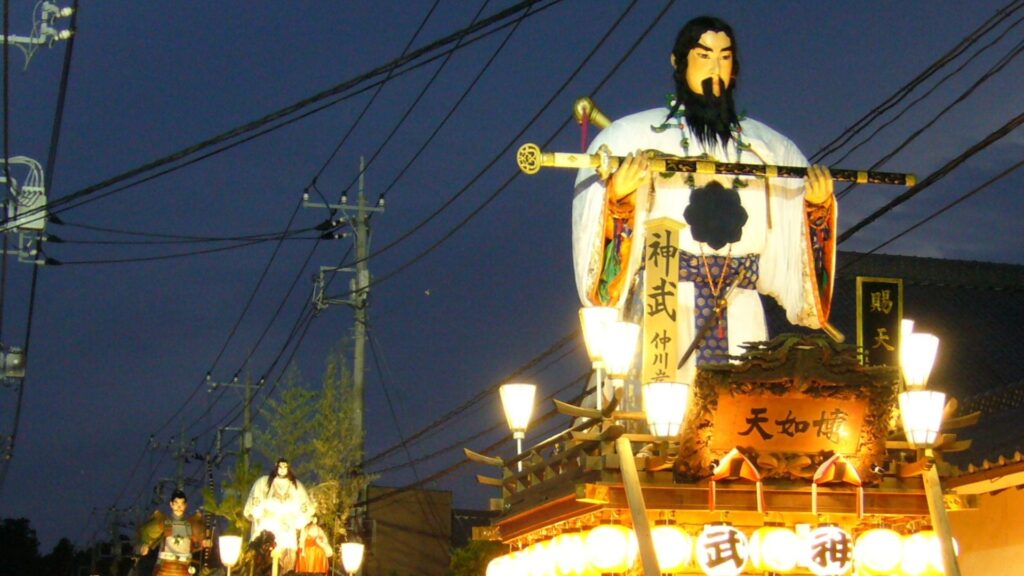
One of the three major festivals in the Kanto region, it features floats carrying large dolls of historical figures. The festival’s cultural significance has earned it a place on UNESCO’s World Intangible Cultural Heritage List.
Location: Yasaka Shrine, Sawara
Official Website: https://www.city.katori.lg.jp/sightseeing/matsuri/introduction/natsu.html
Hamaori-sai (浜降祭), July 20th and 21st
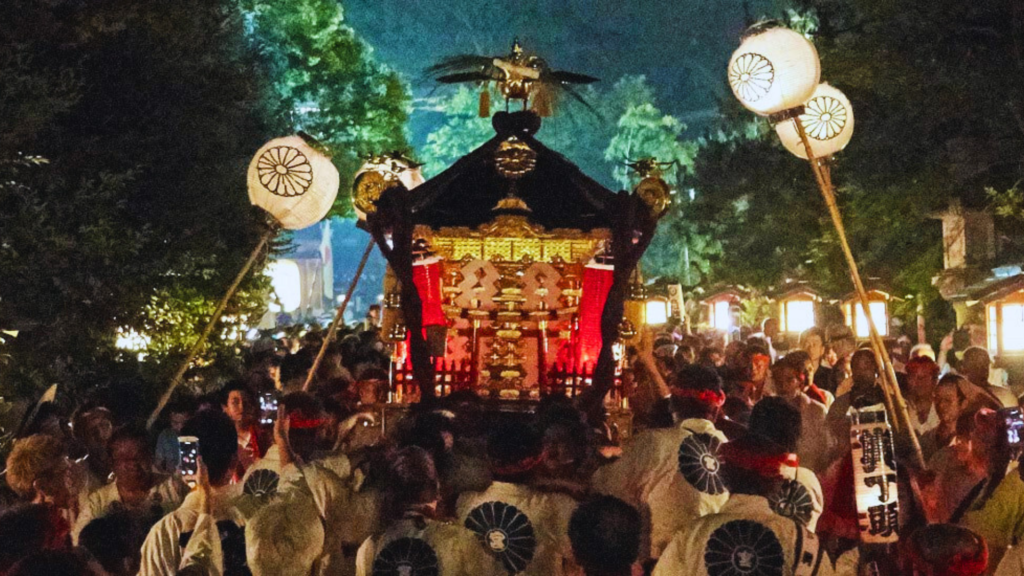
Held every July from midnight to morning, this festival involves more than 30 portable shrines entering the sea for the ‘Misogi’ ceremony, heralding the arrival of midsummer in Shonan Chigasaki.
Location: Samukawa-jinja Shrine, Samukawa
Official Website: https://samukawajinjya.jp/en/festival/hamaorisai.html
Ibaraki
Yamaage Matsuri (山あげ祭), July 24th to 26th
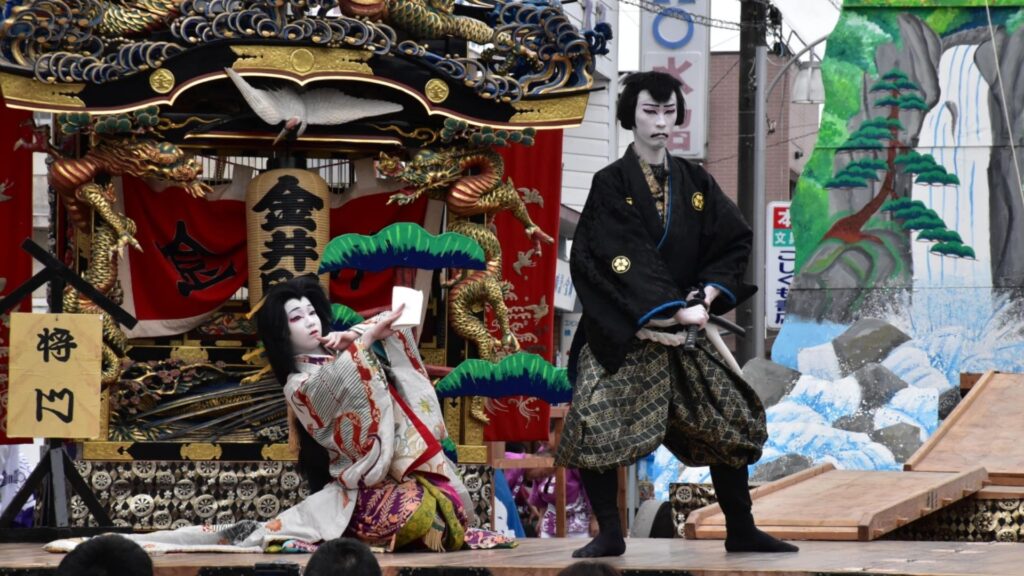
This festival features 150 young people assembling a 10-metre high ‘Harika-yama’, creating an open-air theatre in the middle of the road for multiple performances each day.
Location: Karasuyama City, Tochigi
Official Website: https://yamaage.3g-kizuna.jp/
Makabe Gion Festival (真壁祇園祭), July 23rd-26th
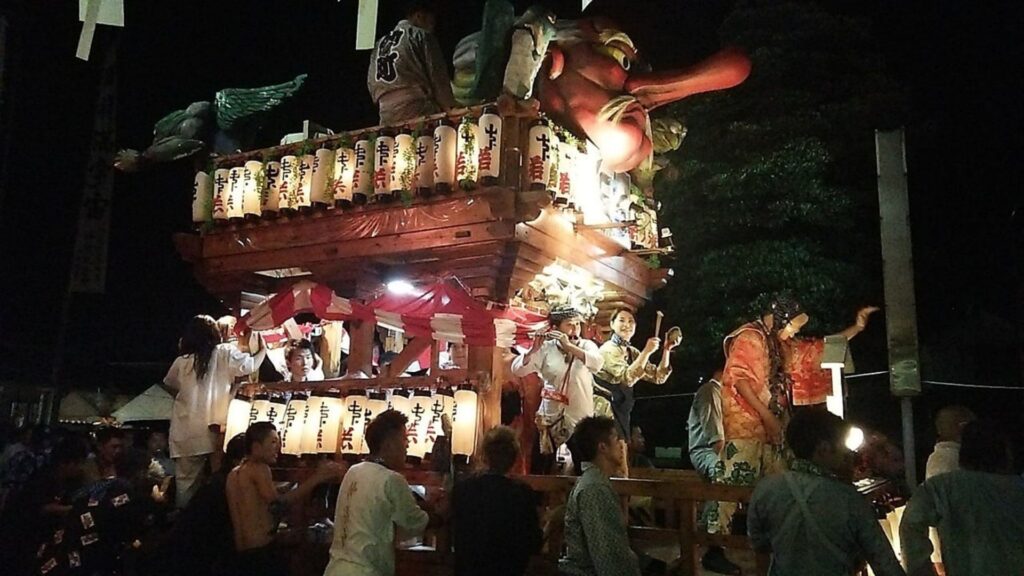
With a 400-year history, this annual festival of Gosho Komataki Shrine features a parade of four gorgeously decorated floats through the streets of Makabe.
Location: Makabe City, Ibaraki
Official Website: https://www.kankou-sakuragawa.jp/page/page000031.html
Enjoy the Vibrance of Japanese Summer Festivals
Attending Japanese summer festivals in the Kanto region offers a wonderful opportunity to immerse yourself in the rich culture and traditions of Japan. Each festival has its own unique charm, whether it’s the mesmerizing Tanabata festivals with their colourful decorations or the energetic Bon Odori dances that bring communities together. These events not only provide entertainment but also a deep sense of connection to Japan’s historical and cultural heritage.
Before making your plans, remember to verify the dates and details on the official websites, as festival schedules can change. This ensures you have the most accurate information and can make the most of your festival experience. We hope this guide helps you navigate the exciting array of summer festivals in Japan, making your visit both enjoyable and memorable. Enjoy the vibrant atmosphere, the delicious food, and the beautiful traditions that make Japanese summer festivals truly special.