
If you’re thinking about booking a knife-making experience during your Japan trip, we get it. It has all the ingredients of a memorable travel experience: craft, history, a hands-on activity, and a souvenir to take home. However, search “knife-making” on a booking platform and not only will you be surprised by the amount of results, but also by the mix of offerings.
Forging workshops, sharpening classes, handle-fitting experiences, artisan visits, and even knife-related tours; the variety can make your eyes spin. It can be frustrating deciding which one to go with, especially since what you actually do, and what you get to take home, can be very different. Enter this guide. It will help you:
- Understand what “knife-making” can mean for experiences
- Compare the most common types of listings
- Know what to check before you book
A Quick History of Japanese Knives
Japan has long-standing blade-making and metalwork traditions. You might recognise the names of cities like Sakai in Osaka, Seki in Gifu, and Echizen in Fukui, not to mention Toyama, which holds a legendary status in the metalworking world for advanced steel forging and traditional metal casting. Sakai, especially, is associated with professional chefs and high-quality, hand-forged knives.
Valued for their sharpness, balance, and degree of specialisation, the development of Japanese kitchen knives has been influenced over time by the need for precision in Japanese cuisine. The hardness of Japanese steel and often single-bevel design make for a smooth-as-butter cutting experience.
Knife-makers and blacksmiths in Japan continue to preserve and adapt these traditions today. By participating in a knife-making experience, you can not only support these craftsmen but also get a feel for the values of Japanese craftsmanship: precision, specialisation, repetition, material knowledge, and respect for tools. And yes, it can also make for a pretty cool souvenir.
Knife-Making Doesn’t Always Mean Forging
Depending on images you’ve seen online, the word “blacksmith,” or your idea of traditional Japanese crafts, you might have a particular image of what a knife-making experience in Japan looks like. And yet, when you search for one to book, so many listings claim the title but offer wildly different experiences.
The issue isn’t that one type is objectively better, but that knife-making has come to mean many different things. Without checking the details, you could end up in a workshop that feels very different from what you’ve imagined. At the end of the day, the right choice depends on what you expect to do, make, learn, and take home.
4 Amazing Ways to Enjoy Knife-Making in Japan
Some experiences involve heating and hammering metal. Others involve sharpening, attaching a handle, engraving, or visiting a workshop. That’s why so many different activities get grouped under the “knife-making” umbrella: you might be involved in creating, finishing, customising, or simply learning about the knife.
For detail-oriented planners, itinerary nerds, or people who like to see the options side by side, here’s a handy chart summarising the most common types of workshops you’ll find:
| Type of Experience | What Guests Usually Do | Keywords to Look For |
| True Forging or Blacksmithing | Starting with heating the metal, hammer, shape, grind/sharpen, and maybe even quench/finish your blade | “authentic knife-making,” “forge your own knife,” “blacksmith shop” |
| Sharpening & Handle Fitting | Choose a blade, sharpen it, attach or customize the handle, add an engraving | Often still called “knife-making” |
| Knife-Maker / Blacksmith Tour | Visit a workshop or factory, observe artisans working, maybe watch a demo or try sharpening/hammering briefly | “Sakai knife maker tour,” “blacksmith walking tour” |
| Private Artisan Access | Spend time in a private workshop with a master craftsman | “master bladesmith,” “exclusive,” “traditional craft” |
True Forging or Blacksmithing
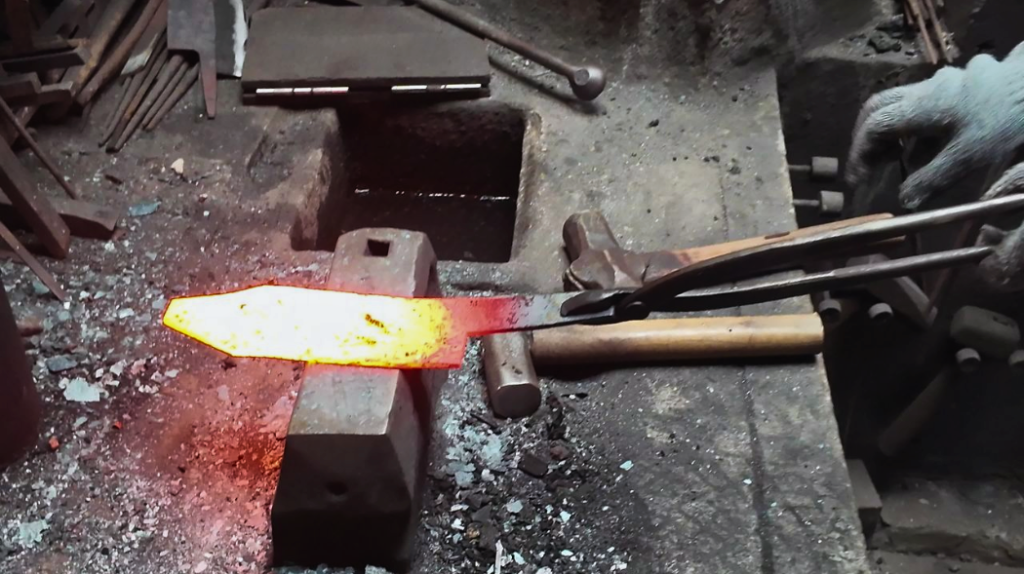
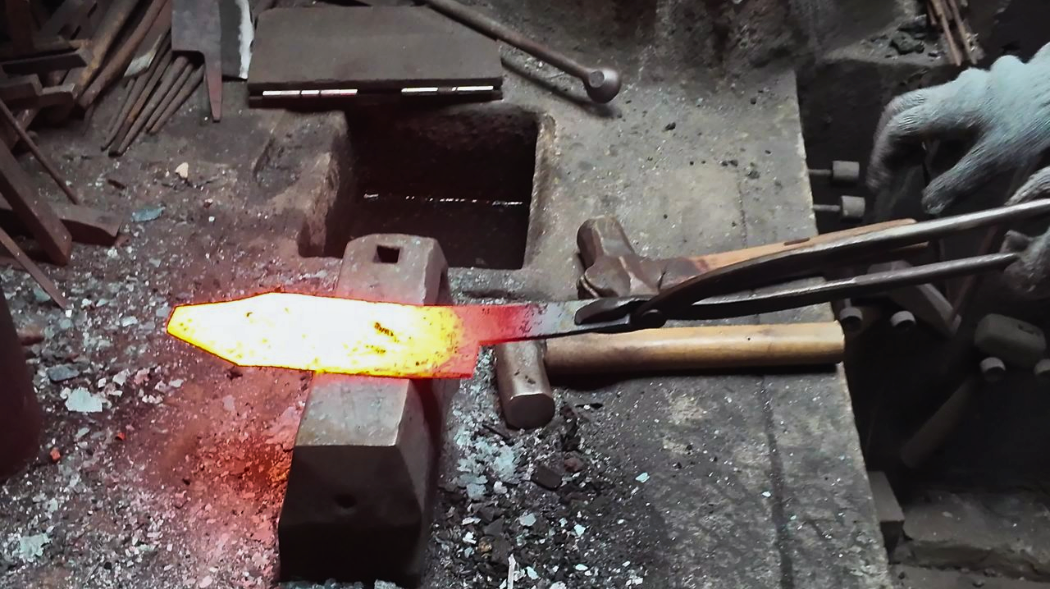
If you want the most hands-on version possible, look for a true forging or blacksmithing experience. These workshops involve pretty much every step of the knife-making process, so expect something physical, hot, and noisy.
They can be a great fit for craft-focused travellers, couples, solo travellers, or anyone who wants to turn their stress into a shiny new friend. However, even in a hands-on workshop, the final finishing touches may still be completed or corrected by an artisan, and the result may be slightly different from the professional chef’s knife you might be imagining.
Flip offers a private, exclusive experience where you’ll create a professional-grade knife by heating, hammering, and shaping the blade yourself.
Here are the details:
- Best For: Craft-focused travellers, couples, and solo travellers
- Duration: About 2 hours
- Cost: Starts at 260 USD per participant, but friends can watch the process at 40 USD per person
- Inclusions: The price does not include handle options, shipping, or an interpreter. An interpreter is available for an extra 150 USD for the group.
- Outcome: The artisan will professionally complete your knife (by polishing, adding the handle and engraving) and ship it directly to your home
Sound like the right offering for you? Make a booking inquiry here.
Sharpening & Handle Fitting
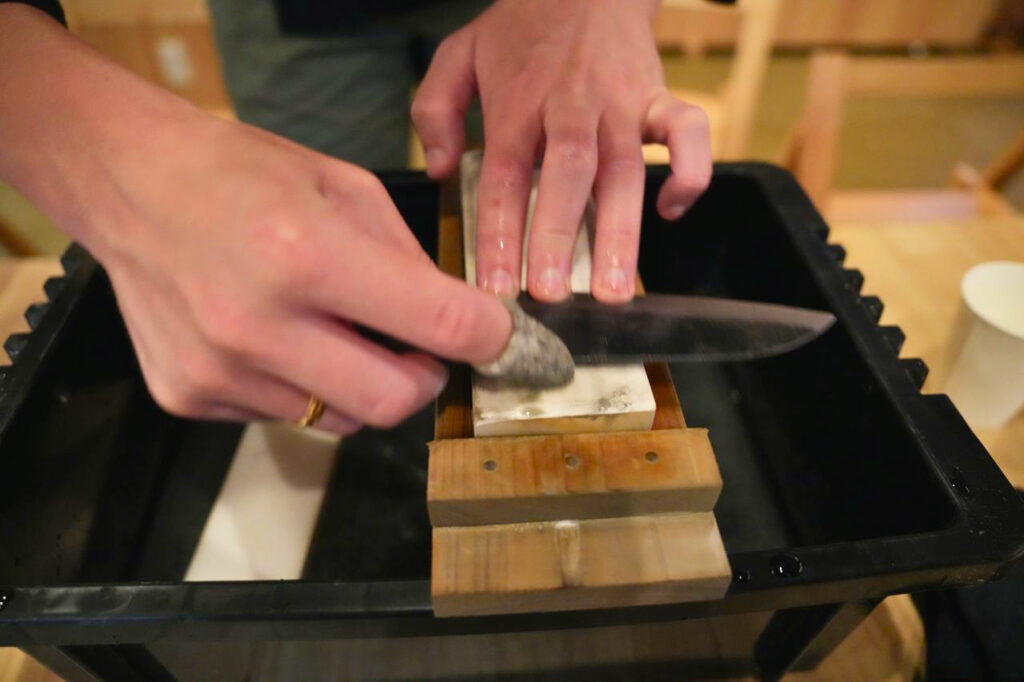
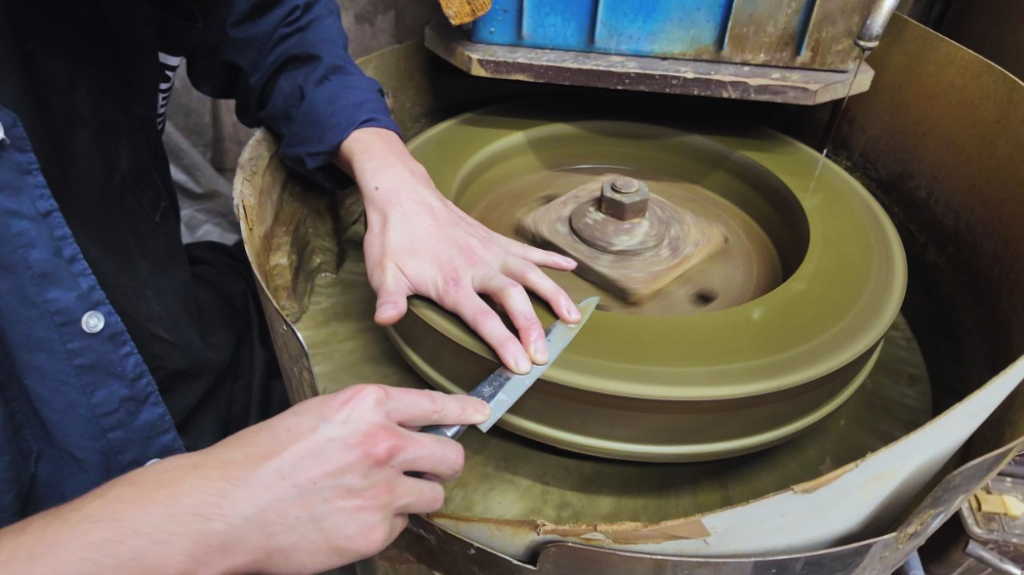
For something hands-on but with less of the fire and intensity that often comes with a forging-focused experience, you might consider a sharpening-focused experience instead. These are usually less physically demanding, which can make them a better fit for beginners, foodies, travellers with limited time, or anyone who wants a usable souvenir without the heat and hammering.
Just remember: as the focus of the experience is to prepare a blade for use, you will likely start by choosing a pre-made blade. If this is more your style, Flip also offers a beginner-friendly workshop where you’ll sharpen a pre-made blade and learn to attach the handle using traditional techniques.
Here are the details:
- Best For: Beginners, foodies, and travellers with limited time
- Duration: About 60-90 minutes
- Cost: Starts at 210 USD per participant, with friends who want to watch paying full price for admission
- Inclusions: The base price includes an interpreter. Other add-ons available for consultation.
- Outcome: You take your finished knife home the same day
Sound good? Make a booking inquiry here.
Knife-Maker / Blacksmith Tour
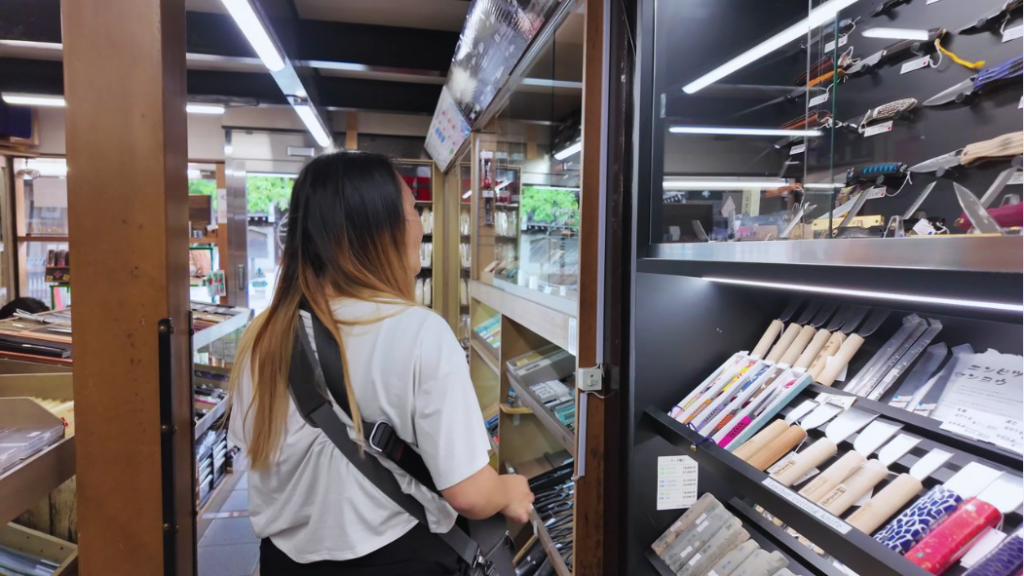
A tour-focused experience is worth considering if you would rather learn than make. A knife-maker or blacksmith tour is more about context: observing artisans, visiting a workshop or museum, stopping by a shop, or seeing a short sharpening demo. The goal is to provide you with a broader understanding of what these artisans do and the details of their craft.
Here are the details at a glance:
- Best For: Groups, especially MICE (Meetings, Incentives, Conferences, and Events), and those interested in the Sakai, Seki, or Echizen areas, Kyoto crafts, or culinary history in general
- Duration: 3 to 4 hours
- Cost: Often 70 to 150 USD per person
- Inclusions: A guide and entrance fees to any museums are often included
- Outcome: Learn by looking at authentic pieces and talking to those with experience in the industry
Private Artisan Access
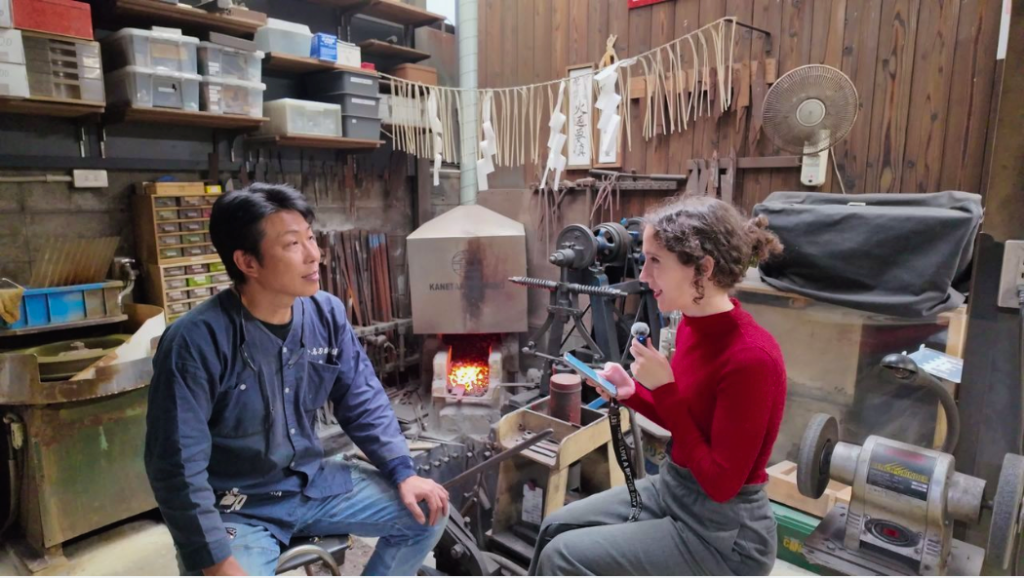
Private artisan access is less about a specific activity and more about the format. The value comes from privacy, interpretation, curation, and a deeper connection with the artisan or craft. This is best for luxury travellers, craft and design professionals, serious enthusiasts, or guests with a strong interest in the subject. And, as one might imagine, this format requires a bit of room in the budget.
You can book time with an artisan for almost any part of the knife-making process, but this kind of experience differs from the standard versions you can find listed on booking platforms in a few key ways. A big one is you might need a translator, one with applicable subject knowledge or special training and licenses.
For another, getting this kind of exclusive access almost always requires a personal relationship with the artisan. Here at Flip, we value supporting the local community and do our best to invest in partnerships with local craftsmen and artisans. It’s relationships like these that we’ve built over time that allow us to design truly unforgettable itineraries.
Here are the details at a glance:
- Best For: Luxury travellers, craft and design professionals, and serious enthusiasts
- Duration: 3 to 4 hours
- Cost: It depends on the artisan and group size
- Inclusions: A guide and entrance fees to any museums are often included
- Outcome: Learn by looking at authentic pieces and talking to those with experience in the industry
Knife-Adjacent Experiences
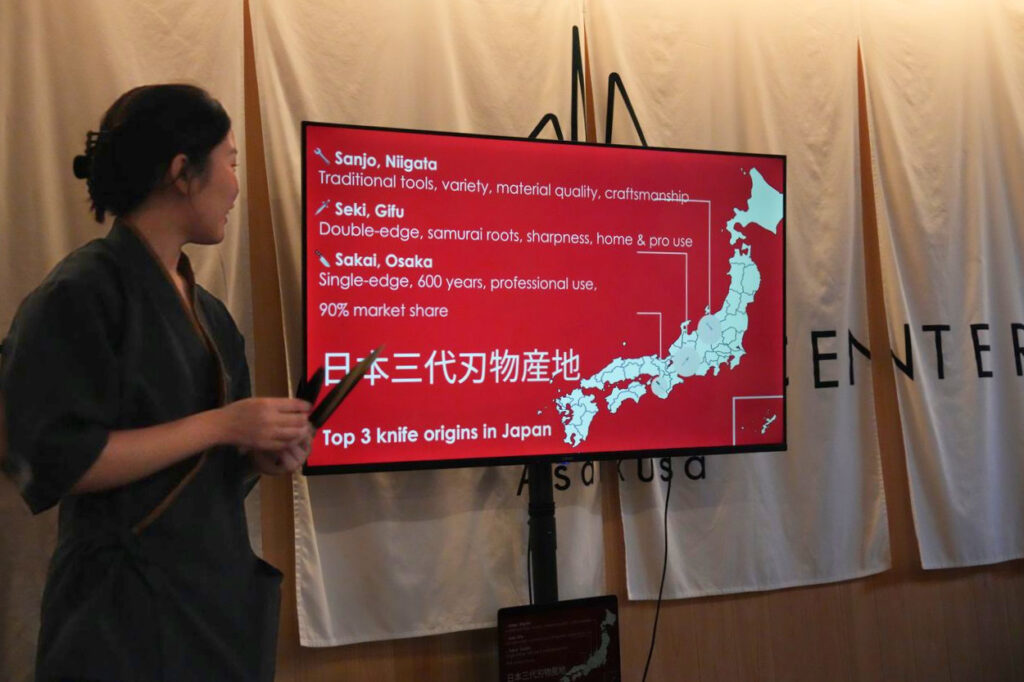
We know guided knife shopping or market tours, cooking classes and museum visits aren’t exactly knife-making experiences, but we still think they should be on your radar! They may be a better fit if your real interest is food culture, craftsmanship, cooking, or history and as such deserve a quick mention.
As you might imagine, ranges are difficult to provide for such a broad category, but you can find a variety of options ranging anywhere from 25 USD to over 500 USD per person, for anywhere between 1 hour and a full day. If you are not sure which direction makes sense for you, this is exactly the kind of detail we help travellers sort through.
Check These Details Before Booking
We know how much it sucks to waste your money on a workshop that ends up falling short of what you thought you were getting. That’s why I encourage you to look beyond the title and main images and confirm these points before booking:
- Duration & Pace: Shorter experiences often focus on sharpening, handle-fitting, engraving, or easier-to-complete steps while longer experiences include more of the making process, more physical work, or more time for explanation and questions.
- Language & Interpretation: Knife-making can get technical, so clear instruction matters. Check whether English guidance is included, whether an interpreter is available, and how much of the experience is hands-on vs demonstration-based.
- Cancellation & Late Policies: Small workshops and individual artisans may have stricter cancellation or lateness policies than a more produced experience for larger groups. Check refund, schedule change, and late-arrival rules before booking, especially if your itinerary is tight.
- Group Size & Participant Restrictions: Group size affects how much guidance and question time you get. Also, be sure to check for age limits, clothing rules, physical requirements, and safety restrictions to avoid surprises later on.
- Shipping & Customs: A handmade knife is still a knife, so think about how you will take it home. Confirm if you can carry it in your checked luggage, whether shipping is available (often paid separately & on site if so), and whether your destination country has any restrictions.
- Inclusions & Upgrades: Check whether the knife or blade, handle, tools, apron, gloves, packaging, guide or interpreter, taxes, and finishing support are included. Handle material, blade size, engraving, observer fees, and shipping can all cost extra. Add-ons are fine when they are clear, but frustrating they appear after you’ve already booked.
The Right Knife Experience Is the One That Fits Your Trip
A knife-making experience in Japan can definitely become one of the most memorable parts of your trip. Finding the right booking though? Often more confusing and time-consuming than you’d expect.
After reading this guide we hope you now have a better understanding of which one might fit your expectations, comfort level, and luggage plans the best. A true forging workshop, a gentler knife-sharpening experience, or including a museum visit in your plans could be just what you need but in the end, the best knife-making experience is the one that matches the memory you actually want to make.
Knife-Making in Japan: FAQs
Do I actually forge a knife in a knife-making experience in Japan?
Not always. Some experiences involve you from the hot and sweaty start, while others focus on the finer details after the dirty work has already been done. Flip offers both a full forging experience and a sharpening & finishing-focused experience; check it out here.
Can I bring the knife home from Japan?
Knives, even souvenir ones, cannot go in your carry-on luggage. Depending on the knife, route, airline, and destination country, you may need to pack it in checked baggage or arrange shipping. Before booking, check the workshop’s shipping options and your airline and destination-country rules.
How long does a typical knife-making experience take?
It varies. Some experiences may finish within the hour, while others can last 2 or more hours. Shorter sessions often focus on finishing, sharpening, handle-fitting, or engraving, while longer experiences may include more explanation, hands-on work, or time with the artisan.
Are Japanese knife-making experiences available in English?
Some are, but not all. Check whether English guidance is included, whether an interpreter is available, or how much of the experience is demonstration vs explanation. If you want to ask detailed questions about technique, materials, history, or knife care, language support can make all the difference.
Is a knife-making experience better than buying a knife in Japan?
Not necessarily. You should consider a knife-making experience if a hands-on memory of the craft or a personal connection to the souvenir is most important to you. However, buying a knife may be better if your main priority is performance, steel type, balance, brand, or long-term professional use.
Can Flip help arrange a private knife-making or artisan experience?
Yes, depending on availability, location, group size, timing, and the type of experience you are looking for, we may be able to help. We can assist in comparing options, confirming important details, and suggesting whether knife-making, guided knife shopping, a craft tour, or another hands-on experience is the best fit for your trip.