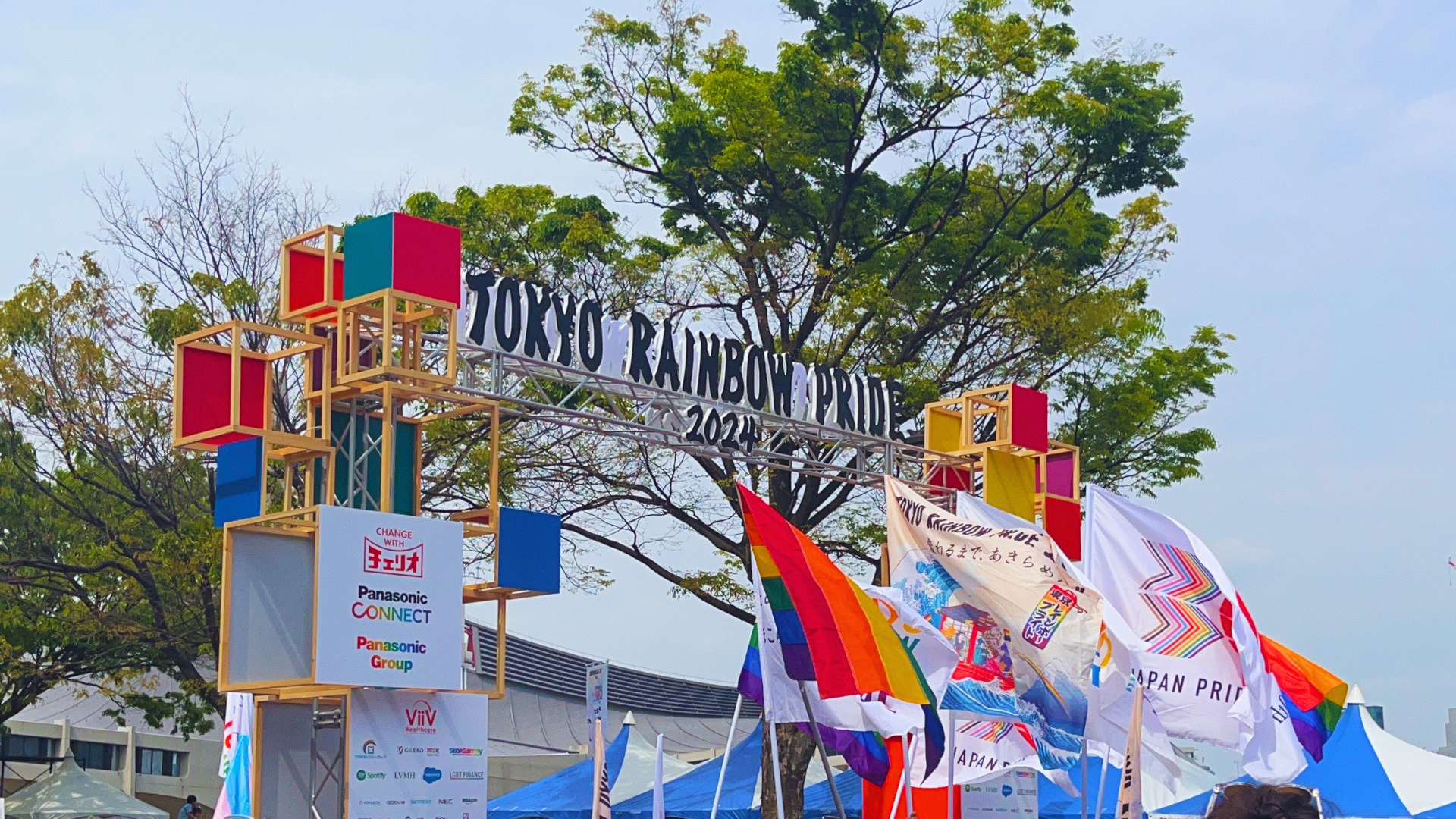

As a Japan-based travel agency, we know that the experience of travelling anywhere in the world as a member of the LGBTQIA+ community comes with more complications than it should. There are additional safety considerations, concerns around public perception, and hesitations around what should be simple day-to-day experiences.
Then, there’s also the positive side of queer travel: getting to find and celebrate your community and chosen family in every corner of the world.
Well, the good news when it comes to LGBTQIA+ Japan travel is that the country is not only safe for queer people, but also home to an incredible LGBTQIA+ community that is actively fighting to be seen, heard, and respected every day.
We’re proud to have planned trips to Japan for people of all backgrounds, and especially proud to be members of the International Gay and Lesbian Travel Association (IGLTA). In this guide, we’re sharing all of the queer travel tips, advice, and info you might be looking for ahead of your own trip, as well as some of our favourite lesser-known destinations to help you create your queer Japan itinerary!
Is Japan a Queer-Friendly Country?
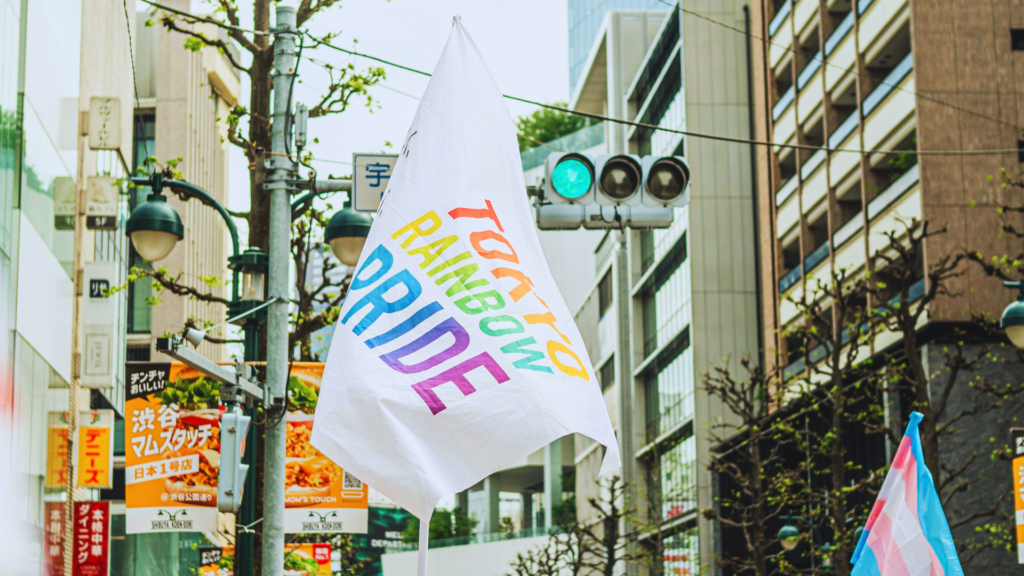
The short answer is yes. Japan is a super safe country for anyone who visits, including queer couples, trans and non-binary people, or anyone falling under a letter of the LGBTQIA+ rainbow. Same-sex relationships are legal, and hate crimes against queer people are considered to be much lower than in Western countries.
That being said, the situation isn’t completely straightforward. A lot of people are surprised to learn that same-sex marriage is not yet legal in Japan, and although changing your gender identity is possible, it has historically only been granted to a person who has undergone bottom surgery. However, things are changing in real time. There are landmark rulings and growing queer-rights campaigning happening right now that will hopefully improve the LGBTQIA+’s civil rights in Japan sooner rather than later.
Japan’s PDA Etiquette
First, we want to preface this by saying Japan is pretty anti-PDA for everyone. These etiquette guidelines go for any couple, regardless of if you’re gay, straight, bi, pan, etc. Regardless of someone’s sex and gender expression, Japan is a place where romantic and sexual relationships are considered “personal”, and therefore private.
Public displays of affection can be seen as rude, with the tendency to make those around you uncomfortable. To avoid any awkwardness, these are some general PDA etiquette “rules” you might want to keep in mind:
- Holding hands is seen as relatively normal, especially in larger cities and tourist areas.
- Brief displays of affection, e.g., linking arms or quick hugs, are usually fine.
- Kissing in public is less common in Japan, even among straight couples. Whilst you may occasionally see couples kissing in nightlife districts, it is generally best kept discreet.
- Public transportation is typically treated as a quiet, shared space. Talking is usually kept to a minimum, so cudlding/making out/being overly romantic is really not encouraged.
- Rural areas and smaller towns tend to be more conservative than the major cities, so you might want to give some extra thought to avoiding PDA.
LGBTQIA+ Travel Tips in Japan
One reason we think that Japan is an incredible destination for members of the LGBTQIA+ community is that travel here is just not that different than it is for someone who is straight and cisgender. So long as you keep PDA to a minimum and show respect to the people and places around you, day-to-day sightseeing/shopping/exploring/eating doesn’t really require additional thought or planning.
Of course, there are a few caveats to this, or at least questions we’ve been asked before by queer travellers. If you’re worried about some of the logistics of your upcoming trip, hopefully the sections below can help reassure and prepare you for your trip.
Hotels and Accommodation
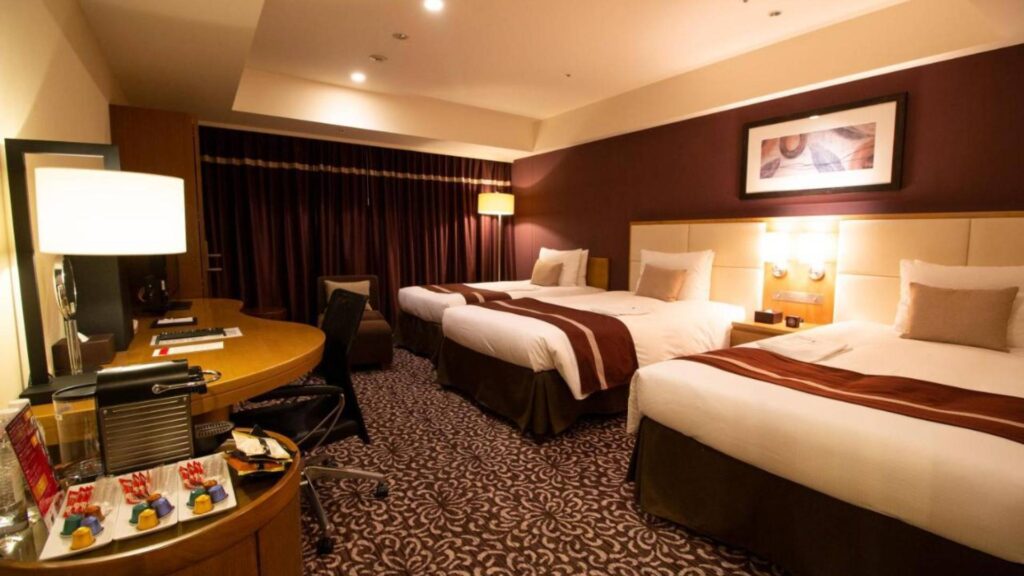
When it comes to hotels, most do not care about the gender of their guests, or who is sharing rooms. Especially those listed on international booking sites or located in major cities are used to having all sorts of travellers visiting from across the world, so booking as a queer couple shouldn’t be an issue.
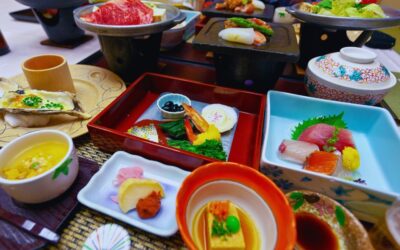
If you’re looking for a more cultural experience in Japan, you may be interested in staying in a ryokan (a traditional inn). These are typically smaller accommodations where you’ll find private onsen, sleep on futon, and be served a kaiseki-style dinner. Similar to hotels, for most ryokan, the guests’ gender isn’t seen as an issue. Instead of beds, two futon are set up side-by-side on the floor, and it isn’t unheard of for Japanese friends to share a ryokan room on a trip, so the owner/workers are unlikely to ask questions or make comments.
To enjoy a ryokan to the fullest, you’ll be invited to change into yukata (a sort of lightweight casual kimono) to wear throughout the building. The workers usually provide one male and one female set if they don’t know your gender, so for same-sex couples, it could be worth asking for the correct gendered yukata in advance.
To be transparent, there are some cases where the owner of a ryokan may specifically not want two men staying in the same room. This is why we recommend letting the establishment know your gender in advance if not requested during booking. We’ve found a lot of ryokan can be difficult to communicate with and book without a Japanese-speaker or local person, meaning the best way to arrange a stay is often by working directly with a Japan-based travel agency (like us here at Flip).
We should also mention that a lot of Love Hotels don’t allow same-sex couples to enter. These are establishments known for providing couples with a private space for romance that charge by the hour. That being said, those around the gay districts of Nichome and Doyamacho (more on these below) are usually a lot more accepting.
Onsen
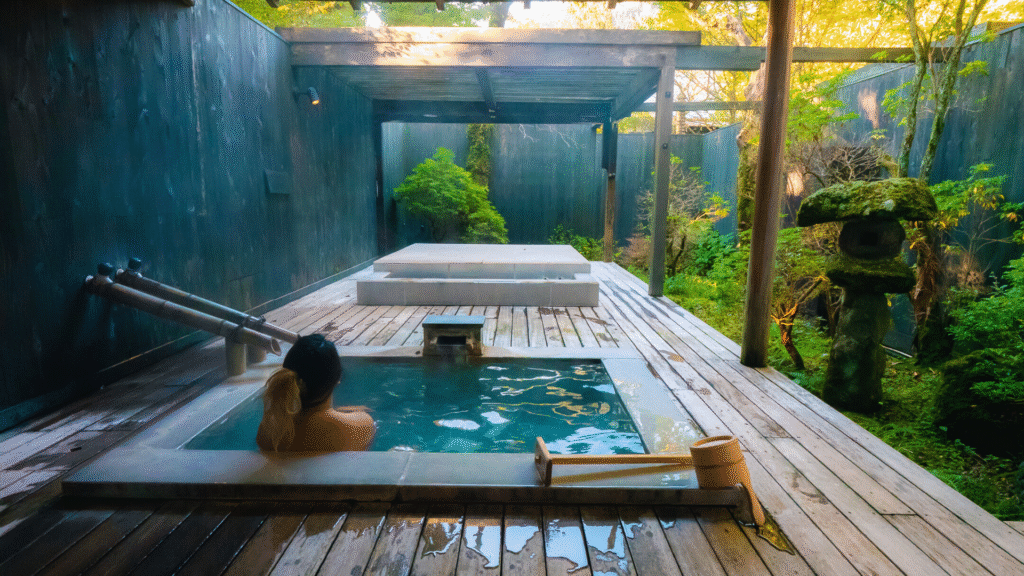
For those who don’t know, onsen are Japan’s hot spring baths, and a must-do for many visitors. Although you can rent a private onsen, public baths are split by gender. To enter the water, you first have to undress completely, then wash yourself thoroughly before getting in. Most do not allow tattoos, and there are very strict rules around not taking anything except a small towel into the bath area.
For trans and non-binary people, we know that visiting an onsen can come with a lot of hesitation. The unfortunate reality is that if your appearance does not “match” the gender of the bath, then you may be asked to leave. For instance, if you are not “fem”/”masc” presenting and have not had top surgery.
Undergarments like tucking panties or binders are not allowed to be worn in the bath area, although you are able to bring a small towel to cover yourself (so long as it doesn’t go in the water). In quieter onsen, or hotel/ryokan onsen, you might feel comfortable using the small towel to cover yourself when entering/exiting, or moving between baths. Renting a private onsen is always an option for the most comfortable experience, but this does usually cost a little more.
Although same-sex couples are more than welcome to visit a public bathhouse together, it should go without saying that PDA is not accepted. Any form of romance is frowned upon, so we often recommend going to a private onsen instead since there you can have complete privacy. This can be at a ryokan with a private in-room onsen, or *kashikiri buro/*貸切風呂 (reserved baths) in a day onsen or public bath facilities.
As an extra note, in Tokyo and Osaka, you can find a culture of gay onsen/sento (public bathhouses that use regular heated water). These particular spots are known for cruising and hookups, and can be a fun addition to some queer Japan itineraries.
Looking for LGBTQIA+ Communities
One of the biggest misconceptions about Japan is that queer communities don’t exist because they aren’t always highly visible. In reality, the country has a whole host of LGBTQIA+ communities, advocacy groups, bars, cafes, and queer spaces…you just have to know where to look.
The easiest place to connect with local queer communities is in the larger cities. Tokyo’s Nichome area is the country’s most famous gay district, with Osaka’s Doyamacho district being another popular queer hub. Osaka was also the host of IGLTA 2024 (the biggest LGBTQ+ travel association in the world)! Other cities like Kyoto, Fukuoka, Sapporo, and Nagoya also have smaller but still active queer scenes.
If nightlife isn’t your thing, then you should check out Instagram, Meetup, and Reddit before your trip. Many local organisations host language exchanges, community gatherings, and fun events like queer film screenings for locals and visitors to come together.
Japan’s LGBTQIA+ Hubs
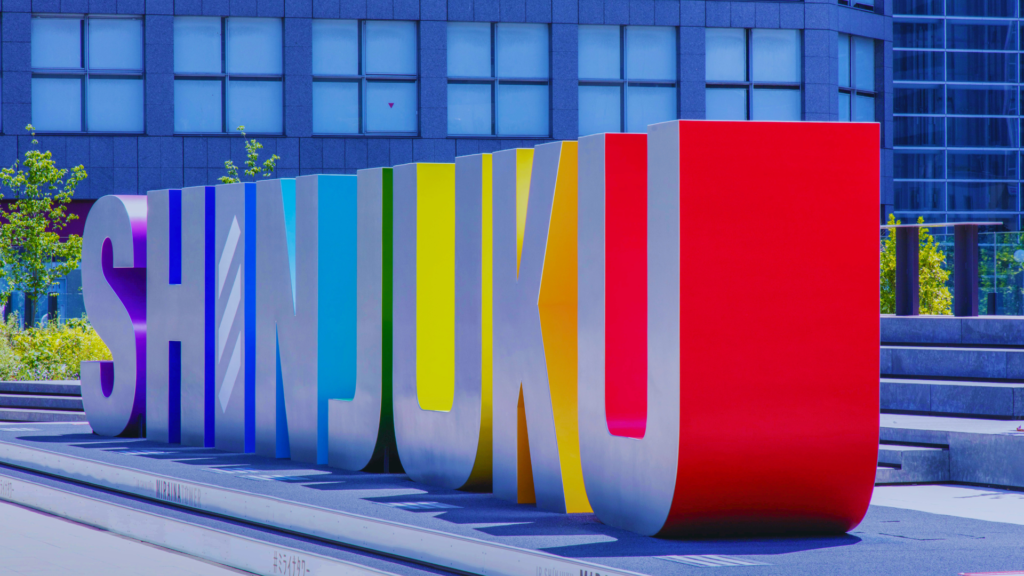
As we mentioned above, there are two areas that we couldn’t create this queer Japan travel guide without mentioning. Located in the city hubs of Tokyo and Osaka, these are places that are filled with LGBTQIA+ community, establishments, and events that anyone particularly interested in nightlife will probably want to check out.
Nichome, Tokyo
Often described as the largest queer district in Asia, Shinjuku’s Nichome is the undisputed LGBTQIA+ centre of Japan. The neighbourhood contains hundreds of bars, clubs, cafes, and community spaces built by and for the gay community, as a place for anyone to feel at home.
Nichome comes alive at night with drag shows, gay and lesbian bars, karaoke joints, and plenty of partiers spilling out into the streets to mingle and have fun. There’s also plenty of great food spots, many of which stay open until the sunrise.
Learn more about Tokyo’s nightlife:
Doyamacho, Osaka
Nichome might be Japan’s largest gay district, but we think Doyamacho wins for the friendliest. Located in Osaka’s Kita district near Umeda, this neighbourhood has long been a hub for the city’s LGBTQIA+ community with absolutely no shortage of queer spaces.
Compared to Tokyo, Osaka’s queer scene often feels a little less overwhelming and a little more local. The area is packed with bars, clubs, love hotels, and drag venues, many of which attract a regular crowd of locals alongside tourists. Osaka’s reputation for friendliness and easy conversation is on full display here, making it an excellent place for visitors looking to connect with people rather than simply experience the nightlife.
5 Lesser-Known Queer Destinations in Japan
If you’re looking for the largest gay communities, then Tokyo and Osaka are where you should be heading, but they’re absolutely not the only queer-friendly destinations in Japan. We’re always encouraging visitors to Japan to get off the normal tourist track, and so if you’re interested in some off-the-beaten-path queer destinations, check out our list below:
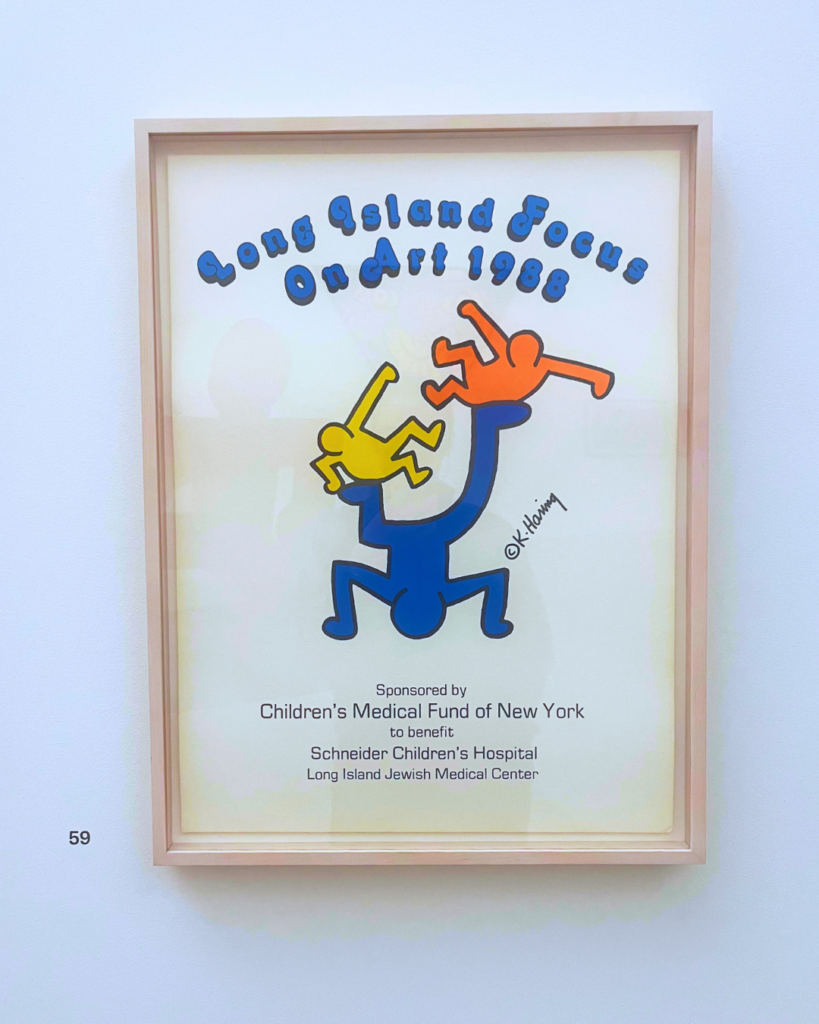
Nakamura Keith Haring Collection, Yamanashi
If you travel through beautiful Yamanashi to the border of Nagano, not only will you be rewarded with stunning views of mountain ranges, expansive forest, and Mount Fuji, but you’ll also find one of the world’s most expansive Keith Haring collections. Although it might seem like an odd place for the gallery, it is less surprising when you learn of Haring’s personal attachment to Japan, having visited and created chalk art on the streets of Tokyo.
The gallery is as cool and surprising as you could hope for, with the striking museum space designed by renowned architect Atsushi Kitagawara. Inside, you’ll find hundreds of works spanning Haring’s career, including paintings, drawings, sculptures, and exhibition posters. It’s one of the few places in Japan where you’ll find a growing conversation around the AIDS crisis, queer activism, and the social issues that shaped Haring’s work.
Opening Hours: Thursday to Tuesday, 9am to 5pm
General Admission: 1,500 yen
Address: 10249-7 Kobuchisawacho, Hokuto, Yamanashi 408-0044, Japan
The House of Gay Art, Saitama
The House of Gay Art is a private collection in a private museum in the quiet prefecture of Saitama, where you’ll find over 240 pieces by approximately 60 artists celebrating queer photography, sketches, paintings, and more. It’s one of the only galleries of its kind in Japan, having been collecting and displaying the work of Japanese artists since 2005.
Opening Hours: Mondays, Thursdays, Fridays, and Sundays from 1pm to 5pm
General Admission: 700 yen
Address: 606-2 Tsuji, Kawaguchi City, Saitama Prefecture, Hatogaya Sky Heights 907, 334-0004
Yoshiya Nobuko Memorial Museum, Kamakura
Yoshiya Nobuko is one of the most important figures in early Japanese queer history. Her writing brought emotional and romantic relationships between women into mainstream literature in early 20th-century Japan, something that is still rarely seen in Japan even today. In her “Class S” stories, she gave voice to intense female friendships and love that existed outside traditional expectations, subtly challenging the social norms of the time.
The Yoshiya Nobuko Memorial Museum in Kamakura preserves the home she shared with her lifelong partner, Monma Chiyo. It is less a traditional museum and more a preserved personal space, where visitors can move through the rooms and gardens that shaped her writing and daily life.
Opening Hours: Six times each day: 10:00am, 11:00am, 12:00pm, 1:00pm, 2:00pm, and 3:00pm (with 45 minutes allotted per visit)
Spring:
- Every Saturday from April to June
- Every Sunday in May and June
- 1st to 3rd of May and June
- Golden Week period
Autumn:
- Every Saturday in October and November
- Every Sunday in October and November
- 1st to 3rd in October and November
General Admission: Free
Address: 1 Chome-3-6 Hase, Kamakura, Kanagawa 248-0016, Japan
Shozenji Temple, Osaka
Shozenji is one of Japan’s first openly welcoming Buddhist temples to the queer community. Its motto is “live as your authentic self”, and the temple is run by Soshuku Shibatani, a trans Buddhist monk. She believes that the Buddha saw beyond gender, and her mission is for Shozenji to be a place that anyone under the LGBTQIA+ rainbow can feel a sense of safety and belonging.
Opening Hours: Check the Events Schedule
Address: 11-11 Oeda Nishimachi, Moriguchi City, Osaka 570-0054
Shunkoin Temple, Kyoto
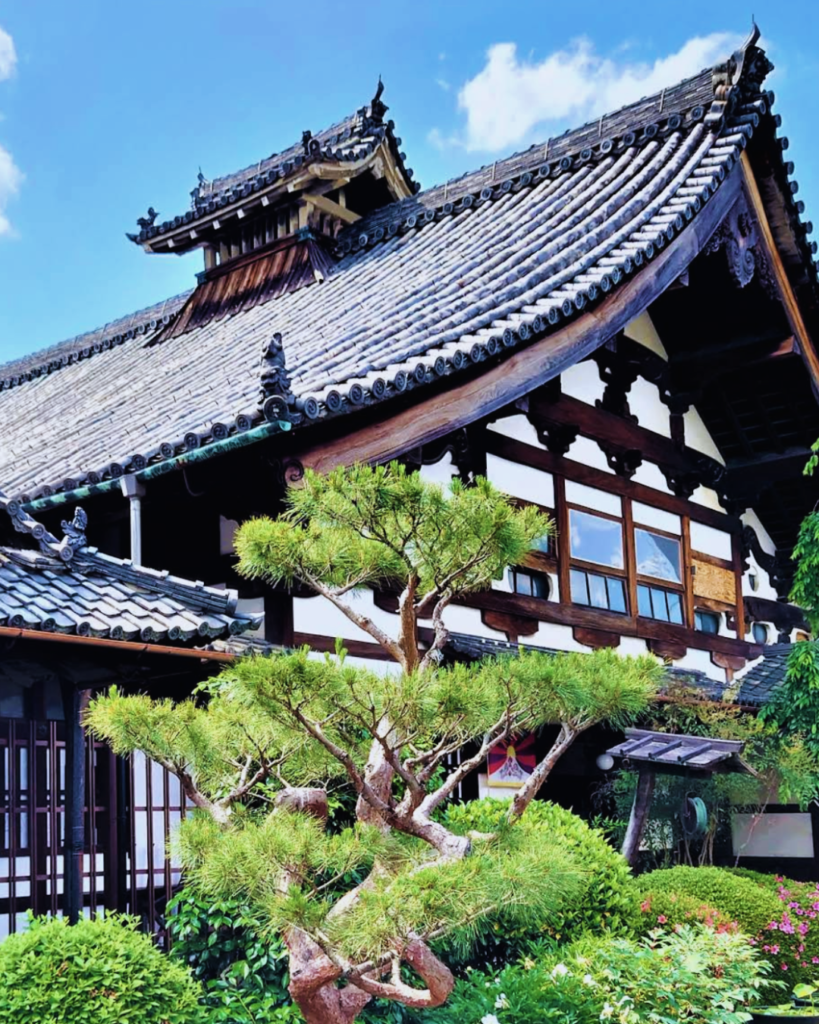
Shunkoin Temple is a beautiful and historic site found within the Myoshinji temple complex that was established in 1590. It has roots in both Zen Buddhism and Christianity, and is the only temple in Japan to offer same-sex marriage ceremonies. Whilst these aren’t recognised by law, the Zen priest, Rev. Takafumi Kawakami, strongly believes that all love is equal and deserving of union.
Beyond weddings, the temple also offers tea ceremonies, Zen meditation sessions, retreats, and private calligraphy classes, some of which are also carried out in English. You even have the option to stay in the temple, although it is currently only available for group retreats, not individuals.
Opening Hours: Daily from 9am to 4pm
Address: 42 Myoshinji-cho, Hanazono, Ukyo-ku, Kyoto, 616-8035
How to Plan Your Unforgettable Trip
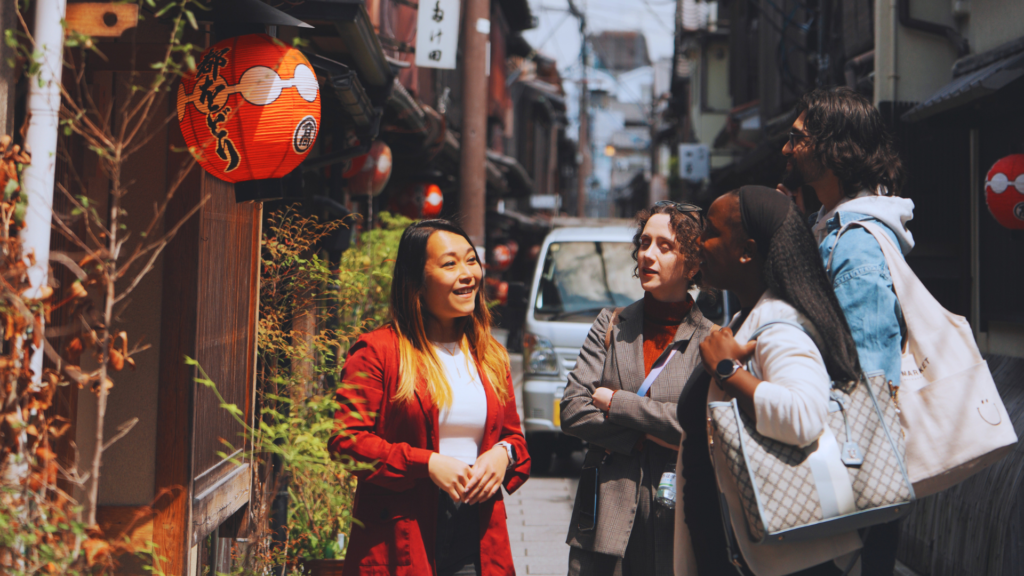
Here’s the thing…Japan is amazing. It’s hard not to have an amazing trip. But, we do think there are ways to take it from great to truly unforgettable, especially for members of the LGBTQIA+ community.
Immerse yourself in the culture, take some time to learn a little more about Japan’s herstory, and keep an eye out for chances to meet the local queer community. Finally, we always think the best way to level up any Japan trip is to try and step away from the normal tourist track, and see a more local side to the country. It might be a day trip or an entire off-the-beaten-path itinerary, but either way, we’re here to help plan it!
LGBTQIA+ Japan Travel FAQs
Is Japan safe for gay travellers?
Japan is considered incredibly safe for gay travellers. Hate crimes against queer people are lower than in most Western countries, with crime rates in general being some of the lowest in the world.
What is the most gay city in Japan?
Tokyo is generally considered Japan’s most LGBTQIA+ friendly city, largely thanks to Shinjuku Nichome, one of the largest queer districts in Asia. Osaka also has a vibrant queer scene centred around the Doyamacho neighbourhood.
Is gay marriage legal in Japan?
No, same-sex marriage is not currently legal nationwide in Japan. However, several court rulings have found the lack of marriage equality to be unconstitutional, and many local governments now offer partnership certificates to same-sex couples.
Is Japan LGBTQ-friendly for tourists?
Yes. Japan is widely thought of as one of the safest countries in the world, and LGBTQIA+ travellers generally experience very few issues while visiting. While attitudes towards sexuality can be more private than in some Western countries, overt discrimination against tourists is uncommon.
How are LGBTQ people treated in Japan?
Experiences vary, but LGBTQIA+ people in Japan generally face more social invisibility than open hostility. Legal protections and social acceptance are slowly improving, although many queer Japanese people still choose to keep aspects of their identity private, particularly outside major cities.