
Choosing Kyushu for your Japan trip might just be the best decision you could make. Compared to the busyness of Honshu, the region is incredibly quiet and relaxed, but with some of the most amazing destinations in all of Japan.
But working out the best way to traverse can seem tricky. The tourism infrastructure is less established in Kyushu, and so it takes a little more planning to know where to go, how to get there, and what to do when you arrive. Luckily, we’ve done the hard part for you!
In this guide, we’ve created the ultimate 7-day Kyushu itinerary to take you across four prefectures, from cities to mountains to onsen towns, all in one week.
Want Help Planning Your Kyushu Trip?
We’re a Japan-based travel agency specialising in crafting bespoke Japan trips that go beyond the tourist track. We love planning Kyushu trips for our clients, and can organise your itinerary from start to finish, with all the best hidden gems in between. Check out our expert travel planning services to get started.
Why Visit Kyushu?
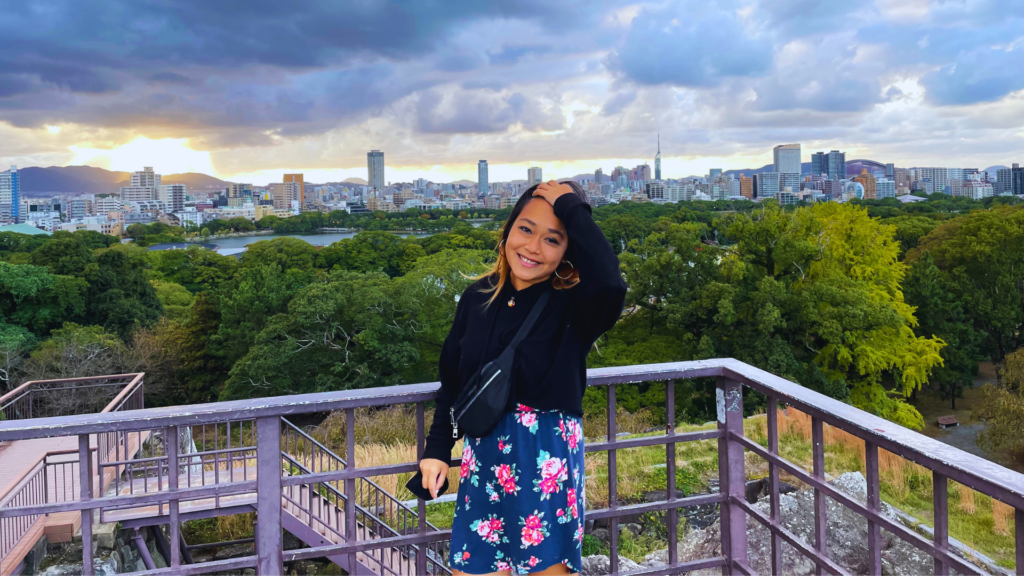
Simply put, we adore Kyushu. Japan’s southernmost larger island, the region is known for being much more relaxed than other areas of the country, with some of the most incredible scenic beauty. In one trip, you can see historic cities, active volcanoes, serene beaches, and some of Japan’s most sought-after onsen.
What makes it even better (in our opinion) is that Kyushu is somewhat overlooked by the majority of tourists. It feels a world away from the crowdedness of Tokyo or Kyoto, but doesn’t lack any of the culture, architecture, or experiences.
If you’re looking for nothing but neon lights and unsleeping cities, then Kyushu might not be your cup of tea. But, if you want amazing coastlines, stunning mountains, unique cultural stories, and to meet some of the warmest people in Japan, then we cannot recommend Kyushu enough.
Getting Around Kyushu Without a Car
Is it possible to travel across Kyushu without a car? Yes, absolutely! We’ve done it ourselves on several occasions. That being said, it isn’t necessarily the most straightforward thing. Having a car will make the experience significantly simpler and open up many options that are only really accessible by driving.
Without a car, you’ll need to be ready to take a mix of bullet trains, local trains, and highway buses to traverse the island. Pre-planning is definitely the key to success here, and potentially even pre-booking if you’re travelling over a Japanese holiday period.
Here are a few quick tips to create the best Kyushu itinerary without a car:
- Consider a rail pass. The JR Kyushu Rail Pass could save you money for this trip. It covers the Shinkansen and most limited express trains across the island, and usually works out cheaper than buying individual tickets, especially if you follow this itinerary and are moving between cities every day or two.
- Use highway buses for longer gaps. For routes where the train isn’t practical, the highway bus could be a good option. It doesn’t always appear on Google Maps, so check sites like Willer to see what might be possible.
- Book in advance for busy periods. If your trip falls around Golden Week, Obon, or New Year, seats on the Shinkansen and popular bus routes fill up fast. Get everything sorted before you arrive in Japan, rather than assuming you’ll figure it out on the ground.
- Accept that some spots will be off the table. A handful of Kyushu’s best onsen towns and rural areas are genuinely difficult to reach without your own wheels. Rather than fighting it, build your itinerary around what’s accessible, and you’ll have a much more relaxed trip.
- Download the Navitime for Japan Travel app. Google Maps works reasonably well for train routes in Kyushu, but Navitime is far more reliable for rural bus timetables and gives you realistic transfer times between connections.
Learn more about travelling across Japan:
Ultimate 7-Day Kyushu Itinerary
Okay, now it’s time to get into the real reason you’re here! This is our ultimate 7-day Kyushu itinerary to see the best that the island has to offer in one short week…all without needing a car.
Day 1: Fukuoka
Morning
Most travellers will start their Kyushu trip in Fukuoka. It’s the largest city in the region and home to the biggest airport with several international routes. It’s also a really special place of its own accord. Fukuoka is known as a bit of a hipster hotspot filled with cool coffee spots, great food, and a growing startup scene that has brought a young professional vibe to the city.
To start your first day in Kyushu, we recommend stopping by one of the many amazing bakeries that fill Fukuoka. The local specialty is mentaiko (pollock roe) baguettes, but we love melon pans and anpan (sweet buns filled with red bean paste).
Afternoon
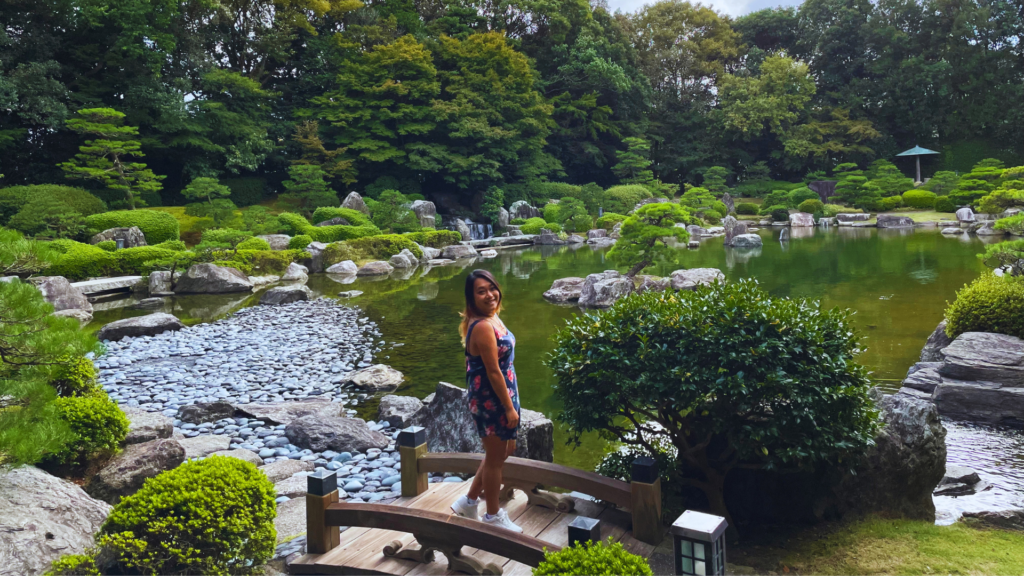
Pastries and coffee in hand, it’s time to make your way to Ohori Park, a beautiful park built around a central lake. Interestingly, the park was once part of the castle’s moat system, and there’s now a lovely 2km walking path around it. It might seem a little cheesy, but we genuinely loved renting a swan boat to peddle around the lake, with some really stunning views of the surrounding city and far-off mountains.
From there, we think you should head over to the Atago Shrine. It’s not the largest shrine in the city, but it is one of our favourites. To get there, you’ll have to walk up some stone steps and hillside, but we promise it’s worth it. On the way up, you’ll pass through Atago Otojiro Inari Shrine, a tucked-away sub-shrine lined with rows of vivid red torii gates. It’s a lot quieter and less crowded than the famous Kyoto’s Fushimi Inari, and all the better for it.
Once you reach the top of Atago Shrine, the views out over Fukuoka and the bay are well worth the climb. The shrine itself closes at 5pm, but you can stay and enjoy the sunset as late as you want.
Evening
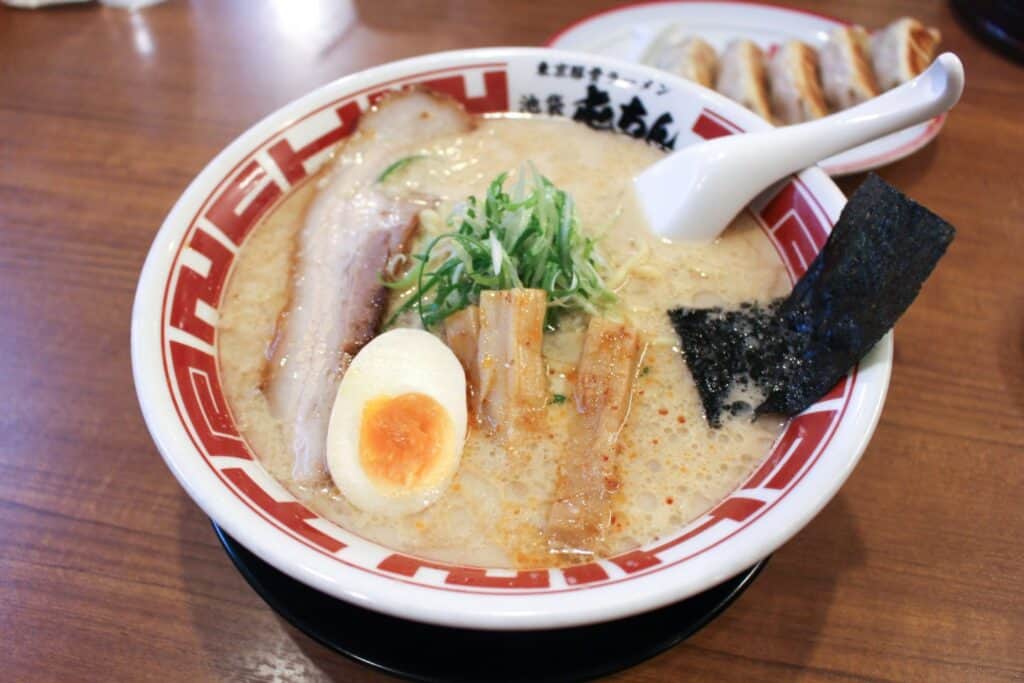
For dinner, there is really only one place to start in Fukuoka, and that’s a bowl of Hakata ramen. This is the birthplace of tonkotsu ramen, the rich, cloudy pork bone broth style that has since spread across Japan and the rest of the world. The Fukuoka version is distinct for its thin, straight noodles and its deeply savoury, almost milky broth that comes from hours of hard-boiling pork bones.
Day 2: Fukuoka
Morning
Your second day in Fukuoka is focused on sightseeing. About 10 minutes on foot from Hakata Station is Tochoji Temple, a Buddhist temple that dates back to the 9th century and is home to one of Japan’s largest wooden Buddha statues.
From there, it’s a five-minute walk to Kushida Shrine. This is the oldest shrine in Fukuoka and the spiritual heart of the Hakata district. The surrounding streets are some of the best in the city for getting a feel for old Hakata, with narrow lanes and more traditional merchant-style buildings.
Afternoon
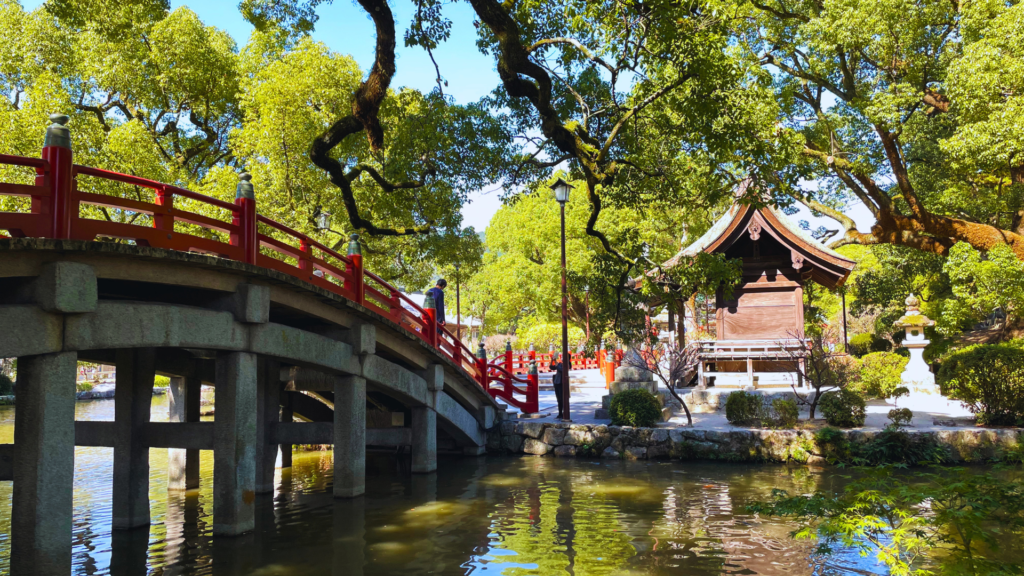
Head back to Hakata Station and take the train out to Dazaifu, around 50 minutes from the city centre. The main draw here is Dazaifu Tenmangu, a significant Shinto shrine dedicated to the deity of learning and academia. It’s a popular spot for students to visit in order to rub the heads of the bronze ox statues for good luck with their exams.
The shrine is pretty all year round, but we have to say it is particularly amazing during the plum blossom season in late February and early March. The pink/purple flowers transform the area into a truly spectacular one.
Evening
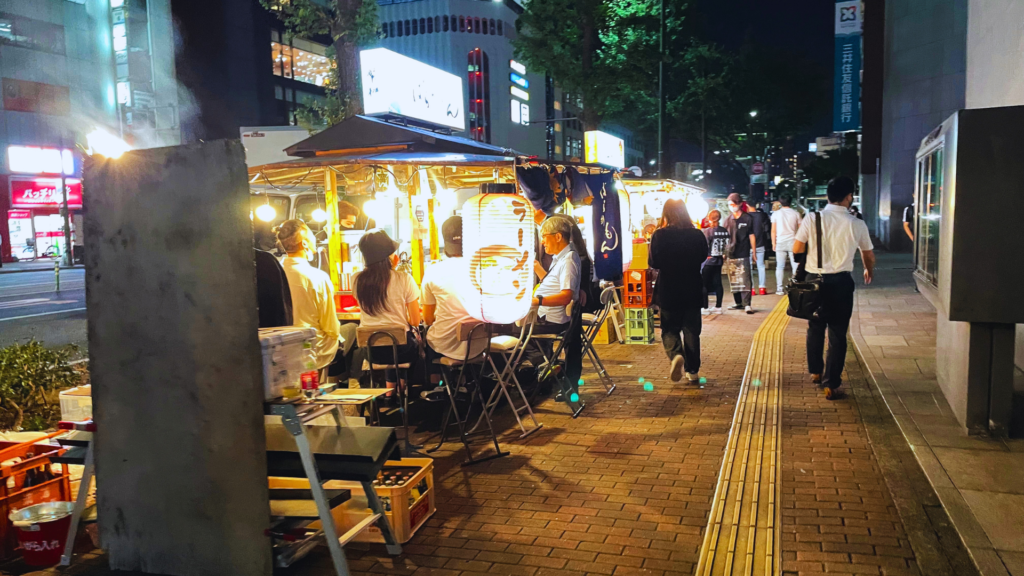
Back in Fukuoka for the evening, it’s time to experience yatai. These are open-air food stalls that are set up each night along the riverbanks and under the expressway, especially along the Naka River in Nakasu and around Tenjin. Each stall seats around eight to ten people at a small counter, and the menu typically covers yakitori, oden, and gyoza, all washed down with beer or shochu.
Day 3: Nagasaki
Morning
Day 3 means leaving Fukuoka behind and heading south to Nagasaki. From Hakata Station, you can get there by taking the Kamome limited express to Takeo Onsen, then the Nishi Kyushu Shinkansen. The journey is pretty straightforward and takes around two hours.
Nagasaki is one of the most historically interesting and culturally unique cities in all of Japan. It was one of the first trading hubs with outside countries, the only place allowed to continue limited trade through the Edo Period, and, of course, was also the target for the second atomic bombing of Japan in 1945.
Afternoon
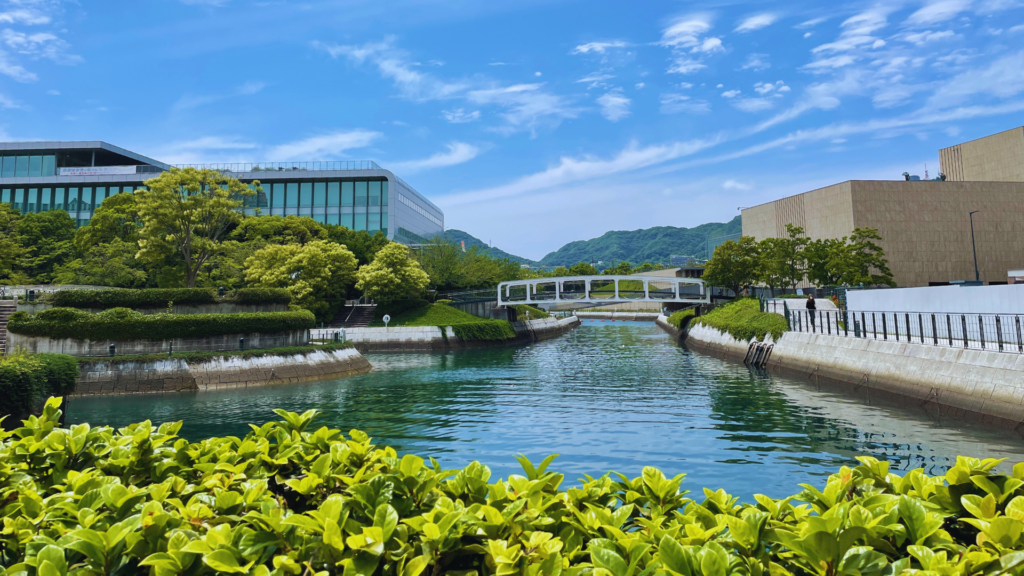
Once you’ve dropped your bags, head straight to Nagasaki Chinatown, one of the three remaining historic Chinatowns in Japan. It’s smaller than you might expect, but the lantern-strung gates and the smell of food coming from every direction make it a fun place to spend an hour. It’s also a great spot to stop and try the famous dish, Nagasaki chanpon, for lunch.
After lunch, make your way to Dejima, a short walk from Chinatown. This fan-shaped artificial island was built in the 17th century, and for over 200 years, it was the only place where international trade was permitted, with Dutch merchants confined to this small plot of land. Today, it’s been carefully reconstructed as an open-air museum that’s brimming over with history and absolutely worth a visit.
Evening
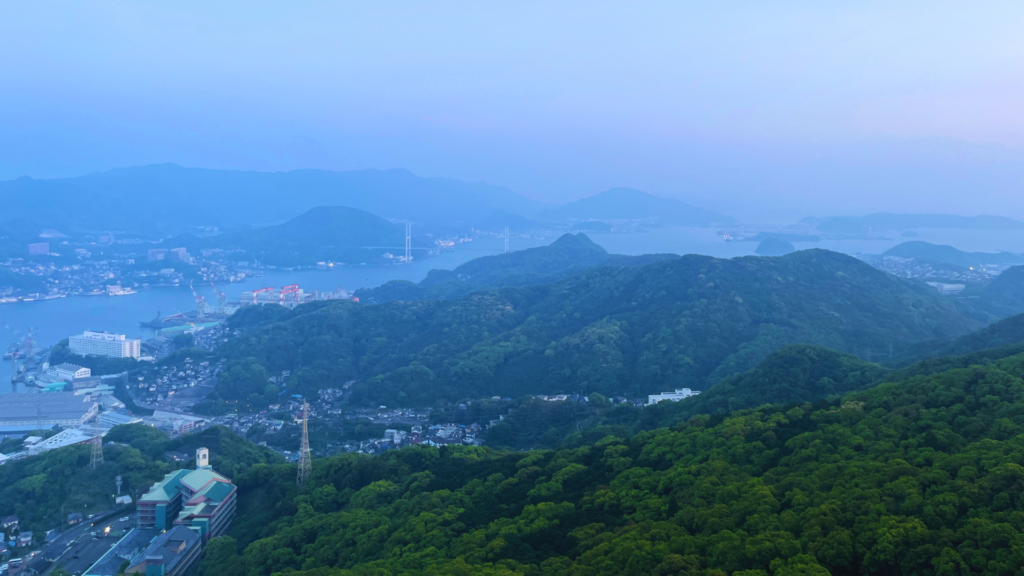
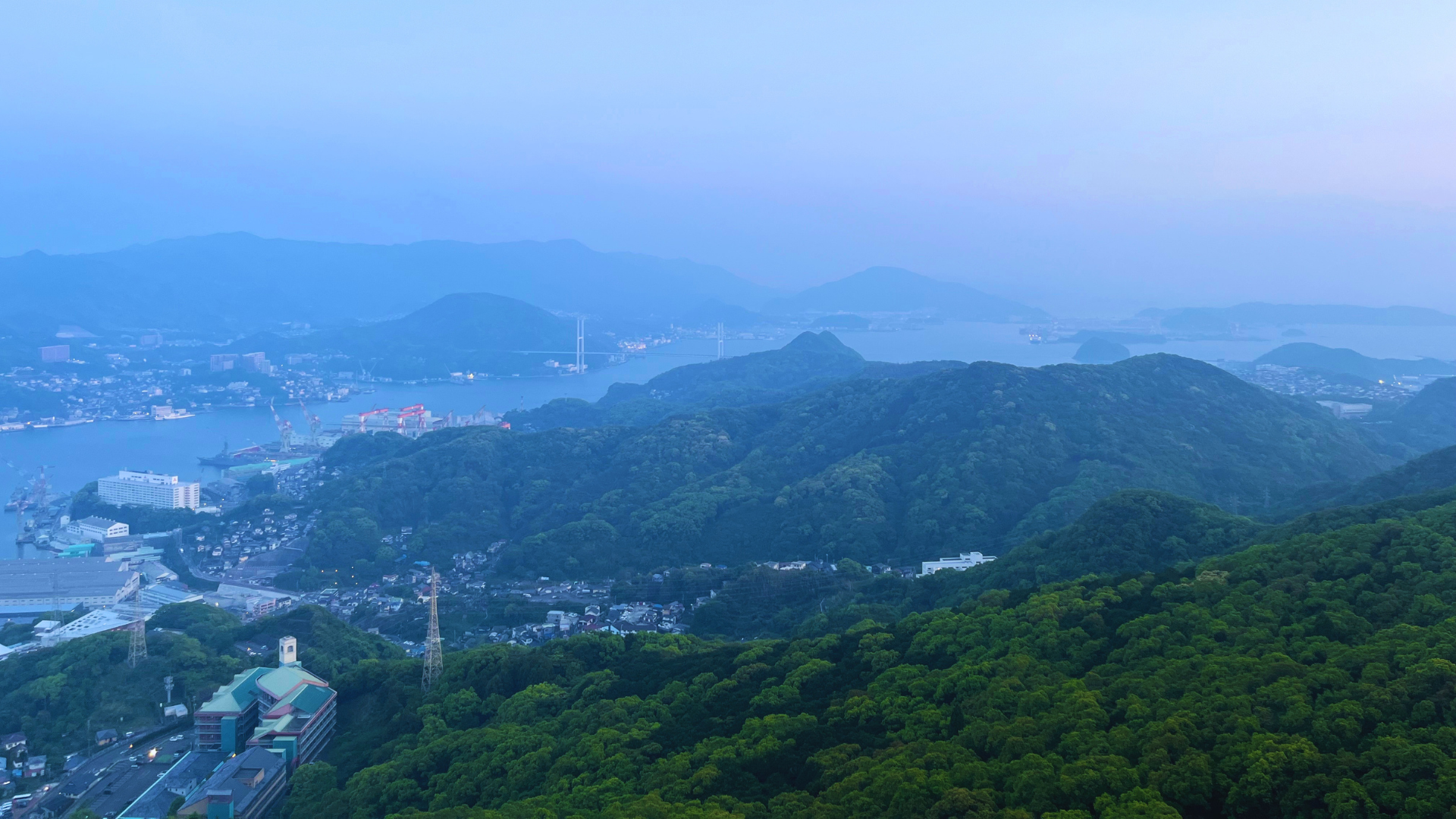
In the evening, you absolutely have to visit the Mount Inasa ropeway for sunset. You’ll ride the ropeway up to the summit in just a few minutes, then, at the top, you’ll find an amazing observation building. There’s a rooftop viewing deck, an indoor glass-walled area for when the weather isn’t cooperating, and a small cafe where you can settle in with a drink while you take in the view. And the view really is something. On one side is the city, and on the other is the dramatic coastline covered in rugged mountains and beautiful forests.
On a practical note, the ropeway can get very busy in the evenings, and the queue to get back down can stretch to a long wait during peak periods. If you’d rather skip it, you can walk down the mountain instead and catch a bus from the bottom.
Day 4: Nagasaki
Morning
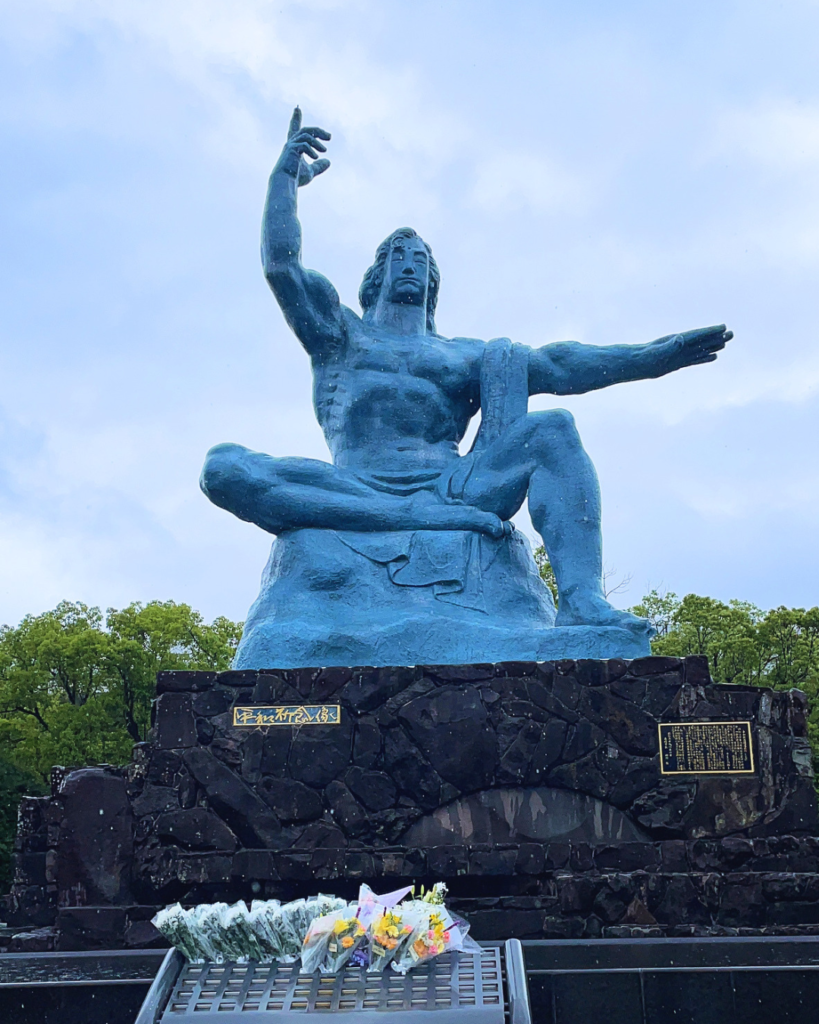
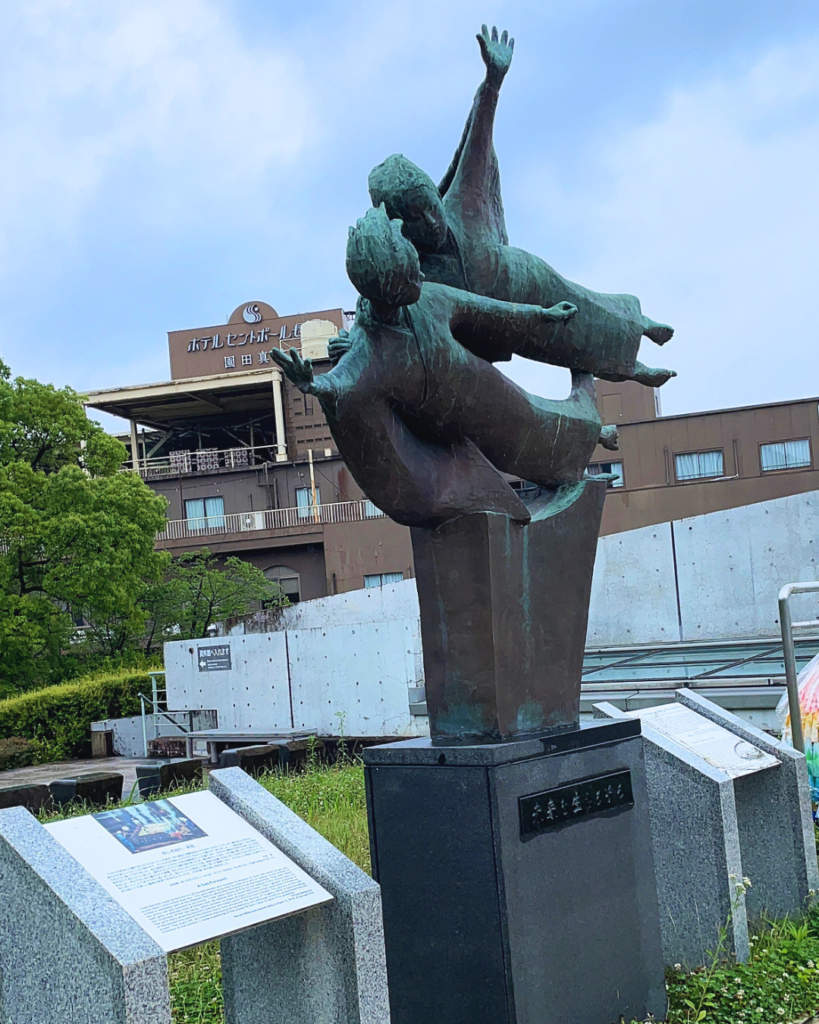
We think it’s important to make time to experience Nagasaki’s Peace Park and Atomic Bomb Museum. The Peace Memorial Park has a quiet, reflective atmosphere that does a great job of conveying the severity of what happened with a note of hope for the future. Then, the museum alongside it tells the stories of what happened on 9th August 1945 in a way that feels personal and important rather than clinical. It’s not a light way to start a day, but it’s absolutely worth your time.
Afternoon
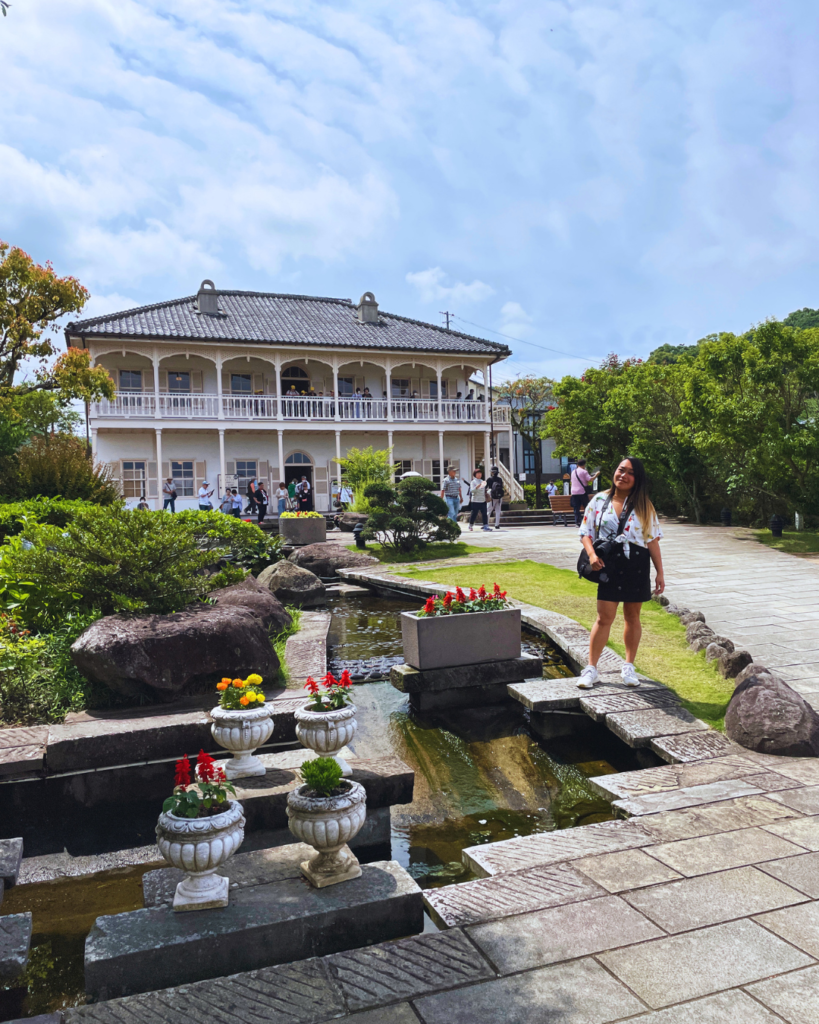
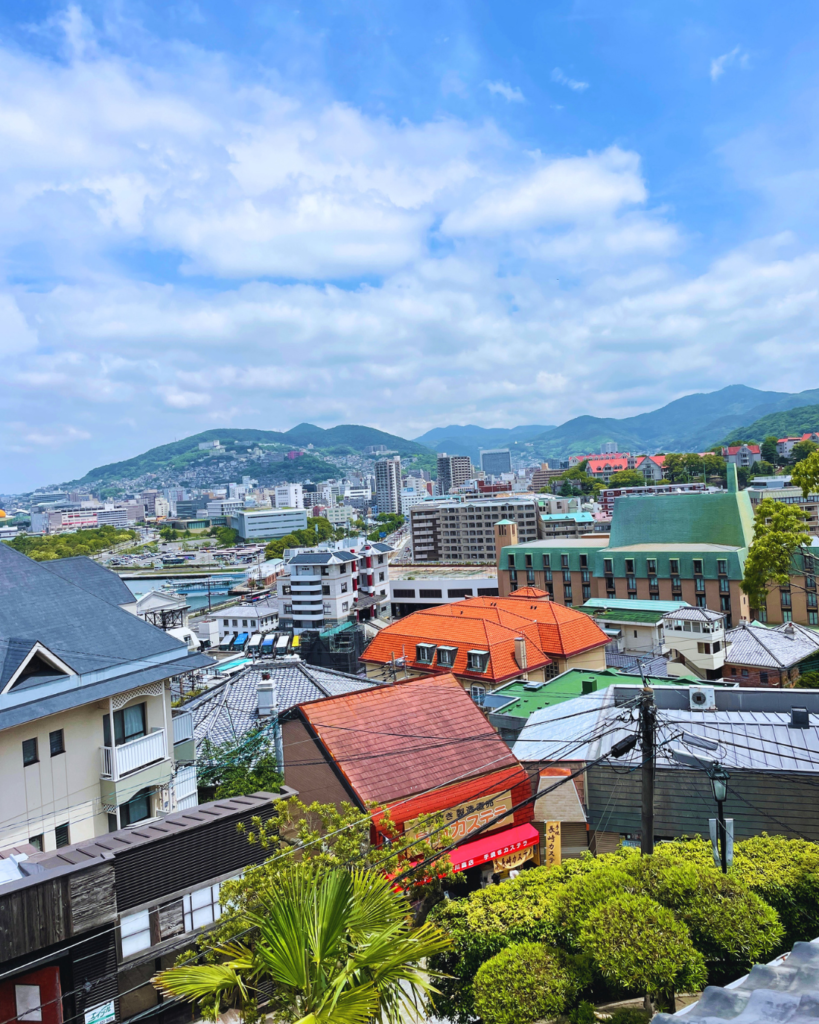
From the Peace Park, make your way down to Glover Garden, an open-air museum perched on a hillside in the south of the city. Getting to the entrance is a quirky experience in itself as you get to take a long outdoor elevator that scales the hillside. Once inside, Glover Gardens is home to a collection of beautifully preserved Western-style stone mansions built by foreign merchants in the late 19th century. The Glover House is the standout, and the views from the upper parts of the garden out over Nagasaki Harbour are quite breathtaking.
Evening
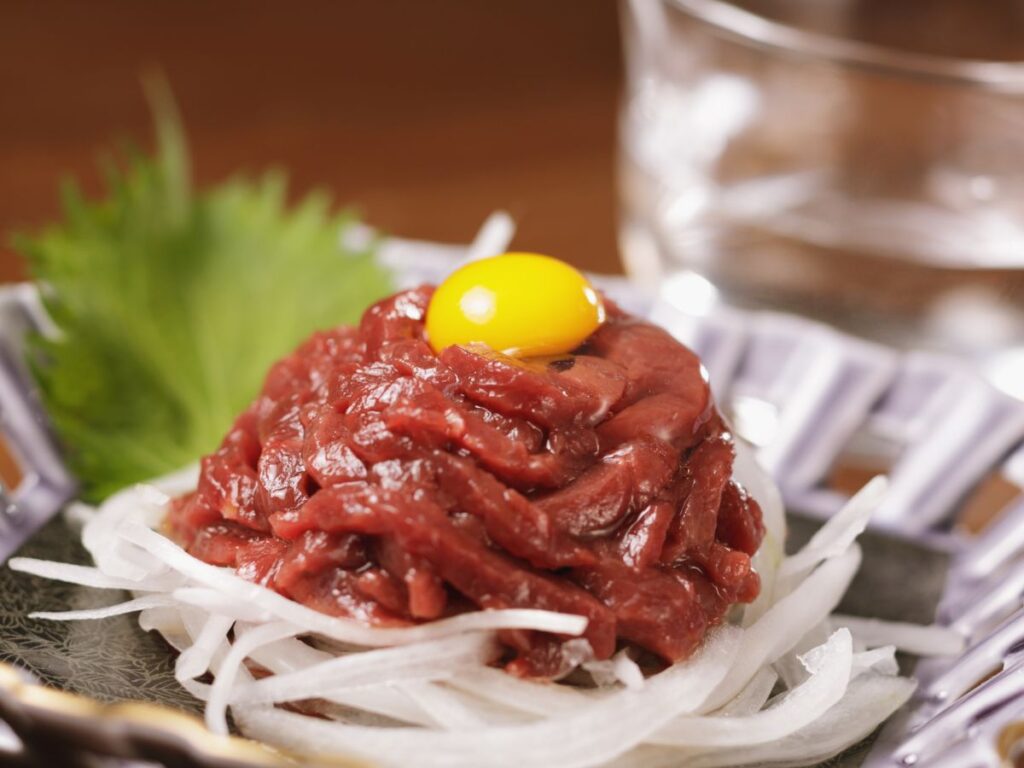
That evening, take the train journey from Nagasaki to Kumamoto City. From Nagasaki Station, jump on the Nishi Kyushu Shinkansen back to Takeo Onsen, then connect onto a limited express to Kumamoto. The full journey takes around two hours. If you’re feeling brave for dinner, the prefecture is known for its basashi, raw horse meat.
Day 5: Kumamoto
Morning
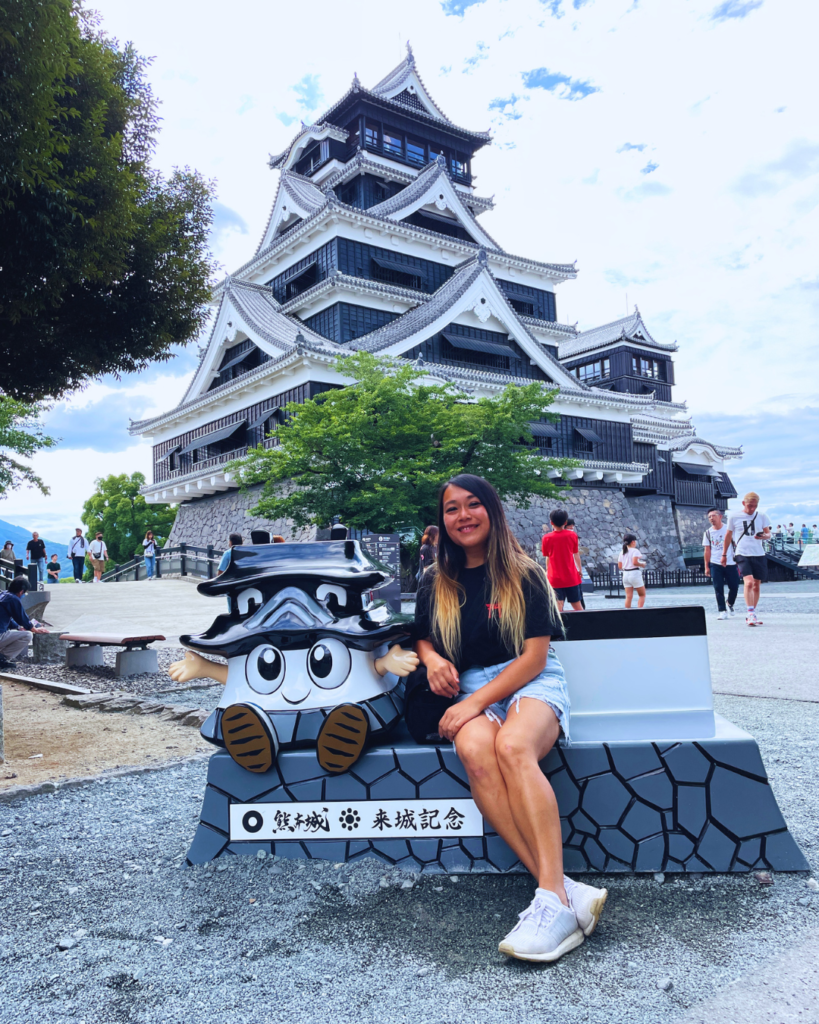
Welcome to Kumamoto! Start your first morning by jumping on the city tram from Kumamoto Station, a ten-minute ride that drops you right at the entrance of Kumamoto Castle. The castle is one of the most impressive in Japan, with some really cool elevated stone paths that wind around the massive walls. It’s well worth a visit!
Afternoon
After the castle, walk five minutes down the hill to Sakura-no-baba Josaien, a collection of food stalls and shops that makes for a convenient lunch stop. It leans towards the tourist-friendly side, but it’s actually a great spot to try several Kumamoto specialities in one go. The uni croquettes or Kumamoto-style ramen topped with black garlic oil are two must-tries.
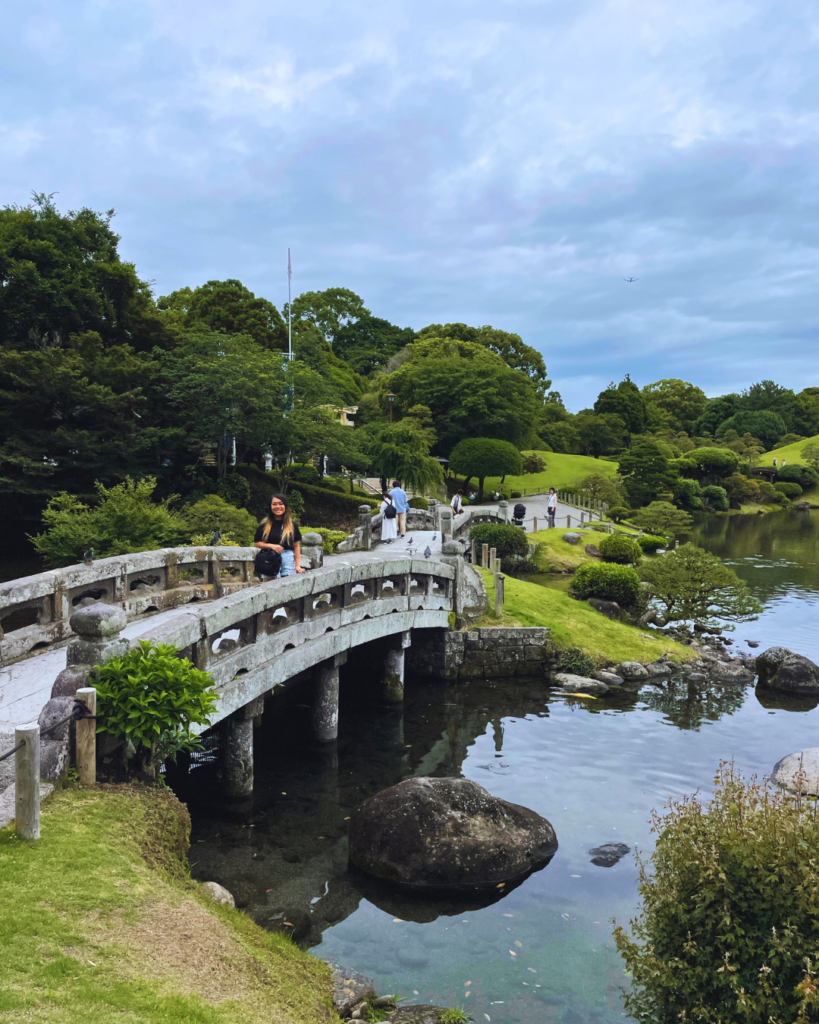
Once you’re done, hop back on the tram for around fifteen minutes to Suizenji Jojuen Garden, a traditional Japanese garden built around a natural spring-fed pond. It’s a calm spot for an afternoon walk, with the miniature version of Mount Fuji in the centre.
Evening
We suggest using the evening to make your way to the Mount Aso region, as you’ll be up bright and early in the morning. To get there, take the limited express train from Kumamoto Station to Higo-Ozu Station, then transfer to the Local Miyaji line to Aso Station. The whole journey takes between 80 and 90 minutes.
Day 6: Mount Aso
Day in Mount Aso
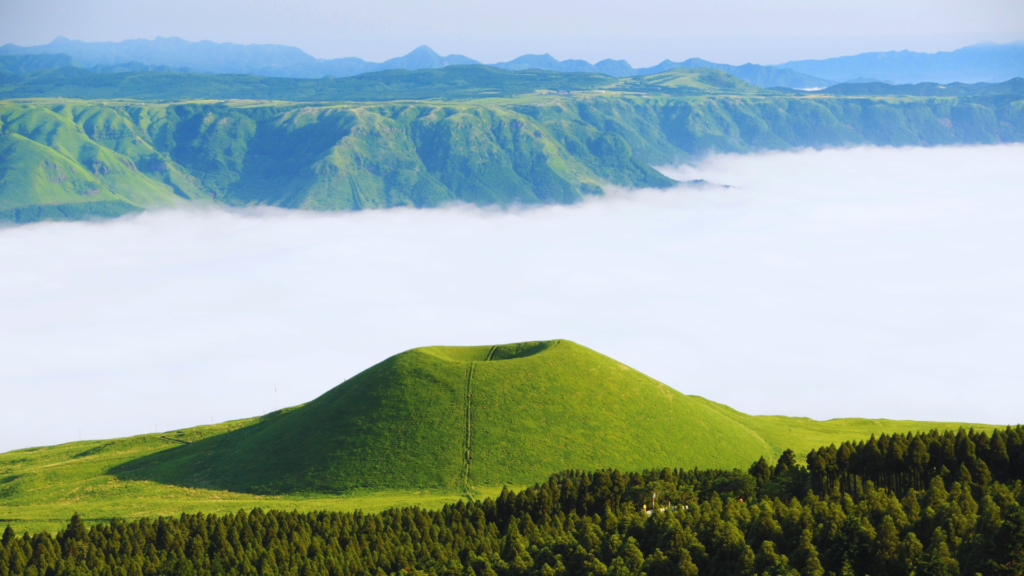
Mount Aso is one of the most dramatic landscapes in Japan. Sitting in the centre of Kyushu, it’s home to one of the largest calderas in the world, and the active Nakadake volcano at its heart means the scenery is constantly shifting between smoking crater rims, wide open grasslands, and rugged volcanic peaks. This is a day to spend mostly outdoors, so dress accordingly and check the volcanic activity status before you head out, as trails near the crater often close at short notice.
The easiest way to reach the mountain without a car is to take the shuttle bus from Aso Station, which runs every one to two hours. You can ride up to the Asosanjo Terminal near the Nakadake crater, then catch a second shuttle to the crater rim itself. The first shuttle leaves Aso Station at around 9:55am, then make sure to check the last departure of the day before you start exploring.
If you’re looking to hike, Eboshidake and Kishimadake are both accessible from the bus area and can both be completed in a few hours. The trails offer sweeping views across the caldera, with the smoking Nakadake peak in the background and horses grazing on the Kusasenri grasslands below.
The final option (and my personal favourite) is to take the scenic train on the Minamiaso Railway between Tateno Station and Takamori Station. It runs on weekends and public holidays and is around 50 minutes each way. On the same line is also the world’s only fully One Piece-themed Sunny Go train, which is a must-do if you love the Straw Hat Pirates.
Evening
Once you finish exploring, head back to Aso Station and catch a highway bus towards Beppu or Oita City. The journey takes around two hours, but make sure to check the timetable in advance and don’t leave it too late in the day, as services thin out in the evening.
We suggest looking for a ryokan to stay in this night for some real relaxation to end your trip. If you arrive early enough, see if you can visit an onsen before bed.
Day 7: Beppu
Morning
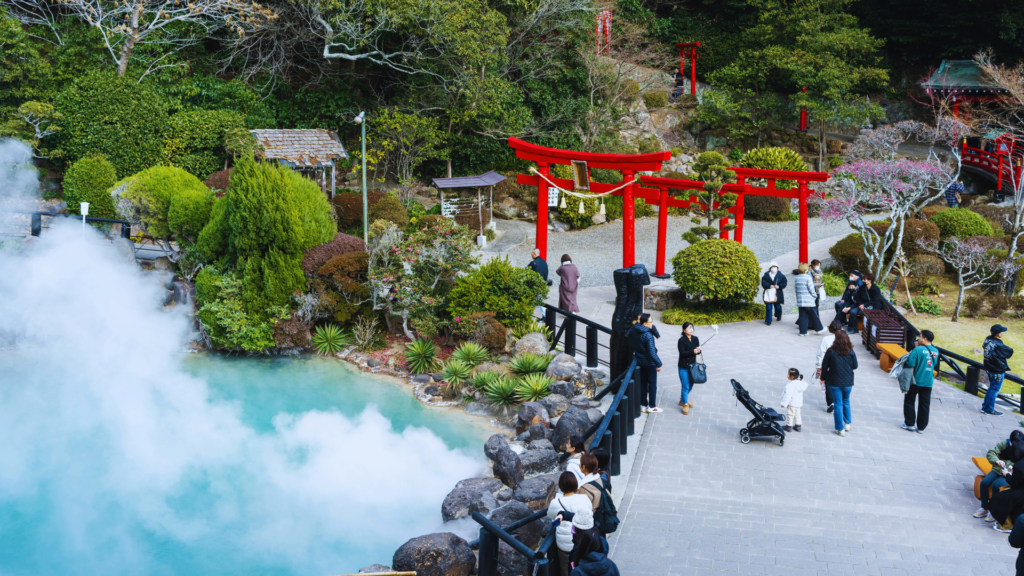
Beppu is Japan’s undisputed hot spring capital. The city sits on a vast geothermal source that pumps out more hot spring water than anywhere else in the country, and the steam rising from drains, rooftops, and hillsides makes the whole place feel hazy, sleepy, and special.
If you’re staying in a ryokan, your morning is already sorted. Take your time with breakfast, use the in-house baths before the day-trippers arrive, and enjoy the facilities to their fullest.
Afternoon
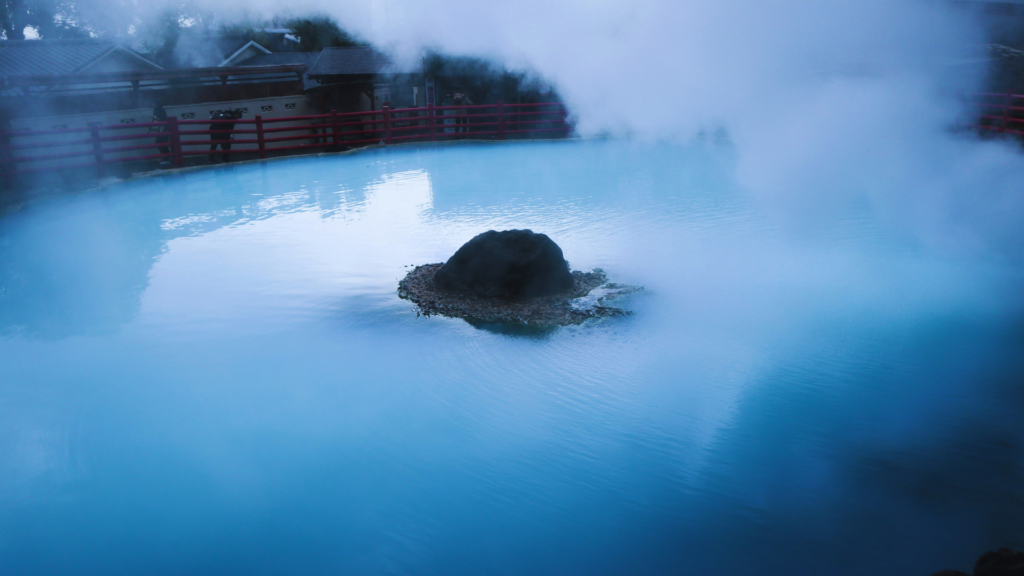
There are eight distinct onsen districts spread across the city, each with its own character and water type, and the sheer variety on offer is what sets Beppu apart from anywhere else you’ll visit on this trip.
A good starting point is Takegawara Onsen, Beppu’s most iconic bathhouse, built in 1879, which offers a classic bathing experience in a beautifully preserved traditional wooden building. Entry for a regular soak costs just a few hundred yen, making it one of the best value stops in the city.
From there, jump on a bus up to the Kannawa district, where you can take a tour of the famous Jigoku Hells. You might also be interested in visiting Hyotan Onsen, the only onsen in Japan to hold three Michelin stars.
If you want to add something a bit different, two experiences in Beppu are worth knowing about. The first is the sand bath at Beppu Onsen Sunayu, where attendants bury you up to the neck in naturally heated volcanic sand. The second is Beppu Rakutenchi, an old-school amusement park perched on the hills above the city that is perhaps most famous for its crocodile enclosure. It’s an odd detour, but Beppu is that kind of place.
Discover our recommendations for the top Beppu onsen:
Evening
For your last evening, hop on the train back to Fukuoka. From Beppu Station, you can catch a limited express train, which takes around two hours and runs regularly throughout the evening, so you have some flexibility on timing.
Kyushu Itinerary FAQs
How many days in Kyushu are enough?
Seven to ten days gives you enough time to cover the main cities and a few natural highlights without feeling rushed. If you only have five days, stick to Fukuoka, Nagasaki, and one other stop.
How many days do I need to visit Fukuoka?
Two full days is the sweet spot for Fukuoka. It’s enough time to cover the main sights, eat well, and take a day trip out to Dazaifu without feeling like you’re racing through everything.
What is the best month to visit Kyushu?
Spring (March to May) and autumn (October to November) are the most pleasant, with mild temperatures and clear skies. Summer is hot and humid, and July in particular brings heavy rainfall across much of the island.
Is Kyushu worth going to?
Absolutely! It offers a genuinely different experience to the well-trodden Tokyo-Kyoto-Osaka route, with outstanding food, some of Japan’s best onsen, dramatic volcanic landscapes, and far fewer crowds at most sights.