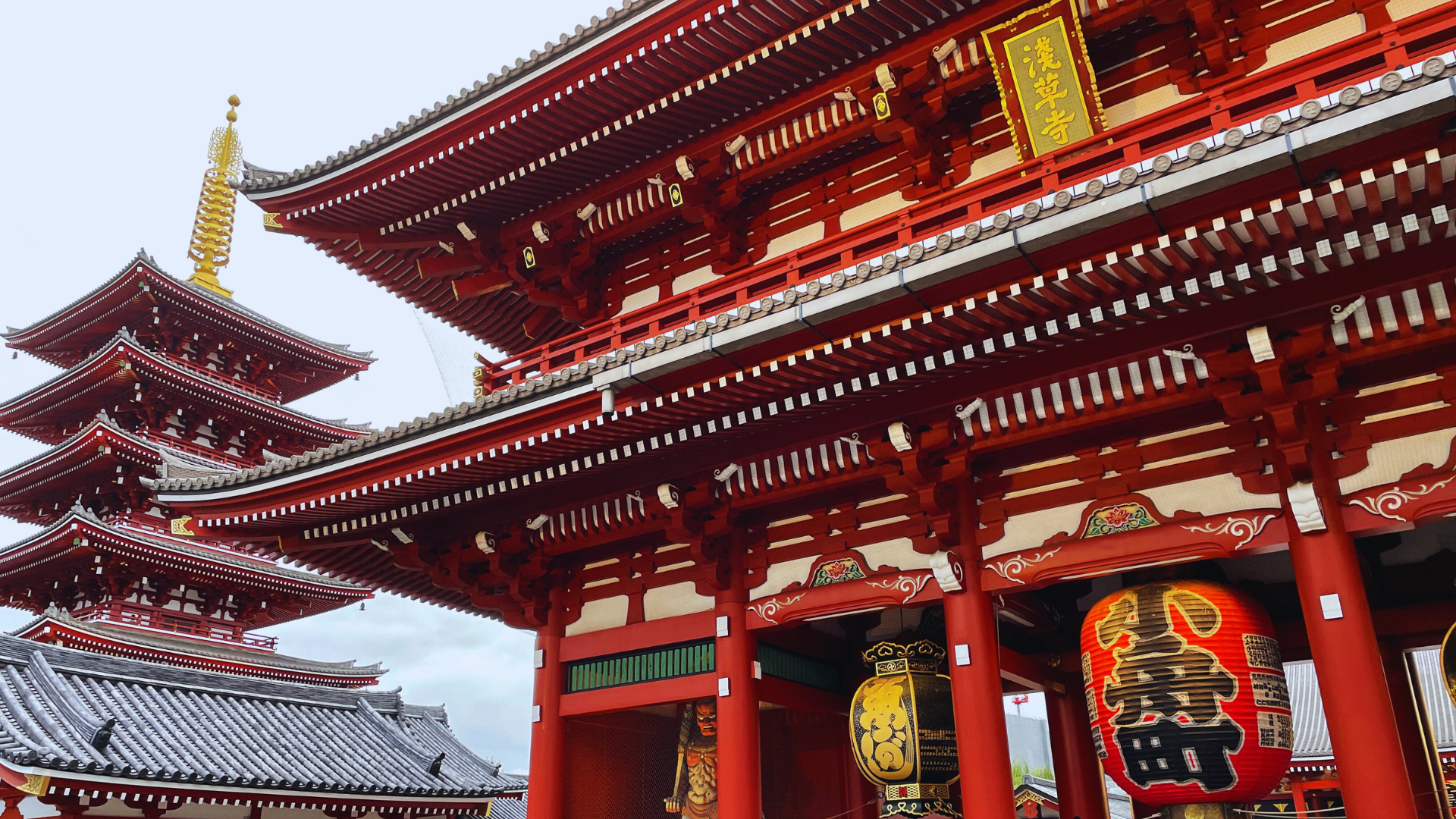

Welcome to one of the biggest questions you’ll face when planning a trip to Japan: Osaka vs Tokyo vs Kyoto. These three cities have quickly become known as the ‘Golden Route’, with tourists planning trips in order to hit all three cultural, historic, and shopping metropolises.
But when you only have time to visit one of the three during a trip to Japan, deciding which is best can be daunting. It goes without saying that no matter where you stay in Japan, you’ll have an incredible trip…but we know you’ve come here for the facts. Which city is the coolest, has the most to do, and will best fit your vibe?
As a boutique Japan travel agency, we know a thing or two about trip planning, which is why we’re sharing this guide to Osaka vs Tokyo vs Kyoto. Keep reading to learn exactly the best destination for you.
Need help planning your Japan trip?

We’re here to help with more than just Osaka vs Tokyo vs Kyoto. We’re a Japan travel agency all about creating custom itineraries and handling all the logistics so that you can focus on the fun. Check out our sample itineraries for as little as $1/day, or reach out to our travel planning experts for more in-depth services.
Why Visit Osaka?
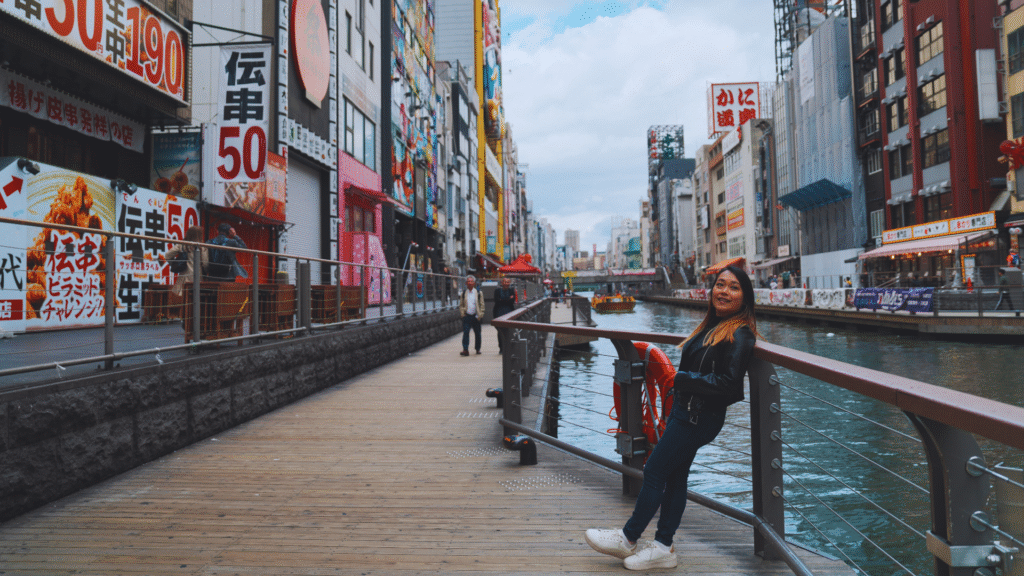
Osaka is known as Japan’s kitchen for obvious reasons: the food. As the city’s unofficial slogan goes, くいだおれ, or “eat until you drop”, any trip to Osaka revolves around meal times, snacks, and desserts. This is, after all, the birthplace of beloved dishes, takoyaki (fried octopus balls and the nation’s favourite street food) and okonomiyaki (a savoury pancake cooked right in front of you).
You may have already heard of Dotonbori, the foodie Japan district filled with street food vendors, bars, and famous photo ops, but this is just the tip of the iceberg when it comes to things to do in Osaka. We’re talking historic castles, food tours, and the ultra fun Universal Studios Japan.
When it comes to vibes, Osaka is laidback and fun. There’s a culture of eating and drinking, with no shortage of izakaya and karaoke bars to keep the good times going well into the early hours of the morning.

Pros
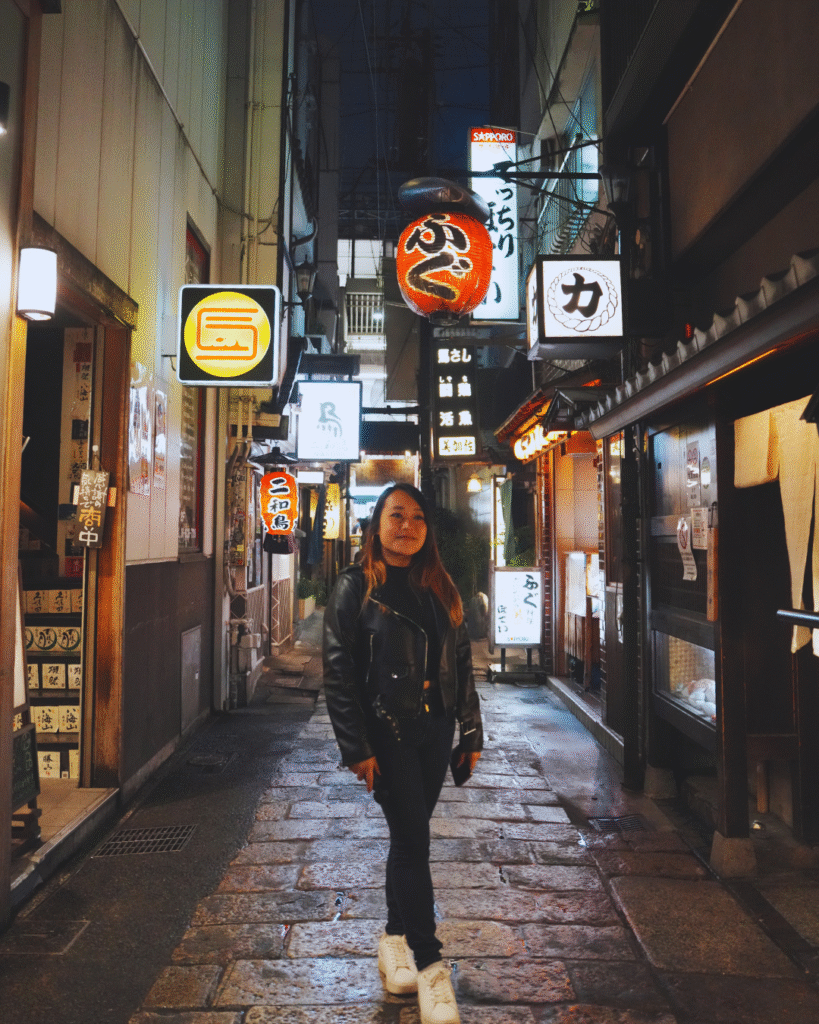
- Exceptional street food scene and casual dining at affordable prices
- Friendly, outgoing locals who are easy to chat with
- Vibrant nightlife and entertainment districts like Dotonbori and Namba
Cons
- Not as many traditional cultural sites as Kyoto
- Less English compared to Tokyo
Why Visit Tokyo?
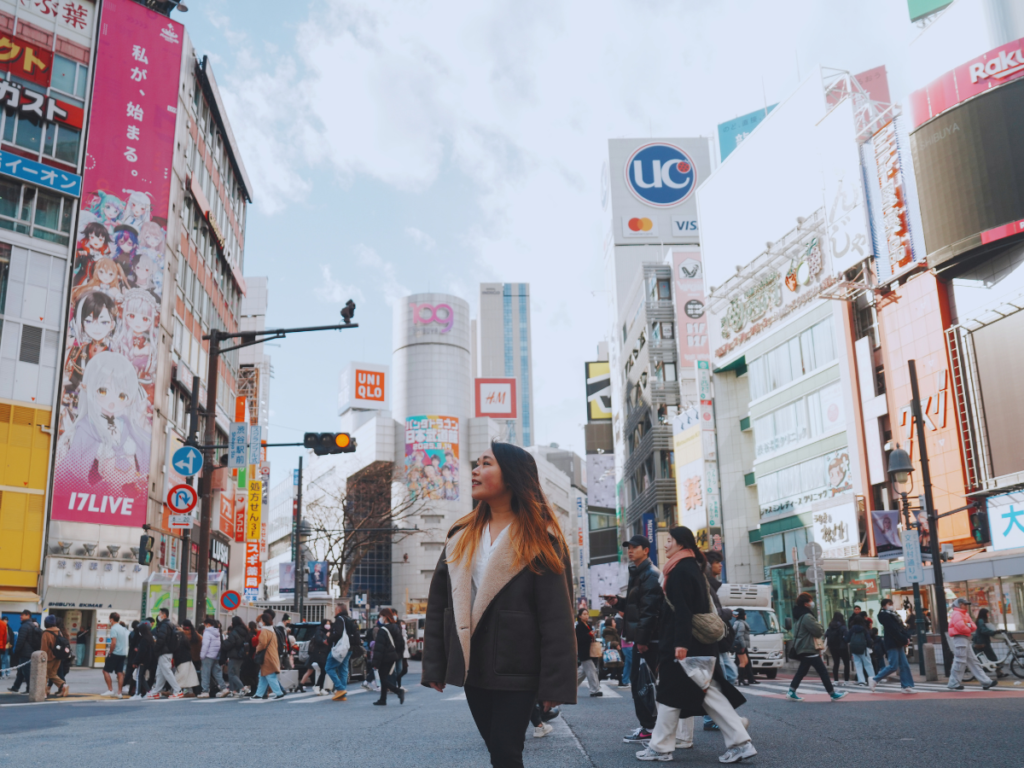
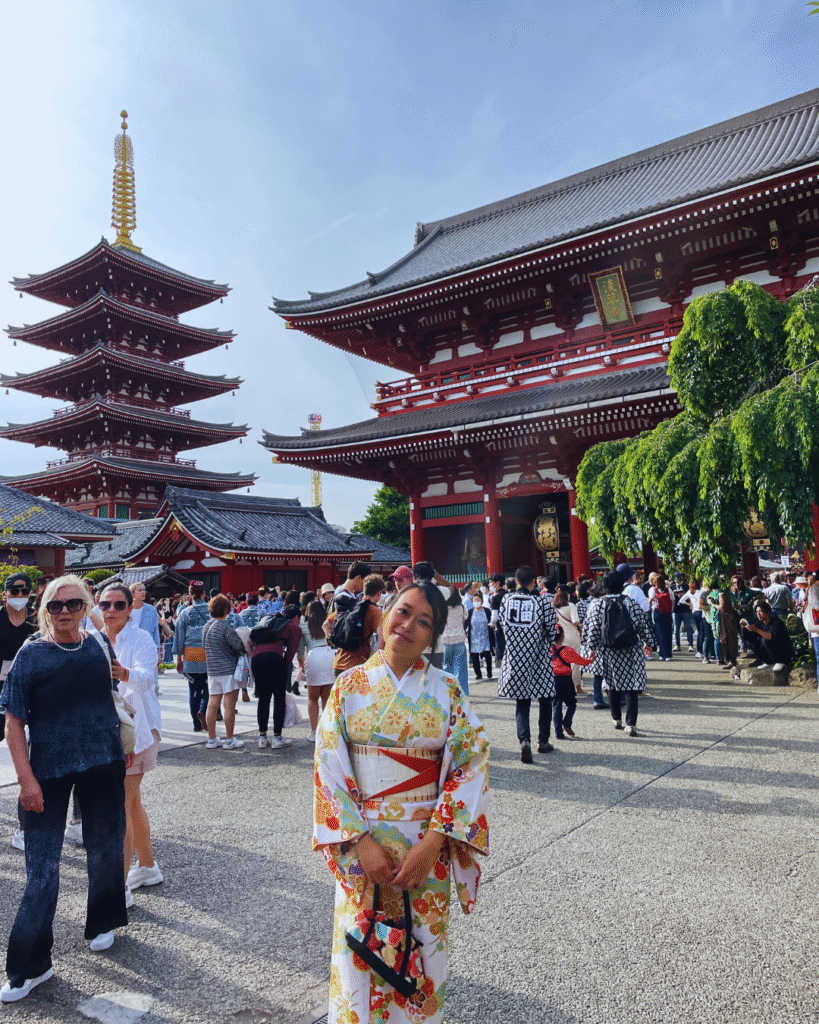
Where to start with Tokyo? The city is one of the world’s largest, busiest, and also cleanest metropolises, where you can find just about any sort of trip. From anime tours of Akihabara to afternoons spent walking through serene temple grounds and eating everything from street eats to Michelin-star meals, there’s just so much to do in Tokyo.
If you want to speed run Japan’s food, culture, and activities, then Tokyo is the place for you. There’s cuisine from every prefecture and an amazing mix of historic and modern cultural experiences to give you a taste of Japan across the ages. Not to mention the all-night-long type of nightlife.
Be ready, the city is huge and always busy…but it’s also somehow still organised and quiet. A trip to Tokyo isn’t going to be laidback, but it will be jam-packed with adventure.

Pros
- Huge variety of things to do and see
- World-class dining with options for every budget
- Efficient public transportation network covering the entire city
Cons
- More expensive than Osaka or Kyoto for central accommodation and dining
- Can feel overwhelming due to its size and crowds
Check out our favourite Tokyo districts:
Why Visit Kyoto?

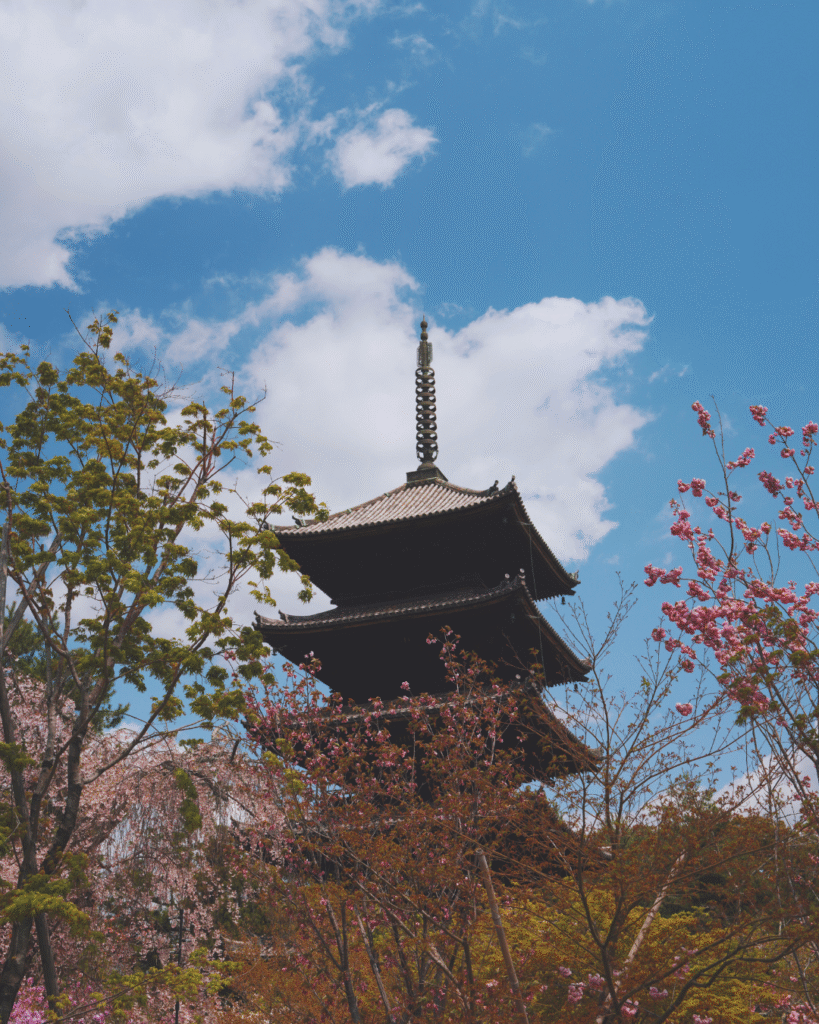
We think of Kyoto as Japan’s culture hub, with endless historic temples, traditional hands-on experiences to fill each day, and some of the best kaiseki (formal course meals) restaurants in the world. The city is indisputably beautiful with shrines on every corner, and is, of course, the ultimate destination for any matcha lover.
A trip to Kyoto is spent sightseeing at places like Arashiyama and Kinkaku-ji (Golden Pavilion), and exploring the winding streets of areas like Gion and Nishiki Market. The city has a tranquil, quiet ambience, interrupted only by the hordes of tourists that peak during the spring cherry blossoms and autumn leaves seasons. Despite this busyness, the paved alleys and intimate restaurants can still make a trip to Kyoto feel like your own.

Pros
- Rich in traditional culture, temples, shrines, and gardens
- A slower pace of life compared to Tokyo or Osaka
- Compact and easy to explore by bus, bike, or on foot
Cons
- Popular attractions can get very crowded, especially in peak seasons
- Fewer nightlife and shopping options than in Tokyo or Osaka
Osaka vs Tokyo vs Kyoto
Still not sure? Below we’ve created the ultimate Osaka vs Tokyo vs Kyoto head-to-head when it comes to the elements of trip planning that really matter….
Osaka vs Tokyo vs Kyoto: Culture

In Osaka, you’ll see a local side of Japanese culture with bustling street food markets and lively bars where you can sing and dance to your heart’s content. The Osaka experience is pretty unique, down to the distinct dialect known as Osaka-ben. Osakans are known for their warmth and talkative nature, and are often considered friendlier and more direct than people in Tokyo.
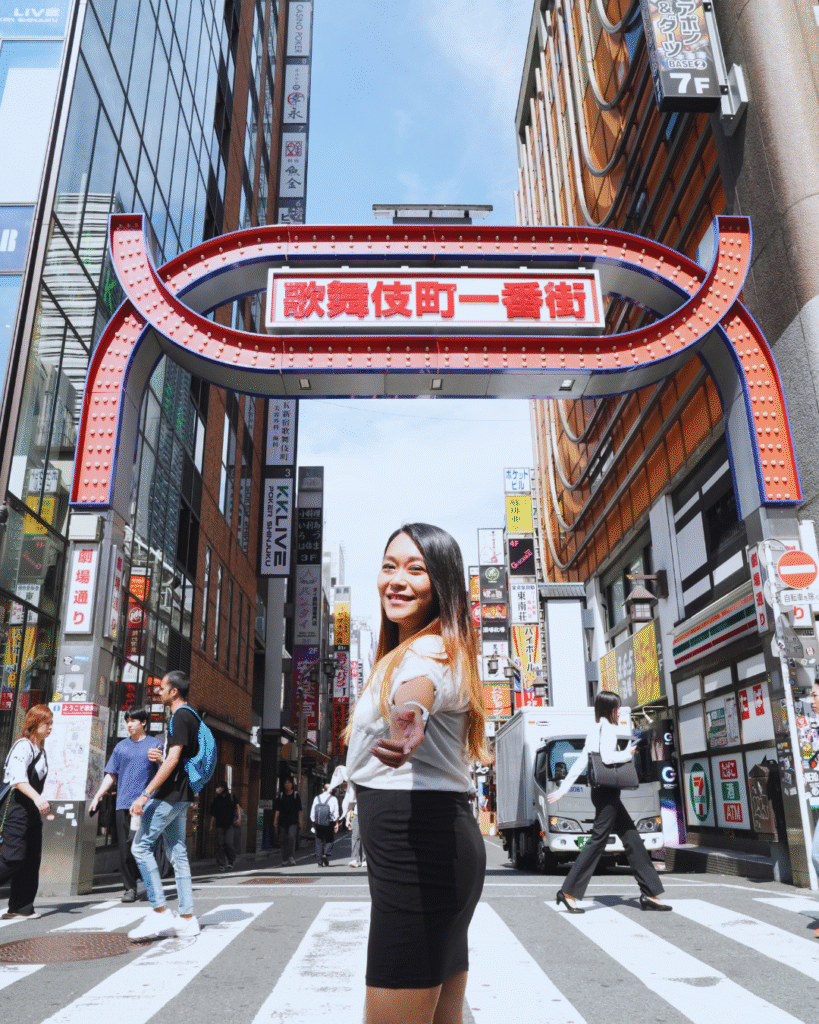
Culture in Tokyo is in some ways less distinct than Kyoto and Osaka, but that doesn’t mean you won’t be surrounded by incredible customs, landmarks, and experiences. The city combines all that Japan has to offer, from breathtaking shrines like Meiji Jingu to modern districts like Shibuya and Shinjuku, whilst also being a global hub for fashion, entertainment, and pop culture.
Kyoto truly shines when it comes to culture. It is home to centuries-old temples, shrines, and gardens, which is unsurprising when you remember that the city was, after all, the capital of Japan for more than a thousand years! The city is also known for preserving traditional arts like tea ceremony, shamisen playing, and kimono craftsmanship, all of which you can try for yourself when visiting the city.
Osaka vs Tokyo vs Kyoto: Food
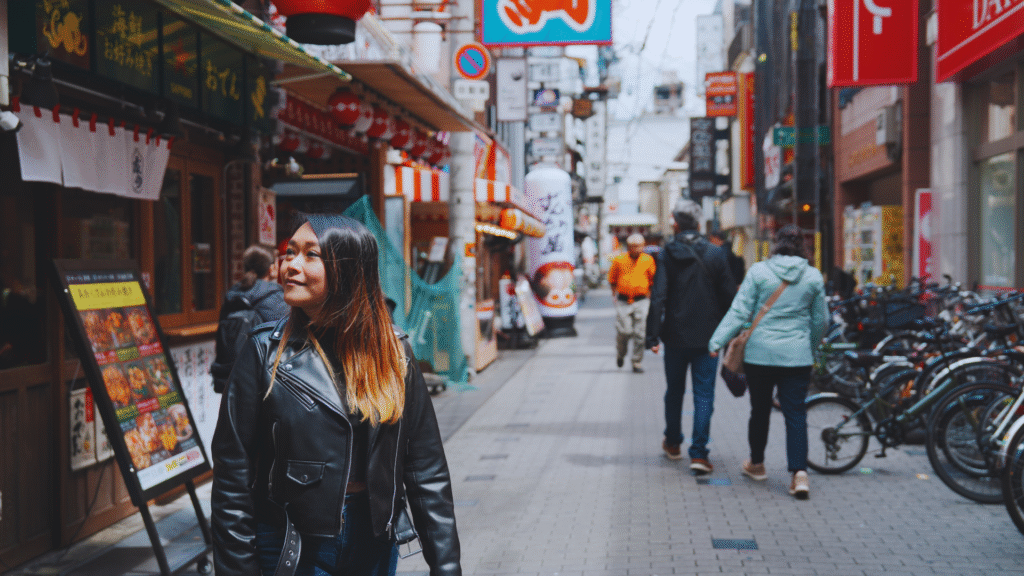
Eating is more than a necessity in Osaka, it’s a way of life. The city is filled with speciality restaurants dedicated to perfecting classic Osakan dishes, from rich bowls of kitsune udon (udon noodles topped with a thin layer of deep-fried tofu) to melt-in-your-mouth kushikatsu (deep-fried skewers).
Tokyo offers the most diverse dining in Japan, as a city where you can find every regional type of Japanese cuisine. You can savour fresh sushi at the famous Tsukiji Market, indulge in wagyu beef at a Michelin-Star restaurant, or try innovative fusion dishes in upscale neighbourhoods like Ebisu.
Kyoto is all about refined, seasonal flavours that reflect the city’s heritage and natural beauty. Kaiseki traditional multi-course dining showcases artful presentation and delicate taste. You can also enjoy matcha-based sweets, yuba (tofu skin), and vegetarian Buddhist cuisine, especially in temple districts.
Osaka vs Tokyo vs Kyoto: Sightseeing
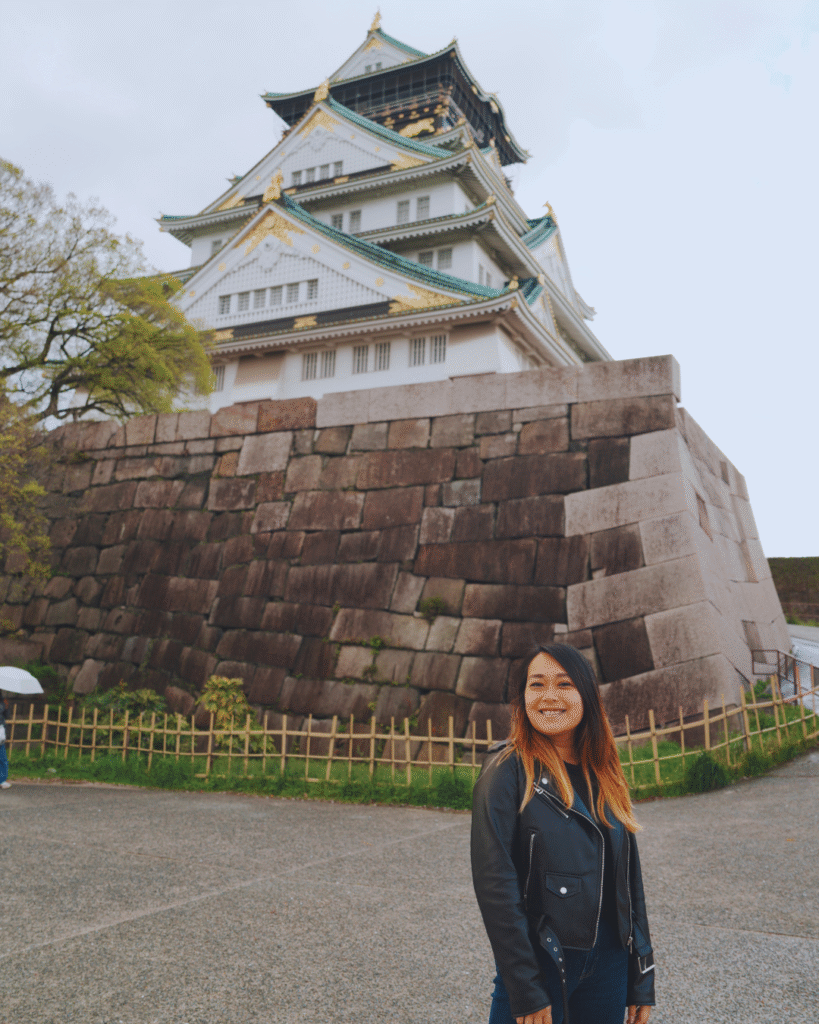
Osaka may come up last when it comes to the quantity of famous sightseeing spots, but that doesn’t mean anything when it comes to quality. To start, there’s Osaka Castle, a must-visit for its striking architecture and the museum inside. Of course, Dotonbori dazzles with its multiple photo ops and fun activities, while panoramic city views await from the Umeda Sky Building.
Tokyo is a city where you can stroll from centuries-old shrines to towering skyscrapers in a single afternoon. Highlights include the historic Asakusa district with Senso-ji Temple, the iconic Shibuya Crossing, and the alt-culture in the streets of Harajuku. For nature within the city, Shinjuku Gyoen and Ueno Park offer peaceful escapes, and there are also lots of observation decks like Tokyo Skytree and Tokyo Tower.
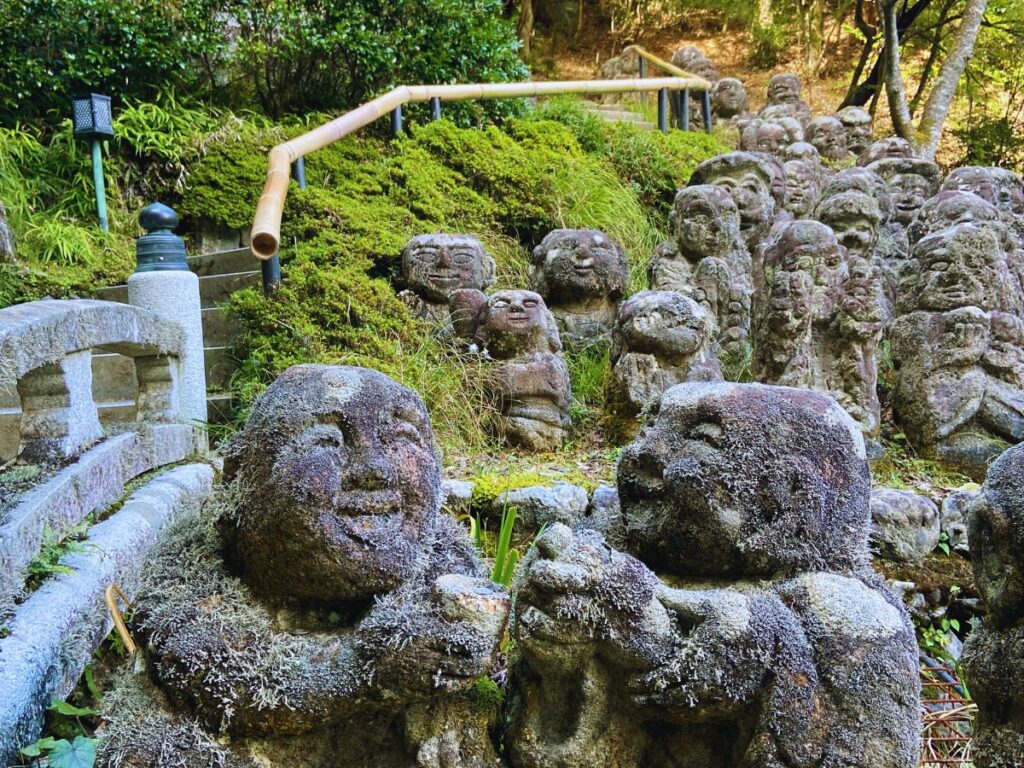
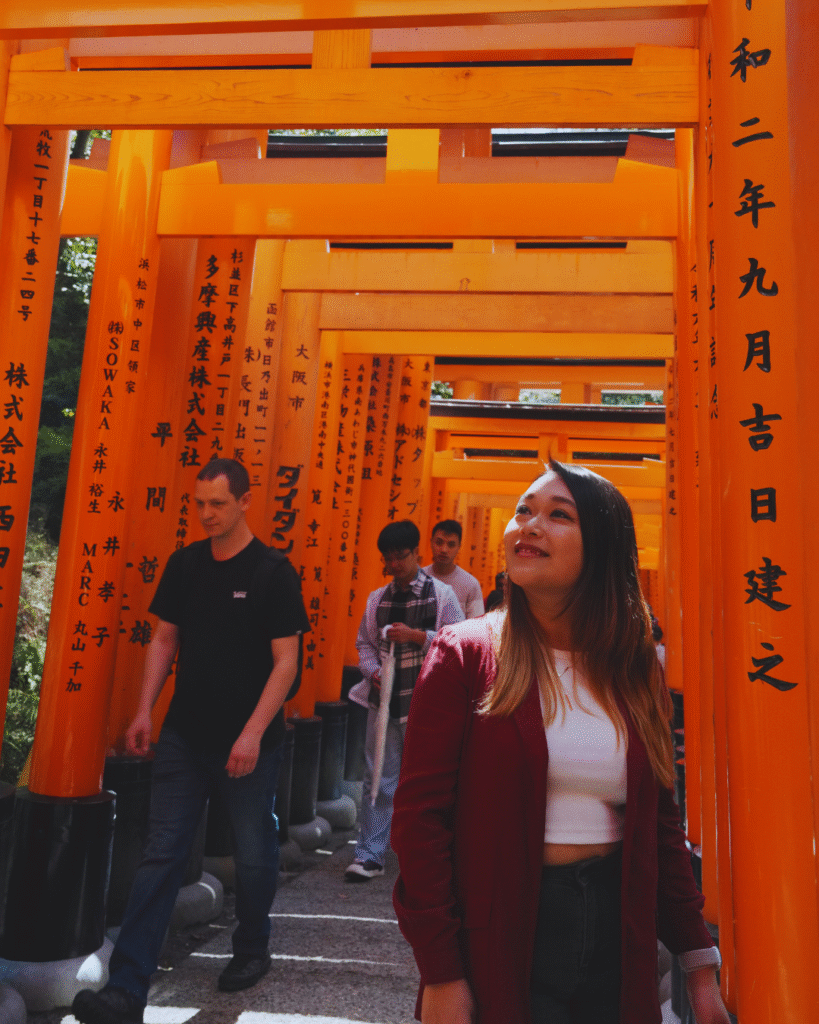
Kyoto feels like a living postcard, with an abundance of UNESCO World Heritage sites to explore, such as Fushimi Inari. The site’s thousands of vermilion torii gates have helped it to become one of Japan’s most famous and visit-worthy spots. There’s also plenty of quieter options, like Otagi Nenbutsu-ji, where you can take your time exploring away from the crowds.
Osaka vs Tokyo vs Kyoto: Cost

Osaka is generally more affordable than Tokyo, especially when it comes to food and accommodation. You can eat well for under $10 at casual restaurants or street food stalls, and mid-range hotels offer good value. Transport is also reasonably priced, with a well-connected subway system that makes sightseeing easy on a budget. A solo budget traveller can expect to spend around $470–$600 for a week, while a family of four might spend $1,530–$2,000.
Tokyo tends to be the most expensive of the three, particularly for central accommodation and fine dining. However, the city also offers plenty of free attractions, inexpensive ramen shops, and affordable transport passes. A solo traveller might spend $600–$800 in a week, while a family of four could spend $2,000–$2,800, depending on activities and dining choices.
Kyoto falls somewhere in the middle, with accommodation ranging from modest guesthouses to high-end ryokan. Dining can be affordable if you stick to local cafes and casual eateries, but traditional experiences like kaiseki meals or tea ceremonies come at a premium. A solo traveller might budget $530–$730 for a week, while a family of four could spend $1,800–$2,530.
Osaka vs Tokyo vs Kyoto: Nearby Areas

Osaka & Kyoto are only about 15 minutes apart by shinkansen, making it easy to base yourself in one and explore the other. From either city, Nara is just under an hour away, where you can visit Todai-ji Temple and meet the playful deer in Nara Park. For a nature escape, Minoo Park has forest trails and a waterfall, while Uji, between Osaka and Kyoto, is perfect for matcha lovers and temple sightseeing.
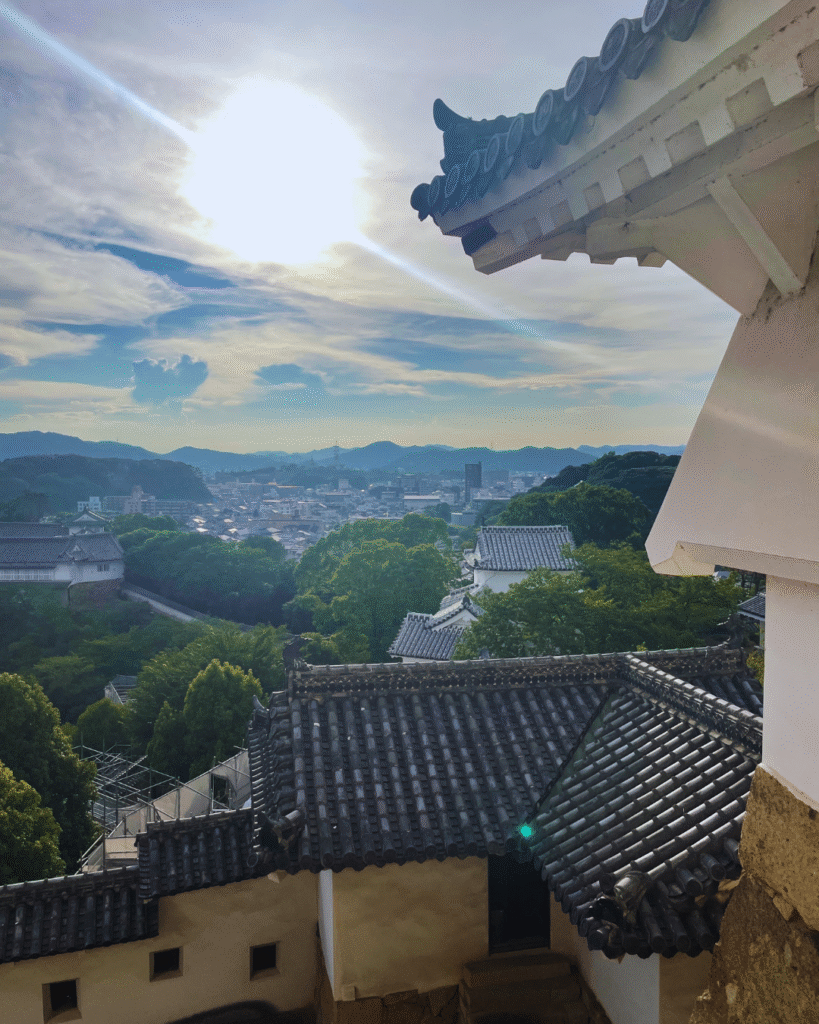
Kobe is another nearby gem, offering harbour views, stylish shopping streets, and world-famous Kobe beef. Himeji, about 30 minutes from Osaka by shinkansen, is home to Japan’s most spectacular surviving feudal castle and a UNESCO World Heritage site.
Discover more Osaka and Kyoto day trips:
Tokyo is equally surrounded by diverse destinations that make easy overnight or day trips. Nikko’s ornate temples and waterfalls provide a peaceful cultural getaway, while Kamakura charms with its giant Buddha and coastal scenery. Hakone offers hot springs, views of Mount Fuji, and art museums set in nature. For a full-day adventure, you can even visit Fuji Five Lakes or theme parks, like Tokyo Disneyland and DisneySea.
Making Your Decision: Osaka vs Tokyo vs Kyoto
Ultimately, the best city for you to visit is going to be up to you. For first-timers in Japan, Tokyo is a great place to start, with simply so much to do and see. You can easily travel to other parts of the country, with the ability to reach both mountains and beaches within a day. This is your Japan-all-in-one adventure.
If you’re looking for a quieter trip focused on zen, culture, and history, then no city can beat Kyoto. The smaller city is rich in traditional experiences, and is also our recommendation for a family holiday in Japan with kids. There are plenty of day trips, nearby amusement parks, and places to explore wide-eyed.
Osaka is the best of both worlds. It has all the amenities of a city and is close to Kyoto without having quite the same crowds as either. This is a foodie’s paradise and the perfect base for exploring greater Kansai.
Osaka vs Tokyo vs Kyoto FAQs
Why is Osaka so different from Tokyo?
Osaka has a more relaxed, down-to-earth vibe with a focus on street food, comedy, and friendly local interactions. Tokyo, on the other hand, is a fast-paced global hub with so much to do, and the general feeling that everyone has somewhere to be.
How far apart are Tokyo and Osaka?
Travelling between Tokyo and Osaka takes between 2.5 and 3 hours on the shinkansen, and they are about 400 km (250 miles) apart.
Should I go to Tokyo or Kyoto?
Go to Tokyo if you want a mix of modern attractions, nightlife, and shopping. Choose Kyoto if you’re looking for traditional culture, temples, and seasonal scenery.
Is Kyoto or Osaka closer to Tokyo?
Kyoto is slightly closer to Tokyo by shinkansen, taking around 2 hours and 15 minutes, compared to Osaka’s 2.5 to 3 hours.
Do I need more time in Tokyo or Kyoto?
Tokyo usually requires more time because of its size and variety of attractions, while Kyoto can be enjoyed in fewer days if you focus on key temples, gardens, and neighbourhoods.