
I won’t sugar-coat it: accessible travel in Japan takes extra planning. While major cities have made progress with accessible transport and public facilities, getting around isn’t always straightforward.
At Flip, we’ve helped all kinds of travellers plan trips around their interests and needs, picking up plenty of practical tips along the way. If you have accessibility needs, here’s what we’ve learned.
Getting Around Japan with Accessibility Needs
Trains and the Shinkansen
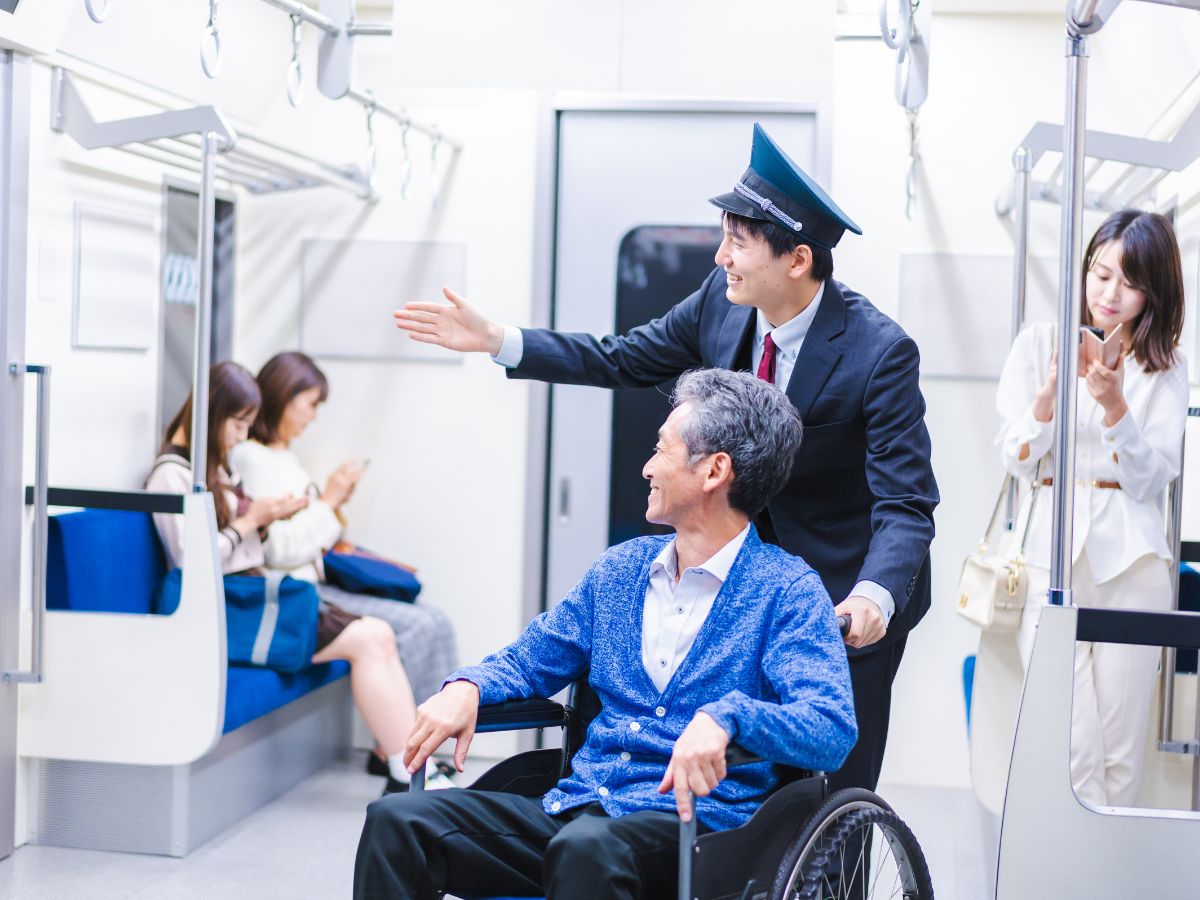
Railway staff can help wheelchair users reach the platform and board or leave the train using a boarding ramp. It’s a useful service, but you can’t simply turn up and expect the staff to have everything ready. Major train lines, like JR Central, ask passengers to contact the station they will depart from beforehand, so staff can organise assistance and coordinate with the arrival station.
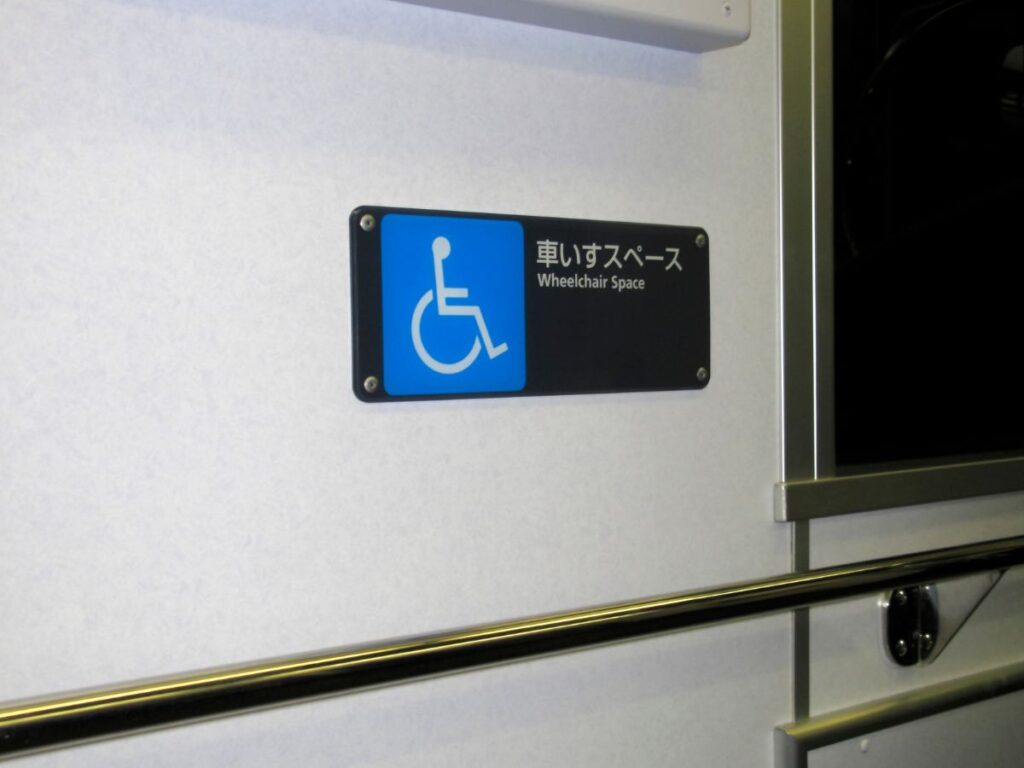
The Shinkansen also offers different wheelchair-seat options. Depending on the train, you can get a seat where you can transfer from your wheelchair, a space to remain in your wheelchair, or even one with a companion seat. You book these seats through the railway company. JR East has an online application available on eligible routes, and others may ask you to contact station staff.
Moving Around Stations and Platforms

At larger train stations in Japan, getting from your arrival platform to the elevator for your next line or even the exit can involve a long detour if using a wheelchair.
We’ve found Google Maps useful for a first check. Enter your destination, tap Directions, choose public transport, then open Options and select Wheelchair accessible under route preferences, if available. It can suggest routes that account for wheelchair access, including station exits with elevators connecting to street level.
Next, check the official station maps to find elevator locations and routes between the street, ticket gates and platforms. The Tokyo Metro barrier-free station search lets you look up facilities such as elevators and wheelchair-accessible toilets, and identifies stations with step-free routes from street level to the platform. For the Tokaido Shinkansen, JR Central provides station layout maps for major stops including Tokyo, Shin-Yokohama, Shizuoka, Kyoto and Shin-Osaka.
Travelling in Japan, you’ll also notice raised yellow tiles on station platforms and pavements that people can feel underfoot or with a cane. This is called tactile paving and it is used in many countries, so blind and visually impaired travellers may already be familiar with the system. Long, raised lines show the direction to follow, while raised dots warn of something that needs attention, such as a platform edge, staircase or crossing.
Buses, taxis and private transport
Non-Step Buses in Tokyo
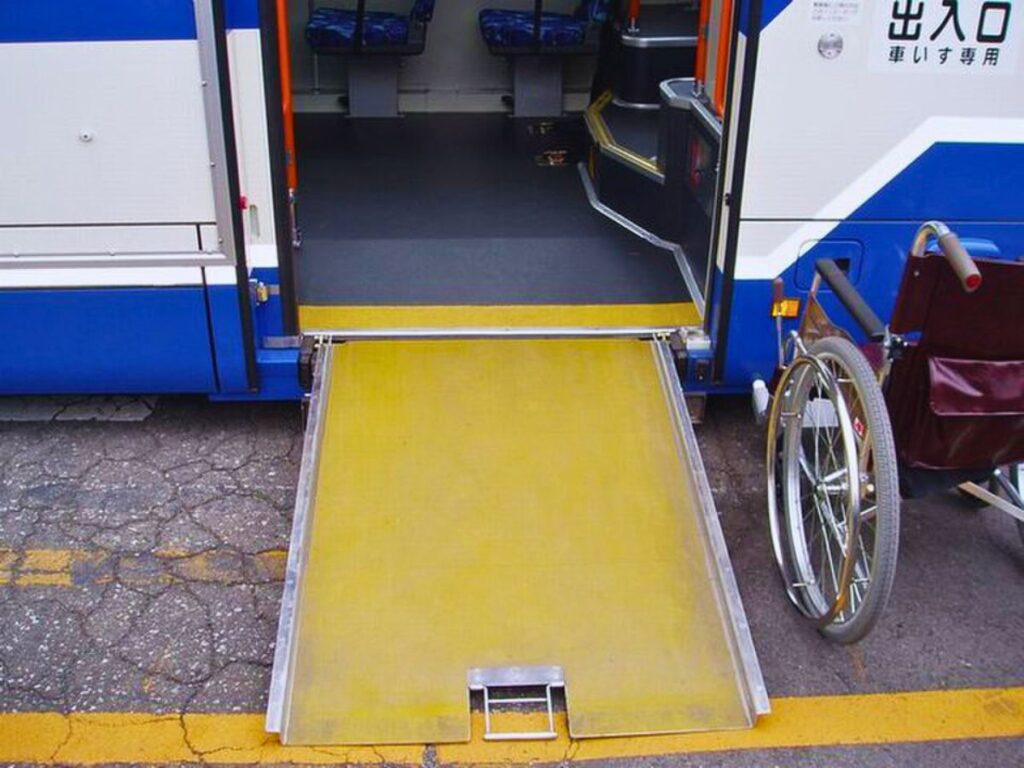
Tokyo’s Toei Bus network uses non-step buses, which have no steps at the entrance and use a ramp to help wheelchair users board. There are designated wheelchair spaces inside, and some buses have a fully flat floor that also removes the step in the aisle towards the rear of the vehicle.
There is one important exception to keep in mind. Passengers using certain handle-type powered wheelchairs must have their wheelchair checked by the bus operator before travelling. Toei Bus provides this check through its bus depots.
For details, look at the Tokyo Metropolitan Bureau of Transportation’s official accessibility information for Toei Bus.
Universal-Design Taxis and Accessible Vehicles
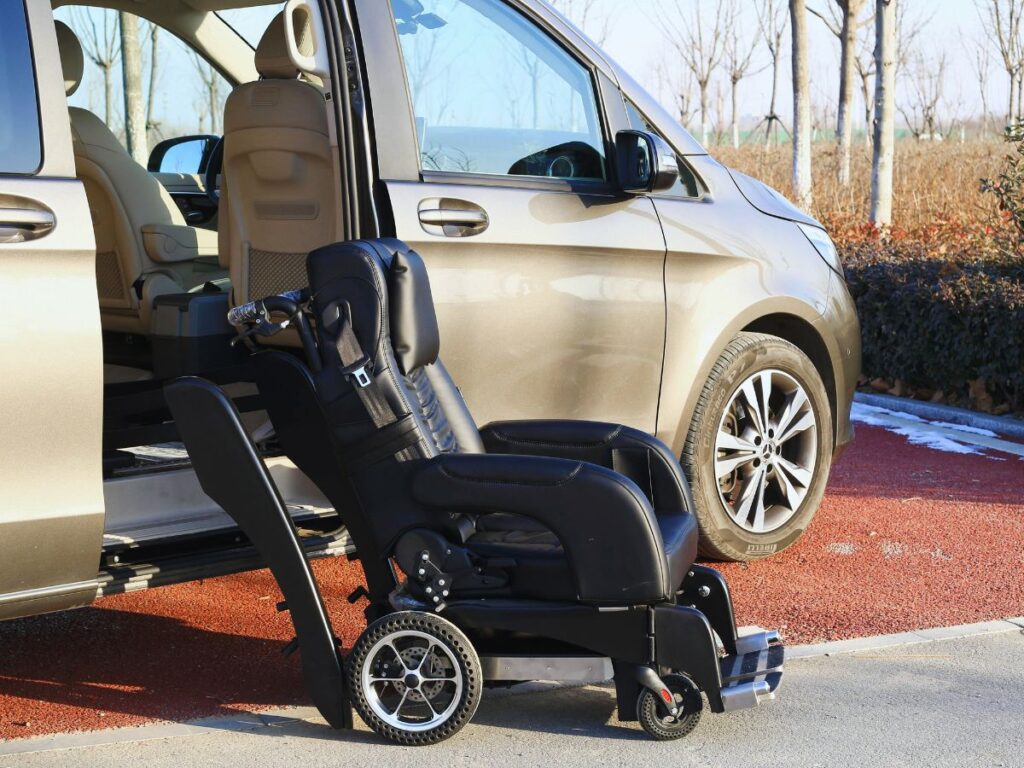
In Tokyo, look for universal-design taxis, often called UD taxis. These vehicles are designed to make boarding easier, with features such as a wider entrance and handrails.
Some accessible vehicles allow wheelchair users to board using a ramp and stay in their wheelchair, which is secured inside the vehicle. In other vehicles, the passenger must transfer to a regular seat and the wheelchair is folded or stored separately.
UD taxis are available at some airport and major-station taxi stands. You can also request one through the GO taxi app or ask your hotel to arrange one, since availability at a particular stand isn’t guaranteed.
For longer journeys or trips to places that are harder to reach by public transport, you can also book a private accessible transfer. For example, ONE TRAIL offers wheelchair-accessible transfers and private trips from Yokohama to destinations including Hakone and Mount Fuji. BridgeMAIT also offers pre-booked accessible transport around Tokyo and Yokohama, including airport transfers and sightseeing trips.
Finding Accessible Hotels in Japan
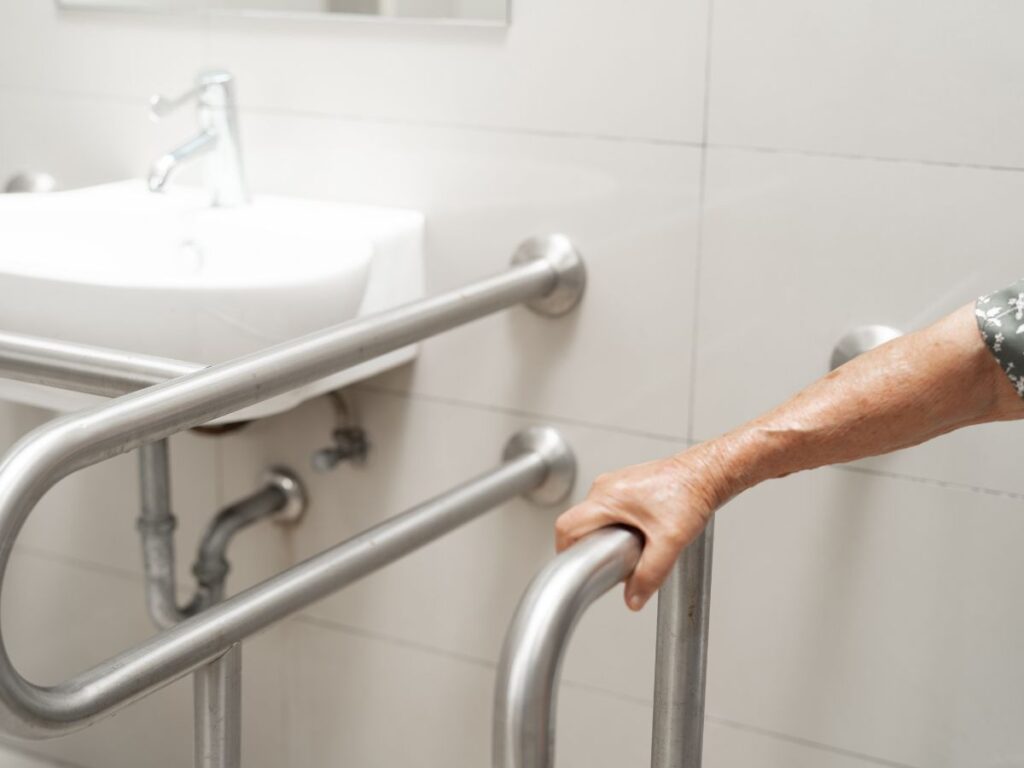
When searching for accommodation in Japan, you’ll often come across the term barrier-free room (バリアフリールーム). It usually refers to a room designed to reduce physical barriers, but the exact features vary by hotel.
For example, the Hilton Tokyo in Shinjuku has a designated accessible twin room with a spacious bathroom and grab rails, while The Westin Tokyo lists accessible rooms with transfer showers and a bathtub seat. Accessible Japan maintains a hotel directory that distinguishes roll-in showers from shower chairs beside bathtubs, which has become useful for us when narrowing down accessible hotel options.
Visiting Attractions and Traditional Sites
Temples and Historic Sites

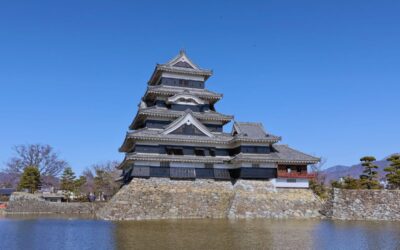
Traditional Japanese buildings like places of worship or castles are harder to visit accessibly. Many were built long before accessibility was considered, with stone steps, sloping approaches, gravel paths, and raised entrances. And even if the grounds are easy to travel around, some of the buildings or areas can’t be reached without stairs.
Tsurugaoka Hachimangu in Kamakura is one example. Its main approach leads towards a flight of steps up to the main shrine, which is a barrier for visitors who cannot manage stairs.
Kiyomizu-dera in Kyoto, meanwhile, shows that some historic sites have made alternative access possible. Wheelchair users can reach the vicinity of the Main Hall via the emergency road entrance at the top of Chawan-zaka hill.
Major Theme Parks
Modern theme parks are often easier to plan for because most were built with accessibility in mind. They also publish detailed accessibility guides and even offer information about individual attractions. Some also have wheelchair viewing areas for shows and services for visitors who struggle with long queues.
LEGOLAND Japan in Nagoya lists attractions that visitors can experience while remaining in their wheelchairs, as well as rides that require a transfer or the ability to stand. Sanrio Puroland in Tokyo provides wheelchair-accessible toilets, designated spaces for parades and services for visitors who have difficulty waiting in queues, although some attractions still have steps or other access requirements. Tokyo Disneyland, Tokyo DisneySea and Universal Studios Japan also publish detailed accessibility information, including ride-specific requirements and facilities for visitors with different needs.
Where to Find Accessible Facilities in Japan
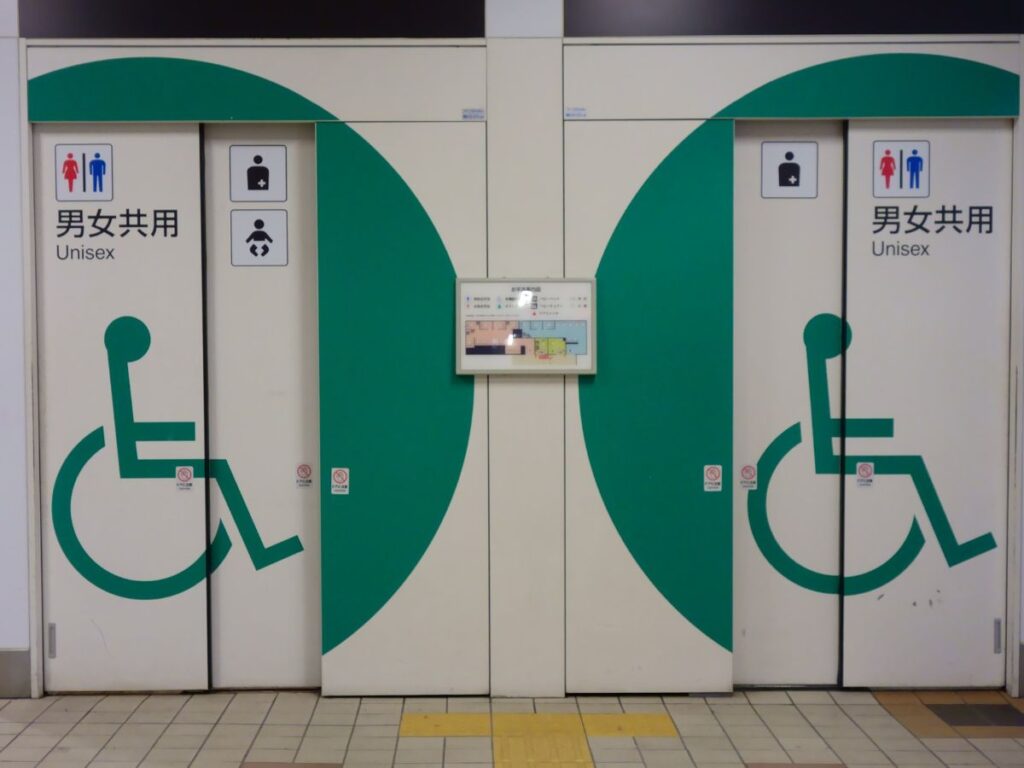
Accessibility information in Japan is spread across different websites, and we’ve found that these resources are useful starting points for planning a trip.
- Daredemo Tokyo: Run by the Tokyo Metropolitan Government, this is a searchable database of accessible facilities around Tokyo. It’s handy when you’re looking for specific places and want to check their facilities rather than rely on general sightseeing recommendations.
- Tokyo Accessibility Guide: Also a Tokyo government resource, this takes a broader tourism-focused approach, helping visitors explore accessible travel options and services around the capital.
- Japan National Tourism Organization (JNTO): A good starting point for nationwide advice if you’re travelling beyond Tokyo. It covers general considerations for travelling around Japan with a disability and helps you work out what to look into next.
- Accessible Japan: A specialist resource created by accessible-travel advocate Josh Grisdale. Alongside practical travel advice, it has hotel listings and information about attractions and experiences, making it particularly useful when you’re trying to find accommodation with specific features.
- Kyoto Universal Sightseeing Guide: If Kyoto is on your itinerary, this local guide is worth a look. It covers tourist attractions, toilets and restaurants, and includes suggested sightseeing routes to help you plan your days around the city.
Planning an Accessible Japan Trip?
Planning a trip to Japan can involve a lot of research, and accessibility needs can make the process even more complicated. If you’d like assistance putting together an itinerary that takes your travel needs into account, Flip Japan’s Travel Planner can help. Tell us what you’d like to see, how you prefer to travel and what you need to consider along the way, and we can explore the options together.
Accessible Travel in Japan FAQs
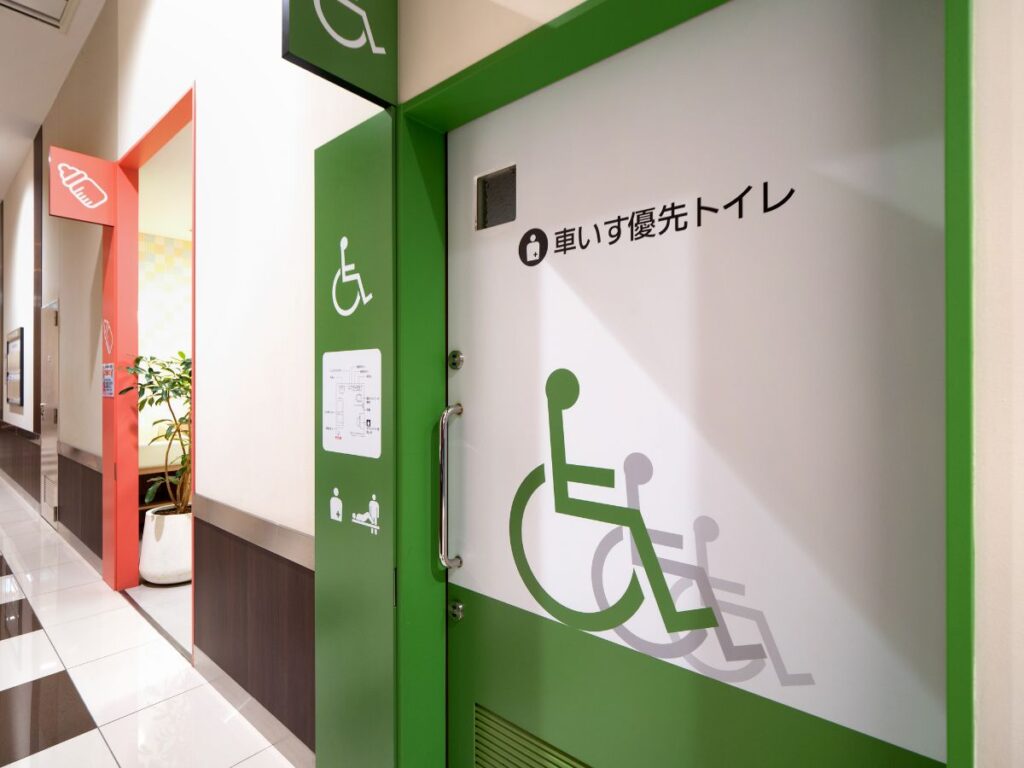
Is Japan wheelchair-accessible?
Major cities generally offer more accessible options, but older historic sites and rural areas can be challenging.
Is the Shinkansen wheelchair-accessible?
Yes. Wheelchair spaces and boarding assistance are available, but booking procedures vary by railway company.
Do Japanese hotels have roll-in showers?
Some do, but they’re not standard. Accessible Japan keeps an updated list of accommodations that provide roll-in showers.
Are temples wheelchair-accessible?
Some offer step-free routes, but many have stairs or gravel paths.