
Travelling in Japan during the summer months, you’ll realise soon enough that the humidity in this country is not a joke. You will find yourself looking for any excuse to stand in front of a supermarket air conditioner or linger in the refrigerated aisle for far too long.
This is usually the point where people start looking for the best aquariums in Japan as a legitimate way to avoid melting into the pavement. If you are trying to escape the summer heat in Tokyo, for example, a trip to an aquarium seems like a logical choice. It is dark, it is cool, and you can pretend you are deep underwater instead of being stuck in a city with thirty-seven million other people.
The good news is that Japan takes its aquariums very seriously, treating them as architectural marvels rather than just convenient cooling centers. I’ve explored the options and think these are the ones that would elevate your travel itinerary.
Osaka Kaiyukan
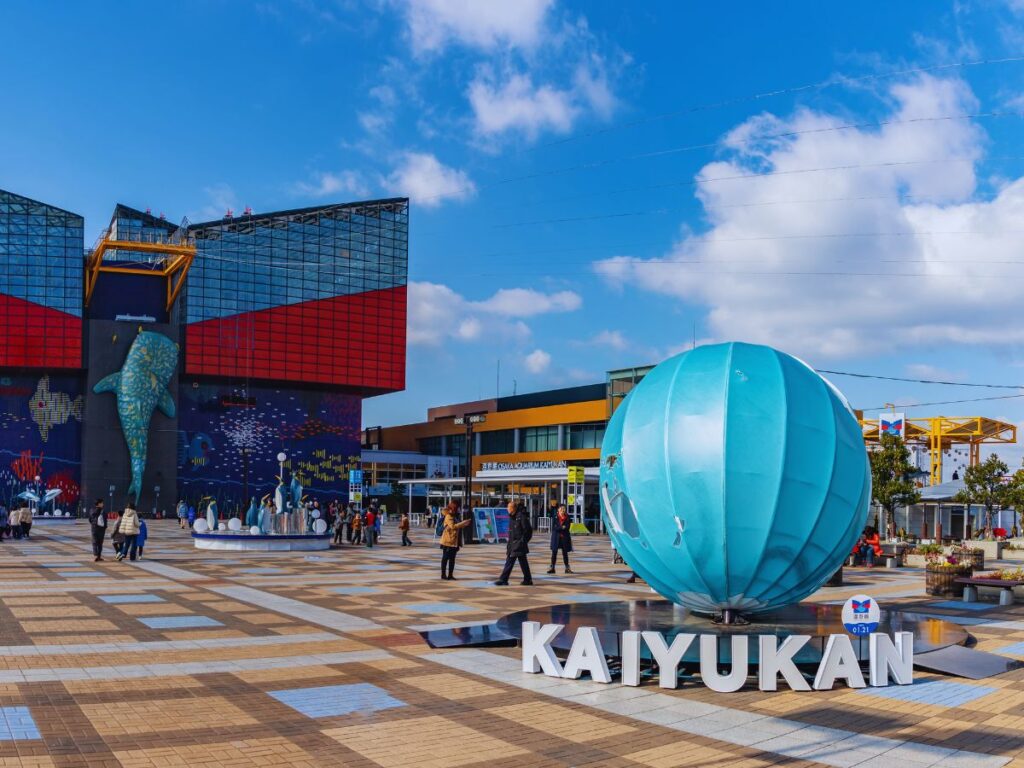
If you find yourself in the Kansai region, the Osaka Kaiyukan is likely at the top of your list. It is located in the Tempozan Harbour Village, which is a bit of a trek from the main hubs of Umeda or Namba. You will need to take the Chuo Line out to Osakako Station and then walk past a giant Ferris wheel that looks slightly terrifying in high winds. The building itself is a remarkable piece of architecture, looking like a collection of coloured glass cubes piled on top of each other.
What makes this place one of the best aquariums in Japan is the way they have structured the experience. You start at the top floor and wind your way down a spiral ramp around a central tank that is nine metres deep. This tank represents the Pacific Ocean and houses the stars of the show, the massive and slow-moving whale sharks that seem entirely indifferent to the hundreds of tourists pressing their faces against the glass. The design means you see the same animals from different depths, which is a clever way to keep people moving through the space.
The reality of Kaiyukan is that it is almost always crowded. If you go on a weekend or a public holiday, you will be fighting for a view against legions of school groups and families. Still, I personally think that it is a great addition to any trip in Japan with kids.
Once you finish the spiral, you end up in a petting pool area where you can touch rays. There is also a gift shop at the end, which somehow always does a good job of separating me from my yen with high-quality plushies of deep-sea isopods.
Okinawa Churaumi
Travelling all the way down to the southern islands brings you to the Okinawa Churaumi Aquarium. This is often cited as the best of the best aquariums in Japan, but the logistics of getting there can be a total nightmare. It is located in the Ocean Expo Park on the Motobu Peninsula, which is about a two-hour drive from Naha if the traffic is behaving. If you are relying on the Yanbaru Express Bus, prepare for a long ride through suburban sprawl before you see any actual ocean scenery.
The main draw here is the Kuroshio Sea Tank. It was the largest in the world for a long time, and it is still visually striking. Seeing several whale sharks and manta rays gliding past a massive acrylic window is an experience that justifies the long bus ride. When I saw it, it felt less like a zoo and more like a window into a different world. Because the aquarium itself is inside the massive Ocean Expo Park, you can easily spend a whole day here, especially since the park itself is home to Emerald Beach, widely considered to be one of the best beaches in Japan.
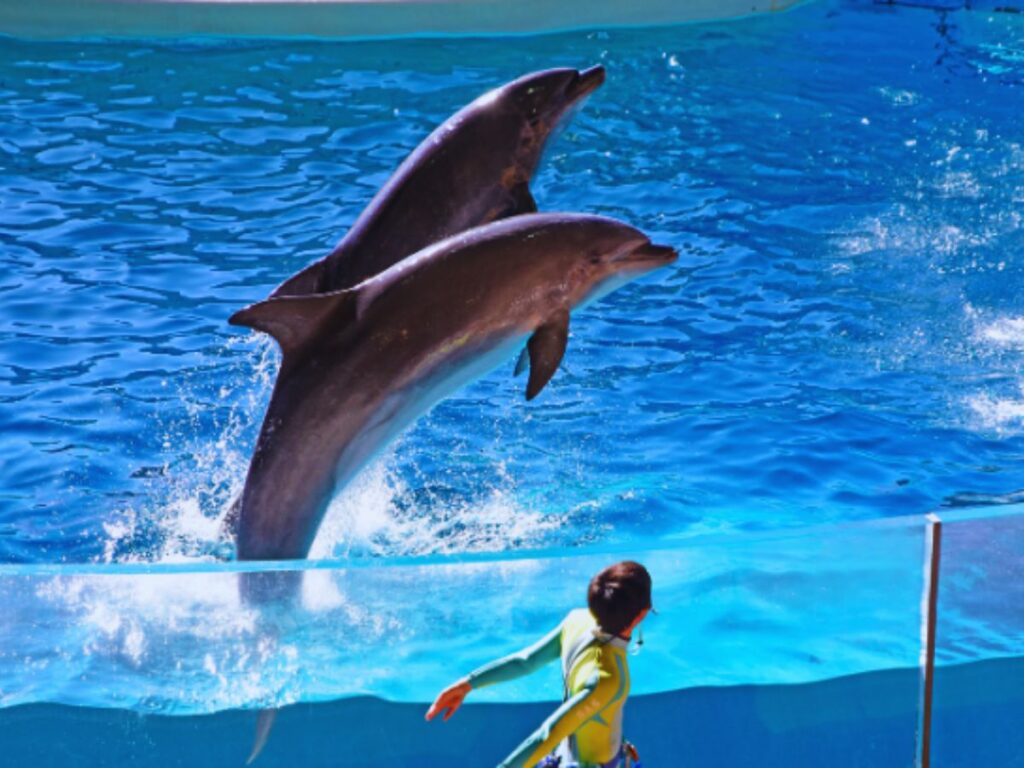
The downside to Churaumi is the heat outside the building. You spend your time in a temperature-controlled paradise, but the moment you step out to find the dolphin show, the Okinawan humidity hits you like a wet blanket. The dolphin show itself is free, which is nice, but if I’m being honest, it feels a bit dated compared to the high-tech displays inside the main building. If you are adding this to your Japan summer itinerary, make sure you book your park entry tickets in advance to avoid standing in a queue that stretches into the sun.
Tokyo Aquariums
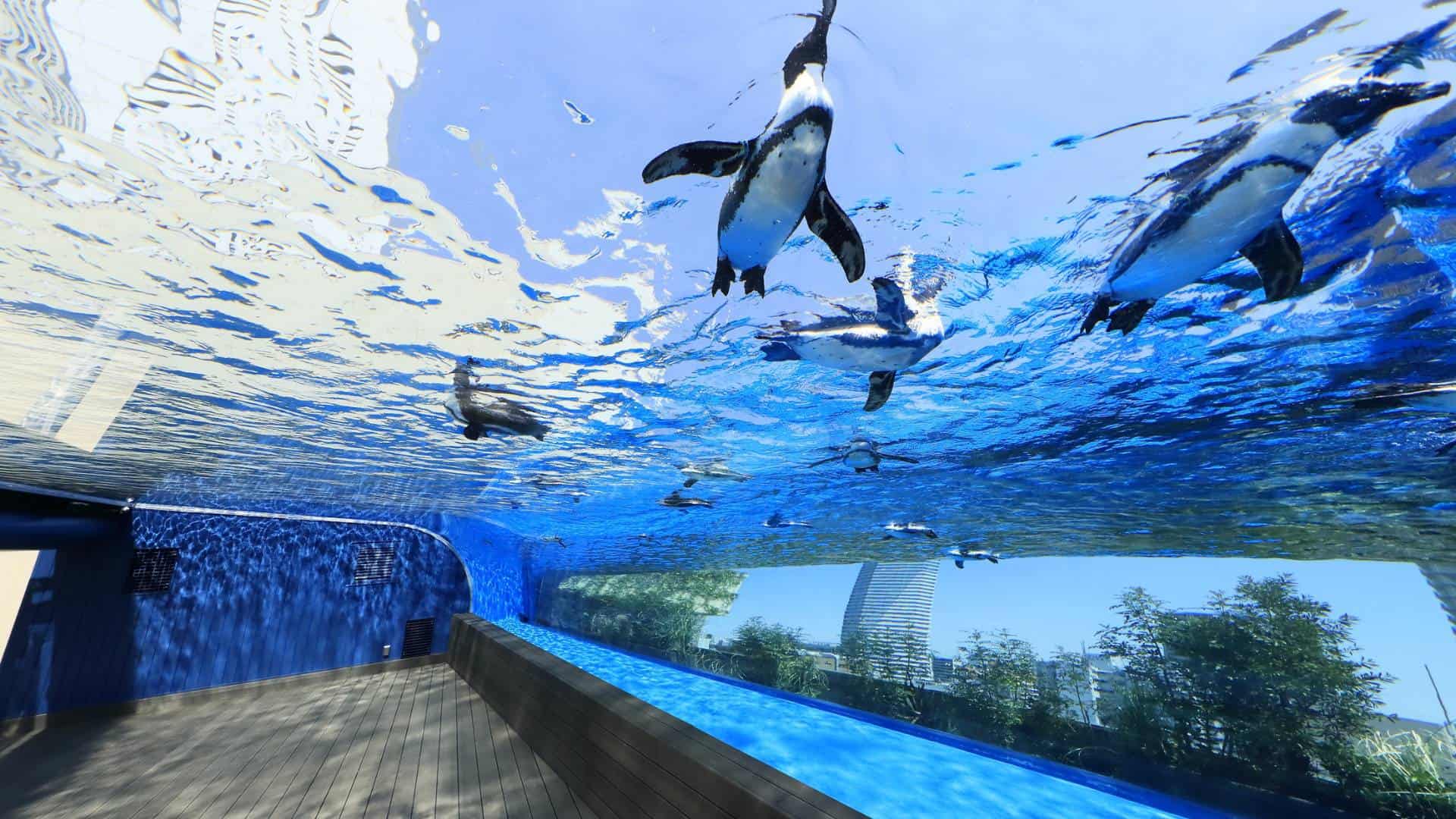
Back in Tokyo, you have a few contenders for the best aquariums in Japan that do not require a cross-country flight. The Sunshine Aquarium in Ikebukuro is located on the rooftop of a skyscraper. It is a strange feeling to see penguins flying through the water with the Tokyo skyline visible through the glass behind them. The aquarium is compact and can feel a bit packed when it is busy, but it is incredibly convenient. You can go from browsing for limited-edition sneakers to looking at a giant sunfish in about ten minutes.
If you want something a bit more unique, the Maxell Aqua Park in Shinagawa uses a lot of projection mapping, neon lights, and loud music. It is essentially a nightclub for fish, and hopefully they’re enjoying it. It is located right next to the Shinagawa Station, which is a major transport hub, making it an easy stop if you have a few hours to kill before a Shinkansen departure. The dolphin performance here involves a circular pool and water curtains synced to lights, which is very impressive but definitely leans more towards entertainment than education.
Then there is the Sumida Aquarium inside the Tokyo Skytree complex (how Japanese engineering somehow always seems to fit these slices of ocean life inside modern skyscrapers is beyond me!). This one is famous for its jellyfish displays and a very large open-air indoor pool for penguins and fur seals. It is a great place to visit if you are already at the Skytree, but it is not something I would cross the city for on its own.
Shin-Enoshima Aquarium
For a proper Tokyo day trip that feels like a getaway, I usually suggest the Shin-Enoshima Aquarium. It is located right on the beach in Kanagawa Prefecture. You take the Odakyu Romancecar from Shinjuku to Katase-Enoshima Station, which looks like a bright red dragon palace. The walk from the station to the aquarium takes you past shops selling grilled squid and shirasu (tiny white bait) croquettes. The smell of the ocean here is real, mixed with the slightly greasy scent of street food.
This aquarium focuses heavily on the local marine life of Sagami Bay. They have a fantastic jellyfish hall that I find much more relaxing than the neon-soaked versions in Tokyo. The big tank here is designed to look like the rocky reefs just offshore, and the way the light filters through the water is very natural. It (and the surrounding Enoshima area) is a popular spot for couples on dates, so expect a lot of hushed whispering and people taking endless selfies in front of the tanks.
After you have finished with the fish, you can walk across the bridge to Enoshima Island itself. It is a steep climb up many stairs, or you can pay for the escalators if you are feeling lazy (I usually am). The view from the top of the island back towards the mainland is excellent on a clear day. You might even see Mount Fuji if the summer haze has not completely obscured everything. Just be prepared for the crows, they are notorious for stealing snacks right out of your hands.
Port of Nagoya Public Aquarium
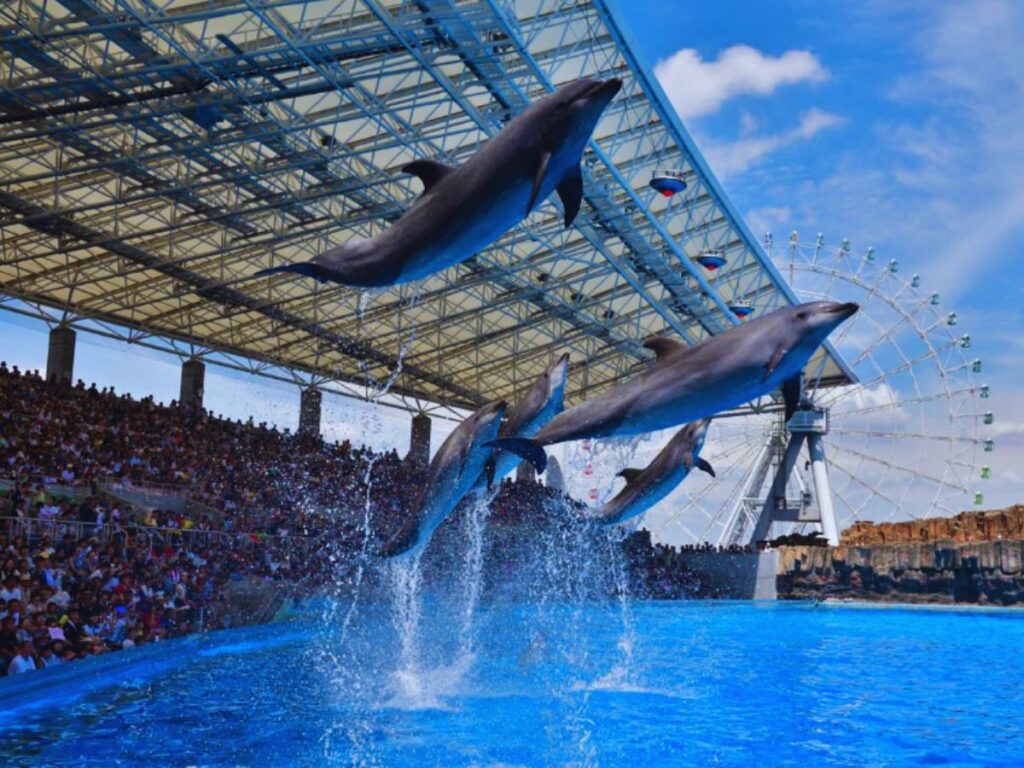
The Port of Nagoya Public Aquarium is another heavy hitter that often gets overlooked because people tend to skip Nagoya in favour of Kyoto. That is a mistake, especially if you like large marine mammals. This is one of the few places in the country where you can see orcas. The facility is split into a North Building and a South Building, connected by a bridge. The North Building focuses on dolphins, orcas, and beluga whales, while the South Building follows a journey from the Antarctic to the Japanese seas.
The orca tank is massive, and seeing these animals up close is undeniably impressive, even if you have mixed feelings about large mammals in captivity. The train ride there is simple enough, just take the Meiko Line to Nagoyako Station. The surrounding port area is a bit industrial and gritty, lacking the polished tourist feel of Osaka’s harbour, but it feels more authentic. There is even a decommissioned Antarctic research ship nearby that you can board, which adds a bit of variety to the day.
The walk from the station to the aquarium entrance is not long, but it is entirely unshaded, so on a hot day, bring an umbrella or a hat, or you will be sunburnt before you even see a penguin. The food court inside is standard fare, mostly curry rice and ramen, so you might want to wait until you get back to the city centre to find some Nagoya specialty foods like miso katsu or hitsumabushi.
Toba Aquarium
If you are venturing slightly off the heavily beaten Tokyo-Kyoto tourist trail, Toba Aquarium in Mie Prefecture is an absolute must-visit. It holds the record for the most species of any aquarium in Japan. It is also famous for being the only place in the country, and one of the few in the world, where you can see a dugong. Yeah, those sea cows that lonely sailors used to mistake for mermaids. Having seen them, I can only assume those sailors had bellies full of rum and had been at sea for a very, very long time.
Though slightly off the golden route most tourists follow, you can actually reach Toba Station easily via the Kintetsu Railway from Osaka. From the station, it is a relatively painless walk along the waterfront.
One of the quirks of Toba Aquarium is that it has no fixed route. They literally just hand you a map and let you wander through the different zones (there are more than 10!) in whatever order you please. It is freeing, but if you have a terrible sense of direction like I do, you will inevitably end up looking at the same capybara three times while trying to find your way.
Kamo Aquarium
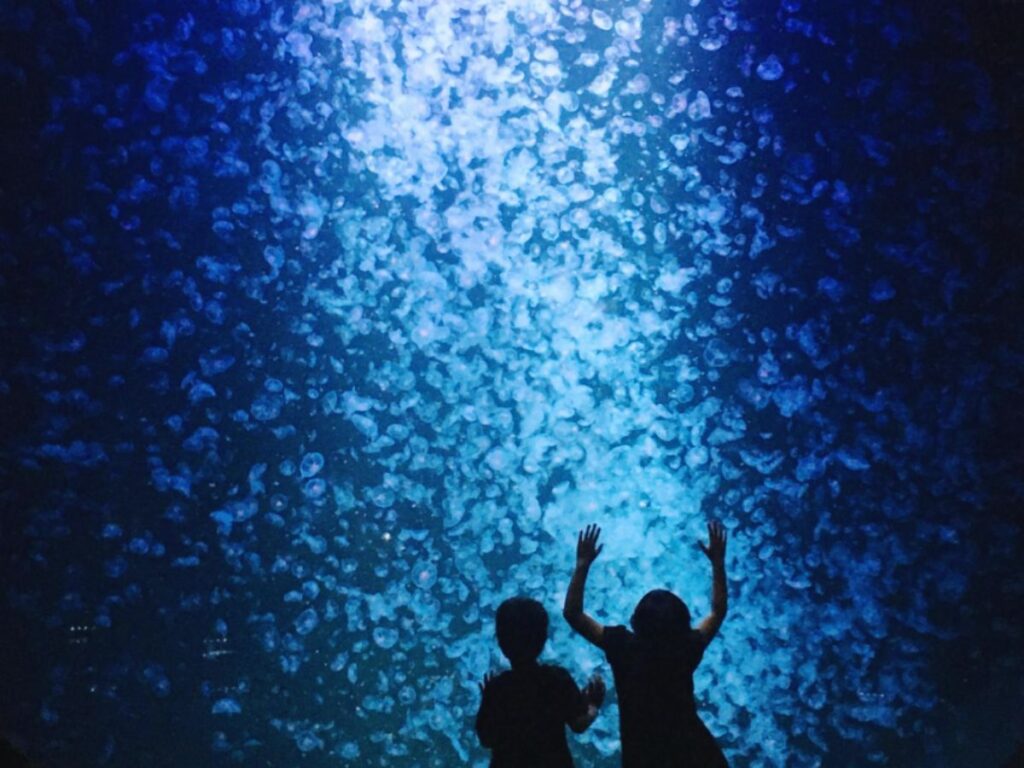
Up the Sea of Japan coast, in Yamagata Prefecture, the Kamo Aquarium is a great stop.
The main event here is the Kurage Dream Theater, a massive five-metre circular window absolutely stuffed with thousands of drifting moon jellies. Because the room is pitch black and the tank is lit up, it feels less like you are staring at a giant, living lava lamp.
Getting there requires a train and a local bus ride from Tsuruoka Station that will make you feel like you are driving out to the actual end of the earth, especially if the coastal winds pick up. The massive upside to being in the middle of nowhere is that you do not have to fight off Tokyo-level crowds just to look at a glass pane.
Before you get back on the bus, you can hit the cafe for jellyfish ramen or jellyfish ice cream. It sounds disgusting, and it is absolutely a gimmick, but the crunchy texture is exactly the kind of weird, hyper-local novelty I live for on Japanese road trips.
Marine World Uminonakamichi
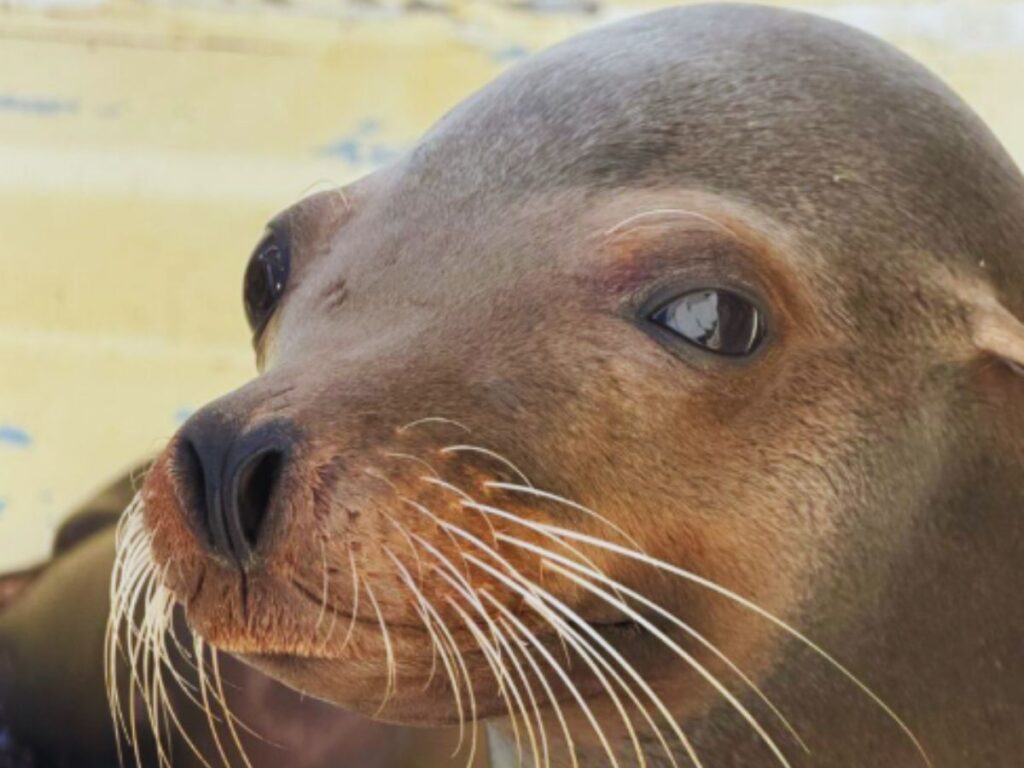
Down in Kyushu, Marine World Uminonakamichi sits on a massive sandbar right across the bay from central Fukuoka. They renovated the whole place a few years ago, and it shows. Instead of feeling like a damp 1990s concrete bunker, it is sleek, full of natural light, and focuses almost entirely on local Kyushu marine life rather than trying to cram in species from all over the globe.
The big panoramic tank representing the rough waters of the Genkai Sea is great, but the absolute best part of this place is the show pool. The stadium seating is completely open at the back, meaning you get to watch the marine life with the actual ocean and the Fukuoka city skyline in the background. It beats staring at a painted wall by a mile. And can I just say… they have the most photogenic sea lions!
As for logistics, you could just take the JR train, but I highly recommend catching the high-speed ferry from Momochi Seaside Park instead. It cuts straight across the water and drops you right near the entrance. Since the aquarium sits next to a massive public park, it is an easy way to kill a whole day before heading back into the city centre to hunt down a bowl of tonkotsu ramen.
Best Aquariums in Japan FAQs
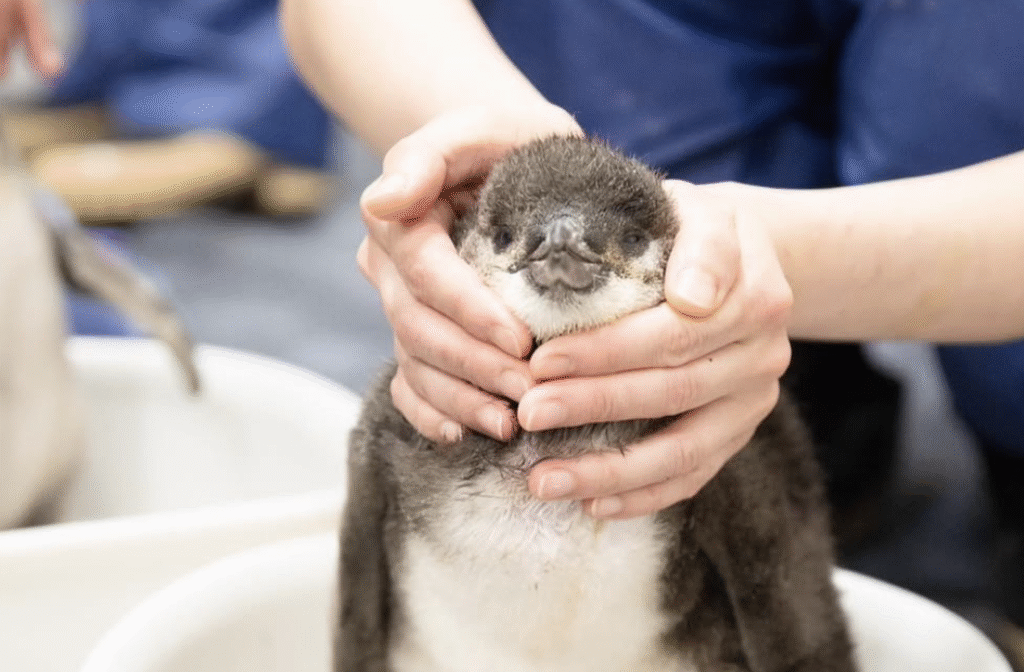
Can I take photos inside the aquariums in Japan?
Photography is generally allowed in most areas, but flash is strictly prohibited because it stresses the animals and reflects off the glass anyway. Some specific special exhibitions might also have “no photo” signs, so keep an eye out for those.
Which Japanese aquariums have whale sharks?
If you want to see the giants, you need to head to either Osaka Kaiyukan or the Okinawa Churaumi Aquarium.
Do I need to book aquarium tickets in advance?
Yes, absolutely, especially if you’re visiting in the summer. Booking online saves you from standing in a sprawling queue out in the summer heat.
Are Japanese aquariums stroller friendly?
Technically yes, but as a mom, I can tell you that practically, it can be a headache. Elevators are often small and have long waits. If you have the option, bringing a baby carrier will save you a lot of frustration.
Are aquariums in Japan a good rainy day activity?
Absolutely, they make for great rainy day destinations. Because the primary tanks and exhibits are indoors and heavily air-conditioned, they are the perfect escape from both the intense summer humidity and sudden downpours.