
When parents start researching things to do in Japan with kids for their trip, they usually end up frustrated, staring at a list of temples and shrines that look stunning in photographs but are absolute torture for an energetic five-year-old.
Living in Japan and raising a school-aged son here means I have spent years figuring out exactly what actually works and what results in an epic public meltdown on a crowded station platform.
In this blog are activities I have watched my son enjoy over years of dragging him across the country. Some of them are massive days out, while others are small enough to squeeze into a tiny gap between train connections. Pick what works for your family trip based on how much energy everyone has that day.
Spend Time Outdoors
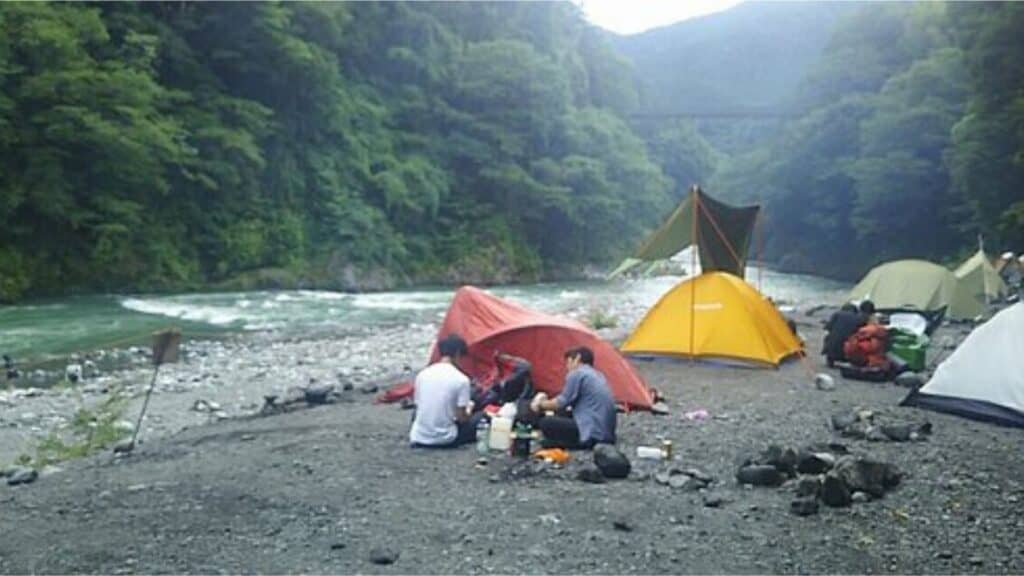
While the neon-lit cities get all the attention, spending time in nature is a big part of local family life here. Japan is covered in mountains, and taking the kids on easy, well-marked hiking trails is a popular weekend activity.
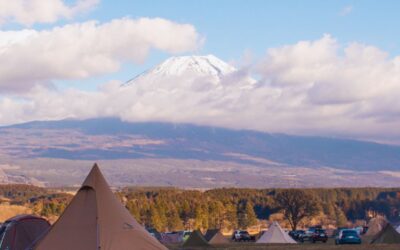
You could even consider an overnight stay. I was initially hesitant about the idea of family camping, but trying it out just once immediately changed my mind. Campgrounds in Japan are meticulously maintained, with restrooms that are spotless. Many even feature hot showers or their own traditional sento bathhouses right on the premises. And you don’t have to drag camping gear across the world either. You can rent everything from portable stoves to high-end tents on arrival.
If you flat out hate the idea of setting up camp, many sites feature dedicated sections with ready-made cabins. Places like Fumotoppara at the base of Mount Fuji have these fantastic, uniquely shaped cabins that kids absolutely love.
Meet Their Favourite Game and Movie Characters
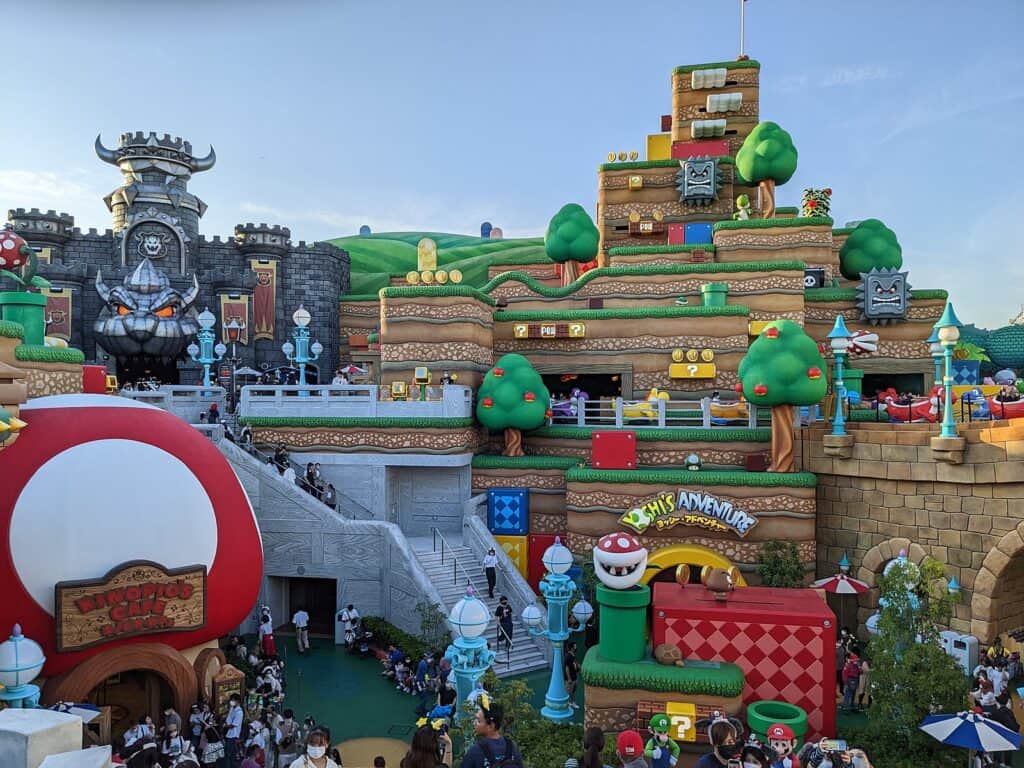
If your kids are obsessed with specific franchises, Japan is ground zero for bringing those worlds to life. Take Super Nintendo World at Universal Studios Japan. The interactive wristbands let kids literally punch question blocks and collect digital coins all around the zone. But a word of warning: you absolutely must buy timed entry passes well in advance. Capacity fills up fast even on random weekday mornings, and arriving without a booked slot means you might not get into the zone at all that day.
If your family leans more towards magic, the Warner Bros. Studio Tour Tokyo is amazing. Unlike a traditional theme park with fast rides, this is an enormous, highly detailed walk-through experience exploring actual film sets like Diagon Alley, Hagrid’s Hut, Number 4 Privet Drive, and a Tokyo-exclusive Ministry of Magic. I spent hours here, and the level of craftsmanship is staggering. Just keep in mind that you are looking at a solid four-hour walk. Wear comfortable trainers and take full advantage of the halfway stop for Butterbeer.
Become a Real-Life Pokémon Hunter
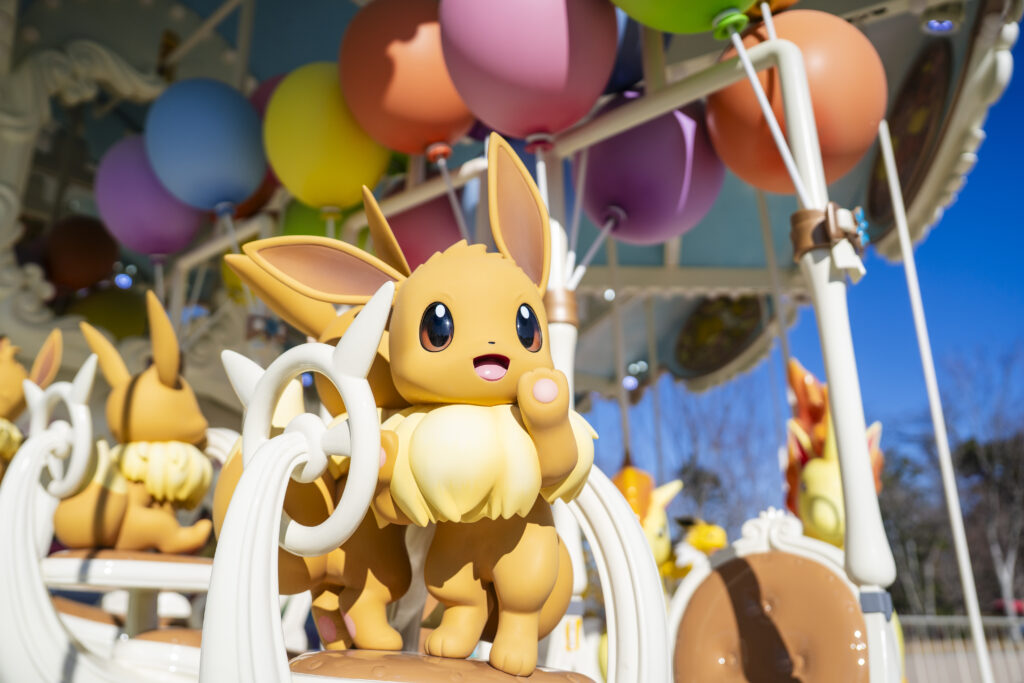
TM, ®, and character names are trademarks of Nintendo.
If your kids are in a Pokémon phase, you can easily turn your entire holiday into a real-world scavenger hunt.
You can start with the new PokéPark Kanto inside Yomiuriland in Tokyo. Opened in early 2026, it lets children hunt for Pokémon through a forested, hilly setting. It is essentially a nature walk disguised as an interactive game, which is fantastic for burning off energy. More about PokéPark Kanto here:
You also absolutely have to visit at least one Pokémon Center. These huge official shops are located in almost every major city and are packed with exclusive plushies, arcade machines, and stationery.
Now, a very important piece of advice from a mom who has lost thousands in these stores: It is practically impossible to walk out of one empty-handed, so handing your child a set budget beforehand is a smart move. If you want to eat at the official Pokémon Cafes attached to the Tokyo and Osaka locations, you must book online exactly a month in advance because reservations vanish in seconds.
Beyond the parks, the Pokémon Company has installed hundreds of custom-painted manhole covers, known as Pokéfuta, across the country. Each one features a unique design highlighting a specific character and local regional traits.
For the ultimate fan experience, the MIMARU Apartment hotel chain offers official Pokémon rooms in Tokyo, Kyoto, and Osaka. You get a dining table shaped like a Poké Ball, and a gigantic stuffed Snorlax taking up half the bed. Because they are apartment-style with small kitchens, they are incredibly practical for families, but these rooms book up months in advance.
Finally, do not forget to look out for regional ambassador Pokémon and bizarre limited-time pop-ups. Fukushima features a Chansey-themed playground, while Kagawa Prefecture is completely dominated by Slowpoke, boasting themed ferries and buses.
Cool Down at Summer Water Parks
If you are visiting during the peak July and August heat, you need to swap the sweaty neighbourhood playgrounds for dedicated water attractions. Japan takes its summer pool season incredibly seriously. Large theme parks like Yomiuriland in Tokyo open summer complexes with lazy rivers, wave pools, and dedicated Anpanman splash zones for toddlers.
For younger children, you do not even need to pay for a theme park ticket. Most local Japanese city parks open free wading pools, known as jabujabu-ike, from mid-July. They are essentially shallow, ankle-deep splash pads designed specifically for toddlers to cool down safely. When my son was younger, finding a jabujabu-ike near our apartment was an absolute lifesaver on sweltering afternoons.
Step Into the World of Studio Ghibli
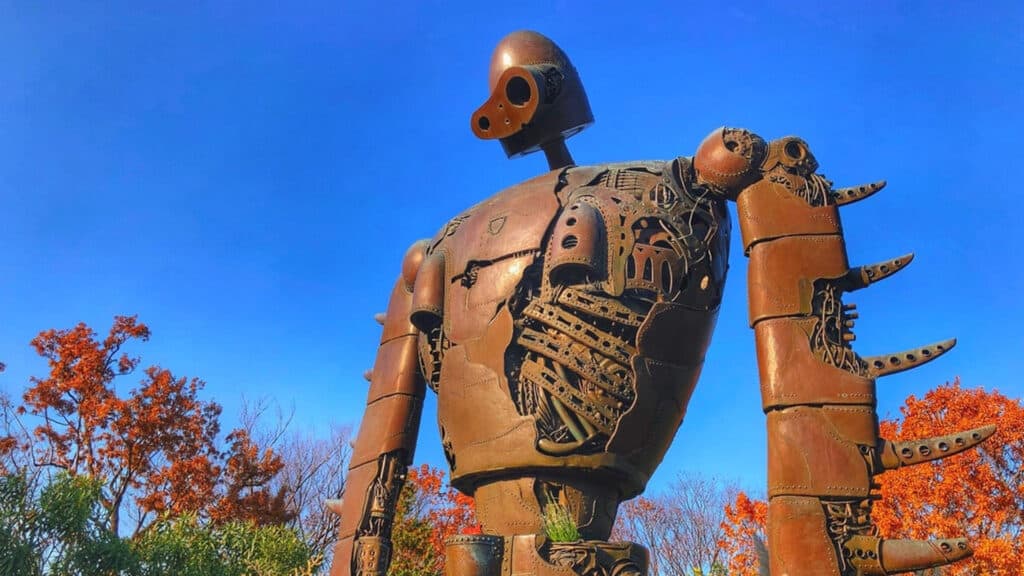
If your family loves Japanese animation, you must dedicate time to Studio Ghibli. The absolute crown jewel is the Ghibli Park in Aichi Prefecture. You will not find any roller coasters here. Instead, you physically step into full-scale movie sets, like a 20-metre-tall Howl’s Moving Castle and Satsuki and Mei’s house.
If you miss out on the Aichi park, the classic Ghibli Museum in Mitaka, Tokyo, is a great alternative. It focuses heavily on the animation process, complete with an exclusive short film and a giant fluffy Cat Bus that only children are allowed to climb inside.
Tickets for both locations are notoriously hard to get, but if you strike out on all park tickets, do not panic. You can easily salvage the day by visiting stores like Shirohige’s Cream Puff Factory, where they bake incredibly detailed, officially licensed Totoro cream puffs that are almost too cute to eat.
You can also visit one of the many Donguri Republic retail shops to let the kids pick out some beautiful official souvenirs, and they will still feel like they experienced the magic.
Seek Out Easy Winter Snow Play

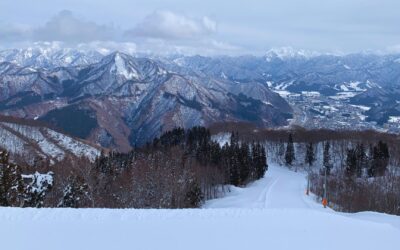
For winter trips, Japan has resorts that cater purely to snow play. Hokkaido resorts like Rusutsu and Kiroro run dedicated snow parks with activities like sledging and tubing that require absolutely zero ski experience. The best part is that many of these resorts rent out full children’s snowsuits and boots, meaning you do not have to sacrifice half your luggage space to bulky winter gear.
If you are skipping the mountains and staying entirely within the major cities, you can still get your winter fix. Places like Tokyo Midtown and the Yokohama Red Brick Warehouse set up fantastic outdoor ice skating rinks. I love letting my son off energy in these rinks, then buying a hot cocoa or warm corn soup directly from a street vending machine. For young travellers, pulling a hot can of soup out of a machine is a surprisingly thrilling novelty.
Bond Over Hands-On Cultural Experiences
I have found that keeping young travellers engaged often comes down to letting them get their hands dirty. Home cooking classes built around simple dishes like gyudon or hand-rolled sushi give children something to do with their hands rather than simply watching an adult demonstrate. Kids will happily eat a badly constructed sushi roll bursting with far too much rice purely because they made it themselves.
If you want something more active, ninja and samurai experiences run in several cities and usually involve a full costume change, and a short lesson in throwing star technique using blunted props. It is highly entertaining to watch, mostly because a six-year-old will take the entire ritual far more seriously than any adult in the room.
For a rainy afternoon, craft workshops like traditional indigo dyeing or simple pottery are brilliant backup plans. They keep small hands busy and send everyone home with a physical souvenir they created, which easily beats buying plastic trinkets from a crowded gift shop.
Spend an Afternoon at the Zoo
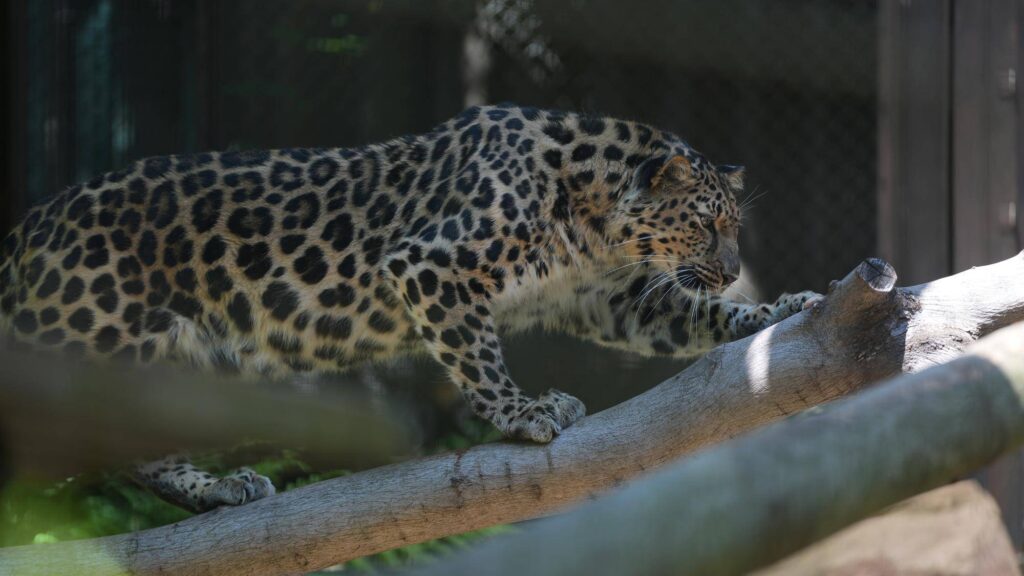
You might wonder why you should dedicate precious holiday time to a zoo when you have perfectly good ones back home. The reality is that adding a zoo day to your itinerary is more of a strategic move for parents. First, entry tickets in Japan are almost laughably cheap. Second, they give your kids a chance to see native wildlife like Japanese macaques and tanuki without you having to hike into the actual wilderness. But most importantly, zoos provide a massive, safe space where children can finally run around and be as loud as they want after days of keeping quiet in temples and on trains.
While I would not necessarily call Ueno Zoo the absolute best animal facility in the country, its location is incredibly convenient if you are already exploring eastern Tokyo. It sits right inside Ueno Park alongside major museums, making it a very easy detour when your kids suddenly demand a break from traditional sightseeing.
My favourite (and it’s not too far from Tokyo!) is Zoorasia in Yokohama. It is beautifully laid out by natural habitat rather than by species, and (the absolute best part for parents) there are adventure-style playgrounds scattered throughout to break up the animal viewing. Get a full list of our favourite zoos in Japan here:
Get Lost in a Games Arcade
Japanese arcades are not the dying novelty they have become elsewhere. Multi-storey game centres like Round1 or Taito Station are stacked with claw machines, rhythm games and photo booths, and they are one of the easiest ways to spend an hour when everyone is too tired to walk any further.
My son cannot work most of the games yet, but he is completely happy just watching the claw machines and picking which prize he wants me to fail at winning for him.
Purikura photo booths are worth doing at least once, even if you feel a bit silly. You step into a booth, take a burst of photos with cartoonish filters and props, then decorate them on a touchscreen before printing. It takes about ten minutes and gives you a fun souvenir that costs next to nothing.
You can fit this into an afternoon in Tokyo’s anime haven, Akihabara.
Watch Whale Sharks and Penguins Up Close
Sure, aquariums exist in every major city, so why waste precious holiday time going to one in Japan? The short answer is the sheer scale. Very few places in the world let you see actual whale sharks up close.
The other reason is pure convenience. In Japan, amazing aquariums are often built straight into city shopping centres or right under tourist landmarks. You do not have to drive out to the suburbs to find them, making them a very easy, air-conditioned escape in between sights.
Osaka’s Kaiyukan is famous because it is built around a huge central tank holding whale sharks. Sumida Aquarium in Tokyo is a perfect example of city convenience. It is built right into the base of the Tokyo Skytree (yes, that famous landmark you most likely are already planning on visiting), so you can easily do both in one day. It is also smaller and much easier to manage with a tired toddler.
Our guide to the best aquariums in Japan covers the full spread of options:
Stop at a Michi-no-eki or Service Area on a Road Trip
If any part of your trip involves renting a car, roadside stops are worth building into the route rather than treated as an inconvenience. Michi-no-eki sit on regular roads and are part rest stop, part local market, with most having a small playground attached, which makes them a perfect excuse to pull over before anyone in the back seat starts complaining.
If you are driving on the expressway instead, you will be stopping at a service area rather than a michi-no-eki, since the two are not accessible from the same roads. Do not assume these are basic petrol station stops either.
The bigger ones on major routes are practically small shopping centres, with food courts, arcades and even dedicated kids’ play corners built in, so they end up breaking up a long motorway drive just as well as any proper attraction would.
Every one sells produce and snacks specific to that region, so they end up being a good way to try local food without booking an actual restaurant. Some of the bigger ones even have small onsen foot baths built in, which is a nice five minute reset for tired legs before getting back in the car.
Walk Through a Winter Illumination

If you are visiting between November and February, an evening illumination display is an easy win with kids who are cold and losing patience with more sightseeing. Cities go all out during this period, with entire parks and streets strung with millions of lights.
Nabana no Sato near Nagoya is my personal favourite, with the highlight being this huge Mt. Fuji replica. The Jewel of Shonan in Enoshima also has a really long tunnel of lights and is easily accessible to Tokyo (though it can get really crowded, and the stairs going to the Sea Candle mean that a stroller is not an option).
Within Tokyo, places like Tokyo Midtown and Marunouchi run smaller but still impressive displays that are easy to fold into an evening if you are already in the area. Bring warm layers, because you will likely be standing around outside for longer than planned once your child spots something else they want a photo with.
Visit a Hands-On Science Museum

If your child is more into buttons and gadgets than temples, a science museum earns its place on the itinerary. Miraikan in Tokyo’s Odaiba area is the standout, with a giant globe made of LED panels and a resident humanoid robot that does short demonstrations throughout the day. Most exhibits are designed to be touched and tested rather than looked at from behind glass, which kids love.
Nagoya and Osaka both have their own science museums too, and neither gets anywhere near the crowds of the bigger Tokyo attractions. If you are travelling with a child who gets bored fast, I would pick a science museum over a second temple any day of the trip.
Get Obsessed With Trains
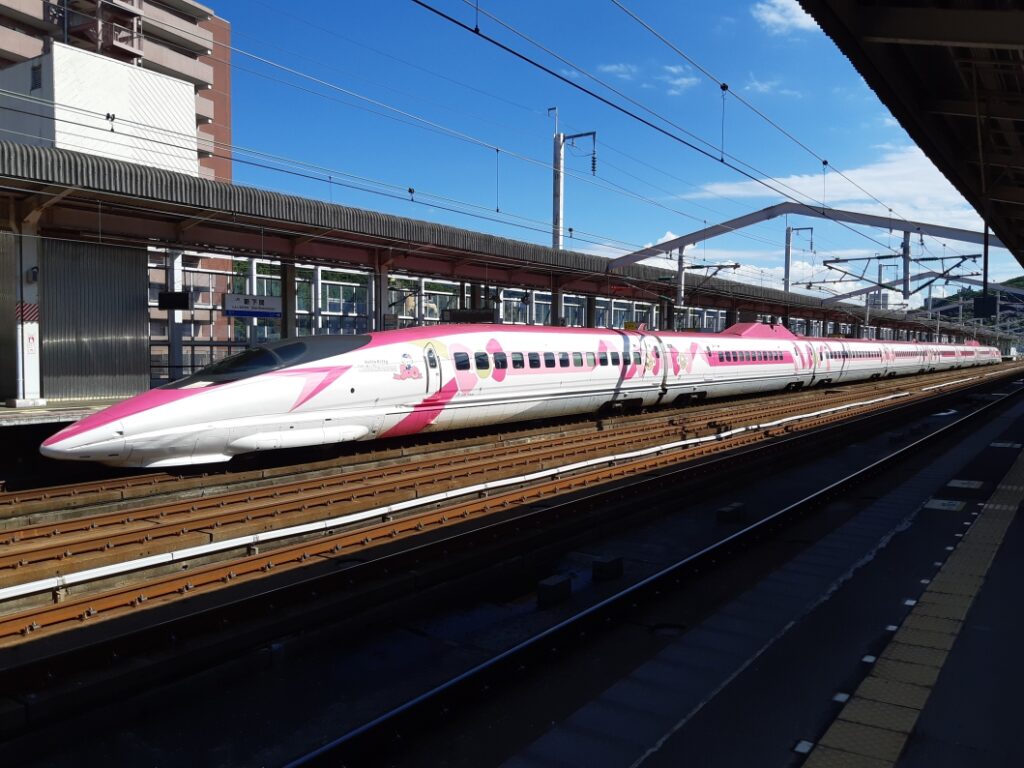
My son went through a serious train phase. In Japan, this is an incredibly common rite of passage. You will actually find entire toy train sets sold in everyday 100-yen shops. It is no surprise, considering the country has some of the most iconic trains in the world, like ones with carriages covered in Hello Kitty stickers, or the impossibly cute Enoden in Kamakura.
Because of this national obsession, there are fantastic train museums scattered across the country. One incredibly popular spot is the Kyoto Railway Museum, which features retired steam locomotives and a driving simulator that understandably generates long queues of cute toddlers. If you are based around Tokyo, the Railway Museum in Omiya, Saitama, is a great alternative, with huge dioramas and interactive exhibits.
Go to a Theme Park Built With Small Kids in Mind
While Tokyo Disneyland has the classic castle, Tokyo DisneySea is a fantastic option with younger kids. Despite the intimidating name, the rides can be surprisingly gentle. I once spent an entire afternoon just riding the transit boats and gondolas with my son without facing a single meltdown over height restrictions. Because the park is designed around water, it feels more like walking through a scenic European harbour than a loud theme park.
If you are planning a trip around Mt. Fuji, look into Fuji-Q Highland. The main park is famous for extreme roller coasters built to terrify adults, but Thomas Land is tucked safely inside the exact same gates. It is built specifically for toddlers, and you get Mount Fuji looming dramatically in the background of nearly every photo you take.
If your trip already takes you down to Kyushu, consider visiting Huis Ten Bosch in Nagasaki Prefecture. It is a big detour from the standard tourist route, but its European-style canals and seasonal illuminations offer a much quieter pace than the massive theme parks.
Feed Animals That Are Not Behind Glass
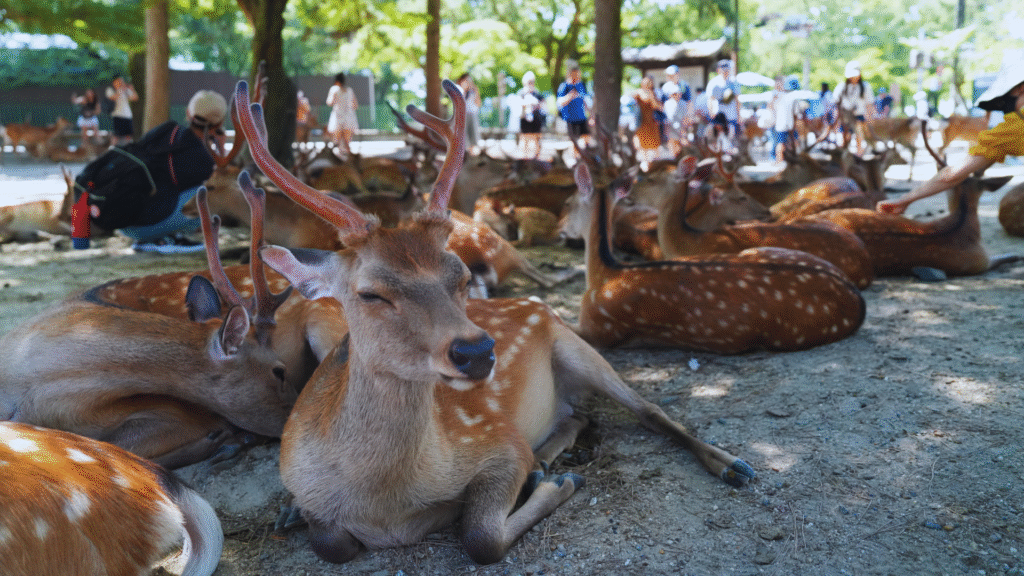
If your kids are tired of looking at things through glass or just following you around shrines and castles, getting up close with animals is a great way to reset their mood.
Iwatayama Monkey Park sits up a hill near the Arashiyama bamboo grove in Kyoto. Instead of the monkeys being locked up, you go inside a small hut with wire mesh windows. The wild macaques climb on the outside, and you can hand them snacks through the wire.
Nara Park, as I’m sure you know by now, has over a thousand wild deer that wander around completely free. You can buy special crackers from street stalls, and the deer will bow their heads to ask for food. Just be aware that some of the deer know exactly who has the crackers and can get a bit pushy.
Book a Family Karaoke Box
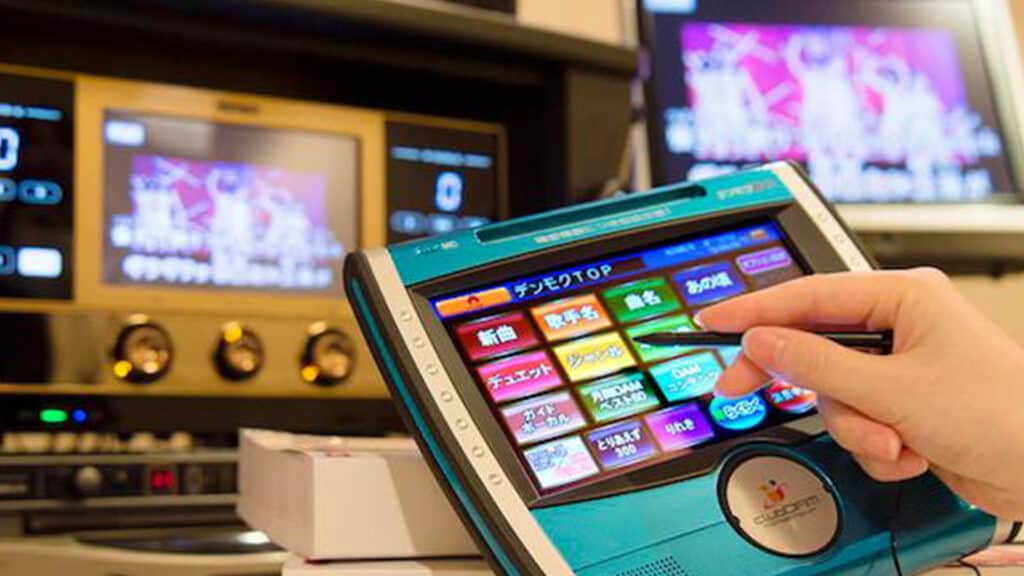
Karaoke in Japan is nothing like an open mic in other countries. You book a private room by the hour, so there is no audience of strangers to embarrass anyone, and most chains let you order food and drinks straight to the room through a tablet. My son can read the words now and takes it far too seriously, grabbing his own microphone and refusing to share the tambourine.
Room designs vary a lot more than people expect. Alongside the standard rooms, several chains run dedicated kids’ rooms decked out with cartoon wallpaper, oversized cushions and sometimes a small stage area, and a few even have rooms themed around specific characters if you book ahead.
The food is also a good reason to stay longer than planned. It will not compete with an actual restaurant, but the menus usually cover more than basic snacks, with things like karaage and pizza alongside the drinks. Most chains also offer unlimited Ice cream and soft drinks for a reasonable fee. Daytime rates are usually far cheaper than evening slots, and a lot of places have an extensive English song catalogue.
Immerse Them in Digital Art
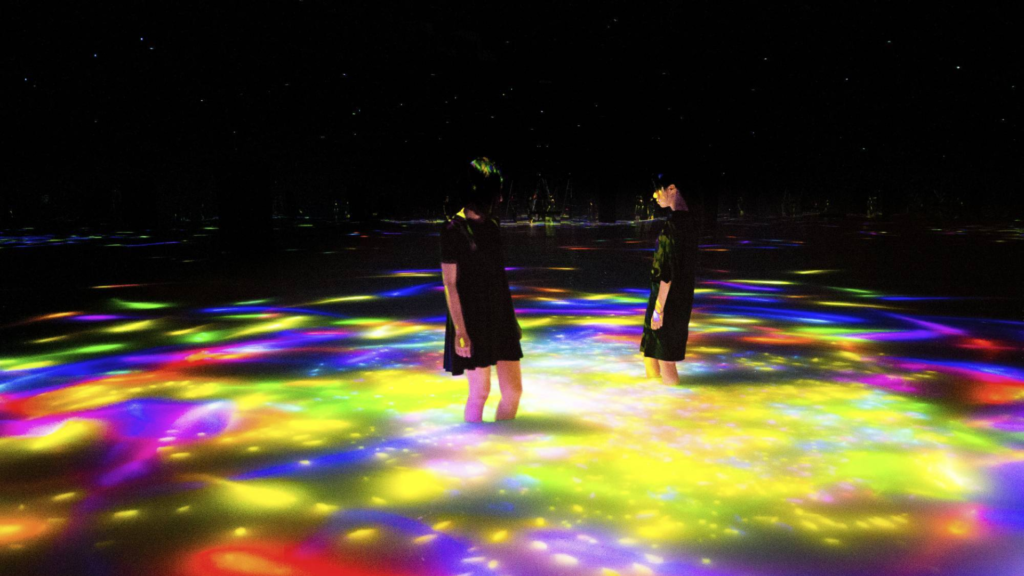
I took my son to teamLab Planets in Tokyo expecting a nice hour of staring at pretty lights and left two and a half hours later with a child who staged a full sit-down protest at the exit. You physically walk barefoot through knee-deep water and crawl through soft light installations. Watching his face the moment the floor beneath him turned into a digital pond full of drifting koi was magical. It is less of an art exhibit and more of a sensory playground.
If rolling up your trousers and wading through water sounds like too much work, the newly relocated teamLab Borderless in Azabudai Hills is completely dry but equally entertaining, built like an endless interactive maze.
If you are travelling further south, teamLab Forest in Fukuoka lets kids use an app to physically catch glowing digital animals moving across the walls. You must book well ahead for any of these locations since tickets sell out weeks in advance. We compare all the teamLab facilities in Japan in this blog:
Chase a Summer Fireworks Display
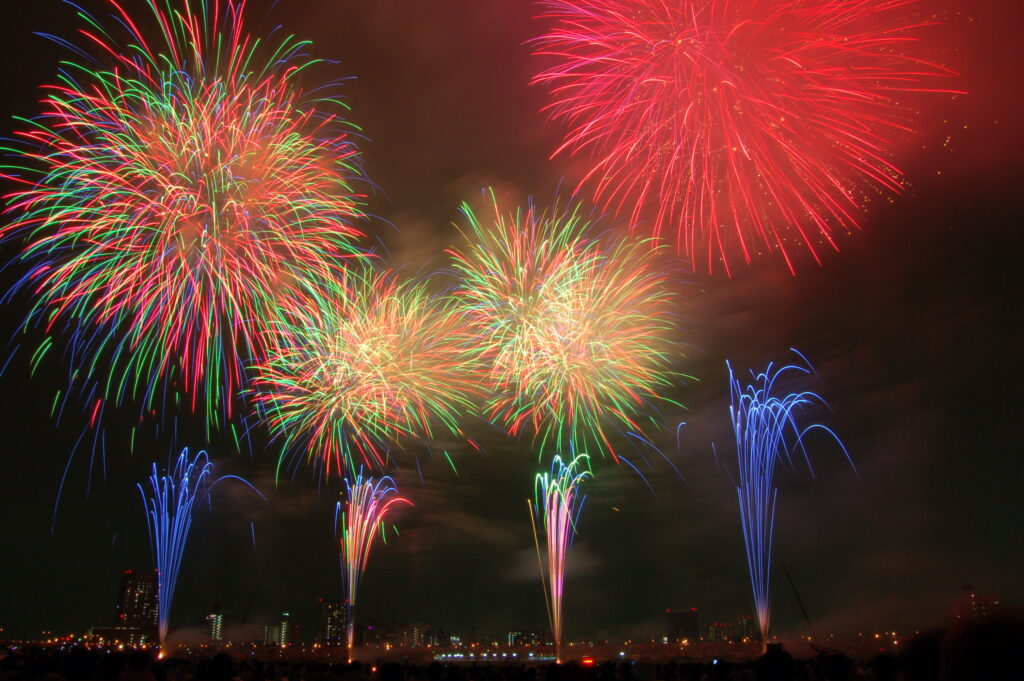
If your trip lands between July and August, try to build one evening around a local hanabi taikai. These firework festivals happen in cities and small towns right across the country, and they are a proper local event rather than something staged for tourists. Families set up early with picnic mats and cheap snacks bought from the stalls lining the riverbank or the beach, and the fireworks themselves often run for well over an hour.
Do not expect a quiet night though. Trains home afterwards get seriously packed, and finding a spot late means sitting further back than you would like. I always aim to arrive at least ninety minutes early with a mat, snacks and a very clear plan for where we are meeting if we get separated in the crowd.
Let Them Loose in Dedicated Indoor Parks
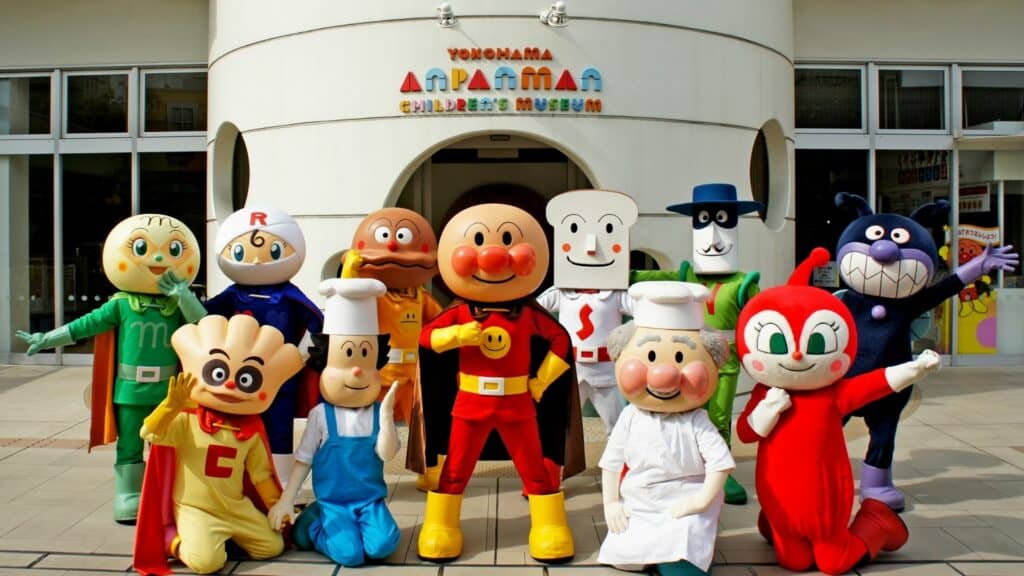
If the weather turns terrible, or the summer heat gets too brutal to stay outside, Japan has a fantastic supply of indoor parks and play centres. For example, you have the Anpanman Children’s Museum., which has locations in Yokohama, Nagoya, Kobe, Sendai, and Fukuoka.
Sanrio Puroland in Tokyo is another classic, offering a pastel-coloured indoor wonderland dedicated entirely to Hello Kitty with surprisingly elaborate boat rides. For something more design-led, PLAY! PARK in Tachikawa is worth seeking out., where architects and artists have built oversized, unusual play equipment that does not look like anything you would find in a normal playground, and it leans more towards open-ended creative play than rides and characters.
Now that my son is school-aged, he is more into places like KidZania, which has locations in Tokyo, Koshien, and Fukuoka. It is an enormous indoor ‘city’ where kids role-play real jobs, from fighting fake fires to baking actual pizza, and they absolutely thrive on the independence.
AriHana is also a great stop if you are in Kyoto. It is near Kiyomizu-dera, and particularly interesting for foreigners (kids and adults alike, in my opinion) because of its focus on traditional Japanese games like kendama and origami.
If you are exploring the Odaiba area in Tokyo, you are completely spoiled for choice indoors. You can easily kill a rainy afternoon at the Legoland Discovery Centre or let the kids dig through augmented reality sandboxes at Little Planet.
Wander a Shotengai and See What Turns Up

A shotengai is a traditional Japanese covered shopping street, and walking one with a child somehow always turns into something that is part scavenger hunt and part snack crawl. You do not even need to travel to the famous tourist spots to find one. There is highly likely a local shotengai running straight through the everyday neighbourhood where your hotel or rental apartment is located.
Nakamise in Asakusa is the most famous, lined with stalls selling traditional sweets leading up to Senso-ji. If you’re visiting the shrines and temples in Kamakura, then Komachi-dori is the perfect alternative.
If you are heading down to Kansai, Tenjinbashisuji in Osaka is the longest shopping street in Japan, stretching for over two kilometres. My son treats these streets like a giant, bustling maze where he can demand a fresh melon pan, a stick of grilled yakitori, or a piece of fried chicken every hundred metres.
Have an Affordable, Stress-Free Meal

Finding a place to feed exhausted children after a day of sightseeing can feel like an absolute nightmare, but Japan’s dining culture is surprisingly accommodating and does not have to leave a hole in your pocket.
I recommend ordering the okosama set at a local family restaurant at least once. In most countries, a kids’ meal means a plate of something fried and aggressively beige. Here, it usually arrives as a balanced meal that is so cutely decorated that you won’t have to wrestle your kids just to get them to take a bite. They usually even let the child pick a small toy to go with the meal.
For dinners where everyone is too cranky to agree on a single cuisine, department store basement food halls, known as depachika, are great. They are chaotic mazes of food counters located in the basement of malls, allowing each family member to pick exactly what they want without an argument breaking out in the middle of a busy aisle.
You can grab anything from premium bento boxes to giant onigiris with fillings of so many types, then take it all back to your hotel.
Finally, do not be afraid of the local izakaya. Plenty of these casual pubs warmly welcome families before the heavy evening drinking rush begins. Look specifically for chain pubs with touchscreen ordering tablets and private tatami booths. The tablets almost always have an English option with pictures, and a spilled drink on a wipeable tatami mat is far less catastrophic than at a shared table surrounded by strangers.
Attend a Matsuri

While summer festivals get most of the attention, local neighbourhood matsuri happen all year round. Every season has its own version, from spring cherry blossom celebrations to autumn harvest festivals.
Because of this, chances are high that you can catch one during your trip just by checking local events lists. Lucky for you, Flip releases a list of the biggest events in and around Tokyo every week at our Instagram account.
Going to a matsuri is a uniquely Japanese experience, and it is great for families. For children, the street stalls are the main attraction. They can eat chocolate-coated bananas and shaved ice, or try traditional games like scooping colourful water balloons.
Just be prepared for the crowds. These events are popular, and the streets get packed with people quickly. Keep a close eye on your children and hold their hands the entire time so nobody gets lost in the crush.
Soak in an Onsen or Sento
You do not need to stress about hunting down a place with a private family bath just to enjoy Japanese bathing culture. Standard communal baths work well for families. This applies to both natural hot springs, called onsen, and local neighbourhood bathhouses, known as sento. The setup is straightforward. Mums and girls go to the women’s side, while dads and boys head to the men’s side.
You might be wondering if kids even enjoy it. Well, I can tell you that my son begs for us to go to one almost every weekend. You just need to remind them that it is a place for quiet soaking rather than a loud swimming pool.
Many traditional inns and larger bathhouses also provide child-sized yukata to wear around the halls afterwards. Getting to put on those robes and grab a cold fruit milk from the vending machine makes up for having to follow a few basic rules during the soak. Make sure to read our Onsen 101 guide as a family if it’s your first time:
Hunt for Capsule Toys and Character Goods
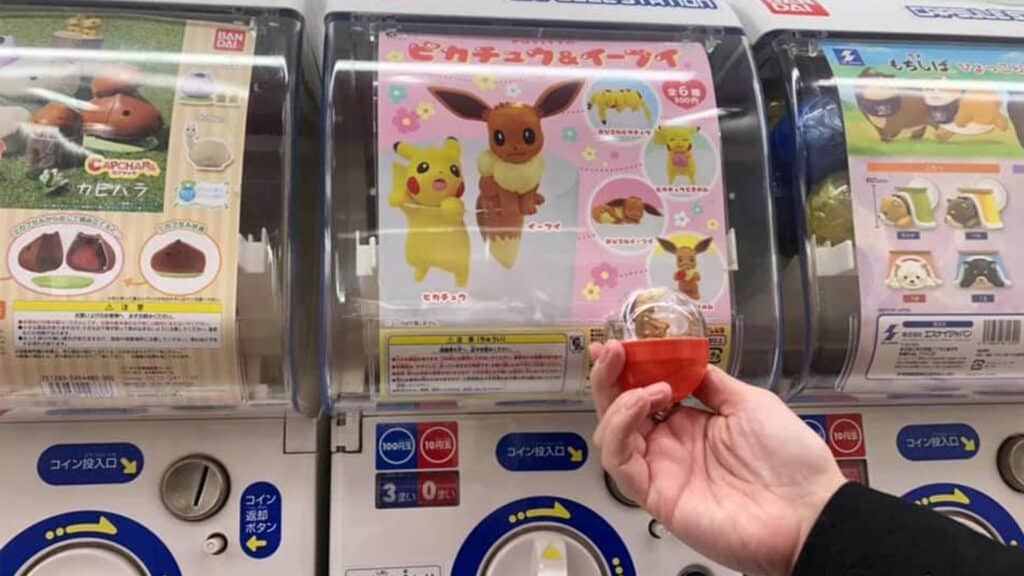
Gachapon capsule toy machines are everywhere in Japan, most obviously lining train station corridors, but also inside malls, in family restaurants, and even filling dedicated mega centres stacked floor to ceiling with thousands of machines. Handing a child a pocket of 100-yen coins and letting them choose which machine to try is one of the cheapest ways to buy twenty minutes of complete peace.
The range of designs is wide, and they are completely different to the standard toy machines you might see back home. You can find everything from miniature train station signs and tiny folding chairs to highly detailed animal figures and popular anime characters. The physical act of turning the heavy dial and waiting to see what drops out is a fun activity for the kids on its own, and the toys double as great little souvenirs they actually want to bring home.
Things to Do in Japan with Kids FAQs

Is Japan safe to travel with kids?
Japan is consistently ranked among the safest countries in the world for family travel, with low crime rates and clean public spaces. Personally, I’ve also found the culture here to be generally patient and accommodating towards children in public.
What is the best age to take a child to Japan?
I think there is no single right age, but children between four and ten may get the most out of a Japan trip, old enough to remember the experience and engage with hands-on activities, but young enough that theme parks, zoos and aquariums still hold real appeal.
How many days do you need in Japan with children?
Ten to fourteen days allows a realistic pace covering a mix of activities without exhausting younger travellers, though a shorter week-long trip focused on Tokyo and one nearby region works well for a first visit.
Do Japanese trains have space for strollers?
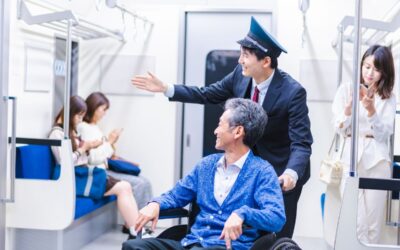
Yes, most trains have designated priority spaces, though navigating station platforms during rush hour with a stroller can be difficult and worth avoiding where your schedule allows.
What food do Japanese children eat that fussy eaters abroad might enjoy too?
Simple dishes like katsu curry, onigiri, tamagoyaki, karaage and yakitori tend to win over even cautious young eaters, and convenience stores are a reliable fallback when a child refuses everything on a restaurant menu.