

Don’t worry, we’re not delving into international relations (we leave that to the news media). The problem that Japan has with Paris, which we’ll address in this blog article, is more societal and psychological than political. It’s called Paris Syndrome, where Japanese people who love Paris are disappointed when they visit. While it’s not unique to Japan, reports show that Japanese tourists are most susceptible to it.
What is Paris Syndrome?
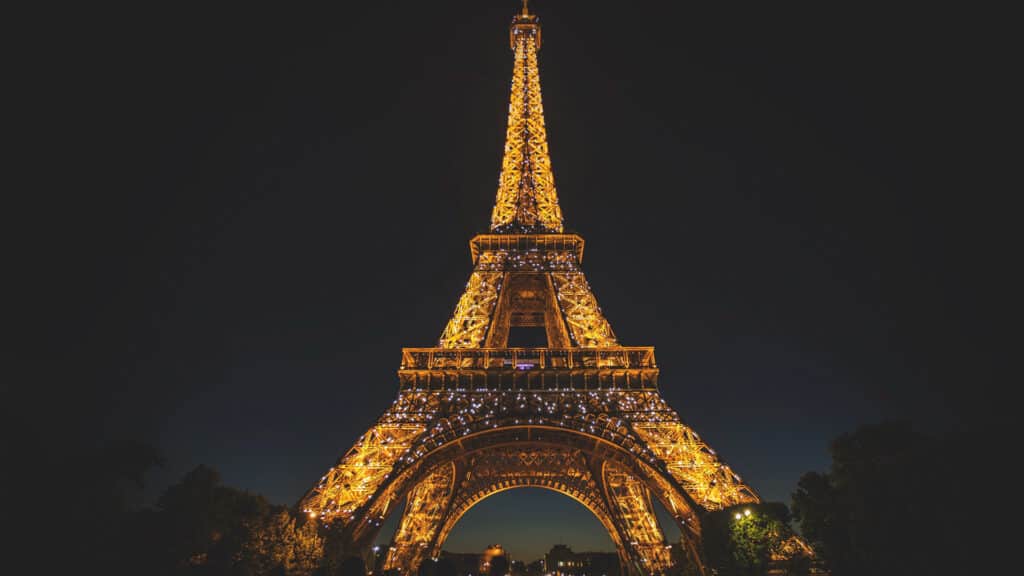
When we think of Paris, some of us picture “the city of lovers,” elegant architecture, quaint little cafes, and romantic alleys with cobblestoned streets. However, after much globalisation and technological advancements over the last few decades, Paris isn’t quite the same as the stereotypical image that many of us have in our heads. Large, bustling crowds and loud traffic disrupt the quiet and serene sidewalks we’d imagined, and hordes of like-minded tourists take away the charm, romance, and mystery of Paris and its attractions.
While we might be disappointed, we’d probably just take it in stride, move on, and have a great time in Paris regardless. However, a number of Japanese tourists, albeit a small number, are so shocked by the difference between real Paris and the Paris they had romanticised in their heads that they experience psychiatric symptoms such as anxiety, hallucinations, and paranoia. Some feel so sick or dizzy that they may even throw up. This is known as Paris Syndrome.
The Diagnostic and Statistical Manual of Mental Disorders (DSM) lists every known and recognised psychiatric disorder. While it currently doesn’t include Paris Syndrome, health officials such as psychiatrists believe that it is indeed a psychiatric disorder (Davidson, 2019), and not just an extreme form of culture shock.
Why are Japanese People More Susceptible to Paris Syndrome?

Japanese society is quite different from Parisian society. For example, Japanese society has a philosophy known as omotenashi, which is the philosophy of striving for excellence and beyond in hospitality, to act before asked, and to be considerate of others’ feelings. In Paris, while wait staff are not necessarily rude (as stereotypes portray them), they do appear more cool, reserved, and distant, as opposed to the eager and meek Japanese wait staff.
Another example is the crime rate. Japan has one of the lowest crime rates in the world (United Nations Office on Drug and Crime, 2018), whereas in Paris, pickpockets are a common and growing threat (RFI, 2019), particularly targeting Chinese or Asian-looking tourists (CNN, 2013). Moving from a country where crime essentially never happens to another where you are a prime target for pickpockets is sure to traumatise or shock an individual.
Japan is also one of the cleanest countries in the world (Forbes, 2010), and there is more litter in Paris than in Japan or even in the dense capital of Tokyo. These numerous differences between Japanese and Parisian society and culture are likely what makes Paris Syndrome more detrimental to the Japanese in particular.
Managing Expectations to Prevent Paris Syndrome
What we can learn from this Paris Syndrome issue is to manage our expectations and to enjoy films and TV shows for what they are: fiction. In the context of Japan, it’s not uncommon for some people to visit Japan expecting it to be technologically worlds ahead of other nations, with AI manning every store and for every train to be sleek and futuristic.
Or, perhaps fans of Japanese pop culture expect Japan to be exactly like it is in Japanese cartoons and comic books, where almost everyone’s hair is a wild colour and they are dressed in bizarre costumes.
Japan and Paris are a lot more than the stereotypes given to them. While they may not be as perfect as their romanticised versions, it’s that rawness that gives them more personality and makes them worth visiting.
For some controversial topics about unspoken Japan, find out more about love and sex in Japan, cheating in Japan, cheating without cheating in Japan, and “Gaijin Hunters”. Embracing the reality of Japan, rather than the romanticised ideals, allows for a richer, more authentic travel experience.
Now, to make sure that you also manage your expectations about your upcoming travel to Japan, Flip Japan Guide’s Travel Planning Service is the best choice out there. Not only do we offer realistic insights into Japan but practical advice for you to make the most of your visit as well!