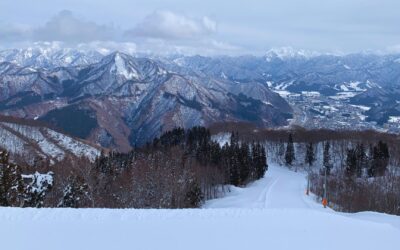

If you’ve ever seen videos of skiers or snowboarders floating through waist-deep powder, there’s a good chance they were filmed in Japan. The snow here is famously light and dry, especially in Hokkaido, and the ski season runs all the way from December into April. On top of that, you’ve got onsen to soak in after a long day and amazing food. Plus, resorts in Nagano and Niigata are an easy shinkansen ride from Tokyo.
The tricky part is choosing where to go, because there are literally hundreds of ski resorts in Japan. So, we’ve picked 14 of our favourites and grouped them by region, to make it easier to fit one into the rest of your trip. For every resort, we’ve covered where it is, how to get there, when it’s open, what the slopes are like, how much English support you can expect, who it suits best, etc.
If you’re a first-timer, a family, or a powder hunter planning your first ski trip to Japan, start with the quick picks below.
Quick picks: the best ski resorts in Japan by type
| If you want… | Go to | Region |
|---|---|---|
| The best powder | Niseko United | Hokkaido |
| Powder without the crowds | Rusutsu | Hokkaido |
| Something you won’t see anywhere else | Zao Onsen (snow monsters) | Yamagata |
| A big international resort town | Hakuba Valley | Nagano |
| A traditional onsen village | Nozawa Onsen | Nagano |
| A family-friendly resort | Naeba | Niigata |
| A day trip from Tokyo | GALA Yuzawa | Niigata |
| Skiing near Osaka or Kyoto | Biwako Valley | Shiga |
Hokkaido ski resorts
If you’ve heard people rave about “Japow”, this is where it all started. Every winter, freezing air blows in from Siberia, picks up moisture over the Sea of Japan, then dumps it on Hokkaido as super light, dry powder, especially in January and February. To get here, most people fly from Tokyo to New Chitose Airport near Sapporo, then hop on a bus or train to the slopes.
1. Niseko United
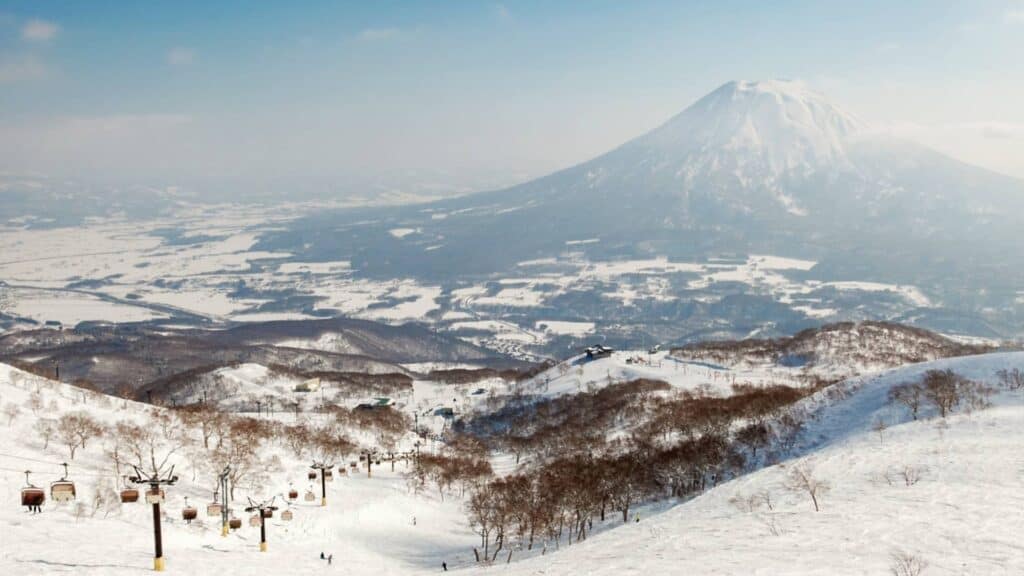
Niseko, is the big one, and honestly, it’s the name most people know before they’ve even started planning. Four resorts, Grand Hirafu, Hanazono, Niseko Village, and Annupuri, share the same mountain, Niseko Annupuri. With an All Mountain Pass, you can ski all four, and you get the shuttle bus between them, too. On a clear day, you’ll also have Mount Yotei, a near-perfect volcanic cone, known as Japan’s second Fuji, staring right back at you from across the valley.
- Location: Kutchan and Niseko towns, western Hokkaido
- Getting there: fly from Tokyo to New Chitose (about 1.5 hours), then a bus or train to Niseko (2.5 to three hours)
- Season: late November to early April (some areas stay open into May)
- Terrain: about 51 km of runs and 32 lifts across four connected resorts that wrap around one mountain, with 933 m of vertical drop and a longest run of 7.4 km, the top half is open, treeless slopes, and the bottom half is long runs through the forest, plus gate-accessed off-piste
- Best for: powder and après-ski
- English support: the best in Japan, from ski schools to rental shops to restaurants
- Price range: ¥10,000+ for an adult day ticket
- Website: niseko.ne.jp
- Local tip: if the wind shuts the top lifts on one side, use your All Mountain Pass to switch to the more sheltered side of the mountain.
2. Rusutsu
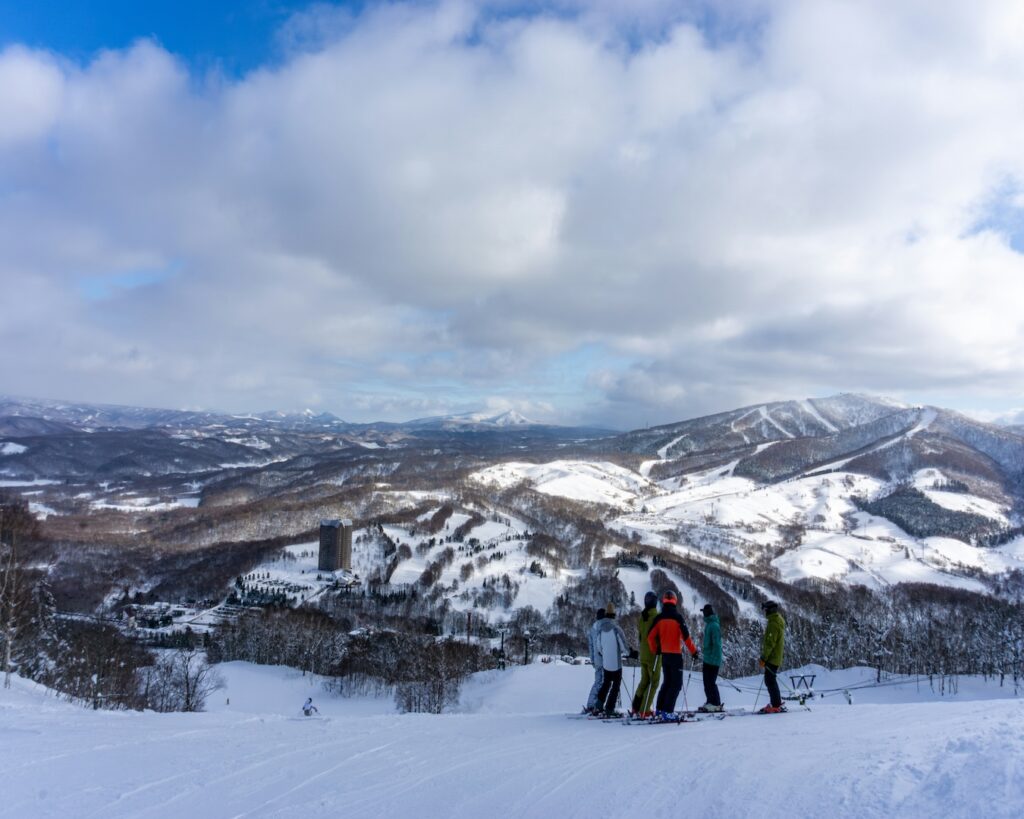
Rusutsu is about a 30-minute drive from Niseko, but it feels a lot quieter. It’s spread across three mountains, West Mountain, East Mountain, and Mount Isola, with 37 courses between them, and it’s best known for its tree runs, which can hold fresh snow for days after a storm. Everything is on site, from the huge hotel complex to ski-in, ski-out rooms, so families can easily spend the whole trip here without leaving.
Just a heads-up, though, Rusutsu is now one of the priciest ski resorts in Japan for a day ticket, so it’s worth looking at multi-day or Epic Pass options.
- Location: Rusutsu village, western Hokkaido
- Getting there: fly to New Chitose, then a bus to Rusutsu (about two hours) [verify]
- Season: late November to early April
- Terrain: 37 courses (42 km) and 18 lifts over three mountains, with 594 m of vertical drop and a longest run of 3.4 km; West and East Mountain are linked by gondola, it’s especially good for tree skiing
- Best for: powder without the Niseko crowds
- English support: good, including ski and snowboard schools
- Price range: ¥10,000+ for an adult day ticket
- Website: rusutsu.com
3. Furano
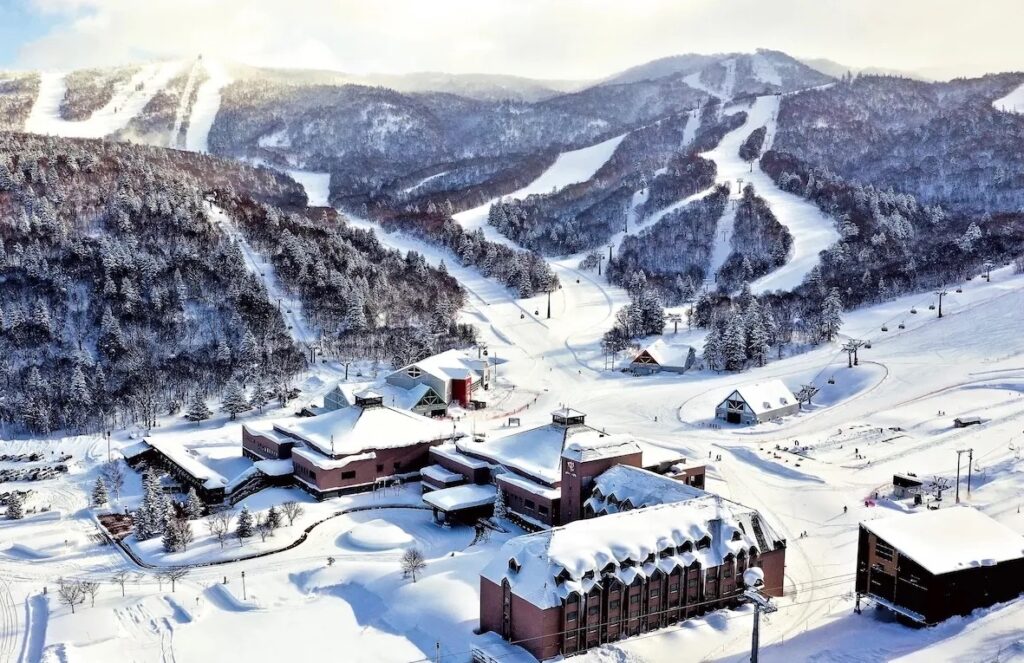
Furano is right in the middle of Hokkaido, so the snow here is even colder and drier than on the coast, and the slopes are way quieter than Niseko. It’s split into two zones, Furano and Kitanomine, which connect at the top of the mountain, with 28 courses from beginner to advanced. It’s a great pick for families, too, with good ski schools, a kids’ ski school, and English-speaking instructors. After the slopes, Furano town is only about 10 minutes away by car, and it has a nice mix of izakaya and local restaurants.
- Location: Furano city, central Hokkaido
- Getting there: fly from Tokyo to Asahikawa, then a bus to Furano (about 1.5 hours)
- Season: late November to early May (the Kitanomine Zone opens later and closes in March)
- Terrain: 28 courses (32 km) and nine lifts across two zones that connect at the top, with 829 m of vertical drop and a longest run of 4 km; most runs are long, wide trails through the forest, with the steeper stuff up top
- Best for: families and dry powder
- English support: good, with English-speaking instructors
- Price range: ¥8,000 to ¥10,000 for an adult day ticket
- Website: Furano Ski Resort
4. Kiroro
Kiroro is one of the snowiest ski resorts in Japan, and it often gets around 20 metres of snow a season. It’s tucked in the mountains behind Otaru, so storms roll in from the Sea of Japan almost every night in peak season, which means fresh tracks most mornings. The resort is fairly self-contained, with two Club Med resorts and the Yu Kiroro residences at the base, and it rarely feels crowded, even in peak season. Experienced skiers can also try the off-piste areas, which you reach through gates inside the resort.
- Location: Akaigawa village, near Otaru
- Getting there: bus from central Sapporo (about 70 minutes by car) or from Otaru (about 45 minutes by car)
- Season: late November to early May
- Terrain: about 21 courses (30 km) and 10 lifts across three peaks, Asari, Nagamine, and Yoichi, with 660 m of vertical drop and a longest run of about 4 km; a gondola takes you from the base to the top in one go, and there are in-bounds tree and off-piste areas
- Best for: deep snow and quiet slopes
- English support: good, especially at the Club Med resorts
- Price range: ¥8,000 to ¥10,000 for an adult day ticket
- Website: Kiroro Official Site
- Local tip: make time for an evening in Otaru, with its canal and amazing sushi!
Tohoku ski resorts
Tohoku, the northern chunk of Honshu, gets loads of snow, but way fewer international visitors than Hokkaido or Nagano, which is exactly why we love it. Both resorts below are an easy shinkansen ride from Tokyo, plus a short bus.
5. Zao Onsen
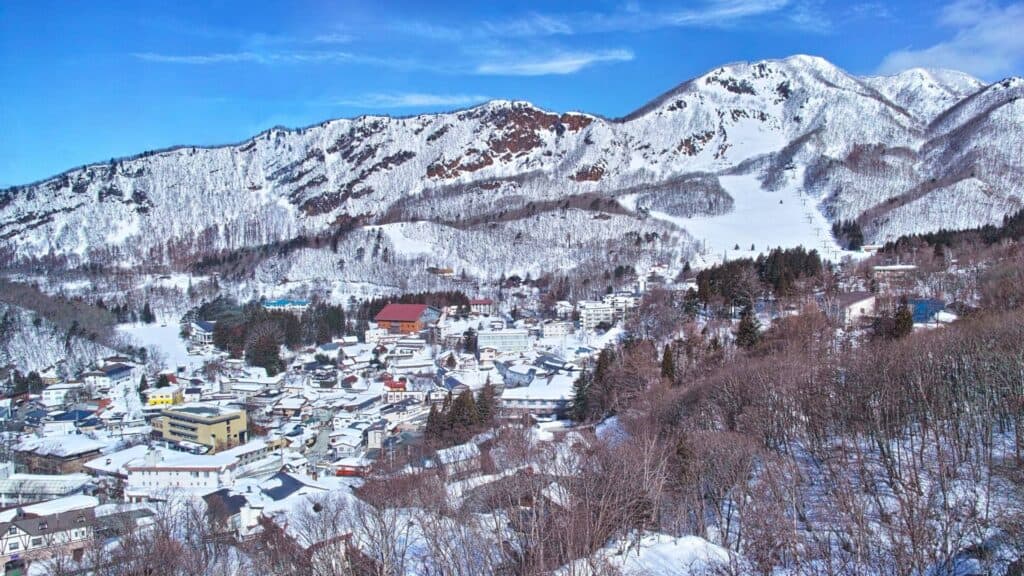
Zao Onsen is one of the more unique ski resorts in Japan, and that’s all thanks to the juhyo, or “snow monsters”. These are fir trees that get completely coated in frost and snow until they look like strange, frozen creatures, and you can actually ski right through them! The Juhyogen Course is about 10 kilometres long and runs from the summit, through the snow monsters, all the way down to the onsen village. It’s an intermediate run, but beginners can manage it if they take it slowly.
At the bottom, Zao Onsen is a proper hot spring town, with several public baths and strongly acidic water, so take off any metal jewellery before you get in.
- Getting there: Yamagata Shinkansen from Tokyo to Yamagata Station (about 2.5 hours), then a bus to Zao Onsen (about 40 minutes)
- Season: early December to late March, sometimes longer depending on snow
- Terrain: about 50 km of runs and 35 lifts, gondolas, and ropeways, with 881 m of vertical drop and the 10 km Juhyogen Course as the longest run; mostly beginner and intermediate slopes, with ski-in, ski-out ryokan on the lower slopes
- Best for: something you won’t see anywhere else
- English support: limited, so it helps to plan ahead
- Day lift ticket: ¥7,000 – ¥9,000 depending on the season.
- Website: Zao Onsen Resort Official Site
- Local tip: the snow monsters are at their best around mid-February, and they’re lit up on selected evenings (in 2025–26, from late December to late February).
6. Appi Kogen
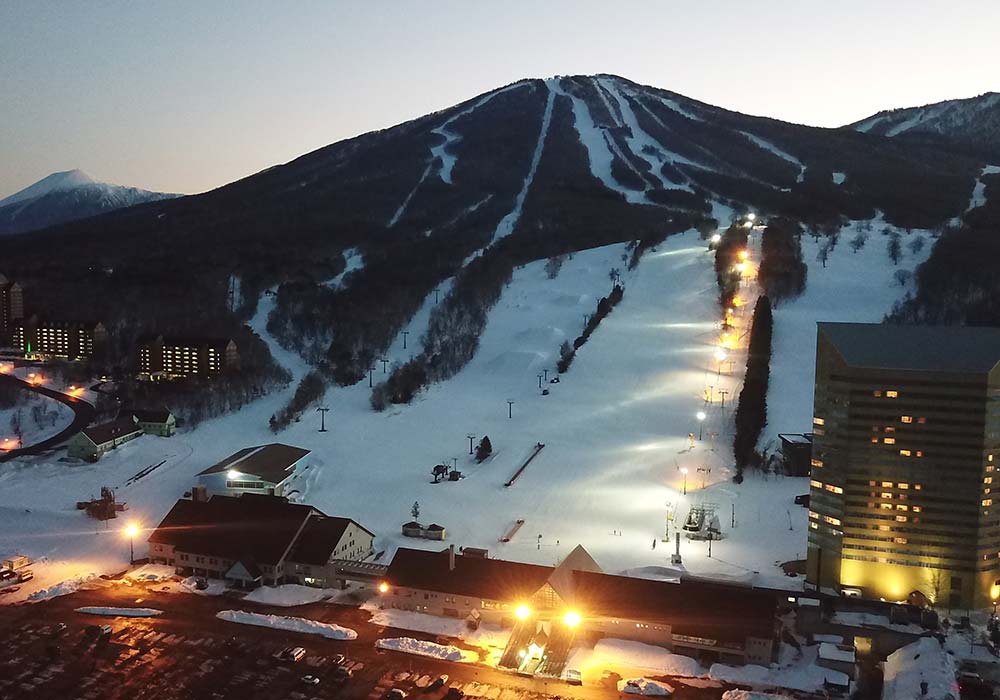
Appi Kogen is a big, self-contained resort in Iwate, and it’s known for its long, wide, beautifully groomed runs. There are 21 courses, with everything from gentle cruisers to ungroomed and mogul runs, and a couple of big hotels sit right at the base of the slopes, including the ANA InterContinental and ANA Crowne Plaza. It’s a really easy choice for families and groups, and since 2025-26, it’s also on the Ikon Pass.
- Location: Hachimantai City, Iwate Prefecture
- Getting there: Tohoku Shinkansen from Tokyo to Morioka (about 2.5 hours), then a bus to the resort (about 50 minutes)
- Season: early December to early May
- Terrain: 21 courses on two mountains, Maemori and Nishimori, averaging about 2.1 km each, with 7 lifts and gondolas, 805 m of vertical drop, and a longest run of 5.5 km
- Best for: groomed runs and a resort-style stay
- English support: good at the resort hotels and ski school
- Day lift ticket: Ticket prices TBD
- Website: Appi Kogan Official site
- Local tip: Morioka is worth a night on the way, especially if you want to try wanko soba (bite-sized bowls of soba that keep coming until you stop them).
Nagano ski resorts
Nagano hosted the 1998 Winter Olympics, and its mountains, the Japanese Alps, have some of the biggest terrain in the country. The best bit? The Hokuriku Shinkansen gets you from Tokyo to Nagano Station in about 1.5 hours, so it’s easy to combine a ski trip here with Tokyo, Kanazawa, or the famous Jigokudani snow monkeys.
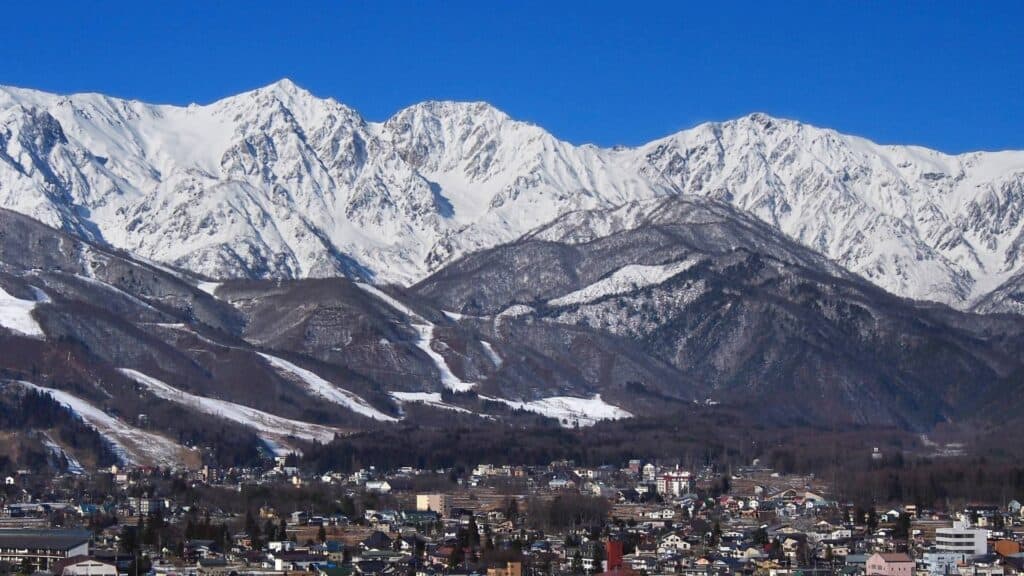
7. Hakuba Valley
Hakuba hosted events at the 1998 Winter Olympics, and today, its 10 resorts market themselves together as Hakuba Valley, which bills itself as Japan’s biggest snow resort. You can ski all of them with one Hakuba Valley pass, which also gets you on the free shuttle bus between them on ski days. Happo-one is the biggest and most famous, but it’s worth trying a few, because each one has a slightly different feel.
The village itself has plenty of international restaurants, bars, and English-speaking shops, so it’s a great pick for groups where everyone skis at a different level.
- Location: Hakuba village, northern Nagano
- Getting there: Hokuriku Shinkansen from Tokyo to Nagano (about 1.5 hours), then a bus to Hakuba (about 1 hour)
- Season: late November to early May, depending on the resort
- Terrain: 10 separate resorts along the valley, linked by shuttle bus; Happo-one alone has 16 courses (about 23 km), 21 lifts, 1,071 m of vertical drop, and a longest run of about 8 km
- Best for: a big international resort town, après-ski
- English support: excellent
- Price range: around ¥11,000 for the Hakuba Valley All-Mountain Day Pass, less for a single-resort ticket
- Website: Hakuba Ski Resort Official Site
- Local tip: if you’re only skiing one resort, like Happo-one, a single-resort ticket works out cheaper than the valley pass.
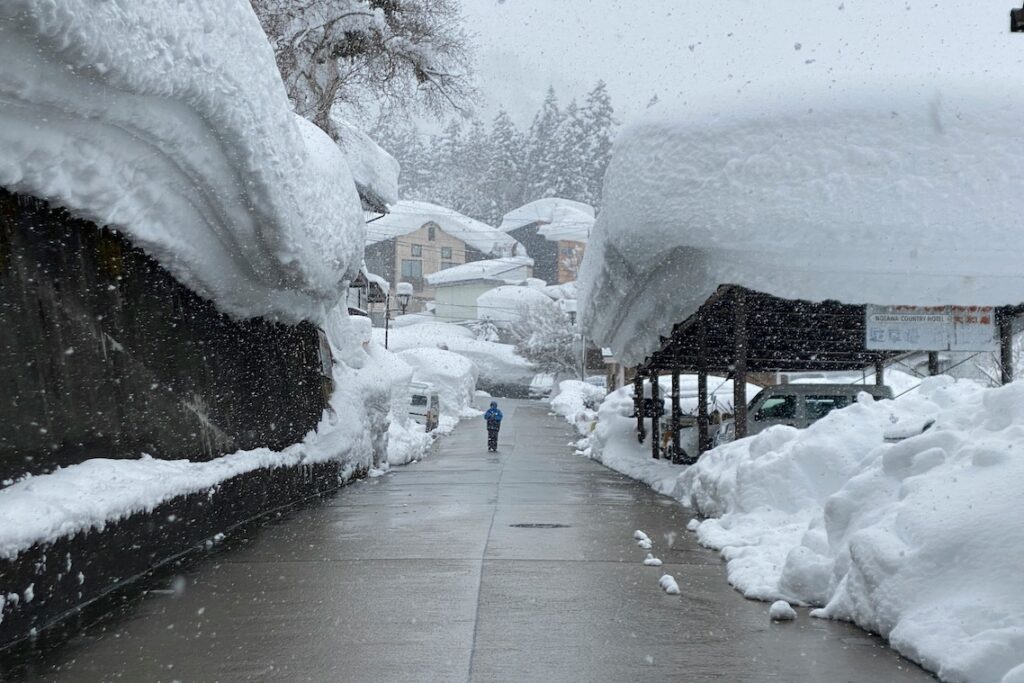
8. Nozawa Onsen
If you want a ski trip that still feels really Japanese, Nozawa Onsen is the one. It’s a traditional hot spring village with narrow lanes, ryokan, and 13 free public bathhouses, called soto-yu, which the locals look after themselves. The ski area rises right behind the village, with 44 courses, and the run from the summit all the way down to the village is about 10 km long.
- Location: Nozawa Onsen village, northern Nagano
- Getting there: Hokuriku Shinkansen from Tokyo to Iiyama (about 100 minutes), then the Nozawa Onsen Liner bus to the village (about 25 minutes)
- Season: early December to early May
- Terrain: 44 courses over 297 ha, with 20 lifts (including the Nagasaka and Hikage gondolas), 1,085 m of vertical drop, and a longest run of about 10 km from the summit down to the village
- Best for: a traditional onsen village
- English support: good, with English-language lessons through Canyons’ Nozawa Onsen Ski School
- Day lift ticket: under ¥8,000 for an adult day ticket
- Website: Nozawa Onsen Official Site
- Local tip: if you’re in Japan on 15 January, don’t miss the Dosojin Fire Festival, when the whole village gathers around a huge burning shrine.
Niigata ski resorts
Niigata gets some of the heaviest snow in Japan, and it’s also the closest serious ski region to Tokyo. The Joetsu Shinkansen gets you to the Yuzawa area in well under 1.5 hours, while the Hokuriku Shinkansen serves Myoko, a little further west. And if you like a drink after skiing, you’re in luck, because Niigata is famous for its sake, with lots of breweries you can visit.
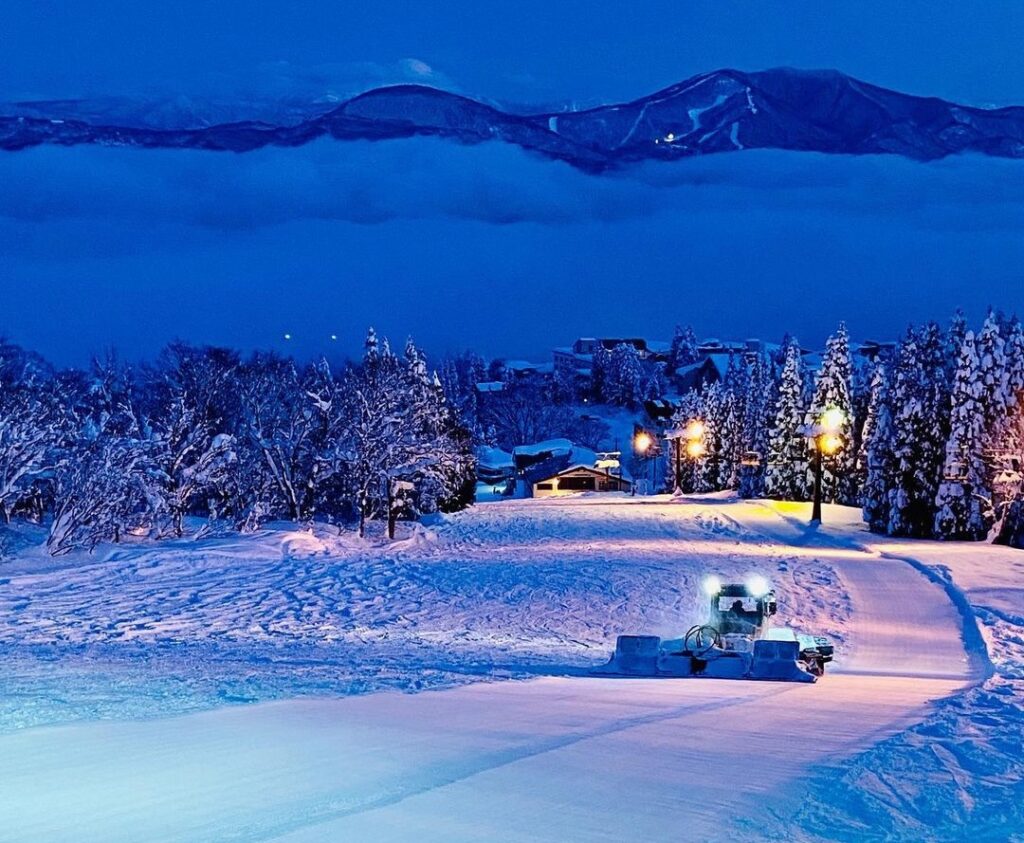
9. Myoko Kogen
Myoko Kogen is a group of five ski resorts around Mount Myoko, which are Akakura Onsen, Akakura Kanko, Suginohara, Ikenotaira, and Seki Onsen. Akakura Onsen and Akakura Kanko are linked, and the others are a short bus ride away. Myoko gets seriously deep snow, but the international crowds are smaller than in places like Hakuba. Most people stay in Akakura Onsen, a hot spring town with ryokan, ramen shops, and izakaya, and an English-speaking ski school.
- Location: Myoko City, southwestern Niigata
- Getting there: Hokuriku Shinkansen from Tokyo to Joetsu-Myoko (about 2 hours), then the local Myoko Haneuma Line to Myoko-Kogen Station (about 30 minutes) and a short bus to the slopes
- Season: mid-December to late March, with Akakura Kanko open into early May
- Terrain: five resorts, with Akakura Onsen and Akakura Kanko linked and the others separate; Suginohara has 16 courses (18.7 km), 1,124 m of vertical drop, and one of the longest runs in Japan, at 8.5 km
- Best for: deep snow without the big crowds
- English support: good in Akakura Onsen
- Price range: under ¥8,000 for an adult day ticket at Akakura
- Website: Myoko Kogen Official Site
- Local tip: don’t try to ski all five in one day; they aren’t all connected, so pick one or two and enjoy them properly.

10. Naeba
Naeba is a brilliant pick for families. The whole resort is built around the huge Naeba Prince Hotel, with ski-in, ski-out rooms, onsen, kids’ snow areas, and night skiing. Even better, the 5.5-kilometre Dragondola, Japan’s longest gondola, links Naeba with Kagura, a higher resort with more varied terrain, and the views from it are amazing.
- Location: Yuzawa town, southern Niigata
- Getting there: Joetsu Shinkansen from Tokyo to Echigo-Yuzawa, then a bus to Naeba (about 40 to 50 minutes), or about 2.5 hours in total
- Season: mid-December to early April
- Terrain: 24 courses (18 km) and 3 gondolas at Naeba, with 889 m of vertical drop and a longest run of 4 km; via the Dragondola, Kagura adds 30 more courses (27.7 km) and 1,225 m of vertical drop
- Best for: families
- English support: good, with English lessons through the international snow school
- Day lift ticket: ¥8,000 to ¥10,000 for the Mt. Naeba pass with Kagura and the Dragondola, or under ¥8,000 for Naeba only
- Website: Naeba Official Site
- Local tip: the Dragondola only runs from late December to late March, so check the dates if you want to ski Kagura, too.
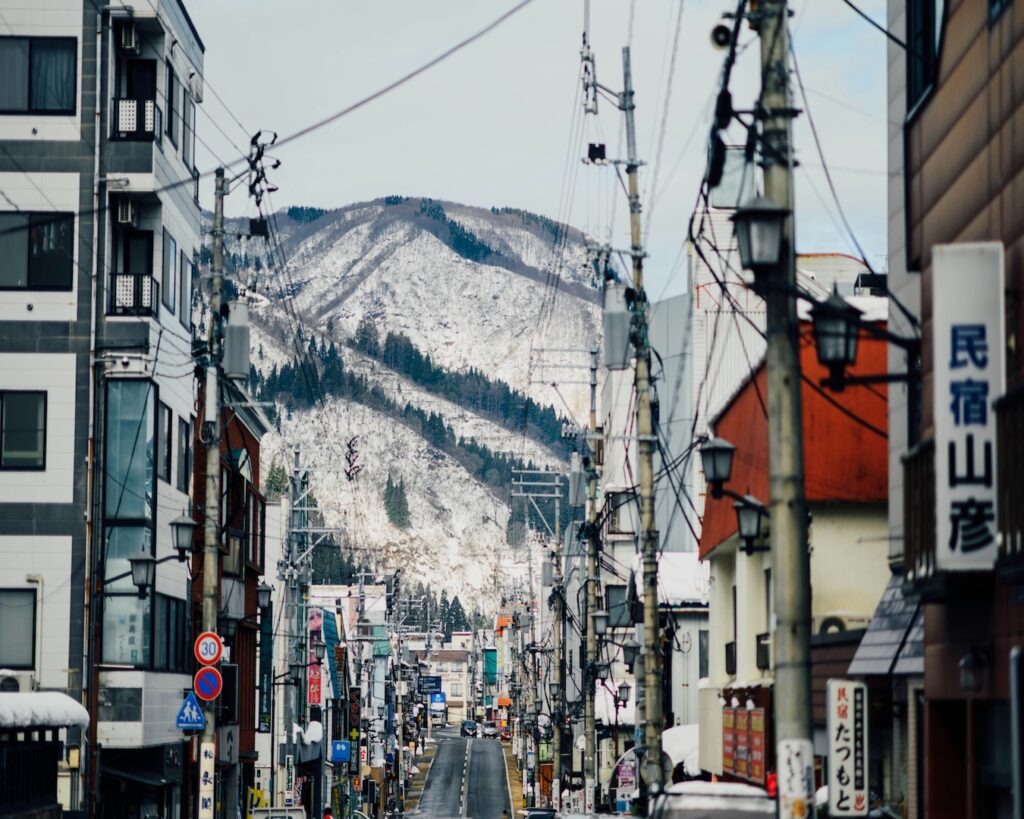
11. GALA Yuzawa
GALA Yuzawa is the easiest ski resort in Japan to reach from Tokyo, full stop. It’s the only ski resort in the country with its own shinkansen station, and the gondola starts right inside the station building, so you can literally step off the train and head up the mountain. There’s a huge rental centre right in the station building, too, so it’s the classic first-timer’s ski day trip from Tokyo. If you want more options within easy reach of the city, see our guide to ski resorts near Tokyo.
- Location: Yuzawa town, southern Niigata
- Getting there: Joetsu Shinkansen from Tokyo to GALA Yuzawa Station (about 80 minutes); trains only run to GALA Yuzawa Station during the ski season
- Season: mid-to-late December to early May
- Terrain: 16 courses and 11 lifts (including the gondola and a ropeway), with 823 m of vertical drop and a longest run of 2.5 km; all three skiing areas spread out from the gondola’s top station, at about 800 m
- Best for: a day trip from Tokyo and first-timers
- English support: English-speaking instructors; rentals in the station building
- Price range: under ¥8,000 for an adult day ticket
- Website: GALA Yuzawa official site
Kansai ski resorts
Kansai doesn’t get anywhere near as much snow as the north, but if you’re based in Osaka or Kyoto and just want one fun day in the snow, there are some really easy options.
12. Biwako Valley
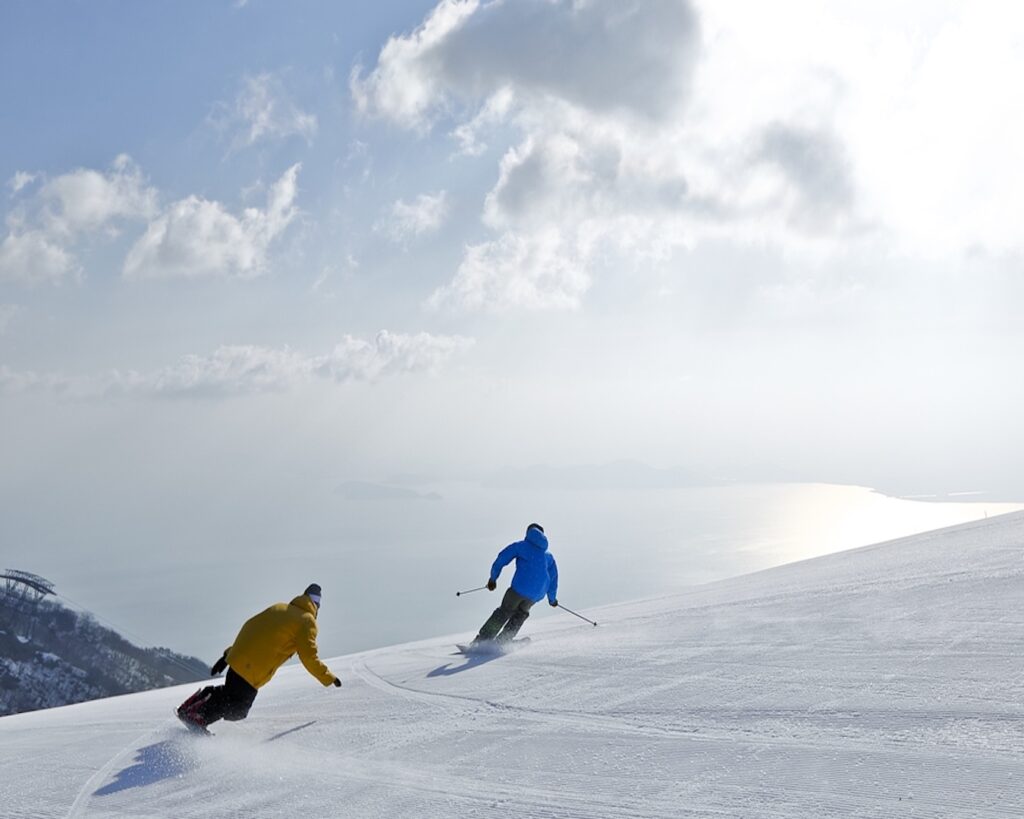
Biwako Valley sits about 1,100 metres up in the mountains above Lake Biwa, and you get there on a ropeway that gets you up from the base in about five minutes. The views over Japan’s largest lake are honestly the best part, especially on a clear day. It’s a small resort, with around nine courses, so it’s great for beginners and first-time snowboarders, but less exciting if you’re an advanced skier.
- Location: Otsu City, Shiga Prefecture
- Getting there: JR Kosei Line from Kyoto to Shiga Station (about 40 minutes), then a bus to the ropeway (about 10 to 15 minutes); it’s about 70 minutes from Osaka to Shiga Station
- Season: late December to March, depending on snow
- Terrain: 9 courses and 5 lifts, plus the ropeway, with 224 m of vertical drop and a longest run of 1.4 km; all the skiing is up at the top of the ropeway
- Best for: skiing near Osaka or Kyoto
- English support: basic
- Day lift ticket: ticket prices TBD
- Website: Biwako Valley official site
Check out our full guide: Lake Biwa Things to Do and Relaxing 2-Day Itinerary
Plan Your Perfect Winter Adventure in Japan
Most of the ski resorts in Japan in this guide open between late November and mid-December and close between late March and early May, and January to mid-February is usually the most reliable time for powder. For everything else, from when to book to what to rent, we’ve got more guides to help you plan.
Plan your ski trip with Flip Japan
Planning a ski trip in Japan can get complicated, fast. There are shinkansen tickets, airport buses, luggage forwarding, rentals, and lessons to sort out, and that’s before you add in a second region! Our travel planners can put together a custom winter itinerary around the resort that suits you, then take care of all the logistics, so all you have to do is turn up.
When is ski season in Japan?
Most resorts are open from December to March, and quite a few in Hokkaido, Nagano, and Tohoku stay open until early May. For the best powder, aim for January or February.
Which ski resort is closest to Tokyo?
GALA Yuzawa is the easiest, with its own shinkansen station about 80 minutes from Tokyo Station. Karuizawa Prince Snow Resort is another good option, about 70 minutes away by shinkansen and only a five-minute walk from Karuizawa Station. Check out some of these other Winter Day Trips from Tokyo.
Is skiing in Japan good for beginners?
Yes, absolutely! Loads of resorts have wide, gentle slopes and English-speaking ski schools. GALA Yuzawa, Naeba, Furano, and Biwako Valley are all great places to start.
Do ski resorts in Japan have English-speaking instructors?
The big international resorts do, including Niseko, Hakuba, Furano, Nozawa Onsen, and GALA Yuzawa. At smaller resorts, English lessons might need to be booked in advance, or they might not be available at all, so it’s worth checking first.
How much does a ski trip to Japan cost?
It really depends on where you go. A day lift ticket costs around ¥7,000 to ¥8,000 at smaller resorts, and ¥11,000 or more at big-name resorts like Hakuba and Niseko. On top of that, budget for rentals, lessons, and accommodation, which ranges from simple guesthouses to luxury ski-in, ski-out hotels.