
Choosing between the best zoos in Japan is a bit like choosing a favourite ramen shop: everyone has an opinion, and half of those opinions are based on nostalgia rather than reality. The internet will tell you everywhere is wonderful. Your friend who visited in 2019 will swear by somewhere that has changed completely since. And the official tourism websites are, predictably, not going to mention the two-hour bus ride or the fact that your kids will mutiny before you reach the back half of the park.
This guide will. It is here to tell you what you are actually getting into, like the walking and the highlights. As a mum, I’ve learned the hard way that those details matter just as much as the animals themselves.
If land-based animals are not your priority, our guide to the best aquariums in Japan might be a better use of your afternoon. But if you are committed to the zoo day, read on. Just pack decent shoes. You will need them.
Asahiyama Zoo
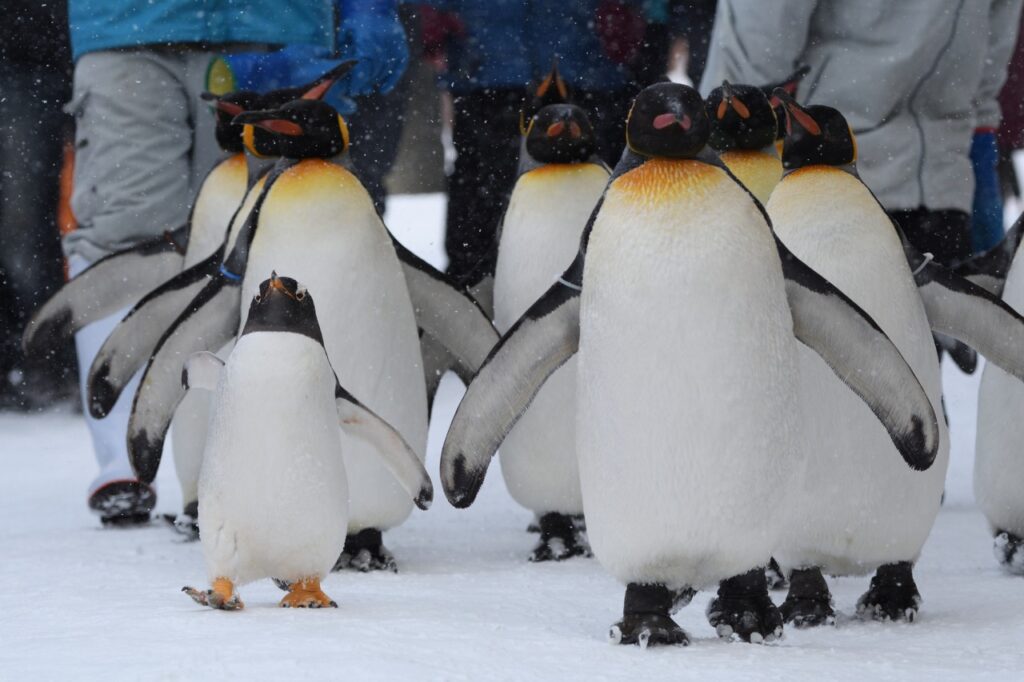
Up in Hokkaido, Asahiyama Zoo is frequently cited as the absolute peak of Japanese zoo design, because the animals are not just on display but allowed to show off their natural behaviours. They built vertical tubes for seals to swim through and even glass bubbles that let you stick your head right into a polar bear enclosure.
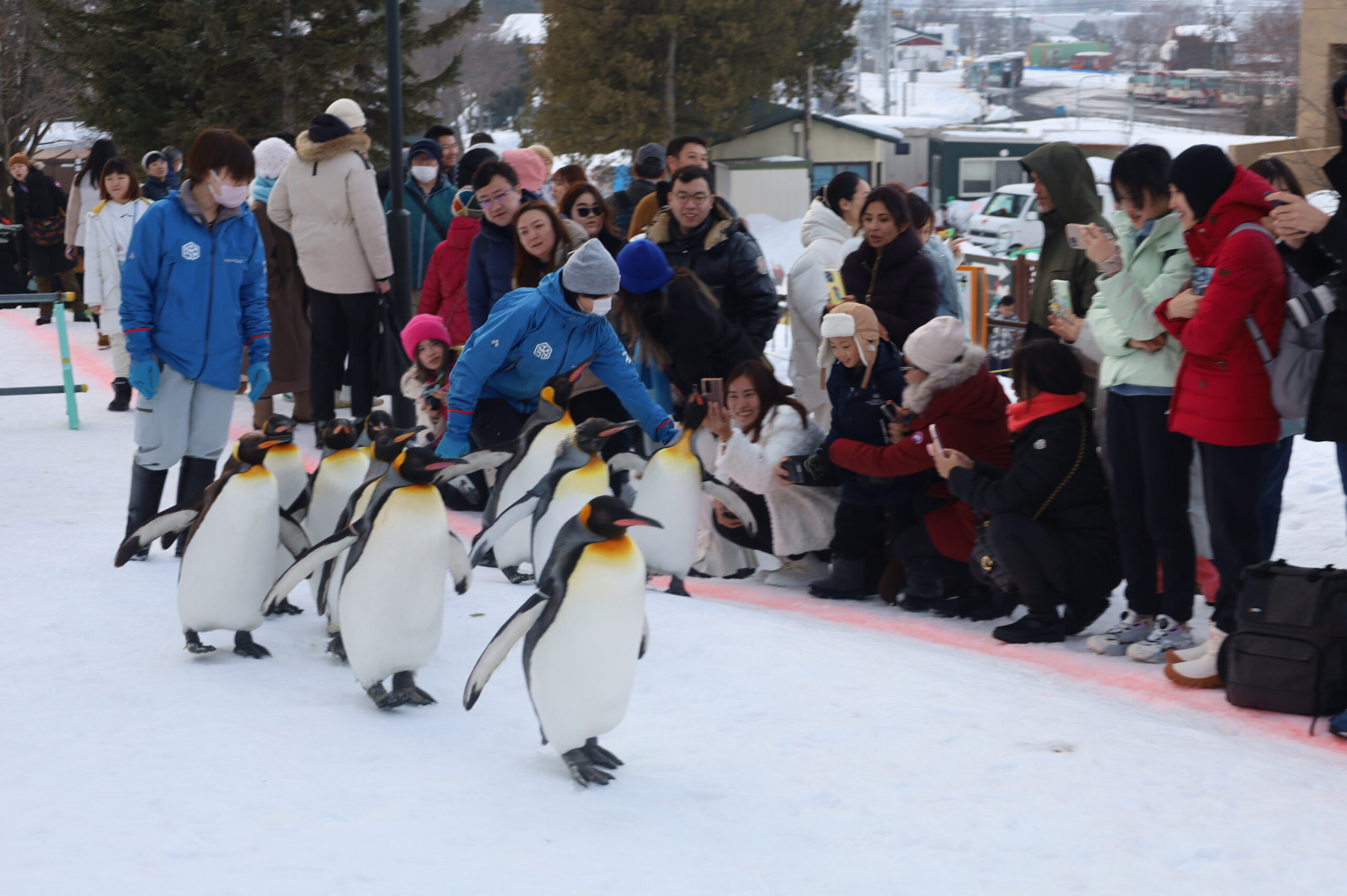
That said, getting here is the real hurdle. You have to take a limited express train from Sapporo to Asahikawa, followed by a bus that is almost always packed with other tourists clutching the same guidebooks. If you visit in winter, you get to see the famous penguin walk, which is adorable but involves standing in sub-zero temperatures for a significant amount of time. It is a fantastic addition to any trip in Japan with kids if you can handle the logistics of the far north.
- Location: Asahikawa, Hokkaido
- Entrance Fee: ¥1,000 (Adults)
- Opening Hours: 9:30 AM – 5:15 PM (Summer) / 10:30 AM – 3:30 PM (Winter)
Zoorasia
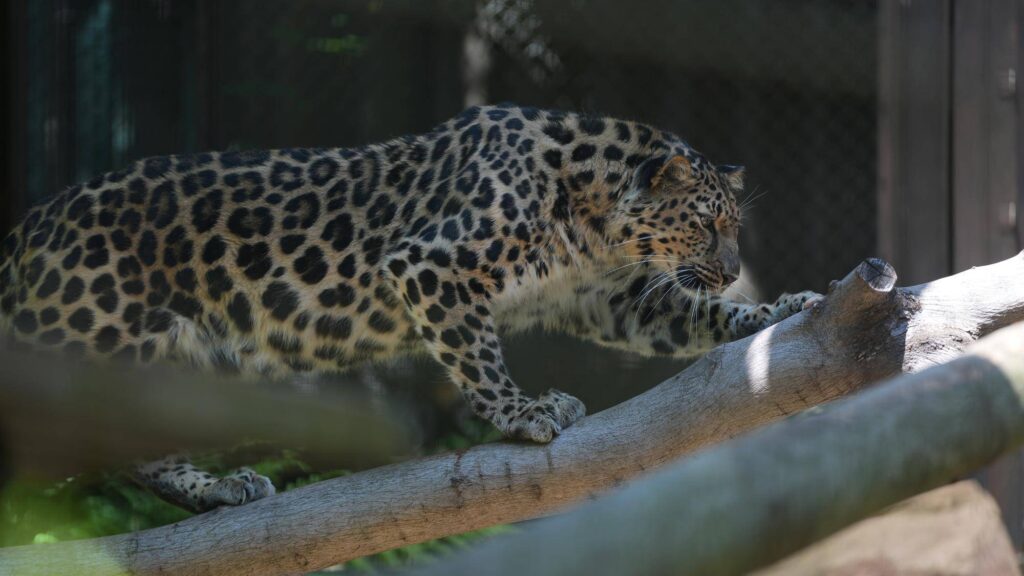
Yokohama’s Zoorasia is the massive, sprawling antidote to the cramped feeling of Ueno. The enclosures are huge and try to replicate actual habitats. You will see okapis, which are the zoo’s mascot, and Indian lions in spaces that actually allow them to move around. It is easily one of the best zoos in Japan for people who feel guilty looking at animals in small cages (rightly so).
The downside is that Zoorasia is located in the middle of nowhere (hence the abundance of space). You have to take the Sotetsu Line or the Yokohama Subway to a station like Tsurugamine or Nakayama, then hop on a bus for another fifteen minutes. Once you are inside, the walking is relentless. If you have small children or a low fitness level, you will be exhausted by the time you reach the African Savanna area at the far end of the park.
- Location: Yokohama, Kanagawa
- Entrance Fee: ¥800 (Adults)
- Opening Hours: 9:30 AM – 4:30 PM (Closed Tuesdays)
Tama Zoological Park
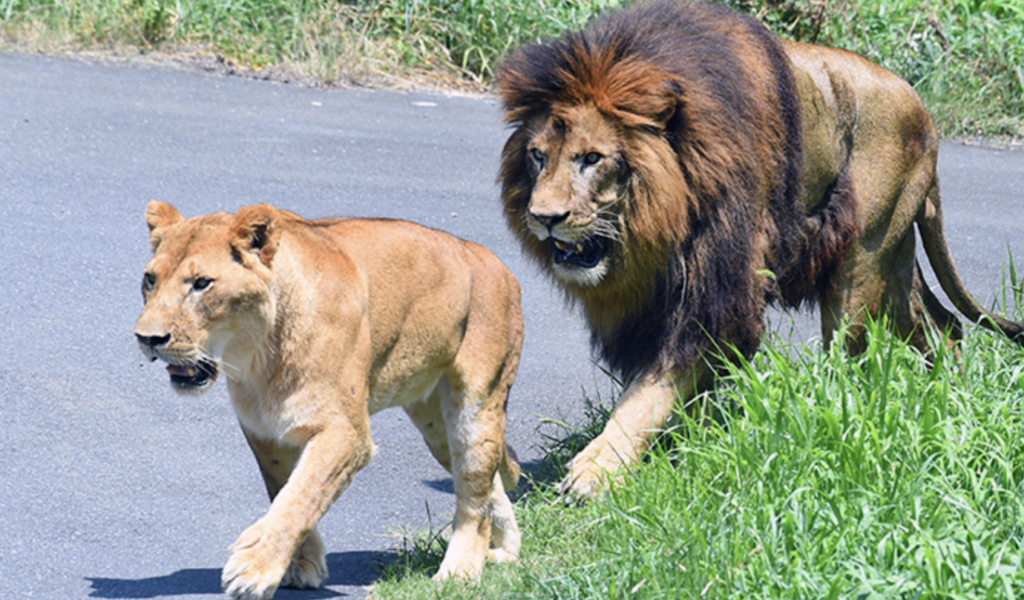
If you think Zoorasia is big, Tama Zoological Park will truly test your endurance. Located in the western suburbs of Tokyo, this zoo uses the natural hilly terrain to create a safari-like atmosphere. It is divided into an Asian Zone, an African Zone, and an Australian Zone.
The Lion Bus is the big draw here, allowing you to drive through a large enclosure where lions roam freely. It was one of the first of its kind in the world. The orangutan skywalk is also impressive, seeing them swing across ropes high above the visitors, but you will need to time your visit right to catch them in action.
Before going (especially with kids), you should understand that when you come here, you are essentially hiking through a forest that happens to have giraffes and snow leopards in it. In the summer heat, this can be a brutal experience.
- Location: Hino, Tokyo
- Entrance Fee: ¥600 (Adults)
- Opening Hours: 9:30 AM – 5:00 PM (Closed Wednesdays)
Adventure World
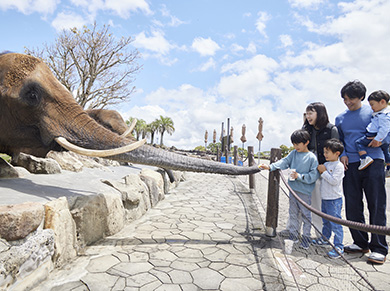
Way down in Wakayama, you will find Adventure World. This is a strange (in a good way) hybrid of a zoo, an aquarium, and a theme park. For decades, it was famous as Japan’s most successful panda breeding centre, but just like Ueno, Adventure World bid a teary farewell to its last giant pandas in 2025.
However, even without the pandas, it remains a massive draw because of an incredible safari park section that you can explore by train, bus, or even by renting a private golf cart, alongside marine life exhibits and dolphin shows.
Logistics for Adventure World are a bit of a nightmare if you are not staying in the nearby area, like the Shirahama Onsen Resort. It is a long haul on the Kuroshio Express train from Osaka, so if you are making the trip, I’d say it is worth staying overnight. And if you are looking to do a deeper exploration of the wider Kansai area, I highly recommend considering getting the Kansai Wide Area Pass:
- Location: Shirahama, Wakayama
- Entrance Fee: ¥5,300 (Adults)
- Opening Hours: 10:00 AM – 5:00 PM (Closed on select Wednesdays)
Fuji Safari Park
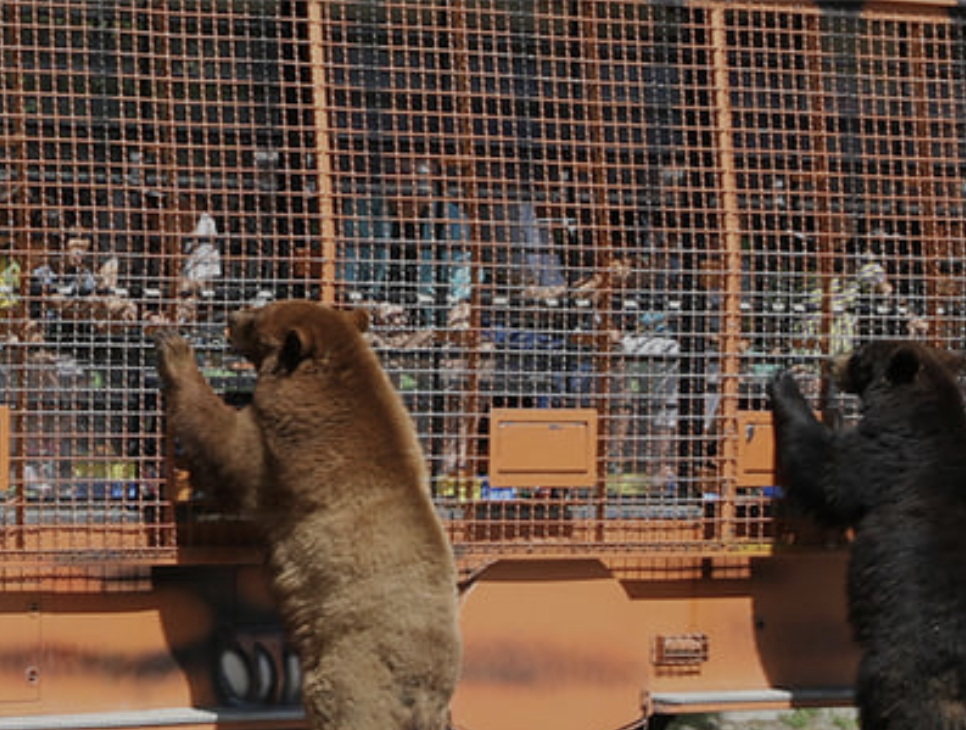
The thing about Fuji Safari Park is that it offers the chance to see lions, tigers, and bears with Mount Fuji looming in the background. I don’t know about you, but that is one good sales pitch. It is located in Shizuoka and is best visited if you have a rental car, though they do provide “Jungle Buses” with wire mesh sides so you can feed the animals.
The zoo also has a separate walking area, which features more traditional petting zoo animals and smaller exhibits. Now, it goes without saying that if the weather is bad, Mount Fuji will be completely hidden by clouds, which takes away half the appeal.
- Location: Susono, Shizuoka
- Entrance Fee: ¥3,200 (Adults)
- Opening Hours: 9:00 AM – 4:30 PM (Spring to Autumn) / 10:00 AM – 3:30 PM (Winter)
Ueno Zoo
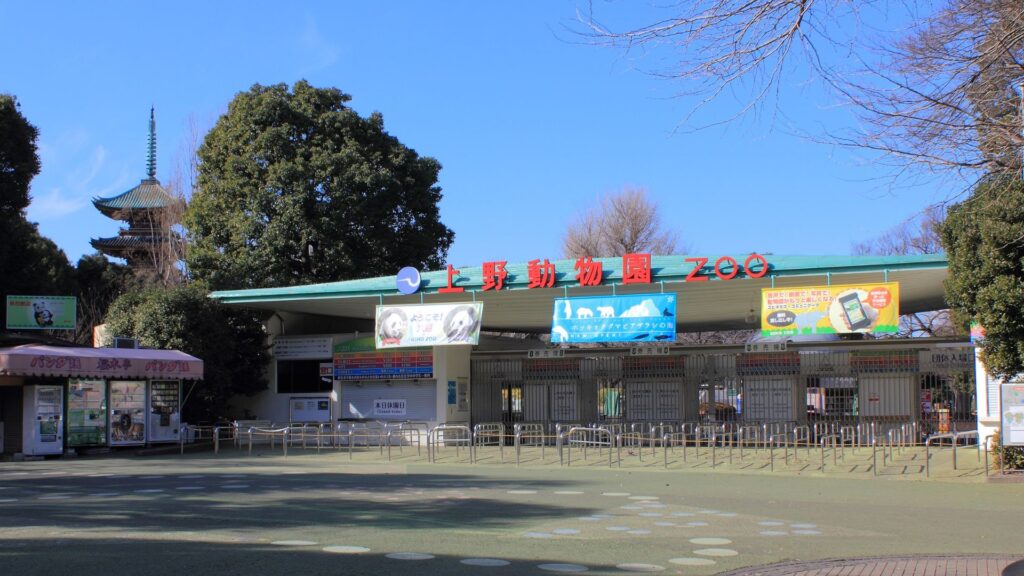
You cannot talk about the best zoos in Japan without mentioning Ueno Zoo, but let me be upfront. For decades, the main reason anyone went here was the giant pandas, but as of January 2026, the last of Ueno’s famous pandas have returned to China. On top of losing its biggest international draw, Ueno feels very traditional…which is my polite way of saying some of the enclosures feel a bit cramped and dated compared to modern standards.
So, why does it still deserve a spot on this list? Unbeatable accessibility and history. It is the oldest zoo in the country and sits right in the middle of a major park in Tokyo. While you won’t find cutting-edge safari habitats here, it still offers the chance to see rare animals like Sumatran tigers and the bizarrely cute Aye-aye.
It is cheap to enter and very accessible for tourists already exploring Ueno. So, it makes for an easy half-day addition to a Tokyo itinerary without dedicating an entire day to travel.
- Location: Taito City, Tokyo
- Entrance Fee: ¥700 (Adults)
- Opening Hours: 9:30 AM – 5:00 PM (Closed Mondays)
Kobe Animal Kingdom
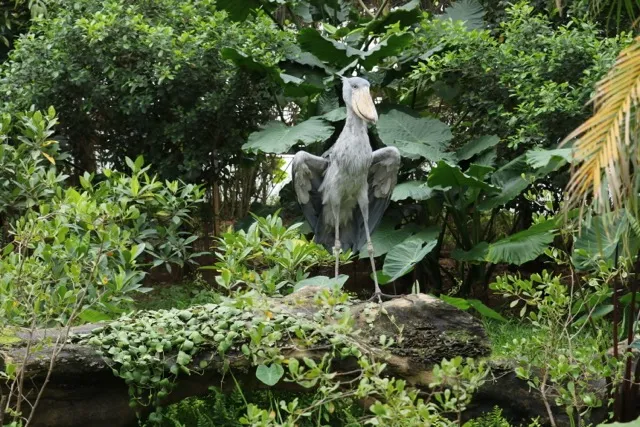
If the traditional caged experience leaves you feeling a bit guilty, Kobe Animal Kingdom is the perfect palate cleanser. Operating primarily on a “barrier-free” concept, it feels much more like a massive botanical garden crossed with an interactive wildlife reserve. There are no lions or elephants here; instead, birds fly freely overhead, and you can walk directly among capybaras, kangaroos, and ring-tailed lemurs. It is easily one of the most ethically progressive and hands-on facilities in the country.
The best part? Most of Kobe Animal Kingdom is housed inside massive, climate-controlled greenhouses. If you are travelling during the brutal Japanese summer or the freezing winter, this place is an absolute lifesaver. You can sit with a coffee surrounded by exotic flowers while a sloth hangs out in the tree above you.
What’s more, it is incredibly easy to reach from Kobe. You just hop on the Port Liner train from Sannomiya Station, and it drops you off right at the park’s front door.
- Location: Kobe, Hyogo
- Entrance Fee: ¥2,400 (Adults)
- Opening Hours: 10:00 AM – 5:00 PM (Closed Thursdays)
Kyoto City Zoo
As the second-oldest zoo in Japan, Kyoto City Zoo could have easily fallen into the same dated, concrete traps as Ueno Zoo, but it recently underwent a successful renovation. They fully embraced the fact that they couldn’t compete with the sprawling spaces of places like Zoorasia, so instead, they focused on modernising what they had. The result is a compact facility with thoughtful, multi-level enclosures where you can see the animals up close.
The compact design is also its biggest selling point. After days of endless walking between Kyoto’s temples, this zoo is easy on the feet. You can comfortably see everything in about two hours without exhausting yourself or your children. It is even ideally located right next to the Heian Shrine and Nanzen-ji Temple area.
- Location: Kyoto, Kyoto
- Entrance Fee: ¥750 (Adults)
- Opening Hours: 9:00 AM – 5:00 PM (Closed Mondays)
Nagasaki Bio Park
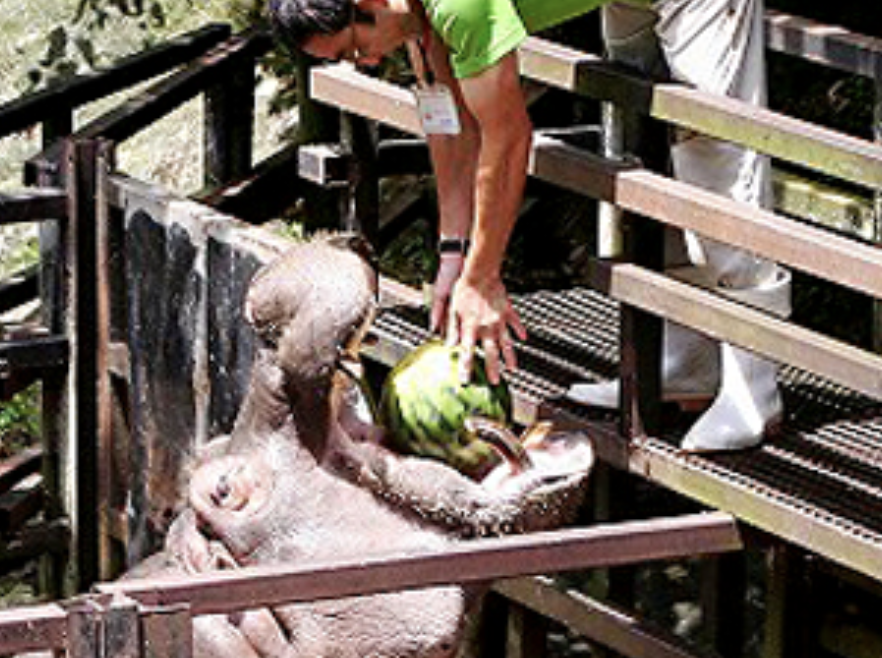
Down in Kyushu, Nagasaki Bio Park takes the concept of a barrier-free zoo and blows it up on a massive, outdoor scale. It is famous for its “no fences” philosophy, meaning you will find yourself sharing the paths with animals like capybaras and lemurs. For those concerned about animal welfare, it is widely considered one of the most ethical and interactive facilities in the country.
The trade-off for all this freedom is the location and the legwork. Getting there via public transport means a bus ride from Huis Ten Bosch or Nagasaki City. Because the park is spread out across natural terrain, it requires a lot of walking up and down hills. Make sure you wear your most forgiving shoes!
- Location: Saikai, Nagasaki
- Entrance Fee: ¥2,100 (Adults)
- Opening Hours: 10:00 AM – 5:00 PM
Higashiyama Zoo and Botanical Gardens
Higashiyama Zoo and Botanical Gardens is an absolute behemoth of a park, combining a zoo with an impressive botanical garden and an amusement park. Its biggest modern claim to fame is Shabani, the resident “handsome gorilla” who went viral a few years ago (really! I’m not kidding).
However, because it is so incredibly large and old, it suffers from the classic Japanese zoo “mixed bag” syndrome. You will see state-of-the-art habitats, and then immediately walk past sad, outdated concrete cages from the 1980s. It is also exhausting to navigate in a single day. On the plus side, Nagoya is perfectly situated on the bullet train route between Tokyo and Kyoto, making this a very easy stopover if you want to break up your travel day.
- Location: Nagoya, Aichi
- Entrance Fee: ¥500 (Adults)
- Opening Hours: 9:00 AM – 4:50 PM (Closed Mondays)
Kyushu Natural Animal Park African Safari
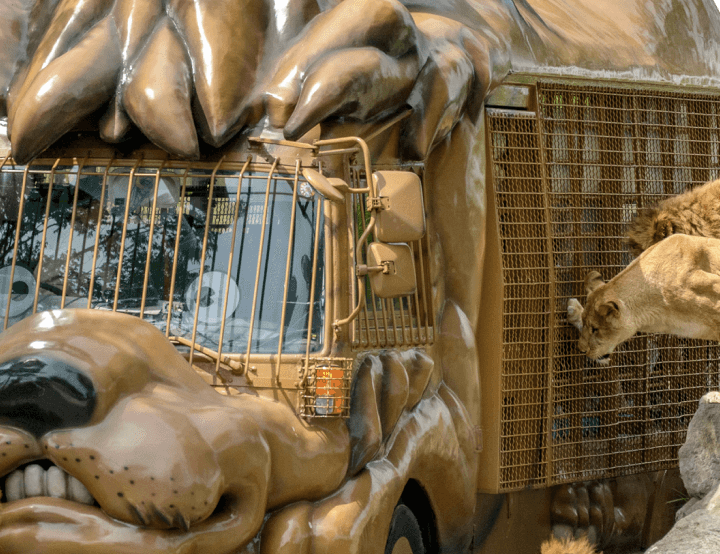
If you want the safari experience but your itinerary is taking you south rather than towards Mount Fuji, Kyushu Natural Animal Park African Safari in Oita is Japan’s largest safari park. It operates on a very similar model to Fuji Safari Park, where you can ride in caged “Jungle Buses” and feed lions and bears through the wire mesh. The major difference is the scenery; instead of a volcano, the backdrop here consists of the stunning, rolling green mountains of Kyushu.
You absolutely need a rental car to make the most of this region, as getting to the park by public transport is an exercise in frustration. However, Oita is the hot spring capital of Japan. If you are already pitching a trip to the famous onsen towns of Beppu or Yufuin, renting a car and adding a half-day safari adventure to your itinerary is an incredible, off-the-beaten-path addition to your holiday.
- Location: Usa, Oita
- Entrance Fee: ¥2,600 (Adults)
- Opening Hours: 9:15 AM – 4:30 PM (Mar-Oct) / 9:15 AM – 4:00 PM (Nov-Feb)
Best Zoos in Japan FAQs
What is the best time of year to visit zoos in Japan?
I personally think spring and autumn are your best bets. Summer is honestly miserable because the animals hide in the shade and you will be drenched in sweat within twenty minutes. Winter is great for northern zoos like Asahiyama, but many animals in Tokyo or Osaka zoos will be kept indoors to stay warm.
Are Japanese zoos ethical?
I’m not going to sugarcoat it: Japan has been slow to move away from some older practices, and you will still see concrete enclosures that feel too small. But the newer facilities like Zoorasia are world-class. It is a transition that is still happening across the country.
Can I feed the animals at these zoos?
Some zoos have dedicated feeding times or areas where you can buy specific snacks for goats or sheep. At Fuji Safari Park, you can feed lions from the safety of a caged bus.
Do I need to buy tickets in advance?
For places like Ueno or Tama, you can usually just turn up and buy a ticket at the machine. For Adventure World or specific safari bus tours at Fuji Safari Park, booking ahead is highly recommended, especially if you are visiting during a Japanese holiday like Golden Week.
Are there English signs at the zoos?
Yes, most major zoos in Japan have English on their main maps and basic information boards. English brochures are also available in a lot of these places.