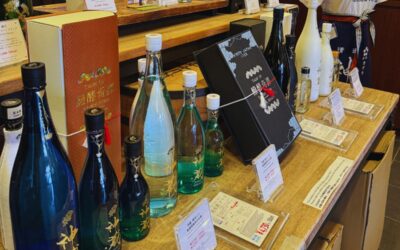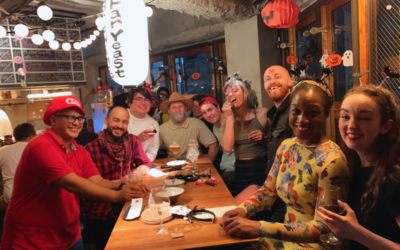
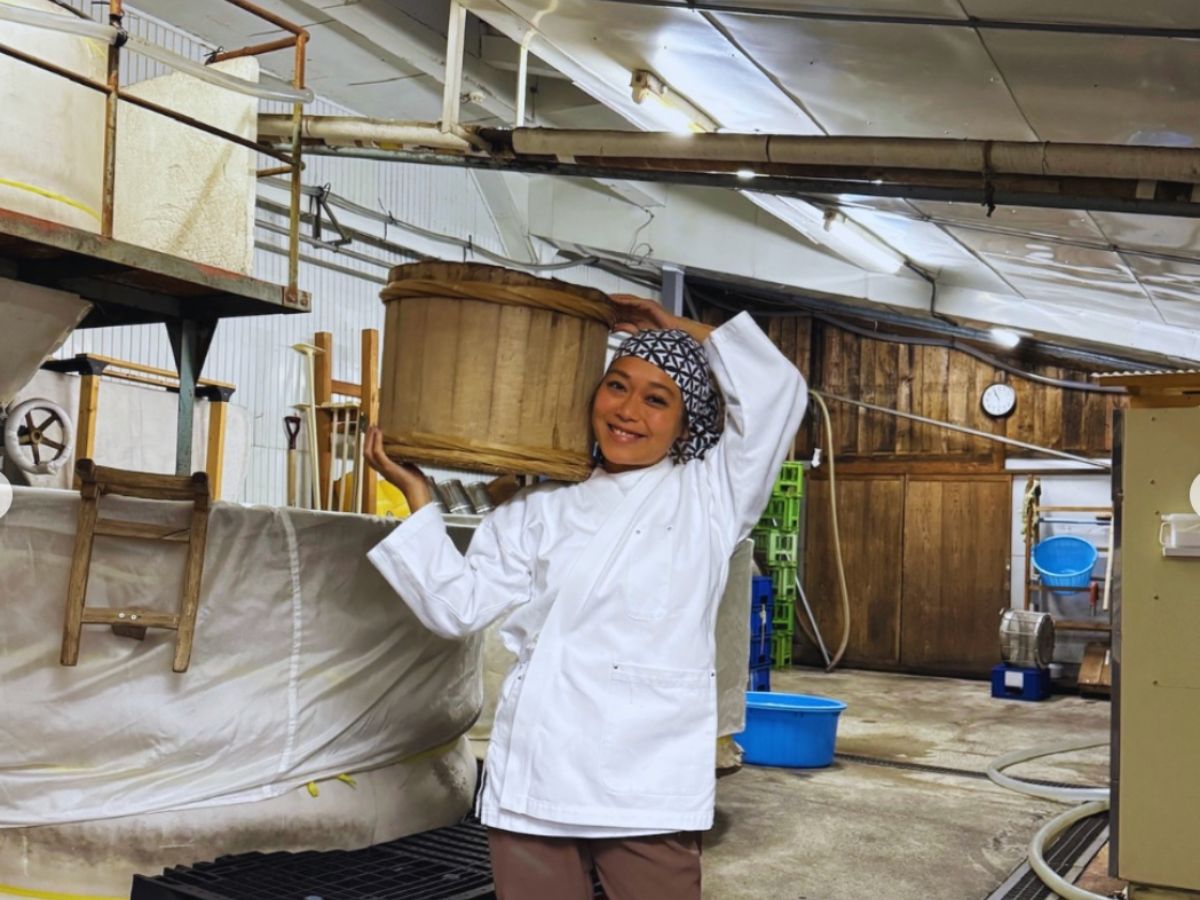

For years, sake for me was just the stuff arriving in a small ceramic flask at the end of an izakaya dinner. It was something I drank because it was there rather than because I understood it. Living here long enough, you start noticing that most visitors treat it the same way, a nice little freebie to a good Japanese meal rather than something worth understanding on its own terms.
And that’s a shame, because Japan actually has a proper range of sake experiences on offer, casual tastings, full brewery tours, even multi-day brewing stays for the more committed. Most of them don’t expect you to walk in knowing anything. It sits alongside plenty of other cultural experiences in Japan that reward a bit of research before you book. This piece goes through what those experiences actually involve, so you can work out if any of them are worth adding to your trip.
What is Sake?
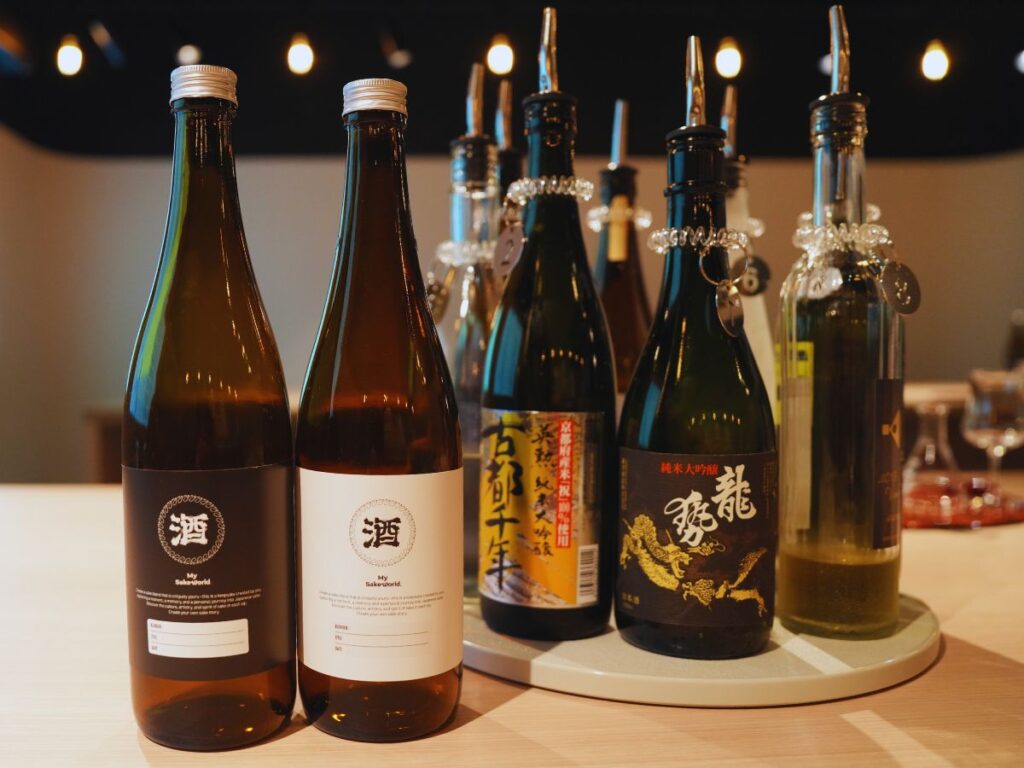
Sake often gets called rice wine, but that’s not quite right. Wine comes from fermented grape juice. Sake is made from rice, and the process is closer to how beer is made, with the rice starch converted into sugar before it ferments. That’s part of why sake tends to be stronger than wine or beer without being distilled like spirits are.
Now, when you’re trying to get into the world of sake, there are a few terms worth knowing. You don’t need to memorise any of this, but recognising the words saves you from nodding along blankly while visiting a brewery. Junmai means pure rice sake, with nothing added, and it usually tastes fuller and earthier. Ginjo and daiginjo describe sake made from rice that’s been polished down more before brewing, which gives a lighter, more delicate flavour.
Sake can be served chilled, at room temperature, or warmed, and the same bottle can taste quite different depending on how it’s served. A fuller junmai often tastes better slightly warmed, while a lighter daiginjo tends to lose its flavour if it’s heated. Most guided tastings will pour the same sake at two or three different temperatures just to show you the difference.
Types of Sake Experiences in Japan
Once you start looking, sake experiences in Japan fall into roughly four categories, and which one suits you honestly depends less on how much you already know about sake and more on how you like to travel.
Sake Brewery Visits
Brewery visits suit people who want context before they taste, like couples or solo travellers who like understanding how something is made rather than just consuming it. They also work well for small groups of friends who don’t mind a slower, more conversational pace.
Kyoto’s Fushimi district is a popular base for this, because it is historically one of Japan’s great sake-brewing areas thanks to its groundwater. It is home to a bunch of breweries and is only roughly fifteen to twenty minutes by train from central Kyoto Station.
Fushimi is also home to the Gekkeikan Okura Sake Museum, one of the more established stops if you want a museum-style overview of production history alongside a guided tasting. Of course, there are many other sake breweries in Japan beyond Kyoto. Visiting one of those regional producers, such as Bukou Shuzo in Saitama, shows how much variation exists across Japan’s brewing regions.
A typical brewery visit runs between one-and-a-half and three hours, and the longer version usually includes a walk through a working or preserved brewery building alongside the tasting itself, often with around ten different sakes to compare. Pricing tends to sit around ¥9,800 to ¥12,300 per person, roughly $60 to $76, which is reasonable given a trained sommelier is guiding you through each pour, usually with some food pairing included.
Sake Tasting Experiences
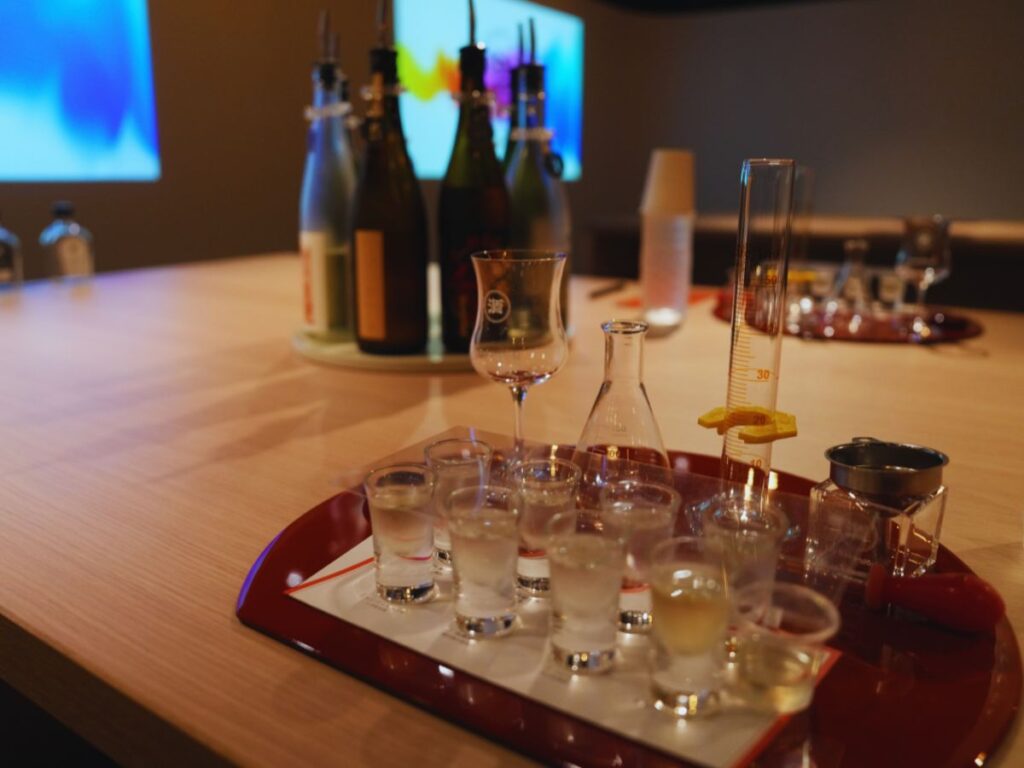
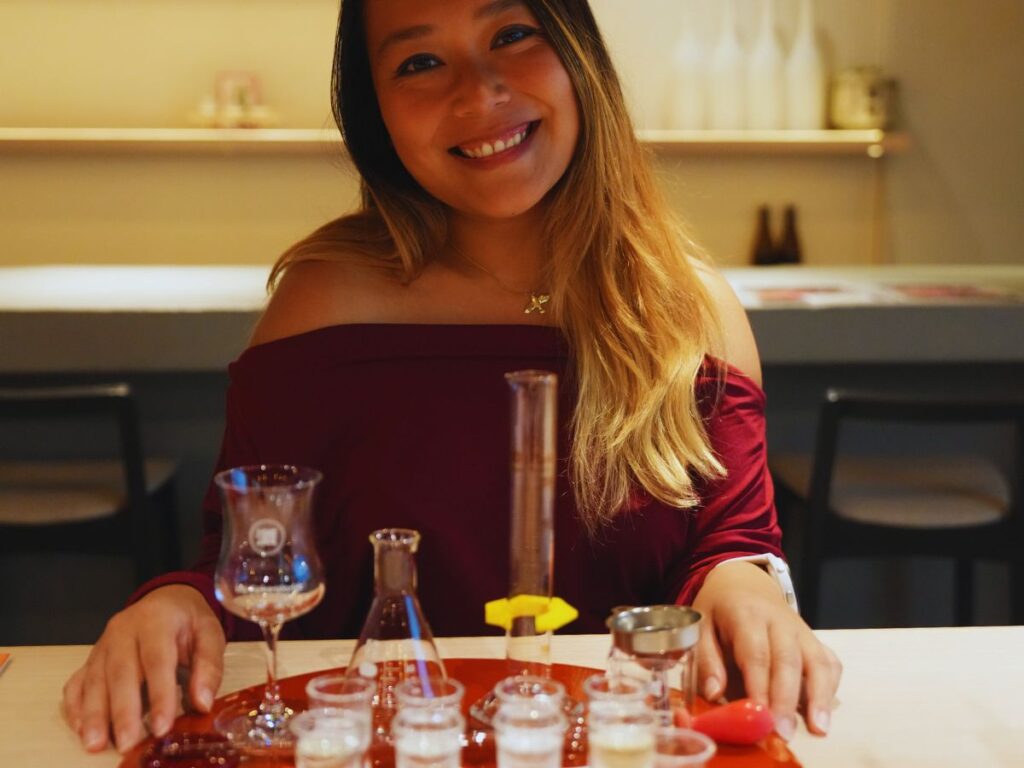
If a full brewery visit feels like too much commitment, a standalone tasting strips things back to just the comparison and conversation, and it’s probably the most flexible option of the four we are listing today. This suits solo travellers particularly well, since it’s easy to book a single spot without coordinating anyone else, though it works just as comfortably for couples wanting a low-key afternoon or a small group treating it as one stop among several that day. The shorter formats, often around ninety minutes, slot into an itinerary without reshaping the whole day around it.
Pricing starts lower than the brewery tours, from around ¥5,000 to ¥9,800 for a shorter session, climbing towards ¥20,000 for advanced tastings focused on rarer styles, such as aged sake and sparkling varieties that most visitors never encounter outside Japan. What you’re paying for here is less about the setting and more about the guide’s ability to help you actually identify what you like.
A good sommelier steers the session towards your own palate rather than working through a fixed list, asking early on what you usually drink and what flavours you gravitate towards, rather than handing over seven glasses and wishing you luck. If the priority is learning to order sake with confidence for the rest of a trip rather than getting deep into brewing history, this is likely the better use of time and budget than the longer brewery option.
Wagyu & Sake Pairing Experiences
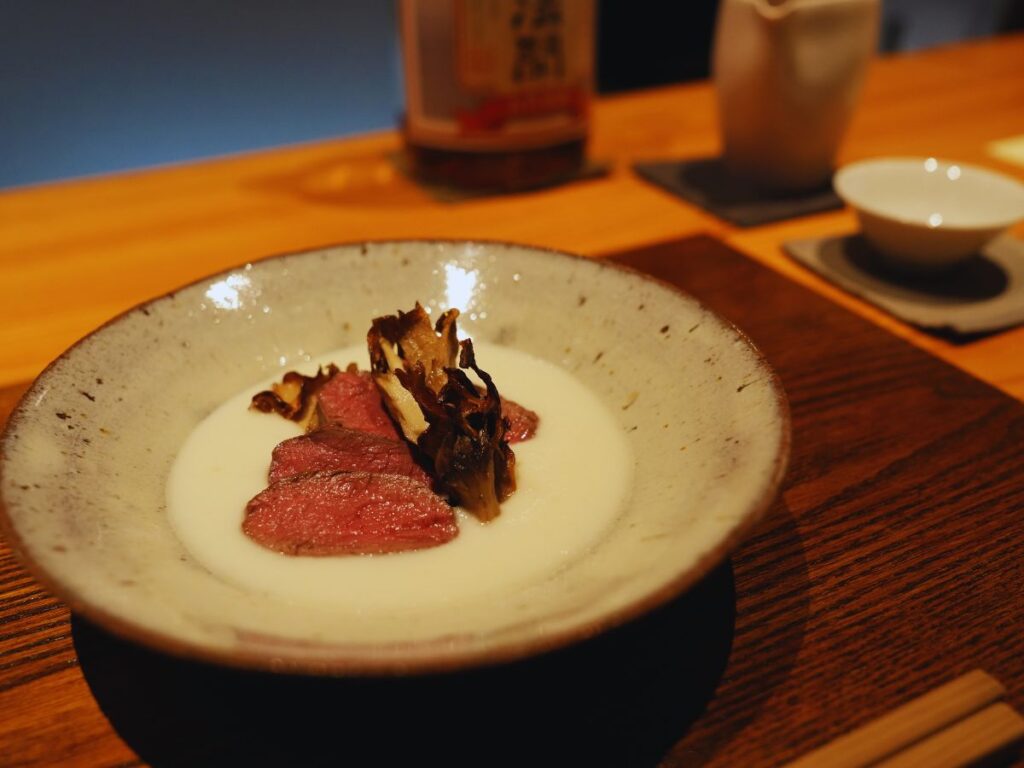
This is the splurge option, and that’s meant as a compliment, not a warning. Rather than treating sake as the main event, these experiences fold it into a proper multi-course meal built around wagyu beef, typically across five to seven dishes, each paired with a different sake chosen to complement it.
Tokyo does this particularly well, with venues tucked into neighbourhoods like Oshiage near Skytree or the more polished streets of Ginza, often in spaces seating somewhere between six and twelve guests, which keeps the whole thing feeling like a dinner party rather than a tour group herded through a restaurant.
Budget-wise, this sits well above the brewery and tasting categories, generally somewhere between $140 and $200 per person. Not only do premium cuts of wagyu get prepared several different ways across the meal, and the sake pairings are chosen specifically to cut through the richness of the beef or echo it depending on the dish, the host also explains both the grading system behind the beef and the reasoning behind each pairing.
Several of these venues run small booking windows and fill up weeks in advance, so definitely let your travel planner know early if this is something you want added to your itinerary.
This category suits couples and small groups of friends best, particularly for a special-occasion night rather than an everyday stop on the itinerary. Larger groups can struggle too, simply because the seating tends to be small and intentionally intimate rather than built for big parties. For couples looking for one indulgent evening to anchor a Tokyo stay, this is the category worth leading with.
Hands-On Sake Brewing Stays
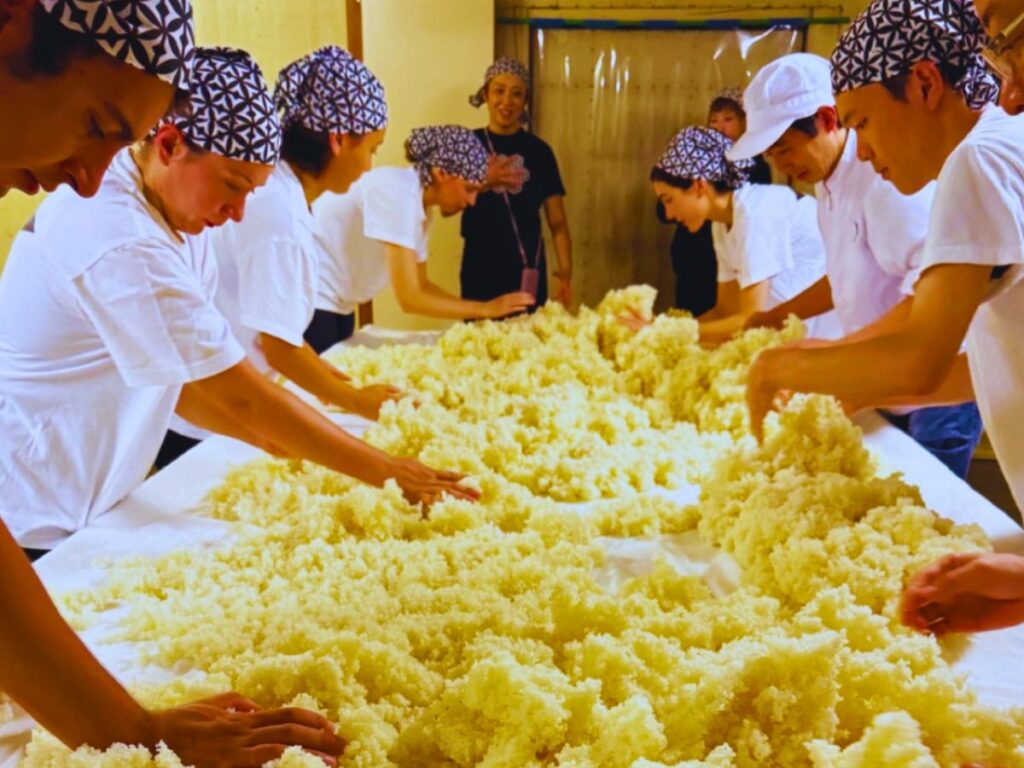
For travellers with more time and a genuine interest in sake, a handful of breweries around Japan run multi-day programmes where you actually work alongside the brewing team rather than just watching.
Kurabito Stay in Nagano is probably the best known, a two-night, three-day programme at a brewery with over 300 years of history, where you help with tasks like washing and steaming rice.
This category sits at a different price point entirely, with Kurabito Stay running around ¥88,000 (roughly $560) for the full two-night programme, accommodation and meals included, capped at eight to ten participants per session with a minimum group size of four.
This is squarely for solo travellers, couples, or small groups of friends who see this as the centrepiece of a trip rather than a side activity, and it’s not something to book on a whim given the lead time and minimum numbers required.
Private vs Group Sake Experiences
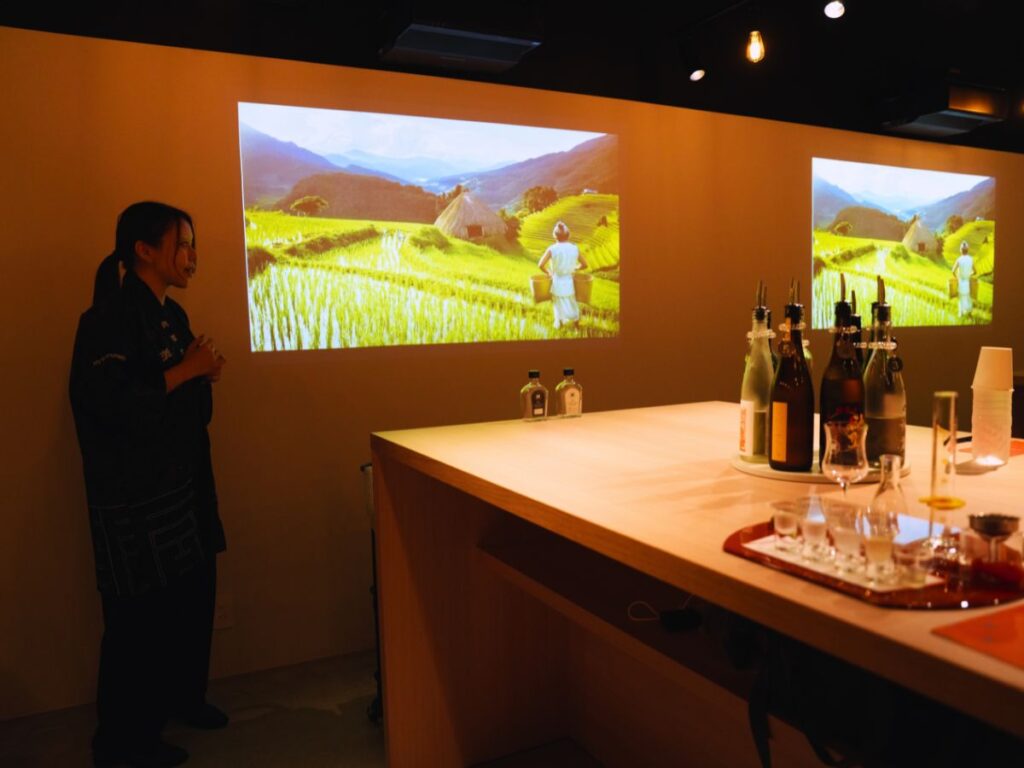
Group tastings are the easiest entry point, as they’re cheaper per head and simple to book without much lead time. They are also often more sociable since you end up chatting with other travellers over the same pour of sake. For a solo traveller, a group setting can be the better choice purely for company.
The trade-off is flexibility. You’re working around a fixed schedule and a fixed pace set by the group, which is fine if that group happens to be curious and engaged, less fine if you end up next to someone rushing through their pours to get to dinner.
During private experiences, you set the pace, and the guide can go deeper into whatever interests you specifically. This costs more, but for families with a wide range of sake knowledge across the group, or couples wanting something quieter and more personal, it tends to be worth the difference. The brewing stays sit somewhere in between, since group sizes are fixed by the programme itself, but the small numbers mean it rarely feels impersonal either way.
With this many variables in play, group size, budget, timing, location, it’s easy to end up overwhelmed by choice before comparing a single specific venue. That’s really where we come in.
Authenticity Level of Various Sake Experiences
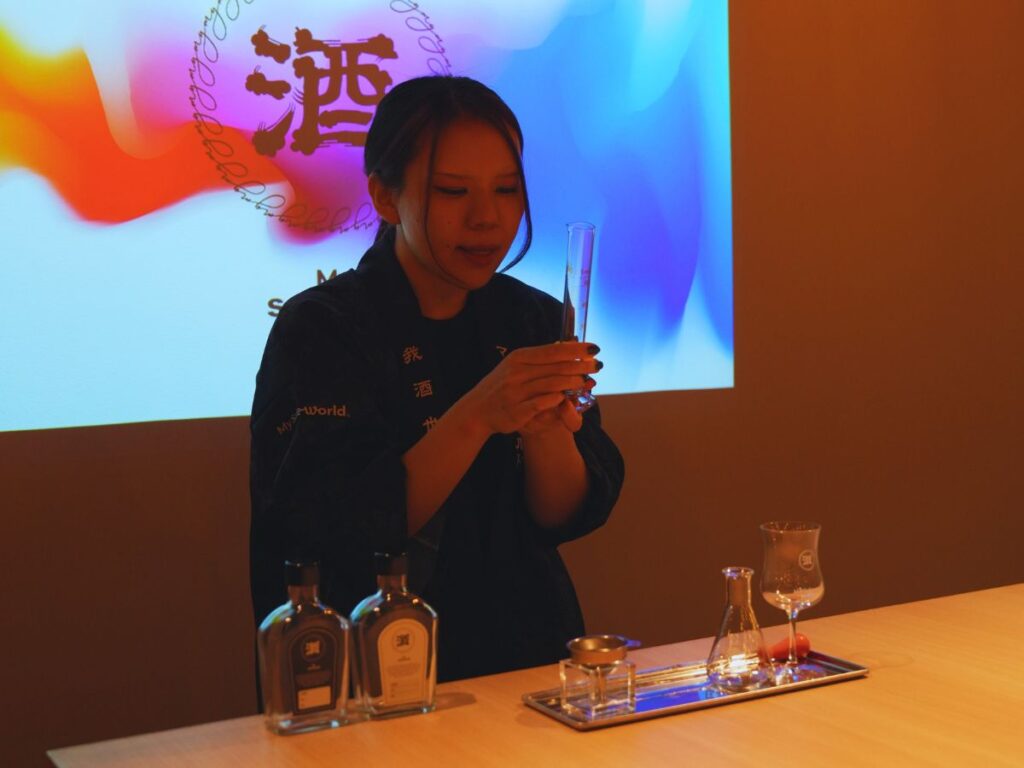
The bigger tastings in central Kyoto and Tokyo run smoothly for a reason. They’re built for a constant stream of tourists, staff switch easily into English, and everything is explained clearly and repeatedly throughout the day. And you know what? There is nothing wrong with that. Some people want a solid introduction without much planning, and these deliver exactly that.
Smaller operations tucked into Fushimi’s back streets feel different from the start. It’s usually a smaller group, and often done by the people actually making the sake rather than a dedicated tour guide walking through a set script. You lose a bit of the polish that the bigger tours have, with a bit of stumbling through translation, but that also adds to the authenticity of the experience.
The brewing stays take the authenticity level the furthest. There’s no tour at all by that point, just the brewery staff and several days of actual work, washing rice, handling koji, whatever needs doing that day. It’s less an experience built for visitors and more visitors being folded into something that was already happening anyway.
Sake Experiences FAQs
Do I need to know anything about sake before booking a tasting?
No. Most experiences are built for complete beginners, and a good guide starts from the basics regardless of what you already know.
What’s the difference between a brewery visit and a tasting experience?
A brewery visit includes walking through the actual brewing space along with the tasting, so there’s more focus on process and history. A tasting experience skips the tour and focuses purely on tasting and comparing different sakes.
How long do sake experiences typically last?
Tastings run from around ninety minutes upward, brewery visits stretch to about three hours, wagyu pairing dinners run three to three and a half hours, and hands-on brewing stays run from two nights up to several weeks.
Can Flip Japan help book a private or customised sake experience?
Yes. We work directly with providers across Japan and can match you to sake experiences based on budget and interest.
Do I need to speak Japanese to join a sake experience?
No, most tastings and brewery tours in Kyoto and Tokyo run with English-speaking guides. The hands-on brewing stays are more mixed, since those are run day-to-day in Japanese with English support rather than built around foreign visitors.