
What I’ve learned through the years is that Japan museums for kids come down to two categories: places built to be touched, climbed on and shouted at, and places where you’re quietly steering a child past glass cases hoping nothing gets touched.
Though I’ve personally found hands-on museums to be the safer bet for my super active kid who tends to already be out of patience by 2pm, a lot of the more serious, “glass-case” museums can turn into the best day of the entire trip if your child happens to be deep in a dinosaur phase, for example. What matters most is knowing which kind you’re walking into and going in with the right expectations. I’ve marked which camp each of the ten below falls into as we go, so you can decide which ones to add to your family trip to Japan.
teamLab Planets, Tokyo
Squarely in the touch-and-climb camp, this holds the Guinness World Record for the most-visited museum dedicated to a single group, which tells you how far its reputation has travelled. In fact, I’m sure you’ve heard of it by now that I’m not sure it even still needs an introduction.
Everything you’ve seen on social media is true: You walk barefoot through knee-deep water past koi that scatter into flowers when they touch you, through a room where light spheres change colour and tone as your child pushes past them, and even into a floating flower garden thick with the scent of orchids that gets stronger after dark. None of this is passive. The artworks respond to where your child stands and how they move, which is the whole point.
The Athletics Forest section leans further into this, with climbing nets, bouncing spheres and a “catching and collecting” game played through an app where kids net digital extinct animals on the walls. I’ve heard art purists sniff at how theme-park this feels compared with a traditional gallery. I don’t think that’s a fair complaint for a family day out, and the koi room alone justifies the trip for most kids under ten.
- Location: One minute on foot from the north exit of Shin-Toyosu Station on the Yurikamome line.
- Price and hours: Adults pay ¥3,600, children aged 4 to 12 pay ¥1,500, and children under 3 enter free. The museum opens from 8:00 to 22:00, with last entry one hour before closing.
Miraikan, Tokyo
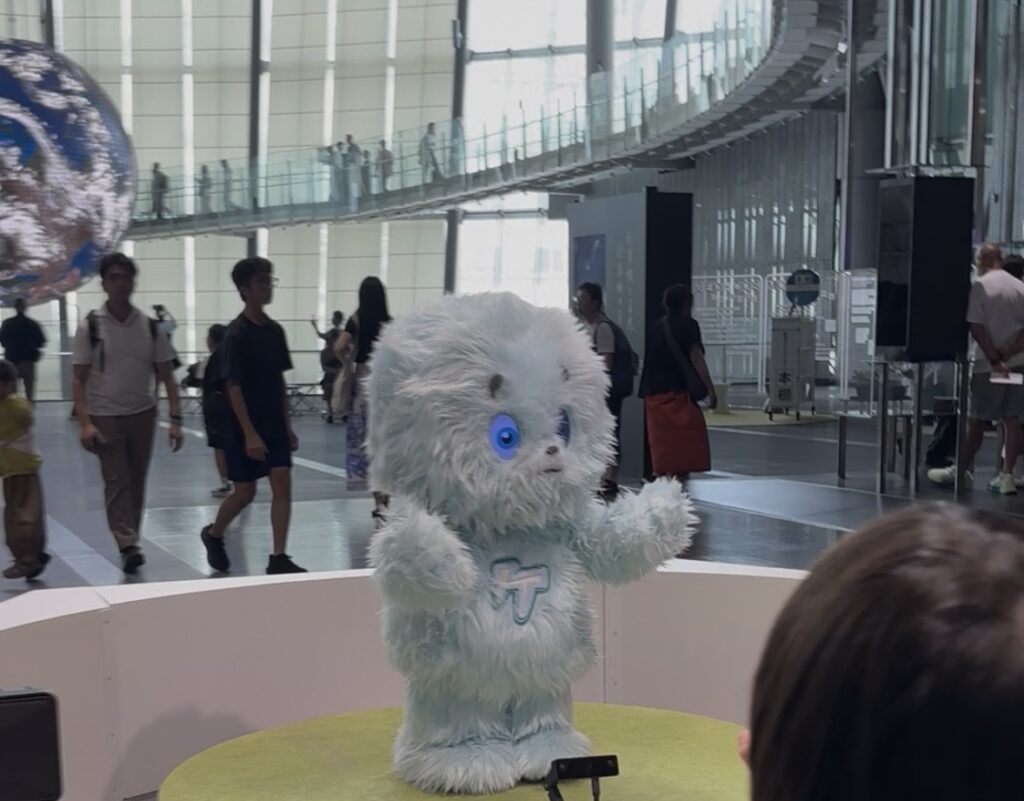
Another firmly hands-on pick, though it rewards a slightly older child. In Miraikan, you have android and AI demonstrations in the robotics zone, a pet-style robot seal that toddlers wave at until it waves back, immersive 3D shows and the Dome Theater, and of course, the Geo-Cosmos, a six-metre globe made of OLED panels hanging in the atrium, showing real-time weather patterns and ocean currents drifting across the planet.
There’s even an Aging Park exhibit where kids wear body-constraining gear to feel what reduced mobility is like, which sounds dry on paper and is oddly popular with elementary-age visitors in practice. You should also look out for limited exhibits that they run, though tickets for these cost extra. The last time we were there, they had a special Antarctica exhibition, and my son was thrilled to have touched actual ice from the Antarctic.
We tend to point families with a seven or eight year old here rather than a toddler, since the explanatory panels reward reading in a way that pure play spaces don’t. One important thing to flag: Miraikan is closed entirely for refurbishment from 1 October 2026 to 22 April 2027, so check your dates before building a day around it.
- Location: Five minutes on foot from Tokyo International Cruise Terminal Station on the Yurikamome line.
- Price and hours: Adults pay ¥630, and children through age 18 pay ¥210, with preschoolers admitted free. The museum opens from 10:00 to 17:00 and is closed on Tuesdays.
Kyoto Railway Museum
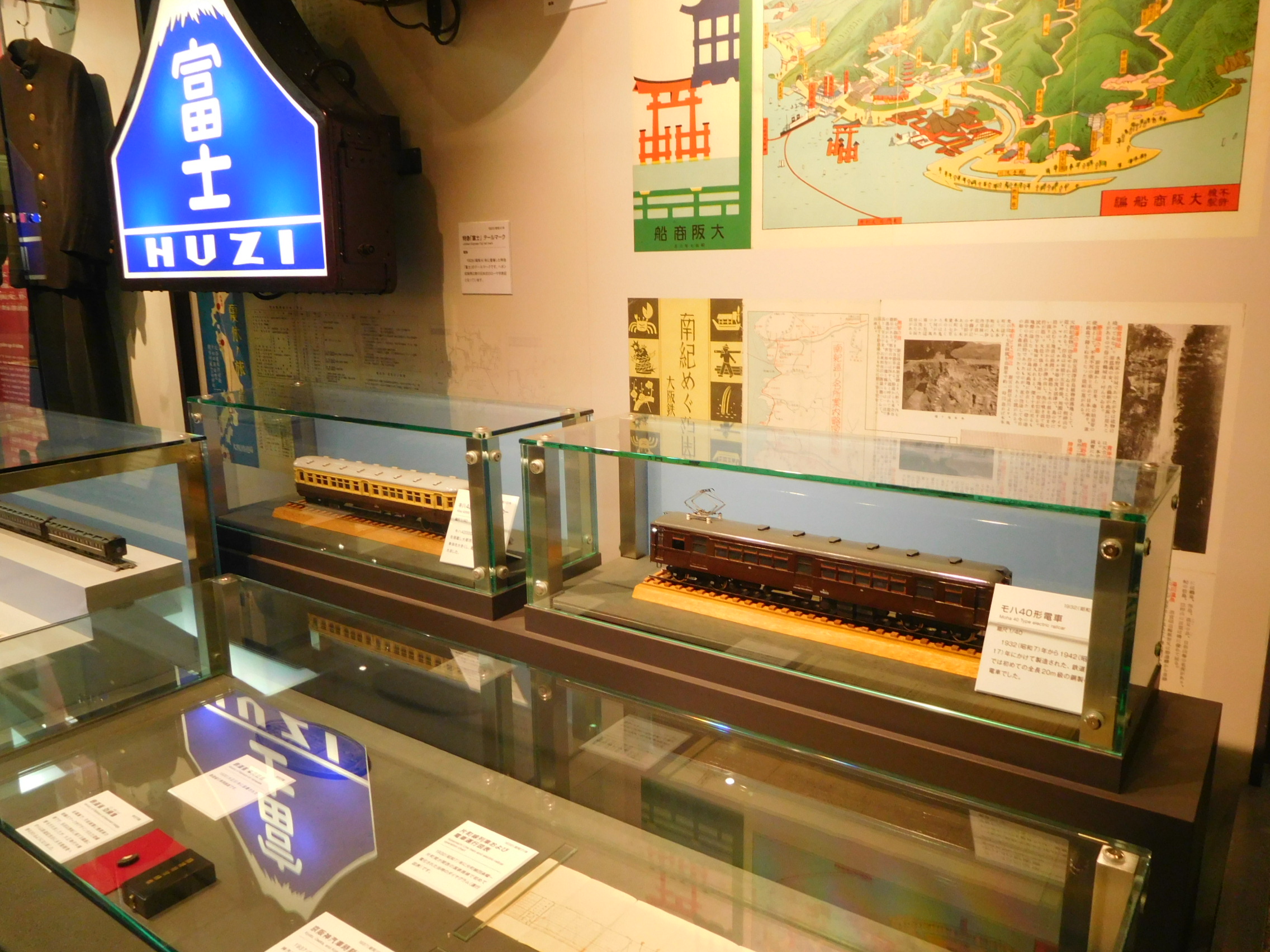
Kyoto Railway Museum is another one for the touch-it-yourself list, and the one I send families to when a child has developed the specific, all-consuming train obsession that seems to hit almost every toddler in Japan eventually.
The roundhouse, a working turntable building dating to 1914, holds around twenty preserved steam locomotives arranged in a fan, and you can walk right up among them rather than viewing from behind a rope. For ¥300, adults can ride an actual steam-powered train on a short loop from a boarding platform nearby, ten minutes there and back, with real soot and steam involved.
Push chairs aren’t allowed on board the SL Steam, but you can pack strollers by the boarding area. Lunch here is part of the experience as well, with the second-floor restaurant serving an eki-bento, a boxed lunch styled like the kind sold on train platforms. The Sky Terrace on the third floor overlooks live Shinkansen and JR Kyoto line trains, buying you time when the static exhibits run out of steam.
- Location: About a 15 to 20 minute walk from Kyoto Station, or a short walk from Umekoji-Kyotonishi Station on the JR Sagano line.
- Price and hours: Adults pay ¥1,500, elementary and junior high students pay ¥500, and children aged 3 and up pay ¥200. The museum opens from 10:00 to 17:00, with last admission at 16:30, and is closed on Wednesdays.
Osaka Science Museum
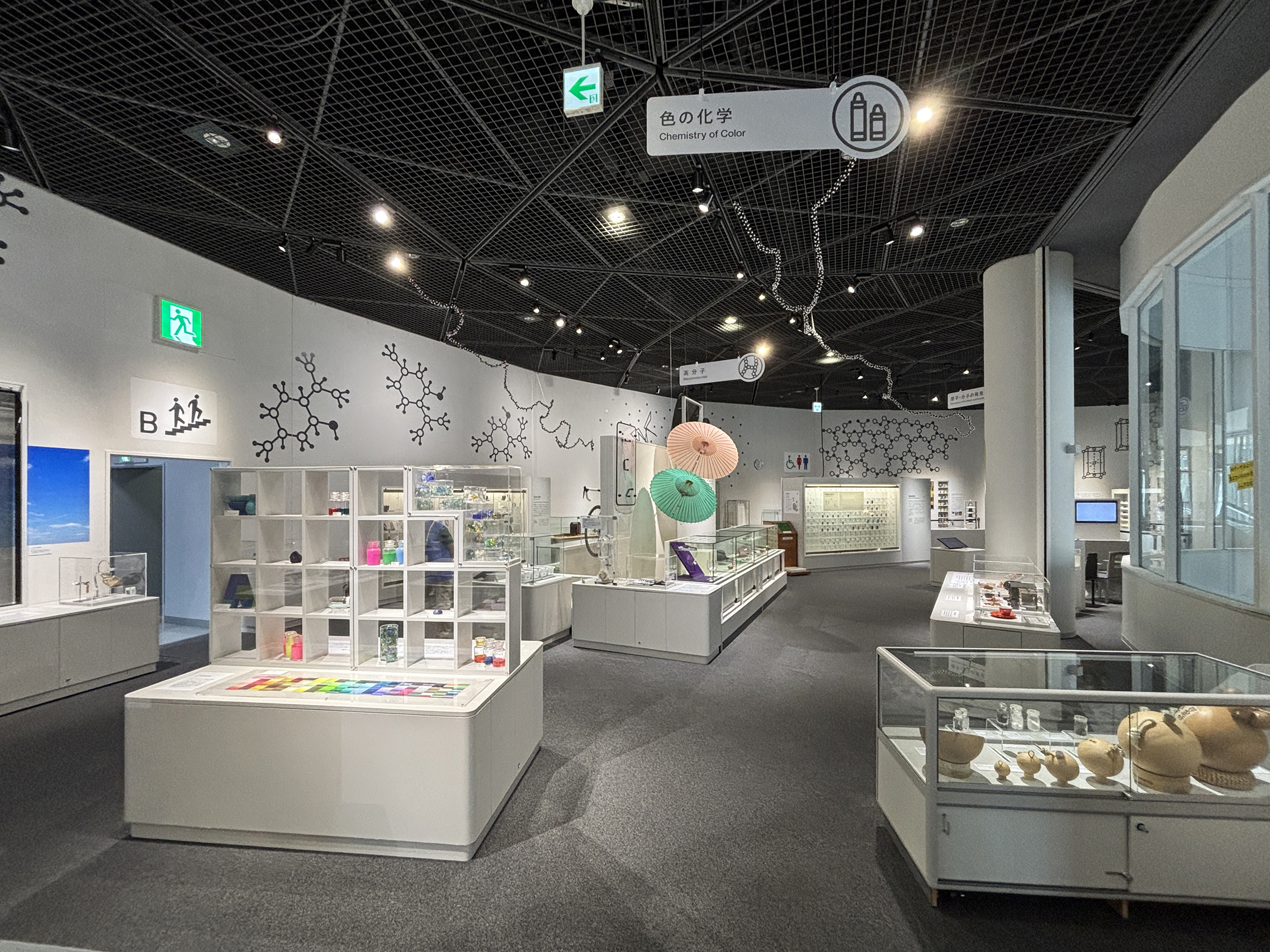
This one lands solidly on the hands-on side too, and genuinely affordable, with adults paying ¥400 for the exhibition floors. It’s the museum I recommend to families who assume science museums mean bored kids and glazed eyes.
A 2024 renovation brought the hands-on exhibits past two hundred, and the second floor, themed around light, sound and motion, is where families lose the most time: balls suspended by air jets, transparent pianos you can watch the mechanism of as you play, echo tubes, and magnet tables that kids will happily rearrange for twenty minutes straight. There’s also a dedicated floor for younger children and their guardians to run simple experiments together with balls and mirrors.
The planetarium is the actual draw for me, with a 26.5-metre dome, one of the largest in the country, and live narration rather than a recorded track. It sells out by midday most weekends without fail, so book online. Skipping it and only doing the exhibit floor is, in my opinion, missing the strongest part of the visit.
- Location: About seven minutes on foot from Higobashi Station on the Osaka Metro Yotsubashi line, or five minutes from Watanabebashi Station on the Keihan Nakanoshima line.
- Price and hours: Exhibition hall admission is ¥400 for adults and free for junior high students and younger. The planetarium costs ¥600 for adults and ¥300 for ages 3 through junior high. The museum opens from 9:30 to 17:00, with last admission at 16:30, and is closed on Mondays.
Toyota Commemorative Museum of Industry and Technology, Nagoya
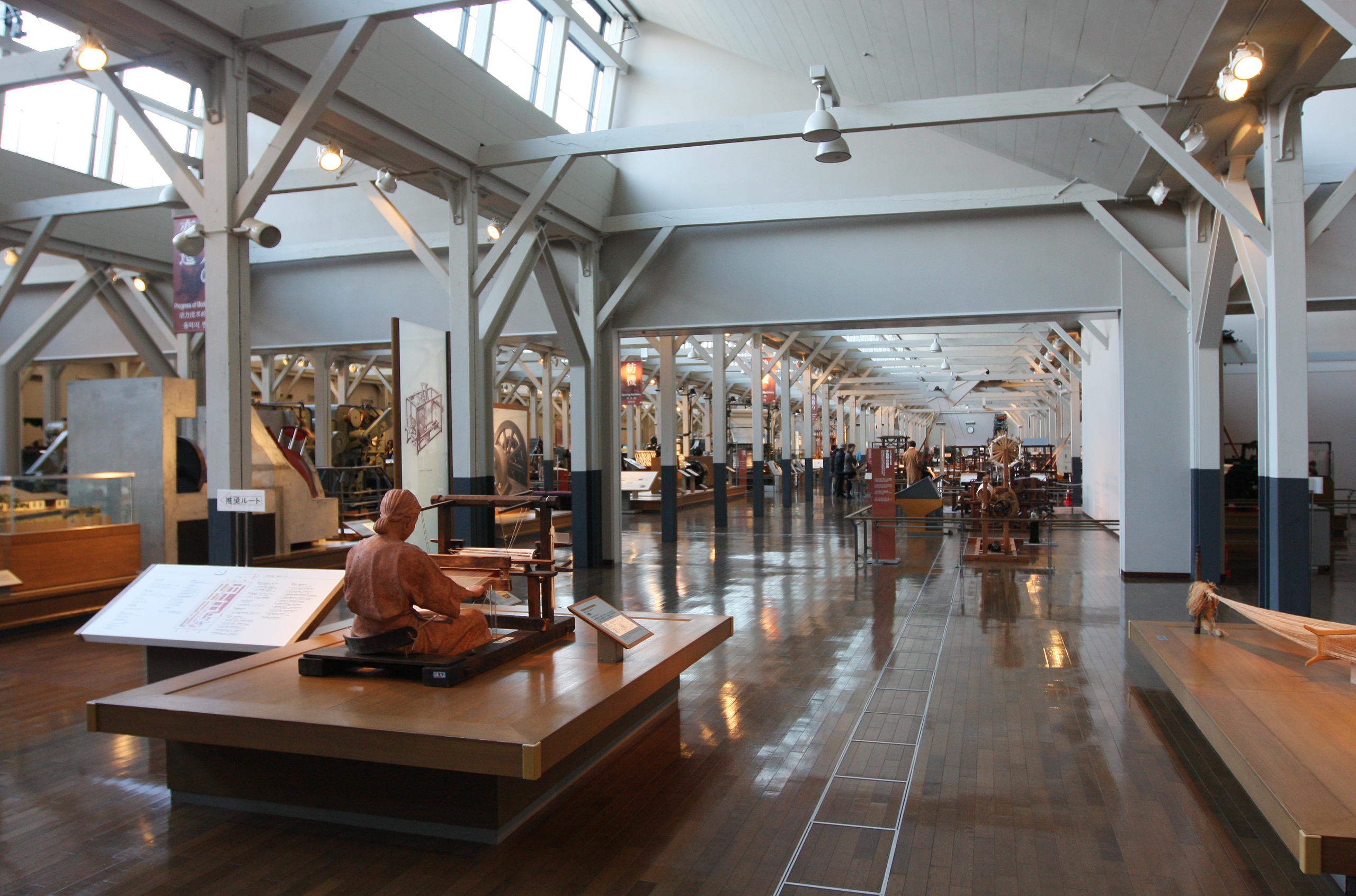
Count this one hands-on as well. Housed in the original red-brick mill where the Toyoda family first built looms, this is the museum I’d send a car-obsessed child to before the more famous Toyota showrooms elsewhere.
The Textile Machinery Pavilion runs daily demonstrations where staff operate hundred-year-old wooden looms next to modern computer-controlled ones side by side, loud and physical enough to hold a child’s attention far longer than a static case ever could. On weekends and public holidays, there’s also a casting demonstration where molten aluminium is poured live to form a cylinder block, timed around late morning and mid-afternoon.
Technoland, included in the regular ticket, gives kids a pedal-operated virtual weaving machine, a small ride-on car circuit, and a wind tunnel simulating typhoon-force gusts, plus a free workshop corner where they can make a metal keyring using real machinery under supervision. I suggest budgeting two-and-a-half to three hours if you want to catch a demonstration and let kids properly loose in Technoland as well.
- Location: Three minutes on foot from Sako Station on the Meitetsu Nagoya line.
- Price and hours: Adults pay ¥500, elementary students pay ¥200, and junior and senior high students pay ¥300. The museum opens from 9:30 to 17:00, with last admission at 16:30, and is closed on Mondays.
SCMAGLEV and Railway Park, Nagoya
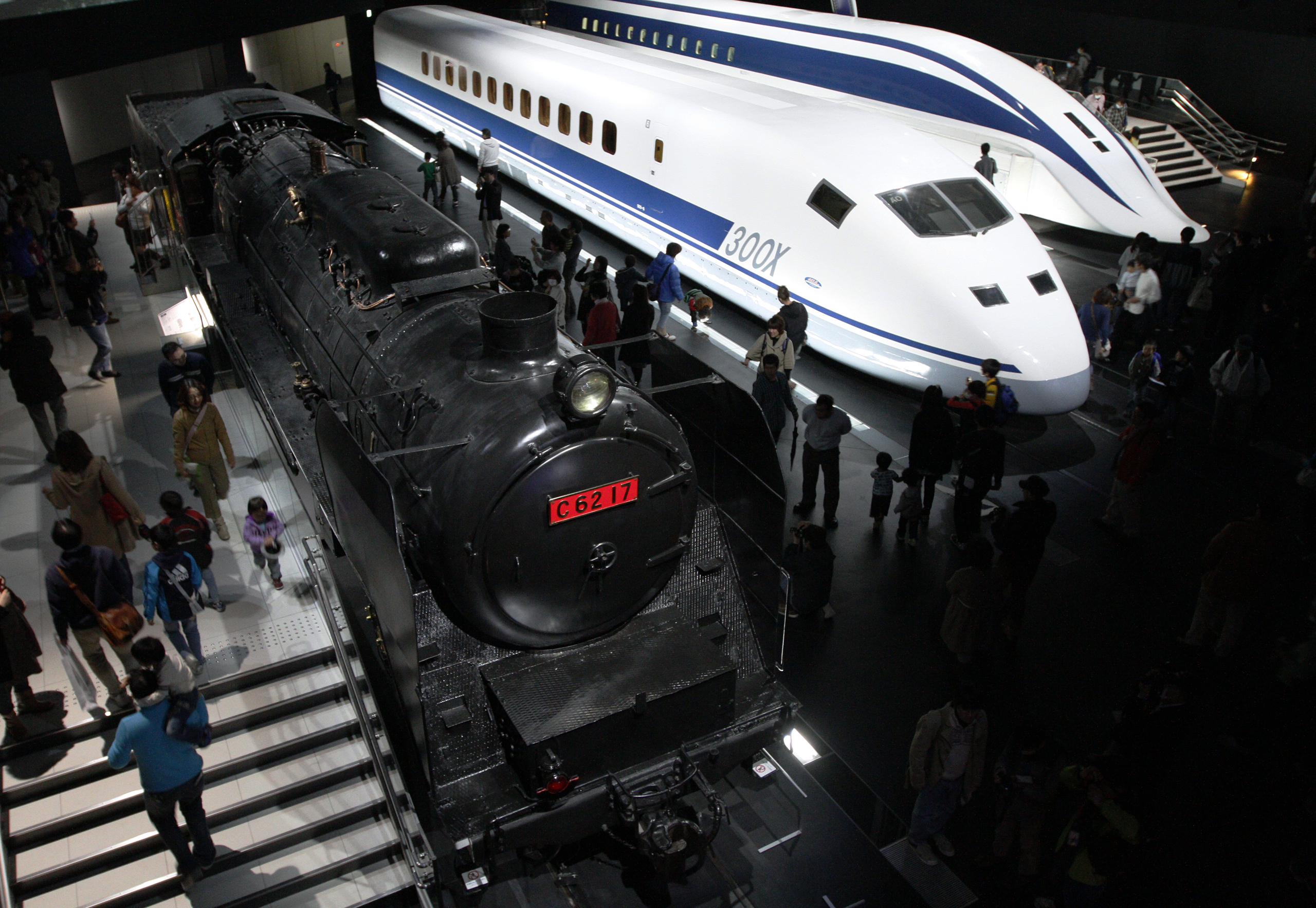
Still firmly in the hands-on camp, and worth adding if your train-obsessed child has already exhausted Kyoto’s railway museum, since this one gives a genuinely different experience. Thirty-nine retired train cars sit under one roof, including the MLX01 Maglev prototype that set a world speed record of 581 kilometres an hour in 2003, and most can be boarded or examined from underneath rather than just viewed.
The Superconducting Maglev Theatre is a sit-down experience where the seat vibrates as screens simulate acceleration up to 500 kilometres an hour, and toddlers reliably go back for a second round. The HO-gauge diorama, Japan’s largest by floor area at 33 metres wide, runs a scripted “24 hours of railway” cycle, sleeper trains departing at simulated midnight, dawn breaking over Nagoya, an emergency vehicle responding to a staged incident, and it held my son’s attention in a way a static model never could have.
The driving simulators for the Shinkansen and conventional trains draw queues by mid-morning on busy weekends, so arrive early if that’s the specific reason you came. Upstairs, there’s a free kids’ play area where shoes come off at the door.
- Location: Adjacent to Kinjo-Futo Station, a 24-minute ride from Nagoya Station on the Aonami line, no transfers.
- Price and hours: Adults pay ¥1,200, elementary through high school students pay ¥500, and children aged 3 and up pay ¥200. The museum opens from 10:00 to 17:30, with last admission at 17:00, and is closed on Tuesdays.
Cup Noodles Museum, Yokohama
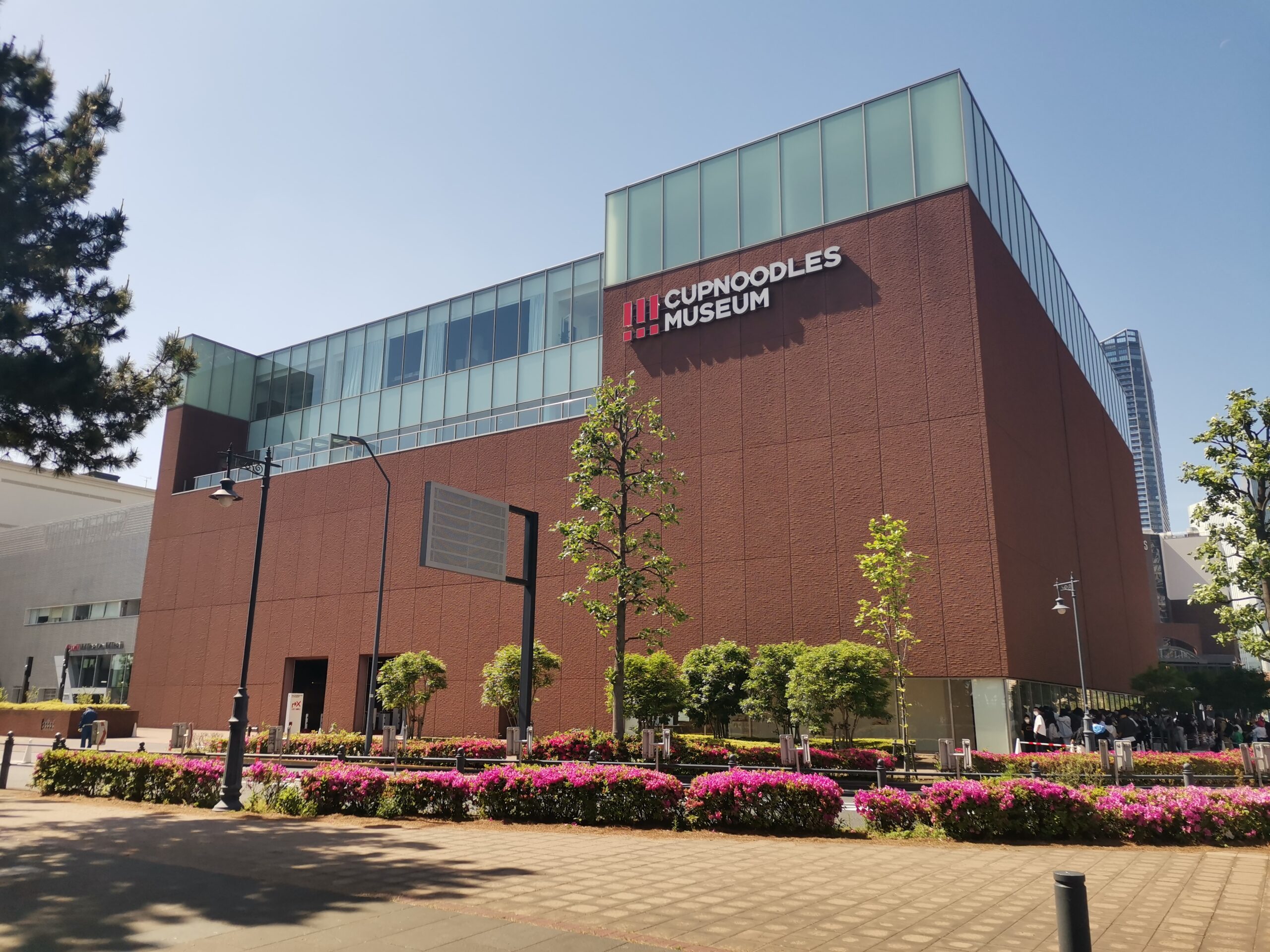
The biggest draw here for kids and adults alike is the My CUPNOODLES Factory workshop. Kids draw and design their own cup at a design station, then carry it to a live production line where they pick from four soup bases and twelve toppings, 5,460 possible combinations, and small kids argue over flavour choices like tiny sommeliers who’ve never once tasted broth in their lives.
Admission itself is a startlingly cheap ¥500 for adults and free for anyone school-age or younger, though the workshop is a separate ¥500 paid by pulling a numbered ticket at the entrance rather than booking online.
For something messier, the Chicken Ramen Factory workshop runs about ninety minutes, letting kids knead, spread and steam their own noodles from scratch before taking them home, and needs booking up to three months out, which tells you how popular it is.
There’s also Cup Noodles Park, an obstacle-course play area where kids act out being a noodle moving through a factory, and the food court is styled like an Asian night market, with half-sized bowls so you can sample several flavours without committing to one.
- Location: About a ten minute walk from Minato Mirai Station on the Minatomirai line, or from Sakuragicho Station on the JR Negishi line.
- Price and hours: Adults pay ¥500, and anyone high school age or younger enters free. The My CUPNOODLES Factory workshop costs ¥500 per cup. The museum opens from 10:00 to 18:00 and is closed on Tuesdays.
National Museum of Nature and Science, Ueno
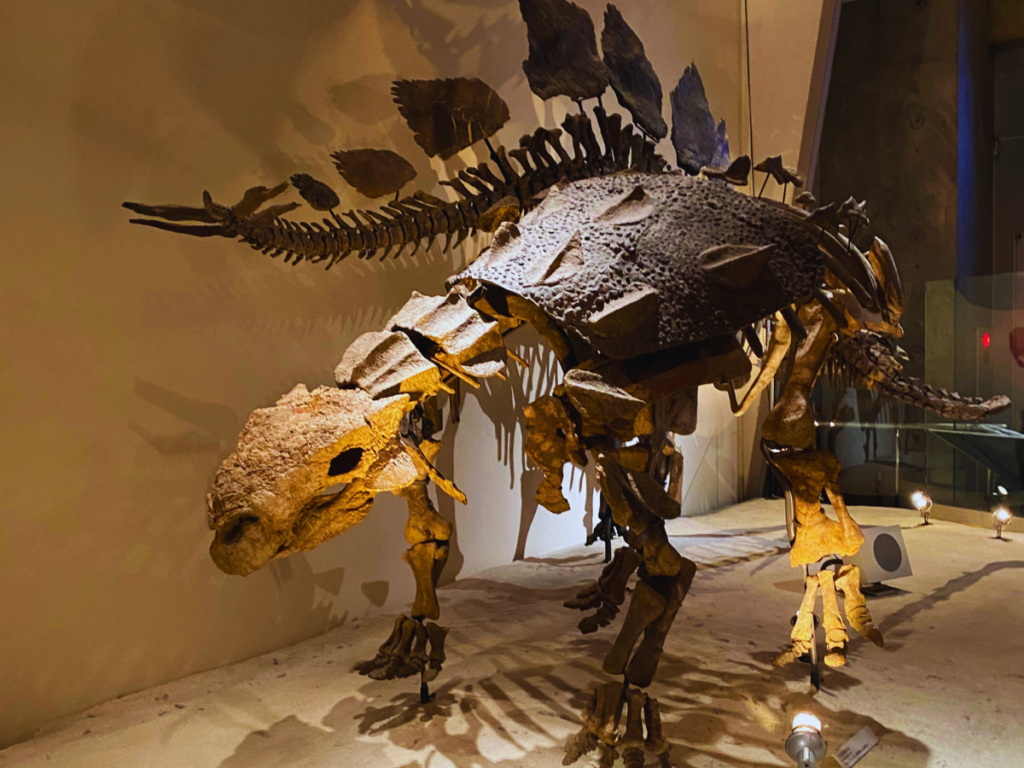
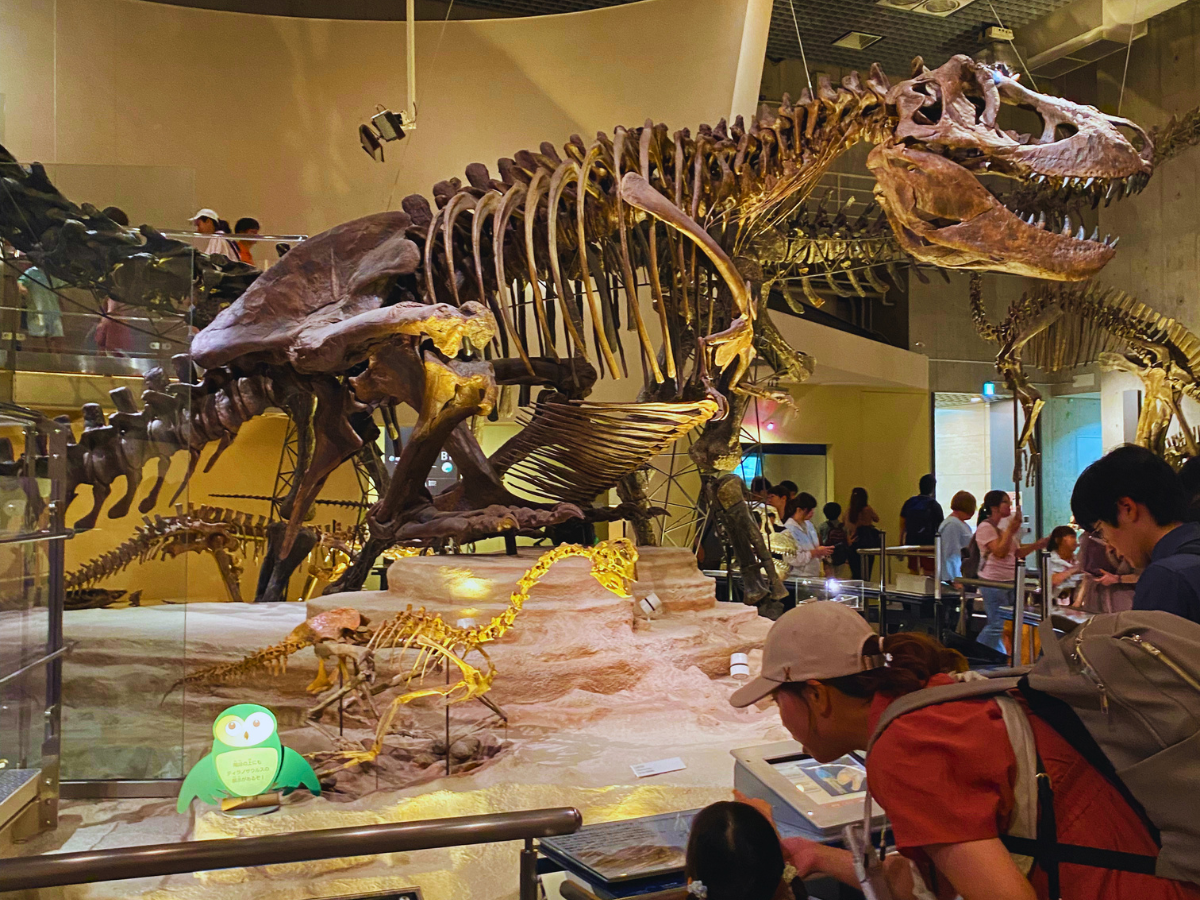
This is where the list crosses into glass-case territory, and it’s the one to pick if your child is currently obsessed with dinosaurs, and I mean genuinely obsessed, because the basement dinosaur hall holds a nearly complete Triceratops skeleton and a Tyrannosaurus displayed in a crouching position, close enough that kids stop dead in front of it.
One floor down, the mammoth and early human exhibits keep the momentum going, and outside stands a life-size blue whale model that most children want photographed next to before you’ve even gone in. Nothing here is touchable, and a bumped support cable or an overexcited hand on the glass is a real risk with a younger child, so this is the museum where I actually hold hands and stay close rather than letting anyone wander off. The restaurant’s view seats overlook the dinosaur hall itself, so lunch becomes part of the spectacle rather than a break from it.
- Location: Inside Ueno Park, a short walk from Ueno Station on JR lines or the Tokyo Metro Ginza and Hibiya lines.
- Price and hours: Adults pay ¥630, and admission is free for anyone through high school age. The museum opens from 9:00 to 17:00 and is closed on Mondays.
Ghibli Museum, Mitaka
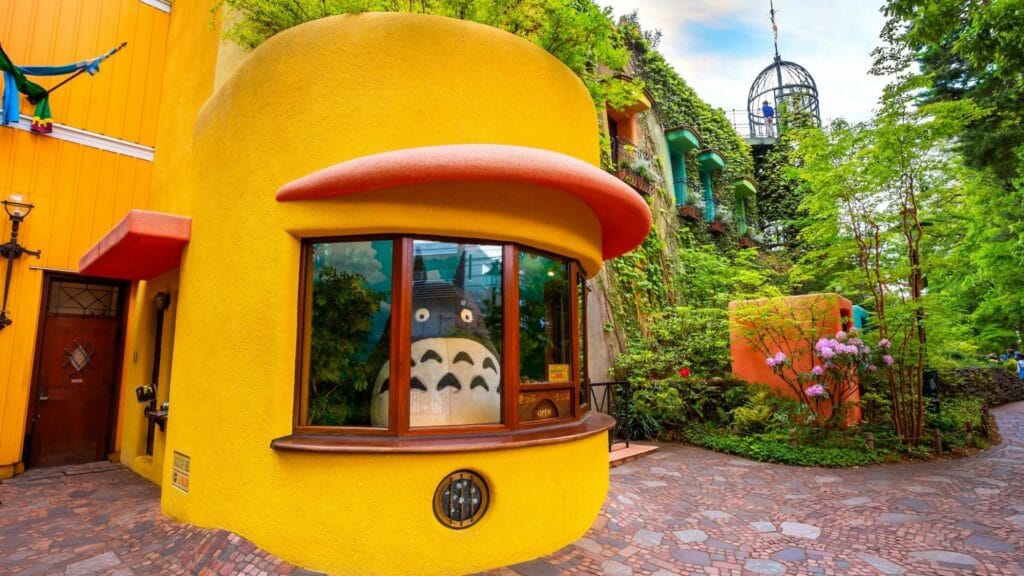
This also sits firmly in the look-but-don’t-touch camp. In fact, you aren’t even allowed to take photos and videos inside. Tickets release on the 10th of the month before your visit and vanish within minutes. If your child doesn’t already know the films, don’t chase this one down, since it rewards recognition rather than curiosity.
Most of the museum is original artwork, sketches and animation behind glass, delicate enough that this is genuinely a hold-hands-and-explain museum rather than a let-them-run one. The Cat Bus room is the one supervised exception where climbing is actively encouraged, reserved for under-twelves only, and there’s a hand-pumped well in the central courtyard that rewards a good hard pump with a burst of cool water, which kids find disproportionately satisfying.
The Straw Hat Café serves proper meals, including breaded pork cutlets and hot dogs, all handmade on site, though weekend queues have run past ninety minutes, so eat early in your visit rather than saving it for the end.
- Location: About a 15 minute walk from Mitaka Station through Inokashira Park, or a similar walk from Kichijoji Station.
- Price and hours: Adults pay ¥1,000, ages 13 to 18 pay ¥700, ages 7 to 12 pay ¥400, ages 4 to 6 pay ¥100, and children under 4 enter free. Tickets must be booked in advance, since none are sold on site.
Kyoto International Manga Museum
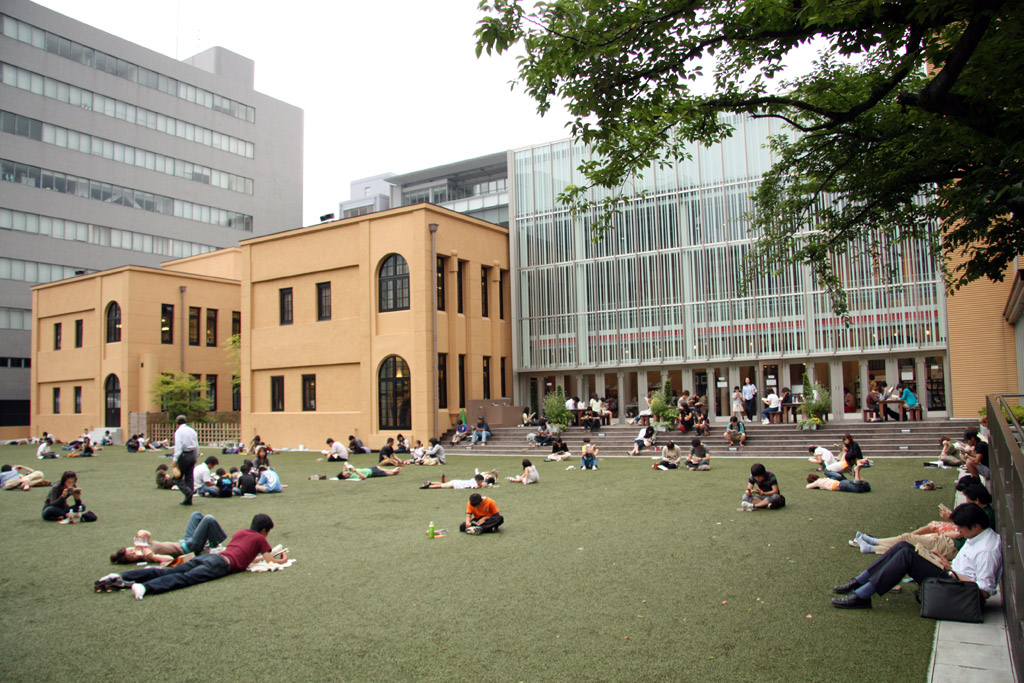
The last glass-case entry, though with a genuine hands-on exception built in. This suits children old enough to handle a book carefully, roughly seven and up, rather than toddlers who’ll happily bend spines and rip pages without a second thought.
Kyoto International Manga Museum a converted 1929 primary school, and the appeal isn’t any single exhibit so much as the fact that around 50,000 manga volumes sit on open shelves across three floors, free to pull down and read, including a decent international section in English, French, Korean and several other languages. Kids who can’t read a word of Japanese still gravitate to the artwork and pick books by cover alone, working their way along a shelving corridor that runs 140 metres end to end.
The old schoolyard is now a lawn where families sprawl with cushions and stacks of books. A café on site handles lunch, though bringing your own bento works too, as long as you eat it in the courtyard rather than the reading rooms.
- Location: About a two minute walk from Karasuma Oike Station on the Karasuma and Tozai subway lines.
- Price and hours: Adults pay ¥1,200, junior and senior high students pay ¥400, and elementary students pay ¥200. The museum opens from 10:00 to 17:00, with last admission at 16:30, and is closed on Wednesdays.
Japan Museums for Kids FAQs
Are there English-language museums in Japan suitable for young children?
Miraikan and the National Museum of Nature and Science both offer solid English support. The Manga Museum has more limited English outside its international collection, so it suits families a little less if language matters directly to your child.
Which Japan museums for kids are best for a dinosaur-obsessed child?
The National Museum of Nature and Science in Ueno is the clear pick, with a full Triceratops and a crouching Tyrannosaurus in the basement dinosaur hall.
Do Japan’s kid-friendly museums require advance booking?
Some absolutely do. The Ghibli Museum sells out within minutes of release, and its tickets go on sale a month ahead. Most science and railway museums allow walk-in entry, though popular workshops or planetarium slots often sell out by midday.
Is the Ghibli Museum worth it for children who haven’t seen the films?
Honestly, not really. It’s a much more enjoyable visit once a child already knows the films.
Which of these museums is best for a rainy day with a toddler?
Osaka Science Museum or Miraikan, since both are almost entirely indoors with enough hands-on exhibits to fill several hours without needing to step outside. We have more indoor play area recommendations at the blog.Best Month to Visit Japan for Every Kind of Traveller