It’s no secret that Tokyo is on pretty much every foodie in the world’s travel bucket list. And for good reason. Japan just has so many incredible things to eat, and in Tokyo, you can try them all. The only problem? Knowing where to start.
The city has 160 Michelin-starred establishments (the most in the world), and honestly, a seemingly endless number of restaurants, cafes, food stalls, and places to eat. But don’t worry, this Tokyo food guide is going to tell you everything you need to know. I’m here to help you plan your best foodie Japan trip ever, with lots of recommendations for where to eat.
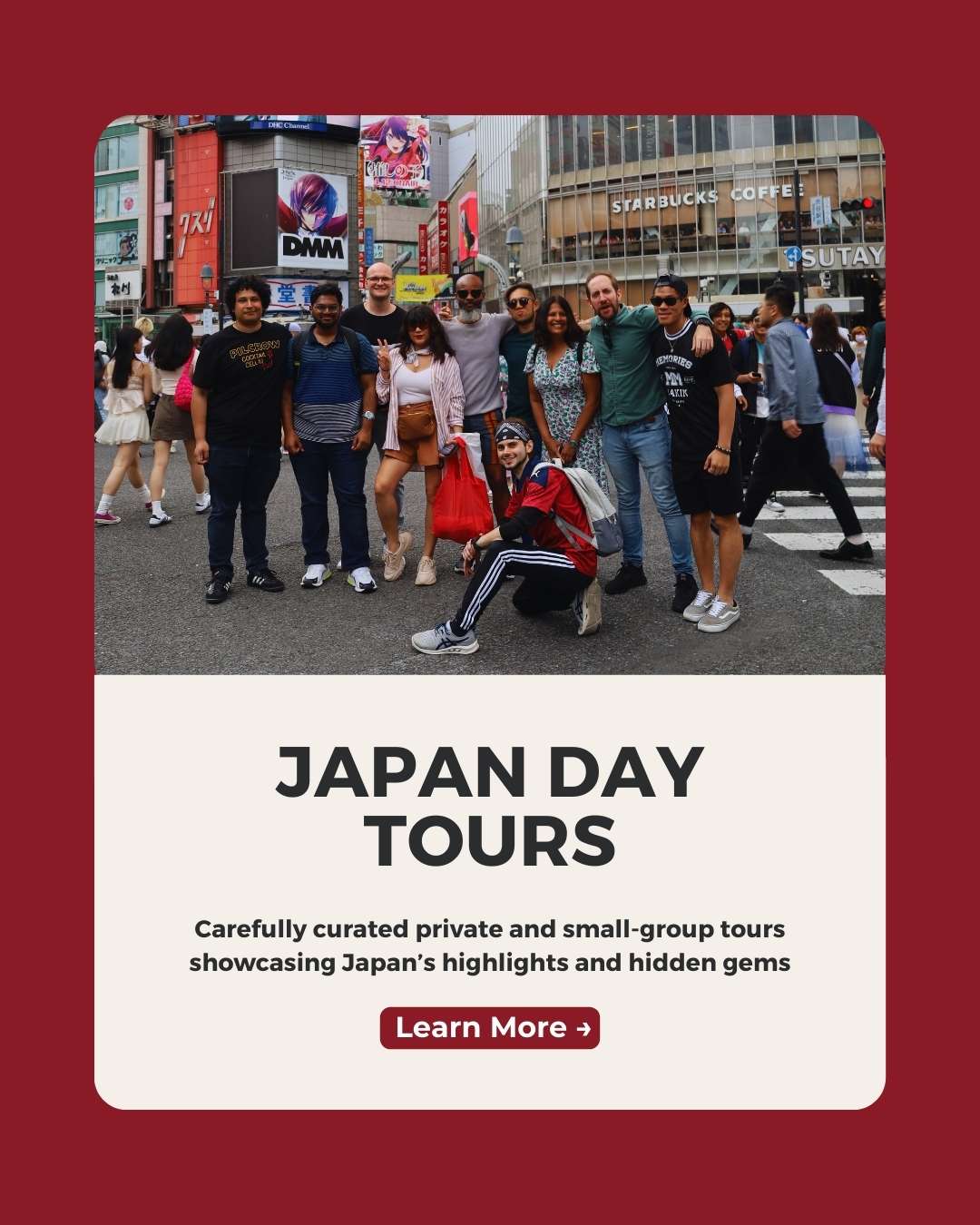
Tokyo Food Tours
If you want to take your foodie Tokyo trip one step further, I can’t recommend booking a food tour enough! This is the easiest way to guarantee delicious bites whilst learning more about Japanese cuisine, without having to plan every stop yourself.
Tokyo’s Foodie Neighbourhoods
Let’s start with the broader strokes of where to go as a foodie in Tokyo. You might be trying to decide which area to stay in, or where to plan to go and explore, but to be completely honest, there are amazing restaurants in all 23 of Tokyo’s wards.
That being said, some neighbourhoods are definitely known especially for their food scene. Here are the ones to put on your radar…
Ginza
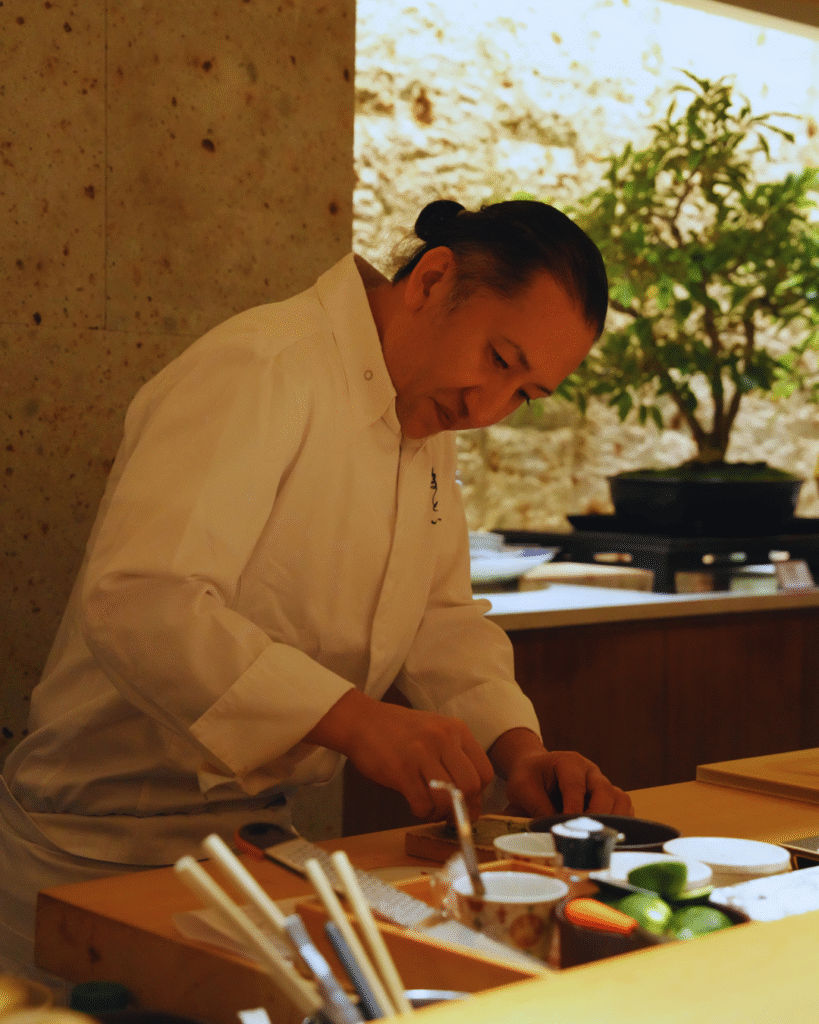
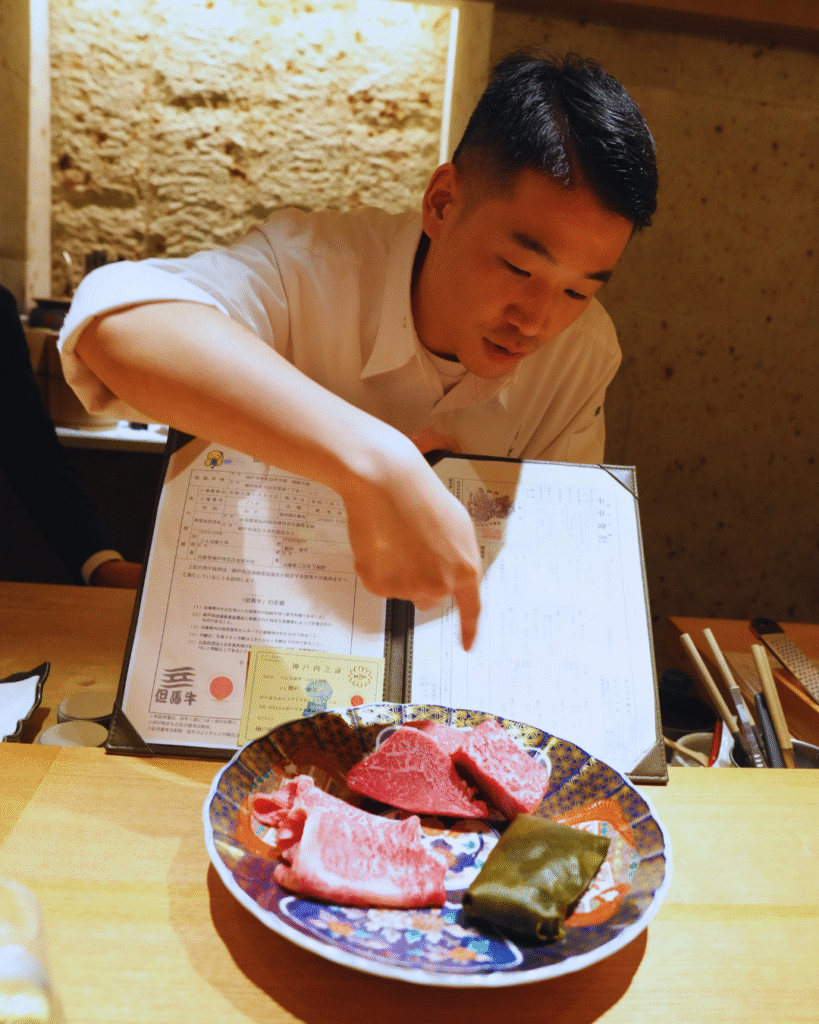
Ginza might be best known for luxury shopping, but along with this comes some truly next-level food options. As you might guess, the neighbourhood has no shortage of fine-dining restaurants (if you’re lucky enough to get a reservation), but you can also find cuisine from all over the world, some of the best kaitenzushi (sushi train restaurants), and amazing food halls.
I would characterise Ginza’s food scene as sophisticated. It’s the place to go for a special occasion meal or business dinner, or for the one night of your trip where you really want to go all out on dinner.
Where to eat in Ginza:
- Sushi Ginza Onodera Sohonten: Omakase
- Nemuro Hanamaru: Kaitenzushi
- Kobe beef Bifuteki Kawamura: Wagyu
- Medetashi: Japanese fusion and sake pairings
Ebisu
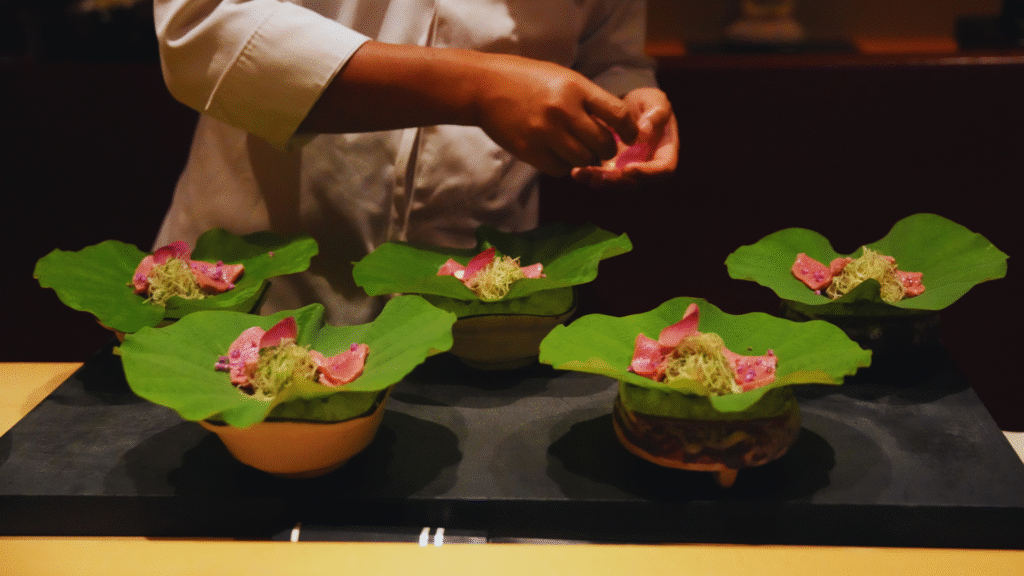
If Ginza is sophisticated, then Ebisu is chic. This is the neighbourhood that your coolest friend takes you to, with streets lined with laidback restaurants offering cuisine from all over the world. You’ll find modern, fusion, and traditional food all in one place, with new eateries popping up all the time.
What’s really great about Ebisu is that you can make an entire food-themed evening in just this one place. Start with small plates and a craft beer at a brewery, take your pick of world-class restaurants for dinner, stop for dessert at an authentic gelato or kakigori spot, then end with a nightcap at a listening bar like A9 or Bar Martha.
Where to eat in Ebisu:
Shinjuku

For fun and variety, then Shinjuku is where you need to be. The food scene is vibrant and exciting, with both popular famous spots and hidden local favourites. You can bar hop for small plates at the classic izakayas around Nishi-Shinjuku, experience affordable Michelin-starred meals at Kyorakutei and Nakajima, and enjoy late-night ramen like a local.
Within Shinjuku, there are a few particularly famous places in the foodie scene, starting with Omoide Yokocho (nicknamed piss alley). This skinny street has lots of tiny little restaurants serving skewers and small plates alongside drinks. There’s also Golden Gai, a well-known bar street with lots of little locally loved drinking spots.
Where to eat in Shinjuku:
- Sugoi Niboshi Ramen Nagi: Ramen
- Kirimugiya Jinroku: Udon
- Shinjuku Makoto: Omakase
The 3 Best Food Markets in Tokyo
One thing any foodie in Tokyo has to experience is a local market. There are a few types of these, e.g., the wholesale fish markets where chefs bid for ingredients, food markets lined with vendors, or local markets where you can buy snacks, ingredients, and handmade products.
Here are the three best food markets in Tokyo for foodie tourists:
Tsukiji Outer Market
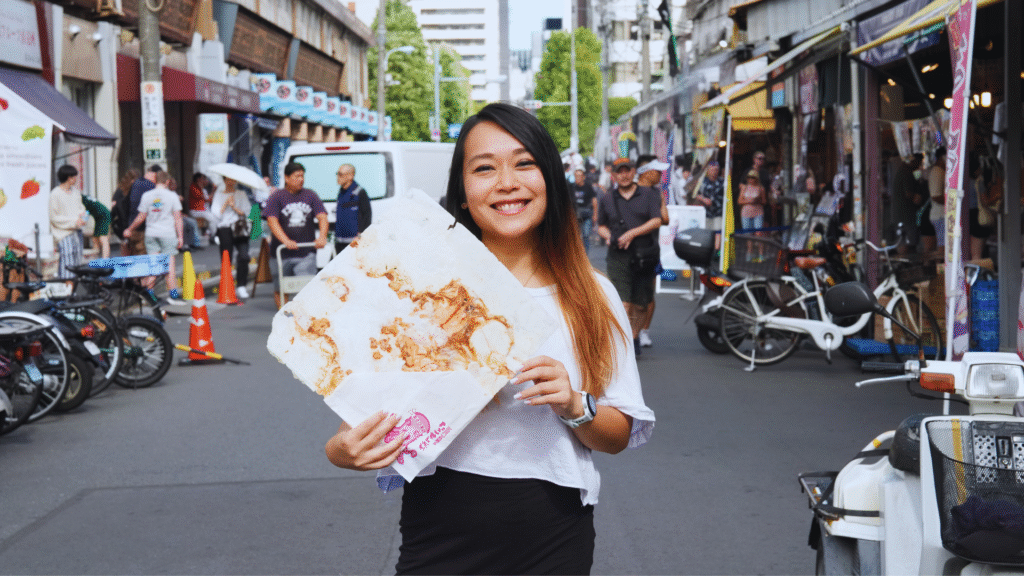
Tsukiji market originally became super popular with tourists hoping to see the early morning tuna auction, where sushi chefs would bid for the best catch of the day. In case you didn’t know, the auction became closed to the public several years ago, and actually moved location altogether, so this is no longer a part of the Tsukiji experience.
However! The market continues to be one of the biggest and best in all of Japan! This is because the outer market, where vendors sell skewers, fresh sushi, ice cream, chirashidon, you name it, continues to run. You really can find the freshest bites at Tsukiji, as well as some amazing Japanese knives and pottery, which make for excellent foodie souvenirs.
Toyosu Wholesale Fish Market
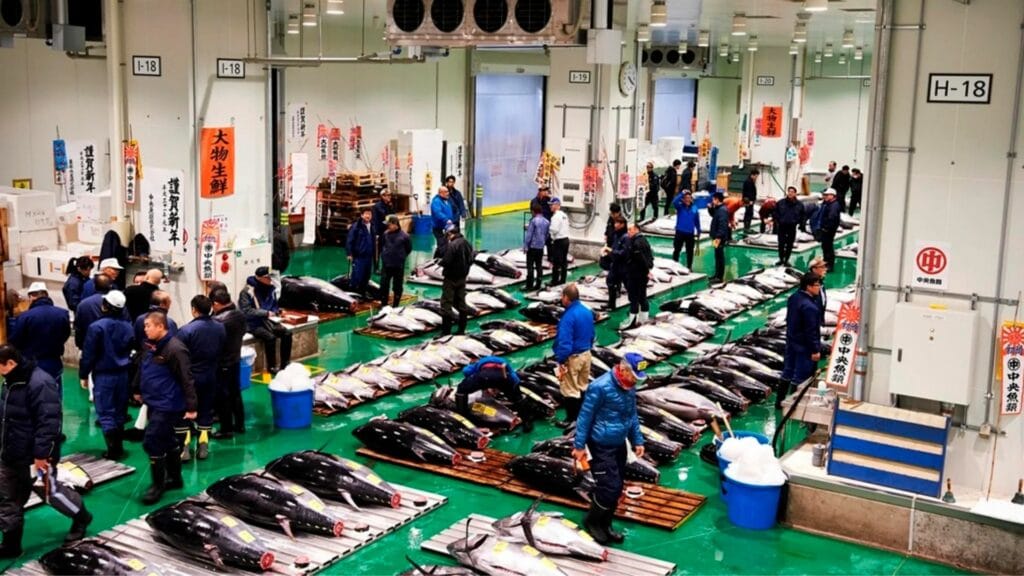
Now, if you were hoping to watch the morning fish auction, Toyosu is the place to do it. The huge wholesale market happens across three different buildings (two for seafood, one for fruit and veggies), with the famous tuna auction happening at 5:30 am. To attend, you can’t be on the auction floor, but you can watch the action from above, thanks to the many observation decks above and around it.
Then, across the street, I recommend visiting Toyosu Senkyaku Banrai, another food market with lots of small restaurants and food vendors. You can find lots of souvenirs here, as well as a food hall, and even a free foot bath on the roof, which overlooks Tokyo Bay.
Ameya Yokocho
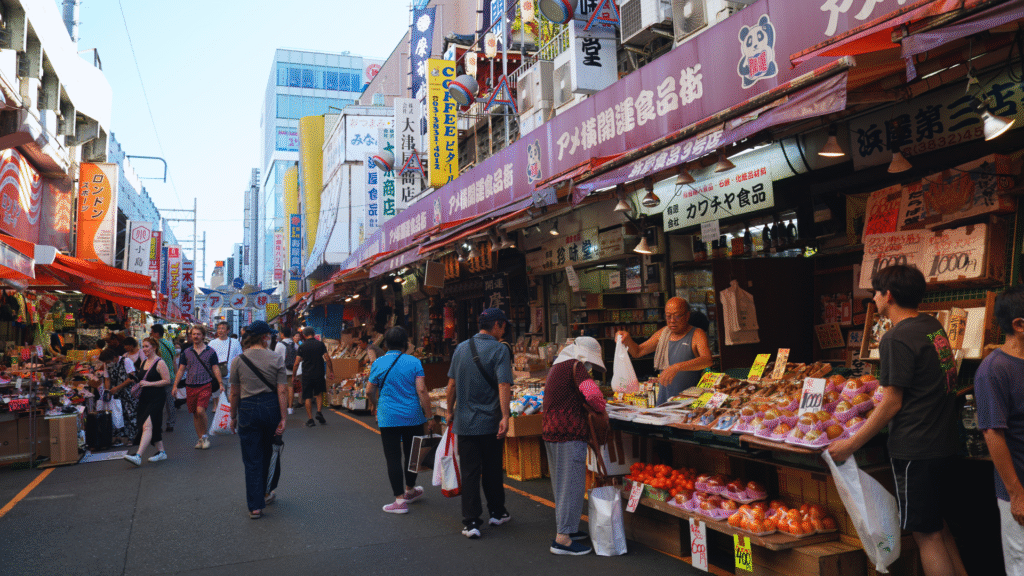
Ameya Yokocho in Ueno isn’t a food market in the way that Tsukiji and Toyosu are, as it’s a sort of shopping street, food alley, and izakaya hit spot all rolled into one. The area which connects Okachimachi Station and Ueno Station has a super lively atmosphere with vendors, tourists, and locals all coming together to shop, eat, and have a great time.
Compared to most of Tokyo, you can find loads of street food options in Ameya Yokocho. There’s more than enough to make an entire meal out of between the yakitori skewers, wagyu bites, takoyaki, and so many mochi varieties. And, if your legs get tired, you can take a seat at one of the outdoor izakaya tables to try their speciality dishes and order a cold drink.
Top 10 Tokyo Foods and Where to Eat Them
We could write an entire post dedicated to Japan’s bucket list foods (and funnily enough, we have), but to make sure you get to try the best of Japanese cuisine in Tokyo, I’ve put together this quick Tokyo food guide. Realistically, though, it’s harder to find bad food than good in this city, and I’ve found the best food experiences often come from some hole-in-the-wall restaurants I choose at random.
Sushi
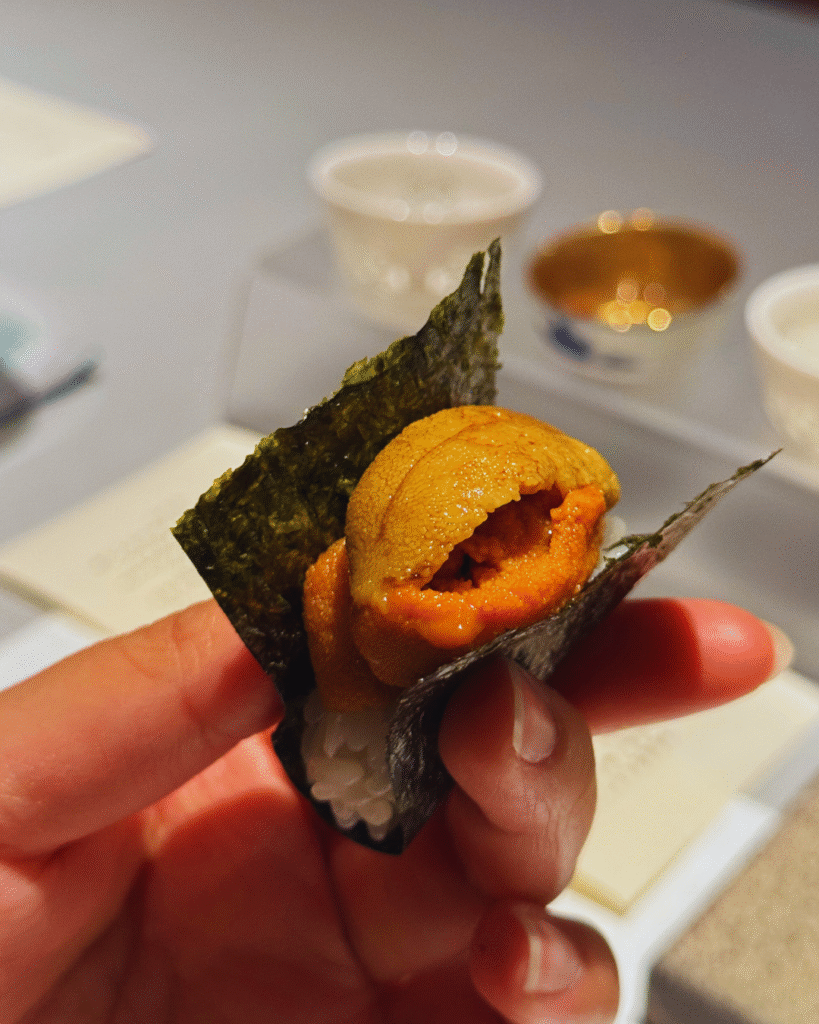
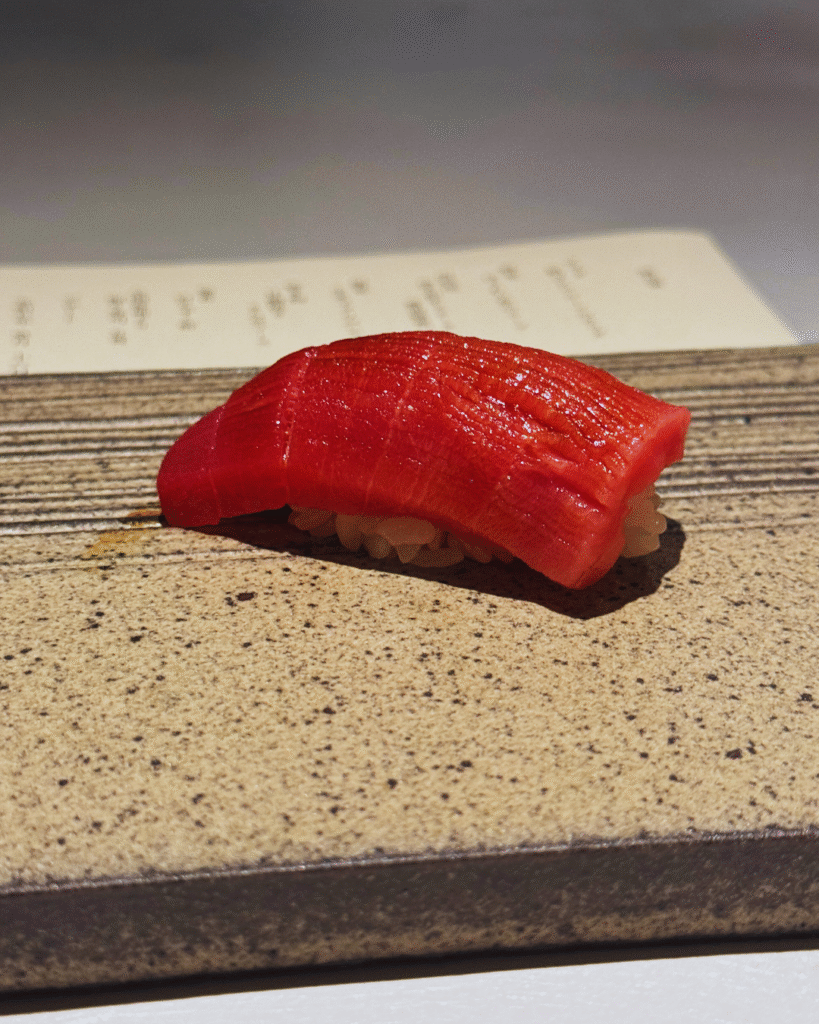
You cannot come to Japan without eating sushi. You might opt for fun and affordable kaitenzushi (conveyor belt sushi), fancy omakase (chef’s choice), or ultra-fresh nigiri served at a market, but whichever way you go, I promise you, it’ll be the best sushi you’ve ever had.
Where to go:
- Sushi Waku: Omakase restaurant
- Udatsu Sushi: Omakase restaurant
- Nemuro Hanamaru: Kaitenzushi restaurant
Wagyu
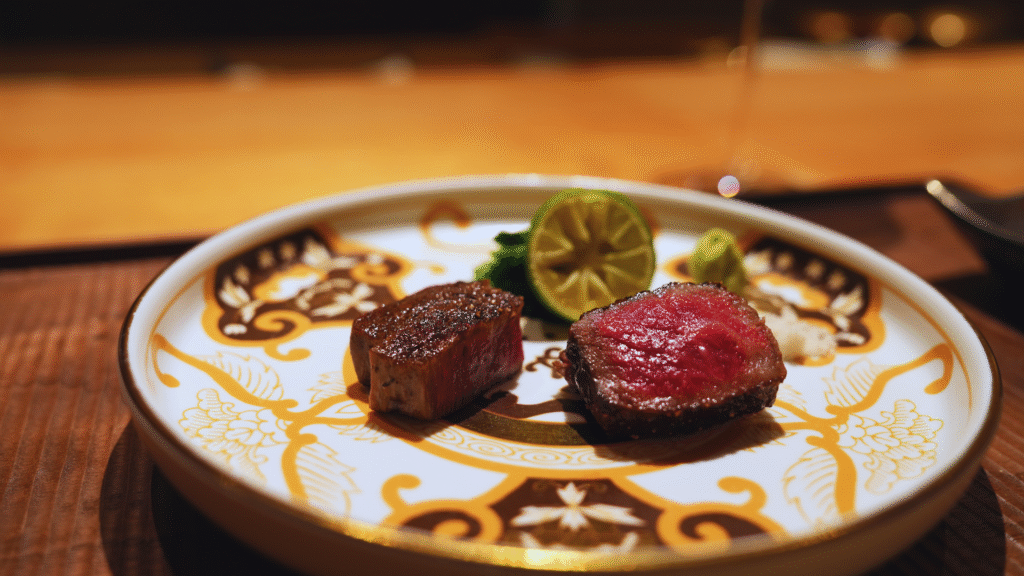
Wagyu refers to a few specific breeds of cow in Japan, which are raised with specific practices in order to produce the highest possible quality beef. The meat is known for its unmatched marbling and melt-in-your-mouth experience, and is often considered the best in the world. Not all beef in Japan is wagyu, so watch out for “kokusan-gyu” written in menus, which refers to meat from a Japanese cow (but not specifically a wagyu breed).
Where to go:
- Matoi Ginza: Wagyu omakase
- Ginza Steak Shibuya: High-quality, all-you-can-eat wagyu
- Yoruniku: Yakiniku restaurant
Yakitori
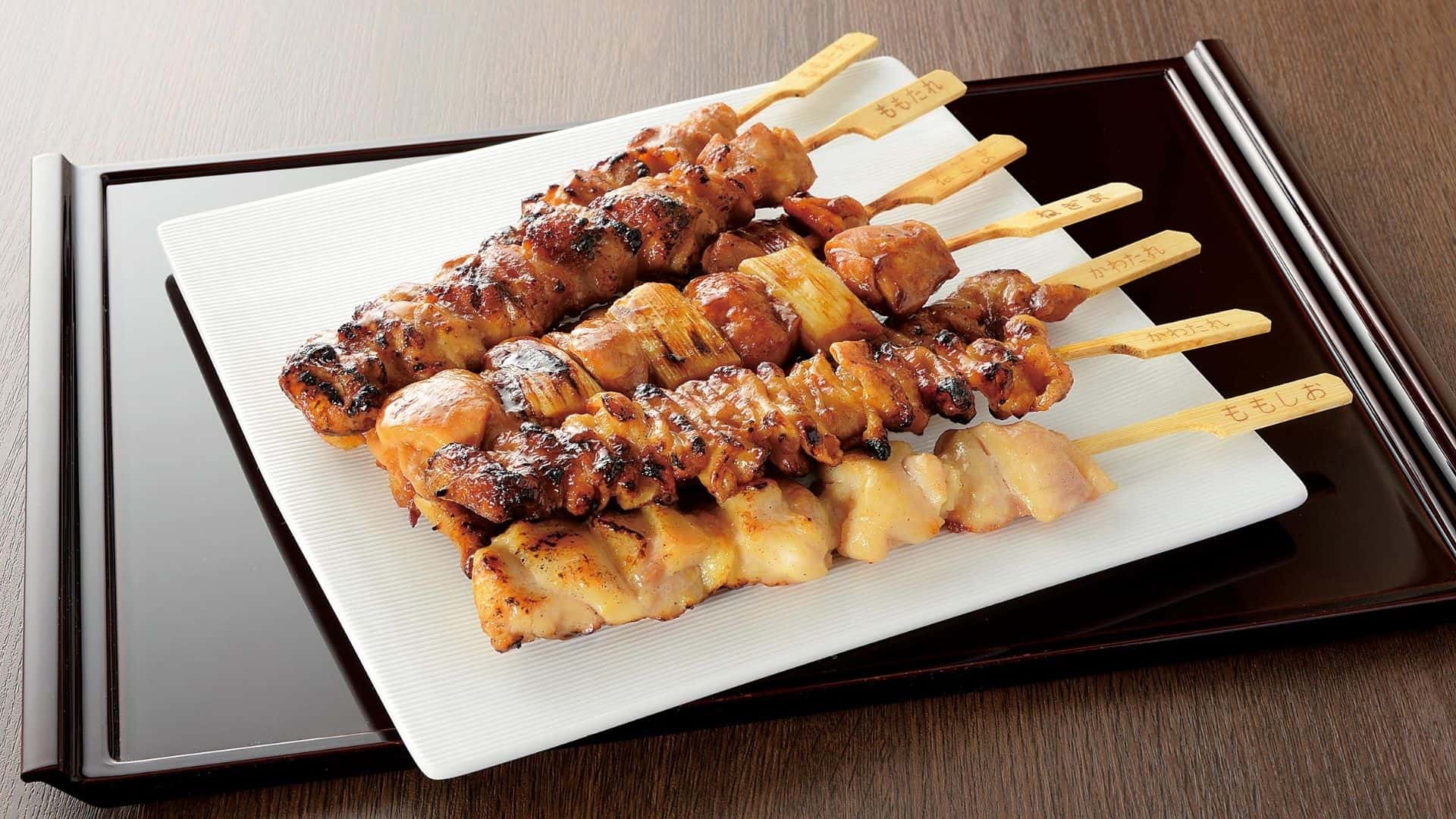
Yakitori are grilled chicken skewers that are best when shared with friends over some cold drinks. You can get pretty much any part of the chicken, usually ordered either shio (salt) or tare (a sweet soy sauce glaze) style.
Where to go:
- Fuku Yakitori: Mid-priced yakitori
- Ginza Torishin: Yakitori omakase
- Sumibi Yaki MARU: Make sure to also order the oyakudon
Udon
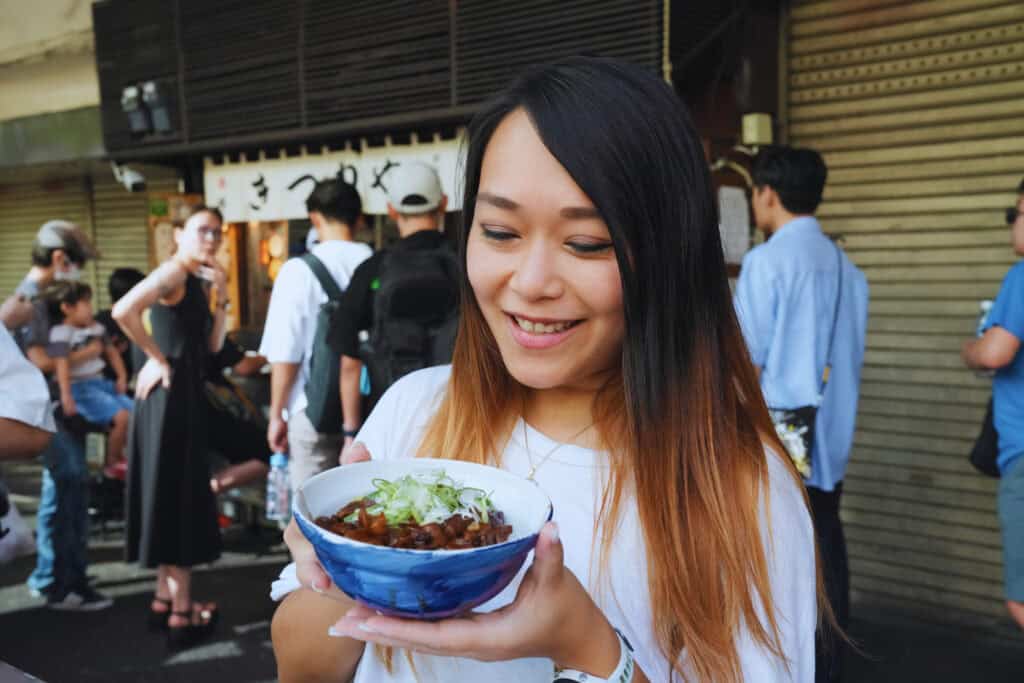
Thick-cut, bouncy noodles in a savoury dashi-based broth, udon is actually my personal favourite Japanese meal. You can get it hot or cold, with a whole variety of toppings like meat or kitsune (a thin piece of slightly sweet deep-fried tofu), usually served with tempura on the side.
Where to go:
- Udon Shin: Delicious and affordable udon near Shinjuku station
- Godaime Hanayama Udon: Flat udon with soy and sesame dipping sauce (go to the Haneda location to avoid long lines)
- Ginza Sato Yosuke: Slightly elevated udon restaurant
Ramen
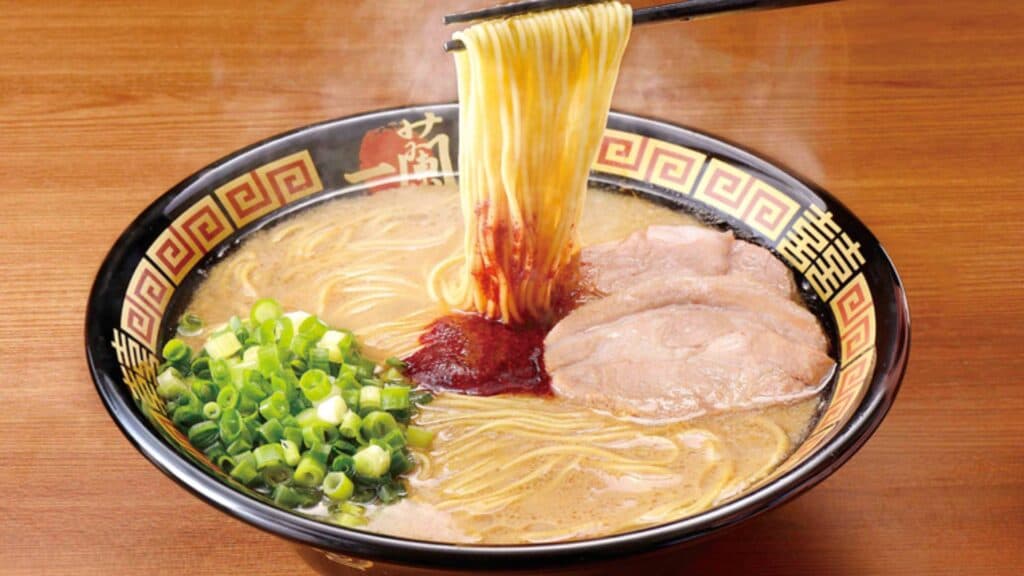
I don’t need to explain too much about ramen! What you might not know is that Japan has 30+ regional ramen varieties that go beyond just tonkotsu. Whilst visiting, I recommend trying out new ramen dishes in Tokyo, like Hokkaido’s miso butter or tsukemen, where you dip noodles into a hearty broth.
Where to go:
- Soushi Menya Musashi: Order the tsukemen (dipping ramen)
- Ichiran: A ramen chain loved by tourists for the individual booths
- Aka no Ren: The first ramenya in Tokyo to serve Hakata-style ramen
Nabe
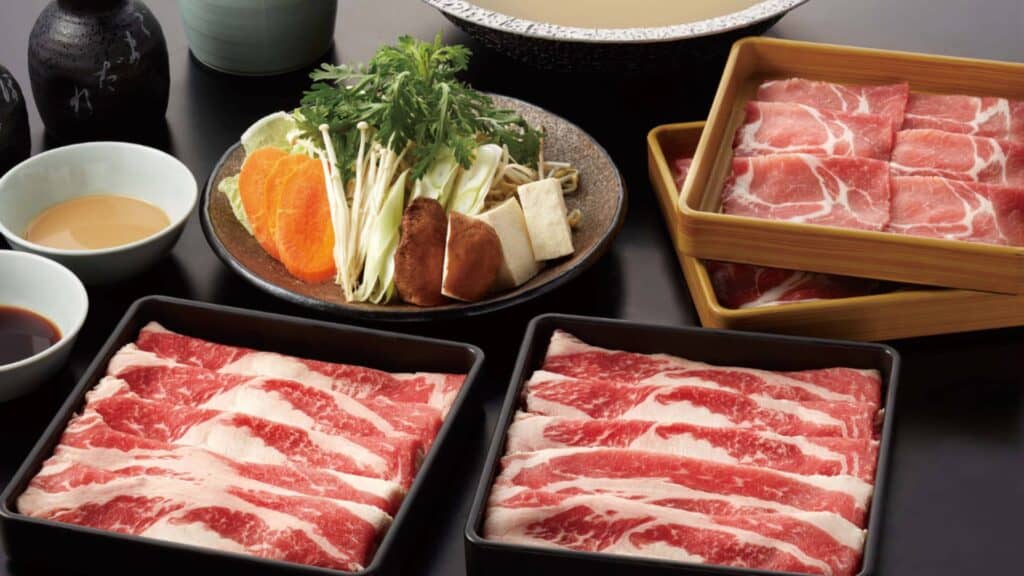
Nabe is Japan’s answer to hot pot. It’s a winter staple which involves boiling meat, fish, vegetables, and other ingredients in a communal broth. Lots of regions have their own speciality version of the dish, but at its heart, nabe is about coming together over food.
Where to go:
- Irori to Obanzai Ichimaru Ichi: Izakaya with great hot pot
- Ura no Yama no Kinoko: Nabe restaurant specialising in mushrooms
- Sumo Chaya Terao: Chanko-nabo (protein-heavy used to bulk up sumo wrestlers) restaurant
Tonkatsu
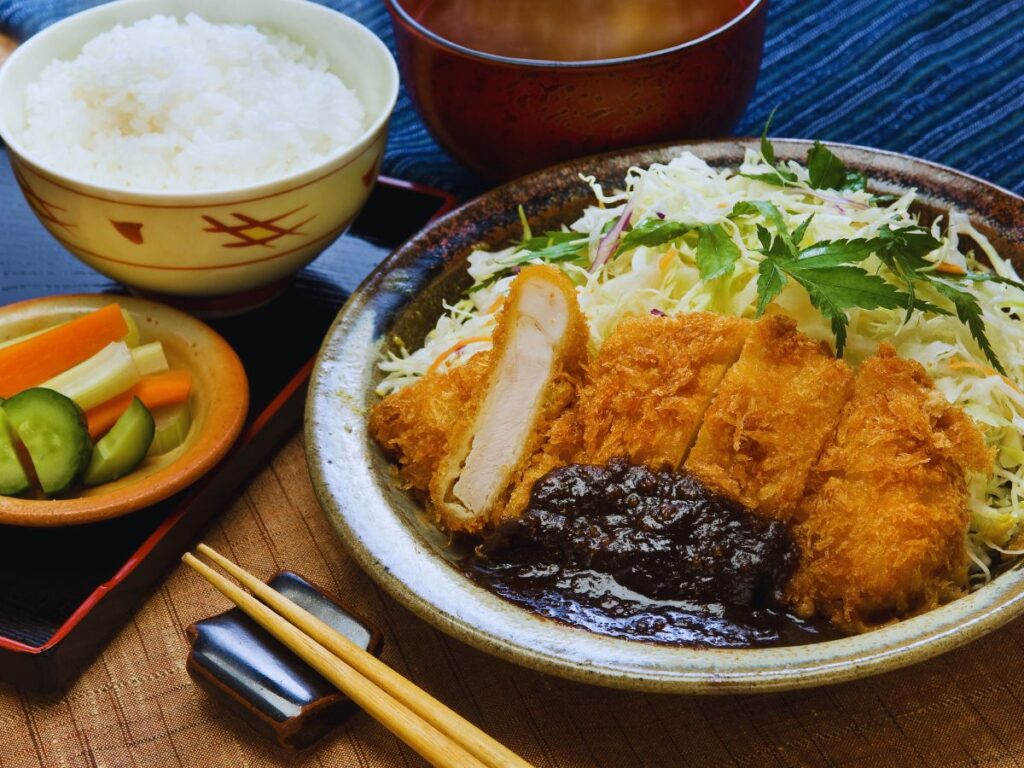
Not to be confused with tonkotsu ramen, tonkatsu are deep-fried pork cutlets that use panko for a super crispy outside, and are served with a sweet sauce and shredded cabbage. There are dedicated tonkatsu restaurants, but you can also usually find them on the menu at lots of different types of Japanese restaurants.
Where to go:
- Tonkatsu to Yakitori An: Mid-priced tonkatsu-speciality restaurant
- Imoya: Laidback tonkatsu spot
- Tonkatsu Taishi: Featured on the Michelin guide
Tempura
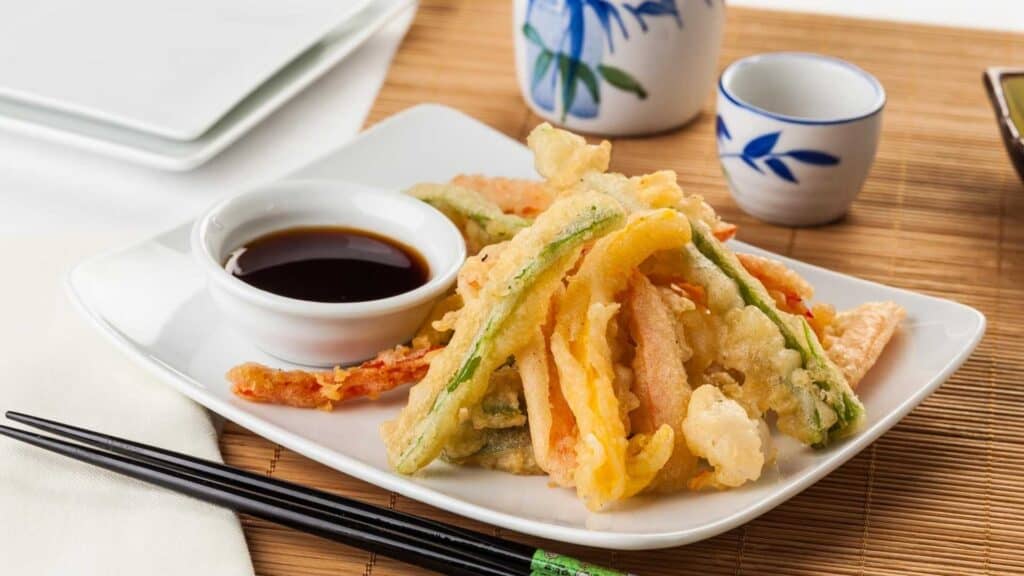
Tempura is a Japanese classic dish where you take veggies, meat, or shrimp, coat them in flour and egg, then deep fry them. It’s crispy, delicious, and so satisfying to eat. My favourite to order is kabocha (Japanese pumpkin), but ebi (shrimp) tempura is probably the most popular.
Where to go:
- Tamaya: Intimate tempura eatery
- Tempura Akimitsu: Casual tempura restaurant
- Taisha Jaguchi Sakaba Ginten: Izakaya with great tempura platters
Monjayaki
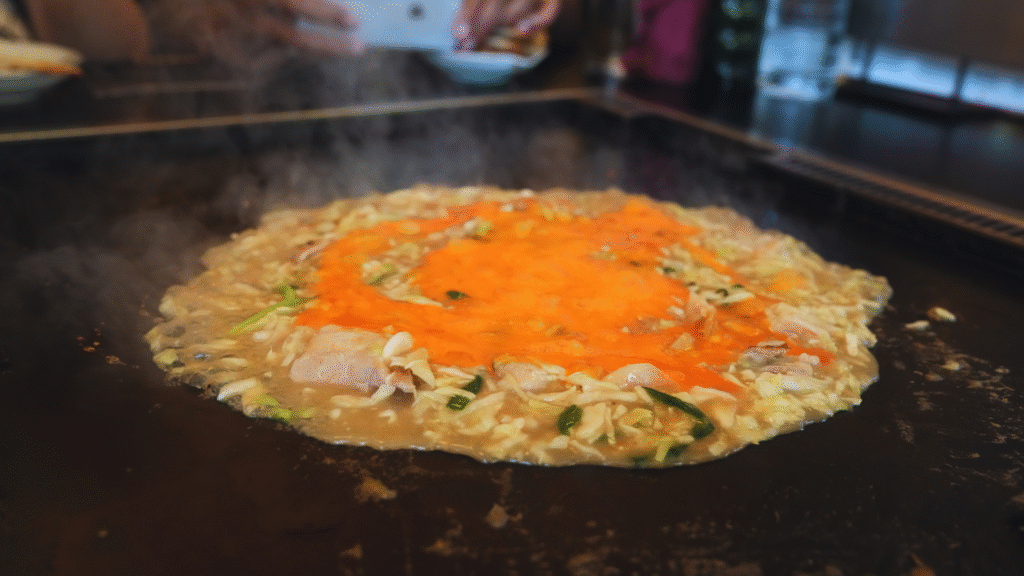
You may have heard of okonomiyaki, but monjayaki is Tokyo’s speciality. It’s a kind of pancake that uses a dashi-based batter that’s cooked on a grill with lots of toppings like seafood, cabbage, and meat. It’s super unique and a must-try for any foodie in the city…there’s even a monja street in Tokyo to have your pick of pancakes.
Where to go:
- Asakusa Monja Monro: Speciality monjayaki restaurant
- Monjayaki Chico: Casual monjayaki spot
- Na Mi: Teppenyaki restaurant
Unagi
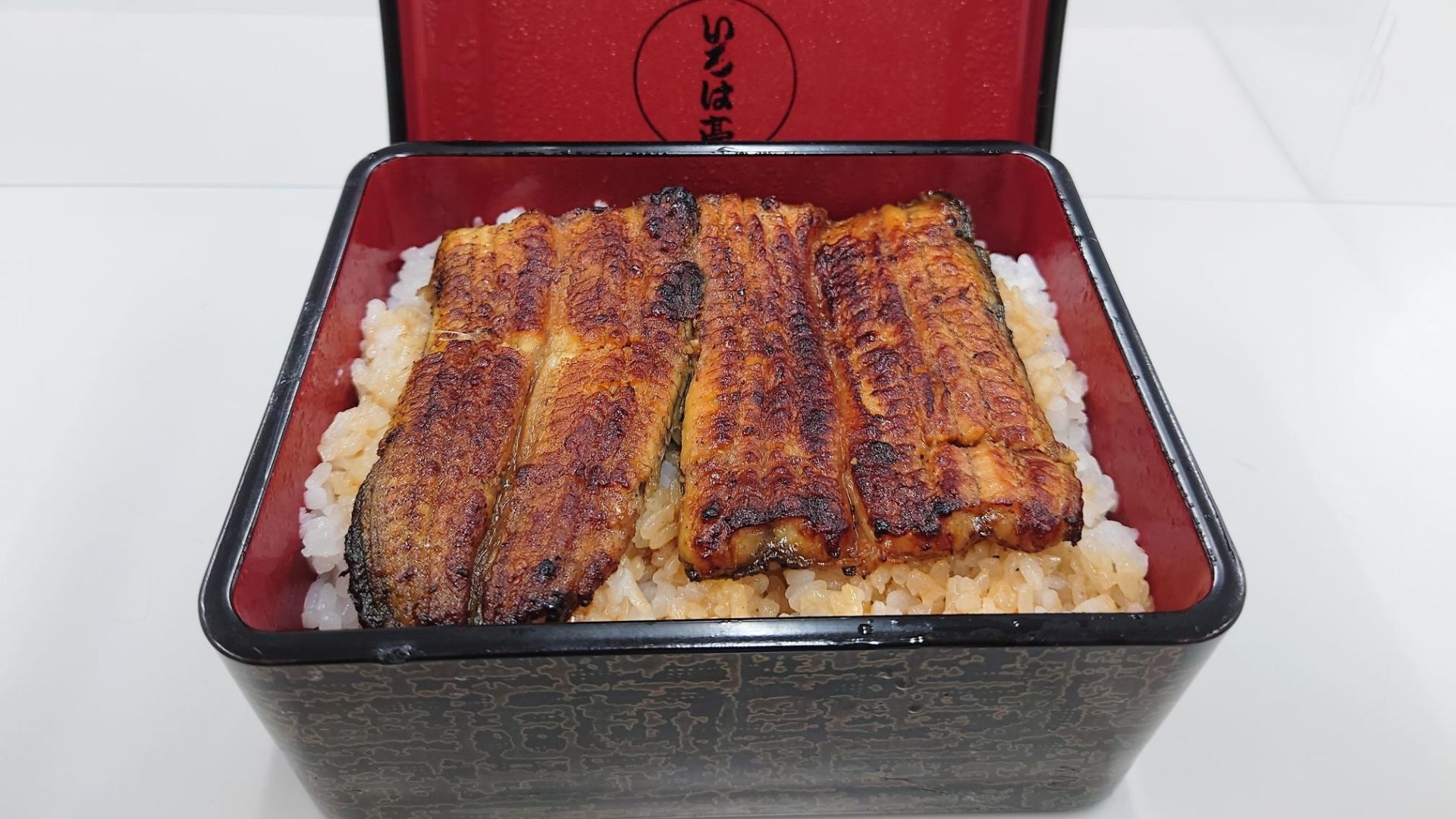
Unagi is the Japanese name for freshwater eel, and is a very popular delicacy to eat and enjoy. It’s rich, meaty, and slightly sweet, and usually served tare-style (a sweet glaze). You can order it in lots of ways, but unagidon (over rice) or grilled unagi are super popular.
Where to go:
- Takahashiya Ginza: Michelin Guide-selected unagi restaurant
- Izumo Ikebukuro: Izakaya with unagi skewers
- Unagi Yoshikawa: Unagi restaurant
Tokyo for Vegans and Vegetarians
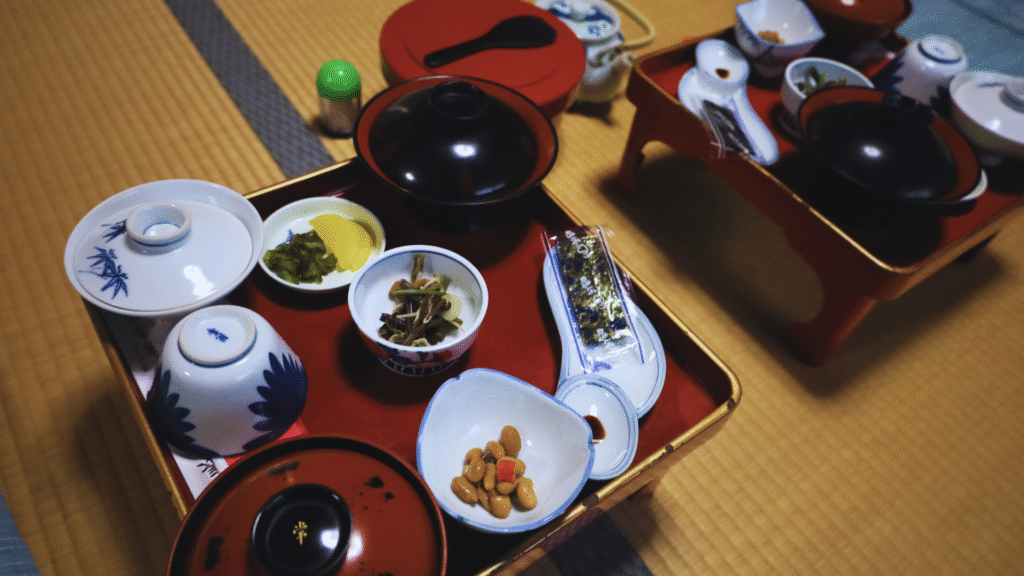
I know that vegan and vegetarian foodies exist, and that you want to come to Tokyo too. Well, I have good news! Tokyo is becoming more and more plant-based friendly by the year, with more than enough options to keep you not just full, but actually immersed in authentic vegan/vegetarian Japanese cuisine.
You can check out our full guide to being a vegan in Japan below:
Five Vegan and Vegetarian-Friendly Restaurants in Tokyo:
- Ramen: Jikasei Mensho
- Omakase: Mushroom Tokyo
- Gyoza: Kakekomi Gyoza
- Izakaya: Masaka
- Healthy: Brown Rice Tokyo Omotesando
Final Tips for Your Foodie Tokyo Trip
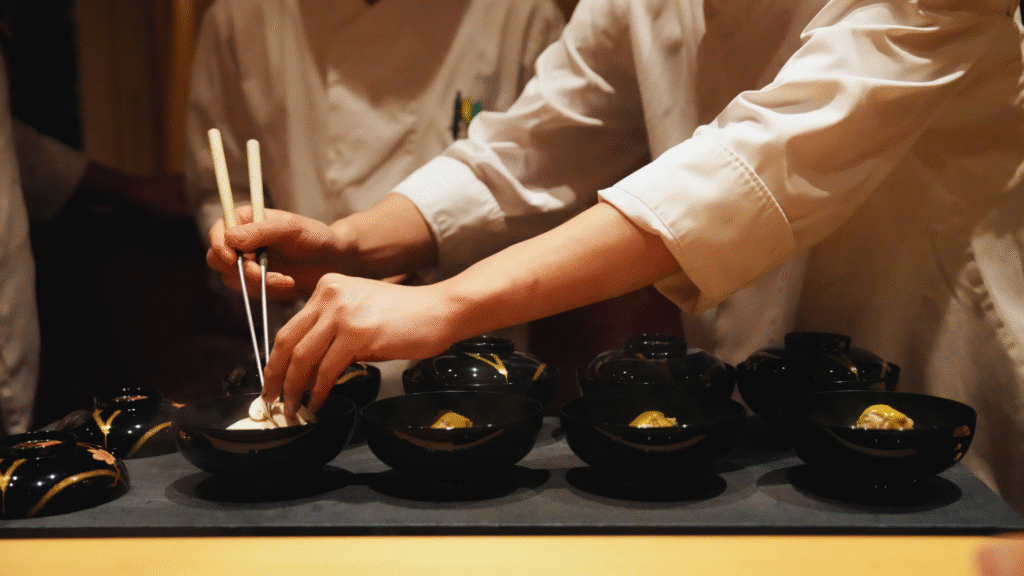
The good news is, and I hate to say it, but you almost don’t even need a Tokyo food guide. The baseline quality of ingredients and food is just so high in Japan that it’s almost impossible to find a bad meal.
That being said, I do have a few final tips to help you have the ultimate foodie experience:
- Go outside of your comfort zone. Try things you wouldn’t usually, look for local spots that maybe don’t have an English menu, and order the osusume (recommendation) without asking too many questions.
- Look into food tours, especially if you don’t have too much time in the city. A food tour is probably the best way to ensure you get to try as many delicious bites as possible in a short amount of time.
- Search in Japanese. A lot of local places don’t have English names on apps like Google Maps, so if you’re only searching in English, you’re seriously missing out. Go to Google Translate, put in the name of the food you want to try, then copy and paste the result into your maps app.
- Check out Tabelog. This is where Japanese people leave reviews and find restaurants, and it is probably the best way to find real local gems. Oh, and just as a heads up, Japanese people tend to be quite harsh reviewers, so if a restaurant has above a 3.5 rating, it’s probably amazing.
- Make the most of being on vacation and take advantage of lunch menus. You get the same quality food at a much cheaper price point, making hard-to-book and expensive omakase meals suddenly much more accessible.
- Look out for tabehoudai options! These are all-you-can-eat menus that will let you eat as much as you like within a certain amount of time. They’re common for nabe, yakiniku, and izakaya, with some also offering nomihoudai (all-you-can-drink).
Good luck, and get eating!
Tokyo Food Guide FAQs
What is Tokyo’s national dish?
There isn’t an official dish, but monjayaki is considered as the city’s speciality along with Edomae-style sushi, which uses a specific vinegar-seasoned rice.
What are the 3 most popular foods in Japan?
This is hard to say for sure, but if I had to guess, I would say sushi, yakitori, and tempura. These are super popular foods to eat casually or at more upmarket restaurants, and they just never let you down.
Is Tokyo a foodie city?
Without a doubt! Tokyo isn’t just a foodie city; it might be the foodie city. It has more Michelin stars than any other city, with so much amazing food that it keeps even the most well-travelled foodies coming back again and again.
Is Japanese food spicy?
Almost never. The Japanese palate tends to be more about balanced, delicate flavours, with spiciness often being too overpowering.
What is Japan’s comfort food?
There are a few potential answers to this question. For home cooking, the answer is probably curry rice; in winter, nothing is more comforting than nabe; and sometimes there’s just nothing like a hot bowl of hearty ramen.