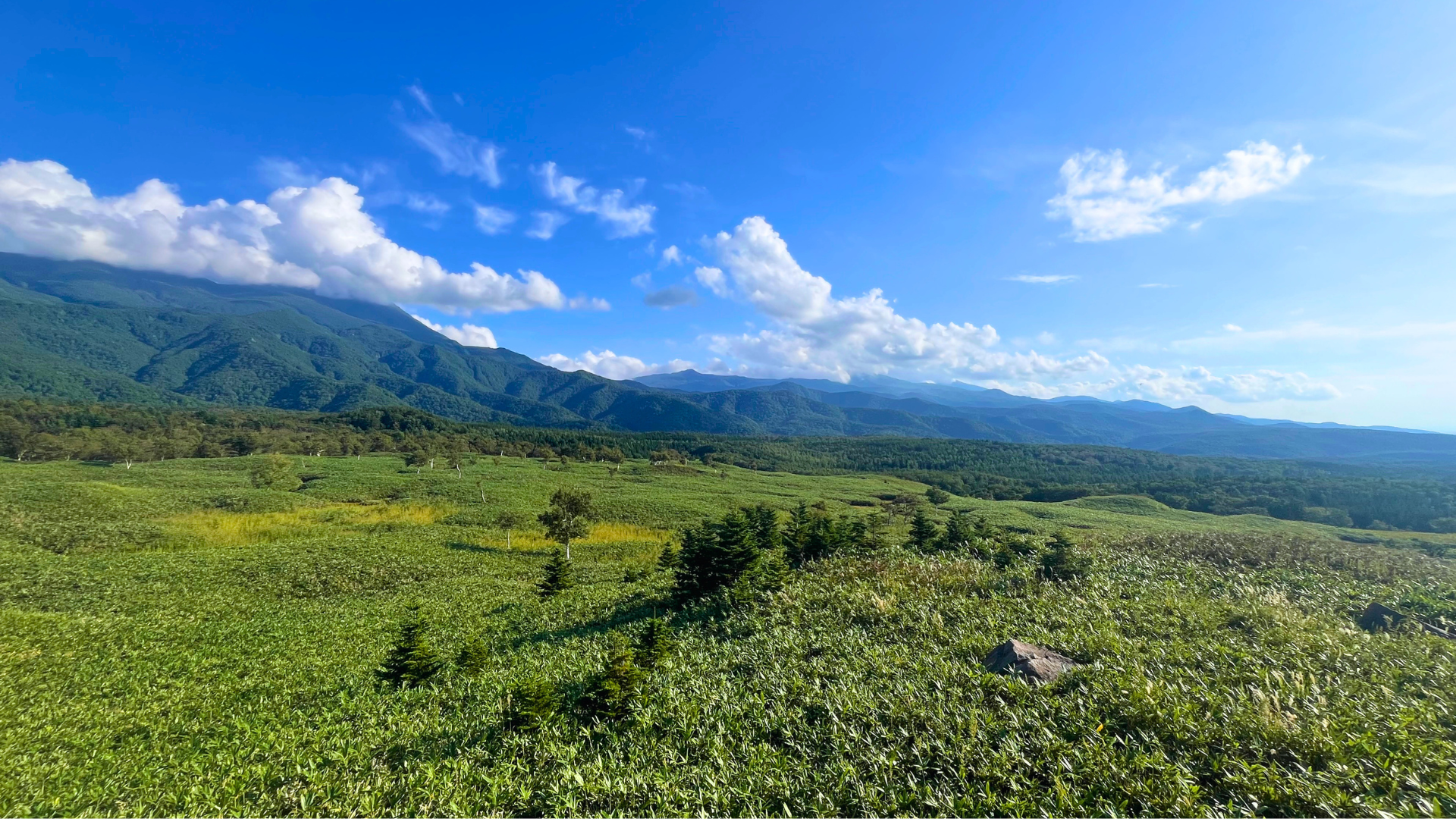

Thinking about a summer trip to Japan’s northern island? Well, it’s an incredible idea. And one that the locals in Tokyo and Kyoto will envy, with Hokkaido being one of the most desirable summer vacation destinations in the country.
Why? Because the weather is lovely, the views are spectacular, and the nature is unbelievable. There’s just nowhere like Hokkaido, and we think it’s even better during the warmer months than in the skiing season.
But it’s also a huge prefecture with so many different places to visit and things to do. To help you plan your trip, we’ve designed this 7-day Hokkaido summer itinerary from our personal experience of loving trips to the north.
Flip Japan is a bespoke travel agency helping hundreds plan and live out their dream Japan trip. Check out our travel planning services to get started.
Why Visit Hokkaido in Summer?
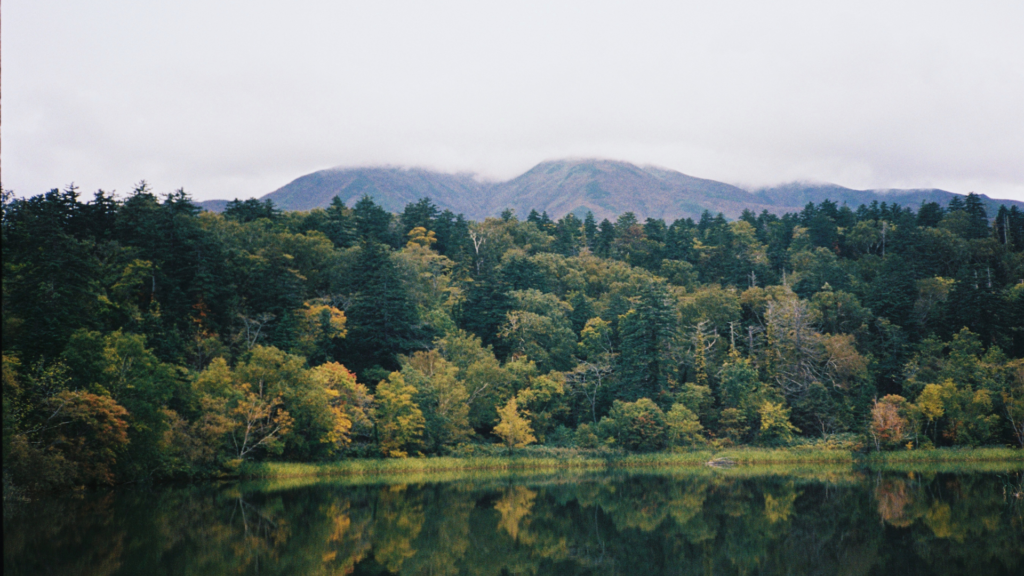
Because it’s amazing. No, seriously. Firstly, Hokkaido in summer is the absolute perfect climate that’s warm and sunny, but without the overwhelming heat and humidity in Tokyo, Osaka, and Kyoto. Then there’s the nature, the views, the hiking, the food (THE FOOD), and people.
All of this to say, if you want to experience a quieter side of Japan that’s all about farms, mountains, lakes, and coastlines, you have to visit Hokkaido in the summer. No, you can’t ski, but instead, you can do so, so much more.
Getting Around Hokkaido
Here’s the tricky part. Getting around some parts of Hokkaido with public transport is definitely possible, but anything east of Furano is incredibly tricky. Unless you want to spend days on buses, we have to recommend renting a car to fully experience everything Hokkaido in summer has to offer.
If driving isn’t an option, we’d say stick to Sapporo and west Hokkaido locations like Otaru, Hakodate, or Kushiro.
Bear Safety
If you’re planning to hike or visit remote areas (including some of the spots on this itinerary), then you need to be aware of the risk of bears. Hokkaido is home to the Ussuri brown bear (a cousin of the Russian grizzly), and encounters and attacks have been on the rise. This doesn’t mean you shouldn’t hike or explore, it just means you should go in prepared.
Here are our bear safety tips:
- Carry a bear bell or make noise as you walk: This lets bears know you’re around to avoid startling them.
- Don’t hike alone: Going in a group of two or more significantly reduces your risk, as bears are far less likely to approach a larger number of people.
- Check local warnings before you head out: Many trailheads and visitor centres in Hokkaido post current bear activity notices. Take these seriously, and if an area is closed due to bear sightings, find somewhere else to go that day.
- If you encounter a bear, do not run: Running can trigger a chase response. Instead, back away slowly whilst keeping the bear in sight. Make yourself appear large, speak in a calm, firm voice, and give the bear as much space as possible.
- Keep food sealed and out of sight: Don’t leave food in your car or at a campsite uncovered. Bears are attracted by smell, and a rucksack left unattended with snacks inside is an invitation.
Want to fill your Japan trip with nature?
Ultimate 7-Day Hokkaido Summer Itinerary
It’s finally time to dive into our 7-day Hokkaido summer road trip itinerary! Want a little more help with planning? Check out our expert Japan travel planning services and let us worry about the logistics so you can focus on the fun.
Day 1: Otaru
Morning:
We know most itineraries will start in Sapporo, but we say save it for the end. The best thing about Hokkaido is its nature and smaller cities, and seeing as the airport is pretty far from Sapporo anyway, our recommendation is to pick up your rental car and head straight to Otaru.
From New Chitose Airport, the drive is a little over an hour. Once you arrive, reward yourself by enjoying some of the world’s best and freshest seafood for lunch. Otaru is known for its sushi and uni (sea urchin), so you absolutely have to give it a try whilst there!
Afternoon:
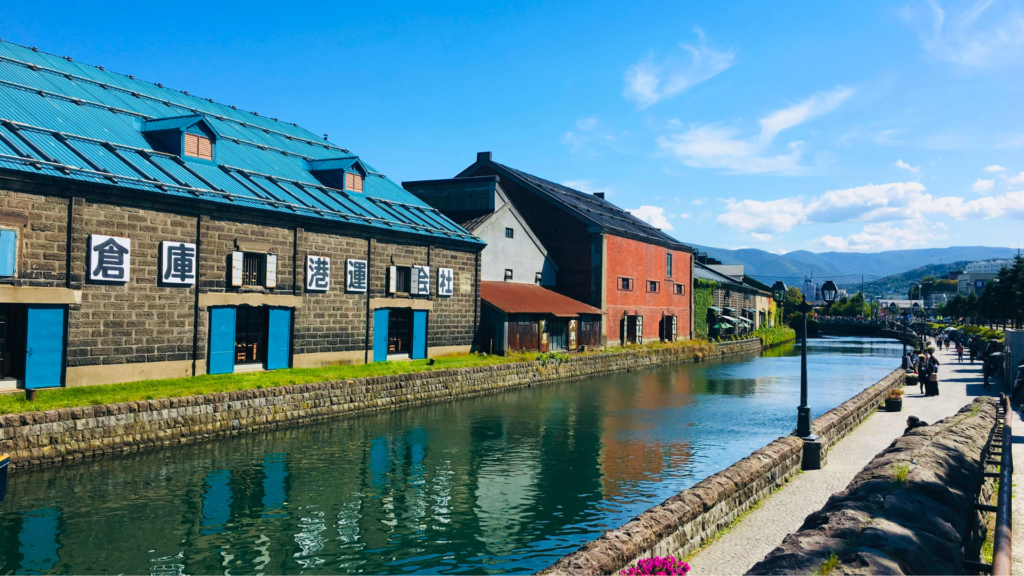
Once full, the first thing anyone needs to do in Otaru is take a leisurely stroll along the canal. Most people visit in winter when it’s freezing cold, the water is frozen, and there are hordes of crowds. In summer, however, it is beautiful, peaceful, and simply lovely.
Once you’re done strolling, we recommend visiting one of Otaru’s unique museums. We always love one of these:
- Nishin Goten: A beautifully preserved former herring fisherman’s mansion where you can learn about the fishing industry that helped make Otaru one of Hokkaido’s wealthiest towns.
- Otaru Art Base: A collection of historic buildings housing exhibitions of stained glass, Japanese paintings, and works by both local and international artists.
- Otaru Music Box Museum: It’s exactly what it sounds like, a super charming museum and shop filled with thousands of handcrafted music boxes.
Evening:
To finish your first day in Otaru, head up to Tenguyama via the ropeway for sunset. The ride takes just a few minutes, and what greets you at the top are beautiful panoramic views. On a clear summer evening, you can see across the city, harbour, and Sea of Japan.
Day 2: Furano Flower Fields
Morning:
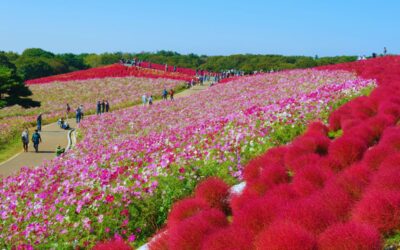
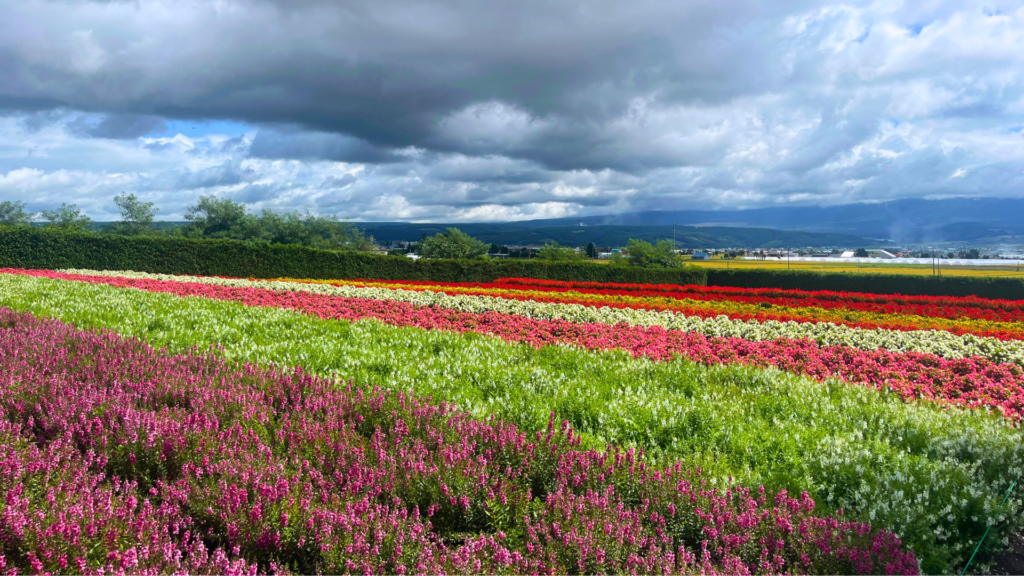
Start day 2 with the pretty drive from Otaru to Furano, which takes around 2 hours. Once you get there, you should head straight to Farm Tomita. It’s the most famous lavender field in Japan, and the real location behind the photos of brightly coloured flower stripes you’ve probably seen on social media. It’s an extremely cute spot to walk around and take photos, and the earlier you get there, the better, as it’s usually quite crowded by midday.
While you’re there, you have to try some Furano melon. It’s what the area is most famous for, as these fruits are some of the best in Japan. Trust us, they’re sweet and fragrant in a way that supermarket versions never come close to. Farm Tomita serves melon pan, which, if you haven’t already discovered it, is a sweet bread roll with a crispy sugar crust that, despite the name, contains absolutely no melon. Here, though, it comes with a fresh Furano melon soft serve that is genuinely one of the best things you’ll eat on the trip.
Afternoon:
This might sound crazy, but you’re having pizza for lunch. That’s because you’ll next head over to the Furano Cheese Factory, which has a shockingly good pizzeria at the back. The cheese factory is a museum dedicated to Hokkaido dairy and Furano cheese (which is honestly the only good cheese I had in 4 years of living in Japan).
After lunch, head north to Biei for the Blue Pond, which, as the name suggests, is a vivid and beautiful turquoise blue. The colour comes from colloidal aluminium hydroxide, a natural mineral that gets released when water from the nearby Shirahige Falls mixes with the river. We won’t lie, the pond is a little touristy now, but in a quaint Japanese way that means there’s a cafe that serves Blue Pond-themed soda floats and soft serve. If it’s a cloudy day, you can probably skip this spot as the colour only really shows in the sun.
Afterwards, take a short drive to Shirogane Onsen for a look at Shirahige Waterfall, where the same brilliant blue water cascades down into the valley below. It’s a quieter stop and a lovely way to wind down the afternoon.
Day 3: Daisetsuzan National Park
Morning:
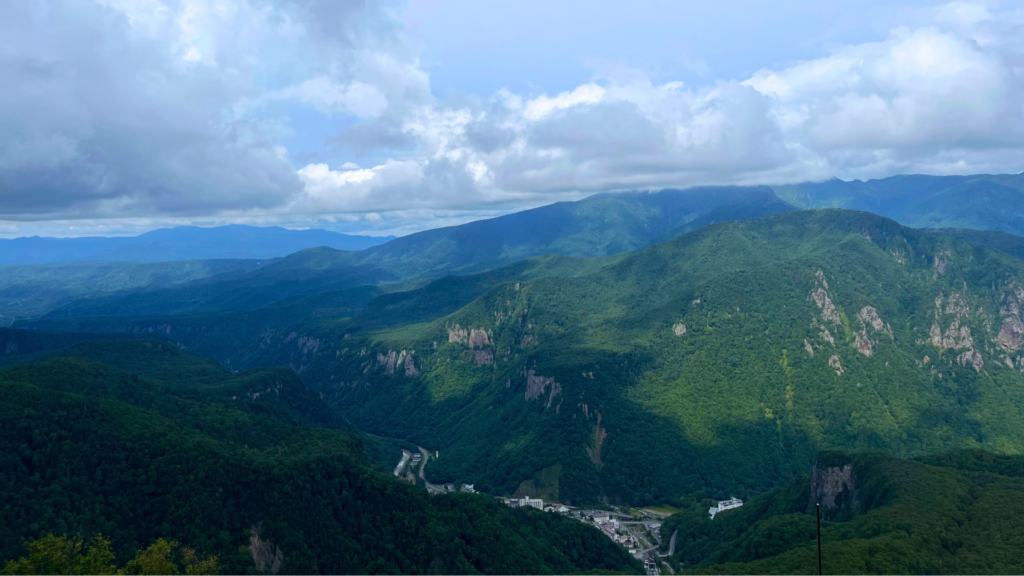
There’s 2-hour drive to start the day to Sounkyo Onsen, but don’t worry, it’s even more beautiful than the last. You’ll almost definitely see deer and foxes on the side of the road, with expansive farmland and mountains in all directions. You’re heading into Daisetsuzan National Park for some of the most unbelievable views of this entire trip.
Afternoon:
Once you reach Sounkyo, you can use the free public car park at the bottom of the hill. There are a few restaurants in the town, but our suggestion is to go directly to the ropeway station and take a gondola up into the mountains. It whisks you above the treeline quickly, and the views that open up at the top are about as good as Hokkaido gets in summer, with rolling peaks and vast untouched wilderness in every direction.
Then, for lunch, there’s a restaurant just above the ropeway station where you can get some delicious soba and udon to refuel. For the best views, head on up to the rooftop to just take in the stunning national park.
Walk a little way further from the ropeway station, and you’ll reach a chairlift. Ride it to the top, and you’ll find a cute little visitor centre selling souvenirs. This is also the trailhead for the amazing hike to Kurodake. If you do want to hike to the summit, just be extremely cautious, as bear activity is real in this area. Check the notice board for any bear sighting that day, be prepared with a bear bell and spray, and make sure to sign your name so the park rangers know you’re out there.
If you’d prefer something shorter, the path to the Amariyo Falls Observation Deck is a much more manageable option and still delivers excellent views.
Evening:
After heading back down the ropeway, you’ll continue your drive. This timeit’ss towards Abashiri, Hokkaido’s east coast, just over 2 hours away. First, make sure to stop by Sounkyo Gorge, a narrow canyon of sheer basalt cliffs rising on either side of the road, with Ryusei and Ginga waterfalls dropping dramatically down the rockface as you approach. It’s a properly impressive introduction to the area.
Day 4: Abashiri to Shiretoko National Park
Morning:
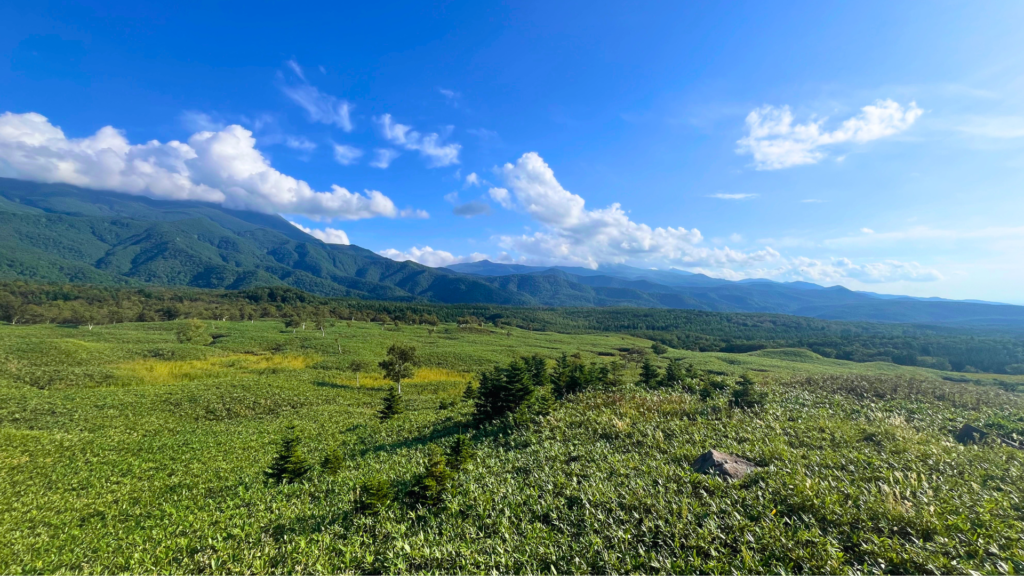
We have a special tip for this morning that most guides ignore. Start the day early, pick up a coffee and some pastries, and drive out to Cape Notoro-misaki for breakfast. It’s one of the most peaceful places we visited in Hokkaido, with views straight out of a Ghibli Movie. There’s bright green grass, blue skies, and such a pretty white lighthouse. There’s rarely anyone else around at that hour, so take your time.
From there, head to the Museum of Northern Peoples, a really fascinating museum that documents the cultures of indigenous peoples from across the northern world. Its most important focus is the Ainu, the indigenous people of Hokkaido whose history and culture have long been overlooked within Japan. I personally really enjoyed the audio guide as it added a lot of depth to the exhibitions. It’s also available in lots of languages, so anyone can visit.
Afternoon:
After the museum, hit the road towards Shiretoko National Park (my favourite spot on this entire summer Hokkaido road trip). Pick up lunch at a conbini and eat on the road, and keep an eye out for the Road to the Sky observatory, a fun roadside stop where the angle of the road creates the illusion of the tarmac rising straight up into the clouds above.
Once inside Shiretoko, check in at the Visitor Centre to get your bearings before heading to the Shiretoko Five Lakes. If you’re scared of bears, this is the perfect hike option as the raised boardwalks make it super safe for exploring. The path takes you out above the wetlands to a lakeside observatory, with the Shiretoko mountain range sitting on one side and the Sea of Okhotsk on the other. It’s truly an unforgettable place to be.
Evening
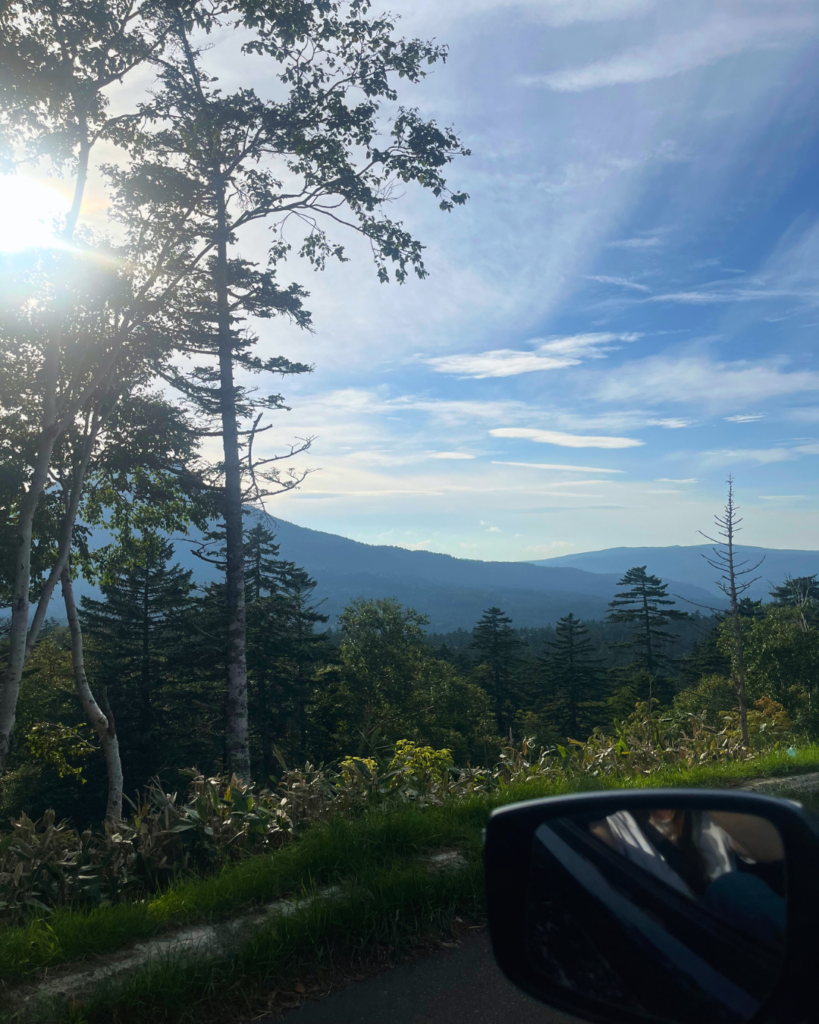
We recommend staying on the other side of the Shiretoko Peninsula in Rausu, which means a 30 30-minuteive up, over, and through the mountains.
Day 5: Rausu
Morning:
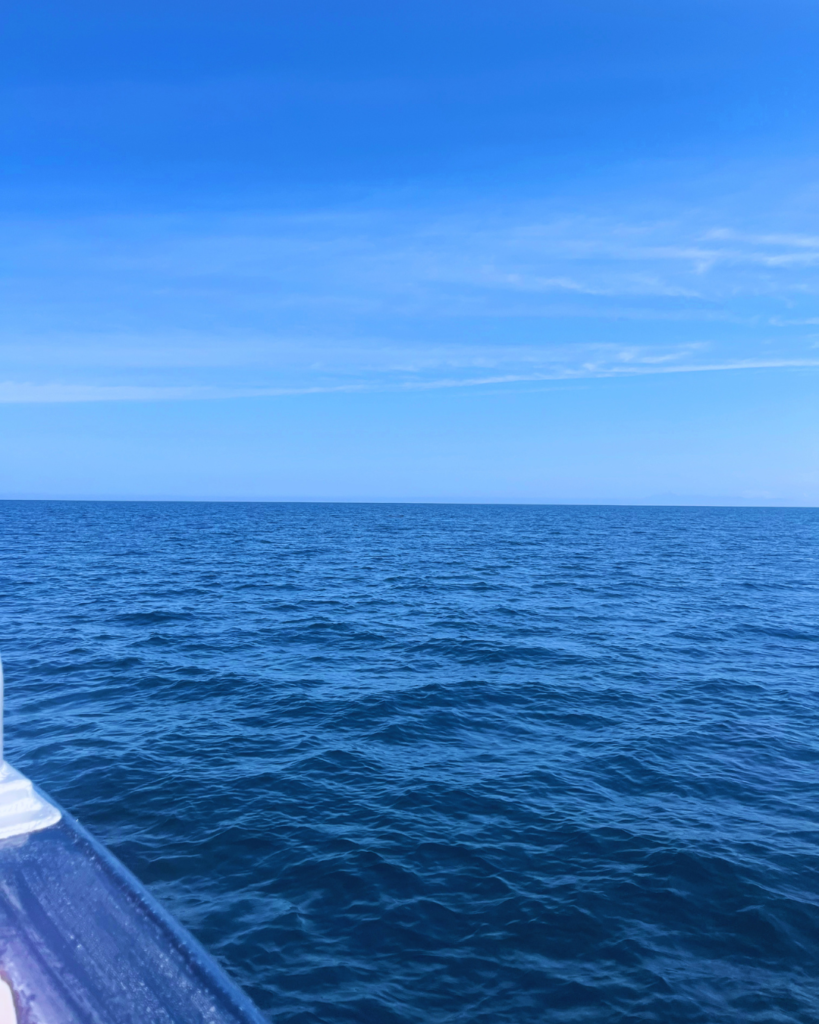
Rausu sits on the Shiretoko Peninsula facing the Nemuro Strait, and the waters here are extraordinarily rich in wildlife. Book yourself onto a nature cruise, ideally a few days in advance, as they fill up quickly in summer, and head out onto the water. You have the option of a bear-watching cruise along the coastline or a whale-watching trip further out into the strait.
We’d recommend the whales. Sperm whales, orcas, and minke whales are all spotted regularly in these waters during summer, and seeing them is simply awesome.
Afternoon:
If you still have energy for the outdoors after the morning on the water, there are hiking options around Mount Rausu to keep you busy for the afternoon. Otherwise, there’s no shame in skipping it. You’ve covered a lot of ground over the past few days, and the drive ahead to Lake Akan is a good couple of hours through some beautiful countryside. Sometimes the right call is to point the car in the right direction, put some music on, and enjoy the road.
Evening:
Lake Akan is a really tranquil spot where you can unwind and relax after being so go-go-go. Hopefully your hotel or ryokan has an onsen, so you can soak any sore muscles away before an amazing night’s sleep.
Day 6: Lake Akan
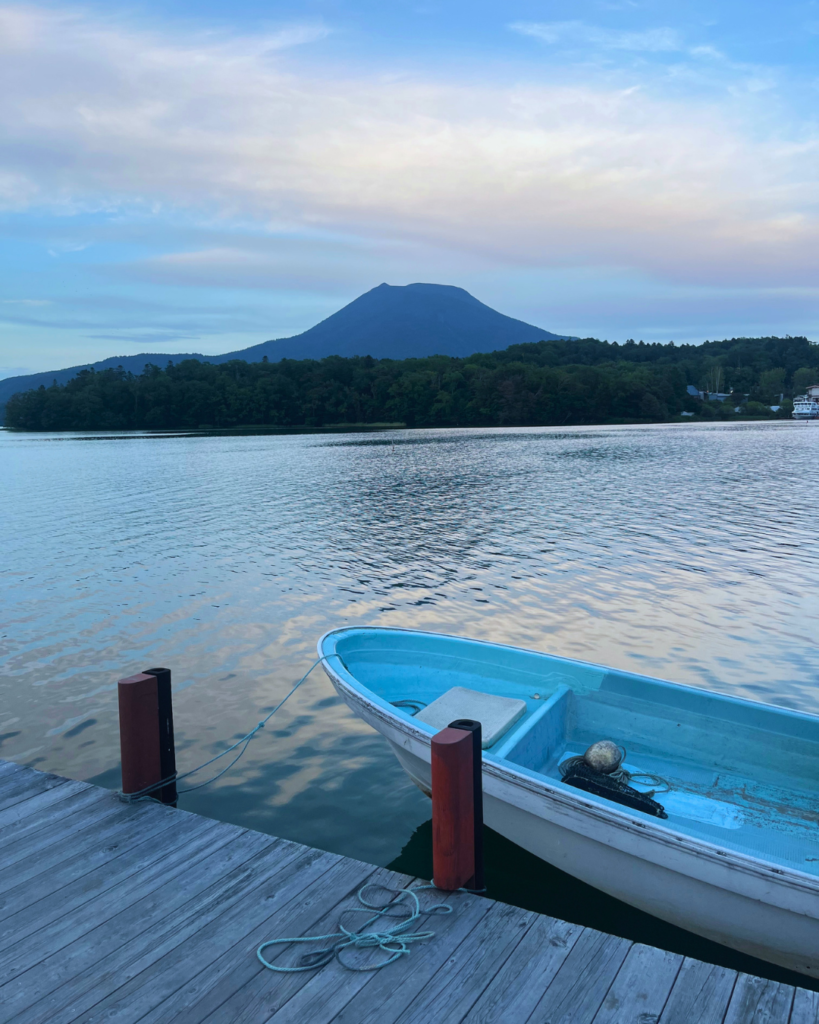
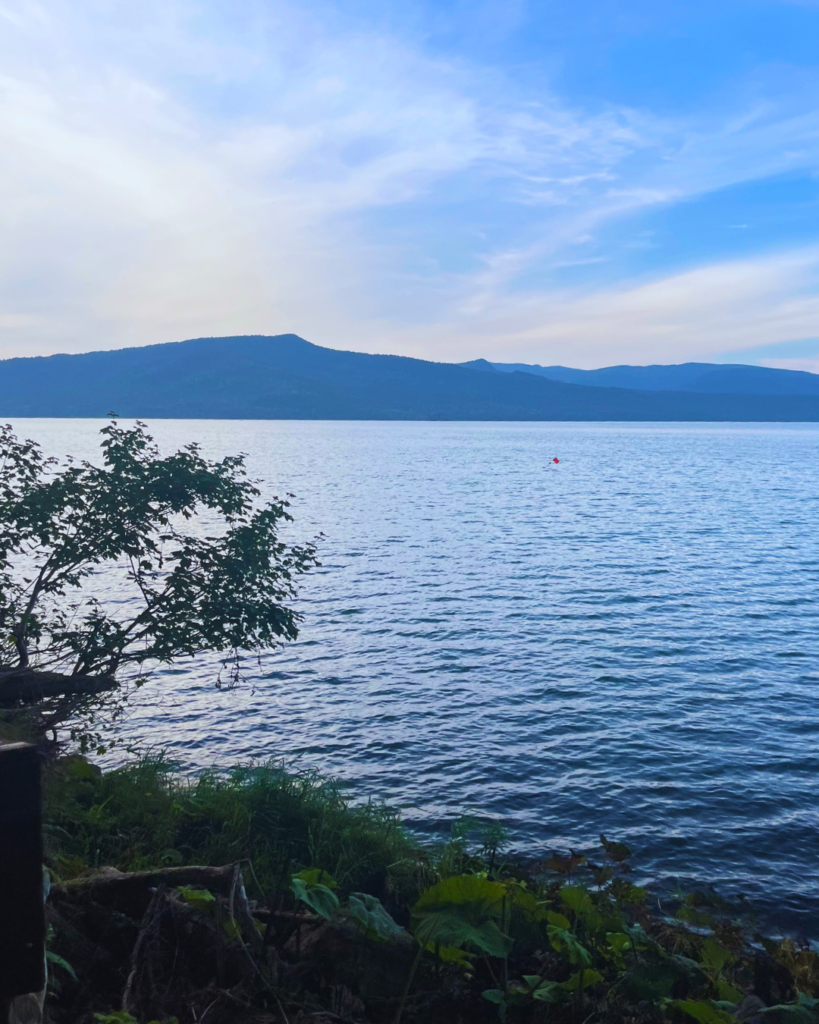
Morning:
Give yourself a slow start in Akan. The lake is beautiful in the early morning before the day-trippers arrive, and a gentle stroll along the shore is a peaceful way to ease into your final full day on the road. From the lakeside path, you can also access the Bokke mud pools, a small but fascinating geothermal phenomenon where natural gases bubble up through the muddy ground at the water’s edge.
Afternoon:
We’ll be real, there isn’t much to do in Akan through the middle of the day. Most Japanese people visit for just the night, so even finding a lunch spot can be a little tricky (but totally possible).
From Lake Akan, it’s roughly a three-hour drive west to Sapporo. It’s a long stretch, but the roads are easy, and the scenery keeps things interesting. You’ll see a lot of der, and some really, really special views.
Evening:
By the time you get to Sapporo and have checked into your accommodation, it’s probably time for dinner. Sapporo is famous for its miso ramen, which is comforting and delicious, and definitely our recommendation. After eating, head towards Asahiyama Memorial Park for some lovely outdoor views.
Day 7: Sapporo

Morning:
It might be the last day, but there’s still more to do, see, and explore! Start at the Former Hokkaido Government Office, known locally as the Red Brick Office, a cool-looking neo-baroque building completed in 1888 that sits just a short walk from the station. Inside, the exhibits include a full-scale replica of the original Hokkaido map by the man who named the region, along with dioramas of Meiji-era Sapporo. Entry is free, and the gardens surrounding the building are particularly pleasant in summer with the greenery in full bloom.
Afternoon:
Lunch in Sapporo means soup curry, a local speciality that’s quite different from the thick Japanese curry you’ll find elsewhere in the country. The broth is pretty light and loaded with large pieces of roasted vegetables and your choice of meat.
After lunch, the Sapporo Beer Museum is a must-visit. The self-guided tour is free and takes you through the history of Sapporo Beer and the brewing process. Afterwards, the beer garden on site serves lots of ice-cold Sapporo, including a flight that lets you try the alleged original Sapporo recipe.
Hokkaido Summer Itinerary FAQs
Is Hokkaido worth visiting in summer?
It’s one of the best places in Japan to visit at any time of year, but summer might be our favourite time to go. The nature is at its most vivid, the weather is ideal, and the food is exceptional.
How hot does it get in Hokkaido in summer?
Temperatures typically sit between 20 and 25 °C in July and August, occasionally going a little higher on the warmest days. It’s a world away from the intense humidity you’ll find in the rest of Japan at the same time of year.
Is July a good time to go to Hokkaido?
July is one of the best months to visit. The lavender fields in Furano are in full bloom, the hiking conditions are ideal, and the days are long and clear.
Why is Hokkaido so different from Japan?
Hokkaido was only formally settled by the Japanese in the late 19th century, and before that, it was the homeland of the Ainu, the island’s indigenous people, who had their own distinct culture, language, and relationship with the land. That relatively recent settlement means Hokkaido never developed the same dense urban fabric and ancient temples you find elsewhere in Japan, and the culture here has always been quieter and more rural, shaped more by farming, fishing, and nature than by centuries of city life.
How long is enough time in Hokkaido in summer?
Seven days is a solid minimum for a road trip covering the highlights, though ten days lets you move at a more relaxed pace and see even more of the island.