One of the most distinct things about Japan is its incredible and unique culture. In many ways, Japanese culture differs hugely from Western norms and expectations, which can be both exciting and a little intimidating for first-time visitors.
Of course, we can’t come anywhere near explaining the depths and nuances of Japanese culture in this one post, but we can share some of the basics that you should know and expect before visiting. Keep reading to learn everything you’ll need to know about Japanese culture, customs, and expectations for your next Japan trip!
Planning a Trip to Japan?
Got questions about an upcoming trip to Japan? Send them our way! We’re a boutique Japan travel agency that specialises in creating custom itineraries and unique, authentic experiences for clients from around the world. Check out our expert travel planning services to get started!
Japanese Culture and Customs
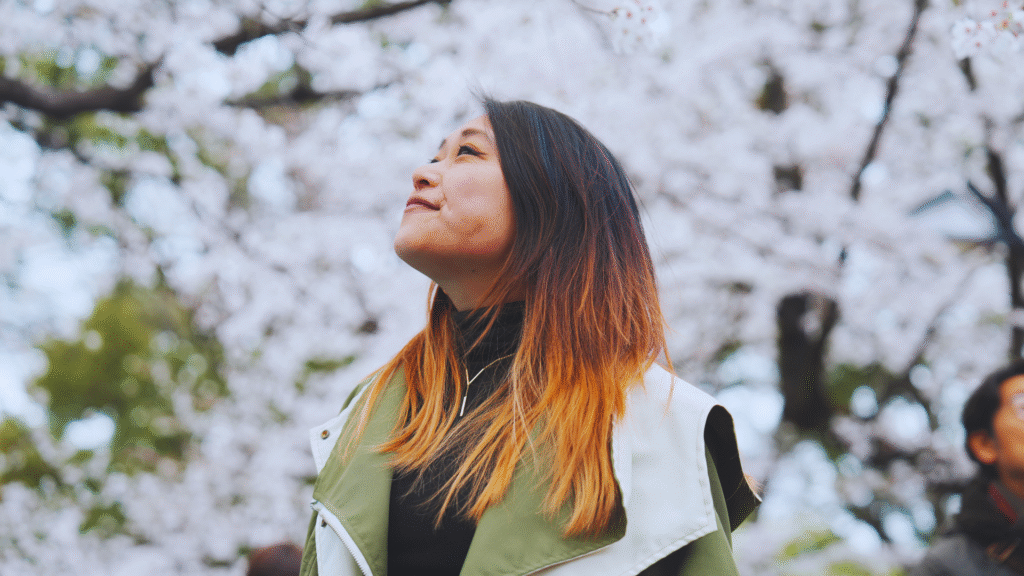
Anyone who’s spent time in Japan will tell you how strong and interesting the culture here is. Yes, there are robots, purikura, and lots of sushi, but real Japanese culture can be found in normal everyday life. It’s in the way people behave, communicate, dress, eat, and so much more. And so, when it comes to cultural customs, there’s a lot to learn.
Don’t worry, as a visitor in Japan, you’re not expected to know everything. However, trying your best to follow and respect the cultural norms will go a long way. As a rule of thumb, Japanese people really value respect, politeness, and harmony. When in doubt, try and follow the behaviour of those around you, disrupting as few people as possible.
Japanese Cultural Dos and Don’ts
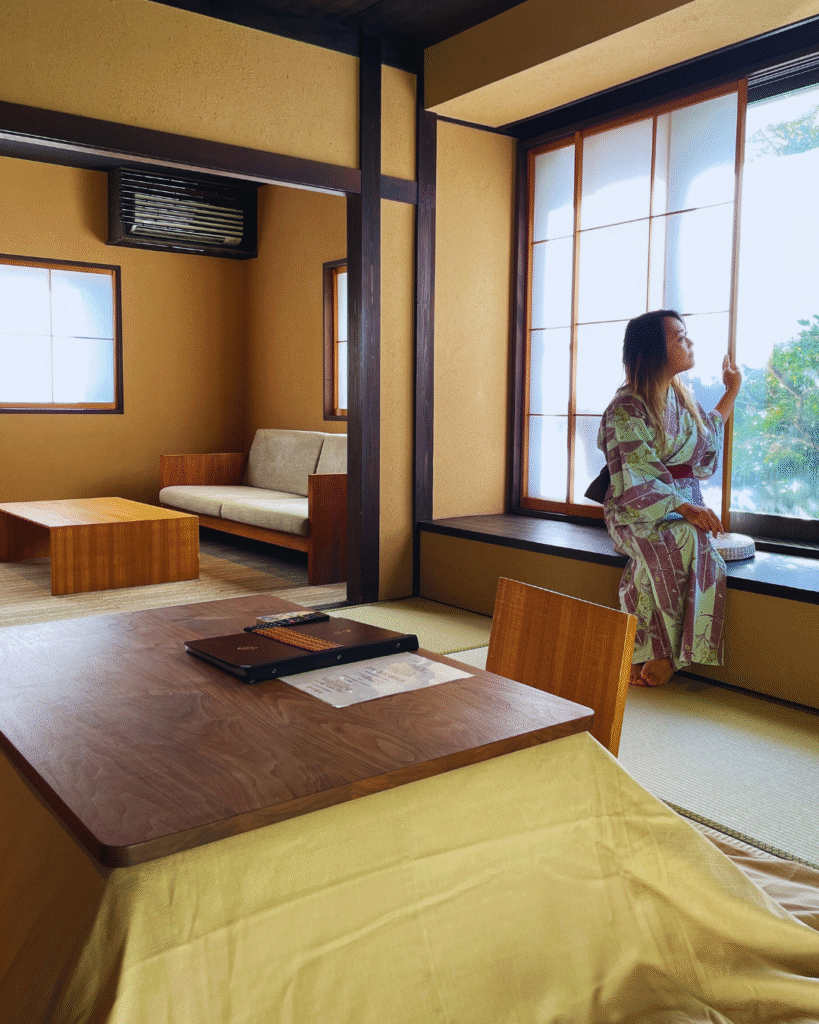

To help you feel that little bit more prepared, here’s a quick list of Japan Dos and Don’ts:
DO:
- Take off your shoes when entering a home, traditional space, or changing room
- Try to finish all your food when eating at a formal restaurant
- Rest your chopsticks neatly on a chopstick rest or across your bowl/plate when not eating
- Take your rubbish home with you
- Walk on the side of shrine paths instead of in the centre
DON’T:
- Point directly at people or objects
- Speak loudly in public
- Talk on the phone when riding public transport
- Eat whilst walking on the street
- Blow your nose in public
Surprising Things About Japanese Culture
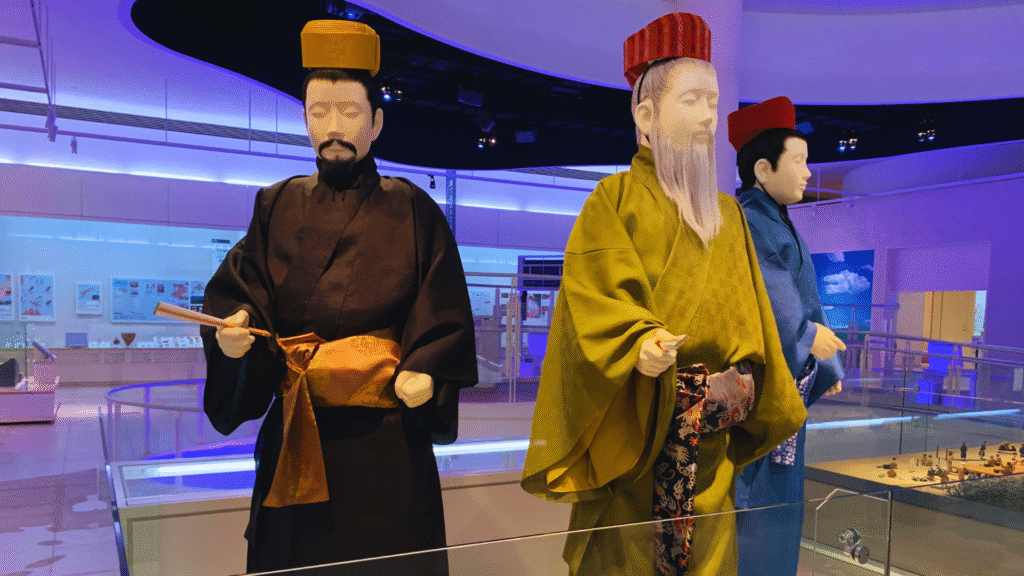
Beyond the temples, clothing, and food, there are many surprising things about Japanese culture that you might never know without visiting. From Japanese toilets to opinions on tattoos, you’ll find completely different cultural understandings from the West.
For instance, the completely different approach to love and sex from the West, with things like a contrasting understanding of cheating in Japan, gaijin hunters, and even a darker side to sexualisation. Love hotels are also a really common thing, where people pay by the hour to enjoy a room.
You may have heard that the life expectancy in Japan is high, and though there are many reasons for this, Japanese people’s healthy food customs and strong sense of purpose are big factors. The community bonds in Japan also play a role in the higher life expectancy, with a lot of respect given to the elderly and importance put on family ties.
You also might be surprised to learn that, despite how clean and perfect many things appear in Japan, there’s a truer focus on finding imperfect beauty with concepts such as wabi sabi. There is a quiet appreciation for simplicity and natural flaws that shapes everything from traditional tea ceremonies to modern design. This mindset encourages people to slow down, stay present, and find joy in the small, fleeting moments of everyday life.
Japanese Cultural Experiences


We know better than anyone that there’s absolutely no shortage of cultural experiences to take part in during a trip to Japan. You can dip your toe in by reading our guides on cultural practices like sumo wrestling, kendo, and kabuki, or add a few museum stops to your Japan itinerary. We love the Tokyo National Museum, Samurai Museum, and Kyoto Museum of Crafts and Design.
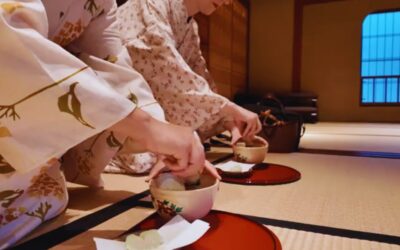
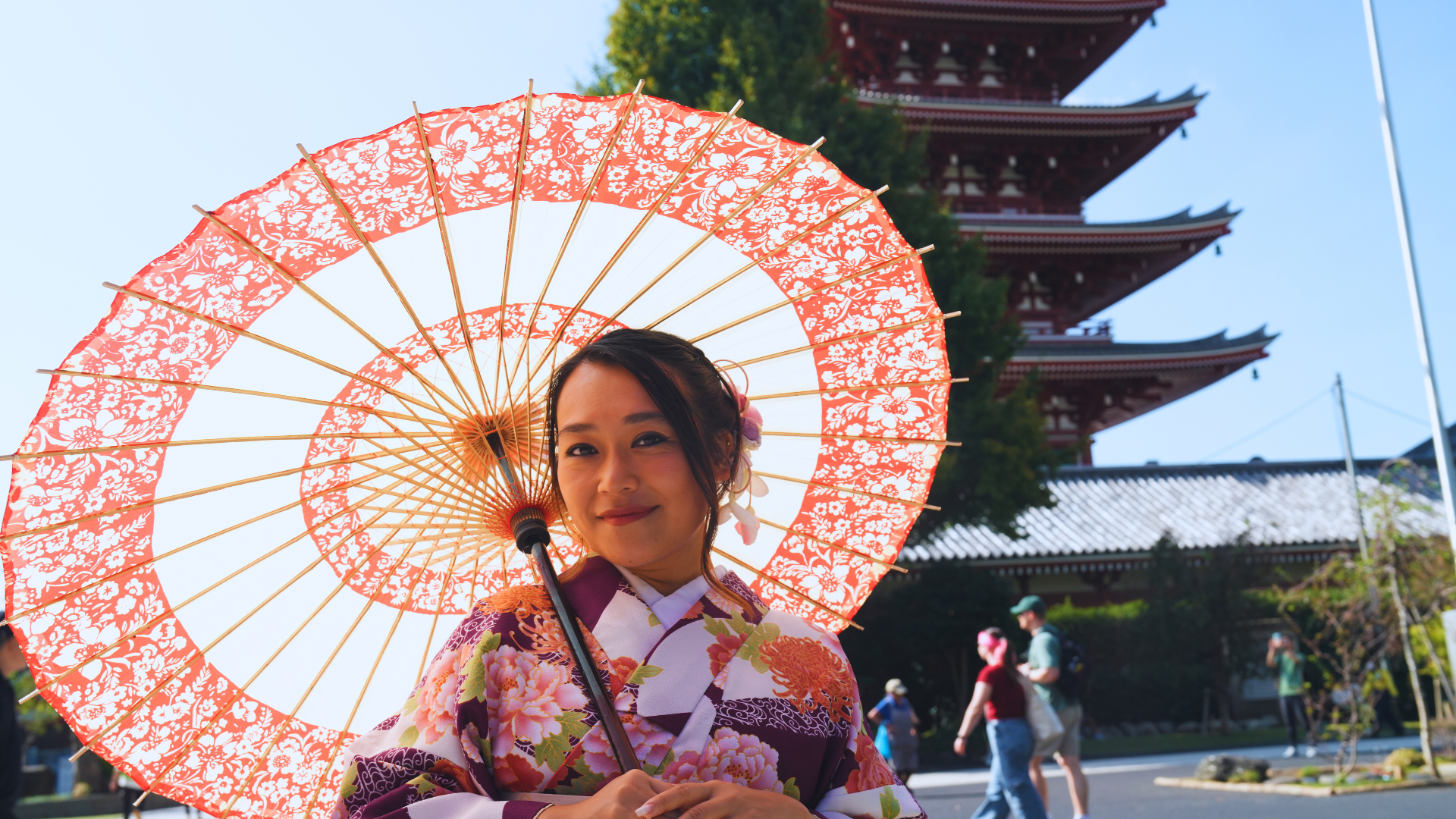
For a more immersive cultural experience, we recommend booking a workshop to get hands-on and experience crafts such as knife making and shamisen playing. Not your thing? How about trying on a kimono and taking part in an authentic Japanese tea ceremony?
How to Have a More Cultural Trip to Japan
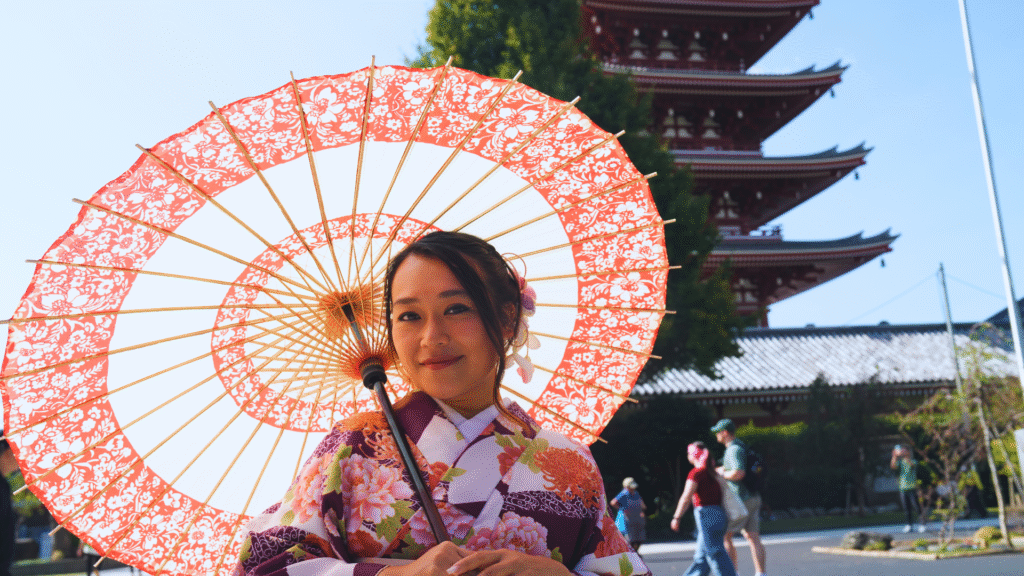
Tourism is booming in Japan, but surprisingly few people take the time to really research and seek out a truly cultural experience. That’s where we come in! We want to share with you how to delve deeper into the Japanese practices and customs to experience a genuinely cultural trip, and connect with Japan on a less touristic level.
Here are just a few ideas to add to your Japan itinerary to have a more authentically Japanese experience:
- Stay at a ryokan: Opt for a traditional inn instead of a hotel, where you can wear a yukata, enjoy a traditional meal, and sleep on tatami and futon.
- Visit an onsen: Relax at a natural hot spring; just be prepared to be fully naked (no swimsuits) and follow onsen etiquette.
- Go beyond the “Golden Route”: Explore places other than just Tokyo, Kyoto, and Osaka, and visit more rural areas away from the usual tourist attractions.
- Ask for the osusume: Osusume means recommendation, and if you ask your waiter or chef, they’ll bring you their favourite foods from the menu.
- Experience Japanese nightlife at an izakaya: Izakaya are a bar/restaurant/pub hybrid where locals love to unwind with a few drinks and small plates of food.
- Study Japanese: Taking the time to learn some basic Japanese can make a huge difference in your experience here as you connect with locals and attempt to communicate in their language.
Japanese Celebrations and Holidays

Japanese festivals and celebrations are a key part of the country’s culture, where people of all ages come together to eat, dance, and celebrate. There are many Japanese holidays throughout the year, each with its own special celebration practices.
Winter Festivals

The year begins with New Year’s Day, an important holiday in Japan for visiting shrines and praying for the prosperity of the year to come. The New Year celebrations continue throughout January, with specific foods being eaten for each holiday to bring good health.
In February is Sestubun, a festival when people (usually Dads) dress up as oni (demons) so other household members can throw roasted soybeans at them to banish them and their bad luck away for the year. There are also many street processions and parades in honour of this day.
Spring Festivals
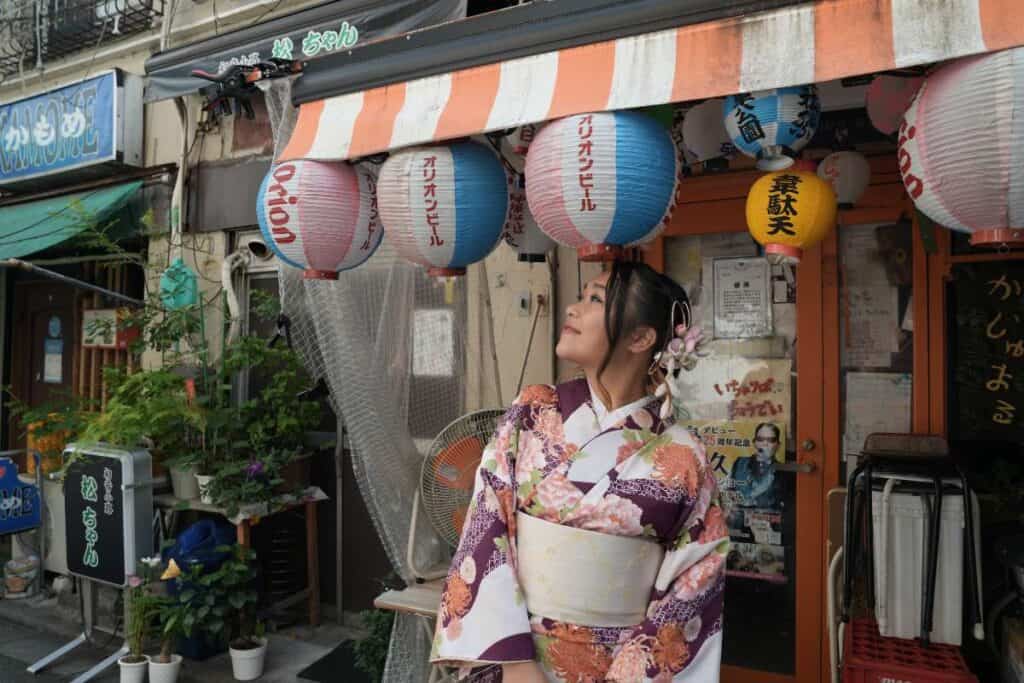
Spring begins with Hinamatsuri, which celebrates the safe and healthy growth of young girls. Dolls dressed in traditional clothes are displayed in each house as part of the holiday, and special sweets are eaten.
In late April/Early May is Golden Week, when many holidays come in quick succession. Lots of Japanese people travel during this time, meaning hotels and plane costs tend to be a lot more expensive.
Summer Festivals

Summer is matsuri (festival) season. Every neighbourhood will have its own matsuri, with people attending in yukata (summer kimono) to drink, eat, and watch performances from local schools and groups.
In August, there is Obon, a holiday dedicated to praying for our ancestors. Japanese people believe their ancestors come and visit on this day, so many people will take time to travel home and decorate the space for the spirits.
Autumn Festivals
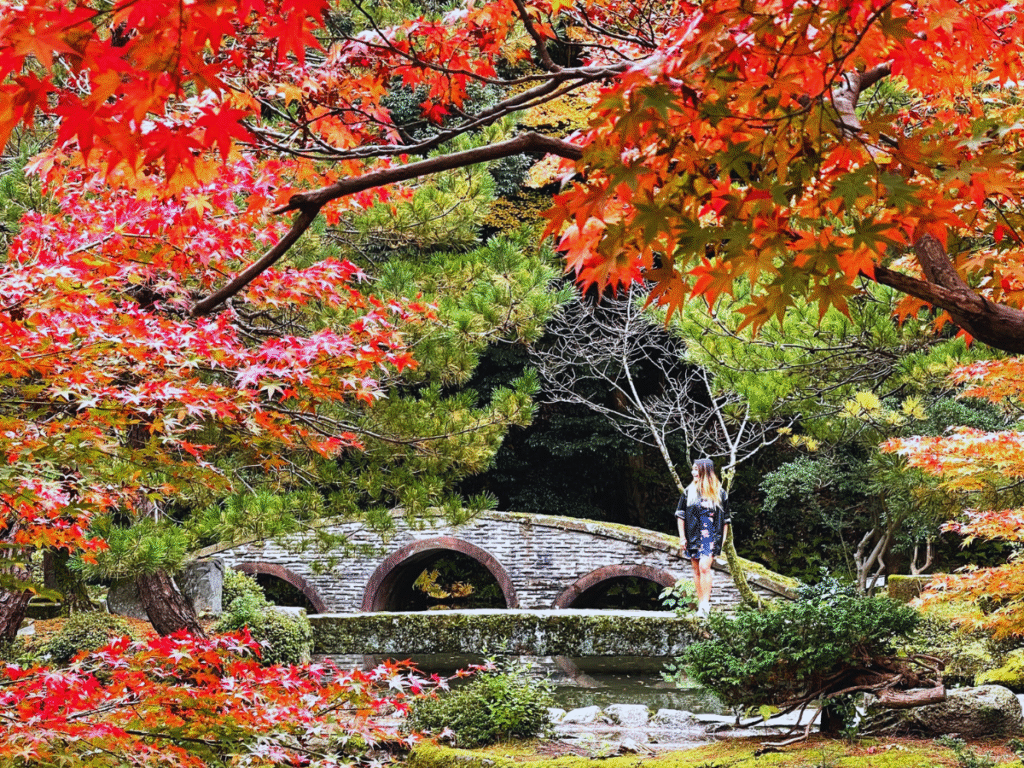
Autumn brings Otsukimi or moon-watching season, where people celebrate the beauty of the moon. By late September, Silver Week comes around with more consecutive holidays. This is another popular time for travel, with long weekends or almost a full week off from work.
Japanese Pop Culture
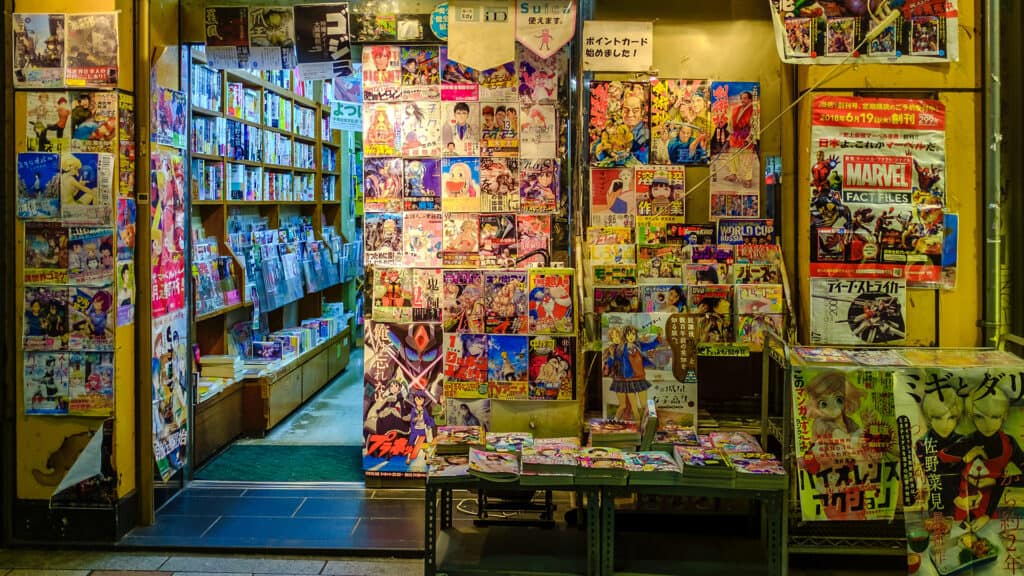
If you’ve ever watched anime, read manga, or played a Nintendo game, you’ve already dipped your toes into Japanese pop culture. It’s a great way to visit Japan from home, but when you visit, you’ll realise just how big an impact Japan’s pop culture plays in everyday life.
Anime and manga aren’t just for kids here either. There are stories for every age, from comforting slice-of-life shows to action-packed adventures. You’ll see characters on billboards, trains, and even in local town mascots. And if you’re a gamer, Japan is basically paradise: arcades are still thriving, with multi-floor game centres where you can try claw machines, rhythm games, or even old-school classics.
J-pop and idol culture are also huge. You might stumble across live performances in shopping districts or see fans lined up for the latest idol group release. Even fashion ties into pop culture, with Harajuku being the epicentre of bold, creative street styles.
The best part? You don’t need to be a hardcore fan to enjoy it. Even just walking through areas like Akihabara in Tokyo or Nipponbashi in Osaka will give you a colourful, energetic taste of Japan’s pop culture side. It’s playful, larger than life, and definitely worth experiencing while you’re there.
Japanese Culture FAQs
Why is Japanese culture so unique?
Japan really is a fusion of ancient art forms and concepts mixed with modern pop culture, fashion, and technology. There is also a large emphasis on respect and harmony, with individuals prioritising community over themselves.
What is the Japanese lifestyle?
The Japanese lifestyle varies a lot, but in general, it is led by a strong sense of purpose called ikigai. People tend to follow a routine, eat healthy and seasonal food, with often longer and harder work hours than in other places. That being said, there is also space for balance and relaxation with a lively drinking culture, and frequent visits to the local bathhouse to soak.
What is frowned upon in Japan?
In Japan, behaviour that disturbs the harmony of others is generally frowned upon. That could be speaking loudly on trains, eating while walking in busy areas, or ignoring basic customs like removing shoes indoors.
What do Japanese people value?
Japanese people value respect, cleanliness, and social harmony, which is why everyday etiquette is so important. They also hold a deep appreciation for nature, seasonal beauty, and traditions that connect generations.
How to respect Japanese culture?
The easiest way to respect Japanese culture is to learn and follow a few simple customs, like bowing as a greeting, handling money with care, and removing shoes when entering homes or certain places. Being mindful of your voice in public, showing gratitude, and observing how locals do things will help you blend in and be appreciated as a thoughtful visitor.