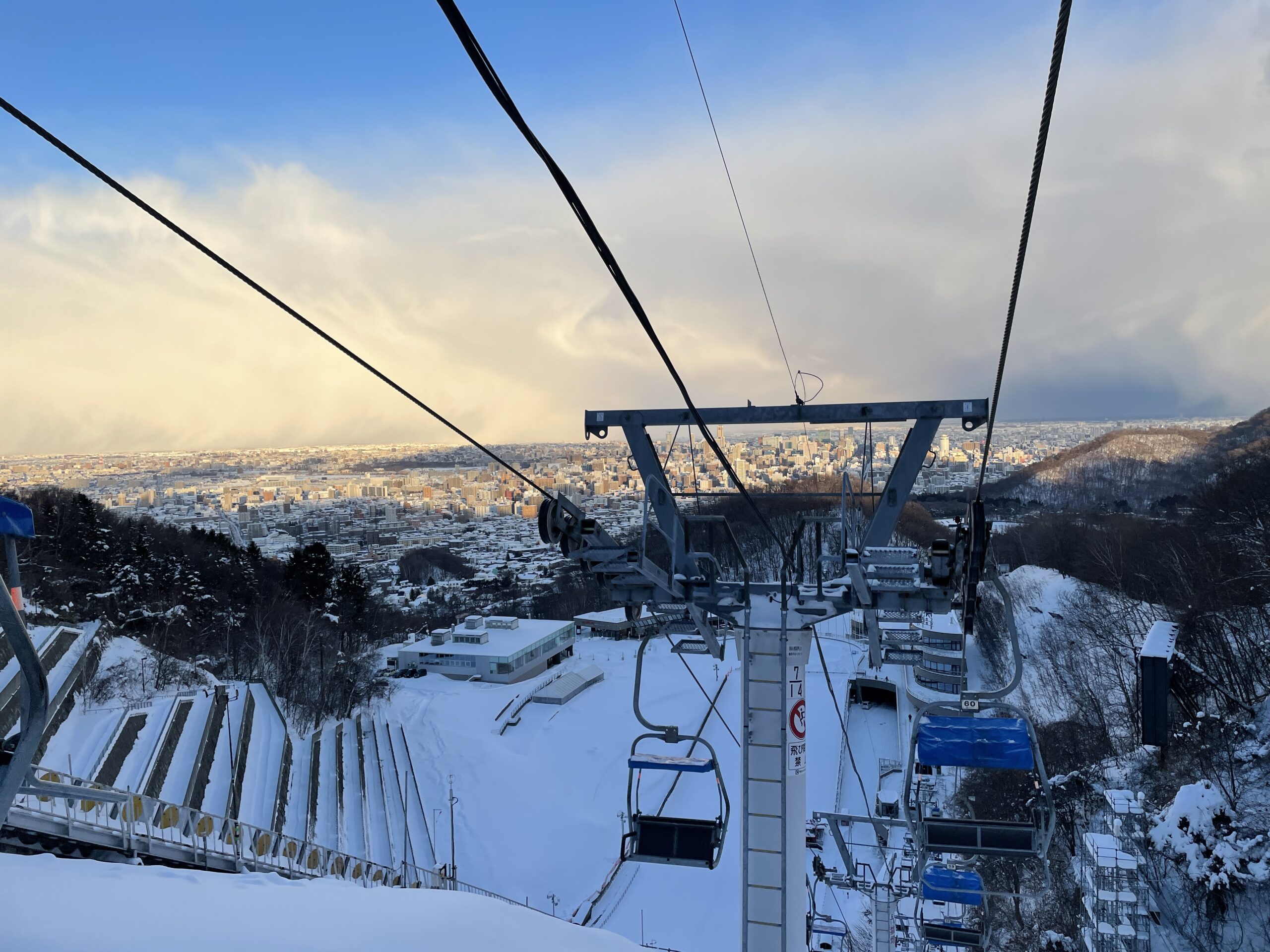

Don’t sleep on winter in Japan. If you’re an avid skier or snowboarder, we’re sure you’re already well aware of incredible wintry destinations like Niseko and Nagano, but did you know there is so much more to the season than just the ski resorts?
This complete guide to winter in Japan is your fast-pass to planning the ultimate trip between December and February. We’re a travel agency based out of Tokyo, and are about to share everything you need to know about spending the holiday season in Japan, from the weather, to what to pack, and must-do winter activities that can‘t be missed.
Planning a trip to Japan this winter?
Let us help! We’re the experts on all things Japan, and are ready to take over your trip planning logistics so you can focus on the fun. Check out our trip planning services, or for the ultimate winter adventure, consider our Sakura and Snow Monkeys February tour.
What to Expect From Winter in Japan
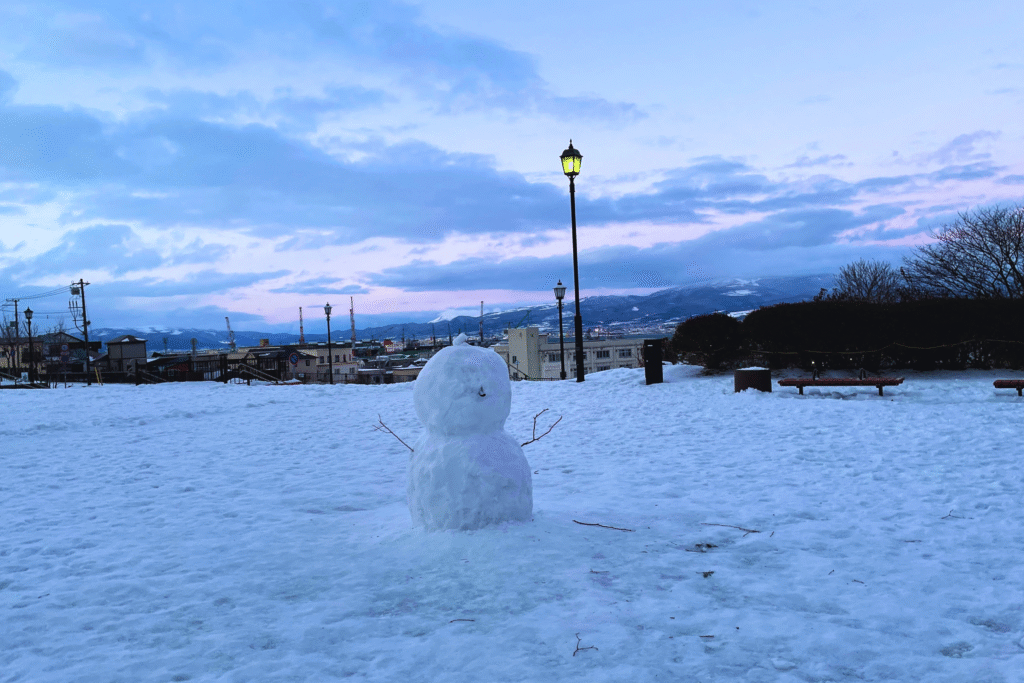
Winter might not be the most popular tourist season, but we think it’s one of the best times to visit Japan. Of course, it’s known for some of the best ski and snowboarding runs in the entire world, but there’s so much more winter magic to be found than just at the ski resorts.
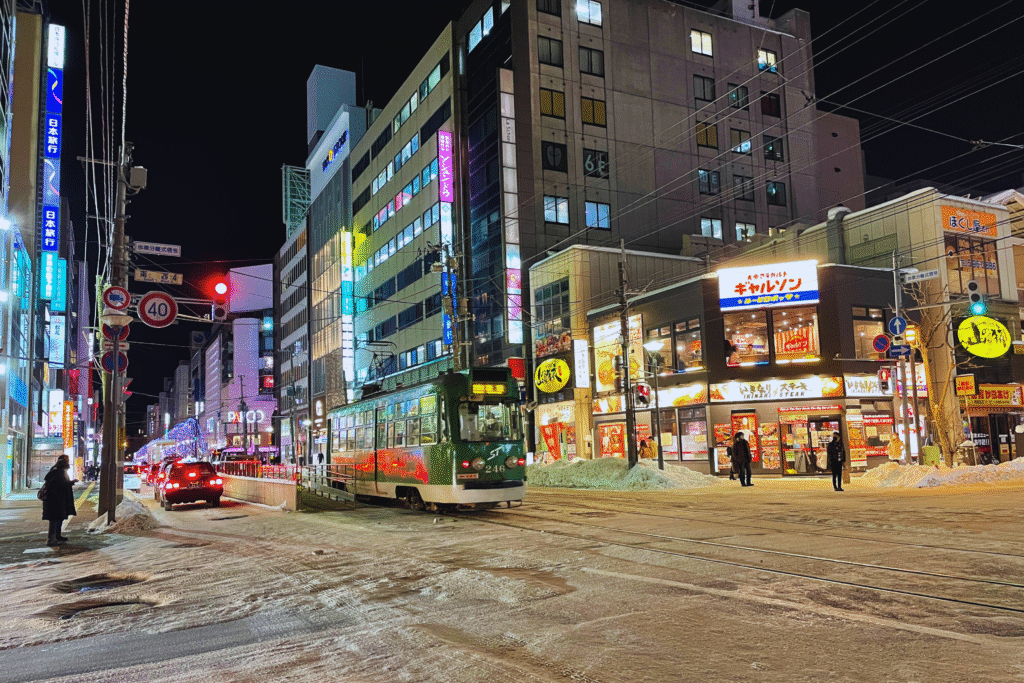
Winter in Japan brings a sense of magic across the country. You’ll find fairy lights and illuminations (outdoor light installations) make the nighttime glitter. From December through to February, you’ll have the treat of seeing gorgeous snowscapes that leave the cities and countryside transformed.
The vibes are just as immaculate. Winter is a time for visiting the onsen (heated baths), gathering groups of friends to eat shabu shabu, and indulging in Japan’s winter strawberry season (that’s right, here strawberries are considered a winter fruit).
In general, you can expect fewer tourists than during spring or autumn, with the exception of the ski resort areas like Niseko and Nagano. Temperatures vary by region, but you’ll definitely need to bring layers and be prepared for some snow.
Winter in Japan Weather Guide
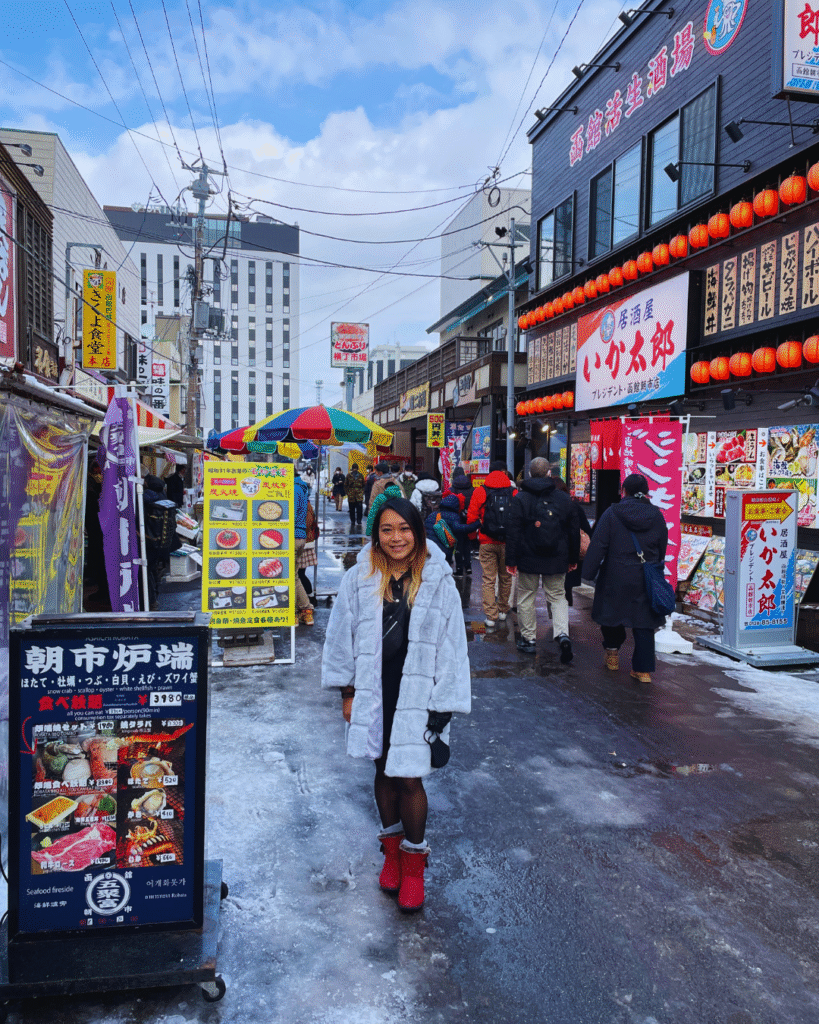
The weather in Japan during winter does change drastically depending on the month and region, e.g., the Japanese Alps are actually the snowiest place in the entire world, whilst Kyushu has almost no snowfall at all.
To make sure you’re prepared, here’s a quick winter weather in Japan guide:
Early winter is relatively mild in most major cities. Tokyo, Kyoto, and Osaka average around 7–12°C (45–54°F), with crisp, dry air and lots of clear days. Snow is unlikely in the cities but already heavy in northern regions like Hokkaido and the Japanese Alps, making it prime ski season.
The coldest month of the year. Tokyo hovers around 1–9°C (34–48°F), while Kyoto and Osaka experience frosty mornings. Hokkaido and northern Honshu are deep in snow, perfect for winter sports and onsen retreats. Expect shorter daylight hours and icy winds.
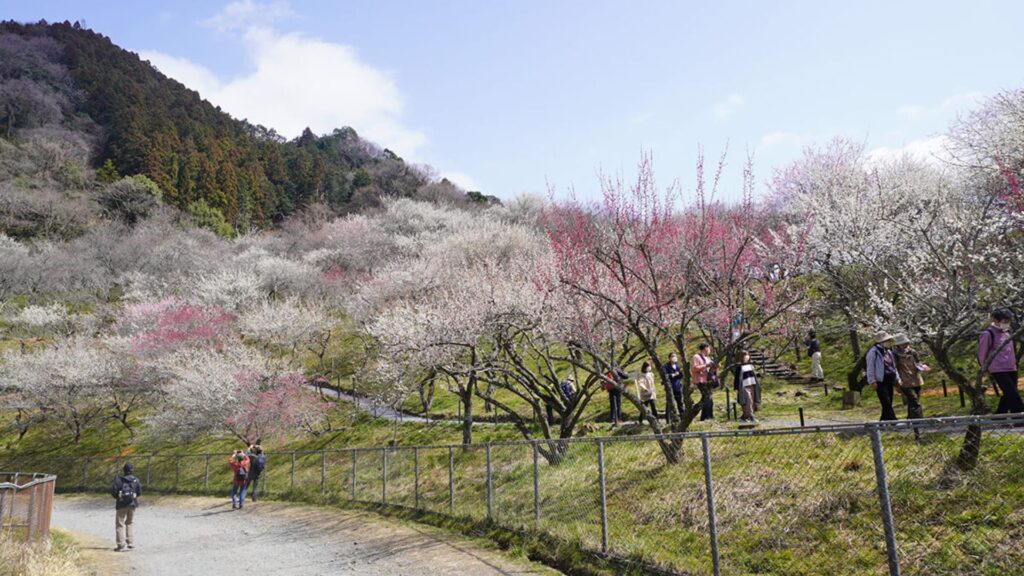
Still cold, though days begin to lengthen. Snow remains heavy in the north, with famous events like the Sapporo Snow Festival taking place. Central and southern Japan slowly warm up to 5–12°C (41–54°F). Plum blossoms even begin blooming in late February in milder areas like Kyushu and Shizuoka, signalling the approach of spring.
What to Pack for Winter in Japan
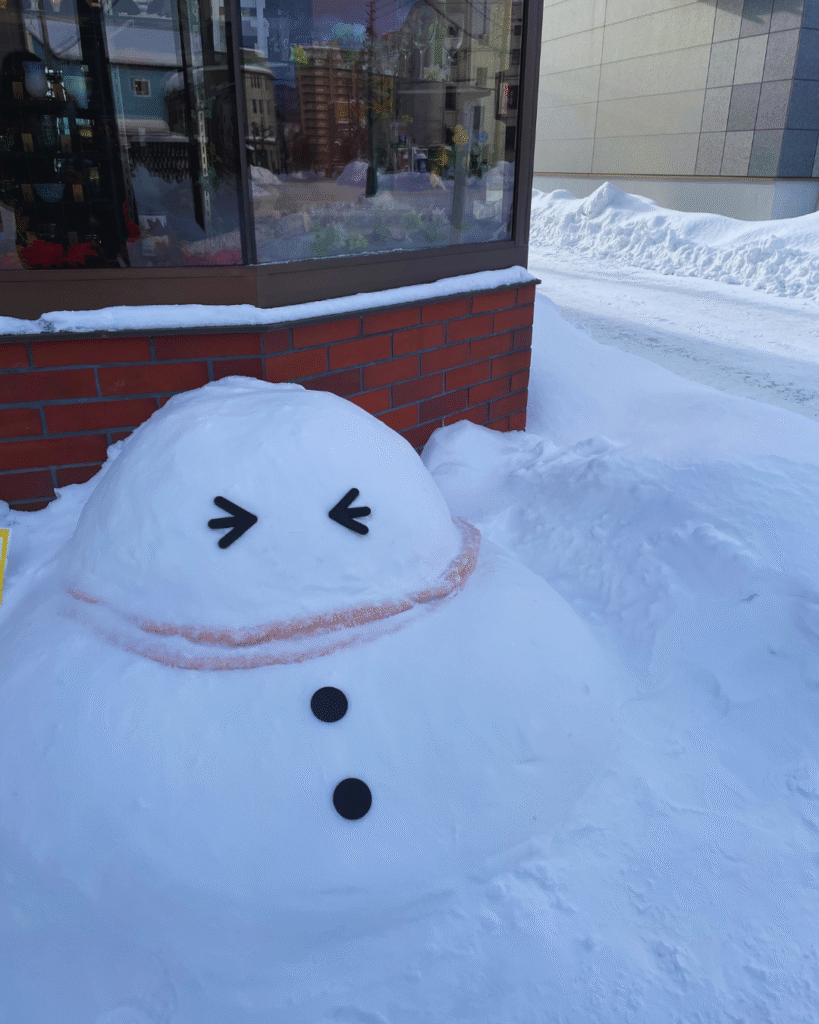
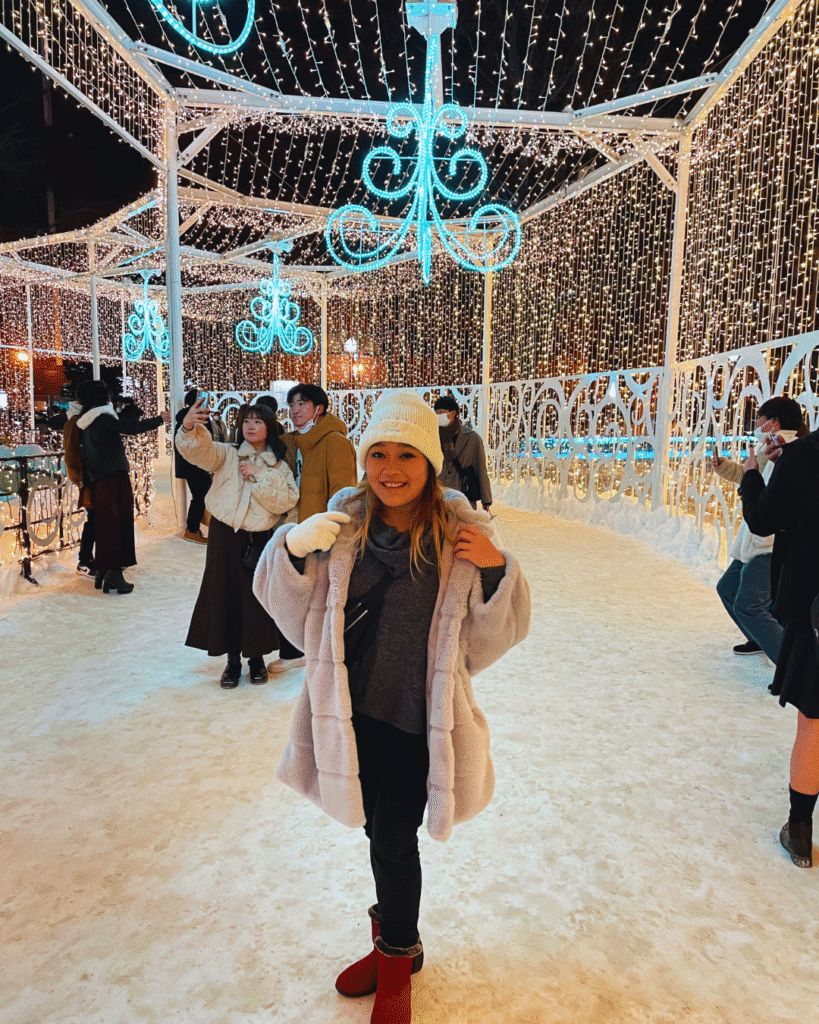
Packing appropriately for winter in Japan can genuinely make or break your trip: no one wants to be freezing cold, damp, and constantly slipping over. The key is in layers (especially the base), with plenty of waterproof items, and comfortable walking shoes.
Don’t worry, we have you covered with this winter packing list:
Winter in Japan Packing List
- Warm Coat or Down Jacket: Essential for December–February, especially in northern and alpine regions.
- Thermal Layers (Uniqlo heat tech or merino wool): Lightweight but warm, perfect for layering under clothes.
- Sweaters & Hoodies: Good mid-layers for cities.
- Long-Sleeve Shirts & Base Layers: Easy to layer and remove indoors.
- Comfortable Jeans/Pants: Opt for thicker fabrics or lined pants.
- Thick Dresses/Skirts + Thermal Tights: If you like stylish options, pair with thermal tights.
- Waterproof Pants: Useful if you’ll be skiing, snowboarding, or walking in heavy snow.
- Warm Scarf: A must for windy days.
- Gloves: Touchscreen-friendly ones are handy for phones.
- Beanie or Ear Warmers: Essential in Hokkaido, optional in cities.
- Wool Socks: Bring several pairs to keep feet warm and dry
- Waterproof Boots: Necessary for hiking
- Comfortable Trainers: To keep your feet happy when walking 15k+ steps per day
Take a look at our guide on how to dress in Japan:
Best Japan Winter Destinations
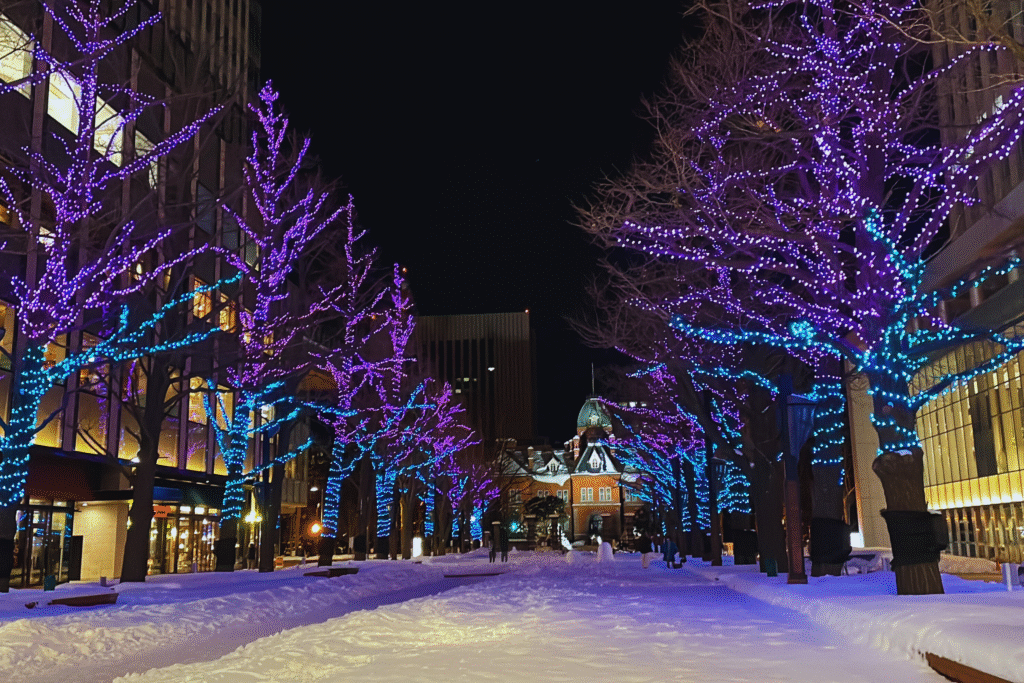
Winter in Japan has so much variety, and where you go all depends on what type of trip you’re looking for: Ski resorts, snow-covered villages, wintry city vibes, etc. Here’s a list of what we think are the top five winter destinations in Japan:
Hokkaido

The ultimate Japan winter destination. Hokkaido is home to the iconic Niseko ski resort, the Sapporo Snow Festival, and the picturesque town of Otaru. Beyond skiing and snowboarding, visitors can soak in outdoor onsen surrounded by snow, sample Hokkaido’s famous seafood and miso ramen, or take in the magical drift ice along the Sea of Okhotsk.
Nagano

If you’re looking for skiing and snowboarding closer to Tokyo, then Nagano is your winter destination. The Japanese Alps here offer world-class resorts like Hakuba Valley and Nozawa Onsen, combining excellent slopes with charming hot spring villages. Nagano is also famous for the Jigokudani Snow Monkey Park, where wild macaques soak in natural hot springs, creating one of Japan’s most iconic winter sights.
Tokyo
It might be obvious, but we love Tokyo during winter. The city transforms with illuminations and decorations, and there are few sites as magical as Tokyo in the snow. You also have your pick of winter comfort food restaurants from ramen to hot pot, not to mention all of the winter festival food stands with steaming yakisoba and freshly grilled scallops. Don’t forget the many winter day trips you can reach from the city, too!
Hakone
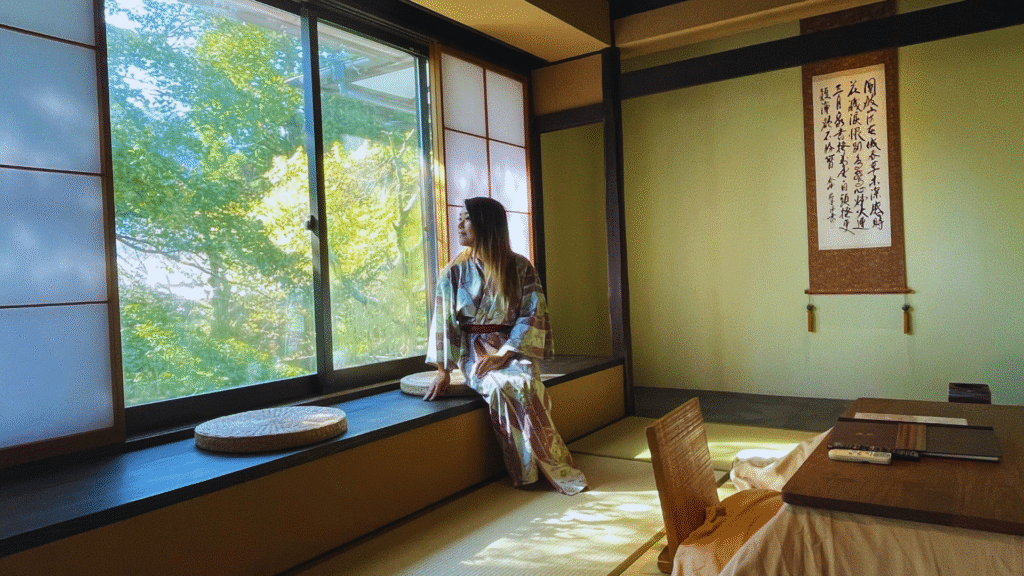
Hakone really is one of the top onsen destinations in all of Japan. The beautifully quaint ryokan make for ideal cosy winter retreats, with private and outdoor onsen where you can bathe whilst snow falls all around. You’ll also find nearby museums, art installations, and ropeway rides to fill the time between onsen dips.
Takayama
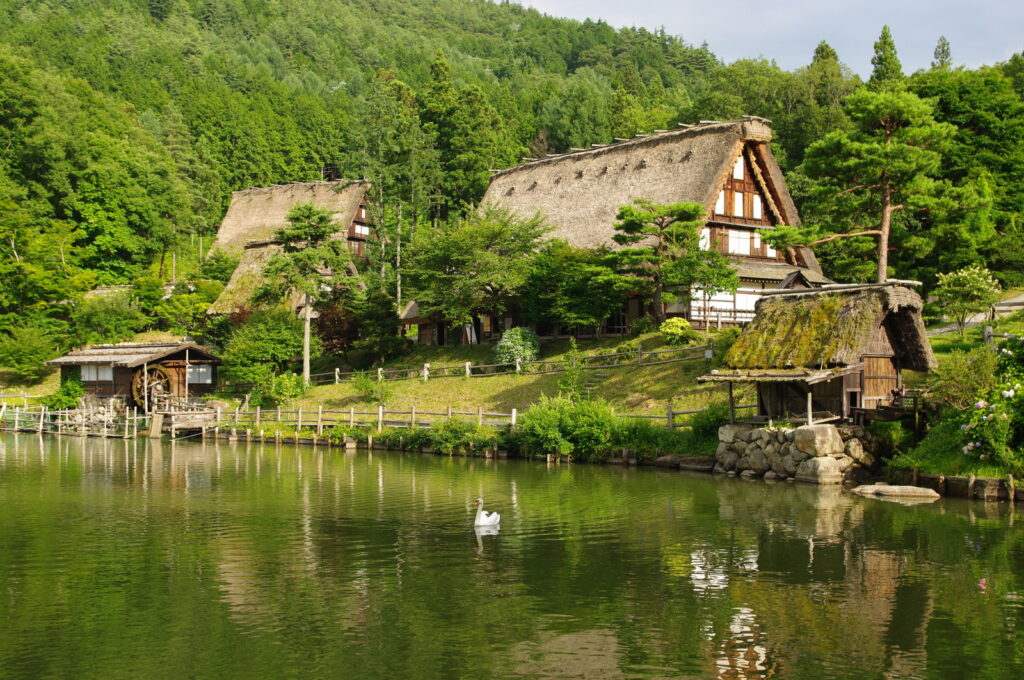
Nestled in the Japanese Alps, Takayama transforms into a charming winter wonderland. The preserved old town, with its traditional wooden houses and sake breweries, looks even more magical under a layer of snow. Winter is also the perfect time to try Takayama’s speciality, Hida beef, in a steaming hot pot or grilled to perfection.
Check out our 1 Week Winter Itinerary:
Must-Do Winter Activities in Japan

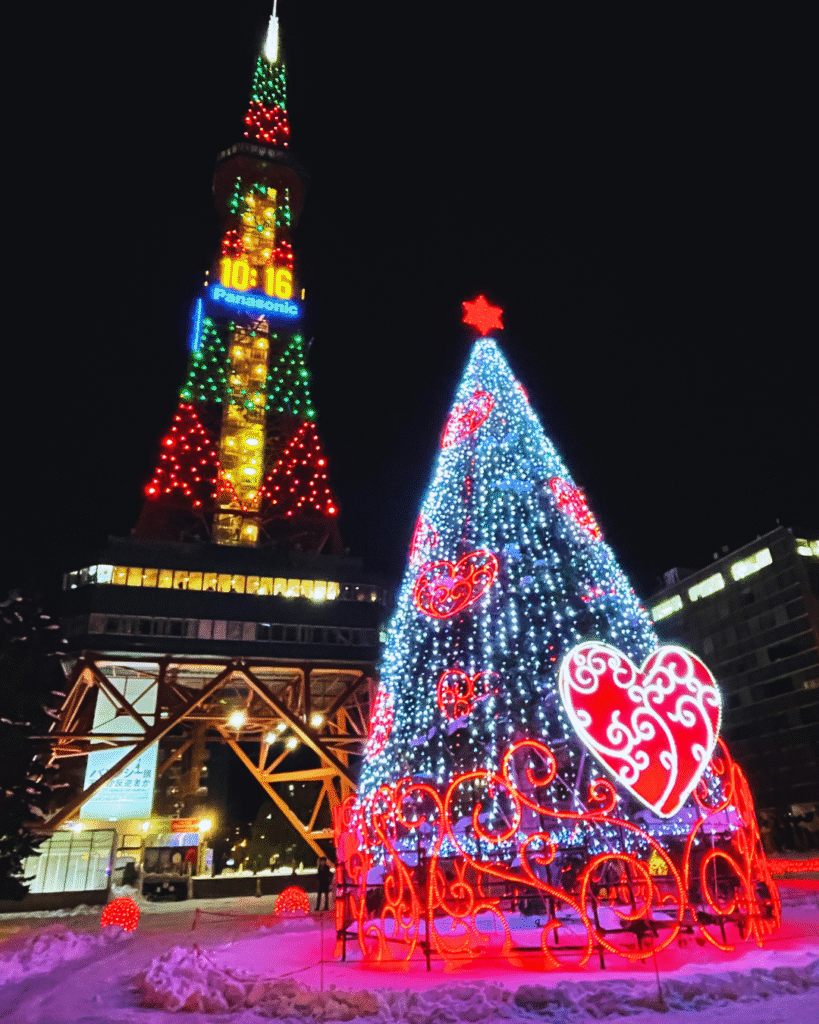
It goes without saying that you can come to Japan for world-class skiing, but the fun doesn’t stop there. Winter is a unique time for festivals and customs, with many activities that you’ll only find in Japan.
Here’s what we think are the must-do activities during winter in Japan:
Hatsumode
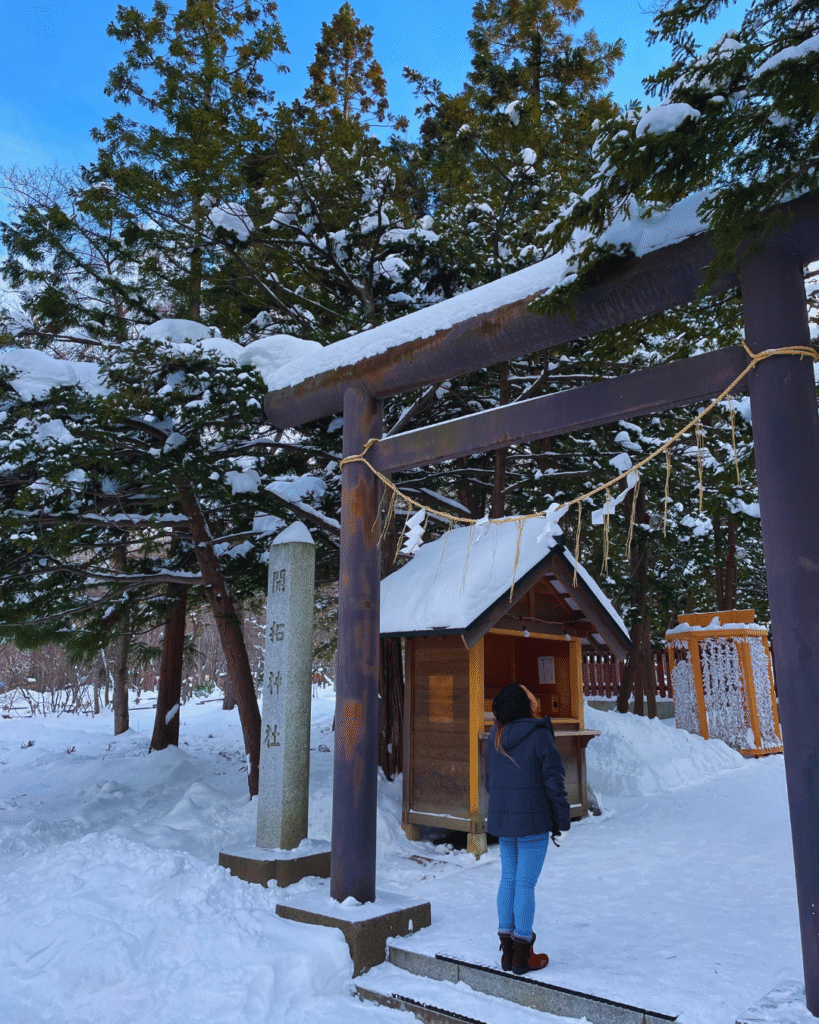
If you happen to be in Japan between January 1st to 3rd, you’ll have the chance to experience Hatsumode, the Japanese tradition of visiting a shrine or temple for the first time in the New Year. People go to pray for good fortune, health, and happiness in the coming year, often drawing omikuji (fortune slips) or buying lucky charms. Popular trips include Meiji Jingu in Tokyo and Fushimi Inari in Kyoto.
Winter Illuminations
During winter, Japan’s cities sparkle with breathtaking illuminations, transforming gardens, streets, and landmarks into glowing wonderlands. Tokyo hosts some of the most popular displays, including Caretta Shiodome’s fairy-tale shows and Tokyo Dome’s culturally inspired light garden, or there’s Osaka Sky Vista with one of the country’s largest light events.
Winter Sports
On top of skiing and snowboarding, you can try one of the many other popular winter sports. Snowmobiling, snowshoeing, and even dog sledging are just some of the options you can find in snowy areas like Niseko and Hakodate.
Onsen
We know that stripping down in front of strangers at the onsen can be intimidating, but trust us, there’s few things as cool as bathing in natural hot springs whilst snow falls all around. Visiting the onsen is particularly wonderful after a day on the slopes or hiking to soothe your sore and tired muscles.
Snow Festivals
Snow festivals are one of Japan’s most magical winter experiences, celebrating snow and ice with stunning sculptures and lively events. The Sapporo Snow Festival in Hokkaido is the most famous, with its massive ice statues, but there are also smaller festivals, like the Kamakura Snow House Festival.
Learn more about the best winter activities in Japan:
Must-Try Winter Food and Drinks
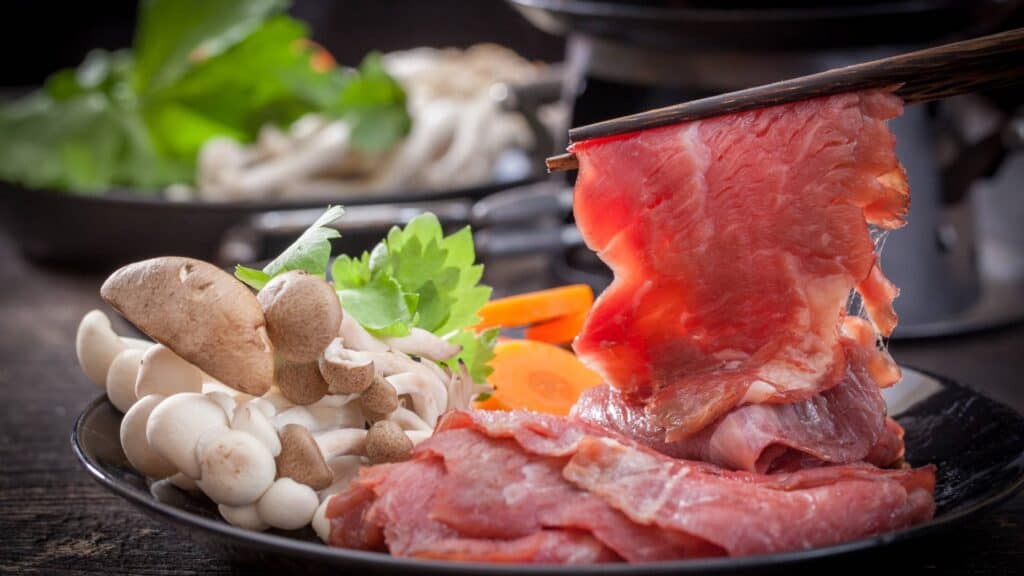
Japanese winter cuisine is all about warmth, comfort, and seasonal ingredients. Nabe, a hot pot dish, comes in many varieties, from simple vegetables and tofu to seafood or rich sukiyaki with thinly sliced beef. Oden is a hearty stew of daikon, eggs, konjac, and fish cakes simmered in a light soy-based broth, perfect for warming up on chilly streets.
Ramen is especially satisfying in winter, with hot bowls of rich broth and noodles topped with pork, vegetables, or seafood. Crab and other winter seafood are at their peak, often served boiled, grilled, or in hot pot dishes.
When it comes to winter sweet treats, winter is Japan’s strawberry season, so you’ll find endless strawberry-themed desserts and drinks. Roasted sweet potatoes are also popular this time of year, and are sold from street carts or yakiimo grills in grocery stores.
For winter drinks, amazake, a warm, sweet rice drink, is commonly enjoyed during festivals and shrine visits. Hot sake and oden broth-based drinks are also popular ways to keep warm while exploring winter markets.
Winter in Japan FAQs
When is winter in Japan?
Winter in Japan runs from December to February, with the coldest months typically being January and February.
How cold does Japan get in winter?
Temperatures vary by region, ranging from around 0°C (32°F) in northern areas like Hokkaido to 5–10°C (41–50°F) in Tokyo.
What month is snowfall in Japan?
Snowfall usually occurs from December through February, with northern and mountainous regions seeing the heaviest snow. Snow in Tokyo is rare and light, usually occurring between late January and early February, and often only a few days each winter.
Is it expensive to visit Japan in winter?
Winter is often cheaper than the spring cherry blossom season, though prices rise around the New Year holidays and popular ski resorts.
Is it too cold to visit Tokyo in December?
No, Tokyo in December is cold but manageable, with average highs around 12°C (54°F) and mild enough for sightseeing with layers.